
Let me tell you about my Jack Russell Terrier’s dental drama – at his last checkup, the vet mentioned that his teeth were looking a bit yellow and suggested expensive dental chews that cost more per month than my own dental care. I was feeling defeated until I remembered how much he loves stealing raw carrots from my cutting board and decided to combine them with his favorite protein. The first batch of these chicken-coated carrot sticks disappeared so fast I thought he’d inhaled them, but then I noticed him actually chewing each one thoroughly. Three months later, his vet was amazed by his cleaner teeth and asked what miracle dental product I’d been using.
Here’s the Thing About This Dog-Approved Recipe
The secret to driving dogs wild for these dental sticks is that the natural crunchiness of carrots combined with irresistible chicken coating creates the perfect texture for satisfying their chewing instincts while actually scraping away plaque buildup. What makes this so tail-wagging good is how the firm carrot base provides the abrasive action that helps clean teeth, while the savory chicken coating makes dogs want to chew slowly and thoroughly instead of gulping treats whole. This combo delivers both dental benefits and protein nutrition in a format that feels like premium chew toys but tastes like gourmet treats. It’s honestly more effective than most commercial dental chews, and no weird chemicals or artificial cleaning agents needed.
The Lineup – Let’s Talk Dog-Safe Ingredients (Safety First!)
Good cooked chicken breast is absolutely crucial – I finally learned to cook extra during my own meal prep because properly cooked, unseasoned chicken has this amazing ability to coat vegetables while providing high-quality protein (learned this after my vet explained how seasoned chicken can upset sensitive stomachs). Look for chicken that shreds easily and has been cooked through with no pink areas.
Don’t skip the large, fresh carrots – these natural toothbrushes need to be firm enough to provide dental scraping action while being safe for extended chewing (way better than processed dental chews and completely safe for dogs). I always choose organic carrots when possible and cut them into sizes appropriate for my dog’s mouth to prevent choking.
Low-sodium chicken broth works as the perfect binding agent – this creates a coating that sticks to the carrots while adding irresistible flavor that makes dogs actually want to chew instead of just swallowing treats whole (completely safe when sodium-free and actually provides hydration benefits). I make my own when possible, but quality store-bought versions work perfectly.
Plain olive oil adds healthy fats and helps with cooking – this creates the perfect roasted texture on carrots while providing omega-3s that support coat health and nutrient absorption. I use extra virgin olive oil because it has better flavor and more beneficial compounds for dogs.
I always grab extra carrots when they’re on sale because my neighbor’s Beagle somehow knows when I’m making these dental sticks and shows up at my door doing his best “my teeth need cleaning too” performance. For more information about natural dental care for dogs, check out the American Kennel Club’s guide to dog dental health.
Here’s How We Create This Dog-Approved Magic
Preheat your oven to 350°F and line a baking sheet with parchment paper – this moderate temperature ensures the carrots cook evenly without burning the chicken coating (here’s where I used to mess up dental treat making by using too high heat and ending up with charred outsides and raw insides).
Prepare your carrots carefully – peel them and cut into sticks about 4 inches long and thick enough that your dog can’t swallow them whole. Now for the fun part (your dog will start stalking you from the amazing roasted vegetable aroma) – the size should encourage chewing rather than gulping.
Toss carrot sticks in olive oil until they’re lightly coated but not dripping – this helps them roast to the perfect tender-but-still-crunchy texture. Here’s my secret for perfect dental sticks: the carrots should still have some firmness after the initial baking to provide dental scraping action.
Bake carrots for 15-20 minutes until they’re slightly tender but still firm when pierced with a fork. The edges should just start to caramelize, creating natural sweetness that dogs find irresistible.
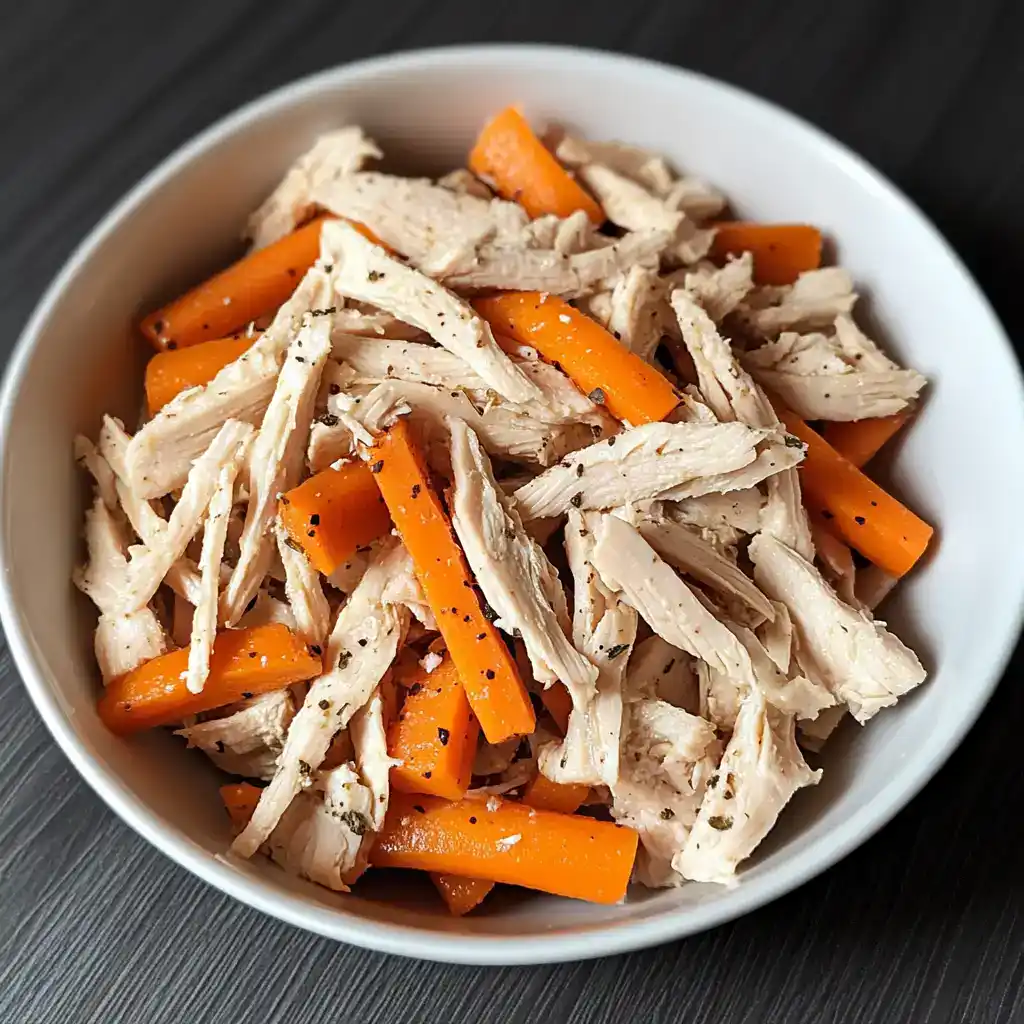
While carrots bake, prepare your chicken mixture – shred the cooked chicken breast and mix it with chicken broth until it forms a thick, paste-like coating that will stick to the carrots. The consistency should be like chunky chicken salad.
Dip the partially cooked carrots into the chicken mixture, coating them evenly but not so thickly that the coating slides off. This step transforms plain vegetables into irresistible protein-packed dental chews.
Return to oven for 10-15 minutes until the chicken coating is set and lightly browned – the final result should be firm carrots with a flavorful, slightly crispy chicken coating that encourages thorough chewing.
Don’t worry if you’re new to making dental treats – every dog has different chewing preferences and jaw strength. My vet taught me this trick: adjust the cooking time based on your dog’s age and dental health, making them softer for seniors or harder for aggressive chewers. Check out my dental health treat collection for more tooth-cleaning options your pup will love.
Common Dental Treat Oops Moments (And How to Fix Them)
Sticks came out too soft to provide dental benefits? You probably over-baked the initial carrot stage or used carrots that were too ripe, and that’s common when making dental chews for the first time. Next batch, reduce the first baking time and choose firmer, fresher carrots.
Chicken coating slides off during the second baking? When this happens (and it will), your chicken mixture was too wet or the carrots weren’t dry enough after the first bake. I’ve learned to pat carrots dry before dipping and make the chicken mixture thicker by using less broth.
Dog swallows these too quickly instead of chewing? If your pup is like my initially impatient Terrier, try cutting the carrot sticks thicker or longer to force more chewing action. This is totally fixable – most dogs learn to slow down once they realize how delicious thorough chewing makes these treats.
I always double-check that my chicken is completely cooked and unseasoned because safety is paramount with protein-coated treats. Don’t stress if the first batch doesn’t look perfectly uniform – even my rustic early attempts provided excellent dental benefits and got thoroughly enjoyed.
When I’m Feeling Creative
For my aggressive chewer version, I’ll make the carrot sticks thicker and bake them for less time to maintain maximum firmness for dogs who need serious dental scraping action. This provides better dental benefits for power chewers but takes the same prep time.
My senior dog version gets carrots that are baked slightly longer until they’re more tender for dogs with sensitive teeth who still need dental stimulation. Sometimes I’ll add a tiny bit of coconut oil to the chicken mixture for extra healthy fats that support aging joints.
For extra breath-freshening power, I love adding a tablespoon of finely chopped fresh parsley to the chicken coating – it’s completely safe for dogs and helps neutralize odors after they’ve enjoyed these protein-rich dental chews.
Why This Works So Well for Dogs
What sets this apart from other dog treat recipes is the combination of natural abrasive action from firm carrots with protein coating that makes dogs want to chew slowly and thoroughly – this creates mechanical plaque removal that’s far superior to soft treats that get swallowed quickly. The chicken coating provides high-quality nutrition while encouraging the extended chewing that’s essential for dental health.
This technique delivers treats that function like premium dental chews while tasting like gourmet chicken dinners that dogs actually crave. I discovered through my plaque-prone Terrier that homemade dental sticks are infinitely more appealing than commercial options, and the natural ingredients mean I don’t worry about artificial additives or questionable preservatives. My vet was impressed when my dog’s dental health improved significantly without expensive professional treatments or harsh chemical dental products.
Questions I Always Get
Can puppies eat these dental sticks safely?
These work wonderfully for teething puppies over 4 months old, but I recommend making them slightly softer by increasing the initial baking time. Always supervise young dogs with any chew treats to ensure safe consumption.
How long do these chicken-coated treats stay fresh?
These keep well in the refrigerator for up to 3 days in airtight containers, though they’re best consumed within 48 hours for optimal texture and food safety. The chicken coating makes shorter storage necessary than plain vegetable treats.
What size carrots work best for different dog breeds?
I cut sticks about as thick as my dog’s front leg and 4-6 inches long – thicker for large breeds, thinner for small dogs, but always long enough that they can’t be swallowed whole.
Are these treats effective for dogs with existing dental problems?
These help maintain dental health and prevent further buildup, but dogs with existing tartar or gum disease need professional dental cleaning first. Always consult your vet about serious dental issues.
Can I make these treats without the chicken coating?
Plain roasted carrot sticks work as dental chews, but the chicken coating makes dogs much more enthusiastic about thorough chewing, which is essential for the dental benefits.
What’s the best way to serve these for maximum dental benefit?
I give these when my dog can chew undisturbed for 10-15 minutes – usually after dinner when he’s relaxed but not sleepy. Rushed chewing doesn’t provide the same plaque-scraping benefits.
How often should I give dental sticks for optimal oral health?
I offer these 2-3 times per week as part of a comprehensive dental care routine that includes regular tooth brushing and professional cleanings as needed.
Before You Head to the Kitchen
I couldn’t resist sharing this because watching dogs discover that dental care can actually be delicious makes every minute of preparation absolutely worthwhile. The best dog treat days are when you can give your furry family member something that supports their health while tasting like a special reward – and these chicken-coated carrot sticks deliver both effective dental care and pure canine satisfaction.
Print
Chicken and Carrot Sticks
Description
Dental-supporting treats that make even reluctant chewers beg for more while naturally cleaning teeth and providing lean protein
Prep Time: 10 minutes | Cook Time: 30 minutes | Total Time: 40 minutes | Makes: 8-12 sticks (depending on carrot size)
Ingredients
- 8 oz cooked chicken breast, shredded and cooled (lean protein coating – completely safe for dogs)
- 1 large fresh carrot, peeled and cut into 4-6 inch sticks (natural dental scrubbing action)
- 1/4 cup low-sodium chicken broth (binding agent without excess salt)
- 1 tablespoon olive oil (healthy fats for roasting and coat health)
Instructions
- Preheat oven to 350°F and line a baking sheet with parchment paper for easy cleanup and even cooking.
- Prepare carrot sticks by peeling and cutting into appropriate sizes for your dog – thick enough to prevent swallowing whole but manageable for their jaw size.
- Toss carrots in olive oil until lightly coated but not dripping (your kitchen will smell like a gourmet roasted vegetable feast).
- Bake carrots for 15-20 minutes until slightly tender but still firm enough to provide dental scraping action when chewed.
- While carrots bake, prepare chicken mixture by shredding cooked chicken and mixing with broth until it forms a thick, spreadable coating.
- Dip partially cooked carrots into chicken mixture, coating evenly but not so thickly that coating slides off during final baking.
- Return to oven for 10-15 minutes until chicken coating is set and lightly browned but carrots retain some firmness.
- Cool completely before serving to prevent burns and allow proper texture development.
Notes:
- Always use fully cooked, unseasoned chicken for safety and optimal coating
- Adjust carrot stick thickness based on your dog’s size and chewing ability
- Supervise dogs with any chew treats to ensure safe consumption
Storage Tips:
- Store in airtight containers in refrigerator for up to 3 days maximum
- Never leave at room temperature for more than 2 hours due to chicken content
- Check for spoilage before serving – discard if coating becomes slimy or develops off odors
What Makes This Recipe Special: These treats combine natural abrasive action from firm carrots with irresistible protein coating that encourages slow, thorough chewing essential for dental health. The mechanical plaque removal is superior to soft treats while providing high-quality nutrition.
Mix It Up (Dog-Safe Variations):
Power Chewer Version: Make carrot sticks thicker and reduce initial baking time for maximum firmness that provides serious dental scraping for aggressive chewers.
Senior Gentle: Increase initial baking time for softer carrots that still provide dental stimulation but are easier on sensitive teeth.
Fresh Breath Boost: Add 1 tablespoon finely chopped fresh parsley to chicken coating for natural breath-freshening benefits after protein-rich treats.




