
Let Me Tell You Why This Works
Ever wonder what happens when you combine premium lean protein with nature’s perfect vitamin-packed vegetable into one irresistible chewy treat? I discovered this primal combination when my 8-year-old Golden Retriever Amber started losing interest in his regular soft treats, acting like he needed something more substantial to really satisfy his natural chewing instincts. This protein-rich turkey and sweet potato jerky completely awakened his inner wolf and transformed snack time into pure carnivorous bliss. Here’s the thing—I used to worry about finding treats that would give Amber the satisfying chew he craved without all the preservatives and mystery ingredients in commercial jerky until I realized I could create something this wholesome and substantial right in my kitchen. Now he literally does his “hunting stance” when he smells turkey baking, and my vet was thrilled with how much his muscle tone improved once I started making these protein-packed, joint-supporting strips.
What Makes This So Tail-Wagging Good
Here’s the magic behind these primal powerhouses: lean ground turkey delivers high-quality protein that supports strong muscles and gives dogs that authentic meat flavor they instinctively crave, while thinly sliced sweet potato adds natural sweetness plus vitamins A and C for immune support. What makes this irresistible to pups is how the long, slow baking process creates that perfect chewy jerky texture that satisfies their natural urge to gnaw and chew, all enhanced with turmeric’s anti-inflammatory benefits for joint health. It’s honestly the closest thing to what dogs would hunt and forage for naturally, plus you know exactly what quality ingredients are fueling your furry family member’s primal satisfaction (no artificial preservatives or questionable meat sources).
What You’ll Need (And My Dog-Safe Shopping Tips)
Lean ground turkey is absolutely crucial here—I’m talking 93% lean or higher to create jerky that dries properly without becoming greasy. Don’t skip the quality on this ingredient because jerky-making really concentrates flavors, and dogs can definitely tell the difference between good turkey and cheap, fatty ground meat. I always buy an extra pound because Amber somehow knows when jerky day is happening and expects plenty of “quality control” samples during the long baking process.
One large sweet potato should be firm and bright orange for maximum beta-carotene content. I finally learned to slice them as evenly as possible—about 1/8 inch thick works perfectly for achieving that ideal chewy-but-not-tough texture. A mandoline slicer is a game-changer here, but a sharp knife and patience work too.
Extra virgin olive oil provides healthy fats that help the seasonings stick and support nutrient absorption. Yes, olive oil is completely safe for dogs in small amounts and actually contributes to coat health. Just a light coating is all you need.
Dried parsley adds fresh flavor and actually provides vitamins K and C while supporting fresh breath—perfect for close-contact treat time. Make sure it’s plain dried parsley with no added salt or garlic.
Turmeric is your anti-inflammatory powerhouse that gives the sweet potato that beautiful golden color while supporting joint health. Yes, turmeric is completely safe for dogs and actually provides incredible health benefits, especially for senior pups.
For more information about the muscle-building benefits of lean turkey for dogs, check out this comprehensive guide from VCA Animal Hospitals.
Let’s Make This Pup-Perfect Treat Together
Preheat your oven to 200°F—this low and slow approach is crucial for creating proper jerky texture without overcooking. Line two baking sheets with parchment paper because you’ll need separate space for the turkey and sweet potato components.
Toss your thinly sliced sweet potato with olive oil, parsley, and turmeric until every slice is lightly coated and glowing with that gorgeous golden color. The mixture should smell like healthy comfort food at this point, and if your pup is anything like Amber, they’ll be doing their best “patient but hopeful” expression from across the kitchen.
Arrange the seasoned sweet potato slices on one baking sheet in a single layer—don’t overlap them or they won’t dry evenly. Here’s my secret for perfect sweet potato jerky: make sure each slice is roughly the same thickness so they all finish at the same time.
Now for the protein component that always gets my Golden Retriever’s hunting instincts activated—take your ground turkey and flatten it evenly on the second baking sheet to about 1/4 inch thickness. Don’t worry about making it perfectly smooth; slight variations actually create interesting texture differences that dogs love exploring.
Slide both sheets into your low oven. The sweet potato slices will need 2-3 hours, flipping them halfway through when they start to curl at the edges. The turkey will need 3-4 hours total until it’s completely dried and has that perfect jerky texture—no moisture should remain.
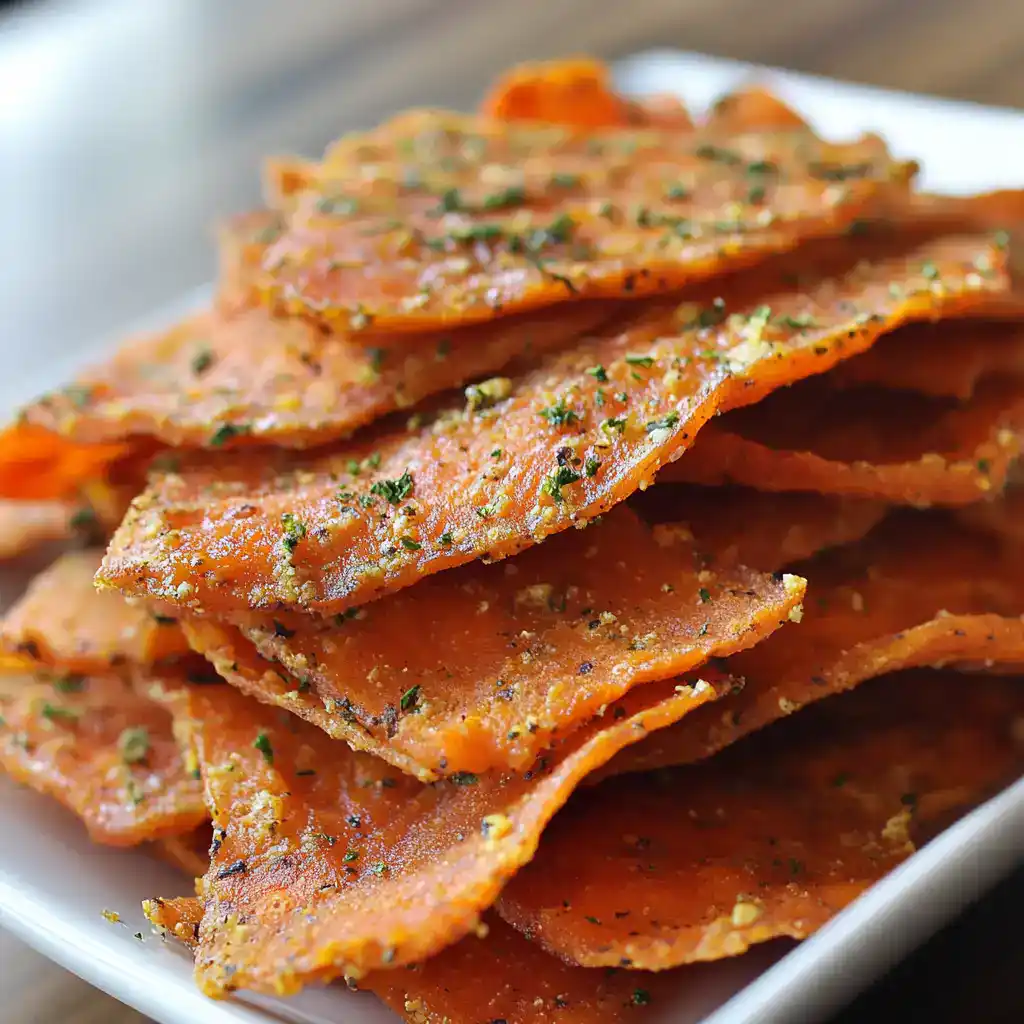
Keep an eye on both components because jerky-making is more art than science. The sweet potato is done when it’s dried but still slightly flexible, like fruit leather. The turkey is ready when it’s completely dried through and tears cleanly into strips.
The hardest part for both you and your eager carnivore: let everything cool completely before cutting the turkey into strips and serving. Hot jerky can burn mouths and doesn’t have that satisfying chewy texture until it’s cooled.
For more protein-rich homemade dog treat recipes, try our Beef and Liver Training Strips that use similar dehydration techniques.
When Things Go Sideways (And They Will)
Sweet potato slices curling too much and getting crispy instead of chewy? You probably sliced them a bit too thin or your oven runs hot. They’re still perfectly safe and nutritious—many dogs actually prefer the extra crunch. Next time, aim for slightly thicker slices and maybe reduce the temperature by 25 degrees.
If your turkey jerky turned out tough instead of chewy, don’t panic—this usually means it baked a bit too long or your oven temperature was higher than expected. When this happens (and it will), I’ve learned to break it into smaller pieces or even grind it up as a high-value training treat topper.
Turkey not drying evenly across the sheet? This typically means the thickness wasn’t consistent. Next time, use a rolling pin to get more even coverage, or just accept that some pieces will finish before others—variety can actually be good for keeping dogs interested.
Ways to Mix It Up
When Amber needs extra digestive support (especially during stressful times like travel), I’ll add a pinch of ginger to the sweet potato mixture for gentle stomach-soothing properties. This makes the jerky extra beneficial for sensitive tummies but adds a slightly spicy note that most dogs find intriguing.
For special high-value rewards, I’ll make turkey-only strips without the sweet potato when I need maximum protein motivation for challenging training sessions. My senior support version adds an extra pinch of turmeric for enhanced anti-inflammatory benefits, perfect for my 8-year-old Amber’s joint health.
Sometimes I substitute ground chicken or lean beef when turkey isn’t available—just adjust the drying time since different proteins have different fat and moisture content.
What Makes This Recipe Special
This technique transforms raw ingredients into concentrated nutrition through slow dehydration, creating treats that provide sustained chewing satisfaction while delivering high-quality protein for muscle maintenance. The combination of lean turkey and vitamin-rich sweet potato mimics the balanced nutrition dogs would naturally seek in the wild.
What sets this apart from commercial jerky treats is the control over ingredients and the absence of preservatives—you’re creating pure, concentrated nutrition that supports everything from muscle health to joint function. My 8-year-old version of this recipe has become our go-to for maintaining Amber’s strength and mobility, especially since senior dogs benefit so much from high-quality protein and anti-inflammatory support.
Questions I Always Get
Can puppies eat this turkey sweet potato jerky?
Absolutely! The high-quality protein is excellent for growing muscles. Just cut the strips smaller and supervise closely since jerky requires more chewing than soft treats—perfect for teething puppies who need safe things to gnaw.
How long does homemade jerky stay fresh?
I store this in airtight containers in the refrigerator for up to two weeks. The dehydration process really extends shelf life, but homemade versions don’t have preservatives so refrigeration is essential.
What if my dog gulps treats instead of chewing?
Cut the jerky into smaller pieces or serve it as a special supervised treat. The goal is to encourage natural chewing behavior, so find the right size for your dog’s eating style.
Can I make this jerky ahead of time for special occasions?
Definitely! I often make big batches for holidays or when we’re traveling. It actually gets more flavorful after sitting in the fridge for a day as the seasonings meld.
How much jerky can I give my dog per day?
For Amber’s size, I give him 2-3 strips depending on their thickness. This is pretty rich protein, so it should be a special treat rather than an everyday snack.
What’s the best way to store homemade meat jerky?
Always refrigerate in airtight containers and use within two weeks. If you want longer storage, this freezes beautifully for up to three months.
Are these safe for senior dogs with dental issues?
Perfect for older pups like my 8-year-old Amber! The jerky texture is actually great for dental health, and you can always cut smaller pieces if needed for sensitive teeth.
Before You Head to the Kitchen
I couldn’t resist sharing this because watching Amber’s primal satisfaction with these protein-rich jerky strips reminds me that sometimes the best treats connect our domestic dogs with their wild heritage. The best treat days are when you know you’re giving your furry family member something that not only tastes incredible but actually supports their natural instincts and nutritional needs. Your pup deserves treats that honor their carnivorous nature while providing modern nutritional benefits, and honestly, seeing that deep, satisfied chewing followed by the most content expression makes every hour of slow baking worth it.
Print
Turkey & Sweet Potato Jerky
Description
Premium protein strips that combine lean turkey with vitamin-rich sweet potato—perfect for dogs who crave substantial, satisfying chews that support muscle health and joint function.
Prep Time: 30 minutes | Cook Time: 3-4 hours | Total Time: 4.5 hours | Makes: 20 jerky strips
Ingredients
- 1 lb lean ground turkey (93% lean or higher for proper jerky texture)
- 1 large sweet potato, peeled and sliced thinly (about 1/8 inch thick)
- 1 tbsp olive oil (extra virgin, completely safe for dogs)
- 1/2 tsp dried parsley (adds vitamins and fresh breath benefits)
- 1/4 tsp turmeric (anti-inflammatory powerhouse for joint support)
Instructions
- Preheat your oven to 200°F and line two baking sheets with parchment paper—low and slow is the key to perfect jerky texture.
- Toss sweet potato slices with olive oil, parsley, and turmeric until evenly coated and glowing with golden color that dogs find irresistible.
- Arrange seasoned sweet potato slices on one baking sheet in a single layer, ensuring no overlap for even drying.
- Flatten ground turkey evenly on the second baking sheet to about 1/4 inch thickness—don’t worry about perfect smoothness, texture variation is good.
- Bake sweet potato for 2-3 hours, flipping halfway through, until dried but still slightly flexible like fruit leather.
- Bake turkey for 3-4 hours until completely dried and jerky-like—no moisture should remain for food safety.
- Let cool completely, then cut turkey into strips and serve these premium protein treats (patience prevents burned tongues).
Notes:
- Always let cool completely—jerky texture develops as it cools and hot jerky can burn mouths
- Low temperature is crucial for proper dehydration without overcooking
- Amber prefers his jerky strips about finger-width for optimal chewing satisfaction
Storage Tips:
- Always refrigerate in airtight containers and use within two weeks
- Homemade jerky doesn’t have preservatives so proper storage is essential
- These freeze beautifully for up to three months if you want to batch-make
What Makes This Recipe Special: This jerky delivers concentrated high-quality protein for muscle maintenance plus anti-inflammatory turmeric for joint support, creating treats that satisfy natural chewing instincts while providing serious nutritional benefits. Much safer and more nutritious than commercial jerky with questionable preservatives.
Mix It Up (Protein Variations):
Digestive Support Jerky: Add a pinch of ginger to sweet potato mixture for gentle stomach-soothing properties during travel or stress
Pure Protein Strips: Make turkey-only versions for maximum protein motivation during challenging training sessions
Senior Support Plus: Add extra turmeric for enhanced anti-inflammatory benefits (perfect for older dogs like my 8-year-old Amber who need joint support)




