
Can We Talk About This Dog-Approved Winner?
What if I told you the secret to perfect training sessions isn’t expensive store-bought treats? I used to buy costly training rewards until my 8-year-old Golden Retriever Amber needed a novel protein source and these tiny powerhouses became his ultimate motivation. These rabbit and pea training treats had him focusing like never before during our sessions, and honestly, they’re so perfectly sized and irresistible that I can reward him dozens of times without worrying about overfeeding or losing his attention. Here’s the thing—I was skeptical about making my own training treats until I realized how much better Amber responds to something homemade with ingredients I trust. Plus, I know exactly what’s going into his belly (no fillers, artificial colors, or mystery ingredients that might affect his energy or focus during training).
Why Every Pup Goes Crazy for This
The secret to driving dogs wild is that combination of lean rabbit meat with naturally sweet peas that creates these perfectly bite-sized rewards packed with flavor dogs absolutely can’t resist. Here’s what makes this so tail-wagging good—rabbit provides incredible lean protein that’s gentle on sensitive stomachs while peas deliver fiber and natural sweetness that balances the savory meat flavors beautifully. What makes this irresistible to pups is how the rolled oats create the perfect chewy texture that’s satisfying but small enough not to interrupt training flow, plus the low-sodium broth ties everything together with that irresistible aroma. It’s honestly safer and more effective than most commercial training treats because you control the size, ingredients, and know there are no artificial preservatives that might cause hyperactivity or digestive issues.
Gathering Your Pup-Approved Supplies (Safety First!)
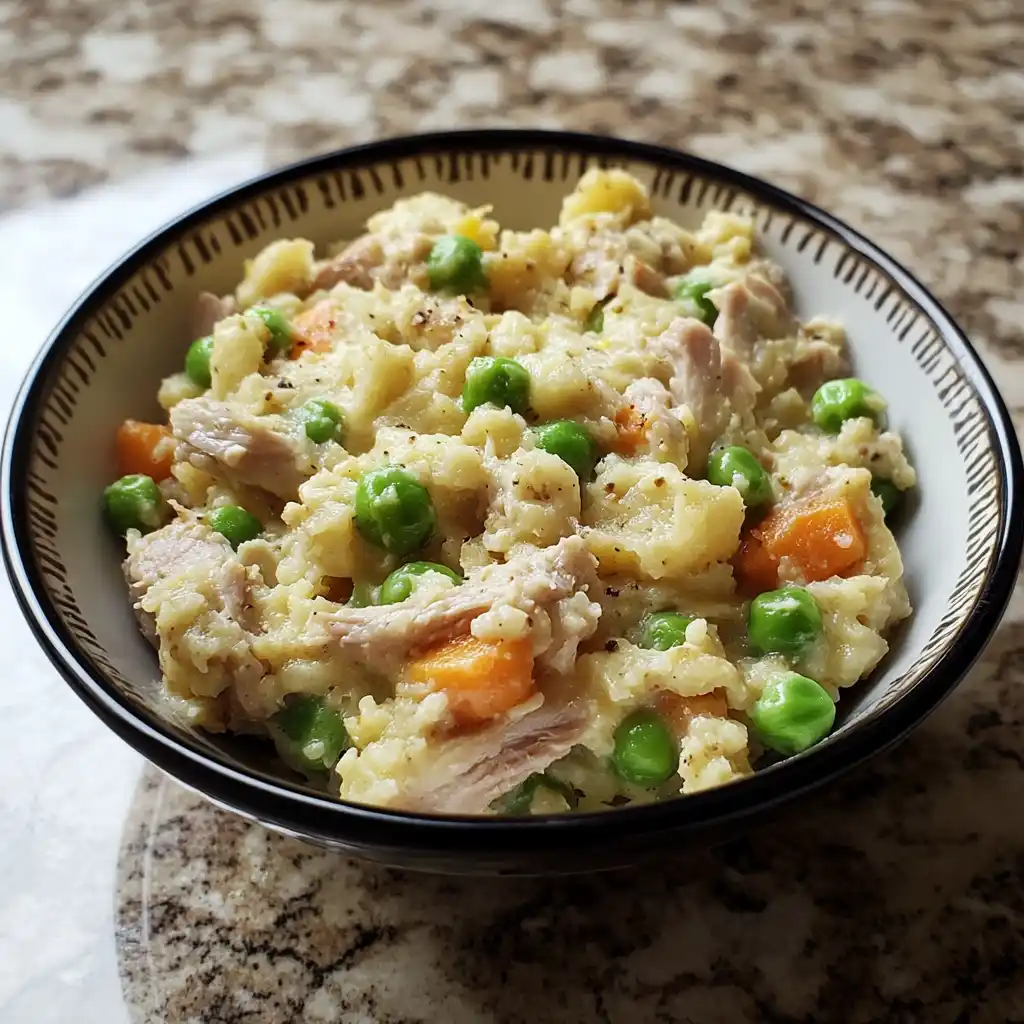
Good cooked rabbit meat is absolutely crucial here—I prefer to cook and shred it myself because it’s fresher and I can control the texture, though you can buy pre-cooked if you find a reliable source (way more flavorful when you prepare it yourself). Don’t skip the shredding step either; finely shredded rabbit distributes evenly and creates consistent flavor in every single treat.
Fresh or frozen peas work beautifully when cooked and mashed properly—I prefer fresh because they’re naturally sweeter, but frozen peas are convenient and work perfectly well (learned this during busy training week prep sessions). Cook them until they’re soft enough to mash easily but not so long they become mushy and lose their bright green color that Amber seems to love.
Rolled oats add this amazing binding quality and provide sustained energy that’s perfect for longer training sessions—I use old-fashioned oats because they hold together better than quick oats that can get too soft. Low-sodium chicken broth is the magic ingredient that brings everything together; never use regular broth because the salt content isn’t safe for dogs, especially in training treats they’ll eat frequently.
Yes, this combination is completely safe for dogs and actually provides better training motivation than most expensive commercial treats—my dog trainer was amazed at how focused Amber became with these homemade rewards.
The Step-by-Step (Your Dog Will Thank You!)
Preheat your oven to 350°F and line a baking sheet with parchment paper—training treats can be slightly sticky because of the natural meat oils, so don’t skip this step. Here’s where I used to mess up small treat making: I’d try to rush the mixing and end up with uneven sizes that cooked differently, so patience is key for consistent training rewards.
In a bowl, mix your shredded rabbit meat with the mashed peas first—this helps distribute the protein and vegetables evenly through every treat. Now for the binding part (Amber will start doing his training attention pose at this point): add your rolled oats and low-sodium chicken broth, mixing until everything holds together but isn’t too wet to handle.
Roll the mixture into small balls about the size of your thumbnail—you want them small enough that your dog can chew and swallow quickly during training without losing focus on you. Here’s my secret for perfect training treats: make them all the same size so they bake evenly and you can predict exactly how long each reward will take your dog to finish.
Place the balls on your prepared baking sheet and gently flatten each one with a fork—this helps them cook evenly and creates a slightly textured surface that dogs seem to prefer. Every Golden Retriever has different preferences, but Amber loves these when they’re firm enough to hold their shape but tender enough to chew quickly during rapid-fire training sessions.
Bake for 15-20 minutes until the treats are firm and lightly golden—they should feel set when you gently press the center but not so hard they become difficult to chew. Don’t worry if you’re new to making training treats—these are pretty forgiving, and even slightly overcooked, they’re still safe and effective for training purposes.
Make sure these cool completely before using in training sessions (hot treats can burn your pup’s mouth and create negative associations with training time).
Internal link: Try our Turkey and Carrot Training Bites for another novel protein option
Common Dog Treat Oops Moments (And How to Fix Them)
Treats came out too crumbly and falling apart? You probably needed a bit more chicken broth to bind everything together—that’s common with different meat moisture levels, and it happens to everyone. I’ve learned to add broth gradually until the mixture just holds together when squeezed.
Mixture seems too wet and sticky to roll? When this happens (and it will if your peas were extra moist), just add more rolled oats until you can handle the mixture easily. This is totally fixable, and honestly, Amber doesn’t mind slightly irregular shapes as long as they taste amazing and come out during training time.
If your dog seems less motivated than expected like Amber did initially with new flavors, try making them slightly smaller or mixing a few with his current favorite treats during the transition. I always test the size by timing how long it takes him to chew—perfect training treats should be finished in 3-5 seconds maximum.
Fun Dog-Safe Twists to Try
When Amber needs extra energy for longer training sessions, I’ll add a tablespoon of cooked quinoa to the mixture—it makes them extra special and provides sustained energy without changing the cooking time. For special training milestones, I’ll use ground turkey instead of rabbit, though that creates a milder flavor that some dogs prefer but might be less motivating for picky eaters.
Sometimes I add finely chopped fresh parsley to the mixture, though that’s totally optional and helps with doggy breath during close training work. My advanced training version makes these extra tiny for rapid-fire reward sessions—dogs love getting frequent treats, and it helps maintain focus during complex command sequences.
The Secret Behind This Dog-Approved Recipe
What sets these training treats apart from other small dog treat recipes is the perfect balance of high-value protein with quick-chew texture that maintains training momentum without creating distractions. This technique of using novel protein ensures even food-motivated dogs stay interested, while the small size prevents overfeeding during intensive training sessions.
The unique dog-safe approach here is combining lean rabbit with energy-sustaining oats instead of using wheat fillers or artificial flavor enhancers—most commercial training treats rely on salt, sugar, or artificial attractants, but this delivers superior motivation through real, recognizable ingredients. My dog trainer actually started asking about Amber’s improved focus and motivation, and when I explained it was just these homemade treats, she was genuinely impressed with the training results.
Let’s Clear Up Some Dog-Safe Confusion
Can puppies use these rabbit and pea training treats?
Absolutely, just make sure they’re extra small for puppy mouths and introduce gradually since rabbit is a novel protein. The lean protein is actually perfect for growing puppies, but start with tiny amounts during short training sessions.
How long do these training treats stay fresh?
Most homemade training treats last about 2 weeks in an airtight container at room temperature, or up to 2 months frozen. I usually make small batches weekly to keep them fresh and at peak motivation level.
What if my dog has never tried rabbit before?
Start with tiny pieces mixed with familiar treats and watch for any digestive changes, though rabbit is generally very gentle on stomachs. It’s actually one of the best novel proteins for dogs with multiple food sensitivities.
Can I make these treats larger for regular snacking?
You can, but they work best as small, quick-reward training treats. For regular treats, consider doubling the size but adjust baking time to 25-30 minutes for proper cooking.
How many training treats can I give during a session?
These are designed for frequent use during training. For Amber (70 pounds), I can give 20-30 during an hour session, but adjust based on your dog’s size and total daily food intake.
Are these treats suitable for dogs with grain sensitivities?
The rolled oats are generally well-tolerated even by grain-sensitive dogs, but you can substitute with ground coconut or almond flour if needed. Always introduce gradually.
Why I Had to Share This Dog-Approved Winner
I couldn’t resist sharing this because watching Amber’s training sessions transform from distracted sniffing expeditions to focused, eager learning experiences makes me feel like I’ve unlocked the secret to effective dog communication. The best training treat days are when you can motivate your furry family member with something they absolutely crave while knowing it’s supporting their health—and these rabbit and pea training treats definitely deliver on both fronts while making every training session feel like a celebration.
Print
Rabbit and Pea Training Treats
Description
Perfect pocket-sized motivation that’ll have your pup mastering commands—lean protein rewards designed for focused training sessions
Prep Time: 15 minutes | Cook Time: 20 minutes | Total Time: 35 minutes | Makes: About 40 small treats
Ingredients
- 8 oz cooked rabbit meat, shredded (lean protein perfect for sensitive stomachs and high motivation)
- 1 cup peas, cooked and mashed (provides fiber, natural sweetness, and vibrant color)
- 1/4 cup rolled oats (adds binding and sustained energy for longer training sessions)
- 1/4 cup low-sodium chicken broth (never regular—too much salt for frequent training use)
Instructions
- Preheat your oven to 350°F and line baking sheet with parchment paper—prevents sticking for perfect training treat release.
- Mix shredded rabbit meat with mashed peas first to distribute protein and vegetables evenly throughout.
- Add rolled oats and low-sodium chicken broth, combining until mixture holds together but isn’t too wet to handle.
- Roll into thumbnail-sized balls and place on baking sheet—consistent size ensures even cooking and predictable training timing.
- Gently flatten each ball with fork for even cooking and preferred texture that dogs love.
- Bake for 15-20 minutes until firm and lightly golden but still easy to chew quickly.
- Always let cool completely before training sessions—hot treats can burn mouths and create negative training associations.
Notes:
- Always let cool completely—hot treats can burn your pup’s mouth during training
- Amber prefers these when they’re firm but tender enough to chew in 3-5 seconds maximum
- If mixture seems dry, add chicken broth gradually until it holds together when squeezed
Storage Tips:
- Store in airtight container at room temperature for up to 2 weeks (they maintain freshness beautifully)
- Freeze in training portions for up to 2 months—perfect for batch preparation
- Keep some in training pouch and some in freezer for consistent motivation
What Makes This Recipe Special:
The combination of novel rabbit protein with fiber-rich peas creates training treats that provide high motivation while supporting digestive health and sustained energy. Unlike commercial training treats with fillers and artificial attractants, these deliver superior focus through real, recognizable ingredients in perfect training-sized portions.
Mix It Up (Dog-Safe Variations):
Energy Boost Version: Add 1 tablespoon cooked quinoa for extra sustained energy during longer training sessions (perfect for advanced training days)
Breath Fresh Special: Include 1 teaspoon finely chopped fresh parsley for natural breath freshening during close training work
Turkey Alternative: Substitute ground turkey for rabbit—milder flavor but still novel for most dogs with chicken sensitivities




