
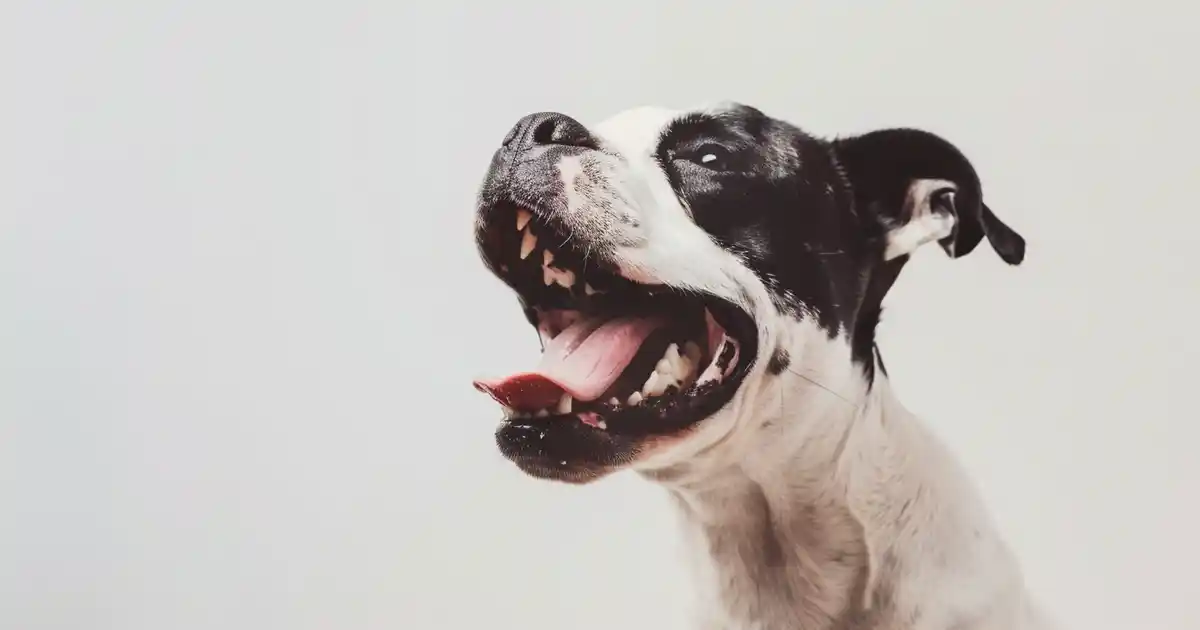
Have you ever been watching your dog sleep peacefully and suddenly noticed their entire body giving a small rhythmic jolt every few seconds, accompanied by a tiny sound that is somehow simultaneously adorable and slightly alarming? I had exactly that experience with my dog during what I thought was going to be a quiet evening, and my first reaction was a completely disproportionate surge of concern that sent me reaching for my phone to search for answers before I had even fully processed what I was actually looking at. It turned out to be hiccups — completely ordinary, entirely harmless, and apparently something dogs experience with surprising regularity — but that moment of uncertainty reminded me how little most dog owners actually know about one of the most common and benign physiological events their dogs will ever experience. Now the question I hear most from fellow dog owners who have witnessed the same small spectacle is exactly this: why do dogs get hiccups, and is there any point at which that adorable little jolt stops being something to smile about and starts being something to worry about? Trust me, if you have ever found yourself hovering anxiously over a hiccuping dog and genuinely unsure whether to call your veterinarian or just enjoy the moment, this guide is going to give you the complete, honest, and reassuring answer you need along with everything else worth knowing about this surprisingly fascinating topic.
Here’s the Thing About Dog Hiccups
Here’s the magic of truly understanding this topic: dog hiccups are one of those physiological phenomena that seem trivially simple on the surface but open into a genuinely interesting story about anatomy, neurological reflexes, evolutionary inheritance, and the remarkable similarities between canine and human physiology that most dog owners never stop to appreciate. What makes this conversation so valuable is that understanding what hiccups actually are — not just that they happen but why the body produces them and what triggers and stops them — completely transforms the experience of watching your dog have them from a moment of vague worry into a moment of genuine biological appreciation. I never fully recognized how much the hiccup reflex reveals about the shared evolutionary heritage of mammals until I started looking at it carefully, and what I found reframed my entire understanding of my dog’s physiology in ways that went far beyond the original question. The combination of diaphragm mechanics, vagus nerve involvement, the specific triggers that initiate the reflex, the reasons puppies experience hiccups more frequently than adult dogs, and the relatively narrow set of circumstances that warrant veterinary attention creates a picture that is both reassuring and genuinely fascinating. According to research on mammalian reflex physiology, the hiccup reflex is one of the most ancient and conserved neurological mechanisms in vertebrate biology, appearing across an extraordinary range of species in ways that suggest its origins predate the divergence of land-dwelling vertebrates from their aquatic ancestors by hundreds of millions of years. It is honestly one of the most delightful rabbit holes in all of canine physiology, and once you understand the full picture you will never look at a hiccuping dog with anything other than affectionate scientific appreciation.
What You Need to Know — Let’s Break It Down
Understanding the complete physiological picture of why and how hiccups happen — in dogs specifically and in mammals generally — is absolutely crucial before the practical information about triggers, remedies, and warning signs makes complete sense. Don’t skip this section, because this foundational understanding is what separates informed reassurance from uninformed anxiety every time your dog hiccups. The diaphragm is the central anatomical player in every hiccup episode your dog will ever experience. It is a large dome-shaped muscle that sits at the base of the chest cavity and drives breathing by contracting downward to create negative pressure that draws air into the lungs. When the diaphragm experiences an involuntary spasm — a sudden, sharp contraction it did not plan — the rapid inrush of air causes the vocal cords to snap shut almost simultaneously, and the characteristic hiccup sound is the acoustic result of that sudden glottic closure. (I was genuinely surprised the first time I read a detailed description of this mechanism — the sound I had always experienced as somehow soft and gentle is actually the result of a remarkably abrupt and forceful set of events happening in rapid sequence.) The vagus nerve and phrenic nerve are the neurological highways through which the hiccup reflex travels, and understanding their involvement explains why such a wide variety of different triggers can all produce the same outcome. Both nerves serve the diaphragm and surrounding structures, and irritation or stimulation of either nerve — whether from a distended stomach, temperature changes in the esophagus, excitement-driven changes in breathing pattern, or various other inputs — can initiate the reflex arc that produces a hiccup episode. Gastric distension from eating too quickly is the single most common trigger for dog hiccups and explains why many dogs reliably hiccup after meals. When a dog eats rapidly they inevitably swallow significant amounts of air alongside their food, the resulting stomach distension presses upward against the diaphragm, and the physical and neurological irritation this produces initiates hiccup episodes that typically resolve as the stomach settles. I finally figured out that this connection between fast eating and hiccups is the key to one of the most practical interventions available to owners of frequently hiccuping dogs. Puppies hiccup considerably more frequently than adult dogs, and this is not a cause for concern but rather a reflection of several convergent factors: puppy diaphragms are still developing and are more excitable and prone to spasm, puppies tend to eat with an enthusiasm that makes rapid ingestion and air swallowing almost inevitable, puppies experience stronger and more frequent excitement responses that alter their breathing patterns, and puppy gastrointestinal systems are generally more reactive to the stimuli that trigger the hiccup reflex. I always reassure new puppy owners that frequent hiccuping is one of the most normal things a young dog can do. Temperature and excitement are two of the most underappreciated hiccup triggers, with sudden cold water or food causing the esophageal temperature changes that irritate the vagus nerve, and episodes of intense excitement producing the rapid irregular breathing patterns that can initiate diaphragm spasms in susceptible dogs. If you are just starting out building a comprehensive understanding of your dog’s normal physiological experiences and what distinguishes them from signs of illness, check out this beginner’s guide to understanding your dog’s body language and health signals for a foundational overview of the normal versus concerning distinction that guides so much of informed dog ownership.
The Science and Psychology Behind Why This Works
What research actually shows us is that the hiccup reflex appears to be one of the most evolutionarily ancient motor patterns in vertebrate neurology, with some researchers proposing that it represents a vestigial remnant of gill ventilation mechanisms in aquatic ancestors — a hypothesis supported by the observation that the reflex appears in fish, amphibians, and virtually all mammalian species studied. Traditional thinking about hiccups — both in dogs and humans — tends to treat them as a meaningless physiological glitch, but the evolutionary conservation of such an ancient reflex across such a vast range of species strongly suggests that it served some adaptive purpose at some point in vertebrate history even if that purpose is no longer obvious in the context of modern mammalian physiology. The psychological dimension of how dog owners respond to hiccuping is genuinely worth examining: the same reflex that produces mild amusement in a confident owner produces genuine anxiety in a new or worried owner, and the difference lies entirely in whether the observer has a framework for contextualizing what they are seeing. Research from veterinary behavioral science consistently shows that owner anxiety around normal physiological events in dogs is one of the most common drivers of unnecessary veterinary consultations, and that education about normal canine physiology is one of the most cost-effective interventions available in preventive pet health care.
Here’s How to Actually Make This Happen
Start by simply watching your dog’s next hiccup episode with genuine observational attention rather than automatic worry — note approximately how long it lasts, whether your dog seems distressed or entirely unbothered, and whether the episode resolves on its own within a few minutes. Here is where most dog owners get themselves into unnecessary anxiety: they observe a normal hiccup episode through the lens of concern rather than curiosity, interpret their dog’s physical jolting as evidence of distress, and spiral into worry about something that is resolving itself without any intervention whatsoever. Now for the most practically useful step for owners of dogs who hiccup frequently after meals: slow down their eating. This single intervention addresses the most common trigger for post-meal hiccup episodes directly and effectively. Slow feeder bowls with raised internal structures that force dogs to eat around obstacles, puzzle feeders that require problem-solving between bites, and the simple technique of hand-feeding in small portions all reduce the rate of food ingestion and the amount of air swallowed simultaneously. Here is my calm-environment approach that prevents excitement-triggered hiccup episodes: allow your dog a brief settling period after high-stimulation events — vigorous play, the arrival of guests, an exciting walk — before offering food or water. The elevated breathing rate and physiological excitement of recent intense activity creates the exact conditions most likely to turn a meal into a hiccup episode when combined with rapid eating. Offering calm, room-temperature water during a hiccup episode is one of the most consistently effective gentle interventions, working through the same mechanism that makes drinking water helpful for human hiccups — the swallowing action interrupts the rhythmic reflex pattern and the temperature and volume of water in the esophagus and stomach provides competing stimulation to the vagus nerve. Results will vary depending on your individual dog’s responsiveness to this approach, but it is consistently the most benign and widely recommended first intervention. This step takes no time at all but requires deliberate practice: develop the habit of assessing your dog’s overall state during a hiccup episode rather than focusing exclusively on the hiccups themselves. A dog who is hiccuping while otherwise behaving completely normally — alert, comfortable, interested in their environment — is almost certainly experiencing a normal physiological event. A dog who is hiccuping alongside other symptoms is a different situation entirely and warrants the different level of attention that difference deserves. Don’t worry if your puppy seems to hiccup almost daily during their first few months — this is genuinely one of the most normal developmental experiences a young dog goes through, and the frequency almost always decreases naturally and significantly as the puppy matures, their diaphragm strengthens and stabilizes, and their eating behavior becomes less frantically enthusiastic.
Common Mistakes (And How I Made Them All)
The most significant mistake I made as a new dog owner encountering hiccups was treating every episode as a potential medical emergency rather than developing a calibrated response based on the actual characteristics of what I was observing. The result was a persistent low-level anxiety about a completely normal physiological event that occasionally led me to disturb my dog’s hiccup episodes with anxious hovering and handling that was far more distressing to her than the hiccups themselves ever were. My second mistake was not connecting my dog’s post-meal hiccup episodes to the speed at which she was eating, which was obvious in retrospect but somehow escaped my attention for an embarrassingly long time because I was focused on the symptom rather than the context in which it occurred. I also made the mistake of trying every folk remedy I could find during hiccup episodes rather than simply allowing them to resolve naturally, which is what they were going to do regardless of whether I intervened with water, distraction, gentle massage, or any of the other approaches I cycled through with varying degrees of desperate hopefulness. Don’t make my mistake of anthropomorphizing your dog’s hiccup experience to the point of assuming they are as bothered by it as you would be — dogs experiencing routine hiccup episodes are typically entirely unbothered by the sensation, and the distress in the room during a hiccup episode usually belongs entirely to the watching human rather than the hiccuping dog.
When Things Don’t Go as Planned
Feeling genuinely concerned because your dog’s hiccup episode is lasting longer than you expected or seems different from what you have observed before? The most important thing to know is that the vast majority of dog hiccup episodes resolve spontaneously within a few minutes without any intervention, and that episodes lasting up to 10 to 15 minutes, while less common, still fall within the range of normal physiological variation for otherwise healthy dogs. I have learned to handle the occasional longer episode by staying genuinely calm — which is easier to do when you understand the physiology — offering water, encouraging gentle calm movement if the dog is willing, and simply allowing the reflex to exhaust itself rather than escalating my own response in ways that communicate anxiety to my dog. When this happens, the most useful thing you can do is note the episode duration, any accompanying symptoms, and the context in which it occurred so you have accurate information available if veterinary consultation does become appropriate. The specific characteristics that distinguish a normal hiccup episode from something warranting prompt veterinary attention are worth knowing precisely: episodes lasting more than several hours, hiccuping that recurs with unusual frequency over multiple days, hiccuping accompanied by other symptoms including lethargy, loss of appetite, difficulty breathing, coughing, regurgitation, or abdominal distension, and hiccuping that begins in an adult dog who has never previously hiccuped all deserve veterinary evaluation rather than watchful waiting.
Advanced Strategies for Next-Level Results
For dog owners who want to approach their dog’s hiccup management with genuine thoroughness, keeping a simple log of hiccup episodes — noting the time of day, what the dog had done immediately prior, what they had eaten and how quickly, and how long the episode lasted — over the course of a few weeks produces a pattern map that almost always reveals clear triggers that were previously invisible. Advanced observers of their dogs’ physiological patterns often discover through this kind of logging that their dog’s hiccups are almost entirely predictable, occurring reliably after specific meals, specific activities, or specific emotional states, which transforms what seemed like a random and inexplicable event into something entirely comprehensible and often preventable. Understanding the relationship between your specific dog’s anatomy and hiccup susceptibility is another sophisticated layer worth exploring with your veterinarian — brachycephalic breeds with compressed airway anatomy, dogs with known esophageal sensitivities, and dogs with a history of gastrointestinal issues all have specific anatomical and physiological reasons for their hiccup patterns that general information cannot capture with the same precision as individual veterinary assessment.
Ways to Make This Your Own
When I want the most straightforward and reliable approach to managing a dog who frequently hiccups after meals, my “Slow the Flow” strategy involves using a quality slow feeder bowl as a permanent fixture rather than a temporary intervention, eliminating the fast-eating trigger so consistently that post-meal hiccup episodes become genuinely rare rather than routine. For the busy pet parent version, my practical approach involves simply dividing each meal into two or three smaller sequential portions offered a few minutes apart, achieving the same reduced ingestion rate as a slow feeder through a simple behavioral modification that requires no equipment and costs nothing. My enrichment-focused version turns mealtime itself into a foraging activity — scattering kibble across a snuffle mat or hiding it in a puzzle feeder — which simultaneously slows eating, provides mental stimulation, and makes the meal itself a more satisfying and engaging experience for the dog. For owners of puppies in peak hiccup frequency phases, my puppy-specific approach involves building the slow feeding habit from the very beginning rather than trying to modify an already established rapid eating pattern later, creating lifelong mealtime behavior that reduces hiccup frequency while also decreasing the risk of bloat and other more serious conditions associated with rapid ingestion. Sometimes I add a brief calm settling period before and after meals as part of my dog’s overall routine, which reduces excitement-driven physiological arousal at the exact moments most likely to produce hiccup episodes — though that is entirely optional and works best as part of a broader calm mealtime ritual rather than as an isolated intervention.
Why This Approach Actually Works
Unlike the anxious and reactive approach that most dog owners default to when encountering hiccups — hovering, worrying, trying multiple interventions in rapid succession, and potentially calling a veterinary office about a completely normal physiological event — this physiologically informed and calmly observational approach gives you the understanding needed to respond proportionally to what you are actually seeing rather than to your anxiety about what it might mean. Most surface-level information about dog hiccups either provides reassurance without explanation, leaving owners without the understanding needed to maintain that reassurance when the next episode occurs, or provides a list of remedies without the physiological context that would allow owners to evaluate when intervention is warranted and when simple watchful waiting is the most appropriate response. By understanding exactly what produces the hiccup reflex, why specific triggers initiate it, why puppies experience it more frequently, how to identify the specific characteristics that distinguish normal episodes from concerning ones, and how to address the most common underlying triggers through simple environmental and behavioral modifications, you build a genuine competence around this topic that makes you a calmer, more effective, and more confident responder to every hiccup episode your dog will ever experience.
Real Success Stories (And What They Teach Us)
One dog owner I know had been making a veterinary appointment every time her young Labrador experienced a hiccup episode longer than five minutes, convinced that the frequency and occasional duration of the episodes indicated an underlying health problem, until her veterinarian gently walked her through the normal hiccup physiology during what turned out to be their third visit for the same non-issue in two months. The education she received in that conversation — understanding the diaphragm spasm mechanism, the developmental reasons for puppy hiccup frequency, and the specific characteristics that actually warrant concern — eliminated what had been a persistent source of anxiety and unnecessary veterinary expense simultaneously. Her story teaches us that physiological education is one of the highest-value gifts a veterinarian can give an anxious owner and that owners who understand normal physiology make better use of veterinary resources for the situations that actually require professional attention. Another pet parent shared that switching his rapidly eating Beagle to a slow feeder bowl reduced post-meal hiccup episodes from almost daily occurrences to rare events within the first week of use — a simple, inexpensive intervention that addressed the root cause directly and produced immediate visible results. A third example: a dog owner who had been worrying about her senior dog’s occasional hiccup episodes for months before mentioning them to her veterinarian at a routine appointment was reassured that the episodes were normal but also appreciated that her veterinarian performed a brief physical examination specifically to confirm the absence of any accompanying signs that would have made the same episodes worth investigating further. Their success aligns with research on preventive veterinary care communication that consistently shows owners who understand the distinction between normal and concerning physiological events use veterinary services more appropriately, seek care more promptly when it is genuinely needed, and experience significantly lower baseline anxiety about their pets’ health than owners who lack this foundational knowledge.
Tools and Resources That Actually Help
A high-quality slow feeder bowl is the single most practically impactful purchase available to owners of dogs who frequently hiccup after meals, addressing the most common trigger directly and consistently with no ongoing effort required beyond filling the bowl as usual. Puzzle feeders and snuffle mats offer equivalent benefits with the addition of meaningful mental enrichment, making them worth considering as alternatives or complements to traditional slow feeder bowls particularly for food-motivated and intellectually engaged dogs. A simple notes application on your phone used to log hiccup episode characteristics over two to three weeks costs nothing and produces the pattern recognition that allows you to identify your specific dog’s individual triggers with a precision that general information cannot match. Your veterinarian remains your most important resource for anything that falls outside the normal hiccup profile described throughout this guide, and the investment of a brief conversation with your vet about your dog’s specific hiccup pattern — mentioning frequency, duration, triggers, and any accompanying symptoms — is always worthwhile if you have any genuine uncertainty about whether what you are observing is routine. For building broader physiological literacy about your dog’s normal body functions and the specific signs that distinguish normal variation from early illness indicators, board-certified veterinary internists and evidence-based veterinary education resources consistently provide more reliable and nuanced information than general pet care websites. The best ongoing resource for any specific physiological concern about your individual dog is always the veterinarian who actually knows your dog’s health history, body condition, and individual baseline rather than any general information source however well-intentioned and carefully researched.
Questions People Always Ask Me
Why do dogs get hiccups in the first place? Dog hiccups are caused by involuntary spasms of the diaphragm — the large dome-shaped breathing muscle at the base of the chest cavity — that cause a rapid inrush of air and the simultaneous reflexive closure of the vocal cords, producing the characteristic hiccup sound. The reflex is triggered by irritation or stimulation of the vagus or phrenic nerves that serve the diaphragm and is initiated by a wide variety of common triggers including rapid eating, air swallowing, excitement, and temperature changes in the esophagus.
Are dog hiccups normal? Yes, hiccups are an entirely normal physiological experience for dogs of all ages, and the vast majority of hiccup episodes are completely harmless and resolve spontaneously within minutes. Puppies experience them with particular frequency due to the combined effects of developing diaphragm excitability, enthusiastic eating habits, and frequent intense excitement responses.
How long do dog hiccups usually last? Most dog hiccup episodes last between one and five minutes and resolve spontaneously without any intervention. Episodes lasting up to 10 to 15 minutes occur occasionally in otherwise healthy dogs and still fall within normal variation, while episodes lasting significantly longer than this warrant veterinary attention especially if accompanied by other symptoms.
Why does my puppy hiccup so much? Puppies hiccup more frequently than adult dogs for several converging reasons: their diaphragms are still developing and are more excitable and prone to spasm, they tend to eat rapidly and swallow significant air, they experience intense excitement responses that alter breathing patterns, and their gastrointestinal systems are generally more reactive to the common triggers that initiate the hiccup reflex. Hiccup frequency almost always decreases naturally as puppies mature.
What triggers dog hiccups? The most common triggers for dog hiccups include eating too quickly, swallowing air during rapid eating or drinking, episodes of intense excitement or vigorous play, sudden exposure to cold food or water, rapid or irregular breathing during high-arousal states, and occasionally gastrointestinal irritation. Identifying your individual dog’s most consistent triggers through observation is the most effective path to reducing hiccup frequency.
How can I stop my dog’s hiccups? The most consistently effective gentle interventions include offering calm room-temperature water, encouraging slow calm movement or gentle activity, providing a brief distraction that shifts the dog’s focus and breathing pattern, and simply allowing the episode to resolve on its own — which it almost always will within a few minutes regardless of intervention. Addressing underlying triggers like rapid eating through slow feeder bowls is the most effective long-term approach for dogs who hiccup frequently.
When should I be concerned about my dog’s hiccups? Concern is warranted when hiccup episodes last more than several hours, when hiccuping recurs with unusual frequency over multiple consecutive days, when hiccuping is accompanied by other symptoms including lethargy, loss of appetite, difficulty breathing, coughing, regurgitation, or abdominal distension, or when hiccuping begins suddenly in an adult dog who has not previously experienced them. Any of these characteristics warrant veterinary consultation rather than continued watchful waiting.
Can dogs hiccup in their sleep? Yes, dogs can and do experience hiccups during sleep, and sleeping hiccups are generally even less concerning than waking ones because the relaxed physiological state of sleep simply reduces the threshold for the diaphragm spasm reflex in some dogs. Sleeping hiccups that wake the dog, cause apparent distress, or last unusually long warrant the same observational attention as waking hiccup episodes.
Do certain dog breeds hiccup more than others? Brachycephalic breeds — those with shortened muzzles and compressed airway anatomy including Bulldogs, Pugs, Boston Terriers, and French Bulldogs — tend to experience hiccups more frequently than other breeds due to the anatomical features that affect their breathing mechanics and increase their tendency to swallow air during eating and breathing. Dogs with known gastrointestinal sensitivities also tend toward higher hiccup frequency regardless of breed.
Is there a connection between dog hiccups and bloat? There is no direct causal relationship between routine hiccups and bloat, but both conditions share rapid eating and air swallowing as contributing factors, meaning that a dog who frequently hiccups after meals due to fast eating is also engaging in the eating behavior associated with increased bloat risk. Addressing rapid eating through slow feeders benefits both hiccup frequency and bloat risk reduction simultaneously.
Can hiccups indicate that something is wrong with my dog’s health? In the vast majority of cases hiccups indicate nothing beyond a normal physiological reflex triggered by one of the common everyday stimuli described throughout this guide. In the minority of cases where hiccups are unusually persistent, unusually frequent, or accompanied by other symptoms, they can occasionally be associated with gastrointestinal conditions, respiratory irritation, or other medical issues that warrant veterinary evaluation — which is why knowing the specific warning characteristics matters more than either blanket reassurance or blanket concern.
Are there any home remedies for dog hiccups that actually work? Calm room-temperature water offered during an episode, gentle calm movement or activity to shift breathing patterns, and patient watchful waiting are the most reliably effective and safest approaches. Most folk remedies borrowed from human hiccup tradition — startling the dog, holding their breath, breathing into a bag — are either ineffective, impractical, or potentially distressing for the dog and are not worth attempting when simple calm water and time achieve the same resolution that would have occurred naturally anyway.
Before You Get Started
I couldn’t resist putting together this complete guide because it proves that understanding why dogs get hiccups — really understanding it, from diaphragm mechanics to evolutionary heritage to the specific warning signs that matter — transforms one of the most commonly anxiety-producing normal canine experiences into something genuinely delightful to observe. The best dog ownership journeys happen when physiological literacy replaces reflexive worry, and hiccups are one of the most accessible and rewarding places to build exactly that kind of informed confidence. The next time your dog hiccups, take a breath, appreciate the 400-million-year evolutionary heritage of the reflex you are witnessing, offer a little water if you like, and enjoy the moment for exactly what it almost certainly is — one of the most harmless and entirely normal things your wonderfully complex dog will ever do.




