
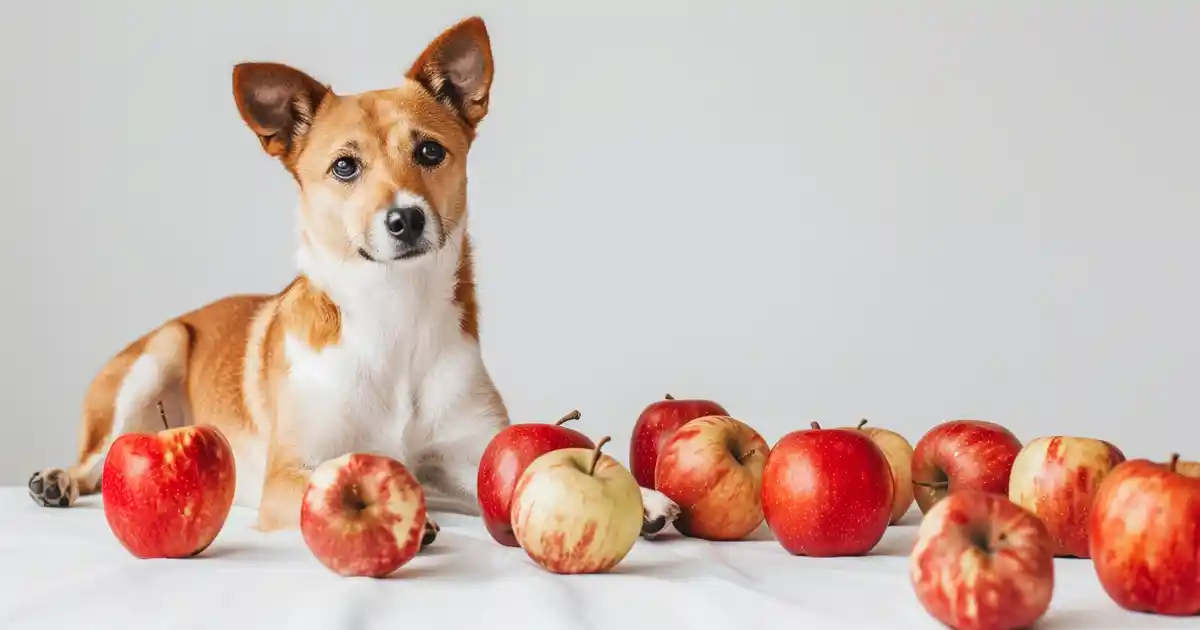
Have you ever been crunching on a fresh apple and looked down to find your dog staring up at you with that completely irresistible expression, silently negotiating for a slice? I’ve been there more times than I can count, and for the longest time I genuinely had no idea whether sharing a piece was a kind gesture or a dangerous mistake. The internet gave me a dozen different answers, my neighbor said her dog ate apples for years without issue, and yet something made me want to actually dig into the facts before I handed one over. Now the question I hear most from fellow dog owners is exactly this: are apples safe for dogs, and is there anything about this seemingly innocent fruit that could actually cause harm? Trust me, if you’ve ever hesitated with a slice of apple halfway between your hand and your dog’s eager mouth, this guide will give you every answer you need to make that decision with complete confidence.
Here’s the Thing About Apples and Dogs
Here’s the magic of understanding this topic properly: apples are one of those foods that sit right on the line between genuinely beneficial and potentially problematic depending entirely on how they’re prepared and served. What makes this conversation so important is that the fruit itself is largely safe and even nutritious for dogs, while certain parts of the exact same apple can cause real harm — and most people have no idea where that line is. I never knew how much detail mattered until I started researching it seriously, and what I found completely changed how I approach fruit snacks for my dog. The combination of natural sugars, beneficial fiber, vitamins, and a core containing genuinely toxic compounds makes the apple a fascinating case study in dog nutrition. According to research on plant-based compounds and canine health, cyanogenic glycosides found in apple seeds represent a well-documented concern in veterinary toxicology that every dog owner deserves to understand. It’s honestly a more layered topic than the simple yes-or-no answer most people are looking for, but once you have the full picture, navigating it becomes completely effortless.
What You Need to Know — Let’s Break It Down
Understanding exactly which parts of an apple are safe and which are not is absolutely crucial before you offer your dog even a single slice. Don’t skip this section, because this is where the difference between a healthy treat and a vet visit actually lives. The flesh of the apple is the good news part of this story. It’s low in calories, naturally sweet, and contains meaningful amounts of vitamin A, vitamin C, and dietary fiber that support digestive health and immune function. (I was genuinely surprised by how nutritionally solid apple flesh is as an occasional dog treat — took me a while to appreciate it as more than just a snack.) The skin is generally fine for most dogs in modest amounts, providing additional fiber and antioxidants, though dogs with sensitive stomachs may find it harder to digest. If your dog has a history of digestive sensitivity, peeling the apple first is a simple and sensible precaution. The seeds are a firm and absolute no. Apple seeds contain amygdalin, a compound that releases cyanide when metabolized. A few seeds are unlikely to cause acute poisoning in a large dog, but there is no good reason to take the risk, and cumulative exposure over time is a concern worth taking seriously. The core is the second major hazard — not because of toxicity but because of its shape and density. Apple cores present a genuine choking risk and can cause intestinal blockages, particularly in smaller dogs. I finally figured out after one close call that removing the core completely before offering any apple is non-negotiable. The stem carries similar concerns to the seeds and should always be removed before serving. If you’re just starting out with learning which fruits are genuinely dog-safe, check out this beginner’s guide to dog-safe foods for a comprehensive foundation on what belongs in your pup’s snack rotation.
The Science and Psychology Behind Why This Works
What research actually shows us is that the beneficial compounds in apple flesh — particularly quercetin, a naturally occurring antioxidant — have been studied for their anti-inflammatory properties in both human and animal nutrition contexts. Traditional thinking among pet owners often swings between two extremes: either fruit is universally healthy for dogs because it’s natural, or it’s universally suspect because dogs are carnivores. Veterinary nutritional science lands firmly in the middle, recognizing that dogs are genuinely omnivorous and can derive real value from certain plant-based foods when offered appropriately. The psychological piece here matters too — we use treats as bonding tools, training reinforcers, and expressions of affection, and having a rotating selection of safe options keeps treat time varied and engaging for both dog and owner. Research from veterinary nutrition institutions confirms that the fiber content in apples can support healthy gut microbiome diversity in dogs, contributing to better digestion and more consistent stool quality over time. The key insight that separates informed feeding from guesswork is understanding that preparation method matters as much as ingredient choice.
Here’s How to Actually Make This Happen
Start by washing the apple thoroughly under cold running water to remove any pesticide residue or surface contaminants before you do anything else. Here’s where I used to mess up: I would just rinse quickly and move on, not realizing that apples are among the produce items most commonly treated with pesticide coatings that a brief rinse doesn’t fully address. Now for the important part: remove the core, seeds, and stem completely before the apple comes anywhere near your dog. I use a standard apple corer for speed, then do a quick visual check to make sure no seeds remain in the flesh — this step takes thirty seconds and removes every significant risk in one motion. Here’s my personal approach for serving: I cut the apple into thin slices or small bite-sized cubes depending on my dog’s size. Thin slices work well for medium and large dogs, while small cubes are far safer for smaller breeds who might try to swallow a larger piece whole. Introduce apple to your dog’s diet gradually the first time, starting with just one or two small pieces and monitoring for any digestive response over the following 24 hours. Results can vary depending on your dog’s individual digestive sensitivity, and a slow introduction gives you clear information about how their system handles it. This step takes two minutes but prevents a lot of unnecessary problems: check whether your apple snack contains any added ingredients before sharing. Plain fresh apple is safe; apple products like applesauce, apple juice, dried apple rings, or apple-flavored treats often contain added sugar, preservatives, or xylitol that make them completely unsuitable for dogs. Don’t worry if your dog shows no interest in apple at first — some dogs simply don’t take to the texture or taste, and that’s perfectly fine. There are plenty of other dog-safe fruits and vegetables to explore if apple doesn’t land as a winner.
Common Mistakes (And How I Made Them All)
The most significant mistake I made early on was assuming that because apple was safe, more apple was simply more good. In reality, the natural sugar content in apples means that overfeeding — even of a safe fruit — can contribute to weight gain, blood sugar spikes, and digestive upset, particularly in dogs with diabetes or obesity concerns. My second mistake was sharing commercially prepared apple products without checking the label, operating on the assumption that anything apple-flavored was essentially the same as fresh apple. I once handed my dog a piece of an apple-flavored snack that turned out to contain xylitol, and catching that in time was a genuinely frightening wake-up call. I also used to leave apple slices in my dog’s bowl thinking she’d eat them when she was ready, not realizing that cut fruit left at room temperature degrades quickly and can develop mold that causes digestive issues. Don’t make my mistake of treating “safe food” as “unlimited food” — portion awareness matters even with genuinely healthy treats.
When Things Don’t Go as Planned
Feeling concerned because your dog got into an apple core or swallowed some seeds before you could intervene? Here’s a realistic assessment of the situation. A single apple’s worth of seeds is unlikely to cause acute cyanide poisoning in a medium or large dog because the amount of amygdalin present is relatively small — but the right move is still to call your vet or a poison control line and describe exactly what happened, including your dog’s size and approximate amount consumed. I’ve learned to handle these moments by staying calm and providing specific information rather than panicking, because your vet needs facts to give you useful guidance. If your dog ate an apple core and is a small breed, watch carefully for signs of choking, gagging, or abdominal discomfort, and contact your vet promptly if any of those appear. For dogs who simply had a few too many apple slices and are experiencing soft stools or mild stomach upset, a short digestive reset with bland food typically resolves things within a day. Don’t stress unnecessarily, but do take any persistent symptoms seriously rather than waiting them out.
Advanced Strategies for Next-Level Results
For dog owners who want to incorporate apples into their dog’s diet in more creative and nutritionally intentional ways, there are some genuinely excellent options worth exploring. Freezing thin apple slices makes for a particularly satisfying warm-weather treat that also provides a degree of dental stimulation as your dog works through the frozen texture. Advanced pet nutrition enthusiasts sometimes combine apple pieces with other dog-safe ingredients — a small amount of xylitol-free peanut butter, for example, or plain unsweetened yogurt — to create treat combinations that offer complementary nutritional benefits alongside the apple’s fiber and vitamins. Understanding how apple fits into your dog’s overall daily calorie budget is a more sophisticated layer that separates casual treat-giving from genuinely informed nutrition management — treats of all kinds, including healthy fruit, should generally represent no more than 10 percent of a dog’s total daily calorie intake. For dogs with specific health conditions like diabetes or kidney disease, checking with your veterinarian before introducing any new food including apple is always the right approach regardless of how safe that food is for the general dog population.
Ways to Make This Your Own
When I want to give my dog something special that takes apple to the next level, my “Apple Crunch Coins” approach involves slicing apples crosswise into thin rounds, removing the center seed section with a small round cutter, and serving them as flat, easy-to-handle treats that work beautifully for training sessions. For busy days when I want something effortless, my parent-friendly version is simply keeping a container of pre-cut, cored apple cubes in the fridge at the start of each week so healthy treats are always ready without any prep time. For dogs who need extra digestive support, my “Gentle Apple” version involves lightly steaming the apple pieces until just soft, which breaks down some of the fiber and makes it considerably easier on sensitive stomachs. My advanced version for warm months involves blending cored apple flesh with plain water and freezing the mixture in small silicone molds for a hydrating and refreshing frozen treat. Sometimes I mix apple cubes into my dog’s regular meal as a food topper, though that’s totally optional and works best as an occasional variation rather than a daily addition. Each approach works beautifully for different situations, and the consistent thread running through all of them is simple preparation done right.
Why This Approach Actually Works
Unlike the oversimplified “yes dogs can eat apples” answer that most quick internet searches return, this ingredient-aware and preparation-focused approach gives you a genuine understanding of both the benefits and the boundaries of this fruit as a dog treat. Most surface-level advice either dismisses the risks entirely or overstates them to the point of unnecessarily restricting a nutritious snack option. By understanding exactly which parts of the apple are beneficial, which are hazardous, and how preparation method changes the equation entirely, you build a transferable framework for evaluating any new food your dog encounters. I landed on this approach after realizing that confident, informed decisions feel completely different from anxious guesswork, and that my dog deserves an owner who knows the difference. It’s evidence-based, practical, and grounded in actual veterinary nutritional science rather than folklore or internet opinion.
Real Success Stories (And What They Teach Us)
One dog owner I know had been avoiding apples entirely for years after reading a vague warning online about fruit being bad for dogs, and her senior Labrador missed out on a genuinely beneficial dietary addition for no good reason. After learning the full picture — safe flesh, remove core and seeds, moderate portions — she introduced apple slices as a training treat and her vet noted an improvement in the dog’s stool consistency at the next checkup, attributing it in part to the added dietary fiber. Another pet parent shared that switching from commercial treats to apple slices and other dog-safe fruits cut her monthly treat budget significantly while actually improving her dog’s ingredient profile. A third example: a dog trainer I spoke with uses thin apple slices as high-value training rewards for dogs who aren’t particularly food motivated by standard kibble, finding that the novel flavor and texture creates a stronger engagement response. Their success aligns with research on positive reinforcement training that consistently shows novel, palatable rewards produce more reliable learning outcomes than repetitive use of the same treat over time.
Tools and Resources That Actually Help
A good-quality apple corer is genuinely the single most useful tool you can own for making apple treats dog-safe quickly and consistently — it removes the core and seeds in one clean motion and costs almost nothing. Small silicone freezer molds in fun shapes are worth having on hand if you want to make frozen apple treats during warmer months, and they double as molds for any number of other homemade dog treat recipes. A kitchen scale helps if you’re serious about keeping treat portions within the recommended 10 percent daily calorie guideline, particularly for smaller dogs where calorie management matters more acutely. The ASPCA Animal Poison Control Center remains your most reliable emergency resource if your dog gets into apple seeds or any other potentially toxic food, available around the clock at 888-426-4435. For ongoing guidance on dog-safe and dog-unsafe foods, board-certified veterinary nutritionists and evidence-based veterinary nutrition resources consistently provide more reliable information than general pet blogs. The best resources come from authoritative veterinary databases and peer-reviewed animal nutrition research rather than crowd-sourced opinion.
Questions People Always Ask Me
Are apples safe for dogs to eat every day? While apple flesh is not toxic, daily feeding isn’t generally recommended due to the natural sugar content. A few slices two to three times per week is a more balanced approach that lets your dog enjoy the benefits without the cumulative sugar load that comes with daily feeding.
How much apple can I safely give my dog? A general guideline is one to two slices for a small dog and two to four slices for a medium or large dog per serving, keeping total treat intake within the 10 percent daily calorie rule. When in doubt, less is more, especially when introducing apple for the first time.
Are apple seeds really that dangerous for dogs? The risk from a small number of seeds is relatively low for larger dogs, but the concern is real and entirely avoidable. There is no benefit whatsoever to leaving seeds in, so removing them completely every single time is simply the sensible default.
Can puppies eat apples? Yes, puppies can have small amounts of apple flesh with core and seeds removed, but their digestive systems are more sensitive than adult dogs and portions should be kept very small. Always introduce new foods gradually with puppies and monitor closely for any digestive response.
Can dogs eat applesauce? Plain, unsweetened applesauce in very small amounts is generally considered safe, but most commercial applesauces contain added sugar and sometimes preservatives that make them unsuitable. Always check the label for xylitol specifically, which would make any applesauce product completely off-limits.
Can dogs eat apple skin? Apple skin is safe for most dogs and provides additional fiber and antioxidants, but it can be harder to digest for dogs with sensitive stomachs. Peeling the apple first is a simple step that reduces any digestive risk without sacrificing the nutritional value of the flesh.
What should I do if my dog ate an apple core? Assess how much was consumed and your dog’s size. For small dogs especially, monitor carefully for signs of choking, gagging, or abdominal discomfort and contact your vet promptly if any symptoms appear. For larger dogs, a single core is less likely to cause a blockage but still warrants a watchful next few hours.
Are there any dogs who should never eat apples? Dogs with diabetes should only have apple under veterinary guidance due to the natural sugar content. Dogs with a history of digestive issues, pancreatitis, or food sensitivities should also have any new food introduced cautiously and ideally with a vet’s input first.
Do apples help clean dogs’ teeth? The crunchy texture of raw apple does provide a mild mechanical cleaning effect on tooth surfaces, and this is sometimes cited as a dental benefit. It is not a substitute for regular tooth brushing or professional dental cleanings, but it’s a pleasant bonus of an already beneficial snack.
Can dogs eat other apple varieties or just certain kinds? Most apple varieties are equally safe for dogs in terms of the flesh itself. The preparation rules — remove core, seeds, and stem — apply universally regardless of whether you’re working with a Fuji, Gala, Granny Smith, or any other variety. Tart varieties may be less appealing to some dogs purely from a flavor preference standpoint.
What fruits are completely unsafe for dogs? Grapes and raisins are the most critical fruits to avoid entirely, as they can cause acute kidney failure even in small amounts. Cherries, avocado, and unripe tomatoes also carry specific toxicity concerns. When in doubt about any fruit, a quick call to your vet or a check with a poison control resource is always the right move.
How do I know if my dog is having a reaction to apple? Signs to watch for after introducing apple for the first time include vomiting, diarrhea, excessive gas, or lethargy. Mild digestive adjustment is not unusual when any new food is introduced, but symptoms that persist beyond 24 hours or seem severe warrant a veterinary call.
Before You Get Started
I couldn’t resist putting together this complete guide because it proves that understanding whether apples are safe for dogs — really understanding it, part by part and preparation step by step — turns a moment of hesitation into one of complete confidence. The best dog ownership journeys happen when knowledge replaces guesswork, and something as simple as knowing how to properly prepare a slice of apple is exactly the kind of practical, everyday win that adds up to a healthier and happier life for your dog. Start with one properly prepared slice today and let that small, informed decision be the beginning of a much more confident approach to your dog’s nutrition.




