
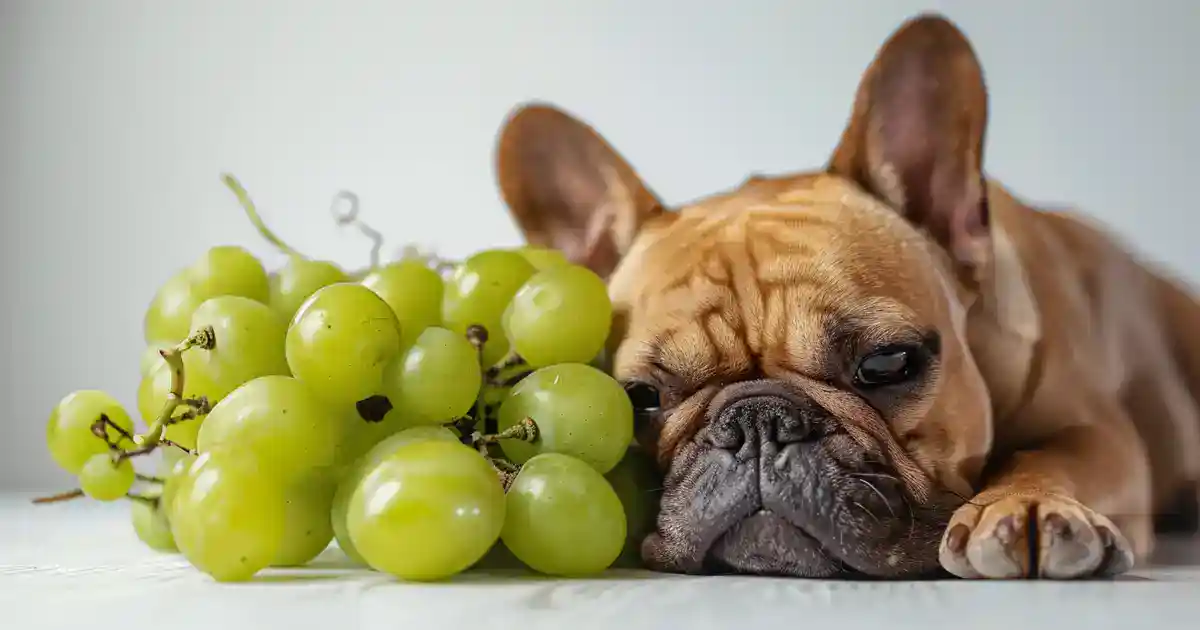
Have you ever wondered whether tossing your dog a green grape as a quick snack could actually be dangerous? I used to do it all the time without a second thought — my dog would catch them mid-air like it was the highlight of his afternoon, and I genuinely had no idea I was playing a dangerous game. It wasn’t until a friend’s dog ended up in emergency veterinary care after eating a small bunch of grapes that I finally did the research, and what I found completely stopped me in my tracks. If you’ve been casually sharing grapes with your pup or you’re simply trying to figure out whether green grapes are safe for dogs, this guide is going to give you the clearest, most honest answer you’ll find anywhere — and it may very well save your dog’s life.
Here’s the Thing About Green Grapes and Dogs
Here’s the magic — or rather, the very serious warning — when it comes to green grapes and dogs: there is no safe amount. The secret that every dog owner needs to understand is that grapes, in every form and every variety including green, red, seedless, and seeded, are considered toxic to dogs. What makes this particularly alarming is that researchers still haven’t definitively identified the exact compound responsible for the toxicity, which means there’s no reliable threshold below which grapes can be considered safe. I never knew that something as innocent-looking as a fresh green grape could trigger acute kidney failure in an otherwise perfectly healthy dog. It’s honestly more terrifying than most people expect when they first hear it. According to research on nephrotoxicity in companion animals, grape-induced kidney injury in dogs has been documented consistently across veterinary literature for decades, making it one of the most well-established food toxicity concerns in canine medicine.
What You Need to Know — Let’s Break It Down
Understanding grape toxicity in dogs is absolutely crucial before we go any further, because the stakes here are genuinely high. Don’t skip this section even if you think you already know the basics — I thought I did too, and I was wrong in ways that matter. The foundation of what you need to know breaks down into a few essential truths that every dog owner should have memorized. First, all grape varieties are dangerous. Green grapes, red grapes, purple grapes, seedless grapes, organic grapes — none of them get a pass. I finally figured out after digging into veterinary toxicology literature that the toxin, whatever it ultimately turns out to be, appears to be present across the entire species regardless of how the grape is grown or processed. Second, grape products are equally dangerous (game-changer, seriously) — raisins, which are simply dried grapes, are actually considered even more toxic per gram of body weight because the concentration of whatever harmful compound is present increases dramatically during the drying process. Grape juice, grape jelly, and baked goods containing raisins fall into the same dangerous category. Third, individual dogs vary wildly in their sensitivity. Some dogs have eaten grapes and shown no apparent reaction while others have gone into kidney failure after just two or three grapes — and there is currently no way to predict how your specific dog will respond. If you’re just starting to explore which foods are genuinely safe for your dog, check out my complete guide to dog-safe fruits and vegetables for a comprehensive breakdown of what you can and can’t share from your produce drawer. The secondary truth worth repeating here is that “can dogs eat green grapes” has one answer and one answer only: no, they cannot, and the risk is never worth taking.
The Science and Psychology Behind Why This Works
The veterinary community has been aware of grape and raisin toxicity in dogs since at least the early 2000s, when the ASPCA Animal Poison Control Center began noticing a pattern in reported cases. What makes this toxicity particularly puzzling from a scientific standpoint is that despite extensive investigation, the exact mechanism of harm has not been conclusively identified. Several theories have been proposed over the years including mycotoxins from mold on the grape skin, salicylate compounds, and most recently a tartaric acid hypothesis that has gained significant traction in the veterinary community. Research from leading veterinary toxicology institutions suggests that tartaric acid, which is found in notably high concentrations in grapes and is metabolized very differently by dogs than by humans, may be the primary culprit behind the kidney damage seen in affected animals. What makes grape toxicity different from other food dangers is the unpredictability — a dog that ate grapes once without apparent consequence is not protected from a severe reaction the next time. Experts agree that the only rational approach is complete avoidance, full stop.
Here’s How to Actually Make This Happen
Start by doing an honest audit of every place in your home where grapes or grape products might be accessible to your dog — this step alone has probably prevented more emergency vet visits than any other single action. Here’s where I used to mess up: I kept a fruit bowl on the counter at dog-nose height and never thought twice about it. Now for the important part — let’s talk about practical steps to keep your dog safe. Move all grapes, raisins, and grape products to shelves or refrigerator compartments that your dog cannot access. This sounds obvious, but grape toxicity cases most commonly happen during unattended moments — a fruit bowl left on a coffee table, a bag of trail mix dropped on the floor, a child sharing snacks without realizing the danger. Here’s my secret for households with kids: I made a simple printed list of toxic foods and taped it to the inside of our snack cabinet so that everyone in the house — adults and children — sees it every single time they reach for something. This step takes five minutes but creates lasting safety habits. Check every food label in your kitchen for hidden grape derivatives — grape seed extract, grape juice concentrate, and dried fruit mixes are surprisingly common ingredients in packaged foods. Results can vary in how quickly you can identify all the risk areas in your home, but most families can do a thorough sweep in under an hour. Don’t worry if you’re just starting out with dog-proofing your kitchen — you don’t have to overhaul everything at once. One room at a time, one habit at a time.
Common Mistakes (And How I Made Them All)
My most embarrassing and genuinely frightening mistake was assuming that because my dog had eaten a grape or two in the past with no obvious reaction, grapes must be fine for him specifically. This is one of the most dangerous misconceptions in pet ownership and I cringe thinking about how casually I operated under it for years. I’ve also made the mistake of not thinking about raisins as grapes — I kept raisin bran cereal in a low cabinet and never connected the dots until I read a veterinary toxicology report that listed raisins as potentially more dangerous than fresh grapes. Another mistake I see constantly is people assuming that organic or home-grown grapes are somehow safer than conventional ones. The toxicity has nothing to do with pesticides or growing conditions — it’s intrinsic to the fruit itself. And perhaps the most common mistake of all: waiting to see if symptoms develop before calling a vet after known grape ingestion. By the time symptoms of grape toxicity in dogs appear, kidney damage may already be progressing. Don’t make my mistake of taking a wait-and-see approach — this is one situation where immediate action is always the right call.
When Things Don’t Go as Planned
Feeling panicked because your dog just ate a green grape before you finished reading this article? Don’t stress — but do act immediately. You probably need to make a phone call right now rather than continuing to read. I’ve learned to handle this exact scenario by keeping the ASPCA Animal Poison Control Center number saved in my phone: 888-426-4435. When this happens (and given how many households keep grapes around, it does happen), the most important thing you can do is call your vet or an emergency animal poison control line without waiting for symptoms to appear. Symptoms of grape toxicity in dogs include vomiting, diarrhea, lethargy, loss of appetite, abdominal pain, decreased urination, and weakness — but here’s the critical point: these symptoms may not appear until kidney damage is already underway, sometimes twelve to twenty-four hours after ingestion. Your vet may recommend inducing vomiting if the ingestion was recent, followed by activated charcoal and IV fluids to support kidney function. If you’re losing confidence about whether your dog is truly in danger, err on the side of caution every single time — a false alarm vet visit is infinitely better than delayed treatment for acute kidney failure.
Advanced Strategies for Next-Level Results
Once you’ve secured your home environment, the next level is about building systems and knowledge that protect your dog even in situations outside your direct control. Advanced pet parents in the dog safety community often create laminated toxic food reference cards that travel with their dog — in the car, in the dog bag, at the dog sitter’s house — so that whoever is caring for the dog has instant access to the information they need. For households with multiple caregivers, a shared note on a family phone app listing toxic foods ensures that everyone is operating from the same knowledge base regardless of who’s on dog duty. If you have a dog who is a notorious counter surfer or garbage investigator, baby-proof locks on low cabinets containing any risky food are a genuinely worthwhile investment. Long-tail protective strategies also include educating your social circle — friends, family members, neighbors, and anyone else who spends time with your dog should know that grapes are not a safe treat no matter how much the dog begs. What separates casual dog owners from truly safety-conscious ones is this proactive layer of protection that extends beyond their own kitchen.
Ways to Make This Your Own
When I want to give my dog the sweet, juicy experience of fruit without any of the risk, my go-to is what I call the “Safe Fruit Swap” — blueberries, watermelon chunks with seeds and rind removed, or sliced strawberries offered in the same playful catch-it-mid-air way I used to offer grapes. For the busy professional pet parent, pre-portioned bags of dog-safe fruit in the freezer make it just as easy to grab a safe snack as it was to reach into the grape bowl. My budget-conscious version relies on bananas and apples with the core and seeds removed — both are inexpensive, widely available, and genuinely loved by most dogs. For pet parents with senior dogs or those managing blood sugar concerns, small pieces of cucumber or watermelon offer hydration and low-calorie satisfaction without any sugar spike concerns. My advanced version includes making frozen fruit treats — blending dog-safe fruits with plain yogurt and freezing them in ice cube trays — which serves as both a satisfying snack and a mental enrichment activity on hot days. Each variation works beautifully with different lifestyle needs, and every single one gives your dog a genuinely joyful treat experience without a single milligram of grape in sight.
Why This Approach Actually Works
Unlike the reactive approach of waiting until something goes wrong to learn about food toxicity, this proactive knowledge-first strategy means you’re never caught off guard making a panicked decision in the middle of a potential emergency. The evidence-based understanding of why green grapes are dangerous for dogs — even without knowing the precise compound responsible — is sufficient to make a confident, permanent decision to eliminate them from your dog’s diet entirely. What sets this apart from other pet safety advice is that it doesn’t ask you to calculate risk or weigh probabilities — it simply removes the variable altogether by replacing a dangerous snack with a safe and equally enjoyable one. I remember the precise moment this philosophy clicked for me: I realized that my dog has no concept of what he’s missing by not eating grapes, but he has everything to lose if the wrong snack sends him into kidney failure. That realization made every subsequent food safety decision feel effortless.
Real Success Stories (And What They Teach Us)
A woman in my online pet community shared that her golden retriever got into an unattended bag of trail mix containing raisins while she was at work — she came home to find the bag chewed open and immediately called the ASPCA Poison Control line rather than waiting to see symptoms. Because she acted within the critical early window, her vet was able to induce vomiting and start supportive care before any kidney damage occurred. Her dog made a full recovery and is doing beautifully today. Another pet parent I know discovered through a routine vet checkup that their dog had been experiencing mild chronic kidney stress, and when they reviewed the dog’s diet history they traced it back to a period of months during which a family member had been casually sharing grapes thinking they were a healthy treat. Their success in halting the progression came entirely from identifying and eliminating the source. Their experience aligns with research on early intervention in nephrotoxic exposure that shows prompt action dramatically improves outcomes in grape toxicity cases. The lesson in both stories is identical — information acted upon immediately is the difference between a scary story with a happy ending and one without.
Tools and Resources That Actually Help
The most valuable tool I personally use is the ASPCA’s Animal Poison Control Center app, which gives you instant access to toxicity information organized by substance and species — it’s free, reliable, and the kind of thing you hope you never need but are enormously grateful to have when you do. A whiteboard or chalkboard in the kitchen dedicated to “safe and unsafe foods for dogs” is a surprisingly effective household safety tool, especially in families with children. For deeper reading on grape toxicity and canine nutrition, the best resources come from peer-reviewed veterinary toxicology research and established poison control databases that document real case outcomes and treatment protocols. Pet poison hotline numbers saved directly into your phone contacts — not just written somewhere you’ll never find — are non-negotiable for any responsible dog owner. And finally, a good relationship with a veterinarian you can call or text with quick questions is worth more than any app or resource list, because personalized guidance for your specific dog’s size, age, and health history is always going to be more valuable than general information.
Questions People Always Ask Me
Are green grapes specifically more dangerous than red or purple grapes? No, there is no evidence that any variety of grape is safer than another. Green grapes, red grapes, concord grapes, seedless grapes — all are considered equally toxic to dogs based on current veterinary understanding. The color and variety make no difference whatsoever.
What if my dog only ate one grape — is that enough to cause harm? Potentially yes, and this is the most unsettling aspect of grape toxicity. There is no established safe dose. Some dogs have developed kidney failure after eating just one or two grapes while others have consumed more without apparent immediate effect. Because individual sensitivity varies so unpredictably, even a single grape warrants a call to your vet.
Is this approach suitable for complete beginners who are just learning about dog nutrition? Absolutely, and honestly this is one of the first things every new dog owner should learn. Start here, memorize it, and then expand your knowledge of other toxic foods from this foundation. This is not an advanced topic — it’s essential baseline knowledge.
Can dogs eat grape-flavored products if they don’t contain actual grapes? This is a genuinely important question. Artificially grape-flavored products don’t carry the same toxicity risk as actual grapes since the danger is in the fruit itself, not the flavor compound. However, many grape-flavored products contain xylitol or other ingredients that are independently dangerous to dogs, so always read labels thoroughly.
What’s the most important thing to focus on first after learning about grape toxicity? Securing your home environment — moving grapes and raisins out of reach — followed immediately by educating every person in your household including children. Both steps take minutes and both are equally important.
How do I stay motivated to maintain safe snack habits long-term? Honestly, once you’ve read even one detailed case report of a dog suffering from grape-induced kidney failure, the motivation tends to take care of itself. Keeping a list of genuinely safe and enjoyable fruit alternatives on your fridge helps redirect the impulse to share fruit with your dog in a positive direction rather than just a restrictive one.
What mistakes should I avoid when learning about dog food safety? Never rely on the “my dog ate it before and was fine” logic — that’s the most dangerous reasoning in pet nutrition. Never assume that natural or organic automatically means safe. Never delay calling a vet after potential toxic ingestion while waiting to see if symptoms develop.
Can I combine this knowledge with other dietary approaches like raw feeding or home cooking? Completely. Whether you feed kibble, raw, home-cooked, or a combination, the toxic food list applies universally. Grape avoidance is not a dietary philosophy — it’s a basic safety requirement that transcends every feeding style.
What if I’ve given my dog grapes before without knowing they were dangerous? First, take a breath. Many dogs have been exposed without experiencing obvious acute effects. Schedule a routine vet visit and mention the history so your vet can assess kidney function with a simple blood panel. Going forward, the history doesn’t matter as much as the decision you make from today onward.
How much does it cost to treat grape toxicity in dogs if caught early? Treatment costs vary significantly depending on your location and the severity of exposure, but emergency vet visits combined with IV fluid therapy and monitoring can range from several hundred to several thousand dollars. Pet insurance that covers toxin ingestion incidents is worth considering for exactly this reason.
What’s the difference between grape toxicity and other common food dangers like chocolate? Both are serious, but grape toxicity is particularly unpredictable because there’s no established dose-response relationship — meaning you can’t calculate a “safe small amount” the way some toxicology resources attempt to do with chocolate. Grape toxicity is also insidious because the primary damage targets the kidneys, which can sustain significant injury before obvious symptoms appear.
How do I know if my dog is experiencing early signs of grape toxicity? Watch for vomiting or diarrhea within the first few hours, followed by lethargy, loss of appetite, abdominal tenderness, and decreased urination over the following twelve to twenty-four hours. Any combination of these signs after known or suspected grape ingestion warrants immediate veterinary attention — don’t wait for all the symptoms to appear before making the call.
Before You Get Started
I couldn’t resist sharing this guide because it proves that the most important nutrition knowledge you can have as a dog owner isn’t about finding the perfect superfood — it’s about understanding what to keep far away from your pup’s bowl. The best green grape safety journeys start with a single decision made today: grapes leave the snack rotation permanently, replaced by safe and equally joyful alternatives your dog will love just as much. Your dog doesn’t need grapes to be happy, but he absolutely needs you to know the truth about them.




