
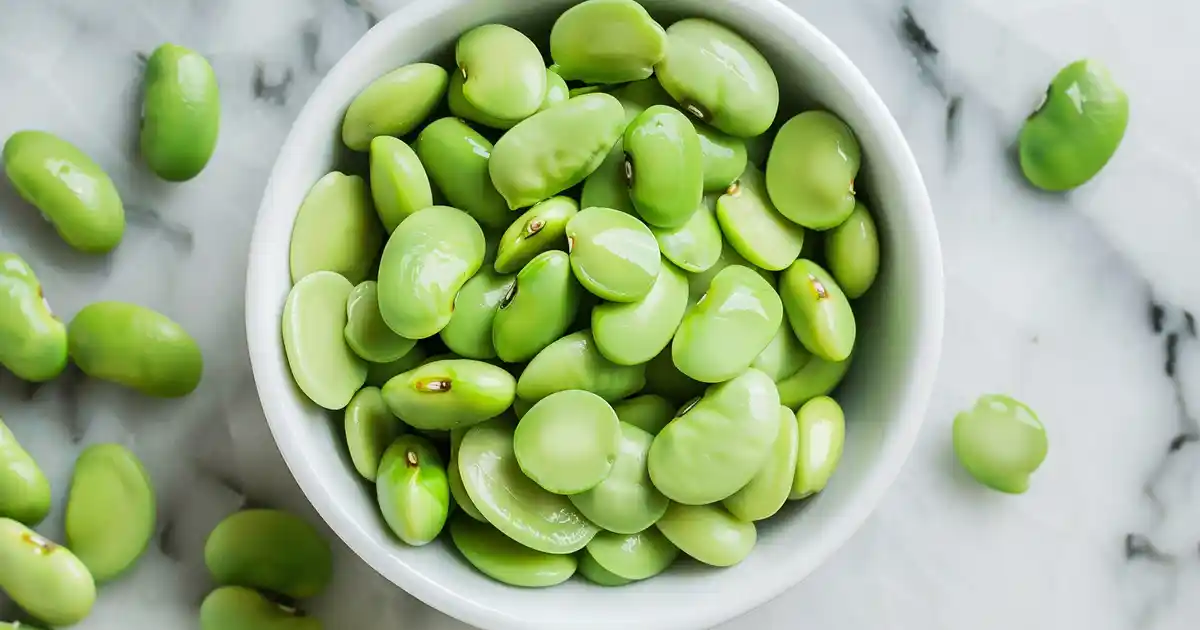
Have you ever been standing at the stove preparing a pot of lima beans — perhaps a hearty soup or a simple side dish — and looked down to find your dog watching you with that particular combination of hopeful attention and unwavering patience that makes you genuinely wonder whether sharing a spoonful would be a kind gesture or the beginning of a digestive situation you would both regret later that evening? I had that precise moment with my dog Max on a cold winter afternoon while making a pot of vegetable soup that included a generous handful of lima beans, and my honest uncertainty about whether they were safe sent me into research that produced a considerably more interesting and nuanced answer than the simple yes or no I was originally looking for. What I found was a story that positions lima beans in a genuinely positive category for dogs with specific and important qualifications — a food that offers real nutritional value and genuine health benefits when prepared and offered correctly, but that also has specific preparation requirements and forms to avoid that make understanding the complete picture genuinely important rather than simply reassuring yourself with a vague sense that beans are probably healthy. If you have been curious about whether your dog can share the lima beans you regularly cook, or if you have been looking for new nutrient-dense vegetables and legumes to add variety to your dog’s treat rotation, this guide is going to give you the thorough, honest, vet-informed answer that replaces uncertainty with the specific, actionable knowledge that allows confident, appropriate sharing.
Here’s the Thing About Lima Beans and Dogs
Here’s what makes lima beans such an interesting and practically worthwhile topic in canine nutrition: unlike many human foods that require the qualification that they are merely safe rather than genuinely beneficial, properly prepared lima beans offer dogs a meaningful nutritional profile — plant-based protein, dietary fiber, folate, potassium, magnesium, iron, and B vitamins — alongside a composition that makes them one of the more nutritionally substantive legume options available as an occasional whole food supplement to a dog’s regular diet. According to research on legume nutrition and composition, lima beans — also known as butter beans when referring to the larger, more mature variety — belong to the Phaseolus lunatus species and are characterized by a nutritional profile that includes approximately fifteen grams of protein per cooked cup alongside eleven grams of dietary fiber, making them one of the more protein-rich and fiber-dense plant foods available and explaining why they appear as an ingredient in some commercial dog foods and in veterinary dietary formulations designed around plant-based protein sources. What makes lima beans more nuanced than a simple enthusiastic recommendation is the critical distinction between raw and cooked lima beans — raw lima beans contain significant concentrations of linamarin, a cyanogenic glycoside that releases hydrogen cyanide when consumed and that represents a genuine toxicity risk not only for dogs but for humans as well, making proper cooking an absolute safety requirement rather than merely a palatability preference. I never fully appreciated how dramatically the preparation method changed the safety profile of lima beans until I understood the specific chemistry of linamarin hydrolysis — the enzymatic breakdown that occurs when raw beans are damaged by chewing releases hydrogen cyanide at concentrations that can cause genuine harm, while thorough cooking deactivates both the linamarase enzyme that catalyzes this reaction and the linamarin itself, converting a potentially dangerous food into a genuinely safe and nutritious one. It is a topic where getting the preparation right is not optional but is the entire difference between a beneficial food and a harmful one, and understanding that distinction clearly is the most important thing this guide can give you.
What You Need to Know — Let’s Break It Down
Understanding the complete picture of lima beans for dogs requires addressing both the preparation requirements that determine safety and the nutritional components that determine benefit, alongside the specific forms and combinations that are appropriate versus those that should be completely avoided. Don’t skip the cyanogenic glycoside explanation even if the chemistry sounds intimidating — linamarin is present in all raw lima beans at concentrations that vary by variety, with some varieties particularly the lima beans most commonly available in North American grocery stores having been selectively bred to lower linamarin concentrations compared to traditional varieties but still containing enough to represent a meaningful risk when consumed raw by dogs whose smaller body mass means a lower absolute dose is required to produce toxicity. I finally understood why the raw versus cooked distinction was so consequential when I learned that the North American regulatory standard for commercially processed lima beans requires linamarin reduction to below twenty parts per million — achievable through standard cooking processes — while raw lima beans from some sources can contain ten to thirty times that concentration, which contextualizes why the cooking requirement is absolute rather than optional. Properly cooked lima beans — thoroughly boiled until soft, without any seasonings, salt, garlic, onion, or other additives — are safe for dogs and offer the nutritional profile that makes them worth considering as an occasional supplement. Canned lima beans present a specific concern: while the beans themselves are typically pre-cooked and therefore free of linamarin concerns, most commercially canned lima beans contain substantial amounts of added sodium — often four hundred to seven hundred milligrams per half-cup serving — that makes them inappropriate for dogs without thorough rinsing that removes a significant proportion of the sodium, and even rinsed canned beans should be used sparingly given their residual sodium content compared to home-cooked unseasoned beans. Frozen lima beans represent one of the more convenient and appropriate options for dog owners — frozen beans have been blanched which deactivates linamarase even before home cooking, and home cooking of frozen beans without any additions produces the plain, safely prepared lima bean that dogs can benefit from. The portion guidance for lima beans reflects both their genuine nutritional density and their high fiber content which can cause digestive upset in dogs unaccustomed to significant fiber additions — starting with a very small amount for a dog who has not eaten lima beans before, perhaps five to ten beans for a medium-sized dog, and observing the digestive response before making them a regular part of the treat rotation is the appropriate introduction approach. For a broader framework on incorporating legumes and plant-based protein sources into your dog’s diet as occasional treats or supplementary foods alongside a complete and balanced regular diet, check out this helpful guide to plant-based foods and safe vegetables for dogs for foundational context. Secondary concepts worth understanding clearly throughout this discussion include how individual digestive sensitivity to legumes varies between dogs in ways that make observation of your specific dog’s response more important than any general guidance, why the ten percent daily treat calorie rule applies to lima beans as it does to all supplementary foods, and what the specific signs of digestive discomfort from excess fiber look like so you can recognize and respond to them if they occur following lima bean introduction.
The Science and Psychology Behind Why This Works
What research actually shows is that the dietary fiber profile of lima beans — combining soluble fiber that forms a gel-like substance in the digestive tract and modulates glucose absorption with insoluble fiber that adds bulk and supports intestinal motility — produces measurable effects on digestive function, blood glucose regulation, and satiety that have clinical relevance for dogs managed for diabetes, obesity, or digestive irregularity when incorporated at appropriate amounts within a veterinary-supervised dietary plan. Studies confirm that the plant-based protein in cooked lima beans provides a bioavailable amino acid profile that, while not equivalent in completeness to animal-based protein sources, contributes meaningfully to overall protein intake and is appropriate as a supplementary protein source in dogs whose dietary management for specific conditions includes partial protein source substitution under veterinary guidance. Experts agree that the folate content of lima beans — one of their more notable micronutrient contributions — plays roles in DNA synthesis, cell division, and the metabolism of certain amino acids in dogs as in other mammals, making lima beans a genuinely functional food rather than merely a safe one in the context of micronutrient contribution to overall dietary diversity. Research from veterinary nutrition specialists demonstrates that legumes including lima beans used as partial protein substitutes in commercial dog foods have generally shown acceptable digestibility and nutritional adequacy in formulations that meet complete and balanced standards, which is the clearest available evidence that properly prepared legumes are physiologically appropriate as components of canine diets when incorporated within well-formulated nutritional contexts. Understanding the specific nutritional mechanisms through which lima beans provide genuine benefit — the fiber’s effects on digestive function and glucose regulation, the protein contribution to overall amino acid intake, the micronutrient complement including folate and potassium — is what allows you to think of occasional lima bean offering as an intentionally beneficial supplement rather than simply a safe one, and that framing is more accurate to what the nutritional evidence actually supports.
Here’s How to Actually Make This Happen
Start your lima bean preparation with the most important safety step in the entire process — ensuring that raw beans never reach your dog through any pathway, which means not only that you never offer raw lima beans deliberately but also that dry or undercooked beans are kept completely out of reach during any stage of your own food preparation that involves them. Here’s where I nearly created an unintentional problem with Max: I had a habit of letting him clean the kitchen floor during cooking, and it was only when I understood the linamarin content of raw lima beans that I realized the dry beans I occasionally dropped during measuring had the highest concentration of cyanogenic glycoside of any form and should have been kept off the floor entirely during preparation. The safe preparation protocol that actually works for lima beans intended for dog sharing involves a specific sequence that ensures both safety and palatability. Begin with either dried lima beans — soaked overnight in generous water, drained and rinsed, then boiled in fresh water for forty-five to sixty minutes until completely soft — or frozen lima beans that have been boiled in plain water for fifteen to twenty minutes until thoroughly tender. Do not add any salt, seasoning, garlic, onion, butter, oil, or any other ingredient to the cooking water or to the finished beans — the entire safety and appropriateness of lima beans for dogs depends on them being completely plain, and any flavoring addition that is appropriate for human cooking introduces ingredients that range from unnecessary sodium loading to genuinely toxic compounds. Allow the cooked beans to cool completely before offering them to your dog — both for temperature safety and because hot food eaten quickly by excited dogs creates aspiration and choking risk that room temperature food does not. Now for the important part about introduction quantity: regardless of your dog’s size, the first lima bean offering should be genuinely small — five to ten individual beans for a medium-sized dog, two to five for a small dog — offered as a standalone treat not mixed with anything else, so that if any digestive sensitivity to the fiber content emerges over the following twenty-four hours the source is unambiguous. Here’s my secret that has made lima bean incorporation into Max’s treat rotation both practical and consistently safe — I batch cook a large quantity of plain beans at the start of each week, divide them into appropriate single-serving portions in small labeled containers, and refrigerate them for up to five days or freeze them in individual portions for up to three months, which means I always have pre-portioned, plain, safely prepared lima bean treats available without any preparation effort in the moment and without the temptation to use canned beans as a shortcut when time is short. Results from the gradual introduction approach are typically quiet in the positive sense — most dogs who tolerate the initial small introduction well continue to enjoy lima beans without digestive issues at appropriate portions, with the digestive sensitivity that does occasionally occur being most reliably identified through the cautious introduction rather than discovered through a larger first offering. Be honest about when your dog’s individual digestive response suggests that lima beans are not the right treat option for them — some dogs have digestive systems that do not tolerate legume fiber well regardless of how gradually they are introduced, and honoring that individual response rather than persisting with a food that causes discomfort is the right approach even when that food is genuinely nutritious.
Common Mistakes (And How I Made Them All)
The mistake that carries the most serious safety implications is one I have already described and cannot emphasize too strongly — allowing dogs access to raw or incompletely cooked lima beans through counter access, floor drops, or deliberate offering, because the linamarin content of raw beans represents a genuine toxicity risk that distinguishes lima beans from most other vegetables in terms of the absolute importance of proper preparation. This is not a theoretical concern elevated beyond its actual significance but a documented chemical reality that makes raw lima bean access a situation requiring the same prevention diligence as access to recognized toxic foods. Another extremely common mistake is using commercially canned lima beans without thorough rinsing and without awareness of the residual sodium content even after rinsing — the sodium levels in standard canned lima beans are high enough that using them without rinsing is clearly inappropriate, and even thoroughly rinsed canned beans have higher sodium content than home-cooked unseasoned beans, making the convenience benefit of canned beans worth weighing against the additional sodium management required. Don’t make my mistake of offering lima beans as part of a mixed dish that includes other ingredients rather than as a standalone plain food — the convenience of letting a dog finish a small serving of lima bean soup or a portion of succotash ignores the other ingredients in those preparations that are likely to include salt, seasonings, onions, or other additions that are problematic for dogs, and the safety of the lima beans themselves does not transfer to preparations that include unsafe additional ingredients. The mistake of dramatically overestimating the appropriate portion size for lima beans based on their nutritional quality — reasoning that because they are nutritious, more is better — ignores the high fiber content that can cause significant digestive discomfort including gas, bloating, and loose stools when offered in quantities that exceed the digestive system’s current adaptation to legume fiber, particularly in dogs who are encountering lima beans for the first time.
When Things Don’t Go as Planned
Feeling concerned because your dog accessed raw lima beans — perhaps dry beans spilled during preparation or undercooked beans that were within reach — the appropriate response depends on the quantity accessed and the specific variety involved. Contact the ASPCA Animal Poison Control Center or your veterinarian immediately with information about the approximate quantity consumed and your dog’s weight, because the cyanide release from linamarin hydrolysis is dose-dependent and the professional assessment of whether the exposure represents a meaningful toxicity risk for your specific dog’s body mass is more reliable than any general guideline. Signs of cyanide toxicity in dogs include rapid breathing, panting, weakness, salivation, and in serious cases neurological signs — any of these signs following raw bean access should be treated as a veterinary emergency rather than a watch-and-wait situation. For digestive upset following cooked lima bean introduction — the gas, mild bloating, or loose stools that excess fiber can cause — the appropriate response is reducing or temporarily eliminating lima beans from the treat rotation, offering a bland diet of plain boiled chicken and rice for twenty-four hours while ensuring fresh water access, and if reintroducing lima beans doing so at a smaller quantity and more gradual pace than the initial introduction. I have learned from Max’s occasional digestive sensitivity to new foods that the twenty-four hour observation window following any new food introduction is the most important diagnostic period — monitoring specifically for changes in stool consistency, frequency, and character during that window provides the clearest information about whether the new food is being tolerated or requires adjustment.
Advanced Strategies for Next-Level Results
Advanced incorporation of lima beans into a dog’s nutrition strategy moves beyond casual treat offering into deliberate, purposeful use that aligns the specific nutritional properties of lima beans with particular health or management goals. One of the most clinically relevant advanced applications is the use of lima beans’ high soluble fiber content as a component of a veterinary-supervised dietary management plan for dogs with type two diabetes or insulin resistance — the soluble fiber’s ability to slow glucose absorption and moderate postprandial blood glucose elevation has practical significance in glycemic management, and working with a veterinarian to incorporate appropriately portioned cooked lima beans as part of a comprehensive dietary approach to blood glucose management represents a genuinely functional application of their nutritional properties. Experienced owners of overweight dogs often incorporate high-fiber, lower-calorie foods including cooked lima beans as volume extenders in meal management — the combination of high fiber content and moderate protein provides genuine satiety at relatively modest caloric cost, and using a small amount of cooked lima beans to add bulk to a reduced-calorie meal can support the caloric reduction required for weight management without leaving the dog in a state of unsatisfied hunger that drives food-seeking behavior. What separates advanced nutritional incorporation from casual treat feeding is the deliberate alignment of food choices with specific health goals in collaboration with veterinary guidance — using lima beans not simply because they are safe but because their specific nutritional profile serves a defined purpose in a thoughtfully constructed dietary approach.
Ways to Make This Your Own
When I want the most practical and consistently safe lima bean incorporation approach for Max’s weekly treat rotation, I use what I call the Sunday Batch Protocol — cooking a full cup of dried lima beans on Sunday afternoon using the plain overnight-soak and boil method, portioning them into five daily servings in small sealed containers, and using them through the week as a convenient, pre-portioned, plain treat that requires no additional preparation and removes all in-the-moment decisions about quantity or preparation method. For the budget-conscious approach, dried lima beans are among the most economical protein and fiber sources available in any grocery store, and the cost per weekly dog serving from home-cooked dried beans is genuinely negligible — making this a treat option that provides meaningful nutritional value at essentially zero incremental cost above the household food budget. My training-application adaptation uses individual cooked lima beans as low-calorie training treats during sessions focused on duration behaviors — the small size, low calorie density per piece, and the fact that most dogs find them moderately but not overwhelmingly motivating makes them appropriate for the many-repetition, high-treat-volume training contexts where higher-calorie rewards would quickly exceed daily treat allowances. Each approach works beautifully for different goals and different dogs. The Senior Dog Adaptation recognizes that older dogs often benefit from the high fiber content of lima beans for digestive regularity support and that the potassium and folate content may contribute meaningfully to cardiovascular and cellular health in aging dogs — while also noting that senior dogs with kidney disease need individual veterinary assessment of legume appropriateness given their protein and potassium management requirements.
Why This Approach Actually Works
Unlike the reflexive either-or framing that characterizes much human food safety advice for dogs — either a food is completely safe and freely shareable or it is dangerous and must be completely avoided — this framework works because it accurately reflects the preparation-dependent safety and genuine nutritional value of lima beans, provides the specific preparation requirements that make the difference between harm and benefit, and gives you the individualized observation-based approach to introduction that serves your specific dog rather than applying generic guidance without accounting for individual variation. The sustainable element is that once you have internalized the core framework — raw is never appropriate, cooked plain beans in appropriate portions are genuinely beneficial, canned requires careful sodium management, and individual digestive response guides ongoing portion decisions — you can apply those principles automatically to every future lima bean interaction without needing to research the question again, because the relevant considerations are simple enough to remember and specific enough to handle every realistic situation.
Real Success Stories (And What They Teach Us)
A dog owner I know whose border collie mix was managing well-controlled diabetes under veterinary supervision incorporated small portions of plain cooked lima beans as part of a comprehensive dietary management plan that her veterinarian had designed specifically to leverage the soluble fiber’s blood glucose moderating properties — tracking her dog’s glucose response over several weeks she observed the consistent postprandial glucose curve moderation her veterinarian had predicted, and the lima beans became a regular component of a dietary approach that meaningfully supported her dog’s glycemic management. Her success aligns with the nutritional science of soluble fiber and glycemic response that shows consistent patterns across species — the mechanism of glucose absorption moderation through soluble fiber gel formation is not dog-specific but is a well-characterized physiological effect that translates predictably into clinically meaningful outcomes when applied within an appropriately managed dietary context. Another dog owner I know prevented what would have been a genuine toxicity situation by having read about the linamarin content of raw lima beans before she discovered that her food-motivated Labrador had accessed the kitchen counter during recipe preparation and consumed an uncertain quantity of dry beans — her immediate call to the ASPCA Animal Poison Control Center with her dog’s weight and an estimated quantity consumed resulted in professional guidance that her dog’s weight and the estimated quantity represented a low but not negligible exposure warranting monitoring for specific signs over the following two hours, which she was able to provide because she understood exactly what to watch for. The lesson across both stories is the same one that defines the entire guide: specific knowledge about the safety requirements and the nutritional value of lima beans produces both better outcomes when things go right and more effective responses when they do not.
Tools and Resources That Actually Help
A large heavy-bottomed pot suitable for long bean cooking — maintaining a stable simmer for forty-five to sixty minutes without burning — is the basic kitchen tool that makes home-cooked lima beans from dried beans practical as a weekly preparation, and using the right pot makes the difference between beans that require constant monitoring and beans that can be left to cook with occasional checking. A set of small sealed portion containers — appropriately sized for your dog’s weekly serving amounts — makes the batch cooking approach logistically practical by providing the storage infrastructure that converts a once-weekly cooking session into a daily grab-and-go treat without any additional effort. A kitchen food scale accurate to single grams is useful for portioning cooked lima beans to appropriate serving sizes for small dogs where the difference between an appropriate and excessive portion is measured in small quantities that visual estimation overestimates. A saved contact for the ASPCA Animal Poison Control Center — stored in your phone before any incident involving kitchen food access — ensures that the specific raw lima bean access scenario that requires immediate professional toxicological assessment can be responded to within minutes rather than requiring a frantic search for contact information during the already-stressful moments following an accidental exposure. For comprehensive, veterinarian-reviewed information on legumes and plant-based foods in canine nutrition including specific guidance on preparation requirements and appropriate incorporation within complete and balanced diets, the American Kennel Club’s nutrition resources provide regularly updated, professionally reviewed information that accurately reflects current veterinary nutrition understanding without the oversimplification that characterizes many pet food safety sources. A note posted inside your pantry or on your spice cabinet door listing the specific lima bean safety requirements — raw never, cooked plain always, canned only after thorough rinsing, no seasonings ever — provides the quick-reference reminder that prevents the in-the-moment shortcuts that create problems when the detailed guidelines are not immediately recalled.
Questions People Always Ask Me
Can dogs eat lima beans safely, or are they one of those foods that sounds healthy but is actually dangerous? Properly cooked plain lima beans are genuinely safe for most dogs and provide real nutritional value — they are not a food with hidden dangers that make them inappropriate despite their healthy appearance. The important qualification is preparation: raw lima beans contain cyanogenic glycosides that represent genuine toxicity risk and must never be offered to dogs, while thoroughly cooked plain lima beans without any additions are both safe and nutritious. The preparation method is the entire difference between a beneficial food and a harmful one.
Why are raw lima beans dangerous for dogs when cooked ones are safe? Raw lima beans contain linamarin, a cyanogenic glycoside that releases hydrogen cyanide when the enzyme linamarase acts on it — an enzymatic reaction that occurs when raw beans are chewed or otherwise damaged. Thorough cooking deactivates both the enzyme and the linamarin itself, eliminating the cyanide-releasing potential completely. This is why cooking is an absolute safety requirement rather than a palatability preference, and why any raw bean access warrants immediate professional consultation.
Can dogs eat canned lima beans, or do I need to cook them from scratch? Canned lima beans are pre-cooked and therefore free of linamarin concerns, but most commercially canned varieties contain sodium levels — often four hundred to seven hundred milligrams per serving — that make them inappropriate for dogs without thorough rinsing. Even after rinsing, residual sodium content is higher than home-cooked plain beans. If using canned beans, drain and rinse them thoroughly under running water for at least one minute before offering, and use them more sparingly than home-cooked beans given the residual sodium. Home-cooked from dried or frozen is the most appropriate option when convenience is not a constraint.
How many lima beans can my dog safely eat, and does size matter? Body size matters significantly for appropriate lima bean portions through both the ten percent daily treat calorie rule and the fiber content consideration. A practical starting guideline is five to ten individual cooked beans for a medium-sized dog as an initial introduction, with ongoing regular servings of ten to twenty beans for medium dogs and proportionally fewer for small dogs and more for large dogs. Daily feeding at maximum portions is not necessary — incorporating lima beans several times per week rather than as a daily staple is appropriate given their fiber density.
Can puppies eat lima beans, or are they only appropriate for adult dogs? Plain cooked lima beans are not acutely toxic for puppies in the way that some foods are, but puppies have more sensitive and still-developing digestive systems that may be less tolerant of significant fiber additions than adult dogs. The high fiber content of lima beans makes them less appropriate as a regular puppy treat than for healthy adults, and the specific nutritional needs of puppies during rapid growth are best served by a complete and balanced puppy diet without significant supplementation from fiber-dense whole foods. If offering lima beans to a puppy, do so in genuinely tiny amounts with careful digestive monitoring.
What should I do if my dog ate raw lima beans? Contact the ASPCA Animal Poison Control Center or your veterinarian immediately — do not wait for symptoms to develop before seeking professional guidance. Provide the approximate quantity consumed and your dog’s weight, as the risk assessment is dose-dependent and body-mass-relative. Signs of cyanide toxicity to watch for if instructed to monitor at home include rapid breathing, weakness, panting, and excessive salivation, and any of these signs following raw bean access should prompt immediate emergency veterinary contact rather than continued home observation.
Are lima beans and butter beans the same thing, and does it matter for dog safety? Lima beans and butter beans are the same botanical species — Phaseolus lunatus — with butter beans typically referring to the larger, more mature white variety while lima beans is the broader term that encompasses both small green immature beans and the larger mature white variety. The safety and preparation requirements are identical for all varieties, and the nutritional profiles are similar with minor differences related to maturity stage. Both are appropriate for dogs when thoroughly cooked plain and inappropriate when raw or seasoned.
Can dogs eat lima beans that were cooked with ham, salt pork, or seasoning? No — lima beans cooked with any additions including ham, salt pork, bacon, salt, garlic, onion, or any seasoning are not appropriate for dogs regardless of how the beans themselves were cooked. The harmful elements in these preparations include the salt and sodium from the added ingredients, potential garlic and onion toxicity from seasoning, and the fat content from added pork products that raises pancreatitis risk. Only beans cooked in plain water with no additions are appropriate for dogs.
Do lima beans cause gas in dogs, and is there anything I can do to minimize this? The oligosaccharide content of lima beans — sugars that dogs and humans cannot digest but that intestinal bacteria ferment, producing gas as a byproduct — does cause gas in some dogs, particularly those not accustomed to regular legume consumption. The gradual introduction approach minimizes this by allowing the gut microbiome to adapt to legume consumption over time. Thorough cooking that softens the beans completely also reduces but does not eliminate the oligosaccharide content. Dogs who experience significant gas or digestive discomfort from lima beans despite gradual introduction may simply not tolerate legume fiber well, and other treat options may be more comfortable for them.
Are there any health conditions that make lima beans inappropriate for dogs? Dogs with kidney disease need veterinary assessment before adding lima beans to their diet — the protein and potassium content of lima beans are nutritional factors that require individualized management in kidney disease, and the appropriateness and appropriate quantity depend on the stage and specific characteristics of the individual dog’s kidney disease. Dogs with irritable bowel syndrome or other chronic digestive conditions affecting fiber tolerance may not be appropriate candidates for high-fiber foods including lima beans. Dogs managed for diabetes may benefit from the soluble fiber content but this should be incorporated within a veterinary-supervised dietary management plan rather than independently.
How do lima beans compare to other dog-safe vegetables and legumes nutritionally? Lima beans are among the more nutritionally substantive legume options for dogs — their protein content exceeds most vegetables and their fiber content exceeds most other legumes, making them a more nutrient-dense occasional supplement than options like green beans or peas. However, their higher fiber content also makes them more likely to cause digestive adjustment than lower-fiber options, and their preparation requirement of thorough cooking makes them less convenient than raw vegetables that can be offered directly. Other dog-safe legumes including cooked chickpeas and cooked kidney beans have similar nutritional profiles and similar preparation requirements — the specific choice between legume options can be guided by convenience, your dog’s individual digestive response, and what fits most naturally into your household cooking patterns.
Can I mix lima beans with other foods in my dog’s bowl, or should I offer them separately? Plain cooked lima beans can be mixed into your dog’s regular food if the mixing approach is the most practical for your household and your dog accepts them without selectively eating around them. The important consideration is ensuring that nothing else is mixed in that makes the overall preparation inappropriate — mixing plain cooked lima beans into plain regular kibble is appropriate, while mixing them into a seasoned dish or alongside other human food additions that have their own safety considerations is not. Offering them separately as a standalone treat also works well and makes it easier to observe your dog’s specific response to the beans without ambiguity about which ingredient caused any response.
Before You Get Started
I couldn’t resist putting together the most complete and honest guide I could on this topic because lima beans occupy a genuinely interesting position in the canine nutrition conversation — a food that is either completely safe and nutritionally beneficial or genuinely harmful depending entirely on preparation, and where that preparation dependency makes understanding the complete picture not merely interesting but practically essential for anyone who wants to incorporate this food appropriately. The best lima bean experiences for dogs come from owners who understood the preparation requirement completely before the first bean was offered, who batch-cook plain beans in advance so that convenience never becomes a reason to use an inappropriate shortcut, and who introduce them gradually enough to identify their individual dog’s digestive tolerance before committing to regular incorporation. Ready to begin? Soak a cup of dried lima beans overnight tonight, boil them plain tomorrow until completely soft, let them cool, offer Max — or your dog — five plain beans and watch what happens over the next twenty-four hours, because that single small, carefully prepared, attentively observed first offering is the beginning of everything this guide has described.




