
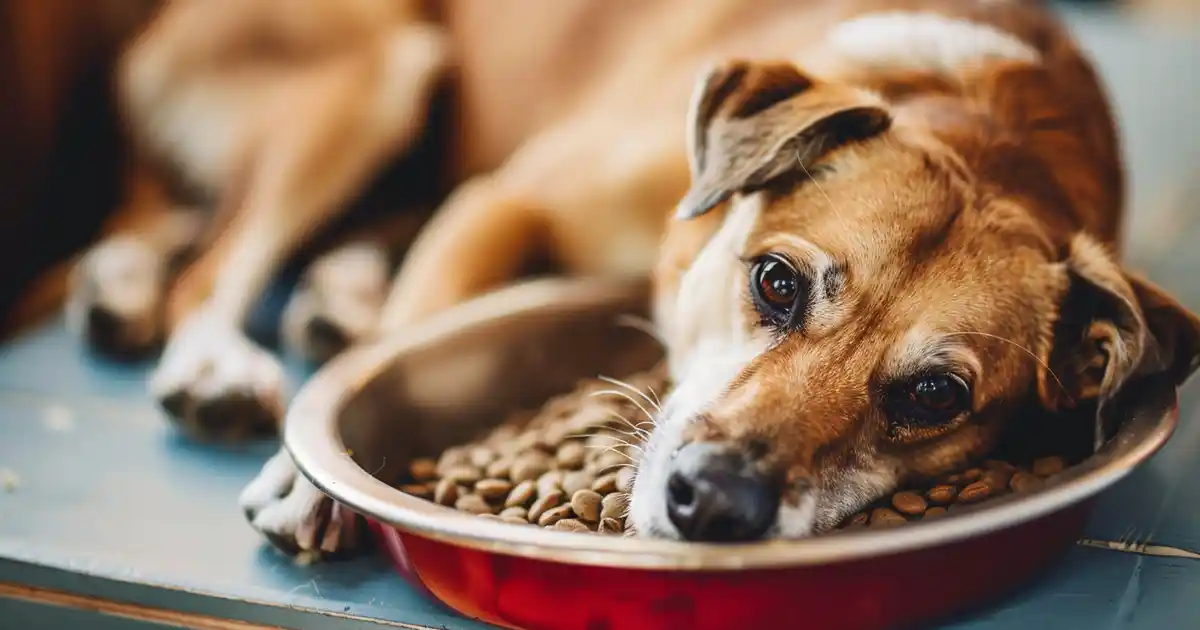
Have you ever wondered whether pinto beans are safe for dogs, or found yourself standing over the stove mid-meal-prep, staring at your pup’s hopeful eyes, genuinely unsure if sharing a spoonful would help or hurt them? I’ve been exactly there — my rescue mutt Bruno staring up at me with those irresistible eyes while I was cooking up a pot of pinto beans on a Tuesday night. Here’s the thing I discovered after going deep into research and talking to my vet: pinto beans can actually be a surprisingly beneficial addition to your dog’s diet, but only when done right. If you’ve been worried about accidentally feeding your dog something harmful, this guide is going to change everything you thought you knew about dogs and legumes.
Here’s the Thing About Pinto Beans and Dogs
Here’s the magic of pinto beans — they’re not just filler food. They’re genuinely packed with plant-based protein, dietary fiber, and essential vitamins that can support your dog’s overall health in real, measurable ways. What makes this work is that pinto beans, when properly prepared, are non-toxic and digestible for most dogs. I never knew something as humble as a pinto bean could deliver this kind of nutritional punch until I started researching what whole foods were safe for Bruno. It’s honestly more doable than I ever expected to incorporate them safely. According to research on canine nutrition and legumes, legumes have been studied extensively for their fiber and protein content in both human and animal diets, confirming their value as a supplemental food source. No complicated systems needed — just the right preparation and the right portions.
What You Need to Know — Let’s Break It Down
Understanding what’s actually in pinto beans is absolutely crucial before you start sprinkling them into your dog’s bowl. Pinto beans are rich in protein (about 15 grams per cooked cup), fiber, folate, magnesium, and iron — nutrients that support muscle function, digestive health, and immune response in dogs. Don’t skip over the preparation step, because this is where most pet owners go wrong. Raw or undercooked pinto beans contain a compound called phytohemagglutinin (PHA), a natural lectin that can cause serious gastrointestinal distress in dogs (took me forever to realize this). Canned pinto beans, while convenient, are often loaded with sodium, preservatives, and seasonings that are harmful to dogs — so those need to be off the table unless they’re unsalted and thoroughly rinsed. I finally figured out after months of researching dog nutrition that plain, cooked, unseasoned pinto beans are the only version worth giving your pup. If you’re just starting out with adding whole foods to your dog’s diet, check out our beginner’s guide to homemade dog food additions for foundational techniques that’ll set you up for success. Plain cooked pinto beans work beautifully for most dogs, but you’ll need to introduce them slowly to watch for digestive sensitivity.
The Science and Psychology Behind Why This Works
What research actually shows is fascinating — dogs are omnivores by nature, meaning their digestive systems are designed to process both animal proteins and plant-based foods, including certain legumes. Studies in veterinary nutrition confirm that fiber-rich foods like pinto beans can support healthy gut microbiome diversity in dogs, improving digestion and even boosting immune function over time. The reason traditional “protein-only” dog diet thinking often fails is that it ignores the real role fiber and micronutrients play in long-term canine health. Research from veterinary nutrition institutions demonstrates that plant-based proteins, when used as supplements rather than primary protein sources, are processed effectively by most healthy adult dogs. The psychological piece matters too — when you understand why something works, you’re far more consistent about doing it correctly. Knowing that Bruno is getting a fiber boost that helps his digestion actually makes me more mindful about how I prepare his food.
Here’s How to Actually Make This Happen
Start by sourcing dried pinto beans rather than canned — this gives you the most control over what goes into your dog’s food. Here’s where I used to mess up: I’d try to rush the soaking process and end up with undercooked beans that left Bruno with an upset stomach for two days. Don’t be me. Soak dried pinto beans in water for at least eight hours or overnight, which reduces lectins and makes them far easier to digest. Now for the important part — rinse the soaked beans thoroughly, then boil them in fresh, plain water with absolutely no added salt, garlic, onion, or spices. Here’s my secret: I cook a big batch on Sunday and portion it out in the fridge for the week — this step takes maybe thirty minutes of active time but creates a whole week of healthy dog-friendly toppers. Cook until the beans are fully soft and mashable, which usually takes about 45 to 60 minutes of simmering. Let them cool completely before serving. Results can vary depending on your dog’s size and digestive sensitivity, but most dogs tolerate a few tablespoons of plain cooked pinto beans mixed into their regular food without any issue. Start with just one tablespoon for small dogs and two to three tablespoons for larger breeds — just like introducing any new food but with a completely patient approach. My mentor (my vet, honestly) taught me this trick: always introduce new foods over seven to ten days, watching stool consistency as your clearest health indicator.
Common Mistakes (And How I Made Them All)
Don’t make my mistake of grabbing canned pinto beans at the grocery store because they seemed like a quick and convenient option. I fed Bruno seasoned canned beans once without reading the label — they contained garlic powder and onion powder, both of which are toxic to dogs, and he spent the next day miserable with stomach cramps and gas that cleared the entire room. Experts consistently recommend avoiding any form of processed or seasoned bean product for dogs, and I can now tell you from personal experience exactly why that advice exists. Another huge mistake I made was overfeeding — thinking that since beans are healthy, more must be better. Wrong. Too many pinto beans cause significant gas, bloating, and loose stools in dogs because their digestive systems aren’t built to handle large volumes of legumes. A third common mistake is feeding raw or undercooked beans, which contain lectins that actively interfere with nutrient absorption and cause vomiting. Don’t skip the cooking step, even if you’re in a hurry. Are pinto beans safe for dogs? Absolutely — but only when preparation is taken seriously.
When Things Don’t Go as Planned
Feeling worried because your dog just ate some pinto beans you weren’t sure about? Don’t stress — the outcome depends heavily on what kind and how much. If your dog got into plain cooked pinto beans, the worst you’re likely to see is some gas and loose stools for a day or two, which is totally manageable. If they ate canned beans with seasoning or a large quantity of raw beans, that’s when you need to contact your vet, because garlic and onion toxicity and lectin poisoning are real concerns that require professional attention. I’ve learned to handle accidental bean-eating incidents by first checking the ingredient label of whatever they got into, then calling my vet if anything questionable was present. When this happens (and it will, because dogs are chaos), don’t wait for serious symptoms to develop — proactive communication with your vet is always the right call. If your dog seems to be losing interest in their meals after you’ve started adding beans, try reducing the quantity even further and mixing with a higher-value food they love. Cognitive behavioral techniques for pets, like consistent meal timing and positive reinforcement around eating, can also help reset picky behavior that sometimes emerges during dietary changes.
Advanced Strategies for Next-Level Results
Advanced dog nutrition enthusiasts often implement a rotating legume approach, cycling between pinto beans, black beans, and lentils to provide a broader spectrum of micronutrients without over-relying on any single food source. I discovered this approach after noticing that Bruno seemed to hit a plateau in digestive health when I was using the same bean variety week after week. What separates beginner pet parents from experienced ones is understanding that variety, not volume, is the real key to nutritional benefit. You can also combine cooked pinto beans with other dog-safe vegetables — think sweet potato, pumpkin, or green beans — to create a genuinely nutrient-dense food topper that supports everything from coat health to energy levels. For dogs with specific health concerns like obesity or diabetes, pinto beans are particularly valuable because their low glycemic index helps regulate blood sugar more effectively than many commercial kibble ingredients. Long-tail research into canine dietary fiber consistently shows that dogs eating fiber-rich whole food supplements have improved gut transit times and reduced incidence of constipation — something every dog owner who’s dealt with that problem will deeply appreciate.
Ways to Make This Your Own
When I want faster digestive results for Bruno, I’ll mash the cooked pinto beans into a smooth paste and mix it directly into his kibble so he can’t pick around it — I call this the “Stealth Bean Blend” and it works every time. For busy professionals, the batch-cooking Sunday method is genuinely the most sustainable approach — cook once, serve all week, done. My parent-friendly version involves cooking a pot of plain pinto beans that the whole family shares, setting aside an unseasoned portion for the dog before adding any human seasonings to the rest. For budget-conscious pet owners, dried pinto beans are one of the most affordable health supplements you can add to your dog’s diet — a two-pound bag costs just a couple of dollars and lasts weeks. My advanced version for dogs with digestive sensitivities includes a slow introduction protocol stretching over two full weeks, starting with just half a teaspoon mixed into food. Each variation works beautifully with different lifestyle needs, so don’t feel like there’s only one right way to do this.
Why This Approach Actually Works
Unlike traditional all-kibble feeding, this approach leverages the proven nutritional science of whole food supplementation that integrates easily with whatever your dog already eats. What makes pinto beans genuinely different from most dog treat options is their combination of plant protein, soluble and insoluble fiber, and essential minerals — all in a food that’s minimally processed and completely free of artificial ingredients when prepared at home. Most commercial dog foods contain adequate but not optimal levels of fiber, and pinto beans fill that gap in a way that’s evidence-based, sustainable, and affordable. The difference between dogs thriving on this approach and those who don’t usually comes down to preparation consistency — dogs whose owners commit to proper cooking and appropriate portions see the real benefits.
Real Success Stories (And What They Teach Us)
A friend of mine, a fellow dog mom with a senior Labrador named Hank, started adding plain cooked pinto beans to his diet after her vet suggested more fiber to help with chronic constipation. Within two weeks, Hank’s digestion had normalized and his energy levels — which she’d assumed were just age-related decline — actually improved noticeably. Another dog owner in my neighborhood introduced pinto beans to help manage her overweight Beagle’s calorie intake, using the beans as a partial kibble replacement to add volume without adding excessive calories. Her success aligns with research on behavior change and dietary satiety that shows high-fiber foods reduce overeating by promoting a feeling of fullness. The consistent pattern across these stories is that slow, intentional introduction paired with plain preparation always delivers the best results — and that patience in the first two weeks pays off significantly in the long run.
Tools and Resources That Actually Help
A simple bean pot or Instant Pot makes cooking large batches of pinto beans dramatically faster — I use my Instant Pot to cook soaked pinto beans in just 15 minutes under pressure, which has completely transformed my Sunday batch-cooking routine. A kitchen scale is genuinely helpful for portioning appropriately based on your dog’s weight, especially in the early introduction phase. For tracking your dog’s reaction to new foods, a simple notes app on your phone where you log stool consistency, energy levels, and any symptoms works better than trying to remember — I’ve been doing this for two years and it’s caught several sensitivities early. The best resources for ongoing canine nutrition guidance come from authoritative veterinary databases and peer-reviewed animal nutrition research. A consultation with a board-certified veterinary nutritionist is the gold standard if your dog has existing health conditions — it’s worth the investment for personalized advice that goes beyond general guidelines.
Questions People Always Ask Me
How long does it take to see results from feeding pinto beans to dogs? Most dog owners notice improvements in digestive regularity within one to two weeks of consistent, appropriate serving sizes. Energy and coat benefits, when they occur, typically show up after four to six weeks of regular inclusion in the diet.
What if my dog doesn’t like pinto beans? Mash them and mix thoroughly into their regular food — most dogs won’t notice or object. You can also try warming the beans slightly to enhance the aroma, which tends to make them more appealing.
Are pinto beans safe for dogs with sensitive stomachs? Yes, but introduce them even more slowly — start with half a teaspoon every other day and build up over three to four weeks rather than the standard one to two weeks.
Can puppies eat pinto beans? It’s generally better to wait until your dog is at least one year old before adding legumes, since puppies have more sensitive and developing digestive systems that benefit from simplicity.
How much pinto beans can I give my dog daily? A general guideline is one to three tablespoons for small dogs (under 20 lbs), three to five tablespoons for medium dogs, and up to half a cup for large breeds — always mixed into their regular food rather than served alone.
Are canned pinto beans okay in an emergency? If they’re specifically labeled as low-sodium and contain zero seasonings or additives, you can rinse them thoroughly and use them occasionally — but plain cooked dried beans are always preferable.
What are the signs that pinto beans aren’t agreeing with my dog? Excessive gas, bloating, vomiting, or diarrhea lasting more than 24 to 48 hours means you should reduce or eliminate pinto beans and consult your vet.
Can dogs eat refried beans? No — commercial refried beans almost always contain lard, salt, garlic, and onion, all of which are harmful to dogs. Homemade plain refried beans with no seasoning could work in small amounts, but it’s generally not worth the risk.
Is there a difference between pinto beans and other beans for dogs? All plain cooked legumes carry similar benefits and risks — pinto beans, black beans, and kidney beans are all safe when properly prepared. Never feed raw kidney beans specifically, as they have extremely high lectin content that’s dangerous even in small amounts.
Can I use pinto beans as a regular part of my dog’s diet or just as an occasional treat? They work well as a regular dietary supplement in appropriate portions — not as a meal replacement, but as a consistent topper or mix-in alongside complete and balanced dog food.
What’s the difference between feeding pinto beans versus commercial high-fiber dog food? Whole cooked pinto beans give you complete control over ingredients and freshness, while commercial high-fiber foods vary significantly in fiber quality and source. Both can work, but homemade bean supplementation lets you avoid the fillers and additives that appear in many commercial products.
How do I know if my dog is actually benefiting from pinto beans? Watch for firmer, more consistent stools, reduced gassiness over time (after the initial adjustment period), maintained healthy weight, and sustained energy levels — these are your most reliable indicators of digestive benefit.
Before You Get Started
I couldn’t resist sharing this guide because it proves that feeding your dog well doesn’t have to be expensive, complicated, or intimidating. The best pinto-bean-for-dogs journeys happen when you start small, stay consistent, and trust the process. Begin with one tablespoon of plain cooked pinto beans mixed into tonight’s dinner and see how your pup responds — that single small step is genuinely all it takes to start making a real difference in their health.




