
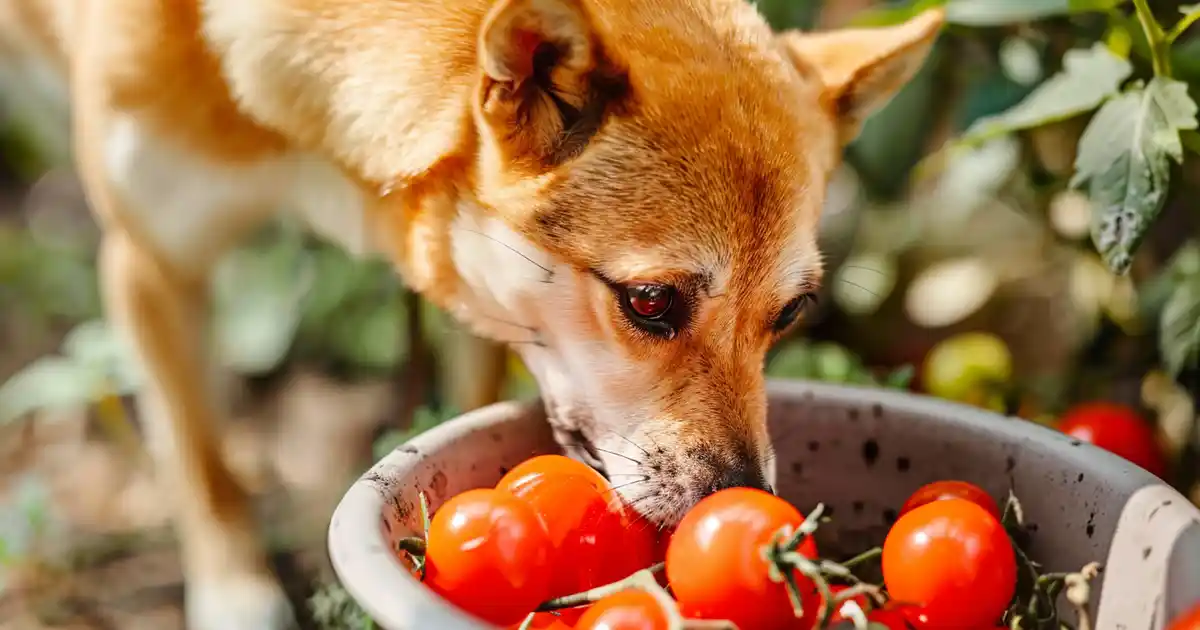
Have you ever wondered whether those bright little cherry tomatoes you’re snacking on are something you can safely toss to your pup begging at your feet? I used to pop one in my hand, look down at my golden retriever’s hopeful eyes, and completely freeze — unsure whether I was about to give him a treat or a trip to the emergency vet. That uncertainty is genuinely stressful when you love your dog like family. After doing deep research, consulting my vet, and yes, making a few nervous mistakes along the way, I finally figured out the real answer. And here’s the good news — it’s way less scary than the internet makes it seem. If you’ve been avoiding cherry tomatoes entirely out of caution, this guide is going to change everything for you.
Here’s the Thing About Cherry Tomatoes and Dogs
Here’s the magic of understanding this topic properly — it’s not a simple yes or no, and that’s actually reassuring once you understand why. Cherry tomatoes, when ripe and given correctly, are generally considered safe for dogs in moderation. The confusion stems from the fact that the tomato plant itself belongs to the nightshade family, and certain parts of the plant contain a compound called solanine, which can be harmful to dogs. But here’s what most panicked Google searches won’t tell you: the ripe fruit itself contains only trace amounts of solanine, making it far less concerning than unripe tomatoes or the green leafy parts of the plant. According to research on solanine and its effects documented in toxicology studies, the concentration in ripe tomatoes is generally considered too low to cause harm in small quantities. I never knew this distinction could be this simple once someone actually broke it down clearly. It’s honestly more doable than I ever expected to navigate once you know what to watch for — no complicated systems needed.
What You Need to Know — Let’s Break It Down
Understanding the difference between safe and unsafe parts of the tomato is absolutely crucial before you ever hand one to your dog. Don’t skip this section, because this is where most well-meaning dog owners go wrong.
The ripe fruit is the safe part. Cherry tomatoes that are fully red, soft, and ripe contain very low levels of solanine and tomatine (another compound found in tomatoes). I finally figured this out after months of trial and error reading conflicting information online — the ripeness of the tomato genuinely changes everything about its safety profile.
The green parts are the problem. Stems, leaves, and unripe green tomatoes contain significantly higher concentrations of tomatine and solanine. (Game-changer, seriously.) Never let your dog chew on tomato plants in the garden or snack on anything green from the tomato family.
Portion size matters more than you think. Even with ripe cherry tomatoes, moderation is key. One or two cherry tomatoes as an occasional treat is very different from your dog eating a whole bowl of them. I always recommend starting with just one small tomato because everyone sees results — meaning no adverse reactions — faster when they start small and observe carefully.
Remove stems before serving. Even the small stem nub attached to a cherry tomato should be removed before giving it to your dog. (Took me forever to realize this detail matters.)
If you’re just starting out with feeding your dog fresh whole foods safely, check out our beginner’s guide to dog-safe fruits and vegetables for foundational techniques on introducing new foods to your pup’s diet without stress.
The Science and Psychology Behind Why This Works
What research actually shows about dogs and tomatoes is more nuanced than either the “totally safe!” crowd or the “never ever!” crowd would have you believe. Studies on canine nutrition confirm that lycopene — the powerful antioxidant that gives tomatoes their red color — can actually offer some health benefits for dogs, just as it does for humans. Lycopene has been associated with supporting heart health and may even have anti-cancer properties in both species.
The psychological piece here is equally interesting. Dog owners tend to fall into one of two camps: those who feed their dogs everything without thinking, and those who are so anxious about food safety that their dogs never get the benefits of nutritious whole food additions to their diet. Research from veterinary behavioral studies shows that informed, confident decision-making leads to better outcomes for both pet owners and their animals. Understanding the actual science behind why cherry tomatoes are low-risk when prepared correctly lets you make calm, evidence-based choices rather than panicking every time your dog snatches one off the kitchen floor. Experts agree that a well-informed owner is genuinely one of the best tools a dog has for living a healthy life.
Here’s How to Actually Make This Happen
Start by choosing only fully ripe, red cherry tomatoes — this is where I used to mess up when I’d grab whatever was handy without checking ripeness first.
Step 1: Select the right tomatoes. Look for tomatoes that are completely red with no green patches. Firm but not hard, and definitely not mushy. Organic is preferred when possible since you’re removing the skin for smaller dogs, but conventional works fine if you wash them thoroughly.
Step 2: Wash them well. Run each cherry tomato under cool water and gently scrub the surface. Pesticide residue is a real concern with small dogs especially, since their bodies process toxins differently than larger breeds.
Step 3: Remove all stems and leaves. Here’s my secret — I actually take an extra second to check each tomato twice. Snip off any stem remnant with kitchen scissors. This takes five minutes total and creates lasting peace of mind.
Step 4: Consider cutting them in half. For smaller dogs, whole cherry tomatoes can actually be a choking hazard or can pass through the digestive system too quickly to be comfortable. Cutting them in half also releases the interior juices and makes them more digestible. Don’t worry if you’re just starting out — halving them is the beginner-friendly approach that works beautifully.
Step 5: Introduce slowly. Now for the important part — give your dog just one piece the first time and wait 24 hours. Watch for any signs of stomach upset like vomiting, diarrhea, or unusual lethargy. Results can vary based on your dog’s individual sensitivity, but most dogs tolerate ripe cherry tomatoes just fine.
Step 6: Establish a portion routine. Once you’ve confirmed your dog handles them well, one to three cherry tomatoes a few times a week is a reasonable frequency. My mentor (my vet of eight years) taught me this trick: treats of any kind, including fruit and vegetables, should never exceed 10% of your dog’s daily caloric intake. Every dog has its own digestive quirks and individual challenges, so keep that benchmark in mind.
Common Mistakes (And How I Made Them All)
Let me be completely honest with you — I made almost every mistake possible before I got this right.
My biggest one was assuming that because tomatoes are “natural,” they were automatically safe in any quantity or form. I once let my dog roam the garden and didn’t realize he’d been chewing on tomato plant leaves for several minutes. Cue frantic vet call, elevated heart rate (mine, not his), and a very patient vet explaining to me exactly what I’ve now shared with you.
The second major mistake was not paying attention to added ingredients. Canned cherry tomatoes, sun-dried tomatoes packed in oil, or cherry tomatoes from a restaurant salad might contain garlic, onion, or excessive salt — all of which are genuinely harmful to dogs. Don’t make my mistake of ignoring these secondary ingredients that turn an otherwise safe food into a dangerous one.
The third mistake? Assuming size doesn’t matter. A Great Dane processing a few cherry tomatoes is a very different situation from a five-pound Chihuahua eating the same amount. Scale everything to your dog’s body weight, not your own enthusiasm for sharing snacks.
When Things Don’t Go as Planned
Feeling worried because your dog already ate some cherry tomatoes before you finished reading this? Take a breath — that’s totally manageable, and it happens to everyone.
If your dog ate one or two ripe cherry tomatoes with no stems or leaves involved, you almost certainly have nothing to worry about. Monitor them for the next few hours and look for signs of gastrointestinal upset. I’ve learned to handle this by staying calm and observant rather than immediately catastrophizing.
If your dog ate tomato leaves, stems, or a significant quantity of unripe green tomatoes, that’s when you should call your vet or the ASPCA Animal Poison Control Center right away. Symptoms of tomatine poisoning in dogs can include drooling, loss of appetite, severe gastrointestinal upset, weakness, confusion, and in serious cases, abnormal heart rate.
If you’re losing steam on the process of introducing new foods carefully because it feels overwhelming, try keeping a simple food journal for your dog. When this happens (and the overwhelm will hit at some point), I always prepare for it by having my vet’s number saved and a basic list of safe and unsafe foods posted on my fridge.
Advanced Strategies for Next-Level Results
Once you’ve established that your dog tolerates cherry tomatoes well, there are some genuinely fun ways to incorporate them more thoughtfully into your dog’s diet.
Frozen cherry tomato treats are a game-changer during summer months. Slice ripe cherry tomatoes in half, freeze them on a parchment-lined baking sheet, and offer them as cooling treats on hot days. Advanced practitioners of canine nutrition often implement food temperature variety for digestive and sensory enrichment.
Tomato-based homemade dog treats are another step up. Combining a small amount of cherry tomato purée with dog-safe ingredients like oat flour, egg, and a touch of parsley creates a genuinely nutritious baked treat your dog will go absolutely wild for.
Pairing with complementary vegetables is something most beginners don’t think about. Cherry tomatoes alongside cucumber slices, blueberries, or watermelon creates a varied snack plate that introduces multiple antioxidants and keeps mealtime interesting for food-motivated dogs.
What separates beginners from more experienced dog nutrition enthusiasts is understanding that food variety, when done safely and intentionally, supports gut microbiome diversity in dogs just as it does in humans.
Ways to Make This Your Own
When I want faster results in terms of my dog actually enjoying cherry tomatoes, I’ll warm them very slightly — just to room temperature — which intensifies the scent and makes them significantly more appealing to picky dogs.
The Busy Parent Version involves washing and halving a small batch of cherry tomatoes at the start of the week, storing them in an airtight container in the fridge, and grabbing one or two as needed for training rewards. Simple, practical, and genuinely time-saving.
The Garden-to-Bowl Approach is my personal favorite for summer — growing your own cherry tomatoes means you know exactly what pesticides (none!) touched your crop and you can harvest at peak ripeness every time. For next-level results, I love adding fresh basil near the plants, which also happens to be dog-safe in small amounts.
The Training Treat Adaptation uses tiny halved cherry tomatoes as high-value reward treats during training sessions. For dogs that aren’t toy or praise motivated, a juicy little tomato piece can be surprisingly effective motivation.
The Budget-Conscious Version focuses on buying cherry tomatoes when they’re in season and least expensive — typically mid-summer — since that’s also when they’re ripest and nutritionally densest.
Why This Approach Actually Works
Unlike traditional approaches to dog nutrition that tend to swing between extreme restriction and careless permissiveness, understanding the evidence-based nuance behind individual ingredients gives you genuine confidence and flexibility. Cherry tomatoes aren’t the enemy, and they’re not a miracle superfood either — they’re a reasonable, occasional treat when prepared correctly.
What sets this method apart from a simple Google search is that it accounts for the full picture: plant biology, canine physiology, portion science, and individual dog variation. I had a personal discovery moment when my vet pointed out that most food-related dog emergencies involving tomatoes come from dogs eating plant material in gardens, not from owners thoughtfully offering a ripe cherry tomato as a treat. That realization completely reframed how I thought about the topic.
Real Success Stories (And What They Teach Us)
A friend of mine with a rescue beagle was absolutely convinced she could never feed her dog any human food after a scary experience with grapes years ago. After walking her through exactly what I’ve shared here, she cautiously tried half a cherry tomato with her dog during a training session. Not only did the dog love it, but it became their go-to low-calorie training reward — helping the beagle lose nearly four pounds over six months while still feeling rewarded and motivated.
Another dog owner in an online community I’m part of used cherry tomatoes as part of a vet-approved fresh food rotation for her senior Labrador dealing with weight management issues. The low calorie count and high water content made them an ideal snack that kept the dog feeling satisfied. Their success aligns with research on canine dietary enrichment showing that variety in texture and flavor supports healthy eating behaviors and weight management in dogs long-term.
The lesson both stories share is the same: informed, calm, intentional choices beat both reckless feeding and unnecessary fear every single time.
Tools and Resources That Actually Help
The ASPCA Animal Poison Control Database is the single most important bookmarked resource for any dog owner. It’s searchable, regularly updated, and free to browse — though calling their hotline does carry a consultation fee.
Veterinary nutritionist consultations, even just one session, are worth their weight in gold if you want to build a truly customized fresh food approach for your dog. Many offer virtual appointments now.
A digital kitchen scale is something I personally use and can’t recommend enough. Portioning food accurately for a small dog versus a large dog makes a meaningful difference in keeping treats within healthy caloric limits.
The book “Canine Nutrigenomics” by W. Jean Dodds is a fascinating deep dive into how nutrition affects dogs at a cellular level — it changed how I think about everything I feed my animals.
Reputable online resources like the American Kennel Club’s nutrition section offer regularly updated, vet-reviewed guidance on human foods and dogs. The best resources come from authoritative veterinary databases and peer-reviewed methodologies, and the AKC does a solid job of synthesizing that research accessibly.
Questions People Always Ask Me
How many cherry tomatoes can a dog eat safely? Most veterinarians recommend keeping it to one to three small cherry tomatoes for medium to large dogs, and just half to one for smaller breeds. Think of them as an occasional treat rather than a meal component, and always stay within that 10% treat guideline for daily calories.
Are cherry tomatoes safe for puppies? Technically, ripe cherry tomatoes carry the same low risk for puppies as for adult dogs, but I’d be more cautious with young dogs whose digestive systems are still developing. Check with your vet before introducing any new foods to a puppy under six months old.
What are signs of tomato poisoning in dogs? Symptoms include excessive drooling, vomiting, diarrhea, weakness, dilated pupils, slow heart rate, or loss of coordination. These are more associated with tomatine from unripe fruit or plant parts, not ripe cherry tomato flesh. If you notice any of these, call your vet immediately.
Can dogs eat cherry tomatoes every day? Every day is probably more than necessary and tips the balance from occasional treat to regular dietary staple, which isn’t the intent. A few times a week at most, in small amounts, is a much better rhythm for most dogs.
Is there a difference between red and yellow cherry tomatoes for dogs? Both are fine when ripe. Yellow cherry tomatoes tend to have slightly lower acidity, which might actually make them gentler on dogs with sensitive stomachs. Either variety works well.
What if my dog ate tomato sauce — is that the same? No — this is a really important distinction. Tomato sauce almost always contains garlic, onion, salt, and sometimes sugar or other additives that are harmful to dogs. Ripe plain cherry tomatoes and processed tomato products are completely different situations.
Can dogs with kidney disease eat cherry tomatoes? Dogs with kidney disease often require very specific dietary management, and the potassium content in tomatoes may be a concern. This is one situation where you should absolutely check with your veterinarian before offering tomatoes of any kind.
Do cherry tomatoes help with dog digestion? The fiber and water content in cherry tomatoes can have a mild positive effect on digestion for some dogs. However, for dogs already prone to loose stool, the high water content could have the opposite effect. Know your dog’s baseline.
Are organic cherry tomatoes meaningfully safer for dogs? Organic tomatoes reduce pesticide exposure, which is worth considering especially for small dogs who are more affected per pound of body weight. If organic isn’t available or affordable, thorough washing of conventional tomatoes is a solid alternative.
Can dogs be allergic to cherry tomatoes? Food allergies in dogs are less common than sensitivities, but yes — any food can theoretically trigger an allergic response. Signs to watch for include itching, hives, swelling, or gastrointestinal distress following consumption. Always introduce new foods slowly for this reason.
What vegetables are better alternatives if my dog doesn’t like tomatoes? Cucumber, blueberries, watermelon (seedless), carrot, and green beans are all excellent dog-safe whole food options that many dogs actually prefer. No pressure to force tomatoes if your pup just isn’t interested.
How do I know if a cherry tomato is ripe enough to be safe? A safe cherry tomato for your dog should be fully red (or yellow for yellow varieties), slightly soft to gentle pressure, and smell like a fresh tomato. If it’s firm, green-tinged, or doesn’t have that classic tomato scent, let it ripen further before sharing.
Before You Get Started
I couldn’t resist sharing all of this because it proves that keeping your dog safe doesn’t have to mean keeping them away from every food you enjoy. The best cherry tomato experiences happen when you go in informed, stay observant, and trust the process of slow, careful introduction. Ready to begin? Start with just one ripe, washed, stem-free cherry tomato half and see how your pup responds — that single small step is genuinely all it takes to get started safely with can dogs eat cherry tomatoes the right way.




