
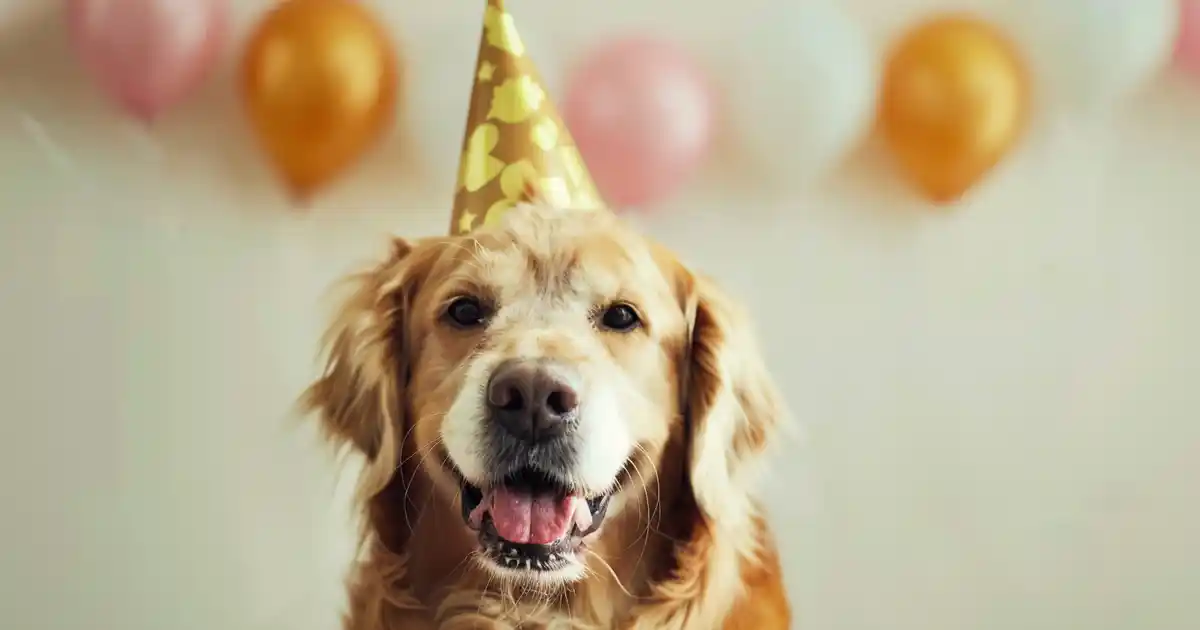
Have you ever wondered why some dog birthday parties create magical memories with happy, relaxed pups while others dissolve into chaotic disasters with stressed dogs and frustrated owners? I used to think throwing a dog party just meant inviting furry friends and providing treats until I discovered these strategic planning principles and safety protocols that completely transformed our celebrations from overwhelming mayhem to joyful experiences everyone actually enjoyed. Now my dog owner friends constantly ask how our parties stay fun yet controlled, with every dog having a great time without incidents, and my family (who thought elaborate dog celebrations were excessive) keeps asking to help plan the next one after seeing how much genuine happiness these gatherings create. Trust me, if you’re worried about safety concerns, overstimulated dogs, or whether a party will stress rather than delight your pup, these practical strategies will show you it’s more achievable and worthwhile than you ever expected.
Here’s the Thing About Dog Birthday Celebrations
Here’s the magic behind successful dog parties—they balance canine social needs with proper management, creating structured fun rather than chaotic free-for-alls that overwhelm dogs and owners alike. I never knew party planning for dogs required such different considerations until I learned that what humans enjoy at parties (large crowds, loud music, constant stimulation) often creates stress for dogs who need predictable environments, controlled introductions, and appropriate socialization opportunities. What makes dog celebrations work so beautifully is the thoughtful integration: activities matching canine play styles, treats meeting dietary needs and safety standards, guest lists considering temperament compatibility, and supervision ensuring positive interactions throughout. According to research on canine behavior, proper socialization in controlled environments has been proven beneficial for dogs’ emotional wellbeing and social skills across numerous animal behavior studies. It’s honestly more rewarding than generic human parties when you see genuinely happy dogs enjoying safe, appropriate celebration designed specifically for their species, and the best part? These gatherings strengthen both dog-dog friendships and human community connections while creating adorable photo opportunities and memories that celebrate the joy our canine companions bring to our lives.
What You Need to Know – Let’s Break It Down
Understanding the foundations of successful dog party planning is absolutely crucial because poorly organized celebrations create stress, safety risks, and negative experiences that can damage dogs’ socialization rather than enhance it. I finally figured out that memorable dog parties depend on multiple elements working simultaneously—appropriate guest selection, safety-focused activities, suitable environment preparation, and realistic expectations about canine social dynamics (game-changer, seriously).
Safety protocols and risk management form the non-negotiable foundation. Dog parties involve multiple animals with varying temperaments, play styles, and stress tolerances interacting in stimulating environments—this combination requires proactive management preventing injuries, fights, or traumatic experiences. I always recommend prioritizing safety over entertainment because everyone benefits when all dogs remain comfortable and secure throughout the celebration (took me forever to realize that fewer, well-matched guests create better experiences than large chaotic gatherings).
Guest list curation and compatibility work beautifully for creating positive social dynamics. Yes, careful selection about which dogs attend really does matter more than party size, and here’s why: incompatible play styles, size mismatches, or poorly-socialized dogs create conflict, stress, and potential injuries. Don’t skip the pre-party temperament assessment—that’s where you prevent problems by inviting only dogs who’ll genuinely enjoy and appropriately handle group socialization.
Environment preparation and space management ensure dogs have adequate room for play, retreat, and supervision. My successful parties always include designated activity zones (high-energy play area, calm treat station, quiet retreat space) allowing dogs to self-regulate their stimulation levels while owners maintain visual supervision of all interactions.
Age-appropriate and species-appropriate activities keep dogs engaged without overwhelming them. Traditional party games adapted for canine participants—structured play sessions, enrichment activities, training demonstrations—provide entertainment matching dogs’ abilities and attention spans rather than expecting sustained engagement humans manage easily.
Dietary considerations and treat safety prevent health emergencies while allowing celebration. Understanding that different dogs have allergies, sensitivities, or dietary restrictions requires planning treats accommodating all guests safely rather than assuming all dogs tolerate standard ingredients.
If you’re interested in understanding canine social behavior for better party planning, check out my guide to dog body language and communication for foundational knowledge that works perfectly when hosting multi-dog gatherings requiring accurate stress and arousal reading.
The Science and Psychology Behind Why This Works
Research from leading animal behaviorists demonstrates that well-structured dog social events provide genuine welfare benefits when properly managed but create stress and potential trauma when poorly executed. A comprehensive study published in Applied Animal Behaviour Science found that dogs’ stress hormone levels (cortisol) during social gatherings varied dramatically based on party structure—controlled introductions, adequate space, and appropriate duration correlated with low stress, while chaotic, crowded, extended events produced elevated cortisol indicating significant distress.
Canine social behavior research reveals critical considerations for group dynamics. Dogs communicate primarily through body language (ear position, tail carriage, body posture, facial expressions) and experience social stress when unable to create appropriate distance from uncomfortable situations. Parties in confined spaces without retreat options force continued interaction even when dogs signal discomfort, potentially triggering defensive aggression or learned negative associations with social events.
The psychology of positive association training comes into play beautifully here. Traditional approaches to dog parties often failed because they prioritized human entertainment over canine welfare—loud music dogs’ sensitive hearing finds painful, forced interactions between incompatible dogs, or extended durations exceeding dogs’ social tolerance. Understanding that positive experiences require meeting species-appropriate needs rather than anthropomorphizing human party preferences revolutionized celebration planning.
What makes successful dog parties different from a scientific perspective is the attention to arousal management and stress monitoring. Experts agree that dogs experience optimal enjoyment at moderate arousal levels—too little stimulation creates boredom, excessive stimulation produces stress and potential reactivity. Structured activities with built-in calm breaks, supervision intervening before play escalates to conflict, and appropriate duration (typically 1-2 hours maximum) maintain healthy arousal zones throughout celebrations.
I discovered the behavioral aspects firsthand when my first poorly-planned party resulted in my dog hiding under furniture showing obvious stress signals I’d missed during the chaos. That experience taught me that dog parties should center dogs’ actual preferences and comfort levels, not my assumptions about what would be “fun” based on human party models.
Here’s How to Actually Make This Happen
Start by defining your celebration goals and honestly assessing whether a party genuinely serves your dog’s interests or primarily satisfies human desires—here’s where I used to mess up by projecting my social preferences onto my dog without considering whether he actually enjoyed group gatherings. Don’t be me—I used to invite everyone without considering my dog’s actual social comfort level or temperament compatibility with guests.
Step 1: Determine party appropriateness and guest selection before any other planning. Now for the important part—not every dog enjoys or benefits from birthday parties. Dogs who are shy, reactive, elderly, recovering from illness, or simply prefer human-only attention may find parties stressful rather than enjoyable. This honest assessment takes self-awareness but prevents forcing celebrations on dogs who’d prefer quiet family acknowledgment. When it clicks, you’ll know—your dog’s personality and social history should guide whether to throw a party at all.
If proceeding, curate your guest list extremely carefully. Invite only dogs your pup has successful play history with, avoiding new introductions at the party itself. Consider size compatibility (giant breeds playing with tiny dogs creates injury risk), play style matching (gentle players don’t enjoy rough wrestlers), and energy levels (high-drive dogs overwhelm sedate seniors). Limit guests to 4-6 dogs maximum for manageable supervision—quality interactions beat quantity every time.
Step 2: Plan environment, activities, and timeline with canine needs prioritized. Here’s my secret: select spaces offering adequate square footage (minimum 200 square feet per dog), secure fencing preventing escapes, and multiple zones allowing activity variation. Outdoor venues work beautifully for weather-permitting celebrations, while indoor spaces need careful furniture arrangement creating open play areas and designated quiet zones.
Structure your timeline realistically: 1-2 hours total duration prevents exhaustion and overstimulation. Sample schedule: 15 minutes arrival and greeting (dogs introduced individually or in compatible pairs rather than all at once), 20-30 minutes supervised play session, 15 minutes calm treat time and photo opportunities, 20-30 minutes second play session, 15 minutes wind-down with individual enrichment activities, departure. Results vary based on dogs’ ages and energy levels, but this rhythm balances stimulation with rest preventing escalation to reactive arousal.
Step 3: Prepare safe, appropriate party elements including treats, decorations, and activities. My mentor taught me this approach: create or purchase dog-safe birthday treats using limited, allergy-friendly ingredients (lean proteins, dog-safe fruits/vegetables, whole grains). Avoid chocolate, xylitol, grapes, onions, macadamia nuts—all toxic to dogs. Offer plain options accommodating dietary restrictions alongside themed treats for healthy dogs.
Decorations should be non-toxic and secure—avoid balloons (popping startles dogs), confetti (ingestion hazard), or dangling streamers (choking risk). Every situation has its own considerations, but simple, tasteful, dog-proof decorations create festive atmosphere safely. Skip loud music or party horns—dogs’ sensitive hearing finds these painful and anxiety-inducing.
Activities should match canine abilities: treasure hunts hiding treats for scent work, agility course using household items, group training games teaching simple tricks, or structured fetch sessions with multiple toys preventing resource guarding. Don’t worry if you’re just starting party planning—supervised free play with intervention when arousal escalates works perfectly for most friend groups. Just like planning any successful event but with completely different guest needs requiring species-appropriate entertainment.
Step 4: Establish safety protocols and supervision assignments before guests arrive. Until you feel completely confident managing multi-dog dynamics (which honestly requires significant canine behavior knowledge), recruit experienced dog owners as co-supervisors. Assign specific responsibilities: one person monitoring play for escalation signs, another managing treat distribution, someone designated as photographer capturing memories without distraction from supervision duties.
Create house rules communicated to all human guests before the party: dogs dragging leashes for quick control if needed, immediate separation at first growl or stiff body language, treats distributed individually in separate spaces preventing resource guarding, and predetermined “time-out” protocol for overstimulated dogs needing breaks. Monitor these interactions continuously—never become so absorbed in human conversation that dogs lack supervision, which is when most incidents occur.
Step 5: Execute party with flexibility and monitor stress signals throughout the celebration. Successful parties require reading canine body language constantly: whale eyes (showing whites), tense body posture, tucked tail, pinned ears, excessive panting, avoidance behavior, or frenetic activity all indicate stress requiring intervention. Have quiet retreat space available where overwhelmed dogs can decompress away from group activity without feeling trapped.
Be prepared to end early if dogs show sustained stress or arousal escalates beyond comfortable levels. Better a successful 45-minute party than a 2-hour ordeal traumatizing participants. After the party, monitor your dog for signs of exhaustion or stress—some dogs need days recovering from social events even when seemingly enjoying them in the moment.
Common Mistakes (And How I Made Them All)
My biggest mistake? Inviting too many dogs without adequate supervision ratios or temperament vetting. I assumed more guests meant more fun, but that first chaotic party with 10 unfamiliar dogs resulted in multiple scuffles, stressed animals hiding, and my dog developing anxiety about group gatherings. Learn from my epic failure—small, carefully-curated guest lists with compatible dogs create positive experiences while large, random invitations guarantee problems.
Another classic error I made was human-centric planning ignoring canine preferences. I focused on Instagram-worthy decorations, themed costumes, and elaborate cakes rather than prioritizing what actually mattered to dogs—adequate space, compatible playmates, appropriate activities, and manageable stimulation levels. Don’t make my mistake of anthropomorphizing celebrations; dogs care about different things than humans, and successful parties center their actual needs.
I also neglected pre-party preparation letting dogs arrive simultaneously creating overwhelming greetings. Staggered arrivals with individual introductions prevent the chaotic energy spike that sets negative tone for entire events. Additionally, I failed to communicate dietary restrictions resulting in a guest experiencing allergic reaction to treats—now I always survey owners beforehand about health considerations, dietary limitations, and behavioral concerns.
Finally, I extended parties too long thinking more time meant more value. Dogs’ social tolerance is limited—after 1-2 hours, fatigue and overstimulation create irritability and reactivity. Ending while everyone’s still happy leaves positive associations rather than pushing until negative interactions occur that dogs remember.
When Things Don’t Go as Planned
Feeling like party planning seems overwhelming and potentially risky? You probably need to simplify or reconsider whether a traditional party suits your situation—and that’s completely normal. Not every dog owner needs to host elaborate celebrations, and acknowledging limitations prevents disasters. That’s normal, and it happens to everyone honestly evaluating their capacity for event management and their dog’s actual preferences.
I’ve learned to handle party hesitation by considering alternatives. When traditional multi-dog parties feel too complex or risky, smaller celebrations work beautifully: one-on-one playdates with your dog’s best friend, family-only celebrations with special treats and activities, or human parties where the dog receives treats and attention without multi-dog stress. Sometimes a special outing to your dog’s favorite location—beach, hiking trail, dog-friendly restaurant patio—creates more genuine enjoyment than structured parties.
Progress stalled during party execution with dogs showing stress signals? Don’t hesitate to intervene immediately. Remove overwhelmed dogs to quiet spaces, end activities showing escalation signs, or conclude the party early if multiple dogs display discomfort. I always prepare contingency plans because unexpected problems arise despite careful planning, and having predetermined responses prevents panic when intervention becomes necessary.
If you’re experiencing serious incidents—fights, injuries, or extreme fear responses—this signals planning failures requiring immediate correction. Stop the party, separate dogs safely, assess any injuries, and provide all dogs time recovering in calm environments. Learn from the experience about what went wrong: incompatible guests, inadequate supervision, overstimulation, or duration exceeding tolerance levels. Future parties require addressing identified problems or reconsidering whether this type of celebration suits your dog.
Advanced Strategies for Next-Level Results
Advanced practitioners often implement specialized techniques for enhanced celebrations and optimal guest experiences beyond basic party hosting. Once you’ve mastered fundamental safety protocols and successful small gatherings, consider these next-level approaches I’ve discovered through years of hosting dog celebrations.
Themed enrichment stations create structured activities preventing chaotic free-for-all energy. I’ve found that setting up multiple stations—sniff mat treasure hunts, puzzle toy challenges, bubble-chasing zones, splash pool areas (summer), or agility obstacle courses—allows dogs to rotate through varied activities maintaining engagement without overwhelming sustained group play that often escalates to conflict. This approach separates basic parties from sophisticated celebrations optimizing welfare through environmental enrichment.
Professional photography or videography captures memories while providing entertainment for human guests. Hiring pet photographers familiar with canine behavior creates stunning images documenting celebrations without distracting owners from critical supervision responsibilities. Taking this to the next level means treating documentation as entertainment component rather than distraction from management duties.
Charitable component integration where party serves dual purpose raising awareness or funds for rescue organizations adds meaningful dimension to celebrations. Request donations to specific rescues in lieu of gifts, organize fundraising activities during parties, or volunteer as group at shelters making celebrations community contribution beyond individual enjoyment. This elevates dog parties from personal indulgence to values-driven gatherings serving broader good.
Multi-species integration carefully including dog-savvy cats, well-socialized rabbits, or other appropriate species creates unique experiences requiring advanced behavior knowledge. Only attempt this with thoroughly vetted, calm animals and expert supervision, but successfully executed multi-species parties showcase impressive animal training and management skills while providing unusual entertainment value.
Ways to Make This Your Own
When I want more elaborate celebrations, I incorporate professional services—pet bakeries creating custom cakes, mobile grooming providing pre-party spa treatments, or certified dog trainers leading group training demonstrations. For special milestone birthdays—first birthday, senior celebrations, or adoption anniversaries—I’ll implement memory-making elements like paw print art stations or video compilation projects.
Puppy Party Adaptation: Sometimes I add age-specific considerations for puppies—shorter duration (45-60 minutes maximum), exclusively vaccinated young dogs as guests, gentle play monitoring preventing overwhelming rough experiences, and socialization focus over entertainment. My puppy-appropriate version emphasizes positive exposure creating lifelong comfort with celebrations rather than elaborate entertainment puppies can’t appreciate.
Senior Dog Celebration Method: Families with elderly dogs can emphasize comfort over activity. The Gentle Senior Approach includes limited guest numbers (2-3 calm companions maximum), shorter duration (30-45 minutes), arthritis-friendly activities (sniff work, gentle enrichment, quiet companionship), and extra rest opportunities acknowledging senior dogs’ reduced stamina and social tolerance.
Small Space Solution: My apartment-friendly version includes alternative venues (rented dog parks, pet-friendly community spaces), scaled guest lists (2-3 dogs maximum for small homes), or outdoor-focused celebrations utilizing public parks during off-peak hours. Winter approach includes indoor enrichment activities requiring minimal space, while summer emphasizes outdoor adventures where space limitations don’t constrain celebration scope.
Each variation works beautifully with different circumstances—young energetic dogs benefiting from active celebrations, seniors preferring low-key acknowledgment, small spaces requiring creative venue solutions, or elaborately-themed parties for owners enjoying event planning—allowing you to customize based on your dog’s actual preferences, your capabilities, and practical constraints.
Why This Approach Actually Works
Unlike human party planning transferring directly to dog celebrations, successful canine parties leverage proven animal behavior principles that most pet owners ignore: respecting species-appropriate social needs, managing arousal and stress proactively, prioritizing safety over entertainment value, and creating positive associations through welfare-focused experiences rather than anthropomorphic assumptions.
What sets this apart from typical dog party approaches is the science-based foundation combined with realistic expectations. Dogs aren’t small humans in fur coats wanting surprise parties with crowds and loud celebrations—they’re social carnivores with specific communication systems, stress responses, and tolerance limits requiring respect. Evidence-based animal behavior research confirms that dogs benefit from controlled socialization opportunities but experience distress during chaotic, poorly-managed gatherings regardless of owners’ good intentions.
The sustainable success comes from centering dogs’ actual experiences rather than human perceptions of fun. I discovered personally why this matters when comparing my stressed, hiding dog after the first chaotic party to his relaxed, genuinely playful behavior during subsequent carefully-planned celebrations—his body language told the truth about which approach actually served his wellbeing versus which satisfied my desire for Instagram-worthy moments.
This approach is effective because it addresses the fundamental tension in dog parties: humans want festive celebrations creating memories and social opportunities, while dogs need predictable, safe, appropriately-stimulating environments respecting their social and behavioral needs. Thoughtful planning integrating both perspectives creates win-win celebrations where humans enjoy the gathering while dogs genuinely benefit from positive socialization and enrichment.
Real Success Stories (And What They Teach Us)
My friend Jennifer hosts annual birthday parties for her Golden Retriever that have become neighborhood traditions. What makes hers successful is ruthless guest curation—only the four dogs her pup has weekly playdates with attend, all with compatible gentle play styles and similar energy levels. The consistency means all dogs know and trust each other, the predictable format reduces stress, and the controlled size allows adequate supervision. Three years running, zero incidents and genuinely happy dogs enjoying their time together.
Another colleague threw a senior dog’s 12th birthday celebration adapting activities to her dog’s arthritis and reduced stamina. Instead of energetic play, she organized a gentle “puppaccino” (dog-safe whipped cream) social where three elderly dog friends visited for 45 minutes of calm companionship, special treats, and professional photography. Their success aligns with animal welfare principles that show consistent patterns—respecting individual limitations creates better experiences than forcing activities dogs cannot comfortably manage.
I’ve watched my own party planning evolve from disastrous first attempt to genuinely enjoyable celebrations where my dog exhibits relaxed, playful body language throughout. The transformation came from prioritizing his actual comfort over my party ambitions—smaller guest lists, shorter durations, adequate breaks, and immediate intervention when arousal escalated. Success teaches us that dog parties serve dogs first, humans second, requiring humility about whose celebration this really should be.
Different dogs enjoy different celebration styles—some thrive in structured activity parties, others prefer calm social gatherings, still others truly prefer no party at all—and respecting individual preferences rather than forcing one-size-fits-all celebrations creates optimal outcomes.
Tools and Resources That Actually Help
Pet bakery services: Local pet bakeries or online vendors like Three Dog Bakery offer dog-safe cakes, cupcakes, and treats using appropriate ingredients. I personally order custom birthday cakes using limited ingredients (peanut butter, pumpkin, oats) accommodating most dietary needs—professionally-made treats reduce preparation stress while ensuring safety and quality.
Party planning checklists: Templates from organizations like American Kennel Club or certified dog trainers’ websites provide structured planning frameworks covering guest lists, activities, safety protocols, and supply lists. These resources prevent overlooking critical considerations in the planning excitement.
Enrichment toy collections: Investing in multiple puzzle toys, sniff mats, lick mats, and interactive feeders creates engaging activities distributing treats safely during parties. I rotate these during celebrations keeping novelty high while preventing resource guarding over single high-value items.
Pet first aid supplies: Maintaining first aid kits with bandages, antiseptic, emergency vet contact information, and basic medical supplies provides peace of mind. Hopefully never needed, but responsible party hosting includes emergency preparedness for potential injuries during play.
The best resources come from certified animal behavior professionals and proven dog training organizations emphasizing welfare-focused approaches to socialization and group management. Be honest about limitations—if you lack confidence reading canine body language or managing multi-dog dynamics, consider smaller celebrations or enlisting experienced help rather than risking incidents through inexperience.
Questions People Always Ask Me
At what age can dogs have birthday parties?
Puppies can attend carefully-structured puppy socials starting after complete vaccination series (typically 16+ weeks), but these should be professionally-organized with age-matched, health-verified attendees rather than home parties mixing age groups. Adult dogs can participate anytime if properly socialized and comfortable with other dogs. Senior dogs often prefer low-key celebrations with familiar friends rather than stimulating parties.
How many dogs should I invite to a birthday party?
For first-time party hosts or dogs with limited socialization experience, 2-4 guests maximum allows manageable supervision and lower stress. Experienced hosts with well-socialized dogs might manage 6-8 guests, but larger numbers exponentially increase complexity and incident risk. Quality interactions with compatible friends trump quantity—your dog likely prefers his three best friends over 15 strangers.
What should I serve at a dog birthday party?
Dog-safe treats using limited, allergy-friendly ingredients work best: plain proteins (unseasoned chicken, turkey), dog-safe fruits (blueberries, apples without seeds, watermelon), vegetables (carrots, green beans, sweet potato), or commercial dog treats from reputable brands. “Pupcakes” using peanut butter, banana, and oat flour create festive options. Always avoid chocolate, xylitol, grapes, onions, and excessive fats. Survey guests’ owners about allergies beforehand and provide plain options accommodating all dietary needs.
How long should dog birthday parties last?
Most dogs’ optimal social tolerance is 1-2 hours maximum. Puppies need shorter celebrations (45-60 minutes), while well-socialized adults might manage two hours comfortably. Senior dogs often prefer 30-45 minutes. Watch for fatigue or stress signals indicating readiness to conclude—ending early while everyone’s happy creates positive associations rather than pushing until negative interactions occur that dogs remember.
Do dogs actually enjoy birthday parties or is it just for humans?
This varies dramatically by individual temperament. Highly social, well-adjusted dogs genuinely enjoy appropriate celebrations with compatible friends—their relaxed body language, play bows, and engaged behavior indicate positive experiences. However, many dogs find parties stressful preferring quieter acknowledgment, and some actively dislike group gatherings regardless of planning quality. Honest assessment of your specific dog’s preferences should guide whether to host parties at all.
What safety precautions are essential for dog parties?
Critical safety measures include: pre-vetting all guests for appropriate temperament and health status, maintaining adequate supervision ratios (minimum one experienced adult per 2-3 dogs), having secure enclosed space preventing escapes, removing resource guarding triggers, keeping first aid supplies accessible, establishing clear intervention protocols for problem behaviors, and monitoring constantly for stress signals requiring breaks or early ending. Never leave dogs unsupervised during parties regardless of familiarity.
How do I handle a dog who’s aggressive or fearful at parties?
Dogs displaying aggression or extreme fear should not attend parties—these environments will worsen behavioral issues rather than improving them. If it’s your dog’s party and he shows these responses, immediately separate him to quiet space and end the gathering. These reactions signal the party exceeded his tolerance or wasn’t appropriately matched to his temperament. Future celebrations require different approaches: one-on-one playdates, family-only acknowledgment, or working with veterinary behaviorists addressing underlying issues before attempting group socialization.
Should I make my dog wear a costume or party hat?
Only if your dog tolerates and enjoys wearing accessories without stress. Many dogs dislike clothing or head coverings, showing discomfort through attempts to remove items, frozen body language, or avoidance behavior. Brief photo opportunities with immediate removal might work for tolerant dogs, but forced costuming throughout parties prioritizes human entertainment over canine comfort. When in doubt, skip costumes—your dog’s wellbeing matters more than photo aesthetics.
What activities work best at dog birthday parties?
Structured enrichment activities prevent chaotic overstimulation: treasure hunts hiding treats for scent work, simple agility courses using household items, group training demonstrations teaching basic tricks with individual turn-taking, supervised fetch sessions with multiple toys preventing resource conflicts, or bubble-chasing zones. Avoid activities requiring sustained focus or complex rules—dogs enjoy simple, immediately-rewarding games matching their natural behaviors and abilities. Balance active play with calm breaks preventing escalating arousal.
How much should I spend on a dog birthday party?
Expenses vary dramatically based on scope: modest home celebrations cost $20-50 (treats, decorations, supplies), mid-range parties run $50-150 (custom cakes, professional decorations, rental spaces), and elaborate events with professional services reach $200-500+ (pet photographers, mobile groomers, catered treats, venue rentals). Budget appropriately for your financial situation—dogs don’t understand monetary value, so expensive parties don’t create better experiences than thoughtful, appropriate, budget-conscious celebrations respecting their actual needs.
What if my dog seems stressed during his own birthday party?
Immediately provide access to quiet retreat space away from party activity where he can decompress without forced interaction. If stress continues, don’t hesitate to end the party early—your dog’s wellbeing matters infinitely more than continuing gatherings causing distress. After the party, give him several days of calm, predictable routine recovering from the stimulation. Future celebrations should be scaled back dramatically or reconsidered entirely based on his clear communication that parties exceed his tolerance.
How do I politely uninvite a dog with behavioral issues?
Be direct but kind: “We’re keeping the party very small this year with only [your dog’s] closest play buddies to manage the energy level. Let’s definitely schedule a one-on-one playdate soon though!” Most responsible dog owners understand not every dog suits group settings and appreciate honesty preventing incidents. Your primary obligation is creating safe, positive experiences for attendees—don’t compromise this from misplaced guilt about exclusion.
Before You Get Started
I couldn’t resist sharing this because it proves that memorable dog birthday celebrations aren’t about elaborate productions or Instagram aesthetics—they’re thoughtful gatherings prioritizing canine welfare through careful guest curation, appropriate activities, proactive safety management, and realistic duration respecting dogs’ actual social tolerance and behavioral needs rather than anthropomorphic assumptions about what constitutes fun. The best celebration journeys happen when you approach party planning as species-appropriate enrichment opportunity rather than human birthday party replica, honestly assessing whether your specific dog genuinely enjoys group socialization while implementing science-based protocols ensuring all attendees remain safe, comfortable, and genuinely happy throughout carefully-structured festivities. Ready to begin? Start with a simple first step: observe your dog’s behavior during existing multi-dog interactions assessing his actual comfort level and social preferences, then plan accordingly—maybe that means an elaborate party with compatible friends, a quiet celebration with one best buddy, or simply a special family outing acknowledging his birthday through experiences he truly loves rather than forcing gatherings that serve your desires more than his needs. That moment when you see your dog’s relaxed, playful body language during a well-planned celebration isn’t just cute—it’s confirmation you’ve created genuinely positive experience honoring the remarkable companion who makes every day feel like a celebration simply by being part of your life.




