
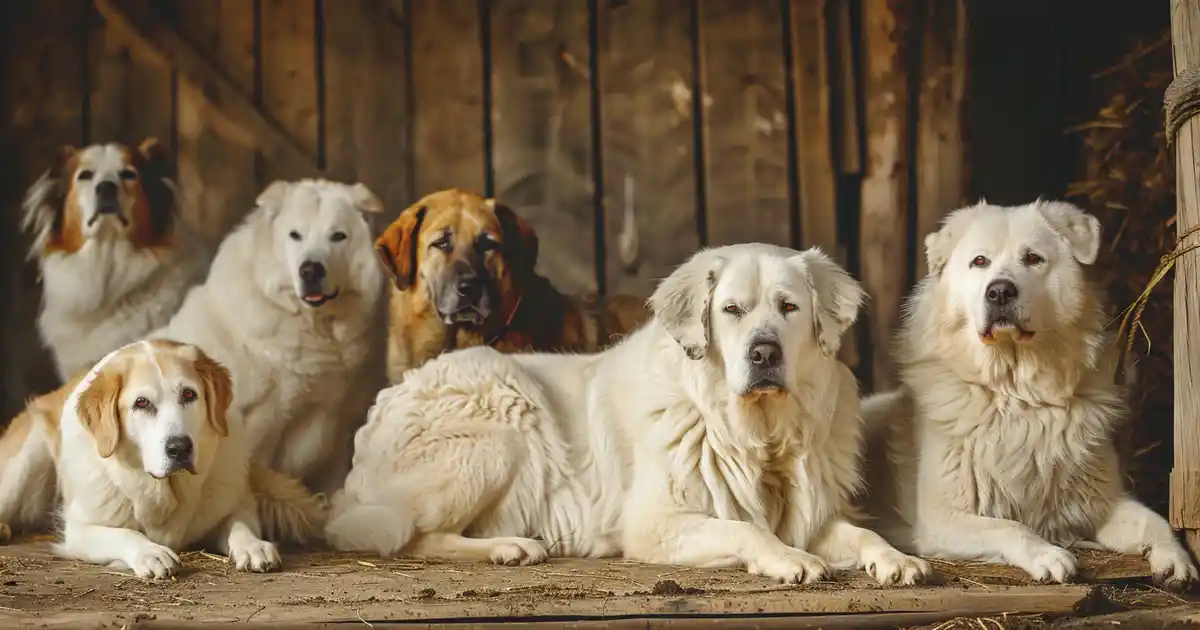
Have you ever wondered why livestock guardian dog training seems impossible until you discover the right approach that works with their independent nature rather than against it? I used to think effective livestock guardians were either born perfect or completely untrainable, until I discovered these eye-opening techniques that completely transformed how I approached raising my Great Pyrenees puppy with my sheep flock. Now my farming neighbors constantly ask how I managed to develop such reliable protection without the chasing problems, livestock injuries, or wandering issues they’ve experienced, and my livestock (who were initially terrified of this giant puppy) now sleep contentedly beside their guardian. Trust me, if you’re worried about whether you can successfully raise a livestock guardian dog or if you’ll end up with an expensive pet who terrorizes rather than protects your animals, this approach will show you it’s more achievable than you ever imagined—when you understand that LGDs require completely different training than traditional obedience dogs.
Here’s the Thing About Livestock Guardian Dog Training
Here’s the magic that makes livestock guardian dog training truly successful—it’s not about teaching obedience commands or hoping natural instinct automatically creates perfect guardians without guidance. What makes this work is understanding that livestock guardian dogs were bred for independent decision-making and territorial protection rather than handler-directed work, requiring management and guidance rather than traditional training. According to research on livestock guardian dog behavior, these breeds developed over thousands of years to bond with livestock, live among flocks, and make protection decisions independently without constant human direction. I never knew livestock protection could be this effective until I stopped trying to train my LGD like a herding dog or pet and started providing appropriate early experiences that allowed natural guardian instincts to develop properly. This combination creates amazing results whether you’re protecting sheep from coyotes, guarding goats from mountain lions, or defending poultry from aerial and ground predators, while maintaining dogs who live contentedly with their charges rather than treating them as prey. It’s honestly more about management and guidance than traditional training, though it absolutely requires proper breed selection, careful puppy raising, and realistic understanding of what LGDs can and cannot do.
What You Need to Know – Let’s Break It Down
Understanding the fundamentals of livestock guardian dog development is absolutely crucial before you bring home an eight-week-old puppy and expect instant flock protection. Don’t skip building a rock-solid foundation in breed selection and early socialization to livestock, because I’ve seen so many people create disaster situations simply because they chose inappropriate breeds, raised puppies incorrectly, or had unrealistic expectations about guardian development timelines. The basic components include breed and bloodline selection (choosing dogs from working guardian lines rather than show or pet breeding), early livestock bonding (introducing puppies to stock during critical socialization periods), boundary establishment (teaching dogs their territory without excessive wandering), predator deterrence development (allowing natural guarding behaviors to mature), livestock respect (preventing chasing, rough play, or aggression toward stock), and most importantly, that independent working style allowing dogs to make protection decisions without constant handler direction.
I finally figured out that most livestock guardian failures happen because people treat LGDs like herding dogs or obedience dogs, expecting handler focus and command responsiveness that directly conflicts with the independent guardian temperament after watching countless mismatches between owner expectations and breed reality. Start with understanding that LGDs are NOT obedience dogs—they were specifically bred for independent thinking and territorial decision-making rather than handler-directed work (took me forever to accept this fundamental difference, but it’s absolutely critical, seriously). Your guardian needs natural protective instinct without prey drive toward livestock, confidence in their territory without excessive roaming, appropriate aggression toward predators without attacking humans or livestock, and enough livestock focus to remain with their charges rather than seeking human companionship constantly.
Breed selection deserves special attention because it’s the foundation of successful guardian work and determines whether you’re working with appropriate genetics or fighting impossible battles. I always recommend selecting from established livestock guardian breeds—Great Pyrenees, Anatolian Shepherds, Akbash, Maremmas, Kangals, Komondors, or Caucasian Ovcharkas—from proven working bloodlines rather than show or pet lines, because everyone sees better results when genetics support guardian function. Yes, early livestock exposure really is critical during the 8-16 week socialization period, because puppies who bond with livestock during this window develop species identification that makes them far more reliable guardians than dogs introduced to stock as adults.
If you’re just starting out with livestock guardian dogs, check out my beginner’s guide to livestock guardian breed characteristics for essential knowledge about breed differences, working styles, and management requirements. The financial and time commitment matters enormously, and understanding realistic development timelines (18-24 months before reliable protection), ongoing costs, and lifestyle changes prevents those situations where people acquire guardian dogs without adequate preparation or resources.
The Science and Psychology Behind Why This Works
Dive deeper into what research actually shows about livestock guardian dog genetics, and you’ll discover why these breeds show fundamentally different behavioral patterns compared to herding, hunting, or companion breeds through thousands of years of selection for specific traits. Studies on livestock guardian behavior demonstrate that successful guardians show low prey drive toward livestock species, high territorial instinct, independence from human direction, appropriate aggression toward predators, and strong bonding to specific locations and animal groups rather than handlers, which explains why traditional obedience training methods often fail or even counteract guardian development.
The psychology of effective livestock guardian development revolves around providing appropriate early experiences that allow genetically programmed behaviors to develop naturally rather than attempting to create guardian behaviors through training in dogs lacking genetic foundation. When puppies bond with livestock during critical socialization periods, live among their charges from early age, and receive appropriate guidance about boundaries and acceptable behavior, their natural guardian instincts develop reliably while problem behaviors remain minimal. Traditional pet dog raising approaches catastrophically fail with LGDs because they create human-focused dogs lacking livestock bonds and appropriate independence, producing expensive pets rather than working guardians.
What makes this different from a scientific perspective is understanding that livestock guardian dogs represent one of the few working dog types where less human interaction often produces better working dogs—excessive human bonding during critical development periods can actually interfere with livestock bonding and guardian function. Research from livestock protection programs demonstrates that this hands-off approach works consistently across guardian breeds and livestock species because it allows genetic programming to express naturally. I’ve personally witnessed the dramatic difference between guardian dogs raised with livestock from puppyhood versus those introduced to stock as adults, and the bonding and effectiveness gap represents the difference between reliable protection and expensive failures.
Here’s How to Actually Make This Happen
Start by selecting appropriate breed and proven working bloodline rather than show or pet-bred guardians—here’s where I used to mess up by thinking any Great Pyrenees would automatically guard livestock when actually working ability varies dramatically between bloodlines. Your foundation selection needs puppies from parents actively working with livestock (not just living on farms), showing appropriate guardian temperament without excessive human focus, and from breeders who raise puppies among livestock from birth.
Introduce puppies to livestock during the critical 8-16 week socialization period through supervised exposure in safe conditions. Now for the important part that most people skip: puppies should live with livestock full-time from 8-12 weeks onward (not just visit for training sessions), sleeping in barns or pastures with their charges, eating near livestock, and experiencing constant proximity that creates species bonding. This step seems extreme but creates guardian dogs who identify with livestock as their family rather than viewing them as prey or toys.
Minimize excessive human interaction and pet treatment during guardian development because too much human bonding interferes with livestock focus. Here’s my secret—I limit puppy handling to necessary care, health checks, and brief positive interactions rather than extended play sessions or bringing puppies into the house, maintaining focus on livestock rather than human relationships. Don’t be me in my early attempts—I thought loving my guardian puppy meant constant interaction, but this actually created a dog who preferred human company to livestock, failing at guardian function.
Establish clear boundaries using appropriate fencing and training exercises that teach puppies their territory without allowing excessive roaming. When developing territorial understanding, start with secure smaller areas where puppies learn to stay with livestock, then gradually expand territory as maturity and reliability increase until you feel completely confident in their boundary respect. This creates lasting territorial focus you’ll maintain throughout the dog’s working life because early boundary work prevents wandering problems that end many guardian careers.
Add appropriate corrections for livestock harassment using timely intervention that teaches respect without creating fear. Results vary, but most guardian puppies show some inappropriate play behavior toward livestock requiring correction—immediately interrupt chasing or rough play, remove puppy briefly from livestock, then return once calm. Every guardian shows different development pace—some naturally gentle puppies need minimal correction while others require more intervention during adolescence—so adjust management to individual temperament.
Proof predator response through natural exposure as maturity develops, allowing dogs to encounter and chase predators (coyotes, foxes, stray dogs) without human interference. My mentor taught me this principle: guardian dogs learn predator recognition and appropriate responses through experience, not training, so providing safe environments where young guardians can develop confidence matters more than any human instruction. Use multiple guardian dogs when possible, pairing inexperienced youngsters with veteran guardians who model appropriate behavior.
Work on accepting necessary handling for veterinary care, hoof trimming assistance, or livestock management without becoming aggressive or excessively fearful, just like building enough human tolerance for essential farm activities. Don’t worry if your LGD isn’t friendly or obedient by pet standards—effective guardians often remain aloof from humans while being perfectly functional working dogs.
Common Mistakes (And How I Made Them All)
Learn from my epic failures instead of repeating them yourself. My biggest mistake was raising my first guardian puppy like a pet dog with extensive human interaction, house time, and obedience training, thinking this created a well-rounded guardian when actually it produced a human-focused dog who abandoned livestock to seek human attention. What actually happened was my expensive guardian puppy grew into an unreliable guardian who left sheep unprotected whenever humans appeared, requiring a difficult decision about whether to rehome or accept expensive pet rather than working dog.
I also made the dangerous error of introducing my guardian dog to livestock too late (at 6 months after raising as pet puppy), then wondering why prey drive and rough play created problems. Dogs need early livestock bonding during critical socialization windows, and ignoring fundamental principles experts recommend about early introduction cost me a guardian who never fully bonded with livestock and showed persistent chasing problems.
Another huge mistake was using insufficient fencing allowing my young guardian to roam beyond property boundaries, creating neighborhood problems, livestock abandonment, and ultimately a dog hit by car. Some guardians show strong roaming instinct, especially during adolescence, and assuming good intentions would keep dogs home without adequate containment created tragedy that proper fencing would have prevented.
I also neglected having multiple guardian dogs when protecting against serious predator pressure (wolves, mountain lions, bear), thinking one dog sufficed when actually pack predators easily overwhelm single guardians. The truth is that predator threat level should determine guardian numbers—areas with coyotes might succeed with one dog while wolf territory requires teams of 2-4 guardians. Don’t make my mistake of underestimating predator threat and leaving guardians overwhelmed and livestock vulnerable.
When Things Don’t Go as Planned
Feeling overwhelmed by the livestock harassment, wandering, or aggression your guardian dog is displaying? You probably need to honestly reassess whether your dog possesses appropriate temperament, received adequate early socialization, or suits your specific livestock and predator situation. That’s normal, and it happens to people who selected inappropriate bloodlines, raised puppies incorrectly, or have unrealistic expectations about problem-free development.
When your guardian shows persistent livestock chasing, kills poultry or small stock, or demonstrates excessive human aggression despite appropriate raising and management, I’ve learned to handle this by honestly evaluating whether the dog possesses suitable temperament for guardian work or represents a wash-out requiring different placement. This difficult assessment allows you to acknowledge reality rather than endangering livestock or creating liability. When this happens (and some dogs even from working lines prove unsuitable), resist the urge to continue hoping problems will resolve—persistent serious issues often indicate genetic or developmental problems unlikely to improve.
If your guardian starts showing signs of predator trauma (refusing to patrol, excessive hiding, abandoning livestock), injury from livestock or predators, or illness affecting work, stop expecting guardian function and address welfare issues first. I always prepare for challenges because livestock guardian work involves genuine risks from predators, aggressive livestock, extreme weather, and physical demands, and having veterinary support, backup guardians, and contingency plans prevents minor issues from becoming crises.
Don’t minimize concerning behaviors like livestock killing, human aggression, or complete abandonment of guardian function—just remember that not every dog succeeds as guardian regardless of breeding, and accepting unsuitable dogs into guardian roles creates worse outcomes than honest rehoming decisions. Your denial of serious problems endangers livestock you’re trying to protect and potentially creates dangerous dogs. This requires professional assessment and difficult decisions when serious problems emerge.
Advanced Strategies for Next-Level Results
Taking this to the next level requires understanding the subtle details that separate adequate guardians from exceptional protection teams. Advanced practitioners often implement specialized techniques for enhanced effectiveness like running multiple dog teams with age diversity (experienced adults mentoring young dogs), seasonal pasture rotation requiring boundary flexibility, and integration with other protection methods like electric fencing, shed lambing, or donkey guards creating layered predator deterrence.
My personal discovery about advanced guardian work is that teaching basic commands like “come,” “kennel,” and “load up” for essential handling without compromising guardian independence creates far more manageable working dogs than purely hands-off approaches. When you develop minimal obedience for necessary situations—veterinary care, livestock moves, emergency containment—you create guardians who remain livestock-focused while being safely manageable when needed.
Consider implementing specialized guardian types for different livestock situations—using lighter, more active breeds like Anatolian Shepherds for ranging flocks versus heavier, calmer breeds like Great Pyrenees for pastured flocks, or combining guardian dogs with donkeys or llamas for multi-species protection. This strategic matching builds protection effectiveness tailored to specific situations.
For high predator pressure, advanced techniques include teaching guardians to patrol property perimeters actively, running larger teams (3-5+ dogs) creating overwhelming deterrence against pack predators, and coordinating guardian activity with human predator control efforts. Work on night confidence through gradual exposure and veteran dog mentoring so guardians patrol effectively during peak predator activity hours.
Different livestock types require different guardian approaches—sheep guardians need gentleness with fragile lambs, goat guardians must tolerate challenging behavior without retaliation, while poultry guardians require extremely low prey drive and tolerance for sudden movement. Understanding which traits matter for your specific livestock prevents selecting inappropriate guardians.
Ways to Make This Your Own
Each variation works for different livestock operations and management styles. When I want maximum protection on extensive range with minimal management, I use the Traditional Method featuring proven guardian breeds with complete livestock integration and minimal human interaction beyond essential care. This makes guardian development more natural but requires appropriate property, fencing, and acceptance of aloof dogs.
For special situations like small hobby farms, children on property, or guardians who must interact regularly with visitors, I’ll use the Modified Approach incorporating more human socialization while maintaining primary livestock focus. My intensive version adds basic obedience training for handling situations while carefully avoiding excessive human bonding that interferes with guardian function.
Sometimes I add livestock protection training for farm dogs from non-guardian breeds (though success varies dramatically), attempting to develop protection behavior in Australian Cattle Dogs, Border Collies, or other working breeds to supplement guardian dogs, but this requires accepting limited results compared to true LGD genetics. For enhanced protection, I love running mixed teams combining different guardian breeds—perhaps calm Great Pyrenees with more aggressive Anatolian Shepherds creating balanced teams.
My advanced version includes detailed record-keeping tracking predator encounters, guardian responses, and livestock losses to objectively evaluate effectiveness and identify problems. Each operation has unique requirements, so extensive range operations might succeed with completely independent guardians while intensive small farms need more manageable dogs accepting closer human oversight.
Seasonal approach adjusts for changing predator pressure—spring requires intense guarding during birthing when vulnerable young attract predators, while winter may allow reduced guardian numbers when livestock are housed. The key is adapting guardian management to your specific livestock, property, predator threats, and resources rather than following rigid programs ignoring individual circumstances.
Why This Approach Actually Works
Unlike pet dog training methods that create human-focused dogs or complete hands-off approaches that produce unmanageable guardians with problem behaviors, this approach leverages proven principles about allowing genetic programming to develop while providing appropriate guidance and boundaries. The science behind effective livestock guardian development demonstrates that dogs raised among livestock from puppyhood with minimal but appropriate human guidance show reliable protection, acceptable management, and long working careers compared to dogs raised as pets then converted to guardian work or dogs receiving zero guidance developing problems.
What makes this different is recognizing that livestock guardian dogs represent fundamentally different working style than handler-directed working breeds—they make independent decisions, work autonomously, and bond with livestock rather than humans, requiring management approaches respecting rather than fighting these traits. Evidence-based development creates effective guardians because it builds on genetic predisposition while preventing common problems through appropriate early experiences.
The underlying principles involve understanding guardian dog genetics to select appropriate candidates, providing critical early livestock exposure during socialization periods, maintaining appropriate independence from excessive human bonding, and establishing boundaries preventing roaming and neighbor conflicts. Research shows that guardian dogs developed through livestock integration with appropriate guidance show dramatically better protection outcomes compared to dogs lacking early bonding or receiving inappropriate pet-style raising.
My personal discovery moments about why this works came from watching my properly raised guardian sleep peacefully surrounded by sheep while remaining alert to coyote activity, demonstrating the deep livestock bonding and protective vigilance that proper development creates. That dedication and effectiveness livestock producers recognize separates working guardians from expensive pet dogs living on farms.
Real Success Stories (And What They Teach Us)
One livestock producer I worked with initially raised guardian puppies as pets with house time and extensive human interaction, experiencing repeated failures with dogs who abandoned sheep to seek human attention. After accepting the need for different approach and raising the next puppy among livestock from 8 weeks with minimal human interaction, they developed a reliable guardian who reduced predator losses from 15-20% annually to under 2%. Their success aligns with research on guardian development that shows consistent patterns—when we provide appropriate early livestock exposure with limited human bonding, natural guardian instincts develop reliably.
Another farmer came to guardian dogs after losing multiple lambs to coyotes despite trying various deterrents, skeptical that dogs could protect free-ranging flocks. By selecting appropriate breed (Great Pyrenees from working lines), raising puppies correctly with livestock, and running teams of 2-3 dogs, they virtually eliminated predator losses while reducing labor previously spent on predator control. The lesson here is that proper guardian dog programs often outperform other predator control methods while requiring less ongoing labor than alternatives.
I’ve also seen small-scale hobby farmers achieve excellent results with single guardians protecting small flocks despite being told they “needed more dogs,” proving that appropriate breed selection, proper raising, and realistic expectations produce success even in modest operations. Different situations require different approaches—extensive range operations need multiple dogs while intensively managed small farms often succeed with single guardians.
What made successful programs effective was willingness to select appropriate working bloodlines rather than cheap pet-bred dogs, commitment to raising puppies correctly among livestock despite seeming “cruel” to ignore cute puppies, and acceptance that guardian dogs represent different working style than traditional obedience dogs.
Tools and Resources That Actually Help
The best resources come from working livestock guardian dog associations, experienced livestock producers running successful guardian programs, and agricultural extension programs rather than pet dog trainers lacking guardian experience. My personal toolkit includes secure fencing appropriate for guardian containment (essential for any LGD operation—budget minimum 5-foot woven wire for most breeds), quality collars with identification since roaming guardians may encounter neighbors or authorities, and livestock-safe housing where guardians can shelter with their charges, though equipment needs remain relatively straightforward.
Appropriate fencing revolutionized my guardian management beyond anything training could achieve. You need secure perimeter preventing escapes, protecting guardians from road traffic, and containing dogs to property boundaries preventing neighbor conflicts, and these physical management tools prevent most problems guardians might otherwise create.
Communication with neighboring properties about your guardian dogs matters enormously for community relations—inform neighbors about LGD presence, explain their function, and provide contact information if guardians are seen off-property. I maintain good relationships through proactive communication and immediate response to any concerns, preventing conflicts that end many guardian programs.
For ongoing education, I recommend joining organizations like the Livestock Guardian Dog Association, attending agricultural conferences featuring guardian dog programs, and connecting with experienced producers running successful programs in your region. Breed clubs for specific guardian breeds provide resources about breed-specific characteristics and management.
Veterinary care from practitioners familiar with working livestock dogs provides essential health support—find vets understanding that guardian dogs may be less handleable than pets and comfortable providing appropriate care despite challenging patients. Research common health issues in your chosen breed and maintain preventive care despite dogs living rough outdoor lives.
Questions People Always Ask Me
How long does it take to train a livestock guardian dog?
Guardian dogs aren’t really “trained” in traditional sense—they’re raised and managed allowing natural instincts to develop. Puppies begin showing protective behaviors by 6-8 months but don’t reach working maturity until 18-24 months of age when size, confidence, and judgment develop adequately. However, guardian development continues throughout life as experience builds. Timeline varies by breed (some mature faster than others), individual temperament, early raising quality, and predator pressure experienced. Most producers consider guardians fully reliable by 2-3 years old.
What livestock can guardian dogs protect?
Guardian dogs successfully protect sheep, goats, cattle, poultry, rabbits, alpacas, llamas, and various other livestock species. However, smaller/more fragile stock like chickens or small goats require guardians with very low prey drive and gentle temperaments—not all guardian dogs or breeds suit all stock types. Puppies must be raised with the specific species they’ll protect for best results. Some guardians successfully protect multiple species if exposed to all during development, while others specialize in protecting the stock they bonded with as puppies.
How many guardian dogs do I need?
Numbers depend on property size, livestock quantity, predator pressure, and terrain. Small intensively managed operations (2-5 acres, light predator pressure) often succeed with single guardians. Moderate operations (10-40 acres, moderate predators like coyotes) typically need 2 dogs providing backup and companionship. Extensive range operations or areas with serious predators (wolves, mountain lions, bear) may require 3-5+ dogs. General guideline suggests roughly 1 dog per 100-200 acres for ranging operations, but predator threat matters more than acreage. Multiple dogs increase effectiveness but also increase costs and management complexity.
Can guardian dogs live with family dogs or pets?
This varies tremendously by individual guardian temperament and early socialization. Some guardians accept family dogs if raised together from puppyhood and properly introduced, while others remain aggressive toward strange dogs throughout life. Many producers keep guardians completely separated from pet dogs to avoid conflicts, prevent guardian distraction from livestock, and maintain appropriate independence. Never assume guardians will tolerate pets—some show very high dog aggression as part of predator deterrence instinct. Careful introduction and ongoing supervision essential if attempting integration.
Will my guardian dog be friendly and obedient?
Most working guardian dogs remain quite aloof from humans, showing indifference rather than enthusiasm toward people. This represents appropriate temperament—guardians bonded primarily to livestock rather than humans. Some individuals show more friendliness but excessive human focus often indicates poor guardian temperament. Regarding obedience, guardians typically show low biddability and independent nature making traditional obedience training ineffective and often counterproductive. Minimal essential commands (come, kennel) may be taught but expect nothing like Border Collie responsiveness. If you want friendly, obedient dogs, guardians represent wrong choice.
What predators can guardian dogs stop?
Effectiveness varies by guardian size/breed, predator type, and team numbers. Single guardians reliably deter coyotes, foxes, raccoons, opossums, and stray dogs. Pairs handle coyote packs, mountain lions, and bobcats. Teams of 3-5+ guardians necessary for serious threats like wolves, bears, or large mountain lions. However, guardians primarily work through deterrence (presence, barking, territorial marking) rather than physical confrontation—most predators avoid areas with guardian dogs. No guarantee exists that guardians will prevail in physical encounters with dangerous predators. Aerial predators (hawks, eagles, owls) can’t be stopped by guardians though guarding presence may reduce attacks.
How much do livestock guardian dogs cost to own?
Initial puppy costs from working lines range $300-1,500+ depending on breed and breeder reputation. Annual costs include food ($500-1,200 for large breeds eating 4-8 cups daily), veterinary care including vaccines, parasite control, and potential injuries ($300-1,000+ annually), replacement costs for killed or injured guardians in high-predator areas, and property fencing adequate to contain guardians ($2,000-10,000+ depending on acreage). Overall, budget $1,000-2,000+ annually per guardian for ongoing costs, plus significant initial investment in fencing. Compare these costs against livestock losses to predators to evaluate economic benefit.
Can I train adult dogs as livestock guardians?
Success rates with adult dogs introduced to livestock after puppyhood are significantly lower than puppies raised with stock. Some adults from guardian breeds lacking early livestock exposure may adapt if showing appropriate low prey drive and careful gradual introduction under close supervision. However, many adults never fully bond with livestock or develop reliable protection. Adults from non-guardian breeds rarely succeed regardless of training efforts. If attempting adult introduction, expect months of careful management with no guarantee of success. Raising puppies correctly produces far more reliable outcomes than attempting adult conversions.
Do guardian dogs need training to protect livestock?
Guardian dogs rely primarily on genetic instincts developed through thousands of years of selective breeding rather than training. Appropriate early raising (livestock bonding, boundary establishment, problem prevention) matters enormously, but actual protection behaviors emerge naturally as dogs mature. You don’t “teach” guardians to bark at predators or patrol territory—these behaviors develop instinctively in properly raised dogs from working lines. Role of humans involves providing appropriate early experiences allowing instincts to develop, establishing boundaries preventing problems, and correcting inappropriate behaviors, not training protection responses.
What if my guardian dog kills livestock?
Livestock killing represents serious problem requiring immediate intervention. Causes include high prey drive (genetic unsuitability), inadequate early bonding, boredom from insufficient livestock numbers to occupy guardian attention, or learned behavior from catching/killing sick animals. Some cases respond to intensive correction, muzzling during supervision until behavior extinguishes, or running dogs with more livestock. However, persistent livestock killing often indicates genetic unsuitability requiring removal from guardian work. Never ignore livestock killing hoping it will stop—intervention or removal necessary to prevent ongoing losses and for dog’s safety (farmers shoot livestock-killing dogs).
Can livestock guardian dogs prevent all predator losses?
No guardian system eliminates all predator losses, but well-managed programs typically reduce losses 70-95% depending on predator pressure and management quality. Guardians work best against territorial land predators (coyotes, wolves, dogs) and less effectively against aerial predators or extremely determined threats. Expectations should be realistic—guardians dramatically reduce but rarely eliminate all losses. Effectiveness depends on appropriate breed selection, adequate guardian numbers, proper raising, sufficient livestock for guardian to bond with, appropriate property fencing, and reasonable predator pressure. Combined with other methods (secure nighttime housing, lambing supervision, electric fencing), guardian dogs create highly effective protection programs.
How do I know if my guardian is working effectively?
Evidence of effective guarding includes: reduction in livestock losses compared to before guardian presence, predator signs (tracks, scat) stopping at property boundaries, guardian showing alert barking at night toward potential threats, livestock remaining calm and secure rather than scattered or panicked, and signs of guardian patrol activity (trails worn around perimeter, bedding areas with viewpoints). Less obvious indicators include predators avoiding area entirely (less trackable but effective deterrence). Compare livestock losses over multiple years to evaluate guardian program effectiveness. Some guardians work so effectively that dramatic predator encounters never occur—quiet prevention rather than visible conflicts.
Before You Get Started
I couldn’t resist sharing this because it proves that livestock guardian dog success depends on appropriate breed selection from working lines, correct puppy raising emphasizing livestock bonding over human interaction, and realistic expectations about independent working style—the best guardian dog programs happen when producers understand these dogs represent fundamentally different working type than handler-directed breeds and adapt management accordingly. Ready to begin? Start by honestly evaluating whether guardian dogs suit your operation type, livestock species, property characteristics, and predator threats, research appropriate breeds and locate reputable breeders producing working guardians, and understand the 18-24 month development timeline before expecting reliable protection. The livestock protection you’ll potentially gain creates economic benefits often exceeding guardian costs, while the peace of mind from reduced predator losses and the satisfaction of watching these magnificent dogs perform their ancient protective function makes guardian dog programs rewarding beyond simple economic calculations.




