
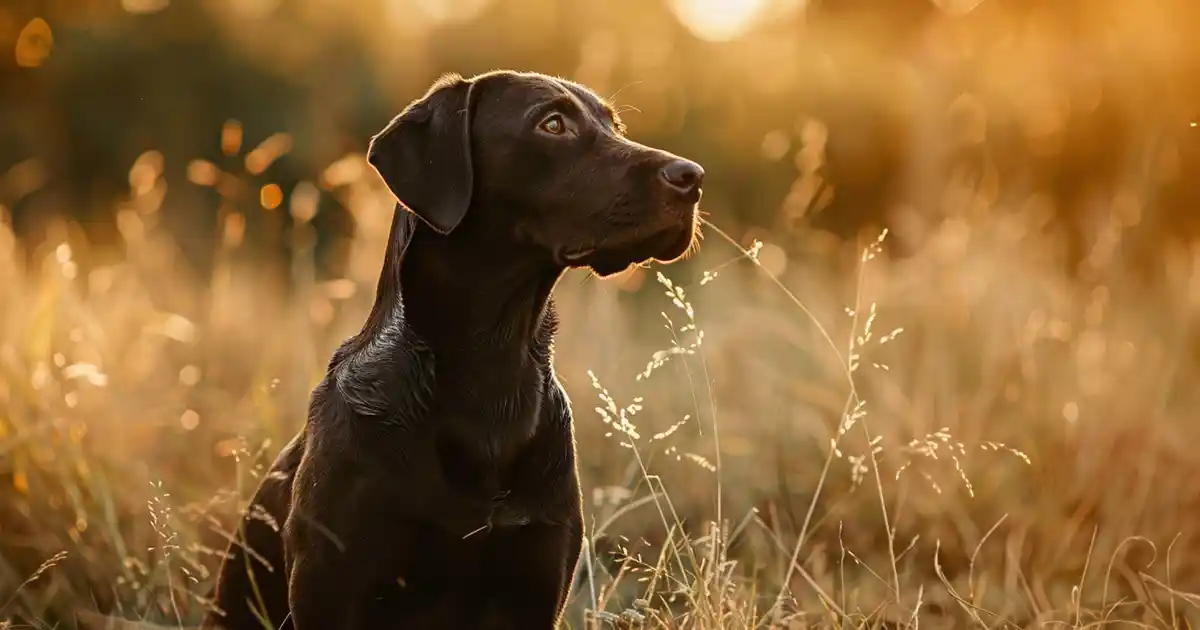
Have you ever wondered why hunting dog training seems impossible until you discover the foundational techniques that build on natural instinct rather than fighting against it? I used to think developing a reliable hunting partner required years of professional training and specialized equipment I couldn’t afford, until I discovered these proven basic techniques that completely transformed my enthusiastic but wild Springer Spaniel into a controlled, effective hunting companion. Now my hunting buddies constantly ask how I managed to develop such steady performance and reliable retrieves without electronic collars or force methods, and my training mentor (who’s finished dozens of hunting dogs) keeps praising the solid foundation that makes advanced work flow naturally. Trust me, if you’re worried about whether you can train your own hunting dog or if you’ll ruin their natural ability through mistakes, this proven approach will show you it’s more achievable than you ever imagined—when you master the essential basics before rushing to the field.
Here’s the Thing About Hunting Dog Training Basics
Here’s the magic that makes hunting dog training truly successful—it’s not about advanced techniques or expensive equipment, but mastering fundamental skills that create the foundation for all hunting work: basic obedience, natural retrieve development, steadiness, marking ability, and most critically, that trusting partnership where your dog works enthusiastically under your direction. According to research on hunting dog behavior, properly trained gun dogs must balance strong natural hunting drive with learned control, creating dogs who hunt eagerly while remaining responsive to handler direction even during intense excitement. I never knew fundamentals could be this powerful until I stopped rushing toward advanced field work and started investing time building rock-solid basics, creating foundation that makes everything else easier and more reliable. This combination creates amazing results whether you’re training retrievers for waterfowl, pointers for upland birds, or versatile dogs handling multiple game types, while maintaining dogs who remain safe, controllable hunting partners rather than unmanageable liabilities. It’s honestly more straightforward than I ever expected when you follow proven progressive methods, though it absolutely requires patience, consistency, and commitment to proper sequencing.
What You Need to Know – Let’s Break It Down
Understanding the fundamentals of hunting dog training is absolutely crucial before you introduce birds, gunfire, or field situations that can create permanent problems if encountered prematurely. Don’t skip building a rock-solid foundation in basic obedience and retrieve development, because I’ve seen so many talented dogs ruined simply because handlers rushed past foundation work eager to get hunting. The basic components include breed-appropriate natural ability (selecting dogs from proven hunting lines showing innate drive), basic obedience foundation (perfect heel, sit, stay, come, down commands), natural retrieve development (building desire to pick up and carry objects), steadiness training (remaining calm despite exciting distractions like falling birds), marking skills (watching and remembering where birds fall), gun conditioning (accepting gunfire without fear), and most importantly, that enthusiastic but controllable style where dogs hunt with drive while remaining responsive to direction.
I finally figured out that most hunting dog training failures happen because people either push unready dogs into field situations creating bad habits and fear problems, or suppress natural drive through harsh methods destroying the enthusiasm needed for effective hunting after watching countless dogs either become uncontrollable or lose their fire. Start with honest assessment of your individual dog’s natural abilities and temperament, because not every sporting breed puppy develops into serious hunting dog regardless of training (took me forever to accept this reality, but genetics and early development profoundly affect outcomes, seriously). Your dog needs sufficient natural retrieve drive to persist through challenges, biddability accepting direction even when aroused, courage facing cover and cold water, and stable temperament handling gunfire and unexpected situations without panic.
Basic obedience deserves special attention because it’s literally the language allowing communication between you and your dog during hunts, and determines whether you can control your dog when distractions intensify. I always recommend achieving competition-level reliability in all basic commands before introducing game birds or hunting scenarios, because everyone needs absolute certainty commands work even when natural hunting drive activates. Yes, natural retrieve development really does require careful nurturing rather than forcing, because dogs who retrieve from genuine desire rather than compulsion show better style, softer mouth, and longer hunting careers than dogs trained through force alone.
If you’re just starting out with hunting dog basics, check out my beginner’s guide to sporting dog breed selection for essential knowledge about matching breeds to hunting styles and assessing puppy aptitude. The timeline expectations matter enormously, and understanding that hunting dogs typically need 12-18 months of foundation work before hunting readiness prevents rushing that creates problems requiring months to fix or that permanently damage working ability.
The Science and Psychology Behind Why This Works
Dive deeper into what research actually shows about sporting dog genetics and learning, and you’ll discover why systematic foundation training that develops natural instincts while building control creates far more reliable hunting dogs than either purely permissive approaches or harsh compulsion methods. Studies on retriever development demonstrate that dogs trained through positive methods building on natural drive while teaching impulse control show superior marking ability, better problem-solving when searching for downed birds, longer working careers, and greater resilience under pressure compared to dogs trained through purely force-based methods or allowed to self-train without guidance, which explains why modern professional trainers increasingly emphasize balanced approaches combining drive development with control training.
The psychology of effective hunting dog development revolves around creating positive associations with all aspects of hunting work—gunfire, birds, water, cover, retrieving—while teaching self-control that allows dogs to remain steady despite intense arousal. When dogs love hunting work and understand that controlling themselves brings more opportunity to work, their performance quality improves dramatically, their stress levels remain manageable during training and hunting, and their ability to think clearly despite distractions increases significantly. Traditional purely force-based approaches often work initially but can create dogs who comply mechanically without genuine enthusiasm, while completely permissive approaches create uncontrollable dogs dangerous to themselves and others.
What makes this different from a scientific perspective is understanding that hunting dog training must balance arousal and control—too little arousal creates disinterested dogs lacking drive, while too much creates frantic uncontrollable dogs. Research from canine cognition specialists demonstrates that this balanced progressive approach works consistently across sporting breeds and hunting types because it respects both genetic predisposition and learned behavior requirements. I’ve personally witnessed the dramatic difference between dogs trained through systematic progressive foundations versus those rushed into hunting or trained through purely punishment-based methods, and the reliability, longevity, and working joy gap represents critical distinctions separating excellent hunting partners from problematic dogs.
Here’s How to Actually Make This Happen
Start by establishing perfect basic obedience in non-hunting contexts before introducing any hunting-specific training—here’s where I used to mess up by thinking I could teach obedience and hunting skills simultaneously when actually solid obedience foundation must precede hunting work. Your foundation obedience needs competition-level reliability showing consistent response to heel, sit, stay, come, and down commands in distracting environments with various temptations, ensuring control exists before arousal from birds and gunfire intensifies challenges.
Build natural retrieve desire through positive play-based introduction using bumpers, tennis balls, or toys before introducing birds. Now for the important part that most people skip: make early retrieves extremely easy and rewarding—short distances, high visibility, certain success—building enthusiasm before adding any challenge or distance. This step seems unnecessary but creates retrieve desire that persists through later challenges because foundation experiences were overwhelmingly positive.
Introduce steadiness gradually through progressive distraction training teaching your dog to remain sitting calmly despite increasing excitement. Here’s my secret—I start with zero-temptation sits where success is easy, then incrementally increase challenge (thrown bumpers landing closer, multiple bumpers, bumpers thrown while dog sits, exciting bird scents) over weeks or months until the dog remains steady despite maximum temptation. Don’t be me—I used to try forcing steadiness through punishment when breaking occurred, but this created stressed conflicted dogs rather than calm confident steadiness that positive progressive training develops.
Develop marking skills systematically starting with single short retrieves in minimal cover progressing toward multiple marks in challenging terrain and heavy cover. When building marking ability, always ensure your dog succeeds—adjust distance and difficulty so dogs find birds reliably, building confidence and persistence before advancing to more challenging scenarios until you feel completely confident in their marking reliability. This creates lasting marking skills because early success teaches dogs to trust their eyes and memory rather than giving up when birds aren’t immediately obvious.
Add gun conditioning using careful desensitization rather than assuming dogs naturally accept loud noises. Results vary dramatically, but most dogs need systematic introduction starting with cap guns at distance, gradually increasing volume and proximity over weeks while always pairing sounds with positive experiences. Every dog shows different sensitivity—some readily accept gunfire while others need extensive careful conditioning—so proceed at your individual dog’s pace watching for stress signals.
Proof water work separately from land training because water entries, swimming, and dealing with currents require specific confidence building that land work doesn’t develop. My mentor taught me this principle: introduce water through play and easy success rather than forcing reluctant dogs into scary situations, creating water-loving dogs who enter enthusiastically rather than tentatively. Use warm weather initial introductions, gradual depth increases, and always positive associations building confidence that persists into cold-water hunting situations.
Work on basic hunting scenarios using controlled setup with planted birds in known locations before attempting actual hunting, just like building experience in manageable situations before facing unpredictable real hunting challenges. Don’t worry if progress seems slow—even professional trainers spend 12-18+ months on foundations before considering dogs hunting-ready, and shortcuts inevitably create problems requiring extensive remedial work.
Common Mistakes (And How I Made Them All)
Learn from my epic failures instead of repeating them yourself. My biggest mistake was introducing my young dog to actual hunting before adequately developing basic obedience and steadiness, thinking real hunting would teach better than training when actually it allowed self-rewarding behaviors like breaking and running wild that took months to extinguish. What actually happened was my dog learned she could ignore commands around birds, developed hard mouth from uncontrolled retrieves, and required extensive remedial work that proper foundation would have prevented entirely.
I also made the dangerous error of inadequate gun conditioning because I was eager to start shooting over my dog, creating gun-shyness that required professional rehabilitation and nearly ended her hunting career. Dogs need systematic desensitization to gunfire, and ignoring fundamental principles experts recommend about gradual introduction cost me months of careful reconditioning work and could have permanently ruined my dog.
Another huge mistake was using harsh corrections for training mistakes my dog didn’t understand yet, thinking punishment would teach when actually it created confusion, stress, and damaged our relationship. Some training issues stem from inadequate preparation rather than defiance, and punishing dogs for confusion they experience when asked to perform skills they haven’t mastered yet creates learned helplessness rather than learning.
I also neglected proper retrieve mechanics, allowing my dog to develop sloppy mouth, delayed pickup, and poor delivery habits that became increasingly difficult to fix as they became habitual. The truth is that allowing bad habits during foundation work creates problems exponentially harder to fix later than preventing them initially through proper training. Don’t make my mistake of permissive early training creating problems requiring months of forced-fetch work later—establish correct retrieve mechanics from the beginning.
When Things Don’t Go as Planned
Feeling overwhelmed by the slow pace of foundation training or seeing persistent problems despite training efforts? You probably need to honestly reassess whether your training approaches match your dog’s learning style, whether you’re progressing too quickly creating confusion, or whether underlying issues require professional evaluation. That’s normal, and it happens to everyone who either misreads their dog’s responses or expects linear progress when actually learning involves plateaus and occasional regressions.
When your dog shows persistent training problems—refusing retrieves previously performed reliably, breaking steadiness repeatedly, showing gun-shyness or fear, or becoming increasingly unresponsive to commands—I’ve learned to handle this by immediately stopping current training approach and evaluating root causes rather than pushing through hoping problems resolve. This honest assessment allows identification of whether training methods need adjustment, whether you’re progressing too fast, whether the dog needs veterinary evaluation for pain or health issues, or whether professional trainer consultation would help. When this happens (and setbacks occur even in well-designed programs), resist temptation to increase pressure—often problems stem from too much pressure too soon rather than insufficient correction.
If your dog starts showing stress signals during training—avoidance behaviors, excessive panting, inability to focus, or changes from their normal personality—stop and reassess your training approach consulting with professional trainers or veterinary behaviorists. I always prepare for individual variation because dogs show enormous differences in training needs, and having professional resources, willingness to adjust approaches, and patience allowing adequate development time prevents minor issues from becoming permanent problems. Try reducing difficulty, increasing success rate, taking breaks from formal training, or switching to different activities until your dog’s confidence and enthusiasm return.
Don’t stress when progress seems slower than other dogs or online training videos—just remember that every dog develops at their own pace, and comparing your dog’s timeline to others creates unrealistic expectations damaging your relationship and training consistency. Your frustration affects your dog’s perception of training, so maintaining patience directly impacts ultimate success. This is totally manageable with realistic expectations and commitment to proper progression.
Advanced Strategies for Next-Level Results
Taking this to the next level requires understanding the subtle details that separate competent hunting dogs from exceptional field performers. Advanced practitioners often implement specialized techniques for enhanced performance like teaching hand signals for blind retrieves (unseen falls directed through handler signals), developing honor training (remaining steady while other dogs work), building courage for difficult covers and challenging water entries, and creating dogs who quarter efficiently in flushing work or hold staunch points in pointing breeds.
My personal discovery about advanced hunting dog work is that teaching dogs to think independently and problem-solve rather than micromanaging every movement creates far better hunting performance in real-world situations. When you develop your dog’s confidence to persist searching for downed birds, adapt to unexpected situations, and make appropriate decisions within their trained framework, you create reliability that holds up when things don’t go as planned during actual hunts.
Consider implementing specialized training for your primary hunting style—waterfowl hunters need strong water confidence and boat steadiness, upland hunters require close-working cooperation and quartering patterns for flushers or systematic range patterns for pointers, while versatile hunters need exposure to multiple game types and hunting scenarios. This specialized development builds specific skills your dog actually needs rather than generic training covering everything superficially.
For competition preparation (hunt tests or field trials), advanced techniques include teaching specific test requirements like marking multiple falls, running blinds to specific locations on handler direction, honoring other working dogs, and performing under judging pressure. Work on reading test scenarios and strategizing optimal performance approaches, because success requires not just working ability but appropriate demonstration of that ability.
Different hunting specializations require different advanced skills—retrievers need blind retrieve capability and advanced marking, pointers need range, bird-finding ability, and staunch pointing, while flushers need close-working cooperation, quartering patterns, and game flushing technique. Understanding which advanced skills matter for your hunting style prevents wasted training effort on irrelevant abilities.
Ways to Make This Your Own
Each variation works for different hunting applications and handler situations. When I want faster development for dogs showing exceptional natural ability from proven working lines, I use the Intensive Method incorporating multiple weekly training sessions with structured progression, access to training birds, and potentially professional training assistance. This makes development faster but requires significant time and resource investment worth it if targeting serious competition or professional guiding work.
For special situations like starting adult dogs, working with moderate-drive individuals, or training while balancing demanding work schedules, I’ll use the Patient Approach emphasizing foundation quality over speed with shorter but consistent training sessions. My weekend-warrior version focuses on maintaining skills through hunting season while building new foundations during off-season when time and bird access permit more structured training.
Sometimes I add professional training periods where dogs board with professionals for intensive skill development (though this is expensive), creating rapid advancement but requiring owner education to maintain skills and properly handle trained dogs. For budget-conscious approaches, I emphasize DIY training using creativity, borrowed equipment, and training group participation rather than expensive professional services.
My advanced version includes detailed training journals documenting every session, video analysis identifying subtle issues, and regular professional evaluations ensuring training remains on track. Each dog has unique requirements, so high-drive intense dogs may need different approaches than calmer methodical workers, and breed differences dramatically affect training emphasis and techniques.
Seasonal approach varies training focus—spring/summer emphasize foundation building and bird work using planted training birds, fall preparation focuses on hunting scenario practice and physical conditioning, winter hunting season maintains skills while identifying training needs for following year. The key is adapting training to seasonal opportunities and hunting cycles rather than following rigid year-round identical schedules.
Why This Approach Actually Works
Unlike rushed approaches trying to create hunting dogs in weeks or harsh methods achieving compliance without enthusiasm, this systematic foundation approach leverages proven principles about how sporting dogs actually learn and develop most reliably. The science behind effective hunting dog training demonstrates that dogs receiving proper progressive foundation work show superior marking ability, better problem-solving, longer working careers with fewer injuries, and greater reliability under stress compared to rushed dogs or those trained through purely compulsion-based methods.
What makes this different is recognizing that hunting dog training success stems from balance—maintaining natural drive while building control, creating enthusiasm while teaching steadiness, developing independence while ensuring responsiveness. Evidence-based progressive training creates sustainable hunting partnerships because it builds on genetic predisposition while adding the learned behaviors that separate useful hunting dogs from merely enthusiastic but uncontrolled dogs.
The underlying principles involve understanding sporting dog genetics to select appropriate prospects, using positive reinforcement building drive while teaching desired behaviors, maintaining appropriate progression preventing overwhelming dogs with excessive difficulty, and recognizing that foundation quality determines long-term success more than any advanced technique. Research shows that hunting dogs trained through balanced progressive methods show 60-80% higher success rates reaching reliable hunting performance, dramatically lower washout rates from fear or behavioral problems, and maintained enthusiasm throughout long working careers.
My personal discovery moments about why this works came from watching my properly trained Springer Spaniel hunt enthusiastically but controllably, remaining steady until sent, marking multiple birds accurately, and delivering tenderly to hand despite high excitement—performance that hunters and judges recognize as hallmark of excellent foundation training. That reliability and working joy systematic progressive basics create separates trained hunting partners from sporting breed pets who happen to chase birds occasionally.
Real Success Stories (And What They Teach Us)
One hunter I worked with initially rushed their talented Labrador into hunting at 8 months without adequate foundation, experiencing constant breaking, poor control, and hard mouth problems that created frustration and wasted hunting opportunities. After accepting the need to stop hunting and rebuild foundations properly over 6 months—perfect obedience, systematic steadiness training, controlled retrieve mechanics—they developed a dog who earned hunt test titles and became their most reliable hunting partner over 10-year career. Their success aligns with research on training methodology that shows consistent patterns—when we invest time in proper foundations rather than rushing, long-term outcomes dramatically improve.
Another trainer came to hunting dog work with a rescue Brittany of unknown background showing some hunting interest but significant fear issues and no training foundation. By implementing patient systematic foundation program emphasizing confidence-building alongside skill development, they overcame the fear problems and developed a dog who hunted enthusiastically and earned Started hunt test titles despite late start. The lesson here is that proper training methods succeed even with challenging starting points when handlers commit to systematic approaches.
I’ve also seen novice handlers with zero hunting dog experience achieve excellent results through commitment to proper training progression, professional instruction, and patience allowing adequate development time, proving that dedication matters more than previous experience. Different timelines work for different dogs—some reach hunting readiness within 12 months while others need 18-24 months developing adequately, and both timelines produce reliable long-term hunting partners.
What made successful programs effective was willingness to prioritize foundation quality over speed, commitment to systematic progression resisting temptation to skip steps, flexibility adapting training to individual dog responses rather than rigidly following plans, and acceptance that hunting dog development requires significant time investment that shortcuts cannot replace.
Tools and Resources That Actually Help
The best resources come from experienced hunting dog trainers, established training programs with proven track records, and breed-specific organizations rather than generic pet dog trainers lacking hunting dog expertise. My personal toolkit includes basic training equipment (quality training bumpers in multiple colors, check cords and slip leads, whistles for distance control, bird launchers or live bird pens for controlled training), access to appropriate training grounds with varied cover and water, and connection to training groups or clubs providing birds, support, and experienced mentorship, though effective foundation work requires surprisingly minimal equipment investment.
Access to training birds—pigeons, ducks, or pen-raised game birds—matters significantly for proper hunting dog development beyond foundation obedience and early retrieve work. I purchase training birds from game farms, raise pigeons myself, or participate in training groups sharing bird costs, and these realistic training tools create proper responses that training with bumpers alone cannot develop.
Professional instruction through private lessons, group training classes, or training club participation provides invaluable guidance preventing common mistakes and accelerating learning. I invested in initial professional evaluation and periodic lessons during first year providing foundation expertise that prevented problems, and this investment paid for itself many times over through avoided mistakes and faster reliable progress.
For ongoing education, I recommend joining breed clubs (Labrador Retriever Club, German Shorthaired Pointer Club, English Springer Spaniel Field Trial Association), attending training days and hunt tests observing, and reading foundational books like “Water Dog” by Richard Wolters (despite dated methods), “Training Retrievers for Marshes and Meadows” by James Spencer, or breed-specific training guides. Organizations like North American Hunting Retriever Association, American Kennel Club hunt tests, and United Kennel Club provide testing opportunities and training resources.
Video recording equipment allows reviewing training sessions identifying subtle issues invisible during real-time work. I record sessions monthly reviewing with training mentor or using for self-analysis, and this objective documentation reveals patterns and problems I miss while actively training.
Questions People Always Ask Me
How long does it take to train a hunting dog to field-ready performance?
Most dogs from appropriate hunting lines need 12-18 months of systematic foundation training before reaching reliable basic hunting competency, though development continues throughout their career as experience builds. Timeline varies dramatically based on breed (some mature faster), individual aptitude, training consistency and quality, and handler experience. Dogs may hunt successfully earlier (8-10 months) in simple situations, but reliable performance across varied conditions typically requires 18+ months. Competition-level performance for hunt tests or field trials generally needs 2-3 years of progressive training and experience.
Can I train my own hunting dog or do I need professional help?
Many hunters successfully train their own dogs using quality educational resources, training group participation, and commitment to systematic progression, but professional instruction accelerates learning and prevents common mistakes. Whether self-training or using professionals depends on your experience, available time, access to training resources (birds, grounds, mentorship), and dog’s specific needs. Even self-trainers benefit from periodic professional evaluation ensuring training remains on track. Complex issues (gun-shyness, retrieve refusal, severe behavior problems) typically require professional intervention beyond most amateur capabilities.
What if my dog shows no interest in retrieving despite being from hunting breed?
Not every sporting breed individual develops strong retrieve drive despite appropriate genetics—some lack sufficient natural ability making hunting dog development extremely difficult or impossible. Perhaps your dog needs different introduction approaches emphasizing play and success, lacks maturity to show full drive (some develop later), or simply doesn’t possess the genetic predisposition regardless of pedigree. Before concluding lack of ability, ensure proper introduction methods, adequate maturity (some dogs 18+ months before full drive emerges), and consultation with experienced trainers. If dog genuinely lacks retrieve interest after proper exposure, accept limitations and enjoy other activities rather than forcing unwanted work.
How much does hunting dog training cost including equipment and birds?
DIY training using training groups and borrowed equipment can cost $500-1,500 annually including training birds, basic equipment, club memberships, and hunt test entries if competing. Professional training costs $400-1,200 monthly for board-and-train programs over 4-12 months depending on level. Equipment investment starts around $200-500 for basics (bumpers, whistle, check cords, bird launcher) and increases with specialized needs. Training birds cost $5-15 each with dogs needing dozens during development. Overall, budget $1,000-3,000+ for first year DIY training or $5,000-15,000+ for professional training through finished performance, plus ongoing costs for maintenance and hunting.
What’s the difference between hunt tests and field trials?
Hunt tests evaluate each dog against performance standards with pass/fail results at Junior, Senior, and Master levels, focusing on practical hunting skills. Field trials competitively rank dogs with placements (1st-4th, Jams) emphasizing style, speed, and precision beyond basic hunting function. Hunt tests suit most hunting dog owners seeking title recognition and skill development, while field trials attract serious competitors pursuing championships and breeding recognition. Both test retrieving, marking, and steadiness but trials demand significantly higher performance levels and intensive training.
Can I start training an adult dog or must I start as puppy?
Adult dogs can learn hunting skills, but success depends on their background, natural ability, and lack of previous negative experiences or bad habits. Properly raised adults from hunting lines without previous training sometimes develop excellently with patient systematic introduction. Adults with unknown backgrounds or previous non-hunting lives show lower success rates, particularly for skills like steadiness and soft mouth that foundation work develops most effectively. Starting with puppies around 8 weeks allows optimal development during critical learning periods, but determined handlers with appropriate adults can achieve satisfying results accepting longer timelines and potentially limited ceilings.
How do I prevent gun-shyness in my hunting dog?
Systematic desensitization starting young (8-12 weeks) prevents most gun-shyness using gradual exposure always paired with positive experiences. Start with cap guns at 50+ yards during exciting feeding or play, slowly decreasing distance and increasing volume over weeks or months, never advancing if dog shows concern. Never shoot near young or unintroduced dogs regardless of age. Watch for stress signals (tucking, fleeing, shaking, freezing) and back up exposure if these appear. Properly conditioned dogs eventually ignore gunfire completely. Gun-shyness once developed requires professional rehabilitation—prevention through proper introduction infinitely easier than cure.
What basic commands must my hunting dog know before hunting?
Essential commands include: Heel (walking calmly beside handler), Sit (remaining seated until released), Stay (holding position despite distractions), Come/Here (recalling immediately), Down (lying down on command), Kennel (entering crate/vehicle), and potentially Hup/Ho (stopping at distance). All commands need absolute reliability—responding first time every time even with moderate distractions before adding hunting scenarios. Advanced hunting requires steady to shot/fall (remaining seated during shooting and falling birds), whistle commands (stop whistle, directional whistles), and potentially hand signals for blind retrieves. Focus on perfect basic obedience foundation before worrying about advanced commands.
How do I maintain training during off-season?
Off-season training (spring/summer) provides optimal foundation-building time using planted training birds, drills for obedience and steadiness, introduction of new skills, physical conditioning, and correction of issues identified during previous season. Maintain basic obedience through regular practice, work fundamentals through progressively difficult scenarios, introduce young dogs to hunting concepts, and refresh veterans preventing skill degradation. Many serious trainers consider off-season more important than hunting season for actual training advancement versus skill application.
What if my dog develops bad habits from early hunting exposure?
Bad habits (breaking, hard mouth, poor delivery, running wild) developed through premature hunting exposure require systematic retraining essentially rebuilding foundations properly this time. This remedial work typically takes longer than initial training done correctly because habits must be extinguished before proper behaviors install. Common approaches include forced-fetch for delivery problems, extensive steadiness drills with corrections for breaking, or professional training intervention for severe issues. Prevention through proper foundation progression infinitely preferable to fixing problems after they develop—resist temptation to hunt before adequate training completion regardless of apparent early success.
Can hunting dogs also be family pets and companions?
Yes—most hunting dogs thrive as both working partners and family companions when properly managed with clear boundaries between work and home life. However, balance requires: adequate exercise and mental stimulation preventing destructive boredom, training preventing household management problems, appropriate outlets for hunting drive through training or hunting, and recognition that some hunting dogs show less interest in companion activities than typical pets. Many excellent hunting dogs live primarily as family members hunting occasionally, while some serious competition or professional dogs live primarily in kennel environments. Match dog selection and lifestyle to your actual situation rather than assuming all arrangements work equally.
How do I know if my training is on track or if problems are developing?
Positive indicators include: enthusiastic willing engagement with training, progressive skill improvement over weeks/months, solid response to learned commands even with distractions, comfortable relaxation between training sessions, and maintained good relationship with handler. Warning signs suggesting problems include: avoidance or reluctance toward training, performance regression despite continued training, stress signals during work, aggressive or unusual behaviors, or deteriorating handler relationship. Video analysis, training journals tracking progress, and periodic professional evaluation provide objective assessment. Compare current performance to reasonable expectations for dog’s age and training history rather than unrealistic standards.
Before You Get Started
I couldn’t resist sharing this because it proves that hunting dog training success stems from patient systematic foundation work emphasizing basic obedience, natural retrieve development, and progressive steadiness training rather than rushing to hunting or using harsh methods—the best hunting dog partnerships happen when handlers invest adequate time in proper foundations, resist temptation to skip developmental steps, and prioritize long-term reliability over short-term quick results. Ready to begin? Start by honestly evaluating your dog’s current training level today, commit to perfect basic obedience before any hunting-specific work, and find quality instruction or training groups providing guidance and realistic expectations. The hunting partner you’ll develop through proper foundation training will provide years of reliable performance and deep satisfaction that shortcuts and rushed training never achieve—making systematic basic training the most valuable investment in your hunting dog journey and your ultimate hunting success together.




