
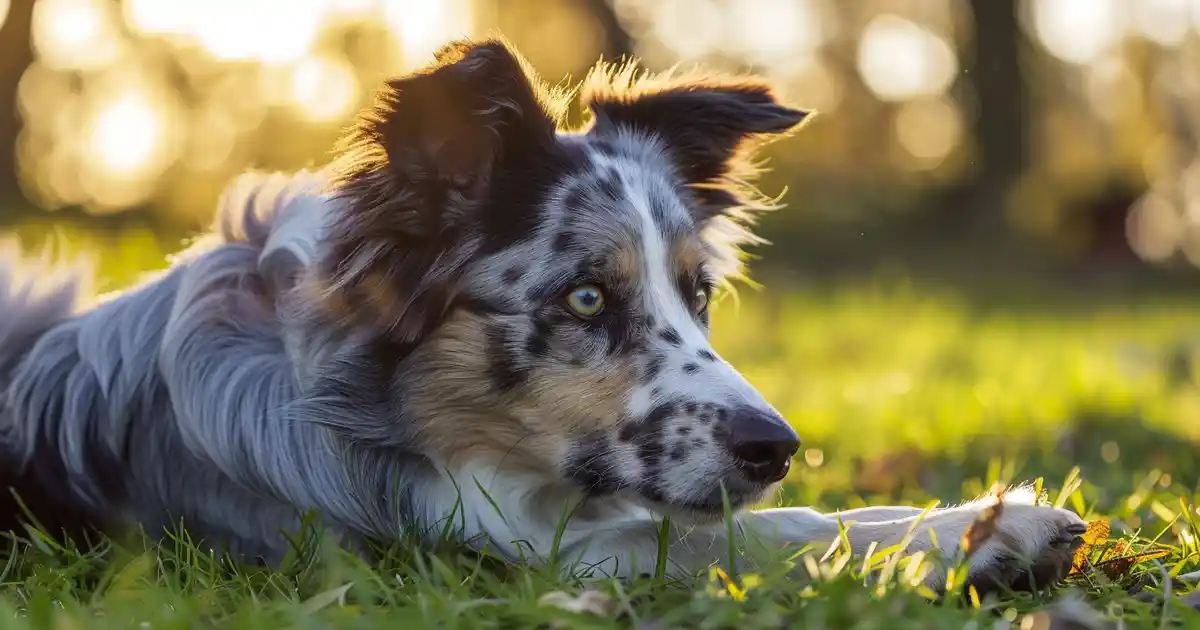
Have you ever wondered why herding dog training seems impossible until you discover the right approach that works with your dog’s natural instincts rather than against them? I used to think developing reliable stock work was only for farmers with generations of experience and perfectly bred working dogs, until I discovered these transformative techniques that completely changed how I approached training my overly enthusiastic Border Collie. Now my herding club friends constantly ask how I managed to develop such smooth control without crushing my dog’s natural drive, and my livestock-owning neighbors (who initially doubted my city-slicker credentials) keep asking for advice on their own working dogs. Trust me, if you’re worried about whether you can channel your herding breed’s intense instincts into productive work or if you’ll ever achieve that beautiful partnership you see in experienced handlers, this approach will show you it’s more achievable than you ever imagined.
Here’s the Thing About Herding Dog Training
Here’s the magic that makes herding dog training truly successful—it’s not about dominating your dog into submission or letting raw instinct run wild without guidance. What makes this work is understanding that instinct and control aren’t opposing forces; they’re actually essential partners in creating effective stock work that keeps livestock safe while allowing your dog to express their natural talents. According to research on herding behavior, proper training should channel and refine natural predatory sequences rather than suppress or artificially create them. I never knew stock work could feel this collaborative until I stopped trying to micromanage every movement and started trusting my dog’s instincts while providing clear guidance about boundaries and expectations. This combination creates amazing results whether you’re working sheep on a farm, competing in herding trials, or simply giving your herding breed the mental stimulation they desperately need. It’s honestly more rewarding than I ever expected, and no livestock experience required to start learning.
What You Need to Know – Let’s Break It Down
Understanding the fundamentals of herding dog training is absolutely crucial before you start worrying about advanced outwork or competitive trial runs. Don’t skip building a rock-solid foundation in instinct assessment and basic control, because I’ve seen so many talented dogs completely overwhelm livestock or shut down entirely simply because handlers rushed past foundation work. The basic components include instinct evaluation (determining if and how your dog shows herding drive), pressure and balance understanding (how dogs move stock through spatial positioning), directional control (teaching left, right, stop, and recall commands), pace management (controlling speed and intensity), and most importantly, that invisible communication between handler and dog that allows teamwork at distance.
I finally figured out that most herding training failures happen because people either expect too much too soon from young dogs or attempt to force instinct in dogs lacking natural herding drive after months of trial and error watching various dogs work stock. Start with honest assessment of whether your individual dog actually shows herding instinct, because not every herding breed puppy develops into a working stock dog (took me forever to accept this, but it’s the reality, seriously). Your dog needs natural interest in livestock, appropriate balance and movement patterns, and enough biddability to accept direction even when instinct says otherwise.
Pressure and balance deserve special attention because they’re the foundation of how herding dogs actually move livestock without physical contact in most situations. I always recommend starting with understanding how your dog naturally uses space and movement to influence stock before trying to teach formal commands, because everyone sees results faster when you work with rather than against natural behavior patterns. Yes, starting on sheep really works best for most herding breeds because they’re more responsive than cattle, but you’ll need access to appropriate “dog-broke” stock trained to move correctly for beginning dogs.
If you’re just starting out with herding fundamentals, check out my beginner’s guide to herding breed characteristics for essential knowledge about breed-specific working styles and requirements. The mental preparation matters just as much as technical skills, and understanding what realistic progress looks like prevents those discouraging moments when your dog’s development doesn’t match Instagram-perfect training videos.
The Science and Psychology Behind Why This Works
Dive deeper into what research actually shows about canine predatory behavior, and you’ll discover why herding represents modified hunting sequences where dogs have been selectively bred to show strong eye, stalk, and chase behaviors while having reduced grab-bite-kill sequences. Studies on behavioral genetics demonstrate that herding instinct involves complex inherited behavior patterns that training can refine and direct but cannot create from nothing, which explains why dogs from working herding lines typically show instinct that pet-bred herding breeds often lack.
The psychology of lasting success in herding training revolves around creating positive associations with stock work while teaching impulse control and responsiveness that allow dogs to work under direction rather than purely on instinct. When dogs genuinely enjoy stock work and understand that controlling themselves brings more opportunity to work, their performance quality improves dramatically, their stress levels remain manageable during training, and their ability to think clearly around livestock despite high arousal increases significantly. Traditional approaches often fail because they either suppress instinct through harsh corrections creating shut-down dogs, or allow uncontrolled behavior that becomes dangerous for both livestock and dogs.
What makes this different from a scientific perspective is understanding that optimal arousal exists on a curve—too little creates disinterest while too much creates frantic, uncontrollable behavior that prevents learning. Research from animal behaviorists demonstrates that this balanced training approach works consistently across different herding breeds and stock types because it respects the biological reality of predatory behavior modification. I’ve personally witnessed the transformation when handlers shift from trying to completely control every movement to providing guidance that allows dogs to problem-solve within boundaries, and the difference in working quality and dog enthusiasm speaks volumes.
Here’s How to Actually Make This Happen
Start by establishing whether your individual dog actually shows herding instinct through careful observation and controlled stock exposure—here’s where I used to mess up by assuming breed guaranteed working ability and being disappointed when my beautifully bred dog showed zero interest in sheep. Your foundation assessment needs to happen with appropriate stock in safe conditions, which means you find experienced herding instructors with trained sheep rather than throwing your dog at random livestock and hoping something happens.
Build basic obedience and impulse control before introducing stock work because a dog who won’t respond to basic commands off-stock certainly won’t listen when arousal skyrockets around livestock. Now for the important part that most people skip: spend at least 2-3 months developing solid recall, stop command, and general handler focus in non-stock environments before attempting herding work. This step seems tedious but creates essential control you’ll desperately need when instinct kicks in.
Introduce stock gradually through controlled exposure rather than overwhelming your dog with full-blown herding sessions from day one. Here’s my secret—I start with calm, dog-broke sheep in small pens where the dog can observe and show interest without having freedom to chase wildly, then very gradually allow controlled movement while maintaining ability to interrupt and redirect. Don’t be me—I used to think letting dogs “figure it out” through trial and error was best, but this actually allows bad habits like gripping, splitting stock, or frantic rushing that become extremely difficult to fix later.
Teach directional commands systematically using consistent verbal cues paired with physical positioning that helps your dog understand what you want. When developing “away” (clockwise around stock) and “come bye” (counter-clockwise) commands, use the stock as teaching tools—position yourself so directing your dog one direction or the other brings them around the stock in the desired pattern until you feel completely confident they understand the concept. This creates lasting command reliability you’ll use throughout your dog’s working career because the commands become deeply ingrained through hundreds of repetitions.
Add distance gradually using systematic progression from working 10 feet from your dog to eventually working at trial distances of 100+ yards. Results can vary, but most dogs need at least 6-12 months of consistent training before developing reliable distance control. Every breed works differently—Border Collies typically work at greater distance with more independence while Australian Shepherds often work closer with more handler focus—so adjust expectations to breed characteristics and individual dog style.
Proof impulse control separately from herding sessions through exercises that build self-control around high arousal triggers. My mentor taught me this principle: practice stopping your dog from chasing balls, bikes, or other triggers 50 times weekly in 2-minute sessions, and you’ll see dramatically better stop command reliability around stock. Use variable reinforcement once behaviors solidify, rewarding unpredictably rather than every response to build persistence when livestock distractions intensify.
Work on reading stock and adjusting pressure based on livestock response rather than robotically following handler commands, just like teaching your dog to think and problem-solve within the framework you’ve established. Don’t worry if you’re just starting out—even experienced handlers began with dogs that pushed too hard, backed off too much, or couldn’t read stock pressure before developing through experience and guidance.
Common Mistakes (And How I Made Them All)
Learn from my epic failures instead of repeating them yourself. My biggest mistake was introducing my young dog to stock too early before establishing adequate basic control, thinking that natural instinct meant training would be easy. What actually happened was my dog learned to ignore me completely around sheep, developed a serious gripping problem from uncontrolled excitement, and required months of remedial work to overcome bad habits that could have been prevented with proper foundation.
I also made the classic error of using inappropriate stock—tough, uncooperative sheep that fought back or scattered wildly instead of moving predictably—then wondering why my dog became frustrated or overly aggressive. Dogs need to succeed early in training, and ignoring fundamental principles experts recommend about starting with dog-broke stock cost me significant training time and damaged my dog’s confidence.
Another huge mistake was trying to train without qualified instruction because I thought reading books and watching videos provided sufficient knowledge. Some aspects of herding training require experienced eyes to identify subtle issues with balance, pressure, or stock reading that beginners simply cannot recognize. Attempting to self-train led to months of confusion and poor progress.
I also neglected physical conditioning, assuming that herding would naturally keep my dog fit when actually proper conditioning prevents injuries and improves working stamina. The truth is that herding requires significant cardiovascular fitness and joint strength, especially for intense work or rough terrain. Don’t make my mistake of letting an unconditioned dog work too long or too hard—injuries from inadequate fitness end working careers prematurely.
When Things Don’t Go as Planned
Feeling overwhelmed by the complexity of reading stock, managing your dog, and staying in correct position all simultaneously? You probably need to break training into smaller components and master each piece before combining them into full stock work. That’s normal, and it happens to everyone who takes herding seriously rather than just letting dogs chase livestock randomly.
When your dog shows insufficient instinct or inappropriate working style despite appropriate breeding and introduction, I’ve learned to handle this by honestly evaluating whether the dog suits stock work or would thrive better in other activities. This difficult assessment allows you to acknowledge reality rather than forcing a square peg into a round hole. When this happens (and it does to some dogs even from excellent working lines), resist the urge to keep pushing, because continuing creates stress and potential aggression issues around livestock.
If your dog starts showing stress signals like excessive gripping, frantic circling, avoiding stock, or ignoring commands completely, stop immediately and reassess your training approach. I always prepare for setbacks because even properly started dogs experience training plateaus, confusion from unclear handling, or physical issues affecting performance, and having contingency plans prevents minor problems from becoming permanent issues. Try reducing session length, simplifying exercises, or consulting with experienced instructors until your dog’s confidence and understanding return.
Don’t stress when stock behave unpredictably—just remember that livestock are living creatures with their own agendas, and learning to adapt to varying stock behavior represents advanced skill development. Your frustration and tension affect your handling clarity, so managing expectations directly impacts training success. This is totally manageable with patience and consistent practice.
Advanced Strategies for Next-Level Results
Taking this to the next level requires understanding the subtle details that separate competent farm dogs from championship-caliber trial competitors. Advanced practitioners often implement specialized techniques for performance optimization like teaching inside flanks (directional commands that bring dogs closer rather than maintaining wide position), developing shedding ability (separating specific animals from the group), and building pen work (moving stock into confined spaces requiring precision and patience).
My personal discovery about advanced herding is that teaching your dog to balance stock to you (positioning themselves opposite you with stock in between) rather than simply circling creates dramatically more useful working ability. When you develop your dog’s understanding of pressure, balance, and stock behavior reading, you create problem-solving ability that holds up when situations don’t go as planned.
Consider implementing outwork development where your dog learns to gather stock from significant distances without constant direction, requiring them to work independently while maintaining awareness of your position and goals. This builds confidence and capability but requires solid foundation before attempting or dogs simply run wild without purpose.
For trial preparation, advanced techniques include learning specific test courses like arena trial patterns or ranch course sequences, developing your own handling mechanics and timing to support rather than hinder your dog, and understanding strategy for different stock types and working conditions. Work on reading judges’ preferences and adapting presentation style accordingly, because trial success requires not just working ability but also appropriate demonstration of that ability.
Different herding styles require different refinements—Border Collies need “eye” management to prevent excessive staring that stalls movement, Australian Shepherds require upright working style encouragement to prevent excessive closeness, and Australian Cattle Dogs need grip control to channel heeling instinct appropriately. Understanding breed-specific challenges prevents generic training from creating problems unique to your breed’s working style.
Ways to Make This Your Own
Each variation works beautifully with different goals and circumstances. When I want faster results with a naturally talented dog showing strong instinct, I use the Accelerated Method that incorporates multiple weekly lessons with experienced instructors plus daily practice on my own stock. This makes it more intensive and expensive but definitely worth it if you’re targeting competitive trials or need working farm dogs developed quickly.
For special situations like working with dogs showing moderate instinct, starting older dogs, or rehabilitating dogs with training issues, I’ll use the Patient Development Approach that prioritizes building confidence and understanding over speed of progression. My busy-season version focuses on maintenance work and fitness conditioning rather than introducing new skills when work or family limits available training time.
Sometimes I add multiple stock types (though that’s totally optional)—starting on sheep then progressing to ducks, cattle, or goats—creating versatile dogs capable of working varied livestock, but this requires extensive training time and access to different stock types. For next-level results, I love incorporating fitness protocols specifically designed for herding dogs that build cardiovascular endurance, strengthen joints, and prevent common injuries like cruciate tears or shoulder problems.
My advanced version includes video analysis of training sessions reviewed with experienced instructors to identify subtle handling errors, stock reading mistakes, or positioning issues invisible during real-time work. Each breed has unique requirements, so Border Collie training emphasizes distance control and appropriate pace while Australian Shepherd work focuses on close control and upright style versus creeping.
Summer approach includes early morning or evening sessions to prevent overheating plus careful monitoring for heat stress since herding creates intense exertion, while winter training might emphasize indoor work on ducks when weather prevents outdoor stock work. The key is adapting training to environmental conditions and individual dog needs rather than following rigid schedules that ignore safety and welfare.
Why This Approach Actually Works
Unlike traditional methods that rely on harsh corrections for mistakes or completely permissive approaches that allow uncontrolled behavior, this approach leverages proven training principles that most people ignore about working with natural instinct while building reliable control. The science behind effective herding training demonstrates that dogs developed through balanced positive methods show greater problem-solving ability, better stress resilience, and longer working careers compared to dogs trained through punishment or allowed to self-train without guidance.
What makes this different is recognizing that herding training isn’t about forcing compliance or allowing chaos—it’s about creating partnerships where dogs understand how to use their natural abilities productively within boundaries that keep everyone safe. Evidence-based training creates sustainable working ability because it builds on genetic predisposition while adding the control and refinement that separates useful working dogs from livestock-chasing problems.
The underlying principles involve understanding predatory behavior sequences to predict dog responses, using positive reinforcement to encourage desired behaviors while redirecting inappropriate ones, and managing arousal levels to keep dogs in optimal learning states. Research shows that herding dogs trained with balanced methods combining instinct development and control building show stronger handler focus, more reliable commands, and better stockmanship because the training enhances rather than suppresses natural working ability.
My personal discovery moments about why this works came from watching my dog’s transformation from a frantic sheep-chaser into a thoughtful working partner who could gather stock calmly, respond to quiet commands at distance, and adjust pressure based on stock behavior. That partnership and mutual understanding judges and farmers recognize separates trained stock dogs from untrained herding breed pets.
Real Success Stories (And What They Teach Us)
One handler I worked with struggled for two years trying to control a Border Collie with intense instinct but zero off-stock obedience, experiencing constant training frustration and livestock stress. After committing to six months of foundation obedience work before returning to stock, they developed a dog who earned Started trial titles within eight months and now works as a reliable farm dog. Their success aligns with research on impulse control that shows consistent patterns—when we build control foundations before allowing instinct full expression, dogs learn to work thoughtfully rather than reactively.
Another team came to herding training with an Australian Shepherd rescue showing fear of livestock from unknown previous experiences. By focusing on building confidence through controlled exposure and celebrating tiny progress increments, they not only overcame the fear but discovered their dog possessed natural talent that led to Intermediate trial success. The lesson here is that patient, systematic training overcomes many obstacles that seem insurmountable initially.
I’ve also seen complete beginners with zero livestock experience achieve remarkable results by committing to consistent lessons and practice despite steep learning curves, proving that dedication and quality instruction matter more than farming background. Different timelines work for different teams—some dogs earn Started titles within 6 months while others need 2+ years developing foundations before trialing successfully, and both paths create rewarding experiences.
What made each person successful was their willingness to prioritize proper foundation over rushing to advanced work, their commitment to consistent training despite plateaus and setbacks, and their ability to maintain perspective that herding should be enjoyable for both species rather than stressful competition.
Tools and Resources That Actually Help
The best resources come from authoritative herding organizations and proven training methodologies developed by professional stockmen and trial competitors. My personal toolkit includes a quality herding stick (not for hitting but for extending reach and directing stock), a good whistle if working dogs at distance, and appropriate fencing to create safe training areas, though basic voice commands work fine when starting close-up work.
Access to appropriate dog-broke stock revolutionized my training effectiveness, and you find this through herding training facilities, clubs, or farms offering lessons rather than attempting to start dogs on untrained livestock. I use calm, responsive sheep for foundation work, then gradually progress to more challenging stock as my dog’s skills develop, and these proper training conditions prevent most common problems.
Video recording equipment matters more than most people realize—reviewing footage reveals positioning errors, timing issues with commands, and stock reading mistakes you’ll never catch in the moment while trying to handle actively. I invested in a smartphone tripod and wide-angle lens, but honestly, having someone else record while you work provides even better footage.
For ongoing education, I recommend joining herding clubs like the American Herding Breed Association, attending clinics with respected trainers, and reading foundational books like “Lessons from a Stock Dog” by Bruce Fogt or works by Derek Scrimgeour. Herding trial organizations including AKC, AHBA, and ASCA provide rules and resources—studying these helps you understand what constitutes correct working style and performance standards.
Livestock handling knowledge helps immensely even though you’re training dogs, because understanding how stock think and move informs better training decisions. Be honest about your own skill gaps, because handlers who don’t understand livestock behavior create confused dogs regardless of training method quality. Free resources like livestock behavior guides from agricultural extensions work wonderfully for building foundational knowledge.
Questions People Always Ask Me
How long does it take to see results with herding dog training?
Most dogs showing strong natural instinct demonstrate basic working ability within 2-3 months of consistent training, though developing reliable control and advanced skills takes 1-2 years of regular work. I usually recommend starting with foundation obedience and controlled stock introduction before expecting actual herding work. Timeline varies dramatically based on individual dog’s instinct strength, handler experience, training frequency, and goals—farm work versus competitive trials require different skill levels.
What if my herding breed dog shows no interest in livestock?
Not every individual within herding breeds develops working instinct despite appropriate breeding, and attempting to force interest in disinterested dogs creates stress without producing working ability. Perhaps your dog lacks sufficient genetic predisposition, was introduced inappropriately creating negative associations, or simply doesn’t find stock work rewarding. Honestly assess whether pursuing herding serves your dog’s interests or just your own goals, and remember that herding breeds excel at many activities beyond stock work.
Is herding training suitable for complete beginners without livestock experience?
Yes, though you absolutely need qualified instruction from experienced herding trainers rather than attempting to learn solely from books or videos. The beauty of starting fresh is you won’t have developed bad handling habits or incorrect understanding of stock behavior. Beginners often progress well by committing to consistent lessons, asking questions freely, and accepting that both handler and dog are learning simultaneously.
Can I train herding dogs without owning livestock?
Absolutely—most people training herding dogs access stock through training facilities, clubs, or farms offering lessons and practice time rather than maintaining their own livestock. Whether you rent training time, join herding clubs with stock access, or take regular lessons, consistent access matters more than ownership. Core principles remain constant regardless of stock ownership, though having daily access certainly accelerates training if you also have knowledge to practice correctly.
What’s the most important foundation skill for herding training?
Solid recall and stop command form the foundation for everything else in herding training—without ability to stop and call off your dog reliably, you cannot safely work livestock or prevent problems from escalating. Start with these basics and don’t progress to serious stock work until commands work reliably even with moderate distractions present, because livestock create extreme arousal that breaks inadequate training.
How do I choose between starting on sheep versus cattle or other stock?
Most trainers recommend starting on sheep because they’re most responsive to dog pressure and move predictably for beginning dogs, creating success that builds confidence and understanding. Cattle require more developed dogs with stronger presence and confidence, while ducks teach precision and close control in confined spaces. Start where your breed traditionally works if possible—Border Collies on sheep, Australian Cattle Dogs on cattle—but sheep work best for most initial training regardless of breed.
What mistakes should beginners avoid with herding training?
The biggest mistakes include introducing stock before establishing basic obedience, using inappropriate untrained livestock, allowing uncontrolled gripping or chasing behaviors to develop, attempting to train without qualified instruction, and comparing progress to social media highlight reels rather than realistic development timelines. Don’t allow your dog to practice mistakes repeatedly, and avoid working dogs when either of you is frustrated or tired.
Can herding training help with my herding breed’s behavioral problems?
Yes, providing appropriate outlet for herding instinct often dramatically improves behavioral issues in herding breeds including obsessive behaviors, destructiveness, hyperactivity, and reactivity to movement triggers. Just understand that herding training requires significant commitment and may intensify some behaviors initially before control develops. Balance herding work with adequate rest and variety rather than creating single-minded obsession.
What if my dog wants to grip or bite livestock instead of working cleanly?
Some gripping represents normal herding style for certain breeds (Australian Cattle Dogs heel cattle as part of their working method), while excessive or inappropriate gripping indicates training issues requiring correction. Perhaps your dog shows too much prey drive, experiences excessive arousal, lacks understanding of appropriate pressure, or learned bad habits from uncontrolled early exposure. Work with experienced instructors to evaluate whether gripping suits your breed and situation or requires modification through training adjustments.
How much does herding dog training typically cost?
Lesson costs vary regionally but typically run $30-75 per session depending on instructor experience and lesson length, with most people training 1-4 times monthly depending on goals and budget. Training facility memberships offering unlimited practice access range $50-200 monthly. Trial entry fees cost $15-40 per run. Major expenses include travel to training facilities, trials, or clinics, plus conditioning and veterinary care to maintain working soundness. Many people train successfully on modest budgets through club memberships and regular lessons.
What’s the difference between herding training and herding breed exercise?
Herding training develops actual working ability to move and control livestock productively, requiring proper stock, instruction, and systematic skill building. Herding breed exercise might include modified games using balls or other objects to simulate herding without livestock, providing mental and physical outlet without developing true stock work capability. Both serve purposes—training for serious work versus exercise for pet fulfillment—but they produce very different outcomes and require different approaches.
How do I know if my dog is making real progress?
Track specific metrics like command reliability around stock, appropriate pressure and pace when moving livestock, ability to work at increasing distances, and quality of stock movement resulting from your dog’s work. Video your sessions monthly and compare footage to identify improvements in balance, control, and confidence. Most importantly, notice whether stock move calmly and productively when your dog works versus scattering or refusing to move, because effective herding creates calm, controlled livestock movement rather than chaos.
Before You Get Started
I couldn’t resist sharing this because it proves that herding training success doesn’t require farming background or perfect genetics—the best herding journeys happen when handlers commit to systematic training that honors natural instinct while building reliable control and partnership. Ready to begin? Start by finding qualified herding instruction in your area today, honestly assess your individual dog’s instinct and aptitude, and build knowledge foundations before expecting advanced work. The partnership you’ll potentially develop extends far beyond moving livestock into a profound working relationship that fulfills your dog’s genetic heritage and creates experiences most pet owners never imagine possible.




