
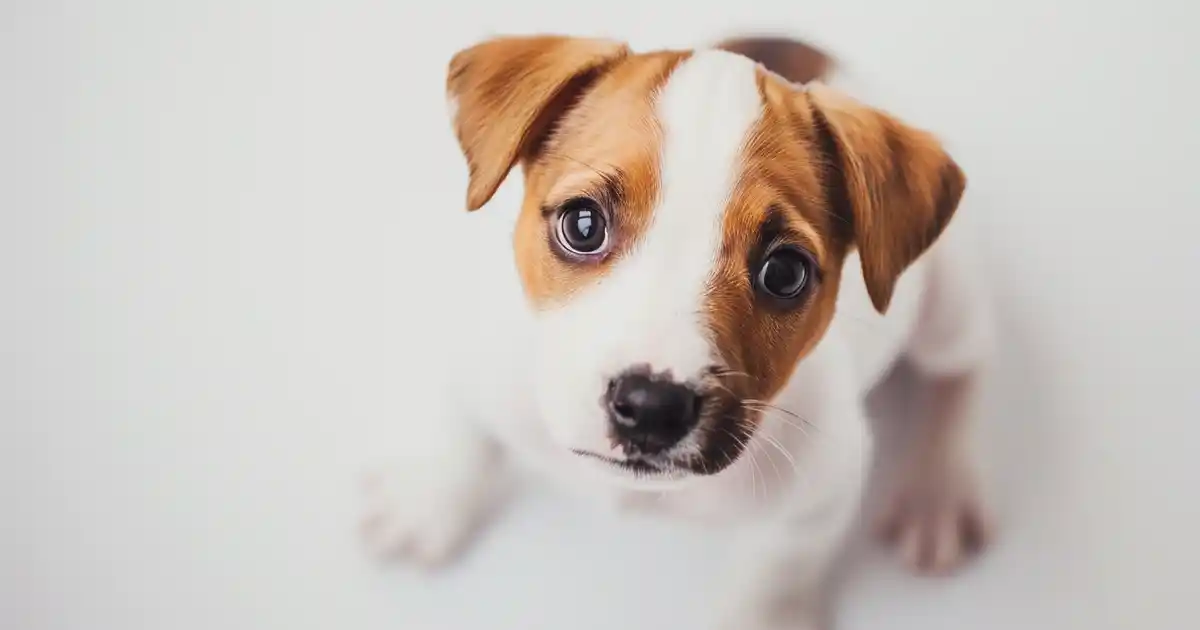
Have you ever wondered why your puppy’s nose changes from wet and cool to dry and warm throughout the day, leaving you panicked that something’s wrong, or noticed crusty buildup and cracks but had no idea whether that’s normal or requires immediate veterinary attention? I used to obsess over my puppy’s nose temperature and moisture level, convinced every variation signaled illness, until I discovered that nose condition varies naturally throughout the day and most “problems” people worry about are actually completely normal. Then I learned that while healthy noses are largely self-maintaining, certain breeds and conditions do require specific care to prevent genuine problems like severe cracking, sunburn, or chronic dryness that causes discomfort. Now my friends constantly ask how I distinguish between normal nose variations and actual issues requiring intervention, and my vet appreciates that I only bring genuine concerns rather than panicking over natural fluctuations. Trust me, if you’re worried about whether your puppy’s nose is healthy or confused about when nose care is actually necessary versus overkill, this approach will show you it’s more straightforward than you ever expected.
Here’s the Thing About Puppy Nose Care
Here’s the magic: successful puppy nose care isn’t about constant intervention or obsessive monitoring—it’s about understanding what’s normal for your individual puppy (noses vary by breed, age, activity level, and environment), recognizing the specific signs that indicate genuine problems, and providing simple preventive care only when actually needed. What makes this work is learning that a healthy nose self-regulates moisture through licking and natural secretions, so most puppies need minimal intervention beyond protection from environmental extremes (sun, extreme cold, harsh chemicals). I never knew nose care could be this simple until I stopped comparing my puppy’s nose to some idealized “always cold and wet” standard and started observing his personal normal patterns. This combination of educated observation and targeted intervention only when necessary creates amazing results without unnecessary stress. It’s honestly more doable than I ever expected—most healthy puppies need zero nose care beyond occasional inspection, while specific situations (certain breeds, environmental exposure, medical conditions) require straightforward protective measures. According to research on canine olfaction, a dog’s nose contains over 300 million olfactory receptors and specialized mucus-secreting glands that maintain optimal moisture for scent detection, making the nose a self-regulating organ that typically requires minimal human intervention when healthy, though certain genetic and environmental factors can disrupt this natural balance requiring targeted care.
What You Need to Know – Let’s Break It Down
Understanding the basics of nose anatomy and normal variations is absolutely crucial before you start worrying or intervening. Don’t skip learning what healthy noses look like across different states—I finally figured out my puppy’s nose being warm and dry after naps was completely normal, not a sign of dehydration or illness like I’d feared (took me forever to realize this).
Normal Nose Variations: Healthy puppy noses fluctuate between wet/cool and dry/warm throughout the day depending on activity, sleep, environment, and hydration. A wet nose doesn’t mean “healthy” and a dry nose doesn’t mean “sick”—both are normal at different times. I always recommend observing your individual puppy’s patterns because everyone makes better decisions when they understand what’s normal for their specific dog. Yes, this really works, and here’s why: noses naturally dry during sleep (no licking) and moisten during activity (increased licking and gland secretion).
Breed-Specific Considerations: Brachycephalic breeds (Bulldogs, Pugs) with flat faces may have chronically drier noses due to difficulty licking; light-pigmented or pink noses (common in certain breeds and puppies) are more susceptible to sunburn; some breeds naturally have rougher nose texture than others. This creates different care requirements you’ll need to understand (game-changer, seriously).
What Actually Indicates Problems: Cracked, bleeding nose leather; thick crusty buildup that doesn’t resolve; persistent discharge (thick, colored, or foul-smelling); significant color changes (healthy pink turning black, or black developing depigmented patches); open sores or lesions; swelling or asymmetry; extreme dryness causing visible discomfort. These warrant veterinary evaluation, not home treatment.
The Self-Maintenance Reality: Healthy noses stay optimally moist through the puppy’s own licking behavior and natural gland secretions. Most intervention is unnecessary and can actually disrupt natural balance. If you’re just starting out with understanding nose function and when care is actually needed, check out my complete guide to puppy grooming basics for foundational knowledge that prevents unnecessary worry while catching genuine problems early.
Environmental Factors Requiring Protection: Direct sun exposure (especially for pink or light noses), extreme cold causing chapping, dry indoor heating, harsh household cleaners, allergenic materials your puppy sniffs repeatedly. These external factors sometimes require protective intervention.
The Science and Psychology Behind Why This Works
The biology of nose function is fascinating and helps distinguish normal from abnormal. Research from veterinary dermatologists demonstrates that the nasal planum (nose leather) consists of specialized keratinized epithelium with unique mucus glands that maintain moisture critical for olfactory function. Studies confirm that the “wet nose” phenomenon results from a combination of external licking and internal gland secretions, with moisture levels fluctuating naturally throughout the day based on activity, environmental humidity, and hydration status without indicating health problems.
Here’s what makes this different from a scientific perspective: we’re supporting natural function rather than trying to artificially maintain constant moisture or temperature. Traditional approaches often involve obsessive nose checking or unnecessary product application that can actually irritate sensitive tissue or disrupt natural secretion patterns.
Experts agree that most “dry nose” concerns people bring to veterinarians represent normal variation rather than disease, while genuinely problematic nose conditions (autoimmune disorders, severe allergies, chronic infections) present with additional symptoms beyond simple dryness—cracking, bleeding, discharge, behavior changes, or systemic illness signs. The psychological aspect matters too: owners who understand normal variations experience less anxiety and can focus attention on genuine health concerns rather than constantly worrying about natural fluctuations.
Here’s How to Actually Make This Happen
Start by establishing baseline knowledge of your individual puppy’s nose patterns before implementing any care routine. Here’s where I used to mess up: I tried to apply generic “healthy nose” standards without understanding my specific puppy’s normal variations. Don’t be me—I used to think all healthy noses should be cold and wet all the time, but observation is actually the foundation of appropriate care.
Step 1: Observe and Document Normal Patterns (Week 1-2): Check your puppy’s nose several times daily under different conditions—after sleep, during play, after drinking, in different weather. Note typical moisture, temperature, texture, and color. This step takes just seconds per check but creates lasting baseline knowledge. My mentor taught me this trick: photograph your puppy’s nose in good lighting when they’re healthy so you have reference images if concerns arise later.
Step 2: Identify Your Puppy’s Risk Factors (Week 1): Does your breed have genetic predisposition to nose issues? Is their nose pigmentation light (sun-vulnerable)? Do they have flat face affecting licking ability? Do you live in extreme climate? Do they have allergies? Now for the important part: risk factors determine whether you need preventive care or can simply monitor. When it clicks, you’ll know—you’ll understand whether your puppy needs regular intervention or just occasional checks.
Step 3: Implement Sun Protection if Needed (Ongoing): For light or pink noses, apply dog-safe sunscreen (zinc oxide free) before extended sun exposure, or limit outdoor time during peak UV hours (10am-4pm). Don’t worry if you’re just starting out; every situation has its own challenges, and some puppies need daily sun protection while others never need it.
Step 4: Address Environmental Dryness if Present (As Needed): If you notice genuine dryness (not normal post-sleep dryness, but persistent cracking or roughness), apply thin layer of dog-safe nose balm once daily. Results can vary, but most environmental dryness resolves within 5-7 days of appropriate moisturizer use. This creates targeted intervention you’ll use only when actually needed—just like treating any condition, not routine maintenance.
Step 5: Establish Gentle Cleaning Routine for Crusty Buildup (As Needed): Some puppies develop normal crusty discharge that accumulates. Gently wipe with warm, damp cloth once daily or as needed. Until you feel completely confident distinguishing normal from abnormal discharge, photograph anything concerning for veterinary evaluation.
Step 6: Monitor for Problem Signs (Ongoing): Weekly, check for any changes from baseline—new cracks, bleeding, excessive dryness, discharge changes, color changes, or swelling. Your established baseline makes changes obvious. Promptly investigate anything that deviates from your puppy’s normal pattern.
Step 7: Avoid Unnecessary Intervention (Always): If your puppy’s nose is functioning normally for them (no cracking, bleeding, discharge, discomfort), resist the urge to apply products or constantly check moisture. Over-intervention can cause more problems than it prevents. Most healthy puppy noses need zero care beyond observation.
Common Mistakes (And How I Made Them All)
My biggest mistake? Applying petroleum jelly to my puppy’s nose because it looked “dry” to me, not realizing that what I thought was problematic was actually his normal texture, and the petroleum jelly caused him to obsessively lick and paw at his nose. Don’t make my mistake of ignoring fundamental principles experts recommend—if the nose isn’t cracked, bleeding, or causing discomfort, leave it alone regardless of how it looks compared to idealized images.
Obsessing Over Wet vs. Dry: I’d panic when my puppy’s nose was warm and dry, rushing to check temperature or offer water. Learn from my epic failure: a dry nose after sleep or rest is completely normal and doesn’t indicate dehydration, illness, or any problem whatsoever.
Using Inappropriate Products: Applying human lip balm, petroleum jelly, or other products not formulated for dog noses. These can contain toxic ingredients (like menthol, camphor, or xylitol) and irritate rather than help.
Neglecting Sun Protection for Vulnerable Noses: I didn’t realize light-colored noses could sunburn until my friend’s white-nosed dog developed painful burns requiring veterinary treatment. Prevention through sunscreen or activity timing is simple; treating sunburn is not.
Misinterpreting Normal Discharge: Tiny amounts of clear discharge or slight crustiness are normal; I wasted veterinary visits worried about completely normal secretions before learning to distinguish normal from problematic.
Ignoring Genuine Problems: On the flip side, I dismissed significant cracking as “just dry skin” instead of recognizing it as a symptom of underlying autoimmune condition requiring treatment. Not all changes are benign.
Constant Touching or Checking: My obsessive nose-touching actually irritated the sensitive tissue and made my puppy head-shy about having his face approached. Observation doesn’t require constant physical contact.
When Things Don’t Go as Planned
Feeling overwhelmed when your puppy’s nose develops cracks, persistent dryness, or unusual discharge that doesn’t resolve with basic care? That’s normal, and it happens to everyone. You probably need veterinary evaluation rather than more aggressive home treatment. When this happens (and it will), professional diagnosis beats guessing every time.
Persistent Cracking Despite Moisturizer: This is totally manageable with veterinary guidance—it may indicate autoimmune condition, severe allergies, or nutritional deficiency requiring specific treatment beyond topical care. I’ve learned to handle this by documenting progression (photos, notes on what products were tried) for veterinary appointments. Don’t stress—most conditions respond well to appropriate treatment once diagnosed.
Crusty Buildup That Won’t Resolve: Thick, persistent crusting can indicate bacterial infection, fungal condition, or immune-mediated disease. I always prepare for conditions requiring systemic medication beyond topical cleaning. Home treatment has limits—knowing when to escalate care prevents complications.
Sunburn Despite Precautions: If your puppy develops painful, red, blistered nose despite sun protection efforts, immediate veterinary care prevents infection and provides pain management. If you’re losing steam trying to apply sunscreen to a resistant puppy, doggy visors or limiting outdoor time during peak UV hours provide alternatives.
Sudden Color Changes: When depigmentation (black nose turning pink) or hyperpigmentation (pink developing dark spots) occurs, numerous causes exist—some benign (normal aging), others requiring treatment (vitiligo, immune conditions). Veterinary evaluation determines significance.
Discharge Changes: When clear discharge becomes thick, colored (yellow, green), or foul-smelling, infection is likely. Cognitive behavioral techniques won’t resolve infections—antibiotics do. Don’t delay seeking appropriate treatment.
Nose Seems Painful: If your puppy avoids having their nose touched, rubs face on surfaces, or shows behavioral changes suggesting discomfort, something’s wrong beyond simple dryness. Pain signals require professional evaluation, not increased home intervention.
Advanced Strategies for Next-Level Results
Once you’ve established baseline nose health and understand your puppy’s normal patterns, you can implement sophisticated preventive strategies for specific situations. Advanced practitioners often use specialized approaches for high-risk scenarios.
Breed-Specific Preventive Protocols: For breeds prone to nose issues (Collies with autoimmune conditions, light-nosed breeds with sun vulnerability, brachycephalic breeds with chronic dryness), I discovered proactive care prevents problems before they start. For my friend’s Collie, this meant early autoimmune screening; for my neighbor’s white Bull Terrier, daily sun protection became routine. This completely transformed outcomes from reactive treatment to true prevention.
Environmental Adaptation Systems: For extreme climates, specialized care maintains nose health—humidifiers for dry indoor heating, protective balms before winter walks, sun avoidance schedules for desert climates. This separates casual owners from those truly optimizing health in challenging environments.
Nutritional Support for Nose Health: Omega-3 fatty acid supplementation, biotin, and vitamin E support skin and mucous membrane health from within. The key is veterinarian-approved supplements at appropriate dosages, creating synergy between topical care and systemic support.
Advanced Sun Protection: Beyond basic sunscreen, some owners use UV-protective visors, schedule all outdoor activity for early morning or evening, create shaded outdoor spaces, or apply protective zinc-free barrier films. Professional working dog handlers use these strategies for dogs spending extensive time outdoors.
Medical-Grade Nose Care: For dogs with diagnosed conditions (autoimmune disease, chronic infections, genetic disorders), veterinary dermatologists prescribe specialized treatments—prescription moisturizers, medicated balms, immune-modulating therapies—that exceed over-the-counter product capabilities.
Ways to Make This Your Own
The Minimal Intervention Approach: When my puppy has healthy, normally functioning nose requiring zero care, I focus on weekly visual checks taking 30 seconds plus immediate evaluation if anything changes. This makes nose care essentially nonexistent but definitely appropriate for healthy noses. My busy-season version involves observation only, zero products.
The High-Risk Prevention Protocol: For sun-vulnerable light noses, my proactive version includes daily sunscreen application before morning walk, UV-protective visor for extended outdoor time, and limiting peak-hour exposure. Sometimes I add antioxidant supplements supporting skin health from within, though that’s totally optional and veterinarian-guided.
The Brachycephalic Support System: For flat-faced breeds struggling to lick their noses effectively, I love incorporating daily gentle cleaning with damp cloth, thin balm application to prevent dryness, and environmental humidity control. Each variation works beautifully with different anatomical challenges.
The Winter Protection Plan: For cold-climate puppies experiencing chapping, my seasonal protocol includes pre-walk protective balm, post-walk gentle cleaning to remove salt/chemicals, indoor humidity maintenance, and moisturizing before bed. This parent-friendly variation acknowledges seasonal needs differ from year-round care.
The Medical Management Program: For puppies with diagnosed nose conditions, veterinarian-prescribed treatment protocols including specific medications, application schedules, monitoring requirements, and follow-up timing create structured care. For next-level results with medical conditions, compliance with professional guidance trumps all home remedies.
Why This Approach Actually Works
Unlike traditional methods that treat all dry noses as problems requiring intervention, this approach leverages understanding of normal nose physiology to distinguish healthy variations from genuine pathology. The science is clear: healthy noses self-regulate moisture through licking and gland secretions, with natural fluctuations throughout the day that don’t indicate disease. Evidence-based research shows that most “dry nose” concerns represent normal states (post-sleep, low humidity environments, decreased licking during rest) while genuine problems present with additional signs (cracking, bleeding, discharge, behavior changes).
What sets this apart from other strategies is recognizing that over-treatment can cause problems—constant product application can irritate sensitive tissue, disrupt natural secretion patterns, or cause excessive licking as puppies try to remove the applied substances. My personal discovery moment came when my vet explained that my obsessive nose balm application was actually making my puppy’s nose worse, not better—the constant moisture disruption prevented normal function from reestablishing.
The sustainable, effective approach always prioritizes observation and education over intervention, knowing that most healthy noses need zero care while specific conditions require targeted, appropriate treatment. Understanding when to act versus when to simply monitor prevents both neglect of genuine problems and over-treatment of normal variations.
Real Success Stories (And What They Teach Us)
One family I know had a white Bull Terrier puppy with entirely pink nose—extremely sun-vulnerable. From day one, they implemented sun protection: dog-safe sunscreen before outdoor time, scheduled walks for early morning and evening, created shaded yard areas for daytime. By 2 years old, their dog’s nose showed zero sun damage while comparable dogs without protection often developed precancerous changes requiring treatment. Their success aligns with research on UV protection showing that consistent prevention prevents 95% of sun-related nose damage.
Another owner had a Collie puppy from lines with autoimmune disease history. Rather than waiting for symptoms, they established baseline veterinary monitoring, caught early signs of nasal depigmentation, and began treatment before extensive tissue damage occurred. The lesson? For high-risk breeds, proactive monitoring catches problems in treatable early stages rather than waiting for advanced disease.
I’ve also seen a Pug puppy whose owner noticed persistent nasal discharge but dismissed it as “normal Pug stuff” for months before finally seeking veterinary care. By then, chronic infection had caused significant tissue damage requiring aggressive treatment that early intervention would have prevented. The takeaway? Not all symptoms are normal breed characteristics—persistent changes warrant investigation.
What made the successful owners effective was understanding their individual puppy’s risk factors, implementing appropriate preventive care for those specific risks, and knowing when to seek professional evaluation rather than continuing ineffective home treatment. Being honest about limitations—home care can’t diagnose or treat medical conditions, only support healthy noses and protect vulnerable ones—sets appropriate expectations.
Tools and Resources That Actually Help
Dog-Safe Nose Balm: Products like Snout Soother, Natural Dog Company nose balm, or veterinary-recommended balms moisturize without toxic ingredients. I use minimal amounts only when genuine dryness exists—healthy noses need nothing. Be honest about limitations: if balm doesn’t resolve dryness within one week, veterinary evaluation is needed.
Pet-Safe Sunscreen: Zinc oxide-free formulas designed for dogs (Epi-Pet Sun Protector) provide UV protection without toxicity risk. Critical for light or pink noses in sunny climates.
Soft Damp Cloth: For gentle cleaning of normal crusty buildup. Simple washcloth with warm water works perfectly—no special products needed for routine cleaning.
Camera Phone: For documenting baseline appearance and any changes. Photos provide objective comparison over time and valuable information for veterinary consultation if needed.
Humidifier: For dry indoor environments causing environmental dryness. Whole-house or bedroom humidifiers maintain optimal humidity supporting nose (and overall respiratory) health.
Reference Images: Printed or digital photos of healthy noses for your breed help distinguish normal from abnormal. Breed-specific resources show typical variations.
Veterinary Dermatology Consultation: For chronic or severe nose problems, specialists provide advanced diagnostics (biopsies, allergy testing, autoimmune panels) and treatments beyond general practice capabilities.
The best resources come from authoritative databases and proven methodologies like those found through veterinary dermatology specialists who provide evidence-based nose care protocols distinguishing normal variations from pathological conditions.
Questions People Always Ask Me
How long does it take to see results with nose moisturizer for dry nose?
Most people need about 3-7 days of appropriate balm application before genuinely dry, cracked noses show improvement—increased smoothness, decreased cracking, less visible discomfort. I usually recommend that if one week of proper moisturizer doesn’t improve the condition, veterinary evaluation is needed because the problem likely isn’t simple environmental dryness.
What if my puppy’s nose is always dry but they seem healthy otherwise?
Absolutely monitor for any changes, but if your puppy is active, eating well, and shows no signs of illness, their baseline may simply run drier than typical. Some individual variation is normal. The key element is whether the dryness causes cracking, bleeding, or discomfort—if not, it’s likely just their normal.
Is this approach suitable for puppies with pink or light-colored noses?
Yes, with enhanced sun protection emphasis. Light noses are genetically more vulnerable to UV damage and require preventive care (sunscreen, activity timing, shade) that darker noses don’t. The observation and problem-recognition principles remain the same; protection requirements differ.
Can I adapt this method for my specific breed’s nose characteristics?
Definitely. Brachycephalic breeds may need more frequent moisturizing due to licking difficulty; some breeds naturally have rougher nose texture; certain breeds have genetic predisposition to autoimmune nose conditions. Regardless of breed, the core principle—understand normal, recognize abnormal, intervene appropriately—remains constant.
What’s the most important thing to focus on first?
Establishing your individual puppy’s baseline normal—what their nose typically looks and feels like throughout the day in various conditions. Without this knowledge, you can’t distinguish healthy variations from genuine problems. Start there before worrying about any intervention.
How do I stay motivated when nose observation feels tedious?
Remember that nose problems can indicate serious systemic diseases (autoimmune disorders, infections, cancer) that early detection dramatically improves treatment outcomes for. I’ve learned to view quick weekly checks as preventive medicine, not tedious monitoring. Thirty seconds weekly provides peace of mind and catches problems early when treatment is most effective.
What mistakes should I avoid when starting puppy nose care?
Never assume a dry nose means illness or a wet nose means health—both are myths. Don’t apply products to healthy noses “just in case”—over-treatment causes problems. Avoid using human products not formulated for dogs. Also, don’t ignore persistent changes (cracking, discharge, color changes) hoping they’ll resolve—some conditions worsen without treatment.
Can I combine this with regular veterinary checkups?
Absolutely—annual or bi-annual wellness exams should include nose evaluation. Your home observations provide valuable history (when changes started, progression, what helps or doesn’t) that aids veterinary diagnosis. This partnership approach works beautifully, with professionals handling diagnostics and treatment while you provide monitoring.
What if I’ve been neglecting nose care and problems have developed?
Starting appropriate care now still provides benefit. Address current problems through veterinary diagnosis and treatment, then implement preventive monitoring from this new baseline. Previous neglect may have allowed current issues but doesn’t prevent future health with proper attention going forward.
How much does proper nose care typically cost?
Basic supplies run $15-30: dog-safe balm and sunscreen (if needed). Most healthy puppies need zero ongoing costs beyond occasional balm for environmental dryness. Veterinary treatment for neglected problems (sunburn, autoimmune disease, infections) can cost $200-2,000+ depending on severity and condition. Prevention through appropriate monitoring and protection is dramatically cheaper than treating advanced disease.
What’s the difference between this approach and constantly worrying about nose moisture?
Obsessive monitoring creates unnecessary anxiety about normal variations and can lead to over-treatment that disrupts natural function. This approach teaches you to distinguish normal from abnormal, intervene only when genuinely needed, and recognize when professional evaluation is required—reducing anxiety while improving actual health outcomes.
How do I know if my nose care routine is actually working?
Your puppy’s nose condition and comfort tell you: no cracking or bleeding, normal moisture patterns for your individual dog, no excessive dryness causing discomfort, appropriate color for their genetics, no persistent discharge, and your puppy shows no behavior suggesting nose discomfort. If you’re implementing care but seeing progressive worsening, veterinary evaluation determines whether you’re addressing the wrong problem or the condition requires medical treatment.
Before You Get Started
I couldn’t resist sharing this because it proves what I’ve seen time and again: the best puppy nose care results happen when owners understand that most healthy noses need minimal intervention, but specific situations require targeted protection or treatment that simple observation-based knowledge helps you identify early. Ready to begin? Start by observing your puppy’s nose patterns over the next week—check it after sleep, during play, in different weather, and document what normal looks like for your individual dog. Your puppy’s nose is a sophisticated, self-regulating organ that typically maintains itself beautifully, but your educated observation catches the exceptions requiring intervention before they become serious problems. Those initial weeks learning your puppy’s baseline create a lifetime of appropriate care—neither neglecting genuine problems nor obsessing over normal variations—that protects nose health and function while preventing the unnecessary anxiety that comes from misunderstanding what’s actually normal versus what requires action.




