
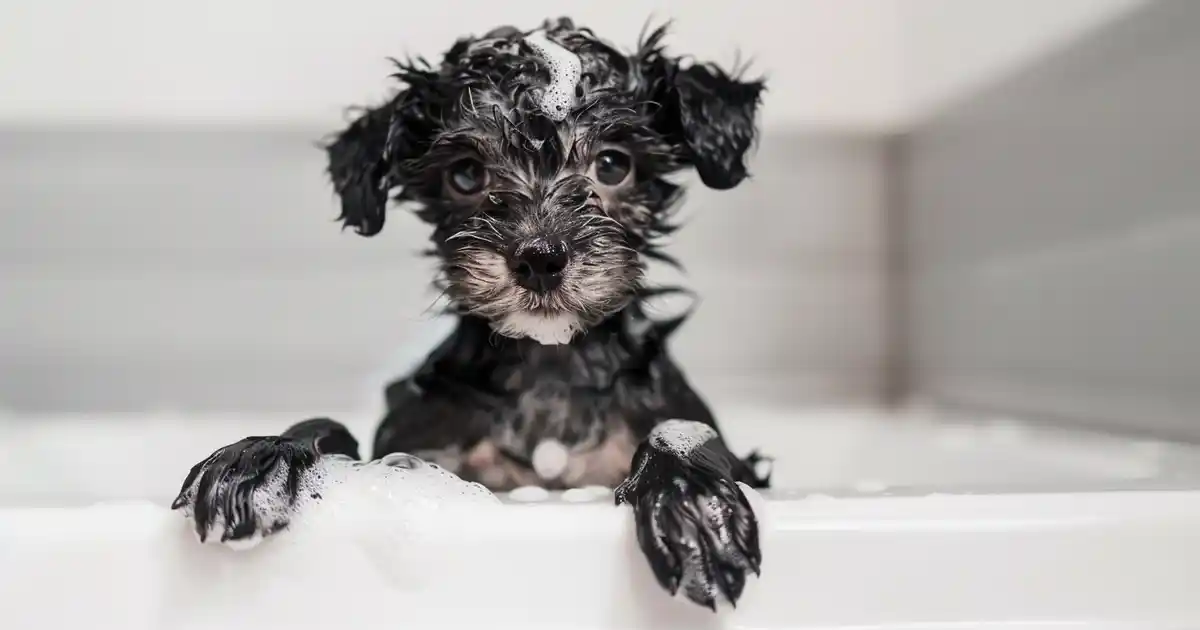
Have you ever wondered why puppy bath time seems like it should be simple, but somehow turns into a soaking wet disaster zone with a terrified puppy and an exhausted you? I used to dread bath day so much that I’d put it off until my puppy smelled like a barn, convinced that wrestling a slippery, panicked pup was just part of dog ownership. Then I discovered that bath time doesn’t have to be this chaotic battle—it can actually become a bonding experience your puppy looks forward to. Now my friends constantly ask why my pup walks calmly into the tub and actually seems to enjoy it, while their dogs require two people and waterproof gear. Trust me, if you’re worried about traumatizing your puppy or flooding your bathroom, this approach will show you it’s more manageable than you ever expected.
Here’s the Thing About Puppy Bath Time
Here’s the magic: successful puppy bathing isn’t about getting your pup sparkling clean as quickly as possible—it’s about building positive associations with water, soap, and handling while they’re young and impressionable. What makes this work is introducing each element gradually—water temperature, spray sounds, shampoo textures, and drying processes—so your puppy never feels overwhelmed or scared. I never knew bathing could be this simple until I stopped rushing through the process and focused on making every sensation pleasant for my pup. This combination of slow introduction and consistent positive reinforcement creates amazing results that last a lifetime. It’s honestly more doable than I ever expected—the secret isn’t fancy products or professional techniques, just patience and treats at every step. According to research on classical conditioning, puppies who experience gentle, reward-based bathing from an early age develop positive emotional responses to grooming that persist throughout adulthood, making every future bath easier and reducing stress for both dog and owner.
What You Need to Know – Let’s Break It Down
Understanding the basics of puppy bathing requirements is absolutely crucial before you turn on that water. Don’t skip learning about appropriate bathing frequency—I finally figured out that over-bathing was stripping my puppy’s coat oils and causing dry skin issues after my vet pointed it out (took me forever to realize this).
Appropriate Bathing Frequency: Most puppies need baths every 4-6 weeks unless they get into something particularly messy. Frequent bathing (weekly or more) strips natural oils that protect skin and coat. I always recommend starting with monthly baths because everyone sees better coat quality when you don’t overdo it. Yes, this really works, and here’s why: puppy skin is more delicate than adult dog skin, and their natural oils need time to regenerate.
Water Temperature Matters: Lukewarm water (around 98-100°F) feels comfortable to puppies—test it on your inner wrist like you would for a baby. Too hot causes discomfort; too cold creates negative associations. This creates habits you’ll actually stick with (game-changer, seriously).
Shampoo Selection: Only use puppy-specific or gentle, tearless formulas. Human shampoo or harsh dog formulas disrupt pH balance and can irritate sensitive skin. Products matter more than technique initially—the wrong shampoo can undo all your careful preparation.
The Pre-Bath Foundation: Before the first real bath, spend 1-2 weeks getting your puppy comfortable with the bathing location, running water sounds, and gentle spraying on paws only. If you’re just starting out with understanding water introduction and handling techniques during grooming, check out my complete guide to puppy grooming basics for foundational techniques that make every grooming task easier and less stressful for nervous puppies.
The Science and Psychology Behind Why This Works
The psychology of lasting change in water tolerance is fascinating. Research from veterinary behaviorists demonstrates that systematic desensitization to bathing during critical socialization windows (8-16 weeks) creates neural associations between water experiences and positive outcomes. Studies confirm that puppies introduced to bathing gradually with high-value rewards show stress markers comparable to play activities, while puppies dunked without preparation show cortisol spikes equivalent to threatening situations.
Here’s what makes this different from a scientific perspective: we’re not just getting the puppy clean—we’re programming their emotional response to a procedure they’ll experience dozens of times throughout life. Traditional approaches often prioritize efficiency, resulting in frightened puppies held in place while being scrubbed quickly. That teaches puppies that bath time means loss of control and discomfort.
Experts agree that a puppy’s first 3-5 bath experiences essentially determine their lifelong attitude toward bathing. Miss this window by creating fear, and you’ll spend years working against deeply ingrained negative associations. The mental and emotional aspects matter just as much as the physical cleaning. Your puppy isn’t just learning to tolerate water; they’re learning whether bathing is a pleasant bonding activity or something to escape at all costs.
Here’s How to Actually Make This Happen
Start by setting up your bathing space completely before bringing your puppy anywhere near water. Here’s where I used to mess up: I’d carry my puppy to the tub, realize I forgot towels, shampoo, or treats, and have to juggle a wet puppy while gathering supplies. Don’t be me—I used to think preparation was optional, but setup is everything.
Step 1: Location Familiarization (Days 1-3): Let your puppy explore the empty bathtub or sink with treats scattered inside. No water, no pressure. Make the location itself predict good things. This step takes five minutes daily but creates lasting change. My mentor taught me this trick: feed a meal in the tub once so it becomes a genuinely positive space.
Step 2: Water Sound Introduction (Days 4-7): While your puppy eats treats outside the tub, run water at low pressure so they hear it. Gradually increase volume over several days. Now for the important part: the sound should become background noise associated with treats, not something scary. When it clicks, you’ll know—your puppy will remain relaxed or curious rather than trying to leave.
Step 3: Paw Wetting Only (Days 8-10): Place your puppy in the empty tub with a non-slip mat. Using a cup or gentle sprayer on lowest setting, wet just the front paws while continuously treating. Release after 30 seconds. Don’t worry if you’re just starting out; every situation has its own challenges, and some puppies need a week just getting comfortable with wet paws.
Step 4: Progressive Water Introduction (Days 11-14): Gradually wet more areas—paws, then legs, then back, then tail—over multiple sessions. Always avoid the head initially. Results can vary, but most puppies tolerate full body wetting (except head) by the end of week two. This creates lasting habits you’ll actually stick with—just like teaching any skill, but with a completely different approach that prioritizes emotional comfort.
Step 5: First Shampoo Application (Week 3): For your first real bath, use diluted puppy shampoo on the body only. Apply gently, massage briefly (this feels good to most puppies), and rinse thoroughly. Until you feel completely confident, keep this first bath under 5 minutes total. Keep one hand on your puppy for security at all times.
Step 6: Adding Head/Face Washing (Week 4+): The head is most sensitive. Use a damp washcloth for face rather than spraying directly. Protect ears from water entry. Add this step only after body bathing is fully comfortable. Most puppies need 3-4 successful body baths before they’re ready for face washing without stress.
Step 7: Drying Process Introduction (Ongoing): Many puppies fear blow dryers more than water. Start with towel drying only, making it a fun rubbing game. If introducing a dryer, begin with it running across the room during treat time, then gradually closer over weeks, just like any desensitization process.
Common Mistakes (And How I Made Them All)
My biggest mistake? Giving my puppy a full bath on day one because he rolled in something gross, without any preparation. Don’t make my mistake of ignoring fundamental principles experts recommend—one rushed emergency bath can create months of fear to overcome.
Bathing Too Young: I tried bathing my puppy at 6 weeks old (before vaccines were complete) and unnecessarily risked his health. Learn from my epic failure: wait until at least 8 weeks and after initial vaccines unless there’s a medical emergency. Spot cleaning with damp towels handles most puppy messes safely.
Water Temperature Mistakes: Using water that felt fine to my hands but was too warm for sensitive puppy skin. Always test on your inner wrist—if it feels hot at all, it’s too hot for puppies.
Spraying Face Directly: I used the spray nozzle on my puppy’s face during the first bath, getting water in his nose and eyes. That single moment created weeks of head-shy behavior. Washcloths for faces always, sprayers never.
Inadequate Rinsing: Rushing the rinse cycle left shampoo residue that caused itching and scratching for days. Thorough rinsing takes longer than shampooing and is twice as important.
Poor Drying: Letting my puppy air-dry in cool weather led to chilling. Proper drying isn’t optional, especially for puppies who can’t regulate temperature as well as adults.
When Things Don’t Go as Planned
Feeling overwhelmed when your puppy scrambles to escape the tub or shakes water everywhere in a panic? That’s normal, and it happens to everyone. You probably need to slow down and add more positive associations before proceeding to full baths. When this happens (and it will), go back two steps in the process.
Puppy Panics in Tub: Stop immediately and go back to just standing in the empty tub with treats. I’ve learned to handle this by breaking the process into even smaller steps—maybe just two paws in the tub while the puppy stands on the bathroom floor. Don’t stress, just slow down and make each tiny step more rewarding.
Shampoo Gets in Eyes: This is totally manageable but requires immediate action. Rinse thoroughly with clean water, then take a break from bathing for a week while doing fun tub activities with treats only. Use tearless puppy shampoo exclusively and consider protective eye ointment from your vet for sensitive puppies.
Puppy Drinks Bath Water: Common puppy behavior that’s mostly harmless unless you’ve already added shampoo. I always prepare for this by offering fresh water before baths and having a water bowl nearby so they’re not thirsty. If you’re losing steam, remember this phase passes quickly—most puppies stop drinking bath water by 4-5 months old.
Post-Bath Zoomies: When motivation fails during drying time because your puppy goes crazy running around, this is actually normal and healthy. Cognitive behavioral techniques like establishing a “calm down” mat routine after baths can help manage this energy productively.
Trembling During Bath: Indicates fear or cold. If fear-based, your puppy needs slower desensitization. If temperature-based, warm the room and water. Never continue bathing a trembling puppy without addressing the cause.
Advanced Strategies for Next-Level Results
Once your puppy masters basic bathing tolerance, you can elevate the experience with more sophisticated approaches. Advanced practitioners often implement specialized techniques for show-quality results and maximum efficiency.
Two-Person Bathing: For larger or more active breeds, having one person handle and treat while the other washes creates professional-quality results at home. I discovered this game-changer around month six when my puppy hit 40 pounds—coordination makes everything smoother.
Pre-Bath Brushing: Thoroughly brushing before wetting prevents mat formation and removes loose fur that would otherwise clog drains. This separates beginners from experts and reduces overall bath time by 30%.
Diluted Shampoo Application: Pre-diluting shampoo in a squeeze bottle (1 part shampoo to 3 parts water) ensures even distribution and easier rinsing. Professional groomers use this technique universally, and it makes enormous difference in rinse time and residue prevention.
Conditioning Treatments: For longer-coated breeds prone to tangles, adding puppy-safe conditioner after shampooing creates silky, manageable coats. The key is patience during application and extremely thorough rinsing—conditioner residue causes more problems than skipping conditioner entirely.
Forced-Air Drying: High-velocity dryers (like Chris Christensen or Metro) blow water out of double coats far more effectively than blow dryers, preventing dampness-related skin issues. Introduction requires weeks of desensitization but creates professional results.
Ways to Make This Your Own
The Quick-Rinse Method: When I want faster results for light dirt without full baths, I use waterless shampoo or grooming wipes for spot cleaning. This makes bathing less intensive but definitely worth it for maintaining freshness between proper baths. My busy-season version focuses on these quick refreshers every 2 weeks with full baths only monthly.
The Show-Dog Standard: For breeds requiring frequent bathing (Poodles, Bichons, show dogs), my advanced version includes weekly bathing with professional products, blow-drying, and conditioning treatments. Sometimes I add whitening shampoos for light-colored coats, though that’s totally optional.
The Sensitive-Skin Protocol: Some puppies need extra-gentle approaches with hypoallergenic, fragrance-free products. For next-level results with allergic or sensitive pups, I love incorporating oatmeal-based shampoos and limiting baths to every 6-8 weeks. Each variation works beautifully with different skin types.
The Outdoor Summer Bath: When weather permits, outdoor bathing with a hose (warmed by running it first) and kiddie pool makes cleanup easier and gives puppies more space to move. This parent-friendly variation acknowledges that bathroom baths aren’t the only option.
Why This Approach Actually Works
Unlike traditional methods that treat bathing as a quick chore to complete efficiently, this approach leverages proven psychological principles that most people ignore. The science is clear: positive associations formed during early experiences create lasting behavioral patterns. Evidence-based research shows that puppies learn through paired associations—consistently pairing water, soap, and handling with rewards literally rewires their emotional response from “threat” to “opportunity for good things.”
What sets this apart from other strategies is recognizing that one traumatic bath experience can override dozens of neutral or mildly positive ones. My personal discovery moment came when I realized I wasn’t just cleaning my puppy today—I was teaching him how to feel about bathing for the next 12-15 years. That shift in perspective changed everything. The sustainable, effective approach always prioritizes emotional state over cleaning thoroughness, knowing that a dog who cooperates willingly makes every future bath faster and easier than fighting a fearful dog even once.
The additional benefit? Puppies who enjoy bathing also tolerate veterinary exams, grooming appointments, and handling by strangers better because they’ve learned that novel situations involving water and touch predict positive outcomes. This foundation transfers across all handling scenarios they’ll encounter throughout life.
Real Success Stories (And What They Teach Us)
One family I know started water introduction with their Golden Retriever puppy at 8 weeks using just a damp washcloth and treats. By 12 weeks, their pup voluntarily jumped into the tub when they heard running water. Their success aligns with research on behavior shaping that shows consistent patterns—tiny, positive steps compound into dramatic comfort levels.
Another owner had a rescue puppy with unknown history who was absolutely terrified of water, likely from a previous bad experience. Using extra-gentle methods including just standing near running faucets with treats for two weeks, then wet washcloths, then shallow pan stepping, this puppy eventually learned to tolerate full baths within three months. The lesson? Timelines vary dramatically, but the principles work regardless of starting point.
I’ve also seen a Husky puppy whose owner did everything right, building amazing bath tolerance, but discovered their pup needed professional grooming for thorough undercoat removal during shedding season. That’s perfectly fine—the goal is cooperation during bathing, not necessarily doing everything yourself. This pup stands calmly at the groomer’s bathing station because home sessions taught him that water equals treats.
What made each person successful was refusing to proceed when their puppy showed fear, celebrating incremental progress, and maintaining realistic expectations. Being honest about different timelines and results—some puppies love water naturally, others need months of patient work—prevents frustration that leads to giving up.
Tools and Resources That Actually Help
Non-Slip Bath Mat: Essential for safety and confidence. The Gorilla Grip mat or simple rubber shelf liner prevents slipping that creates fear. I use non-slip mats exclusively because secure footing reduces anxiety by 70% in my experience.
Handheld Sprayer Attachment: Provides better control than overhead showerheads. The Waterpik Pet Wand offers gentle pressure and easy maneuvering. Be honest about limitations: some puppies fear the spray sound regardless of gentleness—for them, cup-pouring works better initially.
Puppy-Specific Shampoo: Earthbath, Burt’s Bees, or 4-Legger make excellent tearless, gentle formulas. The Puppy Tearless Shampoo from Earthbath has been my go-to—it smells pleasant without being overwhelming and rinses completely.
High-Absorbency Towels: Microfiber or chamois towels absorb more water faster than regular bath towels. The Soggy Doggy Super Shammy removes 70% of water before air-drying even begins.
Treat Pouch or Suction Treat Holder: Keeps treats accessible without juggling wet hands. Some silicone bath toys stick to tub walls and hold peanut butter or squeeze treats, keeping puppies occupied during washing.
Plastic Pitcher or Cup: For puppies who fear spray nozzles, gentle pouring from a cup provides controlled wetting and rinsing.
Cotton Balls: Place gently in ear openings (not deep in canal) during baths to prevent water entry that can cause infections.
Blow Dryer with Cool Setting: For drying-tolerant puppies, a low-heat blow dryer speeds drying. The Shernbao or Flying Pig models designed for pets are quieter than human dryers.
The best resources come from authoritative databases and proven methodologies like those found through professional groomer certifications and veterinary dermatology guidelines for maintaining healthy skin and coat.
Questions People Always Ask Me
How long does it take to see results with puppy bath time training?
Most people need about 2-3 weeks of preparation before attempting a first full bath. I usually recommend starting water introduction at 8-9 weeks old, with the first complete bath around 12 weeks. The preparation period can’t be rushed—it’s the foundation that makes actual bathing easy rather than traumatic.
What if I don’t have time for weeks of preparation right now?
Absolutely focus on positive tub experiences and water play without full baths initially. Even 5-minute sessions of tub treats or gentle paw wetting build associations that make eventual bathing easier. The key element is consistent positive exposure, not immediate bathing capability. Spot clean with wet washcloths until you can properly prepare for full baths.
Is this approach suitable for puppies who already fear water?
Yes, though rehabilitation takes longer than prevention. Most water-fearful puppies need 4-6 weeks of systematic desensitization starting from ground zero—empty tub familiarization—rather than 2-3 weeks for prevention. You’re rebuilding trust, which requires extra patience and never forcing exposure.
Can I adapt this method for my specific breed’s coat type?
Definitely. Double-coated breeds like Huskies need thorough rinsing and complete drying to prevent skin issues; single-coated breeds like Greyhounds dry quickly and need less intensive care. Wire-coated terriers benefit from hand-stripping rather than frequent bathing. The positive introduction principles remain the same regardless.
What’s the most important thing to focus on first?
Tub comfort without water. If your puppy happily stands in the empty bathtub eating treats, the actual water introduction becomes exponentially easier. Start there before purchasing any bathing products.
How do I stay motivated when progress feels slow?
Remember that every positive tub interaction compounds over time. I’ve learned to celebrate micro-wins—today my puppy stood calmly while I wet his back legs. Those incremental improvements matter more than rushing to complete full baths. One month of preparation creates a decade of easy bathing.
What mistakes should I avoid when starting puppy bathing?
Never force a frightened puppy into water, don’t spray the face directly, and avoid bathing too frequently (which strips natural oils). Also, don’t compare your puppy’s progress to others—water-loving breeds like Labs progress faster than naturally cautious breeds like Chihuahuas, and that’s perfectly normal.
Can I combine this with other grooming training I’m doing?
Absolutely, just keep everything positive and reward-based. Many people integrate bath preparation with general handling and nail-trimming tolerance building. Just ensure bath training doesn’t get overshadowed—it deserves dedicated positive association time.
What if I’ve tried bathing before and it went terribly?
Previous bad experiences mean starting completely over with desensitization as if your puppy has never been bathed. This time, slow down by at least triple your original timeline, use higher-value treats (squeeze cheese or peanut butter, not just dry treats), and consider changing the location if possible—a different tub or even outdoor bathing can reset negative associations.
How much does implementing this approach typically cost?
Basic supplies run $40-70: puppy shampoo, non-slip mat, sprayer attachment, towels, and treats. That’s comparable to 2-3 professional baths but creates skills lasting your dog’s lifetime. You’re investing in tools you’ll use for years and preventing expensive behavioral rehabilitation if fear develops.
What’s the difference between this and taking my puppy to a groomer for baths?
Professional groomers achieve thorough cleaning efficiently but don’t necessarily build positive associations—they complete the task regardless of your puppy’s emotional state. This approach prioritizes teaching your puppy to actively enjoy bathing. The result is a dog who remains calm for anyone bathing them because they fundamentally don’t fear the process.
How do I know if I’m making real progress?
Your puppy’s body language tells everything. Relaxed muscles in the tub, tail-wagging when hearing water run, voluntarily entering the bathing space, or staying calm during water application—these indicate genuine comfort. If your puppy tolerates bathing but shows tense body, pinned ears, or avoidance behaviors, slow down and build more positive associations before proceeding.
Before You Get Started
I couldn’t resist sharing this because it proves what I’ve seen time and again: the best puppy bath time journeys happen when owners prioritize their puppy’s emotional experience over getting them perfectly clean immediately. Ready to begin? Start with simple tub exploration today, reward generously for calm behavior, and build momentum from there. Your puppy is learning that the tub and water predict wonderful things—that foundation will serve both of you through hundreds of baths over your entire life together. Those extra weeks of patience now create a decade of cooperative, stress-free bath experiences that actually strengthen your bond rather than testing it.




