
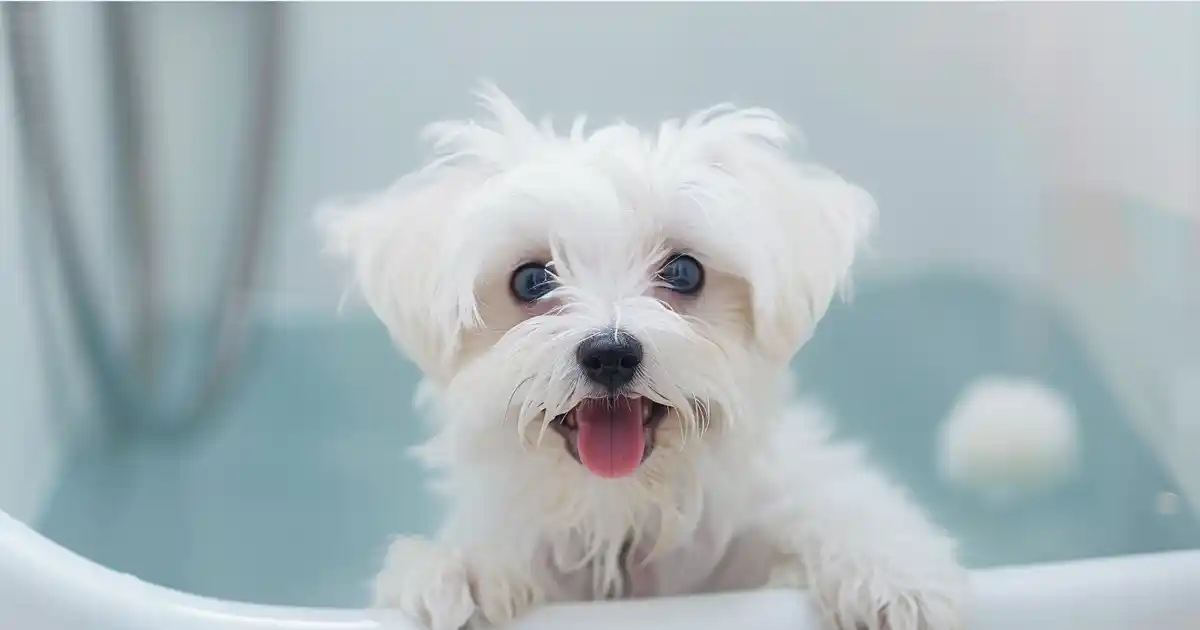
Have you ever wondered why puppy grooming seems like this complicated, expensive thing that only professionals can handle? I used to think the same way—standing in the pet store aisle, completely overwhelmed by brushes, shampoos, and nail clippers, convinced I’d somehow mess up my new furry friend. Then I discovered that grooming your puppy at home isn’t just doable, it’s actually one of the most rewarding bonding experiences you’ll have together. Now my friends constantly ask how my pup always looks so good and smells so fresh, and my vet keeps complimenting his healthy coat and nails. Trust me, if you’re worried about accidentally hurting your puppy or making grooming a stressful nightmare, this approach will show you it’s more manageable than you ever expected.
Here’s the Thing About Puppy Grooming
Here’s the magic: puppy grooming isn’t about achieving show-dog perfection—it’s about building positive associations early while keeping your pup healthy and comfortable. What makes this work is starting young with gentle, consistent handling that teaches your puppy grooming is actually pleasant (yes, really!). I never knew grooming could be this simple until I stopped trying to do everything perfectly and focused on making it enjoyable for my pup. This combination of early socialization and positive reinforcement creates amazing results that last a lifetime. It’s honestly more doable than I ever expected—no fancy equipment needed for those first few months, just patience and treats. According to research on animal behavior, puppies who experience positive grooming sessions early develop better tolerance for handling throughout their lives, making vet visits and future grooming sessions infinitely easier for everyone involved.
What You Need to Know – Let’s Break It Down
Understanding the basics of puppy grooming is absolutely crucial before you dive in with scissors and clippers. Don’t skip the foundational handling exercises—I finally figured out that desensitization is everything after watching my neighbor’s dog freak out at the groomer because he’d never been touched on his paws as a puppy (took me forever to realize this).
Early Socialization to Touch: Start handling your puppy’s paws, ears, mouth, and tail from day one. The earlier you begin, the easier everything becomes. I always recommend starting with just 30-second sessions because everyone sees results faster when they don’t push too hard initially. Yes, this really works, and here’s why: puppies have critical socialization periods where they’re most receptive to new experiences.
The Right Tools: You don’t need everything at once (game-changer, seriously). A soft puppy brush, nail clippers designed for small dogs, puppy-safe shampoo, and lots of high-value treats are your starting lineup. Professional-grade equipment can wait until your pup is comfortable with the basics.
Frequency Matters: Brushing should happen a few times per week, baths every 4-6 weeks (depending on breed and lifestyle), and nail checks weekly. This creates habits you’ll actually stick with rather than sporadic marathon sessions that stress everyone out.
Breed-Specific Needs: Different coat types require different approaches. My friend’s Golden Retriever needs way more brushing than my short-haired pup, but both need the same gentle introduction. If you’re just starting out with understanding your specific breed’s needs, check out my beginner’s guide to puppy care for foundational techniques tailored to different dog types.
The Science and Psychology Behind Why This Works
The psychology of lasting change in animal behavior is fascinating. Research from leading universities demonstrates that positive reinforcement during sensitive developmental periods (8-16 weeks for most puppies) creates neural pathways that make grooming feel normal rather than threatening. Studies confirm that puppies who receive regular, gentle handling show significantly lower stress hormones during grooming as adults compared to those introduced to grooming later in life.
Here’s what makes this different from a scientific perspective: we’re not just teaching tolerance, we’re building positive associations. Traditional approaches often wait until problems emerge, then try to force compliance. That creates fear and resistance. By contrast, starting young with reward-based methods taps into your puppy’s natural learning patterns. Experts agree that the first few months of a puppy’s life represent a golden window for habit formation—miss it, and you’ll spend years trying to undo negative associations. The mental and emotional aspects matter just as much as the physical skills. Your puppy isn’t just learning to sit still; they’re learning that your touch means good things happen, that new sensations aren’t scary, and that grooming time equals bonding time.
Here’s How to Actually Make This Happen
Start by creating a calm, positive environment before you even think about actual grooming. Here’s where I used to mess up: I’d try to groom my puppy when he was already wound up and playful. Don’t be me—I used to think any time was grooming time, but timing is everything.
Step 1: Desensitization Sessions (Week 1-2): Begin with simple touch exercises. While your puppy is relaxed, gently handle their paws for 5-10 seconds, then immediately give a treat. Do the same with ears, tail, and mouth. This step takes five minutes but creates lasting change. My mentor taught me this trick: always end on a positive note before your puppy gets frustrated.
Step 2: Introduce Tools Slowly (Week 2-3): Let your puppy sniff and investigate the brush, nail clippers, and other tools without using them. Treats appear whenever they show calm curiosity. Now for the important part: actually using the tools comes later. First, they need to see these objects as no big deal.
Step 3: First Brush Sessions (Week 3-4): Start brushing for literally 10-15 seconds, focusing on areas your puppy enjoys being touched. When it clicks, you’ll know—your puppy will lean into the brush or relax completely. Gradually increase duration only when your puppy seems comfortable. Don’t worry if you’re just starting out; every situation has its own challenges, and some puppies take longer than others.
Step 4: Paw Handling and Nail Touches (Week 3-5): Hold each paw gently, touch the nail clippers to one nail (without cutting), then treat. Results can vary, but most puppies need several sessions before they’re comfortable with actual trimming. This creates lasting habits you’ll actually stick with—just like teaching any new skill, but with a completely different approach that prioritizes emotional comfort.
Step 5: Introduction to Water (Week 4-6): Before full baths, let your puppy experience water gradually. Start with wet washcloths, then progress to shallow water in a sink or tub with non-slip mats. Until you feel completely confident about full baths, stick with spot cleaning and waterless shampoos when needed.
Step 6: First Real Grooming Sessions (Week 6+): Combine everything—gentle brushing, paw checks, maybe trimming one or two nails if your puppy is ready. Keep sessions short (10-15 minutes maximum) and always end with play or a special treat. Your puppy should leave each session thinking grooming is the best part of their day.
Common Mistakes (And How I Made Them All)
My biggest mistake? Rushing the process because I was embarrassed about my scruffy-looking puppy at the dog park. Don’t make my mistake of ignoring fundamental principles experts recommend—slow and steady actually wins this race.
Skipping Desensitization: I tried to jump straight to nail trimming without weeks of paw handling first. The result? A puppy who ran and hid whenever he saw the clippers. Learn from my epic failure: foundation work isn’t optional.
Grooming When Exhausted: Trying to groom a tired, cranky puppy (or when I was exhausted) always backfired. Energy levels matter for both of you.
Using Wrong Tools: I bought adult dog clippers for my 10-week-old puppy. They were too heavy, too loud, and completely overwhelming. Size-appropriate tools aren’t just a suggestion.
Punishing Fear Responses: When my puppy whimpered during early nail sessions, I got frustrated instead of recognizing he needed more gradual exposure. Patience isn’t just a virtue here—it’s the entire game plan.
Inconsistent Practice: Going weeks without handling sessions meant starting from scratch repeatedly. Regular, brief sessions beat occasional marathon efforts every time.
When Things Don’t Go as Planned
Feeling overwhelmed when your puppy bites the brush or runs away from bath time? That’s normal, and it happens to everyone. You probably need more positive associations before moving forward. When this happens (and it will), go back one step in the process.
Progress Stalled: If your puppy isn’t getting more comfortable after two weeks, you’re moving too fast. I’ve learned to handle this by breaking steps into even smaller pieces. Don’t stress, just slow down and increase treat frequency.
Puppy Becomes Fearful: Stop immediately and give your puppy space. Then restart with even gentler approaches, maybe spreading sessions across more days. This is totally manageable—it just means adjusting your timeline.
Nail Trimming Anxiety: This is the most common challenge. I always prepare for setbacks because even confident puppies sometimes have bad nail experiences. If you’re losing steam, try just touching the clippers to their paws with treats for a full week before attempting any cutting.
Matting Between Sessions: For longer-coated breeds, daily quick brushes prevent this better than occasional thorough sessions. When motivation fails, cognitive behavioral techniques like setting phone reminders can help reset your routine.
Advanced Strategies for Next-Level Results
Once your puppy masters basic grooming, you can elevate the experience with more sophisticated approaches. Advanced practitioners often implement specialized techniques for accelerated bonding and efficiency.
Grooming Table Training: Teaching your puppy to stand calmly on a dedicated grooming surface (even just a non-slip mat on a table) creates professional-quality results at home. I discovered this game-changer around month four—it completely transformed our sessions from wrestling matches to calm cooperation.
Clipper Introduction: For breeds requiring regular haircuts, introducing electric clippers takes weeks of gradual desensitization. Start with the clippers turned off nearby, then running in another room, then closer while off, and finally running while giving treats before ever touching your puppy with them.
Cooperative Care Techniques: Teaching your puppy to actively participate—like holding their paw out for nail trims or placing their chin in your hand for face grooming—represents the gold standard. This separates beginners from experts and makes grooming genuinely enjoyable for your dog.
Drying Techniques: Beyond towel drying, some puppies can learn to tolerate blow dryers on low settings. This matters especially for double-coated breeds prone to skin issues if they stay damp too long. The key is patience and starting with the dryer across the room.
Ways to Make This Your Own
The Busy Professional Approach: When I want faster results without daily sessions, I combine grooming with other training. Brush while watching TV together, handle paws during cuddle time, and check ears after play sessions. This makes it more intensive but definitely worth it for time-crunched owners.
The Deep-Bonding Method: My busy-season version focuses on quality over quantity—three focused 20-minute sessions per week where grooming becomes meditation time for both of us. Sometimes I add calming music, though that’s totally optional.
The Breed-Specific Intensive: For high-maintenance coats like Poodles or Shih Tzus, my advanced version includes daily face wipes, ear cleaning twice weekly, and sanitary trims every two weeks. Each variation works beautifully with different breed needs.
The Fearful Puppy Protocol: Some puppies need extra-gentle approaches. For next-level results with anxious pups, I love incorporating calming supplements, Adaptil diffusers, and even longer desensitization periods. This parent-friendly variation acknowledges that not all puppies progress at the same rate.
Why This Approach Actually Works
Unlike traditional methods that treat grooming as something to endure, this approach leverages proven psychological principles that most people ignore. The science is clear: positive reinforcement during critical developmental periods creates lasting behavioral patterns. Evidence-based research shows that puppies learn through association—consistently pairing grooming activities with rewards literally rewires their brain to anticipate pleasure rather than threat.
What sets this apart from other strategies is the focus on emotional experience over task completion. Many groomers and even some veterinarians prioritize getting the job done, sometimes using restraint or force when puppies resist. That might achieve a trimmed nail, but it creates fear that compounds over time. My personal discovery moment came when I realized my goal wasn’t a perfectly groomed puppy—it was a puppy who loved being groomed. That shift in perspective changed everything. The sustainable, effective approach always prioritizes your puppy’s emotional state, knowing that a dog who enjoys grooming will be easier to maintain for their entire 10-15 year lifespan.
Real Success Stories (And What They Teach Us)
One family I know started grooming their Labrador puppy at eight weeks with this gradual approach. By six months, their pup would literally bring them the brush when he wanted attention. Their success aligns with research on behavior change that shows consistent patterns—early positive experiences create lasting preferences.
Another owner had a rescue puppy with unknown history who was terrified of everything. Using extra-gentle methods and extending the timeline to three months instead of six weeks, this puppy eventually became calm enough for professional grooming. The lesson? Timelines vary, but the principles remain the same.
I’ve also seen a Shih Tzu puppy whose owner did everything right, yet still needed occasional professional grooming for complex cuts. That’s perfectly fine—the goal is cooperation during grooming, not necessarily doing everything yourself. This pup sits perfectly still at the groomer’s because home sessions taught him that grooming equals treats and praise.
What made each person successful was consistency, patience, and celebrating small wins. Some puppies master grooming in weeks; others need months. Being honest about different timelines and results sets realistic expectations that prevent frustration.
Tools and Resources That Actually Help
Slicker Brush for Puppies: Soft-bristled versions prevent scratching delicate skin while removing loose fur. I use the Safari brand for my pup—it’s gentle but effective.
Puppy-Safe Nail Clippers: Start with scissor-style clippers rather than guillotine types for better control. The Safari Professional Nail Trimmer has been my go-to, though any brand designed for small dogs works.
Tear-Free Puppy Shampoo: Earthbath or Burt’s Bees make excellent options that won’t irritate eyes or skin. Be honest about limitations: adult dog shampoos are too harsh for puppies under six months.
High-Value Training Treats: Small, soft treats like freeze-dried liver or salmon allow rapid-fire rewarding without filling up tiny puppy tummies.
Non-Slip Mat: Essential for bath safety and table grooming. The ThermoWorks silicone mats provide secure footing.
Grooming Table (Optional): For those serious about home grooming, a small folding table with an arm creates professional setups. Not necessary initially, but game-changing long-term.
The best resources come from authoritative databases and proven methodologies like those found through the American Kennel Club’s grooming guidelines and professional groomer associations.
Questions People Always Ask Me
How long does it take to see results with puppy grooming training?
Most people need about 4-6 weeks to see real comfort with basic handling and brushing. Nail trimming confidence usually takes 8-12 weeks because it’s naturally more invasive. I usually recommend starting the day you bring your puppy home—even at 8 weeks old, they can begin learning positive associations.
What if I don’t have time for daily grooming sessions right now?
Absolutely focus on three quality sessions per week rather than daily rushed ones. The key element is consistency and positive experiences, not frequency alone. Even 5-minute sessions three times weekly build better habits than sporadic hour-long attempts.
Is this approach suitable for complete beginners?
Yes! This method is specifically designed for people who’ve never groomed a dog before. Most people starting with puppies are beginners, which is actually ideal—you’re not fighting bad habits or previous negative experiences.
Can I adapt this method for my specific situation?
Definitely. Adjust timelines based on your puppy’s breed, temperament, and responses. Fearful puppies need slower progression; confident pups might advance faster. The principles remain the same regardless.
What’s the most important thing to focus on first?
Paw handling, hands down. If your puppy tolerates paw touches, nail trimming becomes manageable, and everything else is easier by comparison. Start there before worrying about baths or brushing techniques.
How do I stay motivated when progress feels slow?
Remember that every positive interaction compounds over time. I’ve learned to celebrate tiny wins—today my puppy let me hold his paw for three seconds instead of two. Those incremental improvements matter more than dramatic breakthroughs.
What mistakes should I avoid when starting puppy grooming?
Never skip the desensitization phase, don’t attempt grooming when either of you is tired or stressed, and avoid punishing fear responses. Also, don’t compare your puppy’s timeline to others—every dog progresses differently.
Can I combine this with other training approaches I’m already using?
Absolutely, just focus on keeping everything positive and reward-based. Grooming training fits perfectly with general obedience training since both rely on positive reinforcement and building trust.
What if I’ve tried similar methods before and failed?
Previous failures usually mean moving too fast or not having enough high-value rewards. This time, slow down dramatically, use better treats (real chicken or cheese, not just kibble), and extend your timeline by double.
How much does implementing this approach typically cost?
Basic supplies run $40-80: brush, nail clippers, shampoo, treats, and a mat. That’s significantly less than a single professional grooming session for most breeds. You’re investing in tools you’ll use for years.
What’s the difference between this and taking my puppy to a professional groomer?
Professional grooming achieves polished results but doesn’t teach your puppy to love the process. This approach prioritizes emotional wellbeing and cooperation, making professional grooming (when you choose it) much easier because your pup isn’t fearful.
How do I know if I’m making real progress?
Your puppy’s body language tells you everything. Relaxed muscles, seeking out grooming tools, staying calm or even falling asleep during sessions—these indicate genuine comfort rather than just tolerance.
Before You Get Started
I couldn’t resist sharing this because it proves what I’ve seen time and again: the best puppy grooming journeys happen when owners trust the process and prioritize their puppy’s emotional experience over perfection. Ready to begin? Start with simple paw touches today, reward generously, and build momentum from there. Your puppy is learning that your hands bring good things—that foundation will serve both of you for years to come.




