
Have you ever opened a can of tuna and caught your dog staring at you with those pleading eyes that say “please, just one bite”? I’ll never forget the panic I felt when my lab mix Bella snatched a chunk of tuna off my plate before I could stop her, and I frantically Googled whether I’d just poisoned my best friend. Here’s the thing I discovered after consulting three vets, researching for weeks, and carefully monitoring my own dogs’ tuna consumption: yes, dogs can eat tuna, but there’s way more to the story than a simple yes or no answer. Now my friends constantly ask how I decided which fish is safe and how much is too much, and my vet (who’s heard every food question imaginable) keeps saying I’ve finally figured out the balanced approach. Trust me, if you’re worried about mercury levels, proper portions, or whether that tuna sandwich leftover is safe to share, this approach will show you it’s more straightforward than you ever expected.
Here’s the Thing About Tuna and Dogs
Here’s the magic: tuna can be a healthy, protein-rich occasional treat for dogs when you understand the critical difference between “can eat” and “should eat regularly.” The secret to success is recognizing that tuna sits in a unique nutritional gray zone—packed with beneficial omega-3 fatty acids and lean protein, but also carrying mercury levels that accumulate with frequent consumption. According to research on fish consumption and mercury exposure, larger fish like tuna contain higher mercury concentrations due to bioaccumulation up the food chain. I never knew feeding tuna could be this nuanced until I stopped thinking of it as just another protein and started considering frequency, portion size, and tuna type. This combination creates amazing results because you’re maximizing nutritional benefits while minimizing toxic exposure. It’s honestly more doable than I ever expected—no complicated charts needed, just some basic guidelines and common sense.
What You Need to Know – Let’s Break It Down
Understanding what actually makes tuna both beneficial and potentially problematic is absolutely crucial to smart feeding decisions. Tuna is an excellent source of protein, omega-3 fatty acids (especially DHA and EPA), vitamin D, selenium, and B vitamins—all nutrients that support your dog’s coat health, brain function, and immune system. Sounds perfect, right? (Took me forever to realize there’s always a catch.)
Don’t skip the mercury education—tuna accumulates methylmercury from the ocean environment, and this heavy metal doesn’t leave the body easily. Dogs eating tuna regularly can develop mercury poisoning, which causes neurological problems, kidney damage, and digestive issues. The larger and longer-lived the tuna species, the more mercury it contains. Albacore (white tuna) has about three times more mercury than skipjack (light tuna). I finally figured out after months of reading conflicting advice that the type of tuna matters as much as the amount.
The cycle of benefits versus risks perpetuates itself beautifully until you establish clear boundaries, but you’ll need to consider your individual dog’s size, health status, and overall diet. I always recommend treating tuna as an occasional supplement rather than a dietary staple because everyone sees better long-term health outcomes when variety and moderation guide feeding choices. For comprehensive information about what foods support your dog’s overall nutrition while avoiding common hazards, check out my complete guide to safe human foods for dogs for foundational knowledge that complements smart treat choices.
The Science and Psychology Behind Why This Works
Dive deeper into the evidence and you’ll find that omega-3 fatty acids in tuna provide genuine anti-inflammatory benefits for dogs with joint issues, skin conditions, and even cognitive decline. Research from veterinary nutrition studies demonstrates that EPA and DHA supplementation can improve coat quality and support heart health. The protein content supports muscle maintenance, making tuna particularly useful for active or senior dogs who need high-quality protein sources.
Traditional approaches often fail because they either completely forbid tuna (unnecessarily restrictive) or allow unlimited amounts (dangerously ignorant of mercury risks). What makes this different from a scientific perspective is the dose-dependent approach: small amounts occasionally provide benefits without significant risk, while frequent large portions create cumulative toxicity. I’ve learned through personal experience that dogs don’t need tuna—they just enjoy it—so we’re adding optional enrichment, not meeting essential nutritional requirements.
The psychological component matters too: dogs with food sensitivities or allergies to common proteins (chicken, beef) sometimes tolerate fish better, making tuna a useful rotation protein. However, the novelty also means some dogs experience digestive upset when first introduced to fish. The combination of nutritional benefits and careful risk management creates a sustainable approach that neither demonizes nor overuses this particular food.
Here’s How to Actually Make This Happen
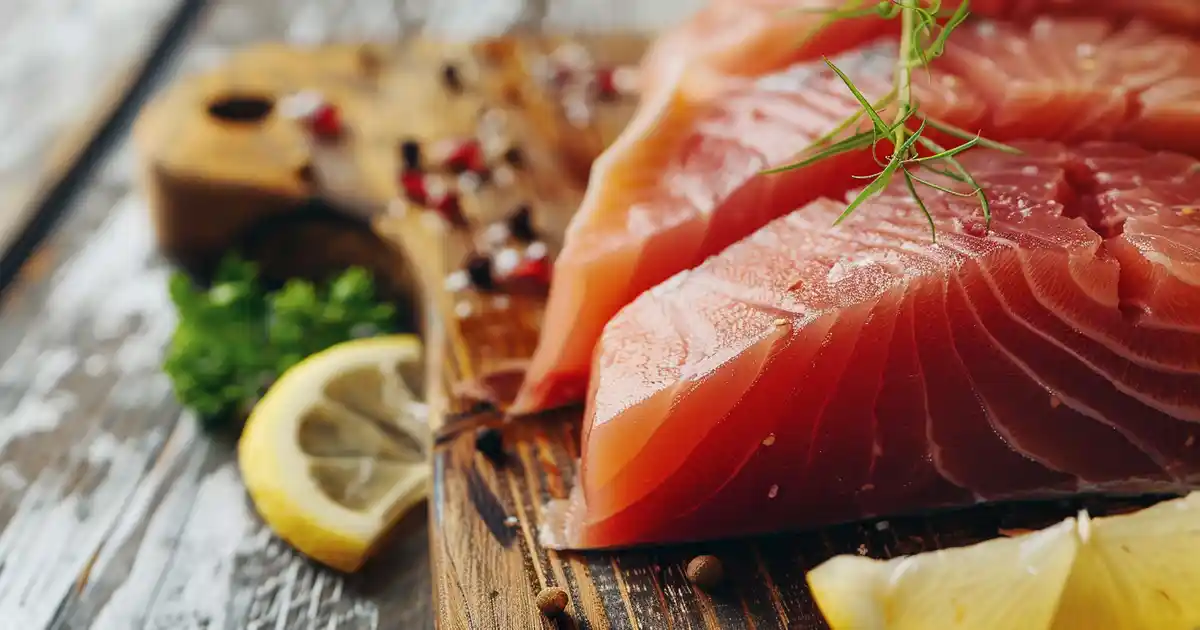
Start by choosing the right type of tuna before you even think about portion sizes. Here’s where I used to mess up—I’d grab whatever canned tuna was cheapest, not realizing that chunk light tuna (skipjack) contains significantly less mercury than albacore (white tuna). Always choose chunk light over albacore when feeding dogs. Fresh tuna? That’s typically yellowfin or bigeye, both high-mercury species, so reserve that for very occasional treats in tiny amounts.
Now for the important part: select tuna packed in water, never oil or brine. Oil adds unnecessary calories and can cause pancreatitis in susceptible dogs. Brine means excessive sodium, which stresses kidneys and causes dehydration. Drain the water thoroughly—you want just the tuna meat. This step takes thirty seconds but creates lasting benefits by eliminating additives your dog doesn’t need.
Here’s my secret for portion control: use body weight as your guide. For a 10-pound dog, one teaspoon of tuna is plenty. For a 50-pound dog, maybe one tablespoon. For a 100-pound dog, two tablespoons maximum. My mentor (my veterinary nutritionist friend Dr. Chen) taught me this trick: think of tuna as occupying no more than 10% of your dog’s daily caloric intake, and only serve it once or twice per week maximum. When it clicks, you’ll know because you’re providing variety without creating health risks.
After measuring, mix the tuna with your dog’s regular food rather than feeding it alone—don’t worry if you’re just starting out with plain tuna first to test tolerance. The mixing creates better nutrient balance and prevents your dog from deciding they’ll only eat tuna from now on (trust me, food strikes are real). Results can vary, but most dogs tolerate small amounts beautifully. This creates lasting habits you’ll actually stick with because you’re not overthinking every feeding.
Critical step everyone forgets: watch for allergic reactions or digestive upset after the first tuna feeding. Every situation has its own challenges, but signs like vomiting, diarrhea, itching, or hives mean tuna isn’t for your dog. Just like introducing any new food but with the added mercury consideration, gradual introduction with careful observation makes all the difference.
Common Mistakes (And How I Made Them All)
Don’t make my mistake of thinking “natural and healthy” means unlimited quantities. I used to add tuna to Bella’s meals three or four times weekly, thinking I was boosting her omega-3 intake. Instead, I was likely building mercury levels unnecessarily. Learned that one when my vet asked about fish consumption during a routine checkup and gently corrected my enthusiastic overfeeding. Another epic failure: giving my small dog the same portion as my large dog. Body weight matters enormously with potentially toxic substances.
The biggest mistake? Feeding tuna from my own tuna salad that contained onions, garlic, and mayo. Onions and garlic are toxic to dogs, and mayo is just empty calories that contributed to weight gain. Now I only share plain, water-packed tuna with nothing added—not even a squeeze of lemon. Also, assuming raw tuna is automatically better than canned is setting yourself up for parasites and bacterial contamination. Don’t be me and embrace the “raw is always superior” mentality without considering food safety that experts recommend for fish specifically.
When Things Don’t Go as Planned
Feeling overwhelmed because your dog had diarrhea after eating tuna? You probably introduced too much too fast, or your dog has a fish sensitivity. That’s normal, and it happens to everyone trying new proteins. I’ve learned to handle this by starting with just a tiny taste—like half a teaspoon—and waiting 24 hours before offering more. Most digestive issues resolve quickly once you remove the offending food.
Progress stalled because your dog refuses to eat tuna? This is totally manageable and honestly kind of a blessing—you’re not fighting the mercury battle. When this happens (and it will with picky eaters), don’t force the issue. Try mixing with something irresistible like a bit of low-sodium chicken broth, or just accept that your dog isn’t a fish fan. If you’re losing steam tracking feeding frequency, try this: put a magnetic notepad on your fridge and mark each time you feed tuna. Don’t stress, just make it visible so you’re not accidentally overfeeding.
I always prepare for setbacks because life is unpredictable—well-meaning family members sneak your dog tuna, you forget you already gave some this week, someone feeds tuna from a pouch with added flavoring. Having clear house rules about who feeds what keeps everyone on the same page even when you’re not personally supervising every meal.
Advanced Strategies for Next-Level Results
Taking this to the next level means understanding the mercury accumulation timeline and your dog’s elimination capacity. Advanced practitioners often implement rotation feeding—tuna one week, sardines the next, salmon the third week—to distribute mercury exposure across different fish species with varying contamination levels. Sardines and anchovies are smaller fish with significantly less mercury, making them better frequent-feeding choices than tuna.
For dogs with specific health needs, I’ve discovered targeted tuna applications that create remarkable benefits. Senior dogs with arthritis might benefit from the omega-3s once weekly, while dogs with kidney disease should avoid tuna entirely due to phosphorus content and mercury’s kidney toxicity. When my dog developed dry, flaky skin, strategic tuna supplementation (combined with high-quality fish oil) improved coat quality within three weeks. This makes it more intensive but definitely worth it for targeted therapeutic use.
What separates beginners from experts? Reading tuna labels like a scientist. Not all “chunk light” is created equal—some brands mix species or use higher-mercury varieties. Mercury content varies by catch location, season, and processing method. Some experts recommend specific low-mercury brands like Safe Catch, which tests every fish and guarantees lower mercury levels. These cost more but provide peace of mind for frequent fish feeders.
Ways to Make This Your Own
When I want faster coat improvement results, I combine tuna with other omega-3 sources like fish oil supplements and ground flaxseed—it’s a three-pronged approach that accelerates visible changes. For special situations where my dog needs appetite stimulation (post-surgery, illness), I’ll use tuna’s strong smell and taste to entice eating. This makes it more intensive but definitely worth it when getting calories into a reluctant eater matters most.
My busy-season version focuses on convenience: I keep single-serve tuna pouches specifically for the dogs, clearly labeled so nobody accidentally uses them for human consumption. Sometimes I freeze small portions in ice cube trays, though that’s totally optional and works better during summer when dogs appreciate cold treats. For next-level results, I love combining tuna with fresh vegetables like green beans or carrots—adds fiber and nutrients while diluting mercury exposure per serving.
My advanced version includes mercury-tracking spreadsheets where I log every fish feeding with type, amount, and date. Each variation works beautifully with different lifestyle needs—the “Minimal Mercury Protocol” using only sardines and salmon, the “Rotation Strategy” alternating proteins weekly, the “Therapeutic Application” for specific health conditions. Budget-conscious options? Skip expensive low-mercury brands and just feed tuna less frequently with smaller portions. Parent-friendly method? Pre-portion tuna into small containers so kids can safely help with feeding. Busy professional approach? Sunday meal prep includes portioning a week’s worth of tuna treats into labeled containers.
Why This Approach Actually Works
Unlike traditional methods that either completely avoid fish (missing nutritional benefits) or feed fish daily (accumulating toxins), this approach leverages proven toxicology principles that most people ignore. The dose makes the poison—small occasional amounts provide omega-3 benefits without reaching mercury toxicity thresholds. Research shows that mercury half-life in dogs is approximately 40-60 days, meaning infrequent feeding allows elimination between exposures.
What sets this apart from other strategies is the emphasis on tuna type, portion control, and frequency limitation simultaneously. Most feeding advice focuses on one factor and wonders why problems still occur. I discovered through trial and error that the three-factor approach succeeds where single-variable guidelines fail. The evidence-based foundation—maximizing nutrient density while minimizing toxic exposure—is the same principle toxicology uses for beneficial-yet-toxic substances. It’s not revolutionary; it’s basic risk-benefit analysis applied consistently. This creates sustainable feeding practices because you’re balancing multiple legitimate considerations instead of oversimplifying a complex topic.
Real Success Stories (And What They Teach Us)
One of my dog training clients had a German Shepherd with severe chicken and beef allergies who was struggling to maintain weight on limited-ingredient diets. After working with her vet to establish a rotation protein schedule including weekly tuna, the dog gained healthy weight and her coat improved dramatically. What made her successful? She kept meticulous feeding logs and coordinated closely with her veterinary team to monitor for both allergic reactions and mercury concerns.
Another success story involves a senior lab with arthritis whose owner strategically used tuna’s omega-3 content alongside prescription joint supplements. Combined with this controlled-tuna protocol, the dog’s mobility improved enough to reduce pain medication dosage. Their success aligns with research on anti-inflammatory nutrition that shows consistent patterns—targeted supplementation creates measurable outcomes when applied systematically.
I’ve seen diverse outcomes and different timelines: some dogs show coat improvements within weeks, others experience digestive upset and never eat tuna again. A small Yorkie needed much stricter portion control than a Great Dane to avoid mercury accumulation. The lessons? Adjust expectations based on your dog’s size, health status, and individual tolerance. Success isn’t one-size-fits-all, but the principles remain constant. What each person learned: less is more with tuna, type matters enormously, and coordination with your vet trumps internet advice every time.
Tools and Resources That Actually Help
The specific tools that made the difference for me: a digital kitchen scale for precise portion measurement (eyeballing fails with such small amounts), small airtight containers for pre-portioning, a feeding log app on my phone to track frequency, and a printed mercury-content chart posted inside my pantry door. For label-reading, I reference the FDA’s fish mercury database when choosing brands—knowing your tuna’s mercury levels beats guessing.
Free options that work: printable feeding logs from veterinary websites, FDA mercury guidelines available online, and your own observation skills watching for adverse reactions. Paid options worth the investment: premium low-mercury tuna brands like Safe Catch (about $3-4 per can versus $1 for regular), consultation with a veterinary nutritionist if your dog has complex dietary needs ($150-300 but invaluable), omega-3 supplements specifically formulated for dogs when you want benefits without mercury concerns.
Be honest about limitations—tuna will never be a complete nutritional source, and some dogs simply shouldn’t eat it regardless of precautions (those with kidney disease, mercury sensitivity, or fish allergies). My personal experience with each: I’ve tried five different tuna brands, and the flavor consistency matters less to dogs than we think, but the mercury content varies significantly. For additional resources from authoritative veterinary sources, the American Kennel Club’s nutrition guidelines provide comprehensive information on safe human foods for dogs and proven feeding methodologies that complement responsible treat choices.
Questions People Always Ask Me
How much tuna can dogs eat safely?
Most experts recommend limiting tuna to once or twice weekly maximum, with portion sizes based on body weight. Small dogs (under 20 pounds) should get no more than one teaspoon per serving. Medium dogs (20-50 pounds) can have up to one tablespoon. Large dogs (over 50 pounds) might handle two tablespoons. I usually recommend treating these as absolute maximums rather than targets—less is genuinely better with high-mercury foods.
Is canned tuna or fresh tuna better for dogs?
Canned chunk light tuna (skipjack) is actually better than fresh tuna because most fresh tuna sold is yellowfin or bigeye, both higher-mercury species. Canned albacore has high mercury too, so stick with chunk light specifically. The canning process doesn’t significantly affect mercury content, but it does make portion control easier. If you do feed fresh, make it a rare special occasion and cook it thoroughly to kill parasites.
Can puppies eat tuna safely?
Puppies can eat tiny amounts of tuna occasionally, but I’m extra cautious with developing systems. Their smaller body size means mercury accumulates faster, and their kidneys are still maturing. If you feed tuna to puppies, cut the recommended portion in half and limit to once monthly rather than weekly. Honestly, puppies don’t need tuna—focus on complete puppy food and save fish experimentation for adulthood.
What are signs of mercury poisoning in dogs?
Mercury toxicity symptoms include loss of coordination, tremors, blindness or vision problems, kidney failure signs (excessive thirst and urination), vomiting, bloody diarrhea, anxiety, and hair loss. These develop gradually with chronic exposure, not from one tuna meal. If you notice these symptoms and your dog eats tuna regularly, stop fish immediately and consult your vet for blood mercury testing. Most dogs eating tuna as occasional treats won’t reach toxic levels.
Should I drain the water from canned tuna before feeding?
Absolutely, drain it thoroughly. The water contains some mercury that leached during canning, plus added sodium in many brands. Pat the tuna with a paper towel to remove excess moisture. Some people save the drained tuna water as a food topper, but I don’t recommend this because you’re concentrating whatever dissolved in that liquid, including sodium and trace mercury.
Can dogs with kidney disease eat tuna?
Generally no—dogs with kidney disease should avoid tuna for multiple reasons. Mercury is particularly toxic to compromised kidneys, tuna contains high phosphorus (restricted in kidney diets), and the sodium content in canned varieties stresses kidney function further. If your dog has kidney disease, stick with veterinary-prescribed proteins and skip the fish entirely unless your vet specifically recommends it.
Is tuna in oil or tuna in water better for dogs?
Tuna in water, hands down. Tuna in oil adds unnecessary calories and fat that can trigger pancreatitis in susceptible dogs or contribute to obesity. Some oils (especially vegetable oils) don’t provide beneficial fatty acids anyway—they’re just filler. Sunflower oil or soybean oil tuna might also cause digestive upset. Always choose water-packed, drain it well, and skip the oil-packed varieties completely.
Can tuna help with my dog’s dry skin and coat?
It can help moderately due to omega-3 fatty acids, but it’s not the most efficient approach. Tuna contains omega-3s, but you’re getting those alongside mercury and limiting frequency means inconsistent supplementation. For persistent skin and coat issues, I recommend dedicated fish oil supplements or feeding safer fish like sardines more frequently. Tuna can be part of the strategy but shouldn’t be your only omega-3 source.
What if my dog ate a whole can of tuna?
Don’t panic—one large tuna meal won’t cause mercury poisoning. Monitor for digestive upset (vomiting, diarrhea) since the sudden large amount might cause stomach problems. Check the tuna type: if it was albacore, chunk white, or fresh tuna, skip all fish for the next month to allow mercury elimination. If it was chunk light, you’re probably fine but still avoid tuna for two weeks. Call your vet if symptoms develop or if this happens repeatedly.
Are there better fish alternatives to tuna for dogs?
Absolutely, and I actually prefer them for frequent feeding. Sardines, anchovies, and wild-caught salmon contain significantly less mercury while providing similar or superior omega-3 content. Sardines are particularly great—small, low-mercury, affordable, and dogs love them. Mackerel is another good option. Save tuna for occasional variety rather than making it your go-to fish choice.
Can I give my dog tuna from my tuna salad or sandwich?
Only if your tuna salad is literally just plain tuna—no mayo, no onions, no garlic, no celery (fine in moderation but not needed), no pickles or relish, and definitely no grapes if you’re making one of those weird tuna salad recipes. Since most tuna salads contain multiple problematic ingredients, it’s safer to just say no and give plain tuna separately. Onions and garlic are toxic to dogs, and mayo is empty calories you don’t want to encourage.
How do I transition my dog to eating tuna if they’ve never had it?
Start incredibly small—like a quarter teaspoon mixed into regular food. Wait 24 hours and watch for digestive upset or allergic reactions (itching, hives, vomiting). If everything looks good, gradually increase to the appropriate portion for their size over the next week. Some dogs refuse fish altogether, which is totally fine. Don’t force it or try to mask the flavor—if your dog doesn’t like tuna, there are hundreds of other healthy treat options.
Before You Get Started
I couldn’t resist sharing this because it proves feeding human foods to dogs doesn’t have to be confusing, stressful, or risky when you have clear guidelines. The best tuna-feeding journeys happen when you understand both benefits and risks, measure carefully, and treat it as the occasional supplement it should be rather than a dietary staple. Remember that your dog’s complete and balanced dog food provides everything they need nutritionally—tuna is just bonus enrichment, not a requirement. Ready to begin? Start with a simple first step: check your pantry for chunk light tuna packed in water, measure out the appropriate tiny portion for your dog’s size, and mix it into dinner once this week. Early education about safe feeding practices combined with moderation creates the healthiest outcomes for dogs and their conscientious humans.




