
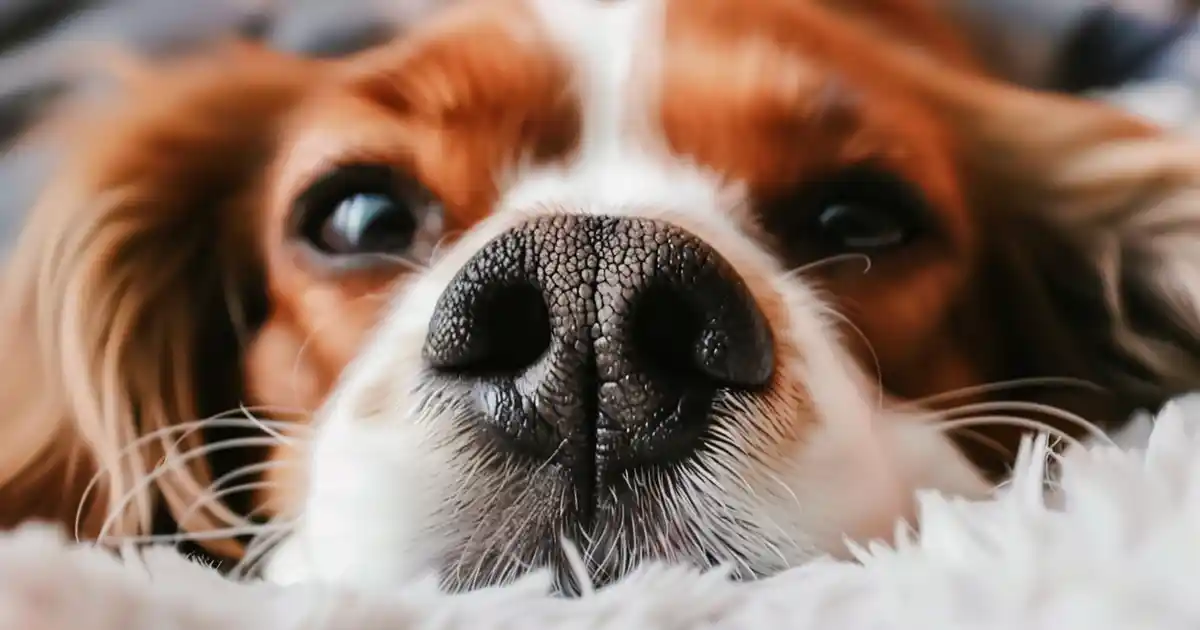
Have you ever wondered why your dog’s nose goes from cold and wet to warm and dry, leaving you panicking about whether something’s seriously wrong? I used to think a dry nose automatically meant my dog was sick until I discovered that nose moisture fluctuates naturally throughout the day for completely normal reasons. Now when friends frantically text me photos of their dog’s dry nose at 10 PM, I share these seven eye-opening insights that completely changed how I assess my pup’s health. Trust me, if you’re worried that every slightly dry nose means a vet emergency, this guide will show you exactly when to relax and when to actually be concerned.
Here’s the Thing About Dog Noses
Here’s the fascinating truth: a dog’s nose changes moisture levels constantly based on activity, environment, and even sleep patterns, and most of the time it’s completely normal. What makes this confusing is that we’ve been told for generations that “a wet nose means healthy, dry nose means sick,” but that’s an oversimplification that causes unnecessary panic. I never knew canine nose physiology could be this dynamic until my vet explained that dogs don’t have sweat glands on their noses—the moisture actually comes from mucus secretions and frequent licking.
According to research on thermoregulation in dogs, a dog’s nose helps regulate body temperature and enhance scent detection, with moisture levels varying based on environmental conditions and activity. It’s honestly more nuanced than I ever expected—no single nose condition tells the whole health story. The key is recognizing patterns and looking at the whole picture: energy levels, appetite, behavior, and other physical signs matter far more than nose moisture alone.
What You Need to Know – Let’s Break It Down
Understanding the seven main causes of dry dog noses is absolutely crucial before you start Googling scary diseases. Don’t skip this foundation because context determines whether a dry nose is totally normal or needs attention (took me forever to realize how many benign factors affect nose moisture).
Your dog was just sleeping is probably the most common reason. I finally figured out that when dogs sleep, they stop licking their noses, so they naturally dry out. Within minutes of waking up, most dogs lick their nose and boom—wet again. This is completely normal and happens to every dog multiple times daily (game-changer, seriously).
Weather and environmental conditions dramatically impact nose moisture. Low humidity, winter heating, air conditioning, or hot weather all cause faster evaporation. Yes, your dog’s nose might be perfectly healthy but just adapting to environmental factors, and here’s why this matters: you might notice seasonal patterns that are completely benign.
Age-related changes mean senior dogs often have drier noses than puppies. The mucus-producing glands can become less active with age, just like everything else. If you’re just starting to understand normal aging changes in dogs, check out my beginner’s guide to senior dog care for foundational knowledge that works alongside nose health monitoring.
Dehydration is a legitimate concern—if your dog isn’t drinking enough water, their nose (and other mucous membranes) will dry out. I always recommend checking gum moisture and skin elasticity alongside nose dryness because dehydration affects multiple body systems simultaneously.
Sun exposure can cause temporary or chronic nose dryness, especially in dogs who sunbathe or have light-colored noses. Sunburn on dog noses is real and can lead to cracking and discomfort.
Allergies and irritants from pollen, cleaning products, plastic bowls, or environmental factors can cause inflammation that affects nose moisture. The nose might appear dry, crusty, or even discolored when allergies are involved.
Medical conditions like autoimmune diseases, skin disorders, or systemic illnesses can cause persistent dry, cracked, or discolored noses. This is where distinguishing normal from abnormal becomes critical.
The Science and Psychology Behind Why This Works
A dog’s nose is covered in a specialized tissue called the rhinarium, which contains mucus-secreting glands that keep the surface moist to trap scent particles. Research from leading veterinary dermatology experts demonstrates that this moisture enhances a dog’s incredible sense of smell by helping dissolve scent molecules. Dogs also frequently lick their noses, which adds another layer of moisture while allowing them to “taste” scents they’ve collected.
The moisture level fluctuates based on activity, temperature, humidity, and how recently they’ve licked their nose. Studies confirm that environmental factors cause significant variation—the same dog can have a wet nose in the morning and a dry nose by afternoon without any health change whatsoever.
Experts agree that nose moisture alone is an unreliable health indicator, which is why modern veterinary medicine focuses on comprehensive assessments. What makes this different from the old “wet nose = healthy” myth is understanding that nose condition is just one small data point. The psychological aspect for pet parents is learning to trust multiple indicators rather than fixating on a single variable, reducing anxiety about normal physiological variation.
Here’s How to Actually Make This Happen
Start by observing your dog’s nose patterns over several days—I know it sounds obsessive, but trust me on this. Here’s where I used to mess up: I’d panic about a dry nose in the moment without considering context. Note when their nose is wet versus dry, what they were doing beforehand, the time of day, and environmental conditions. This step takes just a few minutes daily but creates valuable baseline data because you’ll recognize your dog’s normal patterns.
Now for the important part: assess the whole picture, not just the nose. Check your dog’s energy level, appetite, water intake, and behavior. Don’t be me—I used to laser-focus on the nose while ignoring that my completely healthy dog was playing fetch enthusiastically. If your dog is acting normally, eating well, drinking water, and showing no other symptoms, a dry nose alone rarely indicates illness.
Evaluate the nose quality beyond just wetness. My mentor (my veterinarian after I brought my perfectly healthy dog in for a “dry nose emergency”) taught me this trick: look for cracks, sores, discoloration, bleeding, or discharge. Every situation has its own challenges, but a simply dry but otherwise normal-looking nose is vastly different from a cracked, bleeding, or crusty nose.
For environmental dryness, increase humidity in your home during winter or use a pet-safe nose balm. Until you feel completely confident distinguishing normal from abnormal, err on the side of monitoring for 24-48 hours before panicking. When it clicks, you’ll know because you’ll stop obsessing over momentary dryness and instead watch for actual concerning patterns.
Ensure proper hydration by keeping fresh water available and encouraging drinking. Results vary based on individual dogs, but most environmental or activity-related nose dryness resolves on its own within hours. This creates lasting confidence you’ll actually stick with because you’re learning your dog’s individual normal—just like learning their unique personality quirks, but this approach actually prevents unnecessary vet visits for benign variations.
Common Mistakes (And How I Made Them All)
My biggest mistake? Rushing to the emergency vet for a dry nose at 11 PM when my dog had literally just woken up from a nap. Learn from my epic failure—I spent $200 for a vet to tell me “your dog is perfectly healthy, they were just sleeping.” I now wait to see if the nose moistens naturally within 30 minutes of waking.
I also applied human lip balm to my dog’s nose thinking I was helping. Don’t make my mistake of ignoring the fundamental principles experts recommend—human products often contain ingredients toxic to dogs if ingested, and dogs lick their noses constantly. Use only pet-safe nose balms or nothing at all.
Another rookie move: assuming every dry nose meant dehydration and force-feeding water with a syringe. The mindset mistake here was not understanding that nose dryness has multiple causes, and forcing water can actually cause aspiration if done incorrectly. Let dogs drink naturally unless your vet specifically instructs otherwise.
I used to compare my dog’s nose to other dogs’ noses, creating anxiety when they didn’t match. Tactical mistake: every dog has individual baseline moisture levels, just like humans have different skin types. My Labrador naturally has a wetter nose than my friend’s greyhound, and both are perfectly healthy.
Finally, I ignored genuinely concerning symptoms because I’d conditioned myself that “dry nose doesn’t mean sick.” I missed early signs of actual illness by overcompensating for my previous panic. Balance is key.
When Things Don’t Go as Planned
Feeling worried because the dry nose persists for days? You probably need to schedule a vet appointment to rule out underlying issues. That’s completely appropriate, and it happens—persistent dryness accompanied by cracking, color changes, or other symptoms deserves professional evaluation. When this happens (and hopefully it’s nothing), I’ve learned to handle this by documenting what I’ve observed and bringing that information to the vet appointment.
The nose is cracked, bleeding, or has sores? Don’t wait, just call your vet immediately. This is totally different from simple dryness—these are signs of sunburn, autoimmune disease, infection, or other conditions requiring treatment. This requires professional care, not home remedies.
If your dog seems lethargic, isn’t eating, or shows other illness signs alongside nose dryness, head to the vet. I always prepare for the possibility that the dry nose is just one symptom of something systemic, because that’s when nose condition actually correlates with health problems.
When you’re losing sleep over your dog’s nose and can’t determine if it’s normal, schedule a wellness exam for peace of mind. Cognitive strategies for managing pet parent anxiety include recognizing that one professional assessment provides more information than hours of internet research and worry.
Advanced Strategies for Next-Level Results
Advanced practitioners often implement comprehensive nose health protocols that extend beyond just moisture monitoring to include UV protection, nutrition optimization, and environmental control. I discovered that applying pet-safe, food-grade coconut oil or specialized nose balm works brilliantly for dogs prone to dryness or living in harsh climates.
When I want optimal nose health in extreme environments, I use the Climate Adaptation Protocol—humidifiers during dry seasons, limiting sun exposure during peak UV hours, and protective balms before outdoor adventures. This makes it more intensive but definitely worth it for dogs with naturally sensitive noses or those prone to sunburn.
What separates beginners from experts? Understanding that nose health reflects overall wellness—proper hydration, balanced nutrition with adequate healthy fats, and environmental protection all contribute to healthy nose tissue. Expert-level care incorporates dietary omega-3 fatty acids which support skin and mucous membrane health throughout the body.
For next-level results, I love using photo documentation to track changes over time. The advanced version includes keeping a health journal that correlates nose condition with diet changes, seasonal factors, and activity levels, helping you identify specific triggers for your individual dog.
Ways to Make This Your Own
When I want simplified monitoring with a busy schedule, I use the Quick Check Method—just glance at the nose once daily during normal petting time, looking only for concerning changes like cracking or discoloration rather than obsessing over moisture levels. This makes it less stressful but still effective for catching actual problems.
For special situations like desert climates or winter in heated homes, the Environmental Protection Plan focuses on humidifiers, limited sun exposure, and regular application of protective balms. My busy-season version emphasizes prevention rather than treatment—easier to maintain moisture than restore severely dry noses.
The Whole Health Approach works beautifully with different lifestyle needs—perfect for health-conscious pet parents who want comprehensive wellness monitoring. Sometimes I add skin and coat supplements that benefit nose tissue, though that’s totally optional unless your vet recommends them.
For multi-dog households with different nose sensitivities, the Individual Baseline System recognizes that what’s normal varies dramatically between dogs. My advanced version includes photographing each dog’s nose during healthy periods to establish visual baselines for comparison.
The Minimalist Monitoring approach uses common sense over constant checking—if your dog is happy, healthy, and active, their nose moisture level is irrelevant. Each variation works beautifully when you avoid creating health anxiety over normal variations.
Why This Approach Actually Works
Unlike traditional approaches that rely on the oversimplified “wet nose = healthy” myth, this method leverages proven veterinary knowledge that most people overlook. Nose moisture is highly variable and influenced by dozens of factors, making it unreliable as a standalone health indicator.
The evidence-based foundation here recognizes that comprehensive health assessment requires multiple data points—behavior, appetite, energy, elimination patterns, coat condition, and overall demeanor matter far more than nose moisture. What sets this apart from other strategies is the emphasis on pattern recognition and context rather than single-moment panic.
My personal discovery about why this works: informed observation reduces anxiety while actually improving your ability to spot genuine problems. This sustainable, effective approach respects normal physiological variation while still giving you practical tools for identifying when dry nose accompanies actual illness. It’s not about ignoring health concerns—it’s about distinguishing normal from abnormal based on comprehensive assessment rather than isolated symptoms.
Real Success Stories (And What They Teach Us)
One client obsessively worried about their senior dog’s increasingly dry nose, applying balms multiple times daily and constantly checking. Once they understood that age-related nose dryness is normal and their dog was otherwise thriving, their anxiety decreased dramatically and they focused on actual quality-of-life indicators instead. The dog remained healthy for three more years.
Another friend’s dog developed a persistently dry, cracked nose with some color loss. Because they didn’t dismiss it as “just dryness” and sought veterinary care promptly, an autoimmune condition was diagnosed early and treated successfully. Their success aligns with research on early detection that shows better outcomes when genuine problems are addressed quickly rather than normalized.
I’ve seen pet parents waste money on emergency visits for normal dryness, and others delay care for serious conditions because they believed the “dry nose means sick” myth was exaggerated. The lesson? Context matters enormously—what makes the difference is observing patterns, considering the whole picture, and responding appropriately to genuine warning signs versus normal variation.
Tools and Resources That Actually Help
Pet-safe nose balms made specifically for dogs provide moisture for chronically dry noses. Look for products with food-grade ingredients like shea butter, coconut oil, or beeswax since dogs lick their noses. I use organic, unflavored balms to avoid encouraging excessive licking.
Humidifiers help during dry seasons, benefiting both respiratory health and nose moisture. The best resources come from veterinary dermatology organizations and proven methodologies for maintaining healthy skin and mucous membranes.
Stainless steel or ceramic water bowls eliminate plastic allergies that sometimes cause nose irritation and dryness. Simple swap that solves surprising problems for sensitive dogs.
Health monitoring journals or apps let you track patterns over time, including nose condition alongside other health indicators. Books like “The Complete Healthy Dog Handbook” by the Veterinarians of the American College of Veterinary Internal Medicine provide comprehensive health information beyond just nose assessment.
Digital photos taken monthly of your dog’s nose during healthy periods create visual baselines for comparison if conditions change.
Questions People Always Ask Me
How long should I wait before worrying about my dog’s dry nose?
Most benign dryness resolves within a few hours, especially if related to sleep or environment. I usually recommend monitoring for 24-48 hours while checking for other symptoms. If the nose remains dry for several days or shows cracking, schedule a vet appointment.
What if my dog’s nose is dry but they seem completely normal otherwise?
This is almost always fine—nose moisture alone doesn’t indicate health. If your dog is eating, drinking, playing, and acting normal, a simply dry nose (without cracking, bleeding, or discoloration) rarely indicates problems. Continue monitoring but don’t panic.
Is a warm, dry dog nose a sign of fever?
Not reliably—a dog’s nose temperature doesn’t accurately reflect body temperature. Use a rectal thermometer if you suspect fever (normal dog temperature is 101-102.5°F). Nose warmth alone is not diagnostic of fever.
Can I use coconut oil on my dog’s dry nose?
Yes, food-grade coconut oil is generally safe since dogs will lick their noses. Apply a thin layer and expect them to lick most of it off—that’s fine. It provides temporary moisture and conditioning for dry nose tissue.
What’s the most important thing to check along with a dry nose?
Your dog’s overall behavior and other symptoms. A dry nose with lethargy, appetite loss, or behavior changes is more concerning than a dry nose in an otherwise active, normal-acting dog.
How do I know if my dog’s dry nose needs veterinary attention?
Seek care if the dryness persists beyond a few days, if you see cracking, bleeding, sores, significant color changes, or discharge, or if your dog shows any other signs of illness. When in doubt, a wellness check provides peace of mind.
What mistakes should I avoid with my dog’s dry nose?
Don’t panic over momentary dryness, don’t apply human products without checking safety, don’t assume dry automatically means sick, don’t ignore genuinely concerning symptoms because you’ve heard “dry nose doesn’t mean illness,” and don’t compare your dog’s nose to other dogs’ noses.
Can allergies cause my dog’s nose to be dry?
Absolutely—environmental or food allergies can cause nasal inflammation that affects moisture levels. The nose might appear dry, crusty, or irritated. If you suspect allergies, watch for other signs like itching, red eyes, or paw licking.
What if my dog’s nose was always wet but recently became consistently dry?
A significant change from their normal baseline deserves attention, especially in middle-aged or senior dogs. Schedule a veterinary exam to rule out autoimmune conditions, hormonal imbalances, or other systemic issues that can affect nose texture.
How much does veterinary evaluation for a dry nose typically cost?
A basic wellness exam runs $50-150, with potential additional costs for bloodwork or specialized testing if underlying conditions are suspected. Most simple dry nose evaluations are just routine exam fees.
What’s the difference between normal dryness and concerning dryness?
Normal dryness is temporary, smooth but dry to touch, resolves with licking or time, and occurs in an otherwise healthy dog. Concerning dryness persists for days, includes cracking, bleeding, color changes, texture changes, or accompanies other illness symptoms.
How do I know if environmental factors are causing the dryness?
Try increasing humidity, limiting sun exposure, and ensuring adequate hydration for a few days. If the dryness improves with environmental modifications and worsens when you remove them, environmental factors are likely the cause. If it persists regardless, investigate other causes.
Before You Get Started
I couldn’t resist sharing this because it proves that understanding normal physiological variation prevents unnecessary anxiety while still maintaining appropriate vigilance for genuine health concerns. The best pet care practices happen when we combine accurate knowledge with calm observation and appropriate response. Ready to begin? Start by simply noticing your dog’s nose throughout the day for a week, noting patterns without judgment or panic. That simple baseline observation builds the confidence that makes all the difference between productive health monitoring and exhausting anxiety over every natural variation your perfectly healthy dog experiences.




