
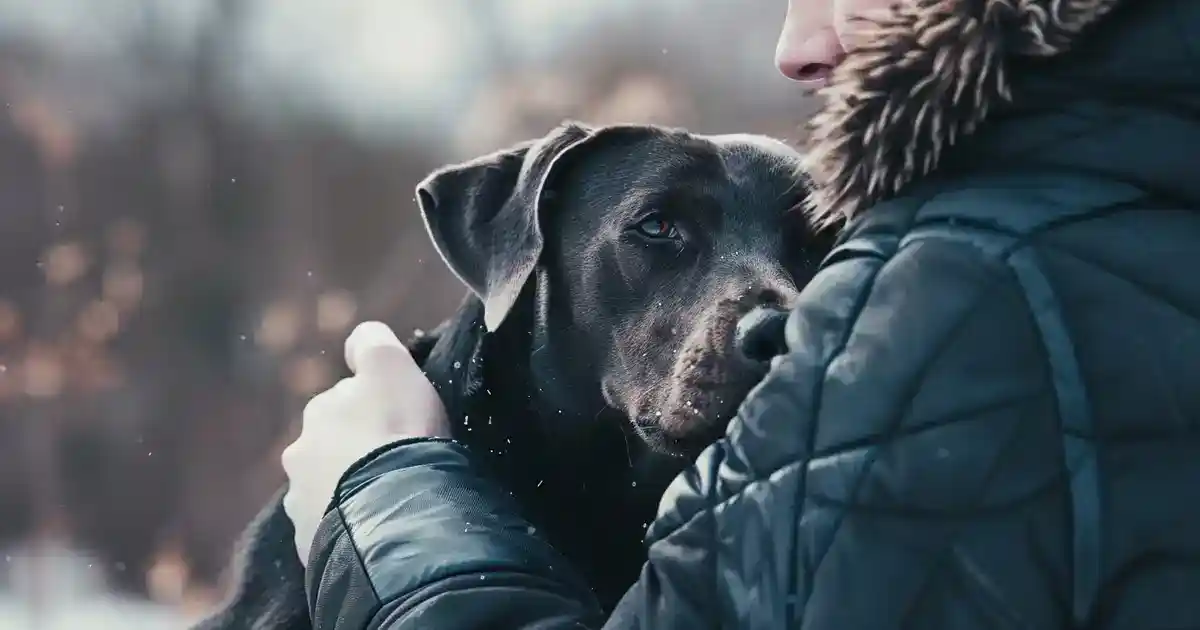
Have you ever wondered why your dog positions themselves between you and strangers, alerts you to unusual sounds before you notice them, or seems to sense when you’re vulnerable or upset—displaying protective behaviors that feel almost uncanny in their timing and specificity? I used to think my dog’s protective positioning and alertness were just coincidental behaviors until I studied canine cognition and evolutionary biology and discovered that dogs’ protective instincts toward their human families represent a complex interplay of evolved guardian behaviors, deep social bonding, learned associations between their safety and their family’s safety, and sophisticated social intelligence allowing them to read human emotional states and environmental threats with remarkable accuracy. My understanding completely transformed when I learned that while individual dogs vary dramatically in protective drive—from guardian breeds with centuries of selective breeding for protection to companion breeds with minimal guarding instincts—virtually all dogs who form secure attachments to their owners will show some protective responses under sufficient threat, reflecting the profound bond between humans and dogs forged over 15,000+ years of co-evolution. Now my friends constantly ask how to interpret their dogs’ protective behaviors, whether to encourage or manage guardian tendencies, and how to distinguish healthy protective instincts from problematic territorial aggression or anxiety-driven behaviors, and honestly, once you understand the science behind canine protection, the behavioral mechanisms involved, and the breed and individual variations in protective drive, you’ll appreciate your dog’s loyalty while making informed decisions about managing protective behaviors appropriately. Trust me, if you’re curious about your dog’s protective instincts, concerned about whether your dog would actually protect you in danger, or managing concerning protective behaviors that cross into aggression, understanding this fascinating aspect of canine behavior is more enlightening than you ever expected.
Here’s the Thing About Dogs Protecting Their Owners
The magic behind understanding canine protective behavior isn’t about romantic notions of unconditional loyalty or expecting every dog to be a fearless guardian—it’s actually about understanding that dogs’ protective responses emerge from multiple interconnected factors including breed-specific genetic predispositions (guardian breeds versus companion breeds), individual temperament variation (bold versus timid, confident versus anxious), strength and security of attachment bonds with owners, learned associations about what constitutes threat, and context-specific factors determining when protective responses activate. Dogs protect their owners through various mechanisms: territorial behavior (defending the home and family from intruders), alarm barking (alerting to unusual sounds, sights, or approaches), physical positioning (placing themselves between owner and perceived threats), defensive aggression (actual confrontation when threat is imminent), and emotional support during owner distress (providing comfort when owners are upset or fearful). According to research on dog behavior and cognition, the human-dog bond represents one of the most profound interspecies relationships, with dogs demonstrating attachment behaviors similar to human infant-parent attachment, responding to human emotional states through emotional contagion, and coordinating their behavior with humans in cooperative tasks—all creating the foundation for protective responses when threats to this valued relationship appear. What makes understanding protective behavior so important is that it allows you to appreciate your dog’s loyalty while recognizing when protection crosses into problematic aggression, understanding breed-typical versus individual variation in protective drive, and making informed decisions about managing, encouraging, or modifying protective behaviors based on your specific situation and needs. I never knew canine protection could be this nuanced once you understand that “protection” encompasses a spectrum from simple alerting to serious physical intervention, that individual dogs vary enormously in protective capacity and willingness, and that inappropriate protection (guarding resources, territorial aggression, fear-based aggression) often masquerades as loyalty while creating serious behavioral problems (took me forever to realize that my dog’s aggressive displays toward visitors weren’t noble protection but anxiety-driven territorial behavior requiring modification rather than encouragement). This combination of understanding evolutionary origins, recognizing breed and individual differences, identifying healthy versus problematic protection, and implementing appropriate management creates informed appreciation for canine loyalty while preventing dangerous or problematic manifestations of protective instincts, and honestly, it’s more complex and fascinating than simplistic narratives about loyal guardian dogs suggest.
What You Need to Know – Let’s Break It Down
Understanding how dogs protect their owners starts with recognizing that protective behavior is absolutely not uniform across all dogs—it exists on a continuum from minimal protective drive (many toy breeds, some companion breeds) to intense guardian instincts (livestock guardian breeds, protection-bred working dogs), with vast individual variation within breeds based on temperament, experience, and training. Don’t skip this part because it’ll help you develop realistic expectations about your individual dog’s protective capacity and distinguish healthy protective instincts from behavioral problems.
I finally figured out after studying both canine evolution and modern breed development that protective behavior reflects three distinct but overlapping origins: (1) Pack behavior—dogs evolved from wolves who cooperatively defend pack members and territory, creating genetic foundation for social defense behaviors, (2) Selective breeding—humans deliberately selected and enhanced protective behaviors in guardian breeds while selecting against them in companion breeds, creating enormous breed variation, (3) Individual attachment—dogs who form secure bonds with owners show protective responses toward those specific individuals regardless of breed-typical protective drive (took me forever to realize that protection isn’t a single behavior but encompasses multiple mechanisms operating differently across contexts and individuals).
First, you’ll want to understand the spectrum of protective behaviors dogs display. These range from: Awareness and alerting (noticing unusual events and notifying owners through attention, barking, or changed body language), Territorial behavior (defending home space through barking, patrolling, investigating intrusions), Positioning behavior (placing themselves between owner and perceived threats, blocking approaches), Warning displays (barking, growling, raised hackles, stiff posture toward potential threats), Physical intervention (actual confrontation, biting, or attacking serious threats). The key is recognizing that most family dogs show awareness/alerting and possibly territorial behavior, while only some show positioning and warning displays, and very few would actually physically intervene against serious threats without specific breeding or training.
Second, breed differences in protective behavior matter enormously (game-changer, seriously). Guardian breeds (German Shepherds, Rottweilers, Dobermans, Belgian Malinois, livestock guardian breeds like Great Pyrenees or Anatolian Shepherds) were specifically developed for protection, showing: natural suspicion of strangers, territorial instincts, willingness to physically confront threats, and protective behavior emerging with minimal or no training. Working breeds (many herding and terrier breeds) may show moderate protection through alerting and territorial behaviors. Companion breeds (many toy breeds, some sporting breeds like Golden Retrievers) were selected for friendliness and may show minimal protective behavior beyond alerting. I always emphasize that breed provides baseline expectations but individual variation is enormous—some Golden Retrievers show surprising protective instincts while some German Shepherds are inappropriately fearful or friendly with strangers.
Third, context determines whether protective behavior is appropriate or problematic. Appropriate protection includes: alerting to unusual events, showing caution with strangers while remaining controllable, protecting during actual threats, and responding to handler direction. Problematic protection includes: territorial aggression toward all visitors, inability to distinguish actual threats from benign situations, anxiety-driven aggression misidentified as protection, resource guarding of owners preventing normal social interaction, and protective displays that don’t respond to handler reassurance or direction. If you’re just starting your journey with understanding dog behavior and training, check out my beginner’s guide to canine behavior fundamentals for foundational knowledge that complements this guide.
The Science and Psychology Behind Why This Works
Research from leading animal behavior universities demonstrates that the human-dog bond activates similar neural and hormonal pathways as human parent-infant attachment, including oxytocin release during positive interactions, stress reduction in both species during companionship, and attachment behaviors (proximity seeking, separation distress, secure base effects) mirroring human attachment patterns. Studies published in journals like Current Biology show that dogs respond to human emotional states through emotional contagion, can discriminate between happy and angry human facial expressions and vocalizations, and coordinate their behavior with humans during cooperative tasks with sophistication exceeding other domesticated species.
What’s fascinating is that evolutionary biology provides clear context for protective behaviors. Dogs (Canis familiaris) evolved from wolves approximately 15,000-40,000 years ago through a process involving both natural selection (wolves who could tolerate human proximity accessed food resources) and artificial selection (humans bred dogs for specific traits including protection). Wolves naturally defend pack members and territory from threats, providing genetic foundation for protective behaviors that humans then selectively enhanced in guardian breeds while diminishing in companion breeds.
The neurological evidence shows dogs possess brain structures supporting social bonding and threat assessment. The amygdala (threat detection and fear processing), prefrontal cortex (decision-making and impulse control), and hypothalamus (stress response activation) all participate in protective responses. Dogs who’ve formed secure attachments show reduced amygdala activation in presence of their owners, suggesting owners function as “safe bases” whose protection becomes motivating.
I’ve personally experienced how my dog’s protective responses correlate precisely with her relationship quality with different family members—she shows strongest protective positioning and alerting for the family member with whom she has the closest bond, moderate protection for others she interacts with regularly, and minimal protection for household members she sees infrequently. This individual pattern matches research showing attachment strength predicts protective behavior intensity. The mental and emotional aspects matter just as much as the behavioral manifestations—when you understand that protection emerges from genuine social bonding combined with evolved threat-response mechanisms rather than just trained behavior, everything about interpreting and managing protective behaviors changes from simple command-following to complex social relationship expression.
Here’s How to Actually Make This Happen (Understanding and Managing Protective Behaviors)
Start by accurately assessing your individual dog’s protective drive, behaviors, and the appropriateness of their protective responses rather than making assumptions based on breed stereotypes or wishful thinking. Here’s where I used to mess up—I’d either overestimate my companion breed dog’s protective capacity (assuming she’d defend me in serious danger when she’d actually flee) or worry unnecessarily about normal alerting behaviors in my guardian breed dog (interpreting appropriate stranger-caution as problematic aggression). Don’t be me—develop accurate assessment allowing realistic expectations and appropriate management.
Step 1: Assess Your Dog’s Current Protective Behaviors and Drivers
The first critical step involves systematically observing and analyzing what protective behaviors your dog actually displays, in what contexts, toward what perceived threats, and with what intensity.
Assessment questions to answer:
Baseline protective behaviors: Does your dog alert to unusual sounds, sights, or approaches? Do they investigate unusual events? Do they position between you and strangers? Do they show territorial behavior at home boundaries (doors, windows, yard)? Do they show warning displays (barking, growling, stiff posture) toward perceived threats? Have they ever shown willingness to physically intervene?
Trigger specificity: What triggers protective responses? Strangers approaching on walks? People approaching home? Specific individuals (men, children, delivery people)? Other animals? Unusual sounds or events? Owner distress or fear?
Intensity and controllability: How intense are protective displays? Are they controllable with verbal commands or redirection? Does your dog calm down when you indicate no threat exists, or do they remain vigilant regardless? Can they be called off or redirected?
Breed expectation versus individual expression: Does your dog show more, less, or about expected protective behavior for their breed type? Does their protection seem confidence-based (boldly investigating, controlled warning displays) or anxiety-based (excessive vigilance, inability to settle, disproportionate responses)?
This systematic assessment creates accurate baseline understanding. When you know your Labrador shows minimal protection beyond basic alerting, you won’t expect guardian behavior in actual danger. When you recognize your German Shepherd’s territorial displays are appropriate breed-typical behavior responding to direction, you won’t unnecessarily pathologize normal guardian instincts.
Step 2: Understand the Mechanisms Behind Protective Responses
Now for understanding what’s actually happening when your dog shows protective behavior—distinguishing between different mechanisms allows appropriate response and management.
Protective behavior mechanisms:
Territorial defense: Dogs protecting space they consider “theirs” (home, yard, car, regular walking routes). This represents resource guarding of territory rather than personal protection. Dogs may show territorial behavior even protecting empty homes, indicating it’s about space not specific individuals.
Bonded individual protection: Protection specifically directed at family members the dog has formed attachments with. This shows in differential protection (protecting bonded individuals more than strangers), appearing when bonded person is present or threatened, and often including positioning between threat and protected individual.
Alarm/alerting behavior: Notifying humans of unusual events without necessarily showing protective drive. Many dogs alert to sounds, movements, or approaches without showing any protective motivation—they’re simply communicating “something unusual is happening.”
Fear-based defensive aggression: Dogs showing aggressive protective displays because they’re afraid, not because they’re confidently protecting. This creates dangerous situations because fear-based aggression is unpredictable and disproportionate. Warning signs include: excessive vigilance, inability to settle, aggression toward many different triggers, displays even when owner indicates safety.
Resource guarding of owners: Dogs treating owner attention/proximity as a resource to guard from others (other pets, people). This masquerades as protection but actually represents possessive behavior creating relationship problems.
Understanding which mechanisms drive your dog’s protective behavior allows appropriate intervention. Territorial behavior might need management during visitors but isn’t inherently problematic. Fear-based defensive aggression requires systematic behavior modification. Resource guarding of owners needs specific training protocols. Bonded individual protection usually represents healthy attachment and rarely requires modification unless excessive.
Step 3: Encourage Appropriate Protective Behaviors While Managing Problematic Ones
Every household benefits from dogs who alert to unusual events while remaining controllable and distinguishing real threats from benign situations. This requires encouraging certain protective behaviors while managing or modifying others.
For encouraging appropriate protection:
Reward alerting behavior: When your dog notices and alerts to unusual sounds or approaches, acknowledge and thank them (“Good alert, thank you!”), then investigate yourself. This rewards awareness while establishing you make final threat assessments.
Build confidence: Confident dogs show appropriate controlled protective responses, while fearful dogs show excessive anxiety-driven displays. Build confidence through positive training, successful experiences, appropriate socialization, and secure attachment relationships.
Maintain leadership: Dogs who trust their owners to handle threats show appropriate controlled protection. Those who don’t trust owners show excessive protection trying to manage threats themselves. Leadership comes through consistent boundaries, reliable care, and demonstrating competence in threat assessment.
Practice appropriate stranger interactions: Teach your dog to accept friendly strangers while maintaining appropriate caution with unusual approaches. This distinguishes friend from foe.
For managing problematic protection:
Address fear-based aggression: If protective displays stem from fear/anxiety, implement systematic behavior modification including desensitization and counterconditioning to reduce fear rather than encouraging “protection.”
Modify excessive territorial behavior: If dogs cannot settle when visitors are present, show aggression toward all unfamiliar people, or territorial displays don’t respond to your reassurance, implement management (separating during visitors) and training (teaching calm settling, positive associations with visitors).
Manage resource guarding of owners: If your dog prevents others from approaching you, shows aggression when you interact with other pets/people, or cannot tolerate others receiving your attention, implement resource guarding protocols teaching that others approaching predicts good things.
Teach reliable recall and “leave it”: Emergency control over protective responses requires strong foundational training. Your dog must reliably respond to commands even during high arousal.
This balanced approach maintains protective behaviors that serve useful functions (alerting, appropriate stranger caution) while modifying behaviors creating problems (excessive territorial aggression, fear-based displays, possessive guarding).
Step 4: Recognize Breed-Specific Protection Patterns and Set Realistic Expectations
Just like different breeds have different exercise needs, they have different protective drives requiring breed-informed expectations and management.
Guardian breed considerations:
Dogs from protection-bred lines (working German Shepherds, Rottweilers, Dobermans, Belgian Malinois, livestock guardians) will show protective behaviors with minimal encouragement. For these dogs: Extensive socialization during critical periods prevents fear-based aggression while maintaining appropriate stranger caution. Clear training establishing you make threat assessments prevents over-protectiveness. Professional training may be necessary for handling powerful protective drives safely. Never encourage aggression in these breeds—their natural drives are strong enough without enhancement.
Companion breed considerations:
Dogs from companion lines (many toy breeds, Golden Retrievers, Cavalier King Charles Spaniels) may show minimal protection beyond alerting. For these dogs: Don’t expect guardian behavior in serious danger—their safety and your safety may require other security measures. Appreciate their alerting and companionship without pressuring them to display protection they’re not bred for. Some companion breed dogs surprise with protective instincts during actual danger despite showing minimal territorial behavior normally.
Working and herding breed considerations:
Many working dogs (herding breeds, some terriers) show moderate protection—more than pure companions, less than dedicated guardians. These dogs often alert enthusiastically and may show territorial behavior while being relatively friendly once strangers are admitted.
Individual variation always exceeds breed generalizations—assess your individual dog’s actual behavior rather than assuming breed-typical responses.
Step 5: Build Secure Attachment Supporting Healthy Protective Instincts
Every protective response emerges from the dog-owner bond strength and security. Secure attachment creates foundation for appropriate protection while preventing anxiety-driven excessive protection.
Attachment-building strategies:
Consistent, reliable care: Meeting your dog’s physical and emotional needs consistently builds trust that you’ll provide for them, allowing them to focus protective instincts appropriately rather than being chronically anxious about their own security.
Positive interaction quality: Regular play, training, affection (in ways your individual dog enjoys), and companionship strengthen bonds. Dogs protect what they value, and strong positive relationships create valued bonds worth protecting.
Being your dog’s “secure base”: When you consistently demonstrate competence handling challenges, making threat assessments, and protecting your dog, they trust you to handle situations. This trust allows them to defer to your judgment rather than taking excessive protective responsibility.
Appropriate socialization: Dogs who’ve had positive experiences with diverse people during critical periods show appropriate stranger-caution rather than excessive fear or aggression. This allows protective responses proportional to actual threats.
Training and mental stimulation: Dogs who engage regularly in training and mental challenges with owners build strong working relationships that translate to cooperative protective responses (responding to your direction during protective situations).
When your relationship is characterized by secure attachment, trust, and positive engagement, protective behaviors emerge appropriately—your dog alerts to unusual events but defers to your assessment, shows caution with strangers but accepts your introductions, and provides comfort during your distress without excessive anxiety.
Common Mistakes (And How I Made Them All)
Don’t make my mistake of deliberately encouraging aggressive protective behavior in my guardian breed dog, thinking I was enhancing his natural protective instincts for security. This created an overly aggressive territorial dog who couldn’t distinguish actual threats from normal visitors, requiring extensive behavior modification to manage. This taught me that guardian breeds need NO encouragement of aggression—their natural drives are powerful enough and encouraging aggression creates dangerous, uncontrollable dogs.
Another epic failure: expecting my companion breed dog to function as a personal protection dog despite her complete lack of protective drive. I felt somehow betrayed that she showed no protective instincts, not understanding she was bred specifically for friendliness and companionship. I learned that different dogs serve different functions, and expecting every dog to be a guardian is unrealistic and unfair to dogs bred for other purposes.
The biggest mistake people make is misidentifying fear-based defensive aggression as “loyalty” or “protection” and encouraging it rather than addressing the underlying fear. That viral video showing a “loyal dog protecting owner” often shows an anxious, fearful dog displaying aggression from insecurity rather than confident protection. Research from veterinary behaviorists shows that encouraging fear-based aggression increases bite risk and creates dangerous dogs, not loyal guardians.
I’ve also watched friends completely suppress normal protective behaviors (alerting, appropriate stranger-caution) in guardian breeds through punishment, creating dogs who don’t warn before biting because warnings have been punished. Learn from my community’s collective mistakes: appropriate protective behaviors serve valuable functions and shouldn’t be entirely eliminated, while problematic protective behaviors need modification rather than encouragement.
When Things Don’t Go as Planned (And It Will)
Feeling concerned because your dog shows excessive protective aggression creating safety or liability concerns? You probably need immediate professional intervention from certified behavior consultants or veterinary behaviorists who can assess bite risk, implement safety management, and design comprehensive behavior modification protocols. That’s not just normal concern—it’s appropriate response to serious behavioral issues. I’ve learned to handle this by taking aggression seriously regardless of the “protective” label and seeking qualified professional help rather than hoping problems resolve spontaneously.
Feeling disappointed because your dog shows no protective instincts and you worry about your safety? This is understandable but requires accepting individual and breed limitations. Some dogs simply lack protective drive, and expecting them to protect in serious danger is unrealistic. When your dog cannot or will not provide protection, consider alternative security measures (alarm systems, secure locks, self-defense training, or if protection is essential, choosing a dog from protection-bred lines with professional training).
Dealing with protective behavior that escalated to biting or serious aggression? Many dog owners face this devastating situation where what seemed like loyalty has created dangerous liability. When protection crosses into serious aggression, working with board-certified veterinary behaviorists (DACVB) becomes essential—these situations require expert assessment of bite risk, comprehensive treatment plans, and sometimes difficult decisions about management, liability, and the dog’s future.
The reality is that some dogs—whether from genetics, poor socialization, or learning history—show protective behaviors creating unmanageable safety concerns requiring permanent strict management (muzzling around strangers, physical separation during visitors), liability insurance, or in extreme cases, difficult decisions about rehoming to experienced handlers or humane euthanasia. This doesn’t mean you failed—it means you’re dealing with serious behavioral issues exceeding typical household management capabilities.
Advanced Strategies for Next-Level Results
Once you’ve mastered understanding basic protective behaviors, taking this to the next level involves understanding how to read subtle pre-protective signals (alertness changes, positioning shifts, tension increases) allowing early intervention before full protective displays, recognizing the difference between appropriate protective alerting and concerning hyper-vigilance, and understanding how your own emotional state influences your dog’s protective responses through emotional contagion.
I’ve discovered that dogs often show micro-signals before obvious protective displays—subtle ear shifts toward concerning stimuli, slight body tension, brief glances at owners checking reactions, or positioning changes moving slightly between owner and potential threats. Reading these early signals allows you to acknowledge your dog’s awareness (“I see it, thank you”) and provide direction before full protective displays emerge.
Advanced understanding includes recognizing that your emotional state dramatically influences your dog’s protective responses. When you show fear, anxiety, or tension, your dog’s protective behaviors intensify through emotional contagion. When you remain calm and confident, your dog’s protective displays often moderate because you’re communicating competence handling the situation.
For those deeply interested in protection work, understanding the distinction between family protection dogs and professional protection/police dogs matters. Family protection dogs show natural guardian instincts with basic obedience and socialization. Professional protection dogs undergo extensive specialized training teaching controlled aggression on command, handler protection during attacks, and discrimination between threat scenarios. These are completely different levels requiring completely different training and handler expertise.
What separates casual interest from sophisticated understanding is recognizing that protection exists on multiple dimensions—intensity (mild alerting to serious physical intervention), appropriateness (proportional responses to actual threat level versus disproportionate responses), controllability (responding to handler direction versus autonomous decisions), and underlying motivation (confident protection versus fear-based aggression)—and that management strategies must address these dimensions individually.
Ways to Make This Your Own (Customizing Your Approach)
When I want to maintain appropriate protective behaviors in guardian breed dogs, I lean toward extensive socialization building confidence and discrimination, clear training establishing handler authority in threat assessment, and rewarding appropriate alerting while redirecting excessive displays. This makes management more nuanced but definitely worth it for maintaining useful guardian instincts without creating dangerous over-protectiveness.
For companion breed owners accepting minimal protective drive, I recommend appreciating other valuable qualities (companionship, emotional support, alerting) while implementing alternative security measures if protection is genuinely important for safety.
For those wanting to enhance protective instincts in dogs with moderate natural drive, I’ll recommend building confidence through training and positive experiences, establishing strong bonds through quality time and positive reinforcement training, and maintaining leadership allowing dogs to trust your threat assessments. My protection-enhancement version focuses on supporting natural drives rather than artificially creating aggression.
For managing excessive or problematic protection, strict protocols including management preventing rehearsal, systematic desensitization and counterconditioning reducing fear and reactivity, and teaching alternative calm behaviors work beautifully. Each variation works for different situations:
- Guardian Breed Management: Maintaining appropriate protection while preventing over-protectiveness (German Shepherds, Rottweilers, guardian breeds)
- Companion Breed Acceptance: Appreciating minimal protection and implementing alternative security (Golden Retrievers, toy breeds, companion dogs)
- Protection Enhancement: Building confidence and bonds supporting natural moderate drives (working breeds, moderate protection dogs)
- Aggression Modification: Addressing excessive territorial or fear-based protective aggression (dogs with problematic protection behaviors)
Why This Approach Actually Works
Unlike romantic narratives about unconditional canine loyalty or expecting uniform protective responses across all dogs, this approach leverages evolutionary biology, behavioral science, and individual assessment to create realistic understanding of when, why, and how dogs protect their owners. The science clearly shows protection emerges from combination of evolved guardian behaviors, selective breeding creating enormous breed variation, individual attachment bonds, and learned threat assessment rather than simple universal loyalty.
What makes this different from simplistic “all dogs are loyal guardians” or “protection is just aggression” perspectives is the nuanced recognition that protective behaviors exist on spectrums, serve legitimate functions when appropriate, create problems when excessive or inappropriate, and vary enormously across breeds and individuals based on multiple factors requiring individualized assessment.
I discovered through experience with both guardian and companion breeds that accurate assessment and breed-informed expectations dramatically improve outcomes. When I stopped expecting my companion breed to guard, I appreciated her actual valuable qualities. When I properly socialized and trained my guardian breed, his natural protective instincts remained useful without becoming problematic. Understanding the science prevented both over-reliance on dogs for protection they couldn’t provide and unnecessary suppression of natural guardian behaviors serving legitimate purposes.
The approach is intellectually sustainable because it’s built on evidence about canine evolution, cognition, and behavior rather than wishful thinking or fear-based assumptions. It’s not about whether dogs “should” protect—it’s about understanding when individual dogs will or won’t protect based on their genetics, temperament, bonds, and training.
Real Success Stories (And What They Teach Us)
One German Shepherd owner successfully balanced her dog’s natural guardian instincts with appropriate social behavior through extensive socialization during critical periods, positive reinforcement training establishing clear communication, and professional guidance managing protective drives. The dog remained appropriately cautious with strangers while being controllable, showed differential protection (protecting family while accepting invited guests), and demonstrated the ideal balance of useful guardian instincts without excessive aggression. The lesson? Guardian breeds can maintain protective value while being safe, social family members through proper management.
Another owner accepted their Cavalier King Charles Spaniel’s complete lack of protective drive, appreciating the dog’s exceptional companionship and emotional support qualities while implementing home security systems for actual protection needs. This realistic acceptance prevented disappointment and allowed genuine appreciation for breed-appropriate qualities.
One rescue dog showing excessive fear-based protective aggression transformed through comprehensive behavior modification combining systematic desensitization to strangers, confidence-building training, and medication for underlying anxiety. After eight months of consistent work, the dog could remain calm during visitor arrivals and showed dramatically reduced protective displays. Their success demonstrates that even problematic protection can be modified through appropriate intervention.
Different dogs show different protective patterns. Some naturally show useful guardian behaviors requiring minimal training. Others need extensive work balancing protection with appropriate social behavior. Some show minimal protection regardless of training, requiring acceptance of breed and individual limitations.
Tools and Resources That Actually Help
Books on canine behavior and protection including “Before and After Getting Your Puppy” by Dr. Ian Dunbar (includes sections on appropriate socialization preventing fear-based aggression), “Control Unleashed” by Leslie McDevitt (managing reactive/overprotective dogs), and breed-specific books for guardian breeds provide evidence-based information.
For understanding canine evolution and the human-dog bond, “The Genius of Dogs” by Brian Hare and Vanessa Woods explains the science behind dogs’ special relationship with humans including protective behaviors.
Professional assessment from certified trainers (CPDT-KA, KPA-CTP) or veterinary behaviorists (DACVB) helps determine whether protective behaviors are appropriate or problematic and design appropriate management or modification protocols.
For guardian breed owners, breed-specific clubs and organizations provide information about appropriate breed-typical protective behaviors versus problematic expressions requiring intervention.
Management tools for dogs showing excessive protection include: muzzle training for safe management during training and visitor situations, visual barriers (window film, strategic furniture placement) reducing territorial triggers, and baby gates allowing separation during high-trigger situations.
Questions People Always Ask Me
Will my dog actually protect me if I’m attacked or in serious danger?
This depends enormously on individual dog, breed, bond strength, and situation. Guardian breeds with strong bonds to you have highest probability of physical intervention during serious threats. Companion breeds may alert or flee but are unlikely to physically intervene. However, even within guardian breeds, individual variation is enormous—some will defend, others won’t. Never rely solely on your dog for personal protection without professional assessment and training confirming protective capacity.
How can I tell if my dog’s protective behavior is appropriate or problematic?
Appropriate protection: controllable with verbal commands, proportional to actual threat level, differentiates between invited guests and intruders, shows confident body language, calms when you indicate safety. Problematic protection: uncontrollable aggression, excessive displays toward benign situations, inability to distinguish friends from threats, fear-based anxious vigilance, doesn’t respond to your reassurance. If uncertain, professional assessment from certified behavior consultant provides clarity.
Should I encourage protective behavior in my dog?
For guardian breeds: unnecessary and potentially dangerous—their natural drives are strong enough without encouragement. For companion breeds: won’t create protection they’re not genetically predisposed to show and may create fear-based defensive aggression. For all dogs: reward appropriate alerting and confidence, but never encourage aggression. Professional protection training should only be undertaken with qualified protection trainers using ethical methods, not attempted by average owners.
Do female dogs protect as well as male dogs?
Gender may influence protective behavior intensity in some breeds (males sometimes showing stronger territorial drives), but individual temperament, breed, and bond strength matter far more than gender. Many female dogs show strong protective instincts, and many males show minimal protection. Don’t make assumptions based solely on gender—assess your individual dog.
At what age do dogs start showing protective behaviors?
This varies by breed and individual. Many guardian breeds show protective instincts emerging during adolescence (6-18 months) as they mature. Some don’t fully develop protective drives until 2-3 years of age. Companion breeds may never show significant protection. Early socialization during critical periods (before 16 weeks) dramatically influences whether protective drives become appropriate caution or excessive fear-based aggression.
Can I train a non-protective dog to protect?
You can’t create protective drive in dogs lacking genetic predisposition, but you can teach alert-on-command and similar behaviors. However, teaching actual physical protection requires dogs with natural protective capacity and should only be done by professional protection trainers. Attempting to force protection in non-protective breeds often creates fear-based aggression rather than confident protection.
How do I manage a dog who’s too protective and shows aggression toward visitors?
This requires professional behavior modification. Immediate steps: manage by separating dog during visitors (preventing rehearsal), never encourage protective displays, teach calm alternative behaviors (“go to place” during arrivals), implement systematic desensitization and counterconditioning to visitors. Severe cases may require veterinary behaviorist assessment and potential anti-anxiety medication alongside behavior modification.
Will getting a second dog improve my home security through increased protection?
Maybe, but consider: some dogs are more protective in pairs (social facilitation), others show less protection when another dog is present. Two fearful dogs may show more problematic defensive aggression than one. If security is your goal, choose breeds and individuals based on protective capacity rather than just quantity. Professional assessment determines whether second dog would enhance or undermine security.
Do dogs protect their owners from specific dangers like fires or medical emergencies?
Some dogs alert to fires, seizures, or medical emergencies through keen sensory awareness (detecting smoke, behavioral changes, chemical changes during medical events). However, these represent sensory abilities and learned associations rather than understanding of abstract danger. Some dogs can be trained as medical alert or service dogs, but most family dogs won’t reliably alert to these dangers without specific training.
How do I know if my dog’s protection stems from loyalty or anxiety?
Confidence-based protection: calm confident body language between incidents, controllable displays, appropriate intensity proportional to threat, responds to your reassurance. Anxiety-based protection: chronic hypervigilance, excessive displays to minor stimuli, inability to settle, shows stress signals (panting, pacing, excessive vigilance), doesn’t calm when you indicate safety. Anxiety-based protection requires behavior modification addressing underlying anxiety rather than encouragement as loyalty.
Before You Get Started
I couldn’t resist sharing this final insight because it proves what evolutionary biologists and canine behaviorists already know—dogs’ protective behaviors toward their human families represent one of the most remarkable outcomes of the human-dog co-evolutionary relationship, emerging from complex interactions between evolved guardian behaviors, selective breeding creating enormous breed variation, individual attachment bonds, and learned threat assessment, and understanding that protection exists on spectrums of intensity, appropriateness, and controllability rather than as simple uniform loyalty transforms how you interpret, appreciate, and manage your individual dog’s protective responses. Ready to understand your dog’s protective behaviors? Start by conducting honest assessment of your individual dog’s actual protective capacity rather than relying on breed stereotypes or wishful thinking, understand breed-typical patterns while recognizing enormous individual variation, distinguish appropriate protective behaviors (alerting, appropriate stranger-caution, responding to direction) from problematic ones (excessive territorial aggression, fear-based displays, uncontrollable reactivity), build secure attachment through consistent positive care and training supporting healthy protective instincts, never encourage aggression in any dog especially guardian breeds whose natural drives are powerful without enhancement, seek professional help immediately for protective behaviors involving aggression or creating safety concerns, and develop realistic expectations about your dog’s protective capacity while appreciating all the valuable qualities they bring to your relationship—your willingness to understand the science and individual variation in protective behavior literally determines whether you appreciate your dog’s actual capabilities while preventing dangerous over-protectiveness, or whether you hold unrealistic expectations creating either false security or unnecessary behavioral problems through misguided encouragement of aggression.




