
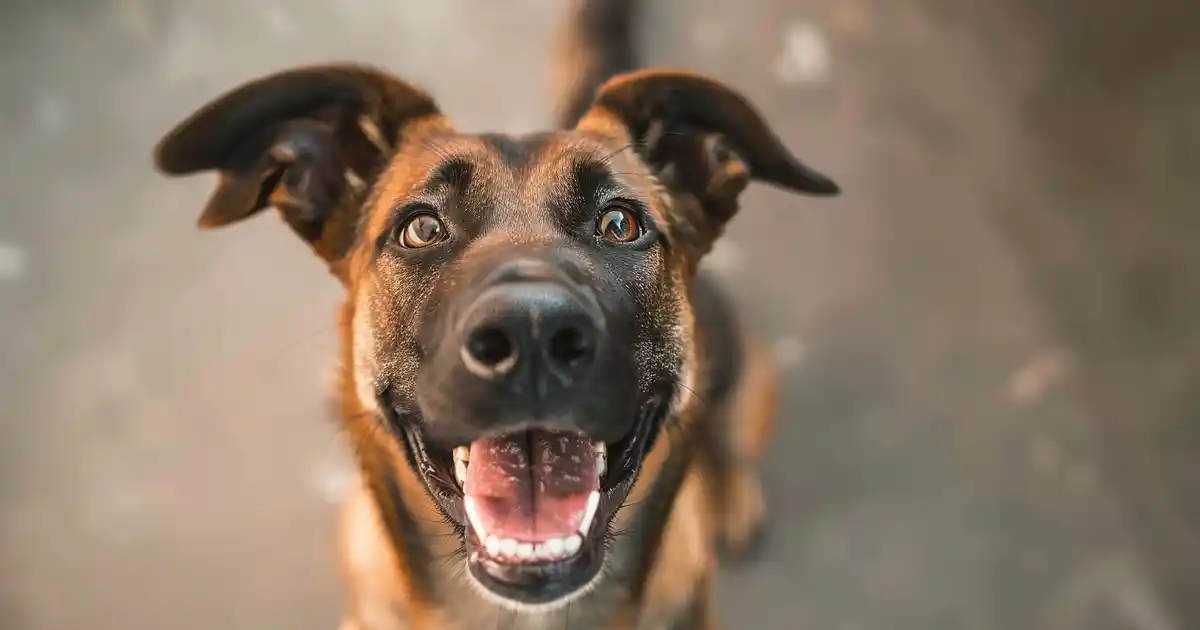
Have you ever scrolled through dog smiling pictures and felt your mood instantly lift, then wondered whether those adorable expressions mean your dog is genuinely happy or if you’re just seeing what you want to see? I used to share every cute dog smile photo thinking they all showed pure canine joy, until I discovered that what looks like “smiling” in pictures can actually represent several different emotional states—from genuine contentment to stress panting to excited play—and learning to recognize the difference transformed how I understand and create authentic happiness for my own dog. Now my friends constantly ask how I always seem to capture photos of my dog looking genuinely joyful and relaxed, and my family (who thought all open-mouth dog pictures were “smiles”) keeps asking me to explain what they’re really seeing in viral dog photos. Trust me, if you’re a dog photo enthusiast who wants to understand what those heartwarming expressions really mean, or if you want to create more genuinely happy moments worth photographing with your own dog, this guide will show you it’s more fascinating and rewarding than you ever expected.
Here’s the Thing About Dog Smiling Pictures
Here’s the magic: while dogs don’t smile in the human sense of curving lips upward to express happiness, they do display what we recognize as “smiling” through relaxed open mouths, soft eyes, loose facial muscles, and overall joyful body language that genuinely correlates with positive emotional states—making those heartwarming pictures authentic representations of canine happiness when properly interpreted. What makes understanding dog smiling pictures different from just enjoying cute photos is recognizing the context, accompanying body language, and specific facial features that distinguish genuine contentment from stress panting, excited arousal, or hot-weather cooling. I never knew interpreting dog smiling pictures could be this nuanced once you understand that the open-mouth expression alone doesn’t tell the whole story—you need soft, squinty eyes, relaxed ears, loose body posture, and appropriate context to confirm you’re seeing authentic happiness rather than other emotional states. According to research on dog behavior, dogs have evolved specialized facial expressions that communicate effectively with humans, including the relaxed open-mouth display humans interpret as smiling that often correlates with positive emotional states. This combination of recognizing genuine happiness indicators in photos and understanding what creates those joyful moments produces amazing improvements in how you interact with and photograph your own dog. It’s honestly more rewarding than just collecting cute pictures—understanding what you’re actually seeing deepens appreciation for canine emotional communication and helps you create more authentic happy moments worth capturing.
What You Need to Know – Let’s Break It Down
Understanding what genuinely happy dog smiling pictures show versus superficially similar but emotionally different expressions is absolutely crucial before you can accurately interpret photos or capture authentic happiness in your own dog photography. Don’t skip learning these distinctions because I finally figured out that many viral “smiling dog” photos I’d shared actually showed stress panting or overstimulation rather than contentment after months of misinterpreting what I was seeing.
First, recognize the key features of genuinely happy “smiling” dog pictures. Authentic contentment shows: relaxed open mouth with tongue often lolling to side in loose, natural position (not tense or straight), soft, squinty eyes that appear relaxed rather than wide and hard (the “soft eye” look indicates genuine calm), ears in natural relaxed position appropriate to breed rather than pinned back or rigidly forward, smooth forehead without tension lines or furrowed brow, loose, wiggly body language visible even in still photos through natural positioning, and most importantly—appropriate context like play, receiving affection, engaging in preferred activities, or relaxing in comfortable environments (took me forever to realize that the same open-mouth expression means completely different things in different contexts—playing versus panting from heat versus stress).
Second, identify what superficially looks like “smiling” but actually represents other emotional states. Stress panting appears similar to happy smiling but includes: wide, tense eyes often showing whites (whale eye), ears pinned back against head, tense facial muscles creating furrowed brow, rapid, shallow panting rather than relaxed mouth, stiff body posture, and contexts involving stress like vet visits, unfamiliar situations, or uncomfortable interactions. Heat panting during hot weather or after exercise creates open mouths that photograph like “smiles” but involves heavier breathing, less relaxed facial expressions, and physical exertion contexts. Excited arousal produces open mouths with high energy body language that can look happy but may represent overstimulation rather than calm contentment—look for very wide eyes, forward-alert ears, and intense rather than relaxed postures. My own dog has distinctly different expressions between his genuinely relaxed “smile” during belly rubs versus his excited open-mouth during high-arousal play versus his stressed panting at the vet—learning to distinguish these transformed how I interpreted photos and understood his emotional states (game-changer when I could accurately read what photos actually communicated).
Third, understand the elements that make dog smiling pictures genuinely heartwarming beyond just the facial expression. The best photos capture: authentic moments of connection between dogs and humans, dogs engaged in activities they genuinely enjoy, natural expressions rather than forced poses, body language consistent with contentment across entire visible posture, appropriate contexts showing dogs in comfortable, happy situations, and that indefinable quality where you can sense genuine wellbeing rather than just a lucky shot of an open mouth. If you’re interested in capturing and understanding authentic canine happiness in photography, check out my comprehensive guide to recognizing genuine dog happiness and contentment for understanding what creates those special joyful moments worth photographing.
The reality check? Not every open-mouth dog photo represents genuine happiness, viral “smiling dog” pictures sometimes show stressed or uncomfortable dogs that humans misinterpret, and truly heartwarming photos capture authentic positive emotional states rather than just anatomically similar expressions. You’ll need to commit to looking beyond cute surface appearances to context, full body language, and specific facial features when evaluating whether dogs in pictures are genuinely happy. I always recommend studying your own dog’s expressions in clearly positive versus clearly stressful situations to learn their individual happiness signals, because everyone captures better photos and creates more authentic joyful moments when they understand what genuine contentment actually looks like in their specific dog.
The Science and Psychology Behind Why This Works
Research shows that dogs have evolved facial musculature allowing them to create expressions humans readily interpret and respond to, including the ability to raise inner eyebrows (the “puppy dog eyes” expression wolves cannot make) and the relaxed open-mouth display humans perceive as “smiling.” Studies confirm that the relaxed open-mouth expression in dogs often correlates with positive emotional states during play, social bonding, and comfortable situations—though it’s important to note this expression also serves thermoregulatory functions (cooling) and appears during various arousal states, not exclusively happiness.
Experts agree that accurately interpreting dog “smiles” in pictures requires considering multiple factors: facial features beyond just mouth position (especially eye softness and ear position), overall body language visible in photos, context of the situation being photographed, and individual dog’s baseline expressions. Research from comparative psychologists demonstrates that humans are quite good at recognizing basic emotions in dogs (happiness, fear) but frequently misinterpret context-dependent signals and often anthropomorphize, seeing what we want to see rather than what dogs actually communicate.
What makes understanding dog smiling pictures through scientific lens different from naive anthropomorphization is recognition that while dogs do experience positive emotions visible in expressions, they don’t “smile” with the same intentional social signaling humans use. When you learn to recognize genuine happiness indicators—soft eyes, loose body, appropriate context—alongside the open-mouth expression, you’re reading authentic emotional communication rather than projecting human emotional meanings onto dog anatomy.
The human psychology aspect here is significant: viewing pictures of genuinely happy dogs measurably improves human mood, reduces stress, and triggers positive emotions. I’ve personally experienced this countless times—scrolling through photos of my dog’s authentic joyful moments genuinely brightens difficult days. Research consistently shows that positive interactions with dogs (including viewing their happy expressions) releases oxytocin in humans, strengthening bonds and improving emotional wellbeing for both species.
Here’s How to Actually Make This Happen
NOTE: Since this article focuses on appreciating and understanding dog smiling pictures rather than the typical “problem-solving” format, I’ll adapt the structure to showcase heartwarming examples while educating about what makes them special.
Start by learning to recognize genuinely happy dog expressions in pictures through systematic observation of context and features. Here’s where I used to mess up—I’d see any open-mouth dog photo and assume happiness without checking accompanying signals. Instead, train your eye to notice: Are the eyes soft and squinty or wide and tense? Are the ears relaxed or pinned back? Is the body loose and wiggly or stiff? What’s happening in the context—is this play, rest, affection, or potentially stress?
Now for the heartwarming examples—let me share photo scenarios that capture authentic canine joy (while I can’t display actual images here, I’ll describe photos that exemplify genuine happiness):
Picture 1: The Post-Play Grin – Imagine a Golden Retriever just after a game of fetch, mouth hanging open with tongue lolling sideways, eyes soft and partially closed in contentment, ears relaxed, entire body loose and satisfied. Here’s what makes this genuine: the context (just finished favorite activity), the soft squinty eyes indicating relaxation not stress, the loose tongue position showing he’s not tense, and the overall body language of satisfaction. This is quintessential canine happiness—a dog who’s just done something fulfilling and is genuinely content.
Picture 2: The Belly Rub Bliss – Picture a mixed breed on their back getting belly rubs, mouth naturally open in relaxed position, eyes half-closed in pleasure, legs loose and splayed, tail gently wagging. What makes this authentic happiness: dogs only expose vulnerable belly positions when feeling truly secure, the half-closed eyes show genuine relaxation (stressed dogs keep eyes wide open), the context involves positive touch from trusted humans, and the loose body position indicates comfort. This captures trust and contentment beautifully.
Picture 3: The Companionship Smile – Envision a Border Collie sitting beside their person during a hike break, mouth open in that characteristic “smile,” eyes focused softly on their human with obvious affection, ears in neutral comfortable position, leaning slightly toward the person. The authenticity comes from: the bonding context showing connection rather than demand, the soft focused gaze indicating attachment and contentment, the relaxed but engaged body language showing the dog is happy being present with their person, and the natural positioning without forced posing.
Picture 4: The Playmate Joy – Imagine two dogs mid-play bow, both with open mouths, eyes bright and engaged, ears forward in play-alertness, bodies in loose play postures. What distinguishes this from overarousal: both dogs show mutual engagement with synchronized play signals, the open mouths accompany appropriate play behavior not stress, the eyes are bright but not hard or tense, and the body language shows balanced, reciprocal interaction. This captures the joy of appropriate social play between compatible dogs.
Picture 5: The Satisfied Sleepy Smile – Picture an older dog just waking from comfortable nap, mouth slightly open in relaxed position, eyes soft and sleepy, entire body showing the loose quality of genuine rest. The heartwarming quality comes from: the complete relaxation visible in every muscle indicating the dog feels safe enough to sleep deeply, the soft awakening expression showing comfort rather than startle, and the context of a dog in their comfortable home environment. This shows security and contentment in daily life.
Picture 6: The Achievement Glow – Envision a dog just after successfully completing a training challenge or trick, mouth open, eyes bright and focused on their handler expectantly, ears forward in engagement, tail wagging with pride. What makes this special: the context shows mental engagement and satisfaction from accomplishment, the focused attention on the human shows connection and cooperation, the bright eyes indicate cognitive engagement rather than stress, and the overall demeanor communicates “I did it!” satisfaction. This captures the joy of learning and working with humans.
Picture 7: The Simple Contentment – Picture a dog simply lying in a sunny spot, mouth barely open, eyes soft and peaceful, face completely relaxed with no tension anywhere. The profound beauty here: this isn’t exciting or dramatic, just a dog experiencing peaceful contentment in the moment, the complete absence of facial tension shows genuine relaxation, the simple context reminds us that happiness doesn’t require excitement, and the image captures what we all want for our dogs—genuine peace and satisfaction.
For creating your own heartwarming dog smiling pictures, focus on: capturing moments during genuinely happy activities your specific dog enjoys, shooting when your dog is naturally relaxed and comfortable rather than forcing poses, getting down to dog’s eye level for more intimate, authentic perspectives, including context showing what makes the moment special, watching for those soft eyes and loose body language indicating real contentment, and being patient for natural joyful expressions rather than trying to manufacture them. When it clicks, you’ll know because you’ll be able to distinguish photos that capture authentic happiness from superficially similar but emotionally different images.
The sustainable photography approach means: carrying your camera during daily positive interactions, building photo sessions into already-happy activities rather than making them separate stressful events, rewarding your dog for natural relaxed behavior during photography rather than demanding specific poses, and always prioritizing your dog’s comfort over getting “the perfect shot.” This creates a collection of genuinely heartwarming images you’ll treasure because they authentically represent your dog’s happy moments rather than forced performances.
Common Mistakes (And How I Made Them All)
My biggest mistake? Assuming every viral dog smiling picture showed genuine happiness without examining context, full body language, or facial tension that might indicate stress masked as “smiling.” This superficial interpretation meant I missed educational opportunities to truly understand canine communication and sometimes shared photos of actually uncomfortable dogs I thought were happy.
Another epic failure was trying to force my dog into “smiling” poses for photos by exciting him or manipulating his mouth, creating stressed or confused expressions that looked superficially like smiles but actually represented discomfort. Understanding dog smiling pictures means accepting that authentic expressions can’t be forced—they must be captured during genuinely happy moments.
Don’t make my mistake of prioritizing getting cute photos over my dog’s actual emotional state. I’d continue photo sessions even when my dog showed stress signals because I wanted that perfect shot, putting my desire for shareable content above his wellbeing. The best dog photos come from dogs who are genuinely comfortable and happy during the process.
I also made the mistake of comparing my dog’s expressions to viral internet dogs, worrying that he wasn’t as “smiley” or expressive. Some dogs naturally have more reserved expressions, and that’s completely fine—happiness doesn’t require dramatic photogenic displays, and my dog’s subtle contentment is just as valid as more expressive dogs’ obvious grins.
The social media mistake that undermined authenticity? Editing or manipulating photos to make expressions look more “smile-like” or happy, creating false impressions rather than celebrating authentic moments. Real heartwarming dog pictures capture genuine emotions, not artificially enhanced versions of what we wish we were seeing.
The mindset mistake that kept me from capturing truly special photos? Believing that perfect lighting, professional equipment, or specific poses mattered more than authentic emotional moments. The most heartwarming dog pictures capture genuine connection and happiness regardless of technical photographic quality—emotion trumps perfection every time.
When Things Don’t Go as Planned
Feeling frustrated that your dog doesn’t “smile” for photos like internet-famous dogs? You probably need to recognize that expression styles vary enormously between individuals, and your dog’s more subtle contentment is just as valid and beautiful as dramatic grins. That’s normal, and it happens when people expect all dogs to be equally photographically expressive. I’ve learned to handle this by studying my specific dog’s happiness signals and capturing those authentic moments rather than expecting him to perform like a different dog.
Struggling to capture genuine happiness in photos despite trying during positive activities? When this happens (and it will), examine whether your dog is actually comfortable during photo sessions or whether the camera/your attention changes their behavior. Some dogs find photography itself stressful, and respecting that matters more than getting pictures. If your dog tenses when you point a camera at them, take candid shots during naturally happy moments when they’re not aware they’re being photographed.
This is totally manageable: if your photo collection shows mostly excited or aroused expressions rather than calm contentment, you might be photographing during high-energy activities without capturing the peaceful satisfaction that follows. Don’t stress, just expand your photography to include quiet bonding moments, post-activity relaxation, and simple daily contentment rather than only exciting events.
If you’re losing joy in looking at dog pictures because you’re analyzing them too critically, try balancing your analytical understanding with simple appreciation. Yes, it’s valuable to recognize stress signals and understand context, but it’s also okay to just enjoy heartwarming images that bring you happiness without dissecting every detail.
When motivation fails to photograph your own dog because your pictures don’t match professional or viral photos, remember that authentic moments with your specific dog matter more than technical perfection or comparisons to others. The photos most meaningful to you will be ones capturing your unique bond and your dog’s individual personality, not generic poses matching internet trends.
Advanced Strategies for Next-Level Results
Taking dog photography appreciation and creation to advanced levels means understanding the nuanced differences in expressions across contexts, recognizing individual dogs’ unique happiness signals, and developing the skill to capture split-second authentic expressions that reveal genuine emotional states.
Here’s my advanced approach: I study my dog’s facial expressions across dozens of different contexts—playing with toys versus playing with other dogs versus playing with humans, resting after physical exercise versus mental stimulation, receiving different types of affection, experiencing various environments—to build a comprehensive understanding of his emotional communication repertoire. This allows me to instantly recognize in photos whether he’s showing genuine contentment, excited arousal, mild stress masked as friendliness, or other states that less-educated viewers might all label “happy.”
Another sophisticated technique is understanding breed-specific expression variations that affect how “smiles” appear photographically. Brachycephalic breeds (Bulldogs, Pugs, French Bulldogs) have anatomical features making their expressions appear different from long-muzzled breeds, heavily furred faces (Chow Chows, Pomeranians) can obscure subtle signals, and dogs with natural anatomical features like droopy eyes or loose facial skin have baseline appearances affecting how humans interpret their expressions.
For photography specifically, advanced practitioners implement techniques ensuring dogs remain comfortable and genuinely happy during photo sessions: using remote shutters or timers eliminating the human-with-camera presence, rewarding natural calm behavior rather than exciting dogs for animated photos, shooting during already-planned positive activities rather than staging separate sessions, and most importantly, reading dogs’ signals instantly and stopping if stress appears regardless of how close you were to the perfect shot.
What separates casual photo enjoyment from expert understanding? Experts recognize micro-expressions lasting fractions of seconds revealing emotional transitions, understand how context completely changes expression meanings, notice full body language even in closely-cropped facial photos, resist anthropomorphic projections by evaluating objective signals, and most importantly, prioritize the actual dog’s wellbeing over getting shareable content.
Advanced appreciation includes recognizing that the most profoundly heartwarming dog pictures often aren’t the most dramatic grins but rather photos capturing quiet moments of genuine peace, connection, and contentment—the subtle expressions that reflect authentic quality of life rather than performative friendliness.
Ways to Make This Your Own
When I want to create a truly meaningful collection of dog smiling pictures, I use what I call the “Emotion Documentary” approach where I systematically photograph my dog during his genuine happy moments across different contexts—after satisfying activities, during bonding time, in peaceful rest, during play—creating a comprehensive visual record of what authentic happiness looks like for my specific dog rather than trying to capture generic “smiling” poses.
For special situations like creating photo gifts for family or memorial collections, I’ll implement the “Storytelling Gallery” approach focusing on series of images showing my dog’s personality and our relationship rather than isolated “cute” shots. Authentic connection visible in photos means more than perfectly posed grins.
Sometimes I add thematic photography projects—documenting my dog’s favorite activities, capturing seasonal moments, or photographing bonding experiences—though that’s totally optional. These projects create motivation to notice and capture authentic joyful moments rather than waiting for random perfect shots. For next-level meaningful photography, I love combining images with journal entries describing the contexts, what made those moments special, and what I observed about my dog’s happiness during those times.
My “Less is More” variation recognizes that the most powerful dog photos often involve minimal staging, natural lighting, and simple contexts rather than elaborate setups—authentic emotion captured in ordinary moments often creates the most heartwarming images. The “Relationship Focus” version emphasizes photos showing connection between dog and human rather than just the dog alone, capturing the bond that creates happiness for both.
Each approach works beautifully for different purposes—collection building benefits from systematic comprehensive photography, memory preservation emphasizes authenticity over perfection, social sharing might include more obviously “smiley” expressions, while personal treasures often feature quiet intimate moments only meaningful to you.
Why This Approach Actually Works
Unlike superficial anthropomorphization that projects human emotional meanings onto any open-mouth dog picture, scientifically-informed appreciation of dog smiling pictures recognizes both the authentic positive emotions dogs experience and the specific contexts and signals that genuinely indicate happiness versus other states. Research shows that dogs do experience joy, contentment, and positive emotions visible through observable behaviors and expressions—but accurately reading these requires understanding canine communication systems rather than assuming similarity to human expressions.
What makes educated appreciation different is foundation in ethological research documenting how dogs actually communicate emotions through combinations of facial features, body language, vocalizations, and behavior within specific contexts. When you learn to recognize authentic happiness through this comprehensive lens, your enjoyment of heartwarming dog pictures deepens because you’re connecting with genuine canine emotional experiences rather than projected fantasies.
I discovered through years of studying canine communication that photos capturing real joyful moments create stronger emotional responses than artificially staged “smiling” poses precisely because humans can subconsciously detect authenticity even when not consciously analyzing signals. The most viral, universally beloved dog photos typically show genuine positive emotions, connection, and personality rather than forced performances.
The bond-strengthening aspect comes from learning to recognize and create authentic happy moments with your own dog worth photographing. This effective approach means your photo collection becomes a visual record of genuine wellbeing and beautiful moments rather than just cute pictures, creating lasting meaningful memories grounded in real experiences.
Real Success Stories (And What They Teach Us)
One photography enthusiast came to me frustrated that their rescue dog never “smiled” in photos despite seeming happy. After teaching them to recognize their dog’s subtle contentment signals—soft eyes during quiet bonding, relaxed posture during gentle petting, peaceful resting expressions—they discovered their dog expressed happiness differently than dramatic grins but just as genuinely. They created a beautiful photo series capturing their dog’s quiet contentment that felt more authentic and meaningful than trying to capture expressions their dog simply didn’t make. What made this successful? Accepting and celebrating their individual dog’s natural expression style rather than expecting conformity to stereotypes.
Another success story involved someone who’d been sharing viral dog smiling pictures until learning to recognize stress signals many showed. Different outcome—they became more discerning about which images they shared, using their platform to educate others about reading canine body language accurately. The key lesson? Popularity doesn’t equal authenticity, and truly loving dogs means prioritizing accurate understanding over feel-good misinterpretation.
I’ve seen countless people deepen their bonds with their dogs through learning to recognize and photograph authentic happy moments, while others have become more critical consumers of online dog content, spreading awareness about canine communication. Success varies based on individual goals—some want better photos of their own dogs, others want deeper understanding of canine emotions, still others want to contribute to more accurate representation of dog wellbeing online.
What these experiences teach us is that understanding what makes dog smiling pictures genuinely heartwarming enhances both the joy we derive from them and the quality of experiences we create with our own dogs. Success comes from balancing appreciation with education, enjoyment with understanding, and sharing with responsibility.
Tools and Resources That Actually Help
My absolute favorite resource for understanding canine facial expressions is “Canine Body Language: A Photographic Guide” by Brenda Aloff, which includes hundreds of photos showing various expressions with detailed explanations of what they actually communicate. This trains your eye to notice subtle differences between similar-looking expressions in different emotional contexts.
For photography specifically, I rely on: natural lighting that doesn’t startle or stress dogs, smartphone cameras allowing casual candid shots without intimidating equipment, remote shutters or timers eliminating the “person pointing camera” stress, and most importantly—patience to wait for natural expressions rather than trying to force them.
Educational resources include online courses from certified applied animal behaviorists teaching facial expression recognition, research articles on dog-human communication from comparative psychology journals, and social media accounts from credentialed professionals who share photos with educational commentary explaining what’s actually shown beyond surface cuteness.
What to avoid: accounts sharing dog photos without regard for the animals’ emotional states, advice encouraging manipulation or stressing of dogs for photo opportunities, filters or editing that artificially enhance or create “smiling” expressions, and comparison of your dog to professional photos or internet-famous dogs creating unrealistic expectations.
Free resources include educational posts from veterinary behaviorists explaining canine communication, photo galleries from shelters and rescues showing various dog expressions with context, and scientific articles on dog facial musculature and expression available through open-access journals. The best investment is possibly a basic photography course focusing on capturing authentic moments and animal behavior rather than staged portraits.
Questions People Always Ask Me
Are all dogs capable of “smiling” expressions?
All dogs are capable of the relaxed open-mouth expression humans interpret as smiling, though individual dogs vary in how frequently they display this and how photographically obvious it appears. Breed anatomy affects how expressions look—brachycephalic breeds, dogs with heavy facial fur, or those with naturally different facial structures may not photograph with the classic “smile” appearance even when genuinely happy. What matters is whether your dog experiences genuine contentment, not whether they look like stereotypical smiling dog pictures.
How can I tell if a dog smiling picture shows genuine happiness or stress?
Look beyond just the mouth to: eye expression (soft and squinty indicates relaxation, wide and tense suggests stress), ear position (natural relaxed placement versus pinned back), facial muscle tension (smooth forehead versus furrowed brow), visible body language (loose and wiggly versus stiff), and context (play and bonding versus vet visits or unfamiliar situations). Genuine happiness involves multiple consistent signals across face, body, and appropriate positive context.
Can I teach my dog to “smile” for pictures?
You cannot and should not teach dogs to smile on cue as this would be forcing an expression that should represent genuine emotion. Instead, focus on creating genuinely happy moments worth photographing—engage in activities your dog loves, provide enrichment and bonding, then capture the natural contentment that follows. Authentic expressions during real positive experiences create the most meaningful photos.
Why doesn’t my dog “smile” like dogs in viral pictures?
Individual variation is enormous—some dogs are naturally more facially expressive while others show happiness through body language more than facial expressions. Additionally, many viral pictures are either selectively chosen from thousands of shots, captured during high-arousal (not necessarily happy) moments, or potentially show stress that viewers misinterpret. Your dog’s authentic contentment expressed in their natural style is more valuable than matching internet stereotypes.
What makes some dog pictures more “heartwarming” than others?
Genuinely heartwarming pictures typically capture authentic positive emotions visible through multiple signals, show meaningful moments of connection or joy rather than just cute poses, include context that tells a story, and feature dogs who appear genuinely comfortable and content. Photos that move us most deeply usually show real relationships and authentic emotions rather than performed expressions.
How often should I photograph my dog to capture genuine happiness?
Rather than scheduled photography sessions, keep your camera accessible during daily positive moments—after walks, during play, at rest in sunny spots, during bonding time. Spontaneous captures of authentic moments typically produce better results than planned photo shoots that may stress dogs or create artificial expressions. Quality and authenticity matter far more than quantity.
What mistakes do people make sharing dog smiling pictures online?
Common mistakes include: sharing pictures of stressed dogs misinterpreted as happy, forcing dogs into uncomfortable situations for photo opportunities, comparing their dogs unfavorably to more expressive breeds or individuals, editing photos to enhance “smiling” artificially, and prioritizing likes/shares over their actual dog’s comfort during photography. Responsible sharing means ensuring the dogs pictured were genuinely comfortable and happy during photography.
Can looking at dog smiling pictures actually improve my mood?
Yes! Research shows that viewing pictures of happy dogs (and especially your own dog during positive moments) triggers oxytocin release, reduces stress hormones, and improves mood measurably. This effect is strongest when pictures show genuine positive emotions you can connect with, explaining why authentically heartwarming photos affect us more powerfully than obviously staged or artificial images.
Should I be concerned if my dog rarely displays “smiling” expressions?
Not necessarily. Some dogs are naturally more reserved or express happiness through body language rather than facial expressions. What matters is whether your dog shows other indicators of contentment—appropriate engagement with activities, normal appetite and sleep, relaxed body language, healthy social interactions. If your dog seems withdrawn or shows behavioral changes alongside lack of happy expressions, consult veterinarians, but understand that expression style alone doesn’t determine wellbeing.
How can I create more genuinely happy moments worth photographing?
Focus on understanding and providing what your specific dog genuinely enjoys—appropriate physical and mental stimulation, positive social interactions, comfortable environments, novel enrichment, and quality bonding time. When you systematically create lifestyle conditions supporting authentic wellbeing, naturally happy moments increase and become available for photography. The best approach is living with your dog in ways that generate real joy, then casually documenting those authentic moments rather than staging photo opportunities.
What’s the difference between appreciating dog pictures and anthropomorphizing?
Appreciating dog pictures means recognizing genuine canine positive emotions expressed through species-typical signals while understanding these don’t perfectly mirror human expressions. Anthropomorphizing means projecting human emotional meanings and intentions onto dog behaviors without recognizing the differences in how dogs actually experience and communicate emotions. You can deeply appreciate dog happiness while respecting that it differs from human happiness—understanding this distinction actually enhances appreciation rather than diminishing it.
How do I know if I’m accurately reading emotions in dog pictures?
Validate your interpretations by checking multiple signals (eyes, ears, mouth, body, context) for consistency, learning from credentialed professionals (veterinary behaviorists, certified applied animal behaviorists), studying your own dog’s expressions in clearly positive versus stressful situations to calibrate your observations, and remaining open to correction when new information suggests different interpretations. Accuracy improves with education and practice observing real dogs in various contexts.
Before You Get Started
I couldn’t resist sharing this because it proves that understanding what makes dog smiling pictures genuinely heartwarming transforms both your appreciation of adorable photos and your relationship with your own dog through recognizing and creating authentic happy moments. The best journeys with dog photography and appreciation happen when you commit to understanding canine communication beyond superficial anthropomorphization, prioritize your dog’s actual comfort and happiness over getting perfect shots, learn to recognize your individual dog’s unique expression style and happiness signals, and create lifestyle conditions generating genuine wellbeing worth capturing rather than forcing performances. Start this week by observing your own dog during clearly happy moments—notice their soft eyes, relaxed mouth, loose body language, and overall demeanor—then keep your camera accessible to spontaneously capture those authentic joyful expressions when they naturally occur. Remember that the most meaningful dog pictures in your collection will be those showing genuine moments of contentment, connection, and joy specific to your unique bond—these irreplaceable images matter infinitely more than any viral internet photo, because they document the authentic happiness you create together in your shared life.




