
Have you ever wondered whether your dog is truly happy or just tolerating their daily routine, and wished you could recognize genuine joy in their expressions rather than just projecting your own feelings onto them? I used to think my dog was happy simply because he wagged his tail and stayed near me, until I discovered that genuine happiness involves specific facial expressions, body language patterns, and behavioral indicators that go way beyond basic friendliness—and learning to recognize and create authentic happiness transformed both our lives. Now my friends constantly ask how my dog always seems so genuinely joyful and relaxed, and my family (who thought I was being overly analytical) keeps asking what I’m doing differently that makes such a visible difference in my dog’s quality of life. Trust me, if you’re worried about whether your dog is truly thriving, want to deepen your bond through creating more genuine joy, or simply want to ensure your dog’s emotional wellbeing, this guide will show you it’s more achievable and rewarding than you ever expected.
Here’s the Thing About a Happy Dog Face
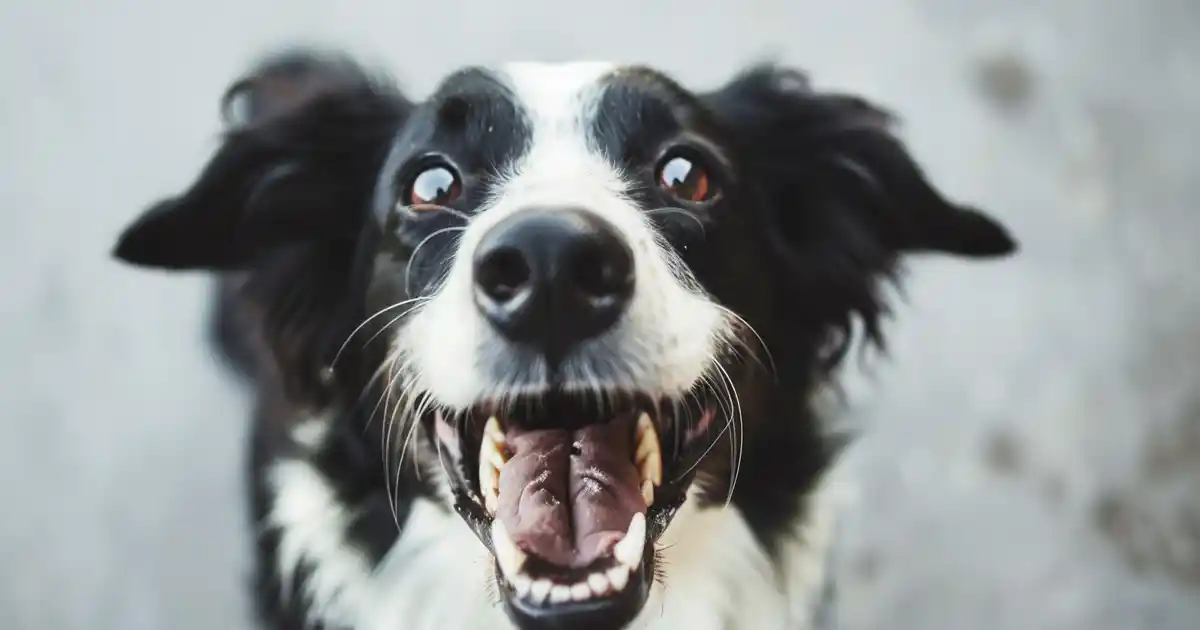
Here’s the magic: a genuinely happy dog face involves specific recognizable features including soft, relaxed eyes with normal pupil size, ears in a natural or slightly forward position without tension, a relaxed open mouth often with tongue lolling (the famous “dog smile”), loose facial muscles without tension in the forehead or cheeks, and an overall expression of ease and contentment. What makes understanding happiness different from recognizing other emotions is that true joy requires not just absence of stress but presence of positive experiences creating genuine wellbeing. I never knew identifying happy dog faces could be this straightforward once you understand the difference between genuine contentment and stress-mimicking behaviors like nervous panting or forced friendliness. According to research on dog emotions, dogs experience a range of emotions including joy, and modern science increasingly recognizes canine emotional complexity requiring appropriate environmental conditions for wellbeing. This combination of recognizing happiness indicators and actively creating conditions that generate authentic joy produces amazing improvements in your dog’s quality of life. It’s honestly more fulfilling than I ever expected, and no complicated protocols needed—just understanding what genuine happiness looks like, learning what creates it for your individual dog, and prioritizing their emotional wellbeing through daily choices and enrichment.
What You Need to Know – Let’s Break It Down
Understanding what genuine happiness looks like in dogs versus superficial contentment or stress-masking is absolutely crucial before you can accurately assess and improve your dog’s emotional wellbeing. Don’t skip learning these distinctions because I finally figured out that what I thought was my dog being “happy and friendly” was actually anxious appeasement behavior after months of misreading his stress as enthusiasm.
First, recognize the key features of a genuinely happy dog face. Soft, squinty eyes (not wide-open, hard staring eyes) indicate relaxation and contentment—think of how human eyes soften when genuinely happy. The mouth hangs open loosely with tongue often visible and lolling to the side, creating what people call the “dog smile,” but this must be paired with other relaxation signals to truly indicate happiness rather than stress panting. Ears sit in natural, relaxed position for that dog’s ear type—neither pinned back in fear nor rigidly forward in high arousal. The forehead appears smooth without furrowed brow or tension lines. Overall facial muscles look loose and soft rather than tense or rigid (took me forever to realize that tension anywhere on the face undermines claims of happiness even if the mouth looks “smiley”).
Second, identify happiness within the full context of body language and behavior, since facial expressions alone don’t tell the complete story. A truly happy dog displays: loose, wiggly body movements (the famous “wiggle butt”), tail wagging in broad, sweeping motions or helicopter circles (not just wagging, which can indicate various emotions), relaxed body posture without stiffness, playful behavior including play bows and bouncy movements, appropriate engagement with environment and people, healthy appetite and sleep patterns, and most importantly—voluntary approach and engagement rather than avoidance. My own dog shows genuine happiness through his entire body becoming loose and wiggly, with soft eyes and relaxed open mouth, during activities he truly enjoys like sniffing on decompression walks or working on puzzle toys (game-changer when I learned to distinguish this from his tenser, more anxious “trying to please me” expression during activities I pushed him toward).
Third, understand the difference between genuine happiness and stress-mimicking behaviors that humans often misinterpret as joy. Stress panting with wide eyes and tense facial muscles looks superficially like “smiling” but indicates discomfort. Hyperactive, frantic behavior that looks like “excitement” might actually be overstimulation or anxiety. Constant attention-seeking that seems like affection might indicate insecurity or insufficient mental stimulation. Dogs who never settle or relax aren’t experiencing sustained happiness despite appearing “energetic.” If you’re learning to assess your dog’s overall emotional state comprehensively, check out my guide to recognizing stress signals and understanding dog body language for understanding the full picture of canine emotional communication.
The reality check? Creating genuine happiness requires understanding your individual dog’s preferences, breed-specific needs, personality traits, and life history. What makes one dog genuinely happy might stress another dog. You’ll need to commit to observing what creates authentic joy for your specific dog rather than assuming all dogs enjoy the same activities. I always recommend spending a week simply observing when your dog appears most genuinely relaxed and engaged versus when they seem stressed or merely compliant, because everyone sees better results when building on activities that create authentic positive emotions rather than forcing interactions based on what we think dogs “should” enjoy.
The Science and Psychology Behind Why This Works
Research shows that dogs experience genuine positive emotions including joy, contentment, and pleasure, with neurological studies demonstrating that dogs have brain structures and neurochemical systems (particularly dopamine and oxytocin pathways) similar to those mediating positive emotions in humans. Studies confirm that dogs display measurable happiness indicators including play behavior, approach tendencies, relaxed body language, and engagement with preferred activities when their physical, social, and cognitive needs are adequately met.
Experts agree that canine happiness isn’t simply absence of distress but requires presence of positive experiences including appropriate mental stimulation, satisfying social interactions, opportunities for species-typical behaviors, environmental enrichment, and predictable routines creating sense of security and control. Research from veterinary behaviorists demonstrates that quality of life for dogs depends on meeting these complex needs systematically rather than providing only basic physical care.
What makes modern understanding of dog happiness different from historical views is recognition that dogs are sentient beings with complex emotional lives requiring active cultivation of wellbeing, not just prevention of suffering. When you systematically provide experiences creating genuine joy—breed-appropriate activities, positive social interactions, novel enrichment, choice and control—you’re not anthropomorphizing but responding to legitimate emotional needs documented through behavioral and neurological research.
The welfare aspect here is crucial: dogs living in states of chronic understimulation, social isolation, or predictable routines without novelty may not show overt distress but also don’t experience genuine happiness or flourishing. I’ve personally seen dramatic transformations when owners shift from meeting only basic needs to actively cultivating joy—dogs literally look different, with brighter eyes, more playful behavior, and that unmistakable “happy dog face” appearing regularly rather than rarely. Research consistently shows that dogs with higher quality of life (including happiness indicators) display fewer behavior problems, better physical health, and stronger human-dog bonds.
Here’s How to Actually Make This Happen
Start by establishing your dog’s happiness baseline through systematic observation. Here’s where I used to mess up—I’d assume my dog was happy without actually observing concrete indicators or patterns. Instead, spend one week tracking when your dog displays genuine happiness signals: soft eyes, relaxed open mouth, loose body language, voluntary engagement, playful behavior. Note specific contexts: which activities, what times of day, which people or environments. This creates objective data about what actually generates joy for your individual dog rather than assumptions.
Now for the important part: implementing the “Five Freedoms Plus Joy” approach—ensuring your dog experiences freedom from hunger/thirst, discomfort, pain/injury/disease, fear/distress, plus freedom to express normal behavior AND actively creating positive experiences generating happiness. Here’s my secret—most people focus only on preventing negatives (avoiding stress, preventing hunger) without actively creating positives (generating joy, providing enrichment, offering choices).
Don’t be me—I used to think meeting basic needs meant my dog was happy. This approach was inadequate because true happiness requires going beyond basics to provide enrichment, novelty, and breed-appropriate activities. Instead, systematically add joy-generating experiences: daily novel enrichment (new smells, textures, problem-solving challenges), breed-specific activities satisfying genetic drives (retrieving for sporting breeds, nose work for scent hounds, herding games for herding breeds), positive social interactions with appropriate dogs or people, decompression time allowing choice-driven exploration, and opportunities for play and fun.
Practice observing your dog’s facial expressions during various activities to identify what generates authentic happy faces versus stress or mere compliance. When it clicks, you’ll know because you’ll clearly see the difference between your dog’s relaxed, joyful expression during truly preferred activities versus their tenser, less enthusiastic expression during activities they tolerate. Results can vary, but most dogs show noticeably increased happiness indicators within 2-3 weeks when owners systematically add joy-generating experiences and remove or modify stress-inducing situations.
For creating more happy dog faces specifically, focus on activities research shows dogs genuinely enjoy: sniffing and exploration (decompression walks where dogs lead and investigate at their pace), problem-solving and mental challenges (puzzle toys, training new tricks, scent work), appropriate social play with compatible dogs, interactive games with humans using toys or training, novel experiences and environmental enrichment, rest and relaxation in comfortable spaces, and most importantly—choice and control over their daily experiences. My mentor taught me this trick: offer choices whenever possible (which walking route, which toy, whether to engage or retreat) because autonomy and control are fundamental to wellbeing and happiness. Every dog has unique preferences—some dogs find dog parks stressful rather than fun, some prefer parallel walking near other dogs over direct play, some choose independent activities over constant human interaction.
Here’s the assessment piece (often overlooked but essential): regularly evaluate your dog’s quality of life using validated assessment tools considering physical health, environmental comfort, social interactions, mental stimulation, and emotional wellbeing. Veterinary behaviorists and welfare scientists have developed quality of life scales helping owners objectively assess whether dogs are genuinely thriving versus just surviving. Don’t worry if you’re just starting out—even adding one novel enrichment activity daily and providing more choice and control makes a huge difference.
The lifestyle integration component matters tremendously: sustainable happiness comes from lifestyle patterns, not occasional special experiences. Create daily routines including mental stimulation, appropriate physical exercise, positive social interactions, enrichment activities, and genuine rest periods. This creates lasting wellbeing you’ll actually maintain because it becomes integrated into normal life rather than requiring unsustainable effort. Observe without assumptions, trust what your dog’s expressions and behavior communicate about their preferences, prioritize activities generating genuine happy faces over activities you think they “should” enjoy, and continuously adjust based on your individual dog’s changing needs across their lifespan.
Common Mistakes (And How I Made Them All)
My biggest mistake? Assuming my dog was happy because he stayed near me and complied with requests, without observing whether he actually displayed genuine happiness indicators during daily life. This misinterpretation meant I missed that my dog was merely compliant and somewhat anxious rather than genuinely joyful, leading to years of mediocre quality of life I could have improved.
Another epic failure was projecting what I thought would make dogs happy rather than observing what actually created joy for my individual dog. I’d take him to dog parks because “dogs love playing with other dogs,” ignoring his tense body language and stress signals because it didn’t fit my assumptions. Understanding happy dog faces means accepting that your specific dog’s preferences might not match stereotypes about what dogs “should” enjoy.
Don’t make my mistake of providing only physical needs without addressing emotional and cognitive wellbeing. I’d ensure adequate food, shelter, and basic exercise while completely neglecting mental stimulation, environmental enrichment, meaningful choices, and activities satisfying breed-specific drives. Dogs need more than physical maintenance to experience genuine happiness.
I also made the mistake of overscheduling my dog’s life with activities I considered fun (training classes, dog parks, long hikes) without providing adequate rest, decompression time, and choice about participation. This created an overstimulated, stressed dog who rarely showed genuine happy faces because he had no downtime to actually relax and enjoy life.
The comparison mistake that undermined my dog’s happiness? Worrying about whether my dog was as “fun-loving” or “social” as other dogs rather than focusing on his individual needs and preferences. Some dogs are naturally more reserved, independent, or selective about activities they enjoy, and that’s completely okay—happiness doesn’t require being the most playful, social, or energetic dog.
The mindset mistake that kept me from creating real happiness? Believing that if I loved my dog and provided basic care, happiness would automatically follow. True happiness requires intentional cultivation through understanding individual needs, providing appropriate enrichment, offering meaningful choices, and continuously assessing and improving quality of life based on what your dog actually experiences.
When Things Don’t Go as Planned
Feeling uncertain whether your dog is genuinely happy or just tolerating their life? You probably need to objectively assess happiness indicators using a quality of life scale and compare your dog’s expressions during various activities. That’s normal, and it happens when people realize they’ve been projecting assumptions rather than observing reality. I’ve learned to handle this by video recording my dog during different activities, then reviewing to objectively note facial expressions, body language, and engagement levels without my in-the-moment biases.
Struggling to create more happy dog faces despite trying new activities? When this happens (and it will), look at whether you’re offering activities matching your dog’s individual preferences and breed-specific needs, or whether you’re providing generic “dog activities” that might not suit your specific dog. Some dogs genuinely prefer quiet, low-key enrichment over high-energy activities. If you’re adding activities without increasing happiness indicators, you’re likely missing your dog’s actual preferences.
This is totally manageable: if your dog rarely displays genuine happy faces even with good care, consider whether underlying anxiety, chronic pain, or medical issues might be preventing happiness. Don’t stress, just schedule comprehensive veterinary examination including pain assessment and potentially behavioral consultation. I always prepare for the reality that some dogs with significant trauma histories or anxiety disorders need professional intervention including potential medication to achieve genuine happiness.
If you’re losing perspective about what constitutes realistic expectations, try connecting with veterinary behaviorists or certified behavior consultants who can objectively assess your dog’s quality of life. Not every dog is effusively joyful, and some personality types are naturally more reserved—but all dogs should show regular relaxation, engagement with preferred activities, and absence of chronic stress.
When motivation fails to maintain focus on your dog’s happiness, remember why emotional wellbeing matters: dogs deserve to thrive not just survive, happiness improves physical health and longevity, genuinely happy dogs display fewer behavior problems, and the bond with a truly content dog is incomparably rewarding compared to managing a merely compliant one.
Advanced Strategies for Next-Level Results
Taking happiness cultivation to advanced levels means implementing comprehensive quality of life assessments using validated welfare frameworks like the Five Domains Model (nutrition, environment, health, behavior, mental state) to systematically evaluate and optimize every aspect of your dog’s wellbeing.
Here’s my advanced approach: I track my dog’s happiness indicators longitudinally over time, noting patterns, seasonal variations, and how changes in routine affect emotional wellbeing. This data-driven approach allows me to optimize daily life based on objective improvements in happiness measures rather than assumptions. Advanced welfare assessment includes recognizing that happiness requires both positive experiences (joy, play, satisfaction) and ability to cope with inevitable stressors through resilience built from secure base and predictable positive interactions.
Another sophisticated technique is providing “agency-based enrichment” where dogs have maximum choice and control over their experiences. Rather than directing all activities, I create environments where my dog can choose which puzzles to solve, which routes to explore, whether to engage socially or retreat to quiet spaces, and how to spend discretionary time. Research shows that choice and control are fundamental to wellbeing and happiness across species.
For dogs with anxiety, fear-based behaviors, or trauma histories preventing easy happiness, work with veterinary behaviorists implementing comprehensive treatment including behavior modification, environmental management, and psychopharmacology when appropriate. Some dogs cannot achieve genuine happiness without medical intervention addressing underlying anxiety disorders.
What separates basic care from excellence in cultivating happiness? Advanced practitioners systematically assess breed-specific needs and ensure appropriate outlets, recognize individual personality traits requiring customized approaches, understand developmental changes across life stages requiring adapted enrichment, monitor subtle shifts in happiness indicators alerting to emerging problems, balance stimulation with adequate rest and recovery, and most importantly, continuously learn what generates authentic joy for their specific dog rather than relying on generic recommendations.
Advanced protocols include implementing choice-based training where dogs learn to communicate preferences, creating complex environmental enrichment rotating regularly to maintain novelty, providing opportunities for species-typical behaviors like digging, foraging, and exploring, and building comprehensive social networks providing appropriate interactions while respecting individual social preferences.
Ways to Make This Your Own
When I want to accelerate happiness improvements, I use what I call the “Joy Audit Protocol” where I dedicate two weeks to comprehensively documenting my dog’s emotional states throughout each day, identifying joy-generating activities versus neutral or stress-inducing situations, then systematically increasing time spent in joy-generating experiences while reducing or modifying stressful ones. This makes it more intensive but definitely worth it for creating dramatic quality of life improvements.
For special situations like rehabilitating rescue dogs with unknown histories, I’ll implement the “Slow Trust Building” approach that prioritizes creating felt safety and predictability before expecting genuine happiness expressions, recognizing that traumatized dogs need secure foundations before experiencing authentic joy. My busy professional version focuses on maximizing enrichment efficiency through food-dispensing toys for all meals, brief but engaging training sessions, and weekend intensive bonding activities.
Sometimes I add cooperative care training building positive associations with handling and medical care, though that’s totally optional—this creates confidence and security contributing to overall happiness. For next-level results, I love combining happiness cultivation with specific activities matching individual dog preferences discovered through systematic trial and observation—some dogs blossom with agility or nose work, while others prefer quiet hiking or swimming.
My “Senior Dog” variation emphasizes maintaining cognitive function through mental stimulation while adapting physical activities to changing abilities, recognizing that happiness in elderly dogs requires different approaches than for young, energetic dogs. The “Multi-Dog Household” version ensures each dog receives individual attention and activities matching their unique preferences rather than assuming all household dogs enjoy identical experiences.
Each variation works beautifully with different dogs’ needs—high-energy working breeds require substantial mental and physical outlets for happiness, while lower-energy breeds might find happiness in quieter enrichment and companionship. The rescue dog version builds happiness gradually through creating security first, then expanding positive experiences as confidence develops.
Why This Approach Actually Works
Unlike approaches treating dogs as merely requiring basic physical maintenance, comprehensive happiness cultivation recognizes dogs as sentient beings with complex emotional needs requiring active attention and optimization for genuine wellbeing. Research shows that dogs with higher quality of life including regular happiness experiences display better physical health, stronger immune function, reduced behavioral problems, better stress resilience, and longer lifespans compared to dogs receiving only basic care.
What makes evidence-based happiness cultivation different is foundation in animal welfare science documenting that wellbeing requires both minimizing negative experiences (preventing suffering) and maximizing positive experiences (creating joy, satisfaction, engagement). Modern animal welfare frameworks emphasize that thriving requires going beyond basic needs to provide lives worth living through enrichment, choice, and positive emotional experiences.
I discovered through years working with dogs that methods emphasizing quality of life and happiness consistently produce not just better-behaved dogs but genuinely flourishing companions with visible enthusiasm for life. Evidence-based techniques show that dogs receiving systematic happiness cultivation display brighter affect, more play behavior, better social engagement, reduced anxiety, and those unmistakable happy dog faces appearing regularly throughout daily life.
The bond aspect comes from shared positive experiences creating mutual joy and connection. This effective approach means when you prioritize creating genuine happiness for your dog, you simultaneously strengthen your relationship through positive interactions, creating upward spirals where happy dogs are more engaging, leading to more positive interactions, increasing happiness further.
Real Success Stories (And What They Teach Us)
One client came to me with a rescue dog who’d been in their home six months but rarely showed relaxation or joy, maintaining constant vigilance and displaying minimal happy faces despite good physical care. After implementing systematic happiness cultivation including choice-based enrichment, decompression walks, breed-appropriate nose work activities, and most importantly—allowing the dog to set interaction pace without pressure—within three months the dog underwent visible transformation. Happy faces appeared regularly, play behavior emerged for the first time, and the dog developed genuine enthusiasm for daily activities. What made them successful? They prioritized the dog’s actual preferences over their assumptions, provided patience allowing happiness to develop without forcing interactions, created routines generating security and predictability, and continuously assessed what actually generated joy versus mere compliance for their specific dog.
Another success story involved a working breed dog whose owner recognized that despite adequate exercise, the dog rarely displayed genuine contentment or happy expressions. Different outcome—by adding daily nose work and problem-solving activities engaging the dog’s natural drives, the owner discovered their dog needed mental challenges more than physical exhaustion. Within weeks, happy dog faces became the norm rather than the exception, and behavior problems stemming from frustration resolved naturally. The key lesson? Happiness requires meeting breed-specific needs, not just generic dog needs.
I’ve seen young puppies develop into joyful, confident adults when raised with systematic positive experiences and enrichment, while adult dogs with years of mediocre quality of life still experienced significant happiness improvements when owners implemented comprehensive changes. Success timelines vary based on individual history, temperament, and consistency of implementation.
What these stories teach us is that genuine happiness is achievable for most dogs when humans prioritize emotional wellbeing alongside physical needs, observe what actually creates joy for individual dogs rather than assuming, and systematically provide experiences generating authentic positive emotions. Success comes from ongoing commitment to quality of life rather than one-time interventions.
The most inspiring cases are always the dogs who seemed permanently subdued or merely compliant, then blossomed into visibly joyful, enthusiastic companions once given lives genuinely meeting their complex needs—proving that happiness is possible with appropriate understanding and effort.
Tools and Resources That Actually Help
My absolute favorite tool for assessing and tracking happiness is quality of life scales like the Lincoln Quality of Life Assessment or similar validated frameworks providing objective measures of wellbeing across multiple domains. I personally use weekly brief assessments tracking changes over time, identifying areas needing improvement.
For creating happiness, I rely on diverse enrichment tools rotated regularly: puzzle feeders and food-dispensing toys engaging problem-solving, snuffle mats and scent work kits satisfying foraging drives, appropriate toys matching breed-specific play styles, comfortable rest areas providing security, and most importantly—daily routines providing predictability while including novelty and choice. The best happiness tools are often simple: long lines allowing exploration, treat pouches for reward-based interactions, and mental stimulation through training games.
Books that changed my approach include “Canine Enrichment for the Real World” by Allie Bender and Emily Strong for comprehensive enrichment strategies, research on animal welfare and quality of life from scientists like Marian Dawkins and David Mellor, and breed-specific resources understanding what creates satisfaction for particular genetic backgrounds. For understanding emotional indicators, resources from certified applied animal behaviorists and veterinary behaviorists provide science-based frameworks.
Assessment tools include behavioral observation protocols noting frequency of play, rest quality, social engagement, and happiness indicators throughout typical days. I’m honest about limitations here—no single tool creates happiness, but rather comprehensive approaches addressing multiple needs simultaneously.
Free resources include research articles on canine quality of life (many available through open-access journals), welfare assessment frameworks from animal welfare organizations, and educational content from credentialed professionals. However, investing in individualized consultation with veterinary behaviorists assessing your specific dog’s quality of life provides invaluable insights—expect $300-500 for comprehensive welfare evaluations.
Questions People Always Ask Me
How long does it take to see more happy dog faces?
Most dogs show increased happiness indicators within 2-4 weeks when owners systematically add enrichment, provide more choice, and meet breed-specific needs consistently. Complete transformation creating regularly joyful expressions typically takes 2-4 months as new routines establish security and dogs learn to trust that positive experiences will continue. I usually recommend tracking happiness indicators weekly using simple scales so you see incremental improvements, which motivates continued effort during the building phase.
What if my dog never seems genuinely happy despite good care?
This requires veterinary assessment ruling out chronic pain, medical conditions, or anxiety disorders preventing emotional wellbeing. Some dogs have underlying issues requiring treatment before happiness is possible—thyroid problems, chronic pain, anxiety disorders, or cognitive decline all affect emotional states. If you’re providing excellent care but rarely see genuine happy faces, please consult veterinary behaviorists for comprehensive evaluation. Not all apparent contentment issues stem from management problems.
Is recognizing happy dog faces suitable for all dog owners?
Absolutely yes—every dog owner benefits from understanding what genuine happiness looks like in dogs and learning to create more positive emotional experiences. However, if your dog shows concerning issues like persistent anxiety, fear-based behaviors, or aggression preventing normal joy, please work with certified professionals addressing underlying problems. Happiness cultivation works best when dogs aren’t struggling with significant behavioral or medical issues requiring intervention.
Can all dogs experience genuine happiness?
Research supports that dogs are capable of experiencing positive emotions including joy, pleasure, and contentment when their needs are appropriately met. However, individual dogs vary in how expressively they display happiness—some dogs are naturally more reserved or independent while still experiencing wellbeing. Additionally, dogs with severe anxiety disorders, significant trauma histories, or chronic pain conditions may struggle to experience happiness without comprehensive treatment. The goal is maximizing wellbeing within each dog’s individual capacity.
What’s the most important thing to focus on first?
Start by objectively observing when your dog displays genuine relaxation and happy expressions versus when they seem stressed, merely compliant, or neutral. This baseline assessment reveals what currently generates joy for your specific dog, allowing you to increase those experiences. Simultaneously ensure you’re meeting breed-specific needs for mental stimulation and appropriate activities, since many dogs lack genuine happiness simply because their genetic drives remain unsatisfied despite physical care being adequate.
How do I stay motivated maintaining focus on my dog’s happiness?
Notice the concrete improvements in your dog’s demeanor, engagement, and behavior as happiness increases. Dogs living joyful lives are genuinely more pleasant companions, display fewer behavior problems, and create more rewarding relationships. Take photos or videos monthly showing your dog’s expressions over time—seeing the visual progression from tense or neutral expressions to genuinely happy faces provides powerful motivation to continue prioritizing emotional wellbeing.
What mistakes should I avoid when trying to create more happiness?
Never assume what makes you happy will make your dog happy—many owners project their preferences rather than observing their dogs’ actual reactions. Avoid overscheduling activities without providing adequate rest and choice. Don’t ignore breed-specific needs expecting generic “dog activities” to satisfy all dogs equally. Never force interactions or activities your dog clearly finds stressful just because you believe they “should” enjoy them. And critically, don’t mistake compliance or tolerance for genuine happiness—learn to recognize the difference through careful observation.
Can improving happiness help with specific behavior problems?
Absolutely. Many behavior problems stem from inadequate mental stimulation, unmet breed-specific needs, chronic stress, or poor quality of life. Addressing underlying wellbeing issues through happiness cultivation often resolves destructive behavior, excessive vocalization, attention-seeking, hyperactivity, and mild anxiety without additional specific behavior modification. However, serious behavior problems like aggression or severe anxiety require professional comprehensive treatment combining wellbeing improvement with targeted behavior modification.
What if creating happiness feels overwhelming given my schedule?
Focus on efficiency and integration rather than adding separate lengthy activities. Feed all meals through puzzle toys providing mental stimulation during feeding time anyway. Take decompression walks where your dog explores at their pace requiring no more time than regular walks but providing much more satisfaction. Add brief 5-10 minute training sessions teaching tricks or playing games—even small additions create meaningful improvements. Remember that choice and control often matter more than activity quantity.
How much does creating a happier dog cost?
Basic happiness cultivation costs minimal—DIY enrichment using household items is free, decompression walks cost nothing, and choice/control require no financial investment. Quality enrichment toys and puzzle feeders cost $50-150 initially with minimal replacement needs. If you invest in activities like nose work classes or breed-specific sports, expect $100-300 per 6-8 week course. Professional quality of life assessment from veterinary behaviorists costs $300-500. Overall, creating genuine happiness is quite budget-friendly, primarily requiring observation, creativity, and commitment rather than expensive equipment.
What’s the difference between a happy dog and a merely compliant dog?
Happy dogs voluntarily engage with activities, environments, and people, displaying relaxed body language, soft eyes, loose wiggly movements, and enthusiastic participation in preferred activities. Merely compliant dogs follow directions but show little enthusiasm, maintain more tense body postures, display neutral rather than joyful expressions, and lack voluntary engagement beyond responding to cues. Happy dogs choose to participate; compliant dogs simply don’t resist. The difference is visible in facial expressions, body language, and behavioral enthusiasm when you learn to observe objectively.
How do I know if I’m successfully creating more happiness?
Track objective indicators: frequency of play behavior, how often you observe soft eyes and relaxed open mouth, whether your dog voluntarily seeks interaction and activities, quality of rest and sleep, enthusiasm and engagement levels, reduction in stress-related behaviors, and most importantly—how often you see genuine happy dog faces throughout typical days. Take videos monthly for comparison. Real success means your dog displays regular joy and contentment, not just absence of obvious distress. Trust patterns over isolated moments.
Before You Get Started
I couldn’t resist sharing this because it proves that creating genuine happiness for your dog transforms not just their quality of life but your entire relationship and the joy you both experience together daily. The best journeys in cultivating canine happiness happen when you commit to observing what actually creates joy for your individual dog rather than assuming, prioritize meeting breed-specific needs alongside basic care, provide meaningful choice and control throughout daily life, and continuously assess emotional wellbeing using objective indicators rather than projections. Start by spending this week simply observing when your dog displays genuine happy faces versus neutral or stressed expressions, noting specific contexts and activities. Remember that every dog deserves not just to survive but to thrive with regular joy, satisfaction, and contentment—and creating those happy dog faces you’ll see lighting up your companion’s face is one of the most rewarding investments you’ll ever make in your relationship together.




