
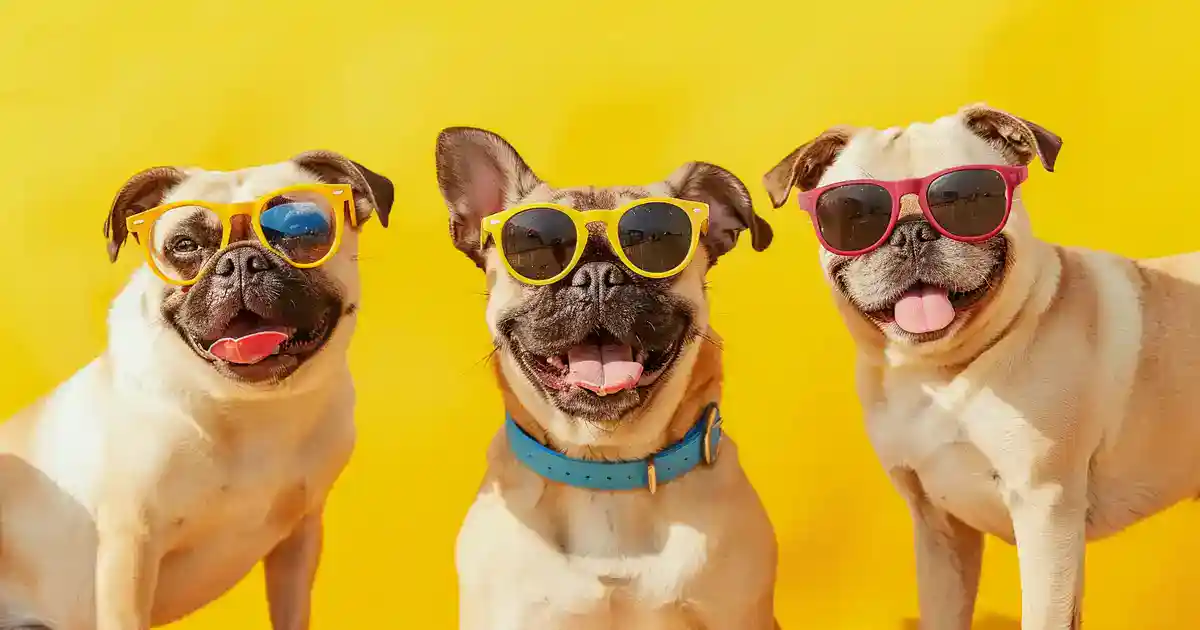
Have you ever wondered why your dog suddenly looks away, licks their lips, or shows the whites of their eyes in certain situations, leaving you confused about what they’re trying to communicate? I used to think my dog was just being quirky with his facial expressions until I discovered that dogs have incredibly sophisticated facial communication systems that most owners completely miss—and once I learned to read these signals, our entire relationship transformed. Now my friends constantly ask how I always seem to know exactly what my dog needs before problems escalate, and my family (who thought I was overthinking things) keeps asking me to “translate” their own dogs’ expressions. Trust me, if you’re worried about missing important stress signals, misreading your dog’s comfort level, or want to strengthen your bond through better communication, this expert guide will show you it’s more intuitive than you ever expected.
Here’s the Thing About Dog Facial Expressions
Here’s the magic: dog facial expressions are windows into their emotional state, providing real-time feedback about comfort, stress, fear, happiness, and arousal levels—but most people only recognize the most obvious signals while missing the subtle communications that matter most. What makes this work is understanding that dogs use combinations of facial signals (eyes, ears, mouth, forehead) together with body language to communicate complex emotional states, and learning to read these expressions allows you to respond appropriately before small stresses escalate into serious problems. I never knew interpreting dog facial expressions could be this straightforward once you understand the key signals and what they actually mean in different contexts. According to research on dog behavior, canines have evolved specialized facial muscles allowing them to communicate effectively with humans, including the ability to raise their inner eyebrows creating expressions humans find appealing. This combination of recognizing individual facial signals and understanding context creates amazing improvements in communication. It’s honestly more accessible than I ever expected, and no formal training needed—just attention to detail, practice observing your dog in various situations, and learning what specific expressions actually mean rather than projecting human interpretations onto them.
What You Need to Know – Let’s Break It Down
Understanding the key components of canine facial expressions is absolutely crucial before you can accurately interpret what your dog is communicating. Don’t skip learning these foundational signals because I finally figured out that what I thought was my dog “smiling” was actually a stress signal after months of misreading his discomfort in certain situations.
First, recognize the five primary facial features dogs use for communication: eyes (including gaze direction, pupil dilation, eyelid tension, and “whale eye”), ears (position, tension, movement), mouth (open/closed, lip position, tongue, teeth display), facial muscles (forehead tension, eyebrow movements, cheek tension), and overall head position. Each feature provides information, but reading them in combination gives you the complete picture of your dog’s emotional state (took me forever to realize that one signal alone doesn’t tell the whole story—context and combinations matter enormously).
Second, identify the most important individual signals within each feature. Eye signals include soft, relaxed eyes indicating calmness; hard stares signaling potential aggression or intense focus; whale eye (showing whites of eyes) indicating stress, fear, or discomfort; dilated pupils suggesting arousal, fear, or excitement; and squinting or blinking showing appeasement or discomfort. Ear positions range from forward and alert (interested, aroused) to neutral and relaxed (calm, content) to pinned back (fearful, submissive, or potentially aggressive depending on other signals). Mouth signals include relaxed, slightly open mouth (calm, happy); closed, tense mouth (stressed, worried); lip licking and nose licking (stress, appeasement, anticipation); yawning (stress relief, calming signal, or genuine tiredness); panting (normal thermoregulation or stress); and showing teeth (can indicate fear-based aggression, active aggression, or—rarely—submissive grinning). My own dog shows rapid lip licking when uncomfortable with situations, which I initially missed completely until I learned this was a key stress indicator (game-changer when I could recognize his discomfort early and remove him from stressful situations).
Third, understand that facial expressions must be read in context with full body language, environmental factors, and the specific situation. A dog showing teeth during play looks completely different from a dog showing teeth when cornered—the facial expression alone doesn’t tell you everything without broader context. If you’re learning to read canine communication comprehensively, check out my complete guide to dog body language and stress signals for understanding how facial expressions fit into overall communication patterns.
The reality check? Reading dog facial expressions accurately requires practice, attention to subtle details, and willingness to prioritize what your dog is actually communicating over what you want them to feel. I always recommend starting by observing your own dog in clearly positive situations (receiving treats, playing favorite games) and clearly stressful situations (vet visits, nail trims) to establish their individual baseline expressions. Everyone sees results faster when learning their specific dog’s communication style since individual dogs have unique expression patterns alongside universal canine signals.
The Science and Psychology Behind Why This Works
Research shows that dogs have evolved specialized facial musculature allowing them to create expressions humans readily perceive and respond to—specifically, dogs have developed the ability to raise their inner eyebrows creating “puppy dog eyes” that wolves cannot produce, demonstrating evolutionary adaptation for human-canine communication. Studies confirm that humans are remarkably good at recognizing basic dog emotions like happiness and fear but frequently miss subtle stress signals and misinterpret certain expressions due to anthropomorphization (assigning human emotional meanings to dog behaviors).
Experts agree that learning to accurately read dog facial expressions improves both human-dog relationships and safety by allowing early intervention before stress escalates to aggression, preventing bite incidents through recognition of warning signals, reducing chronic stress for dogs by respecting their communication, and strengthening bonds through appropriate responses to emotional states. Research from veterinary behaviorists demonstrates that most dog bites occur because humans missed or ignored multiple warning signals including facial expressions indicating discomfort.
What makes scientific understanding different from folk interpretations is recognition that dogs don’t experience emotions identically to humans, so projecting human feelings onto dog expressions leads to misunderstanding. For example, what looks like “guilt” is actually appeasement behavior in response to owner displeasure, and what seems like “smiling” might be stress panting or a submissive grin. Modern ethology (the study of animal behavior) emphasizes objective observation of signals and their contexts rather than emotional anthropomorphization.
The psychological aspect here is crucial: dogs rely on humans recognizing and appropriately responding to their facial communications for welfare and safety. When owners consistently miss stress signals, dogs may eventually stop offering them and escalate directly to more intense responses like snapping or biting. I’ve personally seen dramatic relationship improvements when owners learn to read facial expressions accurately—suddenly they can advocate for their dogs appropriately, prevent stressful situations, and respond to needs before problems develop.
Here’s How to Actually Make This Happen
Start by learning the baseline “neutral” and “happy/relaxed” expressions for your individual dog. Here’s where I used to mess up—I’d try to identify stress without knowing what my dog looked like when genuinely comfortable. Instead, observe your dog during clearly positive moments: receiving favorite treats, engaging in preferred activities, relaxing at home when calm. Take photos or videos capturing relaxed eyes, neutral ear position, soft facial muscles, and relaxed mouth position. This establishes your reference point for comparison when assessing other situations.
Now for the important part: systematically learning key stress signals that dogs display through facial expressions. Start with the most common: whale eye (showing whites of eyes when looking away from something while keeping it in peripheral vision—signals discomfort or stress about whatever they’re monitoring), rapid lip licking or nose licking (not food-related licking but quick tongue flicks—signals stress, appeasement, or discomfort), yawning in inappropriate contexts (not tired yawning but stress-relief yawning during tense situations), tense facial muscles (tight forehead, furrowed brow, tense cheeks—indicates stress or worry), mouth tightly closed or panting despite not being hot or exercised (stress responses), and ears pinned back against head (fearful or highly stressed). Here’s my secret—once you recognize these signals, you can immediately respond by removing your dog from the situation, creating distance from triggers, or changing the interaction to reduce stress.
Don’t be me—I used to dismiss subtle signals thinking my dog was “fine” because he wasn’t growling or showing obvious aggression. This approach was dangerous because I was ignoring his polite communication attempts, forcing him to escalate to more intense signals. Instead, respect the earliest, subtlest signals as valid communication worthy of response.
Practice observing your dog in gradually challenging situations, noting which facial expressions appear: greeting familiar versus unfamiliar people, interactions with other dogs, veterinary visits, grooming procedures, training sessions, novel environments, and handling exercises. When you can accurately identify patterns—”my dog shows whale eye and lip licking when strangers lean over him” or “my dog’s ears pin back when children approach quickly”—you’ve developed real practical understanding.
For improving your observation skills, use video recording during various situations so you can review in slow motion, noticing subtle expressions you might miss in real-time. My mentor taught me this trick: watch the same video multiple times, focusing on different facial features each time—once watching only eyes, once only ears, once only mouth—to train your eye to notice all components simultaneously. Results can vary in how quickly people develop accurate reading skills, but most owners show noticeable improvement within 2-3 weeks of dedicated practice.
Here’s the context integration piece (often overlooked but essential): the same facial expression can mean different things depending on context. A dog showing teeth during play with loose, wiggly body language is completely different from a dog showing teeth while stiff and still. Ears pinned back during intense exercise might indicate speed and focus rather than fear. Consider the full situation—what’s happening, what’s the dog’s body language overall, what preceded this moment—when interpreting facial expressions.
The application component matters tremendously: once you recognize stress signals, respond appropriately by removing your dog from stressful situations, preventing unwanted interactions, advocating for your dog with others, and creating positive associations with triggers when possible. Don’t worry if you’re just starting out—even recognizing one or two key signals like whale eye and lip licking makes a huge difference in your dog’s welfare. Observe without judgment, trust what your dog communicates over what you hope they’re feeling, and always prioritize their comfort based on what their face is telling you. This creates communication you’ll actually maintain because you’ll see immediate improvements in your relationship and your dog’s stress levels.
Common Mistakes (And How I Made Them All)
My biggest mistake? Anthropomorphizing my dog’s facial expressions based on what similar expressions mean in humans. I’d see my dog’s mouth corners pulled back and think he was “smiling happily” when he was actually displaying stress through submissive grinning. This misinterpretation meant I left him in uncomfortable situations believing he was fine, which damaged his trust and increased his stress.
Another epic failure was focusing only on obvious signals like growling or snarling while ignoring subtle stress indicators. Dogs typically offer multiple subtle warnings (whale eye, lip licking, turning away, tense muscles) before escalating to obvious aggression, and by ignoring early communication, I forced my dog to use more intense signals to be heard.
Don’t make my mistake of inconsistency in responding to my dog’s facial expressions. Sometimes I’d respect his stress signals and remove him from situations, other times I’d ignore them because it was inconvenient. Dogs learn whether their communication is effective based on consistent responses, and my inconsistency made communication less reliable.
I also made the mistake of missing context-dependent meanings. I’d see ears pinned back and always assume fear, even during contexts like high-speed running where pinned ears are aerodynamic rather than emotional. Understanding dog facial expressions means considering the whole situation, not just isolated signals.
The social pressure mistake that endangered my dog? Allowing interactions to continue despite my dog’s obvious stress signals because I didn’t want to seem “overprotective” or “rude” to other people. I’d let strangers continue petting my dog even when his facial expressions screamed discomfort because I prioritized human feelings over my dog’s clear communication.
The mindset mistake that prolonged misunderstanding? Believing I already knew what my dog was feeling without actually observing his signals objectively. I’d decide he was happy in situations and then selectively notice only signals confirming my assumption while missing contradictory stress indicators. Once I committed to objective observation regardless of my preferences, communication improved dramatically.
When Things Don’t Go as Planned
Feeling overwhelmed by how many signals to watch simultaneously? You probably need to start with just one or two key indicators like whale eye and lip licking before expanding to full facial reading. That’s normal, and it happens to everyone learning this skill. I’ve learned to handle this by initially focusing exclusively on eye expressions for a week, then adding ear position the next week, gradually building comprehensive reading ability rather than trying to notice everything immediately.
Struggling to recognize signals in your own dog? When this happens (and it will initially), compare your dog’s expressions in clearly positive situations versus clearly stressful situations to identify differences. Dogs have individual variation in how obviously they display signals—some are very expressive while others are more subtle. If you’re having difficulty seeing signals, take videos for slow-motion review or consult with a professional trainer who can point out what you’re missing.
This is totally manageable: if you notice stress signals but don’t know how to respond appropriately, start by simply creating distance or removing your dog from the situation. Don’t stress about perfect intervention—just respecting the communication by changing the situation addresses your dog’s immediate need. I always prepare a plan for common situations where my dog shows stress (visitors arriving, vet visits, crowded walks) so I know exactly how to respond when I see his signals.
If you’re losing confidence because you keep “missing” signals you notice only in retrospect, try reviewing what happened before incidents or problems to identify patterns. Recognizing facial expressions improves with practice, and noticing signals after-the-fact still teaches you what to watch for next time.
When motivation fails to maintain careful observation, remember why this matters: preventing your dog from experiencing chronic stress, avoiding bite incidents by recognizing warnings early, strengthening your bond through responsive communication, and improving your dog’s quality of life by advocating appropriately for their needs.
Advanced Strategies for Next-Level Results
Taking facial expression reading to advanced levels means recognizing micro-expressions—extremely brief facial changes lasting less than a second that reveal emotional responses before dogs can control or mask them. Advanced practitioners often notice these fleeting expressions indicating initial stress responses even when dogs quickly recover to neutral expressions.
Here’s my advanced approach: I watch for displacement behaviors accompanying facial stress signals—actions like sniffing the ground, scratching, or shaking off that dogs perform to self-calm during stress. When I see these combined with subtle facial tension, I know my dog needs support even if casual observers wouldn’t notice anything wrong.
Another sophisticated technique is tracking changes in expression over time during single interactions. A dog might start with relaxed facial expressions during petting but gradually show increasing tension (tightening facial muscles, harder eyes, ears pulling back slightly)—recognizing this progression allows intervention before the dog feels compelled to escalate to obvious signals.
For working with fearful or reactive dogs, advanced observation includes recognizing “trigger stacking” where multiple stressful stimuli accumulate, visible in progressively tense facial expressions even when individual triggers might be manageable alone. Professional trainers watch facial expressions to determine optimal training distance—the point where dogs notice triggers but facial expressions remain soft and relaxed rather than tense.
What separates beginners from experts in reading dog faces? Experts recognize individual variation in how dogs display expressions, understand breed-specific differences (brachycephalic breeds show different expressions than breeds with longer muzzles, heavily furred faces obscure signals more than short-coated faces), notice changes in baseline expressions indicating illness or pain, read expressions in various lighting conditions and distances, and most importantly, consistently respond appropriately to what dogs communicate rather than just noticing signals without action.
Advanced understanding includes recognizing that some dogs have been punished for showing stress signals (especially growling) and may offer fewer warnings before escalating to bites—these dogs require even more careful observation of subtle facial indicators since they’ve learned overt communication is unsafe.
Ways to Make This Your Own
When I want accelerated learning with my own observation skills, I use what I call the “Video Analysis Protocol” where I film my dog in various situations, then review videos multiple times focusing on different facial features each viewing, noting every signal I observe, and tracking patterns across situations. This makes learning more intensive but definitely worth it for building rapid recognition skills.
For special situations like preparing to add children to the household or working with reactive dogs, I’ll implement the “Stress Signal Journal” approach that involves documenting every instance of stress signals including exact facial expressions shown, context and triggers present, and how I responded. This creates detailed pattern recognition helping predict and prevent future stress.
Sometimes I add photo comparison exercises, though that’s totally optional—taking photos of my dog in various emotional states and comparing facial features side-by-side helps train my eye to recognize differences I might miss during real-time observation. For next-level understanding, I love studying videos of other dogs to see how individuals vary in expression styles while maintaining the same underlying signal meanings.
My “Multi-Dog Household” variation includes learning each dog’s individual expression patterns since even dogs living together may communicate somewhat differently, ensuring I respond appropriately to each dog’s unique style. The “Working with Challenging Breeds” version emphasizes learning how breeds with physical features affecting expressions (flat faces, heavy facial fur, cropped ears) communicate differently requiring adapted observation skills.
Each approach works beautifully with different learning styles—visual learners benefit enormously from photo and video analysis, while kinesthetic learners might prefer practicing observation during hands-on interactions. The professional dog trainer version incorporates teaching clients to read their own dogs’ faces as fundamental component of training programs.
Why This Approach Actually Works
Unlike anthropomorphic interpretation that projects human emotions onto dog expressions, scientific observation of canine facial expressions is based on ethological research documenting what specific signals actually indicate in dogs’ communication systems. Research shows that dogs use facial expressions as part of complex communication including body language, vocalizations, and behavioral responses, with facial signals providing real-time emotional state information.
What makes evidence-based expression reading different is reliance on observed correlations between specific facial configurations and subsequent behaviors or physiological stress indicators. For example, we know whale eye correlates with stress because studies measuring cortisol levels and subsequent behavior show dogs displaying whale eye are experiencing elevated stress regardless of what humans imagine they’re feeling.
I discovered through years of working with dogs that methods emphasizing objective observation consistently improve relationships and safety compared to anthropomorphic assumptions. Evidence-based techniques show that owners who accurately read facial expressions respond more appropriately to their dogs’ needs, experience fewer behavior problems, have stronger bonds, and most importantly, prevent more bite incidents by recognizing warnings early.
The welfare aspect comes from respecting dogs’ actual communication rather than imposing human interpretations. This effective approach means dogs experience less chronic stress when their humans understand and respond appropriately to what they’re genuinely communicating through facial expressions.
Real Success Stories (And What They Teach Us)
One client came to me concerned about their dog’s interactions with their toddler. After learning to read subtle facial expressions—particularly noticing their dog’s whale eye, lip licking, and tense facial muscles during certain interactions—they recognized their dog was uncomfortable with specific types of child approach and handling. Within three weeks of intervening based on facial signals and teaching the child appropriate interactions, the dog’s stress signals decreased dramatically and expressions during child interactions showed genuine relaxation. What made them successful? They prioritized what their dog’s face communicated over their assumptions about how the dog “should” feel, consistently intervened when stress signals appeared, and modified interactions based on the dog’s comfort signals.
Another success story involved a rescue dog who’d been labeled “unpredictable” because he sometimes snapped without apparent warning. Different outcome—working together, we reviewed videos and discovered the dog actually offered multiple facial warnings including tense eyes, pinned ears, and tight mouth that previous owners had missed. The key lesson? So-called “unpredictable” dogs usually communicate clearly through facial expressions, but humans miss or ignore their signals. Once the new owner learned to read and respect these expressions, the “unpredictability” disappeared because the human could see warnings and respond appropriately.
I’ve seen new puppy owners develop excellent communication within weeks when taught facial expression reading from the start, while people with long-standing dogs sometimes take months to overcome ingrained habits of misinterpretation. Success timelines vary based on observation skills, consistency of attention, and willingness to change responses based on what dogs actually communicate.
What these stories teach us is that accurate reading of dog facial expressions transforms relationships by enabling appropriate responses to dogs’ emotional states, prevents serious problems by catching early stress signals, and improves welfare by reducing chronic stress from continued unwanted interactions. Success comes from prioritizing what dogs actually communicate over human assumptions or desires.
The most inspiring cases are always the dogs labeled “aggressive” or “unpredictable” who became relaxed, trusting companions once their humans learned to read and respect their facial communications—proving the dogs were communicating all along but hadn’t been understood.
Tools and Resources That Actually Help
My absolute favorite learning tool is video recording capability on smartphones allowing slow-motion review of my dog’s facial expressions during various situations. I personally review videos at quarter-speed focusing on specific facial features, which reveals subtle signals I completely miss during real-time interactions.
For structured learning, I rely on resources from certified applied animal behaviorists and veterinary behaviorists who provide science-based information on canine communication. Books that changed my understanding include “On Talking Terms With Dogs: Calming Signals” by Turid Rugaas for stress signals including facial expressions, “Canine Body Language: A Photographic Guide” by Brenda Aloff for comprehensive visual references, and research articles on dog-human communication from peer-reviewed journals.
Educational resources include online courses specifically teaching facial expression reading (look for courses from IAABC or CCPDT certified professionals), photo guides showing various expressions with explanations, and video libraries demonstrating expressions in context. The “Dog Decoder” app provides visual guides to body language including facial expressions, though nothing replaces observing your own individual dog.
What to avoid: resources anthropomorphizing dog expressions without scientific basis, materials claiming to teach “what dogs are thinking” rather than objective signal observation, and advice suggesting dogs’ facial expressions should be ignored in favor of dominance-based interactions. These represent outdated, potentially harmful approaches.
Free resources include YouTube channels from credentialed professionals demonstrating facial expression reading (Kikopup, Donna Hill), online photo guides from veterinary behaviorist websites, and position statements from American Veterinary Society of Animal Behavior (AVSAB) on canine communication. The best investment is possibly a consultation with a certified professional who can observe your specific dog and point out individual expression patterns you’re missing—expect $100-200 for assessment sessions.
Questions People Always Ask Me
How long does it take to learn to read dog facial expressions accurately?
Most people recognize basic expressions like obvious happiness or fear immediately, but learning subtle stress signals and context-dependent meanings typically takes 3-4 weeks of dedicated observation practice. Complete fluency in reading your individual dog’s full facial communication usually develops over 2-3 months of consistent attention. I usually recommend starting with one or two key signals like whale eye and lip licking, mastering recognition of these before adding additional signals, which accelerates learning through focused practice rather than overwhelming yourself trying to notice everything simultaneously.
What if my dog doesn’t show obvious facial expressions?
Some dogs are more subtle communicators due to individual temperament, breed-specific features (flat-faced breeds, heavily furred faces), or learned suppression from previous punishment of signals. These dogs still communicate but require more careful observation of micro-expressions and slight changes from baseline. Video recording in slow motion helps reveal signals you can’t see in real-time, and professional assessment from certified trainers can identify subtle communications you’re missing in your specific dog.
Is reading facial expressions suitable for all dog owners?
Absolutely yes—every single dog owner benefits from learning to read their dog’s facial expressions since this is fundamental to understanding needs, preventing problems, and ensuring welfare. However, if your dog shows concerning facial expressions like frequent stress signals or aggressive displays, please work with certified professionals for assessment and guidance rather than relying only on DIY observation. Reading signals is essential; knowing how to respond appropriately sometimes requires professional help.
Can I use facial expression reading with unfamiliar dogs?
Yes, with important caveats. Universal canine signals like whale eye, lip licking, and pinned ears communicate stress in any dog, allowing you to recognize discomfort in unfamiliar dogs and respond appropriately by giving space. However, you won’t know individual baseline expressions or breed-specific variations, so be conservative in your interpretations and always prioritize giving space when you see any potential stress signals in dogs you don’t know well.
What’s the most important facial expression to learn first?
Start with whale eye (showing whites of eyes) and lip licking—these two signals are extremely common, relatively easy to recognize, clearly indicate stress or discomfort, and appear before situations escalate to more serious problems. Mastering these two expressions alone prevents countless issues by allowing early intervention when dogs are uncomfortable. Once you reliably recognize these, add ear position and facial muscle tension to your observation repertoire.
How do I stay motivated to maintain careful observation?
Notice the concrete improvements in your relationship—your dog relaxes more because you advocate appropriately, problems decrease because you intervene earlier, and your bond strengthens through responsive communication. Track successful interventions in a journal: “Noticed whale eye when stranger approached, created distance, dog relaxed—prevented stressful interaction.” Seeing how observation improves your dog’s daily experience provides powerful motivation to maintain this awareness.
What mistakes should I avoid when learning to read facial expressions?
Never anthropomorphize by assuming dog expressions mean the same things as similar human expressions. Avoid focusing only on one feature without considering others and overall context. Don’t ignore subtle signals because they’re not “serious” enough—dogs typically escalate when early communication is dismissed. Never punish or discourage stress signals like growling—these are valuable communication keeping everyone safe. And critically, don’t just observe signals without responding appropriately—recognition without action doesn’t help your dog.
Can facial expression reading help with specific behavior problems?
Absolutely. Many behavior problems stem from chronic stress, fear, or frustration that owners miss because they can’t read facial expressions indicating emotional states. Recognizing when your dog is uncomfortable allows intervention preventing problems like aggression, reactivity, or anxiety-based destructiveness. However, facial expression reading is one component of comprehensive behavior assessment—combine observation with understanding body language, context, and potentially professional behavior consultation for complex issues.
What if I see conflicting signals in my dog’s facial expressions?
Conflicting signals (like relaxed body but tense facial muscles, or soft eyes but pinned ears) typically indicate mixed emotional states—perhaps your dog wants something but is also worried, or is conflicted between approach and avoidance. These situations require careful management giving your dog choice and control while removing pressure. When you notice conflict signals, reduce intensity of the situation and let your dog decide whether to engage or retreat.
How much does learning facial expression reading cost?
The basics cost nothing—simply observing your dog carefully requires only time and attention. Books and online resources cost fifteen to forty dollars if you want structured learning materials. Video recording uses equipment you likely already own (smartphone). If you invest in professional consultation teaching you to read your specific dog, expect one hundred to two hundred dollars for assessment and coaching sessions. Overall, this is one of the most budget-friendly and high-impact skills you can develop for improving your relationship with your dog.
What’s the difference between reading facial expressions and anthropomorphizing?
Anthropomorphizing means projecting human emotions and meanings onto dog behavior—assuming a dog showing teeth is “smiling” because humans smile with teeth, or believing a dog who looks away is being “stubborn.” Reading facial expressions objectively means observing specific signals (teeth showing, eyes averted) and understanding what these actually communicate in canine language (teeth might indicate fear or aggression depending on context, looking away signals appeasement or stress), regardless of what similar expressions might mean in humans. One imposes human interpretation; the other respects canine communication.
How do I know if I’m accurately reading my dog’s expressions?
Validate your interpretations by watching what happens next—if you read stress signals and remove your dog from the situation, does your dog relax? If you read happy expressions and continue interactions, does your dog remain engaged? Accurate reading predicts subsequent behavior and your responses produce expected results. Consider video recording interactions for review, or consult certified professionals for feedback on your interpretations. Trust patterns over single instances and always prioritize safety by being conservative when uncertain.
Before You Get Started
I couldn’t resist sharing this because it proves that understanding dog facial expressions transforms not just your ability to communicate but your entire relationship built on genuine mutual understanding and trust. The best journeys in learning canine facial communication happen when you commit to objective observation over anthropomorphic projection, practice consistently in various contexts until recognition becomes automatic, prioritize appropriate responses to what your dog communicates, and accept that your dog’s comfort matters more than your desires about how they “should” feel. Start by observing your dog’s face today during one clearly positive and one clearly stressful situation, noting every detail of eye position, ear placement, mouth configuration, and facial muscle tension. Remember that every facial expression your dog offers is valuable communication deserving respect and appropriate response—this foundation of understood communication creates relationships of depth, trust, and genuine partnership that benefit both species involved.




