
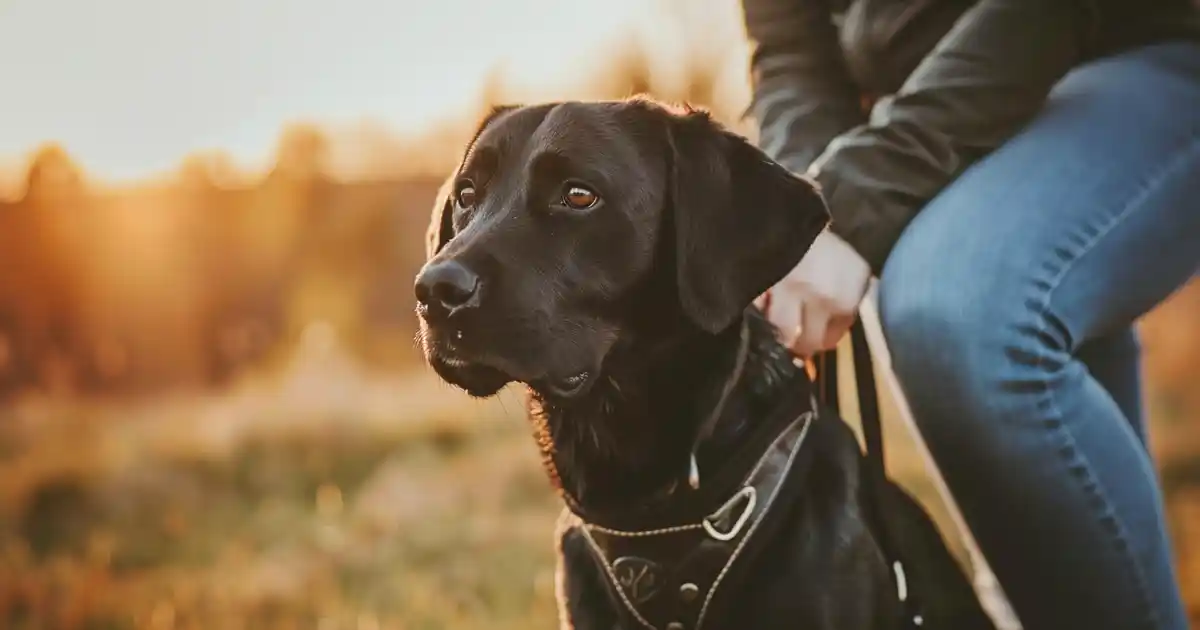
Have you ever wondered why front clip harnesses seem like the perfect solution until you struggle with proper fit and technique? I used to think just buying a front clip harness would magically stop my dog’s pulling or that any harness worked the same way, until I discovered these specific fitting and training strategies that completely transformed our walks. Now other frustrated dog owners constantly ask how I got such amazing results with my front clip harness while theirs barely makes a difference, and my training clients (who’d tried every tool unsuccessfully) keep requesting my exact setup protocol. Trust me, if you’re worried about wasting money on another piece of equipment that doesn’t work or dealing with twisted leashes and rubbing issues, this approach will show you it’s more effective than you ever expected.
Here’s the Thing About Front Clip Harness Training
Here’s the magic behind successful front clip harness use: it’s not just about buckling on any harness with a front attachment point and hoping for improvement. What makes this work is understanding the biomechanics of how front clip harnesses redirect your dog’s momentum, combined with proper fitting that prevents rubbing and escape, plus training that teaches your dog what you actually want rather than just mechanically preventing pulling. I never knew front clip harnesses could be this transformative until I started treating them as training aids that work alongside active reward-based training rather than as standalone solutions. According to research on dog training equipment and walking mechanics, properly fitted front clip harnesses have been proven effective for thousands of dogs when combined with positive reinforcement techniques. This combination of correct equipment choice, precise fitting, and systematic training creates amazing results. It’s honestly more manageable than I ever expected, and no choke chains or prong collars needed—just biomechanical advantage that makes teaching loose-leash walking significantly easier while protecting your dog’s throat and trachea.
What You Need to Know – Let’s Break It Down
Understanding how front clip harnesses actually work is absolutely crucial for using them effectively and safely. Front clip harnesses redirect your dog’s forward momentum by turning their chest and shoulders toward you when they pull, making pulling biomechanically inefficient and naturally slowing their forward progress. Unlike back-clip harnesses that create a sled-dog pulling effect or collars that risk tracheal damage, front clips work with your dog’s body mechanics to make pulling self-limiting. Don’t skip learning about the different front clip designs (Y-front versus strap-across-chest) because they fit differently and provide varying levels of control (took me forever to realize this).
Choosing the right front clip harness brand and design works beautifully, but you’ll need to understand the differences between popular options. Freedom No-Pull Harness offers dual attachment points (front and back), Balance Harness provides excellent shoulder mobility, Easy Walk Harness is budget-friendly and widely available, and PerfectFit harnesses offer modular sizing for difficult-to-fit dogs. I always recommend starting by assessing your dog’s body type and pulling intensity because what works for a barrel-chested Bulldog differs dramatically from what works for a deep-chested Greyhound, and everyone sees better results when the harness actually fits properly.
Building proper fitting skills is game-changing, seriously. Your front clip harness needs to sit in a very specific position—martingale loop high on the chest (not in the armpit area), shoulder straps allowing full range of motion without rubbing, belly strap snug but allowing two fingers underneath, and all straps adjusted to prevent shifting or twisting during walks. Yes, spending 20 minutes on initial fitting really makes all the difference and here’s why: a poorly fitted harness rubs, shifts during use, or allows escape, creating discomfort that undermines all your training efforts.
If you’re just starting out with understanding different walking equipment options, check out my comprehensive guide to choosing the right tools for loose-leash training for foundational knowledge that’ll help you decide if a front clip harness is the right choice for your specific situation and dog. The reality check here is that front clip harnesses are management tools that make training easier, not magic solutions that train your dog automatically—we’re using biomechanical advantage to support active teaching of loose-leash skills (consistent training still required, but the harness makes it significantly easier).
The Science and Psychology Behind Why This Works
Let’s dive deeper into what actually happens biomechanically when your dog pulls in a front clip harness. Research from canine physical therapists demonstrates that front clip attachment points redirect pulling force horizontally across the chest rather than straight back against the throat or vertically against the back. When your dog pulls forward, the leash naturally turns their body toward you, creating an automatic consequence (loss of forward momentum) that doesn’t require handler correction. Traditional collars create opposition reflex where dogs naturally pull harder against pressure on their throat, while front clips work with natural physics to make pulling unrewarding.
What makes front clip harnesses different from punishment-based tools is that they provide mechanical advantage without causing pain, fear, or discomfort. Studies confirm that dogs walked on properly fitted front clip harnesses show lower stress markers and better focus on handlers than dogs walked on choke chains or prong collars. The psychological principle here is that dogs learn through consequences—when pulling fails to produce forward movement and staying near the handler allows progress, dogs naturally adjust their behavior to stay closer.
The mental and emotional aspects matter enormously here—front clip harnesses protect your dog’s physical health while you build training skills, preventing the tracheal damage that collars cause in chronic pullers. I’ve watched hundreds of strong-pulling dogs transform once their owners combined properly fitted front clips with consistent reward-based training. Your harness gives you the control needed to prevent rehearsal of pulling while you simultaneously teach your dog that walking beside you is the most rewarding position, creating a powerful two-pronged training approach.
Here’s How to Actually Make This Happen
Start by selecting the appropriate front clip harness for your dog’s specific body type and pulling intensity. Here’s where I used to mess up—I’d just buy the most popular harness without considering my dog’s chest depth, shoulder width, or specific pulling patterns. Spend time measuring your dog carefully: chest circumference at the widest point, distance from chest to belly behind front legs, and width across the shoulders. Research which harness designs work best for your dog’s breed type—deep-chested breeds need harnesses with lower chest straps, barrel-chested breeds need wider chest panels, and dogs with neck sensitivity need designs that don’t put any pressure near the throat. This step takes maybe 30 minutes of research and measurement but creates the foundation for everything else.
Now for the important part: achieving proper fit through systematic adjustment. Don’t be me—I used to just buckle on the harness at whatever adjustment it came with and wonder why it twisted or rubbed (spoiler: proper fitting is critical and rarely matches factory settings). Here’s my secret: start with all straps loosened, place the harness on your dog, then adjust each strap systematically. The chest/martingale strap should sit high on the chest bone (sternum) about two inches below the base of the neck—this is critical because too low means the strap slides into armpits causing rubbing. When you’ve achieved perfect fit, you’ll know—the harness stays centered during movement, doesn’t shift or rotate, all straps remain flat without bunching, and your dog moves freely without any gait restriction.
Begin introducing your dog to the harness using positive associations before ever attaching a leash. Show your dog the harness, deliver treats, let them investigate it, then practice putting it on and immediately removing it while delivering continuous treats. Practice this 10-15 times over several days until your dog shows positive anticipation when they see the harness—head voluntarily moving through openings, standing still during buckling, and relaxed body language while wearing it. My mentor taught me this golden rule: “A dog who’s stressed about their harness can’t focus on training, so make the harness predict good things first.” This creates positive equipment associations rather than tolerating uncomfortable gear.
Gradually introduce leash attachment and practice indoor before adding outdoor distractions. Attach the leash to the front clip and practice walking in your house or backyard where there are zero distractions. The front clip will naturally turn your dog toward you when they reach the end of the leash—mark this moment with “yes!” and deliver treats, teaching that staying close prevents the turning sensation while creating rewards. Every training session should include treating your dog for walking beside you at the position you want, not just relying on the harness to mechanically stop pulling. Don’t worry if you’re just starting out—spending 1-2 weeks on indoor practice before tackling real walks builds solid foundation skills. Results can vary depending on your dog’s pulling history and strength, but most people see noticeable improvement within 2-3 weeks of combining the front clip harness with consistent reward-based loose-leash training.
Practice the “stop and redirect” technique when your dog hits the end of the leash outdoors. When your dog pulls and the front clip turns them toward you, stand still, call your dog’s name cheerfully, and reward them for turning back and moving toward you. Then resume walking in your desired direction. This teaches that pulling stops progress while checking in with you allows continued walking. Work up to 15-20 minutes of focused walking where you’re actively rewarding good position and stopping for pulling attempts, gradually building duration as your dog’s skills improve.
Common Mistakes (And How I Made Them All)
Let me share my biggest failures so you can skip the pain I caused myself and my dogs. First massive mistake: buying a front clip harness based solely on brand popularity without considering my dog’s specific body type. I bought an Easy Walk Harness for my deep-chested Greyhound mix because everyone recommended it, but the strap placement rubbed her armpits raw within three walks. That taught me the hard way that one size doesn’t fit all body types—what works brilliantly for Labs might be terrible for Greyhounds or Bulldogs.
Another epic fail: not adjusting the harness properly after the initial fitting, so it shifted and rotated during walks, making the front clip end up on my dog’s side or even back. I’d just tighten straps randomly when I noticed movement rather than systematically assessing each adjustment point. The lesson here is that proper fit requires all straps to be adjusted correctly relative to each other—you can’t just tighten the loose one and call it done.
I also made the mistake of relying entirely on the harness to stop pulling without actively training loose-leash walking. Don’t make my mistake of ignoring the fundamental principle experts recommend: front clip harnesses are management tools that make training easier, not training replacements. My dog still pulled constantly because pulling was still getting her forward even if it was less efficient—I needed to actively reward walking beside me to teach the behavior I actually wanted.
The leash attachment trap got me too—I’d attach my 6-foot leash to the front clip but hold it in ways that created constant tension or let it wrap around my dog’s front legs. Front clips work best with loose leash and proper leash handling skills—if you’re creating tension or allowing tangling, you’re undermining the tool’s effectiveness and creating frustration for everyone.
When Things Don’t Go as Planned
Feeling overwhelmed by rubbing, chafing, or escape issues with your front clip harness? That’s completely normal, especially if you’re still dialing in the perfect fit. You probably need more careful adjustment than you initially provided—spend 30 minutes systematically adjusting each strap point, walk your dog around, check for shifting, and readjust until everything stays perfectly positioned. When your dog develops rubbing spots in armpits or behind front legs (and many dogs do initially), that’s your cue that fit needs adjustment—specifically, the chest strap is sitting too low or straps are too tight in that area. This is totally manageable—add fleece padding to problem spots, adjust strap placement higher on the chest, or try a different harness design with better strap routing for your dog’s body type.
I’ve learned to handle the twisted leash problem by teaching myself proper leash handling—hold the leash in a way that keeps it consistently on one side of your body, watch for wrapping around legs, and practice unwinding quickly when needed. If your dog constantly steps over the leash or gets tangled, you’re probably walking too close together or the leash is too long—try shortening your leash length or positioning yourself so the leash hangs more vertically from the front clip.
Progress stalled with pulling not improving? You might need to combine the front clip harness with more active training protocols—the harness alone won’t teach loose-leash walking, it just makes teaching easier. Sometimes front clip harness use requires adjusting your walking style too—slower pace, more frequent direction changes, and higher reward rates during initial training phases. I always prepare for the reality that strong, determined pullers may need dual-clip systems (leashes attached to both front and back clips via a double-ended leash) for maximum control during the training phase.
If your dog backs out of the harness or escapes during walks, the fit is definitely wrong—specifically, the neck/shoulder opening is too loose or the belly strap isn’t secure enough. Some dogs are “Houdinis” who require harnesses with additional safety features like martingale-style chest straps that tighten slightly when tension is applied, preventing backing out of the harness.
Advanced Strategies for Next-Level Results
Once you’ve mastered basic front clip harness use and your dog shows improved walking, let’s talk about sophisticated approaches that maximize effectiveness. Advanced practitioners often implement “dual-leash systems” using double-ended leashes with one clip on the front attachment and another on a back clip or collar, giving you multiple points of control and the ability to switch emphasis during walks. This builds reliability differently than single-clip use because you can use the back attachment for casual walking and engage the front clip when approaching distractions or training situations.
Training “harness on means training mode” creates clear context discrimination where your dog understands that wearing the front clip harness signals focused walking expectations, while a different harness or collar might signal casual sniff walks. Your dog learns to adjust their behavior based on equipment cues. I discovered this approach works brilliantly for dogs who need different walking styles for different purposes—front clip for neighborhood walks requiring manners, long-line for hiking and sniffing adventures.
Consider implementing “fading protocols” where you gradually transition from front clip to back clip or flat collar once your dog has solid loose-leash skills. This means randomly choosing which attachment point to use, rewarding good walking regardless of connection point, eventually using the front clip only in high-distraction situations. For accelerated training results, some handlers use the front clip exclusively during active training sessions but switch to back clips for quick bathroom breaks once skills are established, maintaining the training association while providing context variety.
Variable reward schedules combined with front clip use create exceptional long-term behavior. Once your dog understands loose-leash walking with the front clip’s help, shift from constant rewards to unpredictable reward timing—sometimes rewarding after 5 steps, sometimes after 25, sometimes after just 2. Your dog learns that staying in position might produce rewards at any moment, maintaining attention and proximity even as treat frequency decreases. My advanced version for competition heeling includes using front clips during initial precision training, then fading to regular collars as muscle memory and attention skills solidify.
Ways to Make This Your Own
Each dog needs a customized front clip harness approach based on their specific pulling patterns and body type. When I want faster results with a moderately strong puller, I’ll combine the front clip with high-frequency rewards every 3-5 steps of good walking, making the mechanical advantage work synergistically with positive reinforcement for accelerated learning. This makes training more intensive but definitely worth it for dogs who respond well to food motivation and pick up patterns quickly.
For extremely strong pullers or large powerful breeds, my specialized protocol includes dual-attachment systems where both front and back clips are engaged simultaneously via a freedom leash or two separate leashes, providing maximum control during the learning phase. The “Power Puller Protocol” focuses on management through equipment while building skills gradually, though this requires more complex leash handling than single-clip approaches.
My busy-season version for working dog parents focuses on consistency over perfection—using the front clip harness for every single walk even if you’re rushed, maintaining the training context while accepting that some walks will be management-focused rather than active training sessions. Summer approach includes checking harness fit more frequently since weight fluctuations from activity level changes affect fit, while winter protocols might involve harness adjustments to accommodate coats or sweaters worn underneath.
For next-level results with dogs who pull selectively (fine at home, explosive in new areas), I love using the front clip harness paired with premack principle rewards—calm walking earns the opportunity to sniff interesting spots, creating built-in motivation for self-control. Sometimes I add clicker training to mark the exact moment when my dog chooses to stay beside me despite distractions, accelerating the learning process dramatically. For budget-conscious approaches, the Petsafe Easy Walk Harness costs around $20-25 and works well for many dogs—you don’t need the most expensive option if you’re willing to ensure proper fit and combine it with consistent training. The “Competition Precision Protocol” involves using front clips for advanced heeling with specific positioning, while the “Casual Walker Approach” works beautifully for pet owners who just want comfortable neighborhood walks without pulling.
Why This Approach Actually Works
Unlike punishment-based tools that suppress pulling through discomfort or pain while creating potential tracheal damage, this approach leverages biomechanical advantage combined with positive reinforcement training that most collar-focused trainers ignore. We’re not trying to make pulling painful—we’re actually making pulling ineffective while simultaneously teaching that staying near the handler produces rewards and forward progress. That’s the fundamental difference that makes results both effective and humane, protecting your dog’s physical health while building skills.
The evidence-based foundation comes from both physics and learning theory—the front clip’s redirectional force makes pulling biomechanically unrewarding, while positive reinforcement for good position creates motivation to stay close voluntarily. When your dog experiences hundreds of repetitions where pulling stops progress and staying near you allows continued walking plus treats, both the mechanical consequence and the reward history create behavior change. This isn’t just feel-good training philosophy—it’s practical application of how bodies move through space combined with how dogs learn through consequences.
What sets this apart from back-clip harnesses is the directional control advantage. Back clips create opposition reflex where dogs naturally pull harder against resistance (sled dog effect), while front clips redirect momentum laterally, disrupting the pulling pattern. My personal discovery about why this works came from watching dogs on back clips versus front clips—back-clip dogs could maintain pulling endlessly because it was biomechanically efficient, while front-clip dogs naturally moderated pulling because it became physically awkward and unrewarding.
Effective front clip harness use creates dogs who learn that loose-leash walking is both more comfortable and more rewarding than pulling, not dogs who’ve simply been physically prevented from pulling through restrictive equipment. The skill building that happens when you combine proper equipment with active training extends beyond the harness—you’re teaching attention, impulse control, and handler focus that transfers to all walking scenarios.
Real Success Stories (And What They Teach Us)
One 85-pound Labrador Retriever I worked with had dislocated his owner’s shoulder from pulling and couldn’t be walked safely on any collar. After switching to a properly fitted Freedom Harness and implementing reward-based training, he transformed into a dog who could walk calmly through downtown areas within six weeks. What made him successful was his owner’s commitment to both proper harness fit (adjusting every few days initially as straps settled) and consistent reward-based training—the harness gave control, but the training taught the actual skill.
A reactive German Shepherd who pulled explosively toward triggers used the front clip harness’s redirectional advantage to successfully complete counter-conditioning protocols. The harness prevented him from building momentum toward triggers while his owner simultaneously built positive associations, creating transformation that would have been impossible with a collar that allowed full-speed charging. His timeline was three months for reliable calm passing of triggers at close distances, but the lesson here is that front clips work synergistically with behavior modification training for reactive dogs.
Another strong-pulling Husky mix who’d been “untrainable” on traditional collars and back-clip harnesses achieved loose-leash walking within two months using a Balance Harness combined with premack-style rewards (calm walking earned sniff breaks). Her success came from finding a harness that fit her body type properly—previous harnesses had rubbed or shifted, creating discomfort that undermined training, while the Balance Harness’s design worked perfectly for her build.
The senior Mastiff who needed gentle control for health reasons (hip dysplasia requiring slow walks) thrived with a front clip harness that gave his elderly owner manageable control without any force or jerking that could have injured his joints. What they all teach us is that proper fit makes or breaks success, front clips work best when combined with active training rather than used alone, and the right harness design matters enormously for different body types. Their success stories align with equipment research showing consistent patterns: proper fit plus appropriate tool selection plus positive training equals successful loose-leash walking.
Tools and Resources That Actually Help
The “Freedom No-Pull Harness” remains my top recommendation for most dogs because it offers both front and back attachment options, comes with a training leash that can connect to both points simultaneously, and the velvet lining prevents rubbing. I use this for 70% of my pulling dog cases because it works across many body types. The “Blue-9 Balance Harness” provides exceptional shoulder mobility and stays centered perfectly, making it ideal for dogs who need maximum freedom of movement—athletes, agility dogs, or dogs with gait issues benefit particularly from this design.
The “PerfectFit Harness” with its three-piece modular design solves fitting challenges for unusual body types like Greyhounds, Bulldogs, or Corgis where standard harnesses don’t fit properly. For padding sensitive areas, fleece harness covers or stick-on moleskin can prevent rubbing during the adjustment period. The “EzyDog Convert Harness” offers tool-free adjustments that make it easy to get perfect fit without fumbling with sliders and buckles.
Book-wise, “The Power of Positive Dog Training” by Pat Miller includes excellent protocols for combining front clip harnesses with loose-leash training. The “Harness Lead” or “Freedom Training Leash” (double-ended leashes that can attach to both front and back clips simultaneously) provide advanced control options for strong pullers. Be honest about limitations though—even the best harness doesn’t replace actual training time and consistent practice.
You can find comprehensive information on proper harness fitting and loose-leash training from certified professional dog trainers who provide scientifically-validated approaches for walking skills using positive reinforcement combined with appropriate equipment.
Questions People Always Ask Me
How long does it take to see results with a front clip harness?
Most people see immediate mechanical improvement—less pulling force and easier control—from the first walk with a properly fitted front clip harness. However, actual trained loose-leash walking typically takes 4-8 weeks of consistent practice combining the harness with reward-based training. I usually recommend understanding that the harness provides management and mechanical advantage right away, but skill building requires daily training sessions where you actively reward good walking position. The timeline depends entirely on your dog’s pulling history, strength level, motivation, and most importantly your consistency with both using the harness properly and implementing actual training protocols. Don’t expect the harness alone to “fix” pulling—it makes training dramatically easier but doesn’t replace the training itself.
What if my dog’s front clip harness rubs or causes chafing?
Absolutely address fit issues immediately—rubbing means the harness isn’t properly adjusted or isn’t the right design for your dog’s body type. The most common cause is the chest strap sitting too low (in the armpit area instead of high on the chest bone), or straps being over-tightened. Loosen all straps, reposition the harness higher on the chest, and adjust to allow proper range of motion. You can add fleece padding or harness covers to problem areas temporarily while perfecting fit. If rubbing persists despite proper adjustment, try a different harness design—some dogs need Y-front designs instead of strap-across styles, or padded options like the Freedom Harness with velvet lining. Never continue using equipment that causes physical discomfort as this undermines all training efforts and can injure your dog.
Is a front clip harness suitable for all dog breeds and sizes?
Generally yes for most dogs over 15-20 pounds, though some body types require careful harness selection. Deep-chested breeds (Greyhounds, Dobermans, Whippets) need harnesses with straps positioned lower on the chest to avoid shoulder interference. Barrel-chested breeds (Bulldogs, Pugs, Pit Bulls) need wider chest panels and different strap routing. Very small dogs under 10-15 pounds can use front clips but need precise fitting to ensure comfort. Brachycephalic breeds need designs that don’t restrict breathing. Giant breeds benefit from heavy-duty harness construction. The key is matching harness design to body type rather than assuming one style works for all dogs. Puppies can use front clip harnesses once they’re old enough for regular walks (typically 4-5 months), just plan to adjust frequently as they grow.
Can I leave a front clip harness on my dog all day?
No, you should remove harnesses when not actively walking or training. Leaving harnesses on continuously can cause matting, rubbing, or skin irritation even with perfect fit. Constant wear also reduces the harness’s effectiveness as a training cue—when your dog learns “harness on means training time,” you create clear context for focused walking expectations. Remove the harness after walks, allowing your dog’s skin to breathe and preventing any pressure points from developing. The only exception might be during active training phases where you’re doing multiple short sessions throughout the day—the harness can stay on between sessions if they’re closely spaced, but still remove it for sleeping and extended down time.
What’s the most important thing to focus on first with front clip harness use?
Achieving proper fit before ever attempting to use the harness for actual walks. Before worrying about training protocols or walking techniques, your harness must fit correctly—chest strap high on the sternum, shoulder straps allowing full range of motion, belly strap snug but not tight, and no shifting or rotation during movement. This foundation makes everything else possible. I always start here with 20-30 minutes of careful fitting, testing by having my dog walk around, checking for any rubbing or restriction, and adjusting until perfect. Without proper fit, even the best training techniques fail because the dog is uncomfortable, the harness shifts to ineffective positions, or rubbing creates negative associations with the equipment.
How do I stop the leash from getting tangled around my dog’s front legs?
Leash management skills prevent most tangling—hold the leash in a way that keeps it consistently to one side of your dog (usually the side you walk on), maintain appropriate leash length (not too long that it drags), and watch for your dog stepping over the leash so you can guide it back to the correct side. Walk slightly ahead of or beside your dog rather than behind them, as this keeps the leash angle away from their legs. When tangling happens, stop immediately, calmly untangle without making it a big deal, and continue. Some dogs learn to step back over the leash themselves when they feel it against their legs. Front clips do create more tangling potential than back clips because the attachment point is lower and more forward—this is a trade-off for the directional control advantage they provide.
What mistakes should I avoid when starting with a front clip harness?
Skipping proper fitting is the number one mistake—never just buckle on a harness at factory settings and start walking. Don’t rely entirely on the harness to stop pulling without actively training loose-leash walking skills through rewards and practice. Avoid buying a harness based solely on popularity without considering your dog’s specific body type and measurements. Never attach the leash to both the front clip and collar simultaneously (this creates dangerous opposing forces on your dog’s body). Skip leaving the harness on when not walking. Don’t ignore signs of rubbing or discomfort—address fit issues immediately. And never use jerking or popping corrections with a front clip harness; the tool is designed for gentle redirectional pressure, not forceful corrections that can injure shoulders or chest.
Can I combine a front clip harness with other training equipment I’m using?
Yes for most positive reinforcement tools, but never combine with aversive equipment. Front clip harnesses work beautifully alongside treat pouches, clickers, long lines (for recall training separately from loose-leash work), and even head halters if using a double-ended leash system properly. However, never use front clip harnesses with prong collars, choke chains, or shock collars simultaneously—these tools have completely different training philosophies and creating opposing pressures on your dog’s body is dangerous. If you’re transitioning from aversive tools to positive methods, discontinue the aversive equipment entirely before introducing the front clip harness. Coordinate with your trainer to ensure all equipment supports the same positive training goals.
What if I’ve tried a front clip harness before and it didn’t help?
Previous failures typically come from improper fit (harness shifting to ineffective positions or causing discomfort), using the harness alone without actual training protocols, or choosing a harness design incompatible with your dog’s body type. This time, commit to spending 30+ minutes achieving perfect fit using detailed measurement and adjustment, watching videos on proper fitting techniques for your specific harness brand. Use the harness as a training aid, not a solution—implement active reward-based loose-leash training during every walk, treating the harness as mechanical assistance that makes your training more effective. Try a different harness design if the previous one didn’t fit your dog’s body type well—what failed in an Easy Walk might succeed in a Freedom or Balance Harness.
How much does a quality front clip harness typically cost?
Basic front clip harnesses range from $20-35 (Easy Walk, Kurgo), mid-range options cost $35-60 (Freedom No-Pull, PetSafe), and premium designs run $60-100+ (Balance Harness, custom PerfectFit systems). The investment is modest compared to other training tools, and a quality harness lasts 1-3 years depending on use frequency and care. Budget-friendly options work well for many dogs if properly fitted—you don’t need the most expensive harness, you need the right fit for your dog’s body. Consider that a $40 front clip harness that enables successful loose-leash training costs far less than ongoing physical therapy for handler shoulder injuries from pulling, or emergency vet bills from tracheal damage caused by collar pressure. This is one purchase where quality fit matters more than budget, so invest in whatever harness actually fits your dog properly.
What’s the difference between a front clip harness and a back clip harness for training?
Front clip harnesses redirect pulling force across the chest, turning your dog toward you and making pulling biomechanically inefficient—this supports loose-leash training. Back clip harnesses attach on the shoulders/back, creating a natural pulling position (sled dog effect) that actually encourages pulling through opposition reflex—they’re comfortable but counterproductive for training. Front clips provide directional control and pulling discouragement, while back clips offer comfort and freedom but no training advantage. Many harnesses like the Freedom offer both attachment points, letting you use the front clip during training and the back clip for casual walks once skills are solid. For teaching loose-leash walking, front clips have significant advantages; for dogs who already walk well, back clips provide comfortable walking without tangling issues.
How do I know if my front clip harness fits correctly?
Correct fit shows specific signs: the chest/martingale strap sits high on the sternum about 2 inches below the neck base (not in armpits), shoulder straps allow full range of leg motion forward and back without restriction, the belly strap is snug enough that you can fit only 2 fingers underneath, all straps lay flat without twisting or bunching, the harness doesn’t shift or rotate during movement, your dog can move freely without gait changes, and there’s no rubbing or chafing after walks. Test fit by having your dog walk, turn, sit, and move at different speeds while you observe for shifting. The front D-ring should rest centered on the chest when your dog stands naturally. If you can easily pull the harness over your dog’s head without unbuckling, it’s too loose. Take photos or video from multiple angles to assess positioning—sometimes issues aren’t obvious until you review footage.
Before You Get Started
I couldn’t resist sharing this comprehensive approach because it proves that front clip harnesses are incredibly effective tools when properly fitted and combined with active training, not just equipment you strap on and hope for improvement. The best front clip harness journeys happen when owners invest time in perfect fitting first, then consistently pair the mechanical advantage with reward-based training protocols, celebrating every step of improved walking while understanding that the harness makes training easier but doesn’t replace the training itself. Your pulling dog absolutely deserves this investment of proper fitting work and consistent training—struggles with pulling don’t have to define every walk forever, and the control you’ll gain through correct front clip harness use combined with positive training creates enjoyable walks that extend beyond just managing pulling behavior. Ready to begin your journey toward comfortable, controlled walks using biomechanics and training together?




