
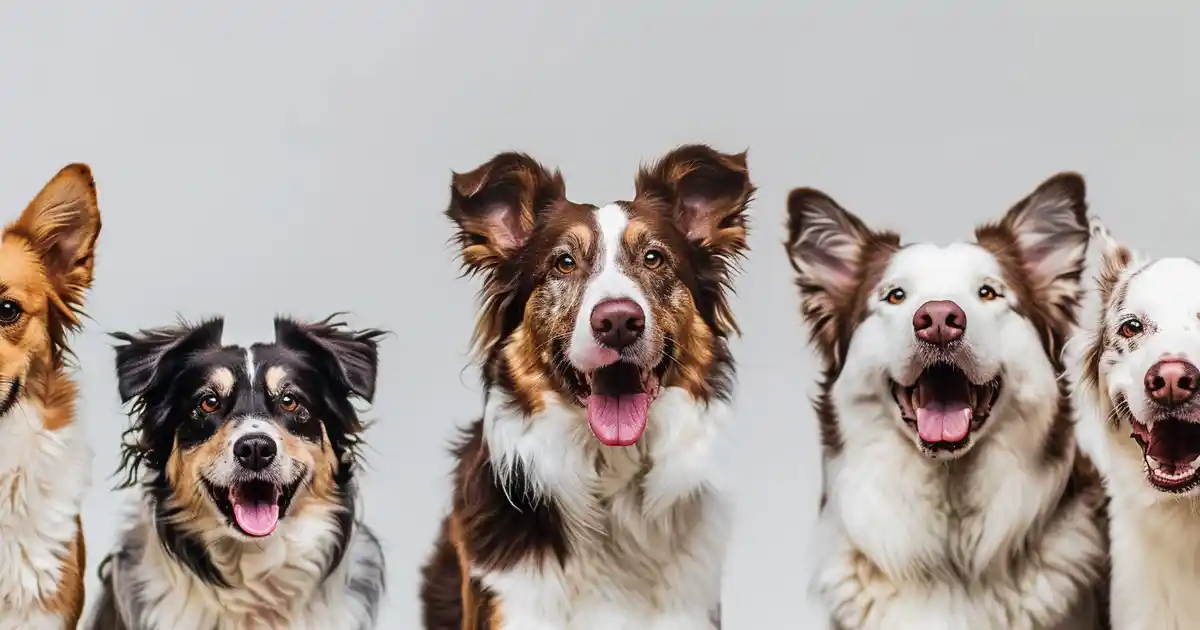
Have you ever wondered why unleashing your dog’s social side seems impossible until you discover the right approach? I used to think a social dog just meant one who loved everyone and every dog, until I discovered these simple strategies that completely changed my perspective. Now my friends constantly ask how I managed to raise a dog with perfect social manners—friendly but polite, confident but not overbearing, social when appropriate but calm when needed—and my family (who thought my shy rescue would never enjoy social situations) keeps asking what transformed her. Trust me, if you’re worried about whether your dog will ever have healthy social skills or if you’re accidentally creating a dog who’s too pushy with others, this approach will show you it’s more doable than you ever expected. Developing your dog’s social side isn’t about forcing interactions or creating a dog who must greet everyone—it’s about teaching appropriate social skills, reading social cues, and creating a life-changing foundation of balanced confidence that allows your dog to engage appropriately with others while respecting boundaries and maintaining self-control.
Here’s the Thing About Developing Your Dog’s Social Side
Here’s the magic: healthy canine social development works when you understand that being “social” doesn’t mean indiscriminately friendly—it means having the skills to interact appropriately, read body language, respect boundaries, and remain calm around others even without direct interaction. What makes this approach effective is the combination of controlled positive exposure, teaching impulse control, rewarding appropriate social behavior, and understanding that the best social dogs are often the ones who can choose neutrality rather than forcing interaction. I never knew that developing social skills could be this nuanced when I stopped encouraging my dog to greet everyone and started teaching her to assess situations and respond appropriately. According to research on behavioral psychology, dogs are social animals who naturally seek companionship, but appropriate social behavior is learned through experience and guidance rather than being purely instinctual. This combination creates amazing results because you’re not just exposing your dog to social situations—you’re teaching them the actual skills of communication, self-regulation, and appropriate interaction that prevent both fearfulness and rudeness. It’s honestly more doable than I ever expected, especially when you realize that balanced social skills prevent most common behavior problems at dog parks, on walks, and during daily life. No complicated systems needed, just intentional social education, clear boundaries, and understanding that polite neutrality is often the most appropriate social response in many situations.
What You Need to Know – Let’s Break It Down
Understanding that social skills and socialization are related but different is absolutely crucial—socialization is exposure to create positive associations, while social skills are the behaviors that allow appropriate interaction. I finally figured out that my well-socialized dog who loved everyone still needed explicit training in polite greetings, reading canine body language, and impulse control around other dogs after months of wondering why she was “too friendly” and causing problems. Social skills include: polite greetings without jumping, reading and respecting “not interested” signals from other dogs, maintaining self-control around distractions, and the ability to disengage when asked.
Don’t skip teaching your dog that ignoring others is not just acceptable but often preferred (took me forever to realize this). The cultural myth that dogs should greet every person and dog they encounter creates pushy, rude dogs who lack impulse control and make others uncomfortable. Dogs need to learn that walking past people and dogs calmly without interaction is not just okay—it’s the default expectation. This foundation is game-changing, seriously, because it creates dogs who can function in public spaces without constant management.
Appropriate play styles and communication work beautifully when dogs understand canine social rules, but you’ll need to actively teach and supervise rather than assuming dogs “work it out.” Appropriate play includes role-reversing (chase games where dogs take turns being chaser), self-handicapping (larger/stronger dogs moderating their play), consent checks (pausing to ensure play partner wants to continue), and respecting cut-off signals (one dog says “enough” and the other respects it). I always recommend supervising all dog-dog play and interrupting when it becomes one-sided or too intense because everyone sees better social development when we prevent rehearsal of rude behavior.
Body language literacy for both humans and dogs matters enormously. Yes, teaching social skills really works, and here’s why: dogs who can read other dogs’ signals—play bows mean “let’s play,” stiff body means “back off,” looking away means “I’m not a threat”—can navigate social situations appropriately without conflict. If you’re just starting out with canine body language education, check out my beginner’s guide to reading dog communication signals for foundational understanding that will help you interpret your dog’s social interactions and teach them appropriate responses.
Different dogs have different social needs and personalities—not all dogs should or want to be social butterflies. Some dogs prefer human company to dogs, some enjoy a few close dog friends but not crowds, and some are naturally more aloof. Respecting your individual dog’s social personality while teaching them the skills to navigate necessary social encounters creates balanced, happy dogs rather than forcing them into uncomfortable social roles that don’t match their temperament.
The Science and Psychology Behind Why This Works
Research from leading universities demonstrates that this approach works consistently because it aligns with how canine social behavior naturally develops and what constitutes healthy social functioning. Studies confirm that dogs are descended from social pack animals, but domestic dogs’ social needs and appropriate behavior differ significantly from wolves—dogs have been selected for thousands of years to interact cooperatively with humans and to function in human social structures.
Experts agree that many behavioral problems stem from poor social skills rather than fear—dogs who jump on everyone, pull toward every dog, can’t disengage from play, or fail to read social cues create conflicts even though they’re “friendly.” The psychology of healthy social development involves learning three core skills: impulse control (I want to greet but can wait for permission), social reading (recognizing whether others want interaction), and emotional regulation (managing excitement or frustration in social contexts).
What makes this different from a scientific perspective is understanding that “social” doesn’t automatically mean “good”—pushy, rude dogs who force interaction are technically social but lack the crucial skills of boundary respect and self-control. When we teach dogs the complete social skill set rather than just exposure or friendliness, we create dogs who can function appropriately in varied social contexts. The behavioral aspects are teachable through systematic training rather than hoping social skills emerge naturally through unstructured exposure.
Here’s How to Actually Make This Happen
Start by assessing your dog’s current social skills honestly across multiple dimensions. Here’s where I used to mess up—I thought my dog had great social skills because she “loved everyone,” but she actually lacked impulse control, didn’t respect disinterest signals, and made other dogs uncomfortable with pushy behavior. Evaluate: Does your dog greet politely or jump/pull/overwhelm? Can they walk past other dogs calmly? Do they read and respect “go away” signals from other dogs? Can they disengage from exciting situations when asked? This assessment takes thirty minutes of observation but creates clarity about which specific social skills need development.
Now for the important part: teach default neutrality as your dog’s baseline social behavior. Don’t worry if you’re just starting out—begin training that the default response to seeing people or dogs is calm acknowledgment or complete ignoring, not automatic greeting. When it clicks, you’ll have a dog who can function in public without constant pulling, barking, or excitement because they understand that most encounters don’t involve interaction.
Begin teaching polite greetings with clear criteria and consistent reinforcement. My mentor taught me this trick: greetings only happen when your dog has four paws on the floor, is calm rather than excited, and waits for your permission rather than deciding independently. Practice with cooperative helpers—when your dog sits calmly, the person greets; if your dog jumps or gets wild, the person turns away and attention stops. Practice this extensively until polite greeting becomes automatic. Don’t be me—I used to allow excited greetings because “he’s just friendly,” which taught him that pushy behavior works and created a 70-pound dog who knocked people over with “friendliness.”
Address impulse control systematically through structured exercises beyond basic obedience. If your dog struggles to remain calm around social triggers, use games like “It’s Yer Choice” where treats in your open hand are only available when your dog shows self-control, or “Leave It” with increasingly tempting distractions. Results can vary, but building impulse control as a general skill makes social situations dramatically more manageable.
Practice structured dog-dog interactions with appropriate play partners who model good social skills. Every dog-dog play session has potential to teach good or bad habits, so quality matters enormously. Arrange play dates with dogs who have excellent social skills—they self-handicap with smaller dogs, respect cut-off signals immediately, and take breaks during play. Monitor play constantly, just like expert trainers recommend but with a completely different focus—you’re teaching your dog appropriate social interaction rules through carefully selected partners who demonstrate them, not just allowing unstructured play.
Work on teaching your dog to read and respond to canine body language through narration and management. This creates lasting social competence you’ll actually use throughout your dog’s life because they learn to adjust behavior based on others’ signals. When another dog shows stiff body, block your dog’s approach and say “that dog wants space.” When a dog play bows, allow interaction while saying “that’s an invitation to play.” Until your dog can read social signals independently, your interpretation and management teach them what different body language means and how to respond appropriately.
Implement the “engage-disengage” game for teaching social self-control. Mark and reward when your dog looks at another dog calmly (“yes, you saw them”), then mark and reward when they look back at you (“good choice to check in”). This creates a pattern where social triggers prompt calm acknowledgment followed by reorienting to you rather than lunging forward for forced interaction. Practice this extensively until it becomes your dog’s automatic response.
Common Mistakes (And How I Made Them All)
Don’t make my mistake of ignoring fundamental principles experts recommend: encouraging your dog to greet everyone and thinking that’s positive socialization. I let my puppy pull toward every person and dog we encountered because I wanted her to be “friendly,” which taught her that pulling, excitement, and forcing interaction was appropriate. Years later, I’m still working on impulse control with a dog who thinks she has the right to greet everyone. Teaching selective, permission-based greetings from the beginning prevents this common problem.
Allowing rude play behavior because “they’re just playing” creates dogs with poor social skills who get into conflicts. When my dog repeatedly bowled over smaller dogs, humped during play, or didn’t respect cut-off signals, I dismissed it as “rough play.” Other dogs began avoiding her or responding with aggression because her behavior was genuinely rude and uncomfortable. Appropriate play requires monitoring and interrupting when one dog is uncomfortable or when play becomes one-sided.
Forcing interaction with dogs or people who clearly don’t want it destroys social skills and creates anxiety. I used to make my dog “say hello” to everyone we met because I thought exposure was always good, even when my dog or the other party showed disinterest or discomfort. This taught my dog that consent doesn’t matter and created stress around social encounters. Teaching your dog to respect “no” signals—from you, from other people, from other dogs—is crucial for healthy social development.
Believing that dog parks are good for social skill development is a dangerous misconception that creates more problems than it solves. Dog parks are chaotic environments with unmonitored dogs of varying social skill levels, creating perfect conditions for negative experiences, bullying, inappropriate play rehearsal, and even dog fights. My dog learned terrible social habits at dog parks—rude greetings, ignoring cut-off signals, and over-aroused play—that took months of structured training to undo.
Punishing friendly behavior because it’s inappropriately enthusiastic confuses dogs and damages their social confidence. When my dog excitedly greeted someone and I corrected her, she became uncertain about whether greeting was good or bad. The solution isn’t punishing friendliness—it’s teaching the appropriate expression of friendliness (calm, four paws on floor, waiting for permission).
When Things Don’t Go as Planned
Feeling frustrated because your dog seems incapable of calm around others despite training? You probably need to increase the distance from social triggers during training and build impulse control in less distracting environments first. This is totally normal—dogs can’t learn social self-control while overwhelmed by excitement or arousal. I’ve learned to handle this by training at distances where my dog can still think (sometimes 50+ feet from other dogs initially), slowly decreasing distance as skills solidify, accepting that social self-control is a complex skill requiring extensive practice.
Your dog had a negative social experience that created fear or reactivity toward other dogs? That’s unfortunately common, and addressing it requires systematic counter-conditioning rather than forced exposure. When this happens (and it might if you’re using unstructured environments like dog parks), don’t panic—begin desensitization work immediately, starting with other dogs at distances where your dog notices but doesn’t react negatively, pairing with exceptional rewards. This is totally manageable when addressed promptly with appropriate techniques rather than hoping continued exposure will help.
Is your previously social dog becoming reactive or selective during adolescence? Dogs commonly experience social maturity changes between 1-3 years when they become less tolerant of rude behavior, more selective about playmates, and sometimes more reactive to perceived threats. I always prepare for adolescent social changes because they’re normal developmental shifts, not training failures. Adjust social expectations appropriately—your adult dog doesn’t need to play with every dog they meet.
If you’re losing motivation because social skill training feels endless, try breaking it into specific, measurable goals rather than vague “better social skills.” Work on one skill at a time: this month we’re perfecting polite greetings with people; next month we’re working on calm passing of other dogs. Specific goals make progress more visible and less overwhelming.
Dealing with a dog whose personality is naturally aloof or prefers minimal social interaction with other dogs? Some dogs simply aren’t dog-social by nature, and that’s completely acceptable. The goal isn’t forcing your dog to enjoy constant dog interaction—it’s teaching them to remain neutral and calm around other dogs even if they don’t want to play. Focus on polite coexistence skills rather than trying to change your dog’s social preferences.
Advanced Strategies for Next-Level Results
Advanced practitioners often implement specialized techniques for exceptional social skills. Consider formal Canine Good Citizen (CGC) training which systematically teaches polite greetings, controlled walking past distractions, staying calm while other dogs pass, and accepting attention from strangers appropriately. I discovered CGC training provided a perfect framework for comprehensive social skill development with clear criteria and goals.
Implement structured group training classes that emphasize impulse control around other dogs rather than direct dog-dog interaction. These classes teach your dog to work and focus while other dogs are present but without greeting—advanced social self-control that’s invaluable in real-world situations. When practiced regularly, this skill allows your dog to function in any environment regardless of distractions.
Use carefully selected dog friends as social skill mentors. Dogs with exceptional social skills can teach your dog appropriate behavior through their example and responses—they’ll move away or correct gently when your dog is rude, engage enthusiastically when your dog invites appropriately, and model calm behavior around triggers. Regular play dates with socially skilled dogs provide better education than random dog park encounters.
Explore scent-based greeting alternatives that satisfy your dog’s social curiosity without direct interaction. Teaching “go sniff” where your dog investigates where other dogs have been provides social information while building the skill of gathering information calmly rather than rushing into direct contact.
Consider rally obedience or other dog sports practiced in group settings where dogs work near each other without interaction. These activities build advanced impulse control and the ability to work effectively in arousing environments—social skills that transfer to everyday life.
Ways to Make This Your Own
When I want accelerated results with young puppies before bad habits form, I’ll use the Foundation Social Skills Protocol. This involves teaching default neutrality from the very beginning, only allowing greetings when the puppy offers calm behavior, practicing extensive impulse control games, and exposing to well-mannered adult dogs who teach appropriate social rules. This makes it preventative but definitely worth it because teaching correct social behavior from the start prevents years of retraining pushy, rude behavior.
For special situations like dogs with existing reactivity or poor social skills requiring remediation, I’ll implement the Slow Remedial Approach. My patient version focuses on extensive counter-conditioning to social triggers, building impulse control in non-social contexts first, then gradually introducing social situations at very low intensity while heavily rewarding appropriate responses. Sometimes I add consultation with a certified behavior consultant specializing in reactivity, though that’s totally optional depending on severity—definitely consider professional help for aggression or intense reactivity.
Summer approach includes more outdoor social opportunities like outdoor dining areas where dogs must remain calm while people pass, dog-friendly events where neutral behavior around crowds is required, and outdoor training classes. For next-level results, I love incorporating my Real-World Social Skills protocol, which practices appropriate social behavior in actual distracting environments rather than just controlled settings. My advanced version includes competitive obedience or CGC testing to proof social skills under pressure.
The Reactive Dog Adaptation works beautifully with dogs whose reactivity stems from poor social skills or over-arousal rather than fear. Each variation works when you build impulse control extensively, practice calm behavior around triggers at threshold distances, and very gradually add closer proximity while maintaining criteria for calm response. The Shy Dog Version adapts by focusing on confidence building alongside social skill development since undersocialized dogs need both.
Budget-Conscious Social Skill Development doesn’t require expensive classes or specialized training. You can practice impulse control games at home using free online tutorials, work on polite greetings with cooperative friends and family, practice calm passing on regular walks, and use public spaces for real-world training. The core principles remain the same regardless of budget—appropriate social behavior develops through clear criteria, consistent reinforcement, and systematic practice.
Why This Approach Actually Works
Unlike traditional methods that might emphasize maximum socialization or believe friendly dogs don’t need social skill training, this approach leverages proven behavioral principles that most people ignore: the reality that social behavior is a teachable skill set, not just an innate personality trait. The science behind this method recognizes that while dogs are naturally social animals, appropriate social behavior within human society requires explicit teaching—polite greetings, impulse control, and boundary respect don’t develop automatically.
Evidence-based research shows that many behavioral problems labeled as “aggression” are actually poor social skills—dogs who can’t read body language, don’t respect space, or lack impulse control create conflicts even without aggressive intent. This proven approach is sustainable because it teaches dogs appropriate social responses that work across varied contexts rather than relying on constant management to prevent problems.
I never knew that social skills were this teachable when I started. Understanding the why behind the approach—that we’re teaching communication skills, impulse control, and situational appropriateness rather than just exposing dogs to social situations—made everything click. What makes this approach different is recognizing that “social” and “well-mannered” aren’t automatically the same thing. A dog can love everyone but lack the skills to express that friendliness appropriately. Teach the complete social skill package—friendliness plus impulse control plus boundary respect plus social reading—and you create dogs who can navigate social situations successfully.
Real Success Stories (And What They Teach Us)
One dog owner had an over-friendly puppy who lunged at every person and dog, jumping on people, overwhelming other dogs with pushy behavior, and creating chaos everywhere they went. Traditional advice said to “let him greet everyone” for socialization, but this made things worse. By implementing structured social skill training—teaching default neutrality, only allowing greetings when the puppy offered calm behavior, practicing extensive impulse control, and carefully selecting appropriate play partners—within six months this dog transformed into a polite companion who could walk calmly past people and dogs, greet gently when invited, and play appropriately with balanced interactions. What made this successful was the owner’s willingness to teach polite social skills rather than just assuming friendliness was sufficient.
Another dog became reactive to other dogs after several negative encounters at dog parks where inappropriate play escalated to fights. This dog learned that other dogs were unpredictable threats requiring defensive aggression. By implementing remedial social skill work—building positive associations with other dogs at safe distances, teaching the engage-disengage game, practicing calm passing on walks, and eventually arranging carefully supervised play with extremely socially skilled dogs—over a year this dog learned appropriate social interaction and lost the reactivity. The lesson here is that many “reactive” dogs are actually demonstrating understandable responses to previous experiences of poor social skills from other dogs, and systematic retraining can restore appropriate social behavior.
A family wanted their dog to be “friendly to everyone” and encouraged constant greeting, never teaching impulse control or neutral behavior. By age two, this dog was unmanageable—pulling viciously on leash toward every person and dog, jumping on everyone, completely unable to settle in public. Retraining required months of impulse control work, teaching that most encounters don’t involve greeting, and building self-control around triggers. Their experience aligns with research showing that indiscriminate friendliness without social skills creates more behavioral problems than selective friendliness with strong impulse control.
I’ve seen dogs with naturally reserved personalities who aren’t particularly dog-social but have excellent social skills—they remain calm around other dogs, respect space, and can engage appropriately when necessary despite preferring solitude. Success isn’t forcing all dogs to love constant social interaction; it’s teaching all dogs to function appropriately in social contexts regardless of their individual social preferences.
Tools and Resources That Actually Help
Long training leads (15-30 feet) allow practice of social skills like calm passing and engage-disengage games while maintaining control if your dog breaks criteria. These are invaluable because social skill training often requires working at distances where standard six-foot leashes are too restrictive but off-leash work isn’t safe or legal.
High-value treats specifically reserved for social skill training create powerful positive associations and motivation. I personally use exceptionally appealing treats like real meat or cheese only during social training, making appropriate social behavior incredibly rewarding and worth the effort of self-control.
Visual barriers like privacy screens, trees, or parked cars help during remedial social work by allowing you to control your dog’s visual access to social triggers. You can position barriers to show triggers briefly at controlled intensity—crucial for dogs who are over-threshold at even distant sight of other dogs.
Treat pouches or training vests keep rewards instantly accessible during social training when timing is critical. The microseconds saved by having treats immediately available make the difference between effectively marking appropriate social behavior and missing the training moment.
The best resources come from certified professional dog trainers specializing in behavior like those certified through CCPDT who understand the distinction between socialization, social skills, and reactivity. I always recommend working with trainers who use positive reinforcement methods and understand impulse control development. Books like “Click to Calm” by Emma Parsons and “Control Unleashed” by Leslie McDevitt provide excellent social skill training guidance, particularly for reactive or over-aroused dogs.
Questions People Always Ask Me
How long does it take to see results with social skill training?
Most people need to adjust expectations because social skill development timelines vary based on your dog’s age, existing habits, and temperament. I usually recommend expecting subtle improvements within two to four weeks of consistent training—maybe your dog can maintain calm for three seconds near a trigger where previously they immediately reacted. Significant transformation often takes two to four months for young dogs learning skills for the first time, six months to a year for retraining adult dogs with established pushy or reactive patterns. Some dogs show steady progress while others plateau then make sudden breakthroughs. The key is consistent practice with clear criteria—social skills develop through hundreds of successful repetitions, not occasional training sessions.
What if I don’t have time for formal training sessions right now?
Absolutely—just integrate social skill practice into daily life rather than scheduling separate sessions. Every walk is an opportunity to practice calm passing; every visitor is a chance to work on polite greetings; every dog you see is a training opportunity for engage-disengage. Even three to five minutes of intentional practice daily during activities you’re already doing adds up significantly. That said, understand that vague “exposure” without criteria doesn’t build skills—you need clear expectations (four paws on floor, looking at me, remaining calm) and consistent reinforcement even during informal daily practice.
Is this approach suitable for complete beginners?
Yes, because the fundamental principles—teach what you want, reinforce appropriate behavior, prevent rehearsal of inappropriate behavior—are straightforward even if consistent implementation requires discipline. You don’t need professional expertise to teach polite greetings or impulse control around distractions. However, dogs with aggression issues, intense reactivity, or patterns causing safety concerns should involve a certified professional immediately. Basic social skill training is beginner-appropriate; complex behavior problems need expert guidance to avoid making things worse.
Can I teach social skills to an older dog with established habits?
Definitely, though retraining established habits requires more patience and consistency than teaching young dogs correctly from the beginning. Adult dogs can absolutely learn new social skills—calm greetings, impulse control, appropriate play behavior—but you’re competing against years of rehearsed patterns. The approach involves heavily managing the environment to prevent rehearsal of old habits while systematically teaching and reinforcing new skills. Expect slower progress with adult dogs, but meaningful change is absolutely achievable with commitment and consistency.
What’s the most important social skill to focus on first?
Default neutrality—teaching your dog that the baseline response to seeing people or dogs is calm acknowledgment or complete ignoring rather than automatic greeting—is the foundation for all other social skills. This single skill prevents pulling, jumping, over-arousal, and forced interactions that create most social problems. Once your dog understands that most encounters don’t involve interaction and that greeting happens only with your permission after offering calm behavior, all other social skills become easier to teach because you have your dog’s attention and self-control.
How do I stay motivated during long-term social skill training?
I’ve learned that tracking specific metrics helps immensely—note the distance from triggers where your dog can remain calm, duration of calm behavior around distractions, percentage of greetings that meet your criteria. Seeing these concrete improvements when overall progress feels slow maintains motivation. Take monthly videos comparing your dog’s social behavior—visual evidence of improvement is incredibly motivating. Remember that social skill work prevents endless future management and makes your entire life with your dog easier—the investment pays off exponentially.
What mistakes should I avoid when teaching social skills?
The biggest mistakes are allowing any greeting that doesn’t meet your criteria (which teaches inconsistent rules and that pushing works sometimes), practicing in environments that are over-threshold where your dog can’t succeed (which rehearses failure), comparing your dog’s progress to others (which creates frustration), believing that friendly dogs don’t need social skill training (they absolutely do), and using punishment for over-arousal or excitement (which creates conflict and confusion rather than teaching alternative appropriate behavior). Avoid dog parks and unstructured social situations until skills are solid because these environments rehearse problems faster than you can train solutions.
Can I combine social skill training with other training I’m doing?
Absolutely—social skill training integrates beautifully with obedience training, tricks, and any positive reinforcement work. Basic obedience creates the foundation skills (sit, stay, focus on handler) that make social skill training possible. Impulse control games developed for general training transfer directly to social contexts. Trick training builds the engagement and focus needed to maintain attention around distractions. Multiple training approaches working synergistically create well-rounded dogs. The key is consistent positive reinforcement philosophy across all training—mixing positive social skill work with corrections or punishment in other training creates confusion and undermines progress.
What if my dog’s pushy behavior seems to be getting worse?
Pushy behavior that’s escalating suggests the behavior is being accidentally reinforced—your dog is learning that pushing works to get what they want. Conduct an honest analysis: Does your dog sometimes get to greet when they pull? Do people occasionally pet your dog when jumping? Does pushy behavior toward other dogs result in play? Any inconsistent reinforcement dramatically slows training and can worsen behavior. The solution requires absolute consistency—pushy behavior never works, calm behavior always works—which requires managing other people’s responses and controlling your dog’s environment more strictly until new habits solidify.
How do I know when my dog has good social skills?
Success markers include: ability to walk calmly past people and dogs without pulling or reacting; polite greetings with four paws on floor when permission is granted; engaging appropriately with other dogs during play with role-reversing and consent checks; reading and respecting cut-off signals from other dogs or people showing disinterest; ability to disengage from exciting social situations when asked; remaining neutral and calm in stimulating environments; and most importantly—appropriate, context-specific social responses rather than one-size-fits-all behavior. Sometimes excellent social skills look like your dog completely ignoring triggers rather than friendly interaction—polite neutrality is perfect social behavior in many contexts.
What’s the difference between social skills and socialization?
Socialization is exposure to varied people, dogs, and environments during critical developmental periods to create positive associations and prevent fear—it’s about emotional responses and confidence. Social skills are the specific behaviors that allow appropriate interaction—polite greetings, impulse control, reading body language, respecting boundaries—they’re about behavioral competence and manners. You need both: socialization creates dogs who feel comfortable around others, while social skill training creates dogs who behave appropriately around others. A well-socialized dog who lacks social skills is friendly but rude; a dog with social skills but poor socialization might be polite but fearful. Ideal dogs have both comprehensive socialization creating confidence plus explicit social skill training creating appropriate behavioral expression of that confidence.
Can dogs with naturally aloof temperaments have good social skills?
Absolutely—social skills and social enthusiasm are completely separate traits. A dog who prefers minimal interaction can still have excellent social skills: remaining calm around other dogs, polite acknowledgment when greeting is appropriate, reading and respecting others’ space, maintaining composure in social environments. Some of the best-mannered dogs I know are naturally reserved but impeccably polite. The goal isn’t changing your dog’s personality or forcing them to enjoy constant socializing; it’s teaching them to function appropriately in social contexts regardless of their individual preferences. Your aloof dog doesn’t need to love interaction—they just need to remain neutral and polite when it occurs.
Before You Get Started
I couldn’t resist sharing this because it proves that social skills are genuinely teachable and that developing your dog’s social side appropriately creates exponentially easier daily life—polite dogs are welcome more places, create fewer conflicts, and allow you to enjoy social activities without constant management or embarrassment. The best social skill development journeys happen when you understand that being “social” doesn’t mean indiscriminately friendly—it means having the behavioral skills to interact appropriately when interaction is wanted while maintaining calm neutrality when it’s not. Remember, you’re not just teaching your dog to tolerate social situations; you’re teaching them to read contexts, regulate their own arousal and impulses, respect others’ boundaries, and express friendliness appropriately when suitable—skills that determine whether your dog can function successfully in human society. Ready to begin? Start with default neutrality and impulse control foundations, then build specific social skills from there—your dog’s polite, balanced social behavior is absolutely worth every moment of consistent training effort you invest in teaching them how to navigate social situations with grace and self-control.




