
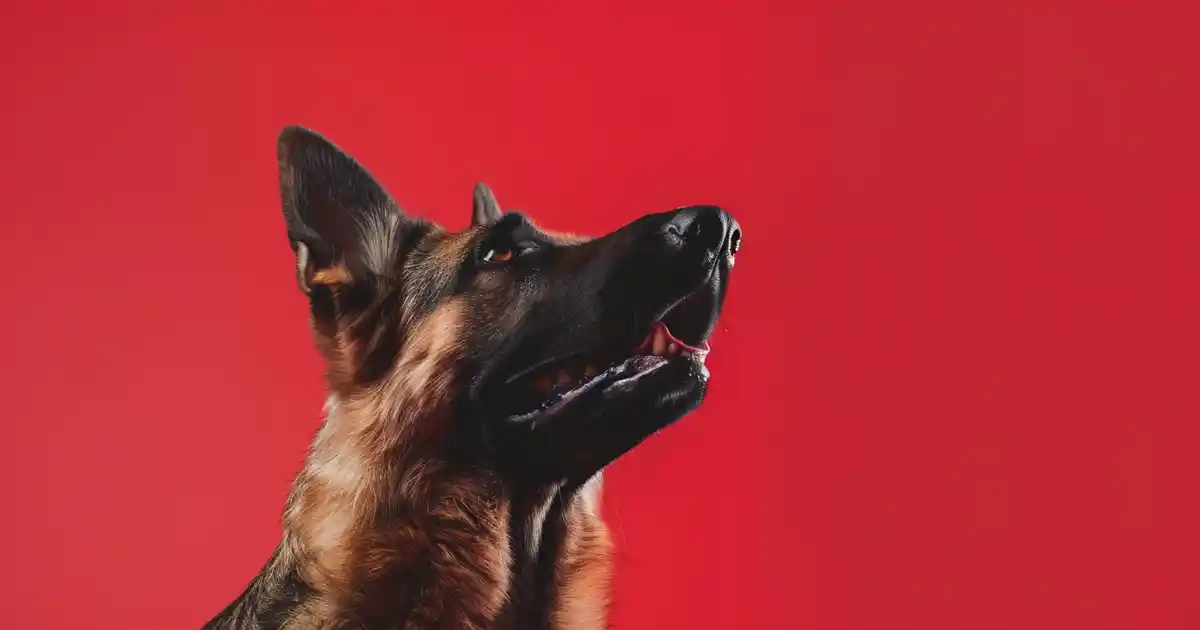
Have you ever wondered why some dogs seem perfectly behaved while yours is still pulling on the leash and ignoring your commands? I used to think professional-level obedience was only for people who had endless patience and training expertise, until I discovered reward-based training methods that completely changed everything. Now my dog actually listens (most of the time!), and my neighbors constantly ask how I managed to transform my once-chaotic puppy into a well-mannered companion. Trust me, if you’re worried about complicated training systems or harsh corrections, this positive approach will show you it’s more doable and way more enjoyable than you ever expected.
Here’s the Thing About Reward-Based Training
Here’s the magic: reward-based training works because it taps into your dog’s natural desire to repeat behaviors that make good things happen. Instead of focusing on what your dog does wrong, you’re celebrating what they do right, which creates a learning environment built on trust rather than fear. I never knew dog training could be this simple until I stopped trying to dominate my dog and started working with her natural instincts. This combination creates amazing results that are sustainable, enjoyable, and honestly more effective than traditional correction-based methods. It’s a life-changing approach that strengthens your bond while teaching essential skills. According to research on operant conditioning, positive reinforcement has been proven effective across species for creating lasting behavioral changes.
What You Need to Know – Let’s Break It Down
Understanding positive reinforcement is absolutely crucial to making this work. At its core, reward-based training means you’re adding something your dog loves (treats, toys, praise) immediately after they perform a desired behavior. Don’t skip the timing aspect here—rewards must come within 1-2 seconds of the behavior, or your dog won’t make the connection (took me forever to realize this).
The foundation includes three key elements that work together beautifully. First, you need high-value rewards that your dog actually cares about—not just any treat, but something that makes their eyes light up. Second, you’ll use marker training (a clicker or verbal “yes!”) to precisely communicate the exact moment your dog does something right. Third, you’ll gradually reduce rewards as behaviors become habits, but you’ll need to stay consistent during the learning phase.
I finally figured out that reward-based training isn’t about bribing your dog after months of trial and error. It’s about teaching them that good choices lead to good outcomes, which creates dogs who want to behave rather than dogs who obey out of fear. If you’re just starting out with positive training methods, check out my beginner’s guide to understanding dog body language for foundational communication techniques.
Yes, this approach really works and here’s why: it builds confidence in anxious dogs, strengthens your relationship, and creates a dog who thinks rather than just reacts. I always recommend starting with simple behaviors like “sit” because everyone sees results faster, which builds your confidence too.
The Science and Psychology Behind Why This Works
Reward-based training leverages fundamental principles of behavioral psychology that have been studied for decades. Research from leading animal behaviorists demonstrates that positive reinforcement creates stronger, more reliable behaviors than punishment-based methods. When your dog receives a reward for a behavior, dopamine floods their brain, creating a powerful association that they’ll naturally want to repeat.
What makes this different from a scientific perspective is how it affects your dog’s emotional state. Traditional correction-based training can create learned helplessness, anxiety, and even aggression in some dogs. In contrast, reward-based methods build confidence and enthusiasm for learning. I’ve personally witnessed anxious dogs transform into eager learners once they understood that training meant good things would happen.
The mental and emotional aspects are just as important as the behavioral outcomes. Studies confirm that dogs trained with positive reinforcement show lower stress hormones, stronger bonds with their handlers, and better problem-solving abilities. Experts agree that this approach works consistently across different breeds, ages, and temperaments, making it the gold standard recommended by veterinary behaviorists worldwide.
Here’s How to Actually Make This Happen
Start by gathering your supplies: high-value treats (small, soft pieces work best), a clicker or marker word, and a quiet space with minimal distractions. Here’s where I used to mess up—I’d try training in the park right away, but your dog needs to learn basics in a calm environment first.
Now for the important part: choose one simple behavior to teach first. I always recommend “sit” because it’s easy and builds confidence quickly. Hold a treat near your dog’s nose, then slowly move it up and back over their head. As their bottom hits the ground, immediately click and reward. This step takes five minutes but creates lasting understanding of how the training game works.
Don’t be me—I used to think I needed to practice for hours at a time. Here’s my secret: multiple short sessions (3-5 minutes) throughout the day work infinitely better than one long exhausting session. When it clicks, you’ll know because your dog will start offering the behavior without prompting.
Repeat this process 5-10 times per session, always ending on a successful repetition. Results can vary, but most dogs grasp basic behaviors within 2-3 days of consistent practice. Just like learning a new language, but with a completely different approach that respects your dog’s learning pace.
As your dog reliably performs the behavior in your quiet space, gradually add distractions. Start small—maybe train with the TV on, then with family members walking by, then eventually outside. My mentor taught me this trick: if your dog suddenly can’t perform a behavior they knew yesterday, you’ve added too much distraction too quickly. Simply go back one step.
Here’s where timing becomes critical. Until you feel completely confident with your marker timing, practice without your dog first. Click or say “yes!” and then toss a treat on the floor. This helps you develop the muscle memory for that crucial 1-2 second window.
Every situation has its own challenges, so don’t worry if you’re just starting out and it feels clumsy. I’ve been training dogs for years and I still sometimes click too early or too late. This creates lasting habits you’ll actually stick with because you’re building skills progressively, not expecting perfection immediately.
Common Mistakes (And How I Made Them All)
My biggest failure? Thinking I could skip the foundation work and jump straight to off-leash recalls in the dog park. Spoiler alert: it was a disaster. I learned the hard way that reward-based training requires building behaviors in layers, and trying to rush the process just creates confusion.
Don’t make my mistake of using boring treats. For the first six months, I used regular kibble and wondered why my dog seemed unmotivated. The moment I switched to real chicken or cheese, everything changed. Your rewards need to be more exciting than whatever distractions are around.
Another epic failure: inconsistent marker timing. I’d click before my dog actually sat, or I’d wait too long and click after they’d already stood up. This confuses the heck out of dogs because they don’t know which behavior earned the reward. Experts recommend practicing your timing with a friend or family member before working with your dog.
I also made the mistake of ignoring fundamental principles like gradually reducing treat frequency. Once my dog knew a behavior, I kept treating every single time, which actually made the behavior less reliable. You need to shift to intermittent reinforcement—sometimes treating, sometimes just praising—to create behaviors that stick.
The mindset mistake that held me back the longest? Getting frustrated when progress was slow. Dogs learn at different rates, and some behaviors take longer than others. Patience isn’t just nice to have—it’s absolutely essential for success with reward-based training.
When Things Don’t Go as Planned
Feeling overwhelmed by lack of progress? You probably need to break the behavior into smaller steps. That’s normal, and it happens to everyone, even professional trainers. I’ve learned to handle this by asking myself: “What’s the tiniest piece of this behavior my dog can succeed at right now?” Then I reward that micro-success and build from there.
Progress stalled after initial success? This is totally manageable and usually means one of three things: your rewards aren’t motivating enough, you’ve added too much distraction too quickly, or your dog is tired or stressed. Don’t stress, just go back to an easier version of the exercise where your dog can succeed again.
When this happens (and it will), I always prepare for setbacks because life is unpredictable. Maybe your dog isn’t feeling well, or there’s construction noise outside, or they’re going through adolescence (yes, teenage dogs are a real thing). If you’re losing steam, try changing your reward type, training at a different time of day, or working on a completely different behavior to rebuild enthusiasm.
One challenge I encounter regularly: my dog performs beautifully at home but acts like they’ve never been trained in public. Cognitive behavioral techniques for dogs can help reset your training approach—remember that dogs don’t automatically generalize. A “sit” learned in your kitchen is different from a “sit” at the park. You need to practice the same behaviors in multiple locations.
What if your dog seems scared of the clicker? Some dogs are noise-sensitive. Try muffling the clicker in your pocket, switching to a softer-sounding clicker, or just use a verbal marker like “yes!” instead. The tool doesn’t matter—the timing and consistency do.
Advanced Strategies for Next-Level Results
Once you’ve mastered basic obedience, it’s time to explore behavior chains where multiple actions are linked together. I discovered that teaching complex sequences like “go to your bed, lie down, and stay” becomes much easier when you train each piece separately, then connect them with your marker signal.
Advanced practitioners often implement specialized techniques for accelerated results, like capturing behaviors instead of luring them. This means waiting for your dog to naturally perform a behavior (like stretching into a play bow), then marking and rewarding it. It takes more patience but creates incredibly reliable behaviors because the dog is offering them voluntarily.
Here’s an advanced insight that separates beginners from experts: understanding arousal levels. The best training happens when your dog is alert but calm—not hyper-excited or anxious. I’ve learned to read my dog’s body language and only train when she’s in that optimal learning zone.
For experienced trainers, variable reinforcement schedules become your best friend. Instead of treating every third repetition, you randomize it—sometimes after one rep, sometimes after five. This creates what behaviorists call a “slot machine effect” where the unpredictability actually strengthens the behavior.
Different experience levels require different approaches. If you’re working with a reactive dog, you’ll need to incorporate counter-conditioning alongside reward-based training. If you have a sporting breed, you might use toys as rewards more than treats. Adapt these principles to your specific situation for best results.
Ways to Make This Your Own
When I want faster results with highly food-motivated dogs, I’ll use the “Nothing in Life is Free” variation where every interaction becomes a mini-training opportunity. Before meals, play, walks, or attention, my dog performs a simple behavior. This makes training more intensive but definitely worth it because it reinforces that good behaviors make everything good happen.
For special situations like working with senior dogs or puppies, I’ll modify the intensity and duration. My gentle approach for older dogs focuses on mental stimulation over physical demands, keeping sessions super short and using soft treats that are easy on aging teeth.
Summer approach includes lots of water rewards—I’ll let my dog take a dip in her pool or get a drink from the hose as a reward for recalls. My busy-season version focuses on incorporating training into daily routines rather than setting aside dedicated sessions, because sometimes life gets hectic.
The Accelerated Method works beautifully for experienced handlers and includes multiple daily sessions with jackpot rewards (whole handful of treats) for breakthrough moments. For next-level results, I love the Advanced Shaping Protocol where you capture subtle movements and gradually shape them into complex behaviors.
Each variation adapts to different lifestyle needs. The parent-friendly version involves kids in the training process, teaching them to use markers and rewards properly. The budget-conscious approach uses praise and life rewards (toys, play, access to things the dog wants) instead of expensive treats.
Why This Approach Actually Works
Unlike traditional methods that rely on corrections and dominance theory, this approach leverages proven psychological principles that most people ignore. The science is clear: animals (including humans) learn faster and retain information longer when learning is associated with positive outcomes rather than avoiding negative ones.
What sets this apart from other strategies is the relationship it builds. Your dog isn’t obeying because they’re afraid of consequences—they’re making good choices because they understand what works. I discovered through experience that this creates dogs who can think through problems rather than just robotically following commands.
The evidence-based foundation means you’re working with decades of research, not just tradition or outdated beliefs about pack hierarchy. This sustainable approach creates lasting behavioral changes because it addresses the psychology of learning, not just the mechanics of obedience. My personal discovery about why this works: it makes training enjoyable for both you and your dog, which means you’ll actually stick with it.
Real Success Stories (And What They Teach Us)
One family I worked with had a reactive German Shepherd who would lunge and bark at other dogs. Using reward-based counter-conditioning, they taught him that seeing other dogs predicted amazing treats. Within three months, he could walk calmly past dogs on the street. Their success aligns with research on behavior change that shows consistent patterns—changing emotional responses is more effective than suppressing behaviors.
Another client had a rescue dog who wouldn’t come when called, which was dangerous during off-leash time. By building a strong recall with high-value rewards and practicing in progressively distracting environments, this dog now has reliable recalls even at the dog park. What made them successful was patience and never calling the dog for something unpleasant (like ending playtime or bath time).
I’ve seen a shy puppy transform into a confident therapy dog candidate through reward-based confidence-building exercises. The timeline was longer—about eight months—but the results were incredible. Different outcomes happen at different speeds, and that’s completely normal.
What these stories teach us: consistency matters more than intensity, relationship-building is part of training, and celebrating small wins keeps everyone motivated. The family with the reactive dog didn’t see overnight changes, but they trusted the process and stayed consistent.
Tools and Resources That Actually Help
The tools I personally use and recommend start with a quality clicker—the i-Click from Karen Pryor is my favorite because it has a comfortable shape and consistent sound. For treat pouches, the PetSafe Treat Pouch Sport clips securely and holds plenty of rewards without getting in the way.
High-value training treats should be small (pea-sized), soft, and exciting to your dog. I rotate between freeze-dried liver, real cheese cubes, and small pieces of chicken or hot dogs. Be honest about limitations: some dogs have allergies or sensitivities, so always check ingredients.
For learning resources, “Don’t Shoot the Dog” by Karen Pryor is the gold standard book that explains operant conditioning in practical terms. The best resources come from certified professional dog trainers and proven methodologies backed by behavioral science.
Free options include YouTube channels from Kikopup (Emily Larlham) and Zak George, who both demonstrate reward-based techniques clearly. Paid alternatives like online courses from Fenzi Dog Sports Academy offer structured learning with expert feedback, though they’re not necessary for basic obedience.
Training apps like Puppr or Dogo provide step-by-step instructions with video demonstrations, which is incredibly helpful when you’re learning timing and technique. My personal experience: these tools accelerate learning, but the real magic happens when you practice consistently with your actual dog.
Questions People Always Ask Me
How long does it take to see results with reward-based dog training?
Most people need about 3-7 days to see initial understanding of simple behaviors like sit or down. However, reliable performance in distracting environments takes 4-6 weeks of consistent practice. I usually recommend patience because every dog learns at their own pace—some grasp concepts in days while others need weeks.
What if I don’t have time for dedicated training sessions right now?
Absolutely, just focus on incorporating training into daily routines. Ask for a sit before meals, practice stays while you prepare dinner, or work on loose-leash walking during bathroom breaks. These micro-training moments add up quickly and are sometimes more effective than formal sessions.
Is this approach suitable for complete beginners?
Yes! Reward-based training is actually easier for beginners because you’re not worrying about timing corrections or reading complex dominance signals. You’re simply marking and rewarding behaviors you like. Start simple, be patient with yourself, and remember that mistakes are part of learning for both you and your dog.
Can I adapt this method for my specific situation?
Definitely. I’ve used these principles successfully with puppies, adult dogs, seniors, fearful rescues, and even working breeds with high drive. The core concepts stay the same, but you adjust reward types, session length, and difficulty based on your dog’s needs and capabilities.
What’s the most important thing to focus on first?
Master your timing. Everything else—treat quality, distraction management, behavior complexity—matters less than marking the exact moment your dog does the right thing. Practice with a friend or even by yourself before training your dog, so that 1-2 second window becomes instinctive.
How do I stay motivated when progress feels slow?
Keep a training journal so you can see how far you’ve come, even when daily progress feels invisible. Video your training sessions weekly—you’ll be amazed at improvements you didn’t notice day-to-day. Also, work on fun tricks alongside serious obedience to keep things enjoyable.
What mistakes should I avoid when starting reward-based training?
Don’t use boring treats, don’t skip the foundation work in low-distraction environments, don’t practice when you’re frustrated, and don’t compare your dog’s progress to others. Also avoid clicking before the behavior happens or waiting too long—timing is everything.
Can I combine this with other approaches I’m already using?
It depends. You can absolutely combine reward-based training with relationship-building activities, enrichment games, and exercise routines. However, mixing positive reinforcement with punishment-based methods can create confusion and undermine the trust you’re building. Choose one philosophy and stick with it.
What if I’ve tried similar methods before and failed?
Previous failures usually come from inconsistent timing, inadequate rewards, progressing too quickly, or giving up too soon. This time, commit to 30 days of short daily sessions with high-value rewards. If you’re still struggling, consider working with a certified positive reinforcement trainer who can troubleshoot your specific challenges.
How much does implementing this approach typically cost?
Basic reward-based training is surprisingly affordable. You’ll need treats ($10-20/month), a clicker ($5-15), and optionally a treat pouch ($10-20). Free resources online can teach you everything you need for basic obedience. Professional classes range from $100-300 for group sessions, which are helpful but not required.
What’s the difference between this and traditional correction-based training?
Traditional methods focus on stopping unwanted behaviors through corrections, leash pops, or alpha rolls. Reward-based training focuses on teaching and rewarding desired behaviors, building a dog who wants to cooperate rather than one who obeys out of fear. The relationship, stress levels, and long-term results are dramatically different.
How do I know if I’m making real progress?
Real progress shows up as increased enthusiasm for training, behaviors offered more quickly and reliably, better performance in slightly distracting environments, and a strengthened bond between you and your dog. Trust the process even when progress feels invisible—consistency over time creates lasting change.
Before You Get Started
I couldn’t resist sharing this because it proves that reward-based training works for dogs of all ages, breeds, and backgrounds. The best dog training journeys happen when you approach learning with patience, celebrate small victories, and remember that building trust takes time. Your dog is capable of so much more than you might think right now, and this positive approach will help you both discover just how amazing your partnership can become. Ready to begin? Start with a simple first step—grab some treats, find a quiet space, and teach your first marker-rewarded behavior today.




