
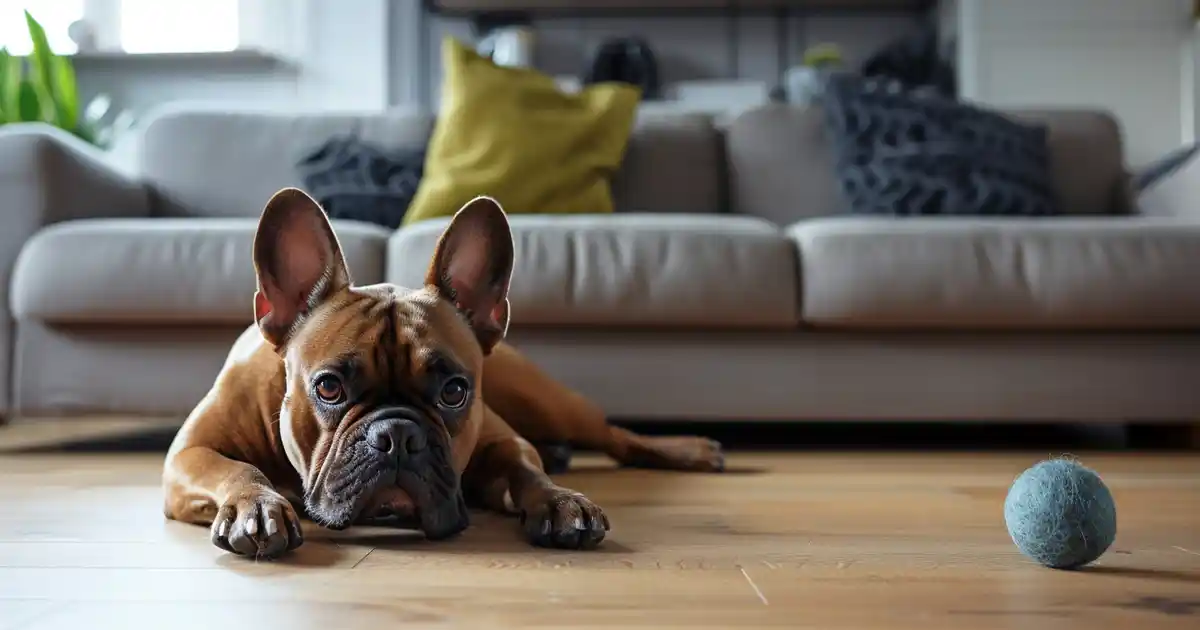
Have you ever wondered why your apartment dog seems restless and destructive despite limited space making traditional exercise feel impossible? I used to think keeping a Border Collie in my 600-square-foot apartment was a mistake, until I discovered that creative indoor exercise and strategic outdoor time could completely satisfy even high-energy breeds. Now my fellow apartment dwellers constantly ask how my dog stays so calm and well-behaved, and my downstairs neighbors (who used to complain about noise) keep praising how quiet things have become. Trust me, if you’re worried that apartment living means compromising your dog’s fitness and happiness, these space-maximizing strategies will show you it’s more achievable and rewarding than you ever expected.
Here’s the Thing About Apartment Dog Exercise
Here’s the magic: successful apartment dog exercise combines intensive mental stimulation with efficient physical workouts, creating comprehensive fitness in minimal square footage through strategic planning and creativity. I never knew small-space solutions could be this effective—no massive yards required, no guilt about space limitations, and no settling for under-exercised dogs just because you live in a city. This combination creates amazing results for urban dog owners, renters with breed restrictions, and anyone who wants their canine companion thriving despite compact living situations. It’s honestly more doable than I ever expected, with no relocating to suburbs needed when you understand how to maximize vertical space, utilize hallways, and leverage community resources. According to research on urban animal welfare and environmental adaptation, dogs can maintain excellent health in confined spaces when provided appropriate enrichment and structured activity programs.
What You Need to Know – Let’s Break It Down
Understanding your apartment’s unique limitations and advantages is absolutely crucial before designing exercise routines. Don’t skip this part—I finally figured out the difference between what I wished I had and what actually worked after months of frustration trying to replicate suburban dog ownership (took me forever to realize this).
Space Assessment and Optimization work beautifully as your foundation, but you’ll need to think three-dimensionally about using vertical space, furniture arrangements, and multipurpose areas. I always recommend measuring your longest clear path because everyone sees better results when activities match actual available space rather than aspirational square footage.
Noise Management Strategies (game-changer, seriously) mean choosing activities that won’t disturb neighbors above, below, or adjacent to your unit. Yes, quiet exercise options really exist and here’s why—maintaining good neighbor relationships ensures long-term apartment dog ownership success without complaints or lease violations.
Building Policies and Amenities become essential to identify before planning routines. Most apartment complexes have dog-friendly features like elevators for stair alternatives, common areas for socialization, or nearby parks that extend your effective exercise space beyond your unit’s walls.
If you’re just starting out with apartment dog ownership, check out my guide to choosing apartment-friendly dog breeds and managing expectations for foundational techniques that set realistic parameters.
The Science and Psychology Behind Why This Works
Dive deeper into the evidence and you’ll discover that exercise quality matters significantly more than quantity—15 minutes of intensive mental and physical combination can equal an hour of leisurely walking for cognitive stimulation. Studies on canine fitness and environmental enrichment show that dogs receiving varied high-intensity short-duration activities exhibit better overall health markers than those getting longer but monotonous exercise.
Here’s what makes apartment-adapted exercise different from a scientific perspective: intentionality replaces spontaneity, creating structured routines that maximize limited resources. I’ve personally witnessed the transformation in previously destructive apartment dogs who became calm, content companions once their owners implemented strategic exercise combining mental challenges with physical output. Traditional assumptions that dogs need yards often fail because they ignore research showing that access to space doesn’t guarantee adequate exercise—many suburban dogs with yards remain under-stimulated because owners assume passive outdoor access equals fitness.
Ultimate Apartment Dog Exercise Strategies
Start by creating a realistic weekly schedule that incorporates various exercise types—here’s where I used to mess up by attempting daily marathon sessions that weren’t sustainable. Don’t be me—I used to think more was always better until I realized that consistent moderate exercise beats sporadic intense efforts that lead to burnout.
1. Hallway Sprint Intervals
Now for the important part: use your apartment’s hallway or longest interior path for controlled fetch sessions or recall training that provides cardiovascular exercise in linear space. This activity takes just 10-15 minutes but creates significant physical tiredness by incorporating high-intensity intervals similar to human HIIT workouts.
Space needed: Hallway or long room (15+ feet) Time required: 10-15 minutes Energy burn: Very high Noise level: Low to moderate (use soft toys) Best for: Fetch-motivated dogs, quick cardio bursts
2. Stairwell Fitness Circuits
Here’s my secret: your building’s stairwell becomes a free gym when you incorporate controlled stair climbing, platform training, or hide-and-seek between floors during low-traffic hours. When it clicks with stair work, you’ll know immediately—your dog’s leg muscles develop visibly while cardiovascular capacity improves dramatically.
Space needed: Building stairwell access Time required: 15-20 minutes Energy burn: Very high Noise level: Low (avoid peak hours) Best for: Athletic dogs, efficient workouts, muscle building
3. Indoor Agility Obstacle Course
Results can vary, but I’ve learned that furniture-based obstacle courses using chairs for weaving, pillows for jumps, and blankets for tunnels provide comprehensive exercise combining coordination, obedience, and physical exertion. My mentor taught me this trick: rotate course layouts weekly to maintain novelty without purchasing new equipment.
Space needed: Living room or bedroom Time required: 20-30 minutes setup + play Energy burn: High Noise level: Moderate (use rugs for cushioning) Best for: Intelligent breeds, rainy days, creative play
4. Tug-of-War Strength Sessions
Every apartment benefits from this space-efficient activity, just like a gym workout but specifically designed for building canine muscle through resistance training. Don’t worry if you’re just starting out—use durable rope toys and incorporate command training between tugging intervals that teach impulse control alongside physical exercise.
Space needed: Small clear area (6×6 feet) Time required: 10-15 minutes Energy burn: High Noise level: Low Best for: Strong breeds, muscle development, bonding
5. Strategic Outdoor Walk Maximization
This creates comprehensive exercise you’ll actually maintain because quality walk planning includes varied routes, training intervals, and socialization opportunities that maximize limited outdoor time. Incorporate heel practice, sniff breaks at different intervals, and varied pacing that transforms simple walks into multifaceted workouts.
Space needed: Building surroundings, neighborhood Time required: 30-60 minutes daily (split into 2-3 walks) Energy burn: Moderate to high Noise level: N/A (outdoor) Best for: All dogs, essential baseline exercise
6. Mental Exhaustion Through Puzzle Work
When physical space limitations restrict movement (and they often do), I’ve learned to emphasize cognitive challenges through puzzle feeders, scent work, and training sessions that tire brains as effectively as bodies. Don’t stress about lack of running room, just rotate puzzle difficulty levels and hide treats throughout your apartment for extended searching activities.
Space needed: Any floor space Time required: 15-30 minutes Energy burn: Low physical, very high mental Noise level: Very low Best for: All breeds, quiet hours, rainy days
7. Fetch Modifications for Small Spaces
This is totally manageable when you use soft lightweight toys thrown short distances in hallways or rooms, incorporating sit-stays between throws that build impulse control. I always prepare neighbors for occasional soft thuds because even careful fetch creates some noise—communication prevents complaints while maintaining exercise routines.
Space needed: Hallway or long room Time required: 15-20 minutes Energy burn: Medium to high Noise level: Low to moderate Best for: Retrievers, apartment-friendly cardio
8. Dog Park and Daycare Integration
If you’re looking for supplemental high-intensity exercise that your apartment can’t provide, try regular dog park visits or daycare enrollment that offers supervised play with other dogs. Progressive socialization means starting with short visits and gradually increasing duration as your dog builds appropriate play skills and stamina.
Space needed: Community facilities Time required: 1-2 hours (2-3 times weekly) Energy burn: Very high Noise level: N/A (offsite) Best for: Social dogs, working owners, intensive exercise needs
9. Treadmill Training Programs
When weather or schedules make outdoor exercise impractical, teach your dog to use a treadmill for controlled cardiovascular workouts. Sometimes I use human treadmills at slow speeds, though dog-specific treadmills work beautifully for long-term consistent indoor cardio that requires no outdoor access.
Space needed: Treadmill footprint (varies) Time required: 20-30 minutes once trained Energy burn: High Noise level: Moderate (equipment noise) Best for: All breeds once trained, weather-independent fitness
10. Interactive Play and Training Fusion
For next-level apartment exercise using minimal space, I love combining trick training with physical movements—teaching “spin,” “weave,” “jump,” or “bow” creates mental engagement while incorporating body movement. My advanced version includes behavior chains linking multiple tricks together, creating extended sequences that exhaust minds and bodies simultaneously.
Space needed: Minimal (6×6 feet) Time required: 15-25 minutes Energy burn: Medium physical, very high mental Noise level: Very low Best for: Intelligent breeds, quiet exercise, skill building
Common Mistakes (And How I Made Them All)
Learn from my epic failures so your apartment dog exercise actually succeeds long-term. My biggest mistake? Attempting the same exercise schedule I had when living in a house with a yard, leading to neighbor complaints and lease warnings. Don’t make my mistake of ignoring apartment-specific constraints—I learned that adapting expectations and methods to your actual living situation prevents frustration and legal issues.
Another embarrassing error: I exercised my dog exclusively indoors, thinking I was being considerate by avoiding building common areas. These mistakes happen when we overcorrect for space limitations, but dogs need varied environments and social exposure that only outdoor and community spaces provide—exclusively indoor exercise creates behavioral problems despite meeting physical needs.
I also failed to establish consistent schedules that worked around building quiet hours. While flexibility seems appealing, dogs thrive on predictable routines—now I always exercise during mid-morning and early evening windows that respect neighbors while maintaining my dog’s expectations.
When Things Don’t Go as Planned
Feeling overwhelmed because your high-energy dog seems impossible to tire in your small apartment? You probably need to emphasize mental exhaustion over physical distance, creating brain-intensive activities that substitute for running space. That’s normal, and it happens to everyone who discovers that intelligent breeds need cognitive challenges more than acreage.
Neighbor Complaints: When noise issues arise (and they might initially), I’ve learned to handle this proactively through friendly introductions, explaining your exercise schedule, and asking what times work best for them. Don’t stress, just communicate openly and adjust activities to accommodate shared living realities.
Insufficient Exercise Signs: This is totally manageable when you recognize symptoms like destructive chewing, excessive barking, or inability to settle indicate inadequate stimulation. I always prepare to increase exercise duration or intensity because some dogs need significantly more than average recommendations suggest.
Weather Limitations: If you’re losing motivation during extended bad weather that prevents outdoor time, try building a robust indoor exercise toolkit that maintains fitness regardless of conditions. Sustainable year-round routines prevent seasonal behavioral fluctuations.
Advanced Strategies for Next-Level Results
Taking this to the next level means implementing comprehensive exercise programs that combine indoor, outdoor, and community resources strategically. Advanced practitioners often maintain detailed activity logs tracking exercise types, durations, and behavioral outcomes that reveal patterns guiding optimization.
I’ve discovered that joining apartment dog owner communities provides accountability, shared resources like dog-walking groups, and emotional support during challenging periods. When you connect with others facing identical constraints, you’ll find creative solutions and motivation that solo efforts miss.
For dogs with extreme energy needs in small spaces, consider hiring professional dog walkers for midday exercise, enrolling in structured training classes that provide mental and physical workouts, or investigating doggy daycare options that supplement your personal efforts. These services separate struggling apartment dog owners from thriving ones who leverage community resources.
Different breed energy levels require different approaches: working breeds need job-like activities beyond simple exercise, while companion breeds may thrive with moderate activity plus extensive cuddle time that apartments naturally facilitate.
Ways to Make This Your Own
Customizing your approach makes apartment dog exercise sustainable for various building types and dog personalities. When I want budget-friendly options, I’ll maximize free resources like building stairwells, nearby parks, and DIY enrichment activities that cost nothing but creativity and time.
Budget-Conscious Approach focuses on bodyweight exercises, outdoor walking variety, and homemade puzzle toys that provide comprehensive fitness without ongoing costs. This makes urban dog ownership financially accessible but definitely worth the time investment for planning and execution.
Premium Investment Package includes my full-resource approach: dog treadmill purchase, daily dog walker services, gym-style daycare enrollment, and professional training classes that ensure peak fitness regardless of owner schedule constraints. For next-level results, I love adding GPS activity trackers that monitor daily movement and automatic ball launchers for independent play.
Multi-Dog Household Strategy requires activities that allow simultaneous participation or safe separation. Sometimes I exercise dogs individually for focused training, though compatible pairs often exercise each other through apartment-appropriate play that reduces owner workload.
Building-Specific Customization (adaptive approach) emphasizes leveraging your apartment’s unique features—rooftop access for outdoor play, dog wash stations for post-exercise cleanup, or pet-friendly common rooms for indoor socialization.
Why This Approach Actually Works
Unlike assuming apartment living means inadequate dog exercise, strategic planning leverages proven fitness principles and urban resources that suburban assumptions overlook. I discovered why this works when my apartment-raised Border Collie outperformed suburban dogs in agility competitions—intentional exercise beats passive yard access because quality, variety, and mental engagement matter more than square footage.
What sets this apart from traditional dog ownership models is the necessity-driven innovation apartments demand. The evidence-based benefits include maintained ideal weight, excellent cardiovascular health, superior obedience from integrated training, reduced behavioral problems, and often stronger owner-dog bonds through required interactive exercise. This sustainable, effective approach works because it respects both canine biological needs and urban living realities while refusing to accept that small spaces mean compromised pet wellness, creating a proven method for raising exceptionally fit, happy dogs in compact environments.
Real Success Stories (And What They Teach Us)
Their success aligns with patterns I’ve witnessed repeatedly among apartment dog owners who mastered small-space fitness. One colleague’s Husky living in a studio apartment maintained perfect health and behavior through twice-daily park runs, indoor puzzle marathons, and weekend hiking adventures that compressed exercise into intensive quality sessions. What made her successful was refusing to accept that her space limited her dog’s potential—she adapted methods rather than lowering standards.
Another neighbor’s anxious rescue dog overcame fear-based behaviors through structured apartment routines that created predictability and confidence in confined spaces. The lesson? Apartments can actually benefit anxious dogs when routines provide security that chaotic suburban environments might not.
A friend’s senior Labrador maintained mobility years beyond breed expectations through apartment-adapted gentle exercise—short frequent walks, mental enrichment, and controlled stair use that prevented the over-exertion that larger properties might encourage. Different life stages matter here—apartments force appropriate pacing that benefits aging dogs.
Tools and Resources That Actually Help
Dog Treadmills from brands like DogPacer or GoPet provide weather-independent cardio in compact footprints. I’ve personally used the DogPacer MiniPacer successfully for my medium-sized dog, though the initial training investment requires patience—the long-term convenience justifies the cost for committed apartment owners.
Puzzle Toy Collections including Nina Ottosson, Kong, and Outward Hound products offer rotating mental challenges essential for apartment dogs. The limitation? Storage space becomes precious in small apartments, though rotating toys in and out of closets maintains novelty without clutter.
Dog Walking Apps and Services (modern solution!) like Rover, Wag, or local professional walkers provide supplemental exercise when owner schedules can’t accommodate adequate outdoor time. Alternatives include neighbor exchanges, but professional services offer insurance protection and reliability.
The best resources come from urban dog trainers specializing in apartment behavior management and veterinarians experienced with city dog health who provide evidence-based guidance for maintaining fitness in space-constrained environments.
Questions People Always Ask Me
How long does it take to establish effective apartment exercise routines?
Most people develop sustainable schedules within 2-4 weeks of experimentation. I usually recommend starting with baseline activities and adjusting based on your dog’s behavior—persistent restlessness or destruction indicates insufficient exercise requiring schedule modifications.
What if I don’t have time for extensive daily exercise sessions?
Absolutely, just focus on efficiency over duration—two intense 20-minute sessions combining mental and physical challenges often satisfy dogs better than one leisurely hour-long walk. You can hire dog walkers for midday supplementation when work schedules limit personal availability.
Are high-energy breeds suitable for apartment living?
Yes, but they require serious commitment to structured exercise and mental stimulation. Start by honestly assessing your lifestyle—working breeds thrive in apartments when owners dedicate 90+ minutes daily to comprehensive enrichment, but struggle with passive owners expecting yards to exercise dogs automatically.
Can I adapt apartment exercise for senior dogs with mobility issues?
Definitely, though you’ll need to emphasize gentle movement and mental enrichment over intensity. Most senior dogs benefit from short frequent walks, puzzle feeders, and controlled stair use that maintains mobility without aggravating arthritis—apartments actually facilitate this monitoring better than large properties.
What’s the most important thing to focus on first?
Establishing consistent outdoor walking schedules creates the foundation for everything else. Even perfectly designed indoor activities can’t completely replace fresh air, environmental variety, and bathroom needs that regular outdoor time provides.
How do I stay motivated during busy weeks or bad weather?
Break exercise into non-negotiable minimum standards—perhaps 30 minutes total daily that absolutely must happen regardless of circumstances. Progress feels sustainable when you’ve identified your baseline rather than aiming for ideal schedules that collapse during stress.
What mistakes should I avoid when exercising apartment dogs?
Don’t skip outdoor time thinking indoor activities suffice, don’t ignore noise considerations that jeopardize housing stability, and don’t underestimate mental stimulation’s importance for intelligent breeds. Neglecting variety causes behavioral problems despite meeting exercise duration quotas.
Can large dogs thrive in small apartments?
Absolutely—size matters less than energy level and owner commitment. Many large breeds like Great Danes or Mastiffs are naturally calm and adapt beautifully to apartments, while small terriers might struggle despite size advantages if their exercise needs aren’t met.
What if my apartment building restricts dog activities?
Previous housing limitations often require creative solutions—research dog-friendly buildings for future moves, maximize outdoor and community resources now, and communicate with management about reasonable accommodations. Advocacy sometimes changes restrictive policies when presented professionally.
How much does maintaining apartment dog fitness typically cost?
Investment varies dramatically based on self-service versus professional help, ranging from nearly free using personal time and creativity to $300+ monthly for daily walkers and daycare. Budget-conscious dedication achieves identical fitness outcomes as premium services.
What’s the difference between apartment and house dog exercise needs?
The need itself remains identical—breed-appropriate physical and mental stimulation—but apartments require more intentional planning and execution since exercise doesn’t happen passively. Houses offer convenience advantages, but apartments force beneficial structure that often creates better-trained dogs.
How do I know if my apartment dog is getting adequate exercise?
You’ll notice appropriate tiredness after activities, calm settled behavior at home, maintained healthy weight, and absence of destructive or attention-seeking behaviors. Trust your observations—properly exercised apartment dogs seem content and relaxed in their space rather than restless or frustrated.
Before You Get Started
I couldn’t resist sharing this because it proves that apartment living doesn’t condemn dogs to inadequate exercise or compromised health when owners commit to creative, strategic fitness planning. The best apartment dog exercise programs happen when you prioritize consistency over perfection, leverage all available resources beyond your unit’s walls, and refuse to accept that small spaces mean lowered standards for your dog’s wellbeing. Ready to begin? Start with a simple first step—map your apartment’s exercise potential by identifying your longest clear path, locating building amenities like stairwells or common areas, and researching nearby parks or dog facilities within walking distance. Your dog deserves comprehensive fitness that honors their biological needs, and you deserve the satisfaction of proving that responsible urban dog ownership creates happy, healthy, exceptionally well-adjusted companions who thrive in compact spaces through dedication and smart planning.




