
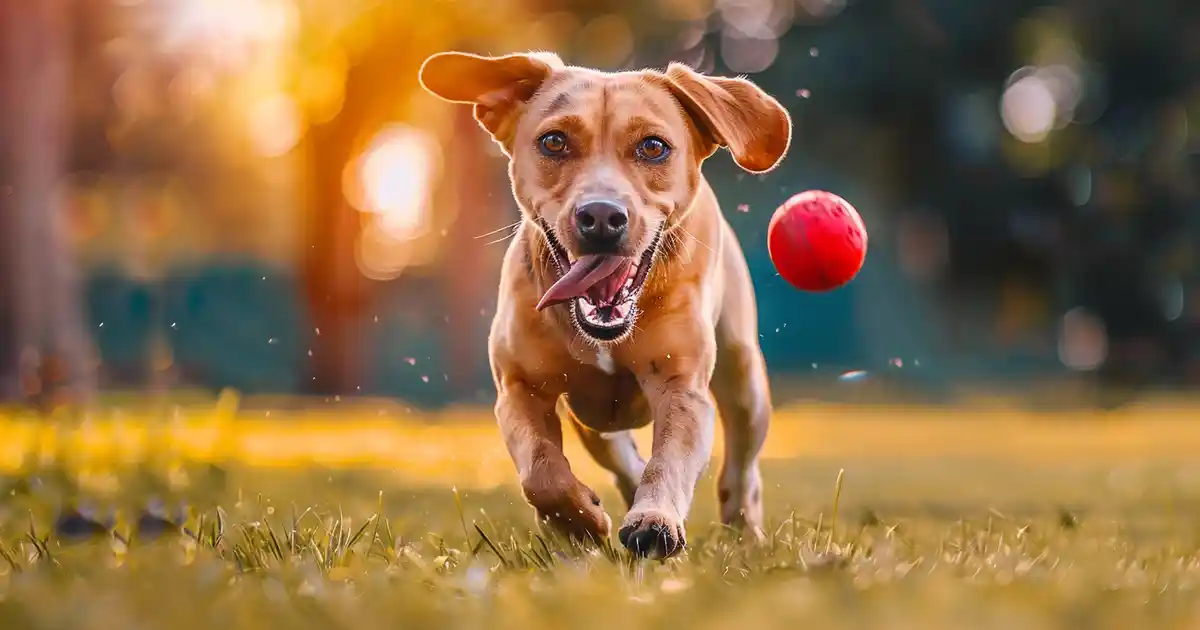
Have you ever wondered why your dog still seems hyperactive even after a regular walk around the block? I used to think a quick 15-minute stroll was enough exercise, until I discovered that my Border Collie mix needed mental challenges combined with physical activity to truly tire him out. Now my friends constantly ask how I transformed my furniture-chewing tornado into a calm, content companion, and my veterinarian (who used to lecture me about weight management) keeps praising my dog’s perfect fitness level. Trust me, if you’re worried about finding time for elaborate exercise routines, these creative workout ideas will show you it’s more achievable and enjoyable than you ever expected.
Here’s the Thing About Dog Exercise
Here’s the magic: proper dog exercise combines physical movement with mental stimulation, creating tired, happy pups who behave better and live longer, healthier lives. I never knew exercise variety could be this simple—no expensive gym memberships, no complicated equipment, and no need to spend hours every day on structured activities. This combination creates amazing results for destructive dogs, overweight pets, and anyone who wants their canine companion to thrive both physically and mentally. It’s honestly more doable than I ever expected, with no overwhelming time commitments needed when you incorporate exercise naturally into your daily routine. According to research on canine exercise physiology, regular varied physical activity significantly improves dogs’ cardiovascular health, joint mobility, and behavioral outcomes.
What You Need to Know – Let’s Break It Down
Understanding your dog’s specific exercise requirements is absolutely crucial before diving into new activities. Don’t skip this part—I finally figured out the difference between breed-specific needs and individual personality after exhausting my low-energy senior dog with high-intensity workouts (took me forever to realize this).
Breed and Age Considerations work beautifully as starting points, but you’ll need to observe your individual dog’s response to different activities. I always recommend starting conservatively with new exercises because everyone sees better results when building fitness gradually rather than risking injuries.
Energy Level Assessment (game-changer, seriously) means watching how quickly your dog recovers from current activities and whether they’re calm or restless at home. Yes, individual variation really matters and here’s why—two dogs of the same breed can have completely different exercise needs based on personality and health status.
Physical Limitations become essential to identify before starting intensive programs. Most healthy adult dogs can handle moderate exercise, though puppies need limited high-impact activities to protect developing joints, and senior dogs require gentler options that accommodate arthritis or reduced stamina.
If you’re just starting out with structured dog fitness, check out my guide to understanding your dog’s daily exercise needs for foundational techniques that help you create personalized workout plans.
The Science and Psychology Behind Why This Works
Dive deeper into the evidence and you’ll discover that exercise releases endorphins that improve mood, reduces cortisol levels that cause anxiety, and provides the physical outlet that prevents behavioral problems. Studies on canine enrichment and activity show that dogs receiving varied daily exercise exhibit significantly lower rates of destructive behavior, obesity, and stress-related health issues.
Here’s what makes diverse exercise different from a scientific perspective: varied activities engage different muscle groups, prevent repetitive strain injuries, and challenge cognitive abilities alongside physical fitness. I’ve personally witnessed the mental and emotional transformation in previously anxious dogs who developed confidence through mastering new physical challenges. Traditional approaches of just doing the same walk daily often fail because they prioritize routine over the novelty and problem-solving that dogs’ brains crave—canines evolved as working animals who need both physical exertion and mental engagement to feel truly satisfied.
10 Ultimate Dog Exercise Ideas
Start by selecting 2-3 activities that match your dog’s fitness level and your available time—here’s where I used to mess up by trying to implement every exercise simultaneously. Don’t be me—I used to think more variety meant daily rotation until I realized that consistency with a few favorites works better than constant changes that confuse routines.
1. Interactive Fetch Variations
Now for the important part: transform basic fetch into a workout by incorporating commands like “sit” and “stay” between throws, hiding toys that require searching, or using hills and stairs for added intensity. This activity takes just 15-20 minutes but creates lasting fitness improvements by combining cardio with obedience training.
Best for: High-energy breeds, ball-motivated dogs, outdoor spaces Intensity level: Medium to high Time required: 15-30 minutes
2. Tug-of-War Sessions
Here’s my secret: structured tug games build muscle strength, satisfy prey drive, and reinforce impulse control when you teach “drop it” commands. When it clicks with proper rules, you’ll know immediately—your dog learns to play intensely but stops on command, creating both physical and mental exercise.
Best for: Strong breeds, dogs who love interactive play, indoor or outdoor Intensity level: Medium to high Time required: 10-15 minutes
3. Swimming Adventures
Results can vary, but I’ve learned that swimming provides low-impact full-body workouts perfect for dogs with joint issues or those recovering from injuries. My mentor taught me this trick: introduce water gradually using shallow areas before attempting deeper swimming to build confidence safely.
Best for: Retriever breeds, overweight dogs, senior dogs with arthritis, hot weather Intensity level: Medium (feels easier than it is) Time required: 20-45 minutes
4. Agility Training at Home
Every situation has its own challenges, just like creating obstacle courses but with household items that cost nothing. Don’t worry if you’re just starting out—use broomsticks for jumps, boxes for tunnels, and chairs for weaving exercises that develop coordination and mental focus.
Best for: Intelligent breeds, athletic dogs, small to medium dogs, limited space Intensity level: Medium to high Time required: 15-25 minutes
5. Hiking and Trail Adventures
This creates lasting enrichment you’ll actually stick with because natural environments provide endless sensory stimulation beyond simple physical exertion. Trail hiking engages your dog’s instincts to explore, track scents, and navigate varied terrain that strengthens stabilizer muscles regular walks miss.
Best for: Adventurous dogs, outdoor enthusiasts, breeds with high stamina Intensity level: Medium to very high (depending on trail) Time required: 1-3 hours
6. Hide and Seek Games
When cognitive challenges happen (and they should daily), I’ve learned to handle mental exercise by hiding treats or toys throughout the house and encouraging your dog to search using their nose. Don’t stress, just start with obvious hiding spots and gradually increase difficulty as your dog understands the game.
Best for: Scent hounds, anxious dogs, rainy days, puppies and seniors Intensity level: Low to medium (mental > physical) Time required: 10-20 minutes
7. Flirt Pole Workouts
This is totally manageable when you use a long pole with a lure attached that mimics prey movement, triggering your dog’s chase instinct in controlled bursts. I always prepare for high-intensity intervals because this exercise burns enormous energy quickly—perfect for busy schedules.
Best for: High prey-drive breeds, small yards, terriers and herding dogs Intensity level: Very high Time required: 10-15 minutes (very efficient)
8. Stair Climbing Routines
If you’re looking for convenient indoor cardio, try controlled stair exercises that build leg strength and cardiovascular fitness without leaving home. Progressive training means starting with 2-3 trips and gradually increasing as fitness improves over weeks.
Best for: Athletic dogs, apartment dwellers, bad weather backup, weight loss Intensity level: Medium to high Time required: 5-15 minutes
9. Dog Park Socialization
When social interaction happens naturally during play, your dog exercises without realizing it while developing crucial social skills with other dogs. Sometimes I supervise closely at first, though that’s totally necessary for ensuring positive interactions that build confidence rather than fear.
Best for: Social dogs, puppies learning manners, suburban areas with facilities Intensity level: Varies (self-regulated play) Time required: 30-60 minutes
10. Treadmill Training
For next-level results during extreme weather or when outdoor access is limited, I love teaching dogs to use treadmills for consistent cardio workouts. My advanced version includes gradual introduction, slow speeds initially, and positive reinforcement that makes treadmill time enjoyable rather than stressful.
Best for: All breeds once trained, extreme climates, rehabilitation, year-round consistency Intensity level: Medium (controlled) Time required: 15-30 minutes
Common Mistakes (And How I Made Them All)
Learn from my epic failures so your dog doesn’t suffer preventable injuries. My biggest mistake? Starting with marathon-length hikes before building my dog’s endurance gradually. Don’t make my mistake of ignoring fundamental fitness progression that experienced trainers recommend—I ended up with a limping dog and an expensive vet bill for strained muscles.
Another embarrassing error: I exercised my dog immediately after meals, not realizing this increases bloat risk in deep-chested breeds. These mistakes happen when we let enthusiasm override safety guidelines, but your pet’s health demands following basic precautions about timing and intensity.
I also failed to recognize signs of overheating during summer exercise. While most dogs love activity, they can’t regulate temperature as efficiently as humans—now I always carry water, avoid midday heat, and watch for excessive panting or reluctance to continue.
When Things Don’t Go as Planned
Feeling overwhelmed by your dog’s seemingly endless energy despite regular exercise? You probably need to add mental stimulation activities alongside physical workouts rather than just increasing exercise duration. That’s normal, and it happens to everyone who discovers their dog is intellectually understimulated.
Weather Limitations: When outdoor plans fail due to extreme conditions (and they will), I’ve learned to handle this by maintaining an arsenal of indoor exercise alternatives that prevent cabin fever. Don’t stress, just rotate between hide-and-seek, tug games, and stair workouts to maintain fitness year-round.
Injury or Health Issues: This is totally manageable when you adapt exercises to your dog’s current capabilities. I always prepare for setbacks because aging and accidents happen—having low-impact alternatives like swimming or gentle walks prevents complete inactivity during recovery.
Motivation Challenges: If you’re losing enthusiasm for daily exercise routines, try joining dog sports clubs or scheduling playdates with other owners who create accountability and make workouts social activities you actually enjoy.
Advanced Strategies for Next-Level Results
Taking this to the next level means implementing periodization and cross-training principles borrowed from human athletic programs. Advanced practitioners often vary intensity throughout the week—alternating high-energy days with recovery periods that prevent overtraining while building peak fitness.
I’ve discovered that tracking your dog’s exercise using fitness apps or simple journals yields better results than guessing about activity levels. When you monitor patterns, you’ll notice which exercises your dog genuinely enjoys versus merely tolerates, allowing you to optimize routines for maximum engagement.
For competitive dogs or working breeds, consider structured sports like dock diving, flyball, or rally obedience that channel energy into goal-oriented activities. These qualifications separate casual pet owners from dedicated handlers who develop their dogs’ full athletic potential.
Different life stages require different approaches: puppies benefit from short, frequent play sessions that build habits without stressing growing bones, while senior dogs need gentle consistency that maintains mobility without exacerbating arthritis.
Ways to Make This Your Own
Customizing your approach makes dog exercise sustainable for various situations and lifestyles. When I want more efficient workouts, I’ll combine mental and physical challenges like teaching new tricks during fetch breaks—doubling benefits in the same timeframe.
Budget-Conscious Approach focuses on free activities like hiking local trails, playing in your yard, or organizing neighborhood dog walking groups. This makes it financially sustainable but definitely worth it for creating consistent routines without ongoing costs.
Premium Investment Package includes my busy-season version: doggy daycare for socialization, professional agility classes for advanced training, and specialized equipment like spring poles or conditioning gear. For next-level results, I love adding canine hydrotherapy or fitness tracking wearables that monitor heart rate and calories burned.
Multi-Dog Household Strategy requires activities that allow dogs to exercise together safely. Sometimes I separate dogs for individual attention, though group play works beautifully when energy levels and play styles match.
Breed-Specific Customization (tailored approach) emphasizes activities that satisfy innate drives—retrieving for Labs, herding games for Border Collies, scent work for Beagles, pulling exercises for Northern breeds.
Why This Approach Actually Works
Unlike random sporadic activity, structured varied exercise leverages proven fitness principles and behavioral science that casual approaches ignore. I discovered why this works when my previously destructive dog stopped chewing furniture within two weeks of implementing daily exercise combinations—proper physical and mental stimulation eliminates the boredom that drives problem behaviors.
What sets this apart from other pet care strategies is the holistic focus on total wellbeing rather than just preventing weight gain. The evidence-based benefits include improved cardiovascular health, stronger joints and muscles, better behavior, reduced anxiety, and extended healthy lifespan. This sustainable, effective approach works because it respects dogs’ evolutionary needs as active, intelligent animals while fitting realistically into modern human schedules, creating a proven method for raising happy, healthy, well-adjusted companions.
Real Success Stories (And What They Teach Us)
Their success aligns with patterns I’ve witnessed repeatedly among dog owners who committed to diverse exercise routines. One colleague’s anxious Australian Shepherd transformed from reactive and destructive to calm and focused through daily agility training that channeled nervous energy productively. What made her successful was consistency—training at the same time daily until it became an anticipated routine.
Another neighbor’s obese Labrador lost 15 pounds and regained mobility through combined swimming sessions and controlled feeding. The lesson? Exercise alone won’t overcome overfeeding, but the right low-impact activities make weight loss achievable even for dogs with joint pain.
A friend’s senior dog maintained quality of life years beyond breed expectations through adapted exercise that adjusted to declining capabilities—shorter walks, swimming for joint support, and mental games that kept his mind sharp. Different timelines matter here—young dogs build fitness quickly while seniors require patient progression.
Tools and Resources That Actually Help
Fitness Tracking Devices like FitBark or Whistle provide activity monitoring that reveals whether your dog actually meets exercise goals. I’ve personally used FitBark successfully, though the subscription costs add up—the data helps identify patterns you’d otherwise miss.
Interactive Puzzle Toys like Kong Wobblers, snuffle mats, or Nina Ottosson games provide mental exercise during physical rest periods. The limitation? Some dogs solve puzzles quickly and lose interest, requiring regular rotation of different challenge levels.
Outdoor Gear (moderate investment) includes long training leashes for recall practice, floating toys for swimming, and reflective vests for low-light safety. Alternatives exist at every price point, but quality gear prevents accidents and lasts longer than cheap versions.
The best resources come from certified professional dog trainers and veterinary sports medicine specialists who provide evidence-based guidance for safe, effective exercise programming across different life stages and breed types.
Questions People Always Ask Me
How long does it take to see behavioral improvements from increased exercise?
Most people notice changes within 1-2 weeks of consistent daily activity. I usually see reduced destructive behavior first, followed by improved focus and calmness over the next month as fitness builds and routines establish.
What if I don’t have time for hour-long exercise sessions daily?
Absolutely, just focus on quality over duration—15 minutes of intense mental challenges like hide-and-seek can tire dogs more effectively than 45 minutes of leisurely walking. You can split exercise into multiple short sessions throughout the day.
Is intense exercise suitable for puppies?
No! Puppies need carefully limited exercise to protect developing growth plates. Start with short play sessions (5 minutes per month of age, twice daily) and avoid high-impact jumping or forced running until skeletal maturity around 12-18 months depending on breed.
Can I adapt these exercises for my senior dog with arthritis?
Definitely, though you’ll need to modify intensity and choose low-impact options like swimming, gentle walks, and mental enrichment games. Most senior dogs benefit from consistent gentle movement that maintains mobility without aggravating joint pain.
What’s the most important thing to focus on first?
Finding activities your dog genuinely enjoys creates the foundation for everything else. Even perfectly designed exercise programs fail if your dog dreads the activity—watch for enthusiasm signals like bringing toys, excited body language, and eager participation.
How do I stay motivated when exercise routines feel like chores?
Break the monotony by rotating activities weekly, joining dog sports communities for social accountability, or combining dog exercise with your own fitness goals. Progress feels rewarding when you notice your dog’s improving behavior and health.
What mistakes should I avoid when starting a dog exercise program?
Don’t increase intensity too quickly, don’t exercise immediately after meals or during extreme heat, and don’t ignore signs of fatigue or pain. Pushing through discomfort causes injuries that set back progress for weeks or months.
Can I combine multiple exercise types in one day?
Absolutely—many dog owners do morning walks, midday mental games, and evening play sessions. Just ensure total activity suits your dog’s fitness level and includes rest periods between intense workouts to prevent exhaustion.
What if my dog seems tired but still acts hyperactive?
Previous assumptions about exercise often overlook mental stimulation needs. Analyze whether you’re providing cognitive challenges—a physically exhausted but mentally bored dog still exhibits problem behaviors despite adequate physical activity.
How much exercise does my specific breed actually need?
Requirements vary dramatically by breed, age, and individual temperament, ranging from 30 minutes for low-energy breeds to 2+ hours for working breeds. Research your breed’s typical needs, then adjust based on your dog’s response.
What’s the difference between physical and mental exercise?
Physical exercise builds cardiovascular fitness and burns calories through movement, while mental exercise challenges problem-solving abilities and decision-making. Both tire dogs, but mental challenges often provide deeper satisfaction for intelligent breeds.
How do I know if I’m exercising my dog enough?
You’ll notice appropriate tiredness after activities, calm behavior at home, healthy weight maintenance, and absence of destructive boredom behaviors. Trust your observations—properly exercised dogs settle contentedly rather than constantly seeking attention.
Before You Get Started
I couldn’t resist sharing this because it proves that transforming your dog’s health and behavior doesn’t require Olympic-level commitment or expensive programs. The best dog exercise routines happen when you prioritize consistency over perfection, variety over monotony, and enjoyment over obligation. Ready to begin? Start with a simple first step—choose two exercises from this list that match your dog’s current fitness level and commit to trying them this week. Your dog deserves the physical and mental stimulation that creates vibrant health, and you deserve the peaceful companionship that comes from a properly exercised, happy pup.




