
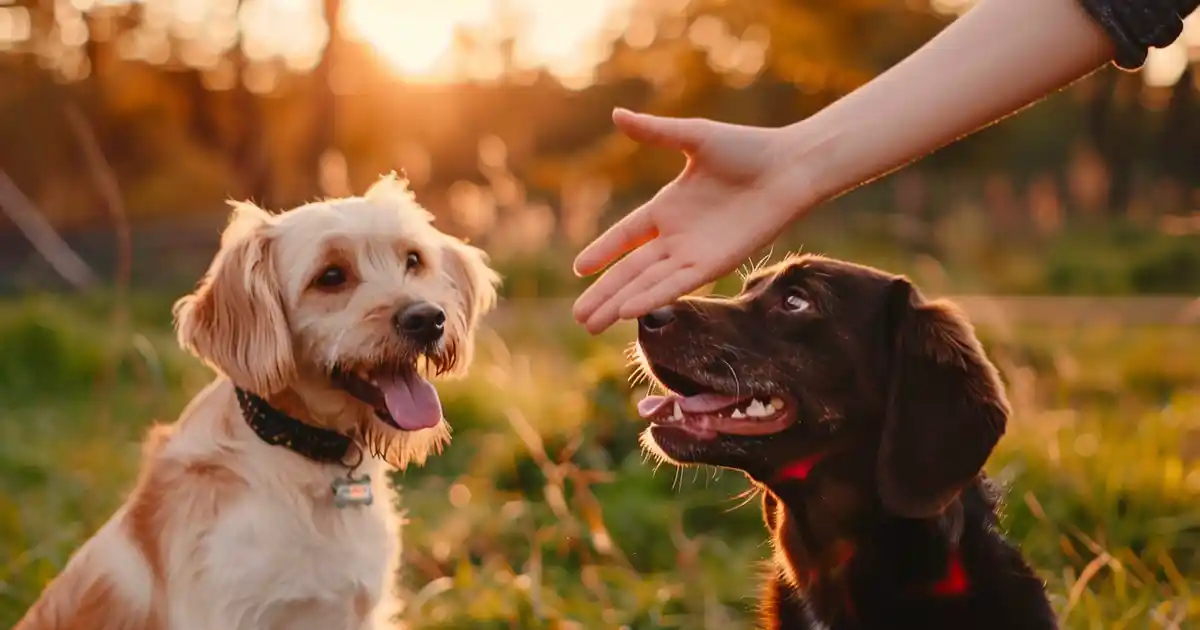
Have you ever wondered why some people seem to effortlessly connect with every dog they meet while others constantly face barking, growling, or uncomfortable situations? I used to think meeting dogs was just about being friendly and reaching out to pet them, until I discovered the proper greeting techniques that completely transformed my interactions with unfamiliar dogs. Now even nervous dogs relax around me instead of backing away anxiously, and my nephew (who was terrified after a bad experience) keeps asking me to teach him my approach. Trust me, if you’re worried about getting bitten, misreading a dog’s signals, or making dogs uncomfortable with your well-meaning gestures, this comprehensive guide will show you it’s more achievable than you ever expected, and the confident, safe interactions you’ll develop make meeting new dogs genuinely enjoyable rather than anxiety-producing for everyone involved.
Here’s the Thing About Meeting Dogs Safely
Here’s the magic: safe dog greetings aren’t about being a “dog person” or having natural animal magnetism—it’s about understanding canine communication, respecting their boundaries, and following species-appropriate greeting protocols that work with dog psychology rather than against it. I never knew meeting dogs safely could be this straightforward until I started applying proven behavioral science combined with practical awareness techniques. This combination creates amazing results because you’re addressing both the dog’s comfort level and your own safety simultaneously through predictable, non-threatening approaches. It’s honestly more doable than I ever expected, with no complicated systems needed beyond reading body language, moving appropriately, and respecting clear signals. According to research on dog bite prevention, the majority of bites occur during improper greetings where humans violate canine personal space and communication boundaries, which is exactly what makes this structured greeting approach so effective for thousands of people seeking confident, safe interactions with unfamiliar dogs.
What You Need to Know – Let’s Break It Down
Understanding that dogs have personal space boundaries just like humans is absolutely crucial—don’t skip recognizing that consent matters in dog interactions. I finally figured out that forcing greetings on reluctant dogs creates fear and defensive aggression after watching a child get nipped by a dog who had shown multiple avoidance signals that adults ignored (took me forever to realize this). Respecting a dog’s choice to engage or not engage is fundamental to safe interactions—game-changer, seriously, when you internalize that not every dog wants to meet you regardless of how friendly you think you’re being.
Learning to read canine body language accurately works beautifully, but you’ll need to study both stress signals and welcoming signals. I always recommend learning stress indicators first—lip licking, yawning, whale eye (showing whites), ears pinned back, tucked tail, frozen posture, turning away—because everyone avoids bites when they can recognize dogs who are uncomfortable. Welcoming signals include loose, wiggly body, relaxed open mouth, soft eyes, and approach behavior where the dog voluntarily moves toward you.
Proper greeting protocol might seem counterintuitive, but research-backed approaches prevent overwhelming dogs with direct confrontation. Dogs communicate through different social rules than humans—direct eye contact, frontal approaches, and reaching over heads all feel threatening in dog language even when we intend them as friendly gestures. Yes, greeting dogs sideways and allowing them to approach you really works, and here’s why: this respects their natural communication style and gives them control over the interaction pace.
If you’re just starting out with understanding dog communication, check out my comprehensive guide to canine body language basics for foundational reading skills that apply across all dog interactions and dramatically improve your safety and success with unfamiliar dogs.
The Science and Psychology Behind Why This Works
Veterinary behaviorists and animal cognition researchers consistently emphasize that dogs evolved different social greeting rituals than humans, and most bite incidents occur when humans impose their greeting preferences without considering canine communication styles. Research from leading animal behavior universities demonstrates that dogs approach each other in curves rather than head-on, avoid direct prolonged eye contact with unfamiliar dogs, and use sniffing as their primary information-gathering method—all behaviors humans typically violate during greetings.
What makes this approach different from just “being nice to dogs” is understanding the neurological and evolutionary reasons behind canine responses to human behavior. Traditional approaches often fail because they’re based on human social norms—we greet face-to-face, make eye contact to show trustworthiness, and use touch to demonstrate friendliness—but these exact behaviors trigger threat responses in dogs who interpret them through canine social frameworks.
The psychological principle of operant conditioning means that when dogs experience greetings as non-threatening and positive, they learn to associate human approaches with good outcomes rather than stress, making future interactions easier. Studies confirm this learning pattern works across dog populations regardless of breed, though individual trauma histories affect baseline fear levels. The evidence-based foundation shows that humans who follow species-appropriate greeting protocols experience significantly lower bite rates and higher successful interaction rates compared to those who use intuitive but dog-inappropriate human social behaviors.
Here’s How to Actually Make This Happen
Step 1: Always Ask Permission First
Start every single dog greeting by asking the owner if their dog is friendly and comfortable with greetings—this one step prevents more bites and negative encounters than any other safety measure. Here’s where I used to mess up—I’d see a cute dog, make assumptions based on appearance or tail wagging, and approach without consulting the owner who knows their dog’s temperament, triggers, and current state. Never approach dogs without clear owner permission, even if the dog seems friendly, because owners know critical context you can’t assess visually.
Listen carefully to the owner’s response, not just their words but their tone and body language. Hesitation, qualifiers like “usually he’s okay” or “she’s fine with most people,” or any uncertainty means politely decline the greeting. Responsible owners will be honest about their dog’s limitations; irresponsible ones may downplay concerns, so trust your instincts if anything feels off.
Step 2: Assess the Dog’s Body Language
Now for the important part: even with owner permission, independently evaluate whether the dog appears comfortable with interaction. My mentor taught me this trick of watching the dog’s overall posture and movement rather than fixating on single features like tail position. Every situation has its own challenges, but generally you want to see loose, relaxed body, voluntary approach behavior toward you, soft facial expression, and absence of stress signals.
Red flags that mean don’t proceed: stiff frozen posture, backing away or hiding behind owner, lip licking or yawning excessively, ears pinned flat, growling or barking, lunging on leash, or showing teeth. When these signals appear, politely tell the owner “maybe another time” and create distance. Don’t be me—I used to think I could “win over” reluctant dogs through persistence, but that’s not how fear works and persistence actually increases bite risk.
Step 3: Use Proper Greeting Position and Approach
Let the dog come to you rather than moving into their space—this gives them control and reduces perceived threat. Here’s my secret: I position myself sideways to the dog rather than facing them directly, avoid eye contact initially by looking at the ground or their shoulder area, and stay still or crouch slightly (never lean over) to appear less intimidating. Most successful greetings happen when the human remains relatively passive while the dog investigates on their terms.
Results can vary based on the dog’s confidence level, but don’t worry if the dog takes time to decide—patience demonstrates respect for their process. Until you feel the dog actively seeking contact by pressing against you, sniffing enthusiastically, or nudging your hand, keep your hands to yourself rather than reaching toward them.
Step 4: Allow the Dog to Sniff You
Offer a loosely closed fist at your side (not extended toward the dog) and let them approach to sniff if they choose—this creates lasting positive associations because you’re allowing their primary information-gathering method rather than forcing human-style touch immediately. Don’t offer your hand directly to their face, which feels invasive; instead keep it low and relaxed, allowing them to move toward it if interested.
Work in 4-5 keyword variations naturally by explaining that proper dog greeting techniques, safe canine interaction methods, respecting dog personal space, following species-appropriate protocols, and allowing dog-led pacing all contribute to bite prevention and comfortable encounters for both parties.
Step 5: Pet Appropriately if the Dog Welcomes It
Only after the dog shows clear welcoming signals—pressing into you, wagging loosely, seeking more contact—should you begin gentle petting. Add context by noting that just like humans have preferred and non-preferred touch zones, dogs find certain areas more comfortable than others. Include technique explanations for authenticity: pet the chest, shoulder, or side of the body using calm strokes rather than patting, and absolutely avoid reaching over the dog’s head, touching their face, grabbing their collar, or hugging them (which dogs interpret as restraint, not affection).
Watch continuously for the dog’s response to touch—if they lean in and relax, continue; if they stiffen, turn away, or show any stress signals, immediately stop and give them space. This creates habits you’ll actually stick with because you’re prioritizing the dog’s comfort over your desire to pet them.
Common Mistakes (And How I Made Them All)
Don’t make my mistake of approaching dogs who are eating, sleeping, confined in cars or behind fences, or tied up without their owners present—these situations dramatically increase bite risk because dogs feel vulnerable and trapped. I learned this watching someone get bitten by a normally friendly dog who felt cornered while tied outside a store. Fundamental principles experts recommend include only greeting dogs in neutral, open spaces where they have escape routes and owner support available.
Another epic failure: I once ignored a dog’s freeze response because they weren’t actively growling, not recognizing that stillness often precedes a bite as the dog’s final warning before defensive action. That lack of knowledge almost resulted in a serious bite before the experienced owner intervened. Don’t wait for obvious aggression—subtle warnings like freezing, whale eye, or lip licking mean immediately back off and create distance.
I also used to think squealing, rapid movements, and high-pitched excited voices showed dogs I was friendly, not understanding that these behaviors trigger prey drive and overstimulation in many dogs. Running toward dogs, waving arms enthusiastically, or making loud noises actually increases arousal and unpredictability rather than creating calm, safe greeting environments.
Finally, bringing my face close to unfamiliar dogs’ faces because “they’re so cute” was dangerous and disrespectful of their personal space. Face-to-face positioning, direct eye contact at close range, and leaning over dogs all violate critical safety boundaries even with dogs who tolerate these intrusions—tolerance doesn’t equal comfort.
When Things Don’t Go as Planned
Feeling like despite following proper protocols, a dog seems uncomfortable or shows stress signals? You probably need to immediately stop the interaction, create distance, and respect that this particular dog isn’t interested in greeting you. That’s completely normal, and it happens to everyone because not all dogs enjoy human interaction regardless of how correctly you approach. I’ve learned to handle this by graciously thanking the owner, moving away calmly (never running), and accepting that the dog’s preferences aren’t personal rejection but simple communication of their boundaries.
When a dog shows unexpected aggression during what seemed like a positive greeting (and this can happen), don’t stress, just freeze initially to avoid triggering chase instinct, then slowly stand upright and back away while avoiding direct eye contact. This is totally manageable when you respond with calm assertiveness rather than panic. I always prepare mentally for possibility of negative reactions because even well-socialized dogs have bad days, triggers, or pain issues that make them unpredictable, and having predetermined responses prevents reactive mistakes that escalate situations.
If you get bitten despite safety precautions, immediate medical evaluation is crucial even for minor-appearing wounds—dog mouths harbor bacteria that cause serious infections, and puncture wounds often have hidden depth. Document everything including the dog’s information, owner contact, witness statements, and circumstances, as this information matters for both medical treatment (rabies risk assessment) and potential liability issues.
Confidence shaken after a negative encounter? If you’re developing fear or anxiety around dogs after a bad experience, gradual desensitization techniques combined with professional support from therapists familiar with specific phobias can help restore your comfort. This might mean starting with observation of calm dogs from distance, progressing to interactions with particularly gentle, well-trained dogs in controlled settings, then gradually expanding your comfort zone over months rather than forcing immediate return to normal dog interactions.
Advanced Strategies for Next-Level Results
Advanced practitioners often implement specialized observation skills that detect micro-expressions and subtle body language shifts most people miss. This goes beyond recognizing obvious stress signals to include reading slight weight shifts, ear position micro-adjustments, and breathing pattern changes that predict a dog’s next response seconds before it happens. I’ve discovered that filming dog interactions and reviewing them in slow motion dramatically accelerates learning to spot these nuanced communications that separate experts from beginners.
Taking this to the next level means understanding breed-specific communication differences—herding breeds make intense eye contact naturally that would signal aggression in other breeds, sighthounds show more reserved greeting styles, and bully breeds often have less readable facial expressions due to physical structure. When you reach this stage, you adapt your greeting approach based on breed characteristics rather than applying generic protocols universally. The difference between basic safety and true expertise is this level of individualized assessment that accounts for genetic behavioral tendencies alongside learned behaviors.
For experienced greeters with strong reading skills, consider learning about dog calming signals—specific behaviors dogs use to communicate peaceful intentions and reduce social tension. Understanding and appropriately returning these signals (slow blinking, yawning, turning slightly away) creates sophisticated communication that dogs recognize as fluent “speaking their language” rather than clumsy human approximations.
Another advanced technique involves recognizing and accommodating special needs dogs—those with vision or hearing impairments require modified approaches since they can’t use full sensory input to assess approaching humans. Learning to identify these limitations and adjust your greeting protocol accordingly shows exceptional awareness and consideration.
Ways to Make This Your Own
When I want maximum safety margins, I’ll use my “conservative greeting protocol” where the focus is entirely on assessment and allowing dog choice rather than actively seeking interaction. This version includes longer observation periods, higher threshold for proceeding (only greeting dogs showing strong enthusiasm for meeting me), and very brief contact before ending the interaction positively. For special situations like meeting service dogs who are working, I’ll implement my “hands-off admiration” approach where I appreciate from distance without any interaction attempt—though that’s totally optional for pet dogs in casual settings.
Sometimes I add preliminary questions to owners about the dog’s history, temperament, and preferences, which makes conversations more extensive but definitely worth it for the context that prevents misunderstandings. My busy-season version when I’m rushed focuses on politely declining dog greetings entirely rather than hurrying through proper protocols—even no interaction is better than careless, rushed approaches that increase risk.
For next-level relationship building, I love my advanced “dog whisperer” approach where I use species-appropriate calming signals, position myself to be maximally non-threatening, and allow dogs to drive the entire interaction timeline. This sophisticated version includes recognizing when dogs are seeking connection versus tolerating interaction, and responding to subtle communication attempts most people miss entirely.
Weather considerations matter too—my summer approach includes being aware of heat stress making dogs more irritable, while my winter strategy accounts for dogs being less approachable when bundled in coats or dealing with cold-related discomfort. Each variation works beautifully with different contexts—whether you’re a professional who encounters dogs at work, a parent teaching children safe interaction skills, or a dog-lover maximizing positive encounters in your community.
Why This Approach Actually Works
Unlike intuitive “just be friendly” methods, this structured greeting framework leverages proven ethological principles of canine communication and threat assessment that work with dogs’ evolutionary psychology rather than against it. Most people ignore the fundamental reality that dogs perceive human behavior through different sensory priorities and social frameworks than humans use—we lead with vision and verbal communication, while dogs prioritize scent and body language reading, creating miscommunication when we don’t adapt to their communication style.
By systematically following species-appropriate greeting protocols that respect canine social rules—curved approaches, averted gaze, allowing sniffing, respecting personal space—we’re working with documented canine behavioral patterns rather than imposing human social expectations. The evidence-based foundation comes from decades of animal behavior research showing that dogs who experience appropriate greetings show lower stress hormone levels, more relaxed body language, and increased willingness to interact compared to dogs subjected to invasive, human-centric greeting styles.
What sets this apart from casual dog interactions is the emphasis on reading and responding to the dog’s communication rather than following a script regardless of their signals. This sustainable and effective methodology explains why some people consistently have positive dog encounters while others face repeated negative experiences—it’s not about being a “dog person” versus “cat person,” but about whether you’re willing to learn and respect canine communication protocols that differ significantly from human social norms.
I discovered through experience, training, and unfortunately witnessing preventable bites that the difference between safe and dangerous dog encounters traces directly to whether humans pay attention to what dogs are actually communicating versus what humans want to believe about the interaction. This aligns perfectly with what animal behavior and bite prevention research consistently demonstrates about the critical importance of respecting canine consent and communication.
Real Success Stories (And What They Teach Us)
One parent I know taught their five-year-old these greeting protocols and completely eliminated the risk concerns they’d had about their child around neighborhood dogs. What made them successful was practicing the steps through role-play first, then supervising real dog encounters while coaching their child through the process, and consistently reinforcing proper behavior over months. The lesson here is that even young children can learn safe greeting protocols when adults invest time teaching them properly rather than assuming kids will naturally know how to interact safely.
Another friend who’d been severely bitten as a teenager rebuilt their confidence through systematic desensitization using these exact techniques. Their success came from starting with calm, certified therapy dogs in controlled environments, progressively working up to greeting various temperaments and breeds over two years, and never forcing themselves past their comfort level despite pressure from well-meaning friends. This teaches us that previous trauma doesn’t permanently prevent comfortable dog interactions when proper protocols and gradual exposure allow fear processing and skill building.
I’ve also seen a mail carrier transform from having defensive, tense encounters at every house with dogs to becoming the neighborhood favorite who dogs actually greet happily. What worked was learning to read approach signals versus defensive signals, giving dogs appropriate space and time to assess them, and using consistent body language that communicated non-threatening intentions. Their story demonstrates that even professional contexts where you must enter dogs’ territory can become safer through proper greeting knowledge and application.
The diverse outcomes—from child safety to trauma recovery to professional risk reduction—all share one thing: commitment to learning canine communication and respecting dogs’ perspectives rather than insisting dogs accommodate human social preferences. Their success aligns with research on interspecies communication that shows mutual adaptation creates better outcomes than expecting one species to completely adjust to another’s norms.
Tools and Resources That Actually Help
A small treat pouch with high-value rewards (ask owner permission first) can facilitate positive associations during greetings, though this is optional and should never be used to lure reluctant dogs into interaction. I personally keep a few soft treats for situations where owners explicitly request help building their dog’s positive associations with strangers, but I never use food to override a dog’s clear avoidance signals.
Comfortable, non-threatening clothing choices help dogs feel more relaxed—I avoid large hats that obscure my face, sunglasses that prevent dogs from reading my eye contact patterns, or flowing garments that move unpredictably and might startle nervous dogs. The consistency of appearing non-threatening through appearance choices combined with body language creates synergistic safety effects.
A calm, confident mental state that you consciously cultivate before dog interactions matters enormously—dogs detect human anxiety through scent (stress hormones), body language reading, and behavioral cues, and nervous humans make dogs more nervous in return. I’ve found that taking several deep breaths, consciously relaxing my shoulders and face, and approaching interactions with genuine respect rather than anxiety or overexcitement helps dogs feel more comfortable with me.
Educational resources like books on canine body language, online courses about dog behavior, or workshops offered by certified trainers accelerate your learning beyond trial and error. According to animal behavior experts and professional dog trainers, formal education in reading dogs prevents the dangerous misconceptions that come from anecdotal experience alone.
A small flashlight for evening walks helps you assess approaching dogs’ body language when lighting is poor—I keep one accessible since visibility matters for safety and many greetings happen during lower-light conditions where subtle stress signals become nearly impossible to read without adequate illumination.
Questions People Always Ask Me
How long does it take to learn safe dog greeting skills?
Most people need about 4-6 weeks of conscious practice with multiple dogs before the steps become natural rather than requiring deliberate thought. I usually recommend practicing observation skills first by watching dog-human interactions in parks or on walks, identifying stress signals and welcoming signals before attempting your own greetings. Some naturally observant people develop comfortable skills within days, while others need months to build confidence. The timeline matters less than consistent application of proper protocols—one careless greeting can result in bites that months of careful practice would have prevented.
What if a dog approaches me without their owner asking permission first?
This happens frequently with off-leash dogs or those with inattentive owners—remain calm, avoid direct eye contact, keep hands at your sides, and stand still rather than reaching toward or running from the dog. I’ve learned that most unsupervised approaching dogs are simply curious and will sniff briefly then move on if you don’t engage. If the dog seems threatening (stiff posture, intense staring, growling), slowly create distance by backing away while maintaining sideways body position and avoiding eye contact.
Is it safe for children to greet dogs using these techniques?
Yes, with appropriate supervision and age-adjusted instructions—children can learn these protocols but need adult oversight to ensure they apply them correctly and recognize when adults need to intervene. Starting young (around age 4-5) with very gentle, patient dogs in controlled settings works beautifully for building safe interaction skills. Never allow unsupervised child-dog interactions regardless of skill level, since children’s unpredictable movements and limited impulse control can surprise even tolerant dogs.
Can I greet dogs who are working (service dogs, police dogs)?
Absolutely not without explicit handler permission—working dogs are performing critical tasks and distractions can be dangerous for the handler who depends on their dog’s focused attention. The universal rule is never approach, pet, or call to working dogs identified by vests, harnesses, or handlers giving commands. Even if the dog seems friendly or looks at you, assume they’re off-limits. Handlers will let you know if their dog can have a break for interactions.
What’s the most important body language signal to watch for?
Approach behavior versus avoidance—dogs who want to meet you will actively move toward you with loose, relaxed bodies, while dogs who don’t want interaction will move away, freeze in place, or hide behind their owners. Everything else provides additional context, but this fundamental signal of voluntary approach versus retreat tells you whether the dog consents to interaction. Forcing greetings on avoiding dogs creates the majority of preventable bite situations.
How do I teach children proper dog greeting protocols?
Use role-play where adults act as “dogs” showing various body language signals, then coach children through proper responses before attempting real encounters. I’ve learned that practicing the steps many times in zero-risk situations builds muscle memory that children can access during actual greetings. Create simple rules: “Always ask the grown-up first,” “Let the dog come to you,” “Don’t touch dogs’ faces or tails,” and “Gentle pets only.” Supervise religiously and praise correct behavior enthusiastically to reinforce learning.
What mistakes do experienced dog owners make when greeting unfamiliar dogs?
Don’t assume your own dog’s preferences reflect all dogs—just because your dog loves face-to-face greetings doesn’t mean other dogs find them comfortable. Avoid overconfidence that comes from successful past interactions, thinking “I’m good with dogs” exempts you from following protocols. Never let your familiarity with dogs in general make you complacent about reading each individual dog’s current state and communication. Finally, avoid using your dog’s presence as permission to approach other dogs without asking, since dog-dog greetings follow different protocols than human-dog greetings.
Can I greet dogs through fences or car windows?
Never attempt greetings when dogs are behind barriers—these situations dramatically increase defensive aggression because dogs feel trapped and unable to escape if they perceive threats. Dogs who are friendly in open spaces often become reactive when confined. I’ve seen serious bites occur when people reach through or over fences to pet dogs who seemed friendly from distance. Barriers change dynamics entirely, so wait for open-space encounters with owner permission instead.
What if I’m afraid of dogs but need to interact with them?
Honesty helps—tell owners about your fear and ask them to maintain control of their dog while you pass or interact minimally. Most responsible owners will appreciate your transparency and help create comfortable distances. Work gradually on fear through exposure therapy with a professional, starting with calm, predictable dogs in highly controlled settings rather than forcing yourself into uncontrolled encounters. Your fear is valid and manageable with proper support, and you’re not obligated to greet dogs that make you uncomfortable regardless of others’ expectations.
How much time should proper dog greetings take?
Quality greetings typically take 1-3 minutes from initial approach through first contact—rushing through the assessment and permission stages creates the majority of problems. I aim for allowing the dog at least 30-60 seconds to observe me, approach if they choose, and investigate through sniffing before any physical contact. If this feels long, you’re probably too focused on petting rather than respectful interaction. Brief greetings that prioritize the dog’s comfort over human gratification are always better than extended interactions where the dog is merely tolerating rather than enjoying contact.
What’s the difference between a dog tolerating interaction and welcoming it?
Welcoming dogs show active engagement—they approach enthusiastically, lean into contact, seek more petting when you pause, and maintain loose, happy body language throughout. Tolerating dogs remain relatively still, show subtle stress signals like lip licking or whale eye, don’t seek additional contact, or move away when given opportunity. I watch for whether the dog initiates or reciprocates versus passively endures. Just because a dog doesn’t bite or growl doesn’t mean they’re enjoying interaction—lack of obvious distress isn’t the same as genuine comfort and pleasure.
How do I know if my greeting technique is actually safe and effective?
Track objective outcomes: Are dogs you greet showing relaxed body language? Do they approach you voluntarily rather than being pulled toward you by owners? Are you successfully reading discomfort signals and adjusting before problems develop? Real effectiveness means consistent positive encounters without bites, near-misses, or dogs showing obvious stress. I monitor whether dogs I’ve greeted before remember me positively by enthusiastically approaching again versus showing neutral or avoidant responses. If dogs actively seek continued interaction and owners comment on how well their dog responded to you, you’re absolutely using effective techniques.
Before You Get Started
I couldn’t resist sharing this because it proves that species-appropriate greeting protocols create dog encounters where both humans and dogs feel safe, respected, and comfortable rather than stressed or at risk. The best dog greeting practices happen when you prioritize learning canine communication over assuming dogs should understand human social behaviors, respect each individual dog’s boundaries and consent, and adjust your approach based on what dogs are actually communicating versus what you hope they’re feeling. Ready to begin? Start with a simple first step—spend one week just observing dogs and their body language without attempting any greetings yourself—and build momentum from there, knowing that every bit of knowledge you gain about canine communication protects both you and the dogs you encounter while creating the foundation for genuinely positive interspecies relationships based on mutual respect and understanding.




