
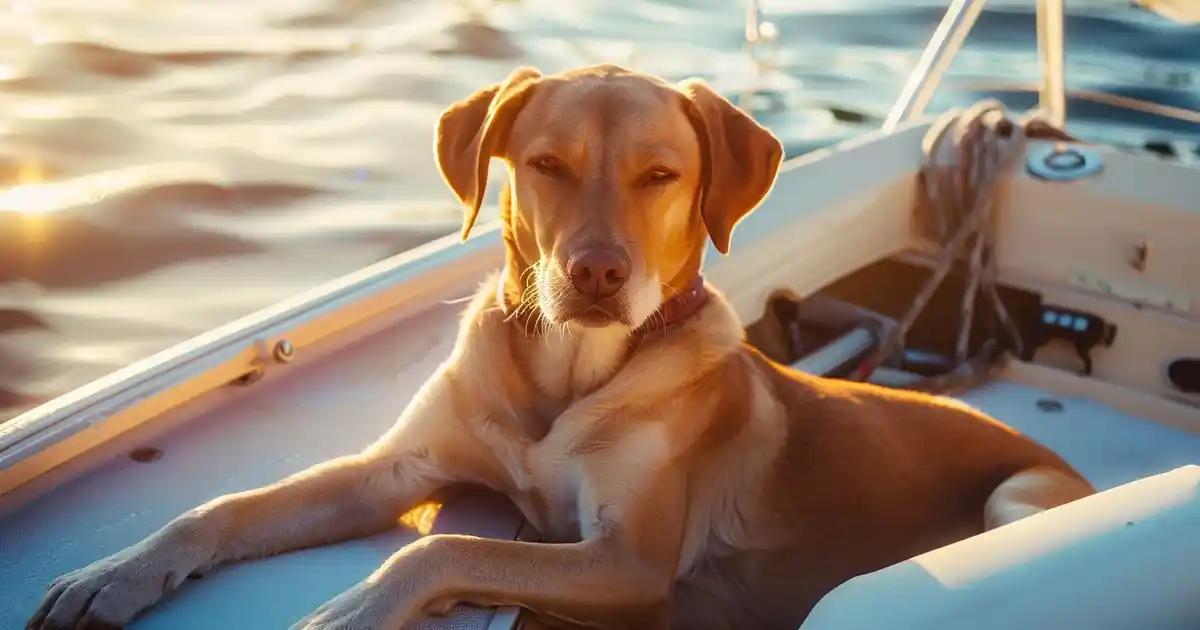
Have you ever wondered why some dogs absolutely love boat trips while others seem terrified the entire time? I used to think boating with dogs was just about tossing them on board and hoping for the best, until I discovered the right preparation techniques that completely transformed our water adventures. Now my golden retriever actually gets excited when she sees the life jacket come out, and my neighbor (who thought I was overly cautious) keeps asking how I got my pup so comfortable on the water. Trust me, if you’re worried about your dog’s safety or behavior on boats, this approach will show you it’s more manageable than you ever expected, and the bonding experience is absolutely worth the effort.
Here’s the Thing About Dog Boat Safety
Here’s the magic: successful boating with dogs isn’t about luck or having a naturally water-loving breed—it’s about proper preparation, the right safety equipment, and understanding canine behavior on the water. I never knew dog boat safety could be this straightforward until I started applying proven training methods combined with marine safety principles. This combination creates amazing results because you’re addressing both your dog’s psychological comfort and their physical safety needs. It’s honestly more doable than I ever expected, with no complicated systems needed beyond a few essential pieces of gear and some patient training. According to research on animal behavior and stress responses, dogs can be successfully conditioned to enjoy new environments when introduced gradually with positive reinforcement, which is exactly what makes this water safety approach so effective for thousands of pet owners.
What You Need to Know – Let’s Break It Down
Understanding proper life jacket fitting is absolutely crucial—don’t skip this step even if your dog is a strong swimmer. I finally figured out that life jackets need to allow full range of motion while keeping your dog’s head above water after watching my friend’s Labrador struggle with an ill-fitting vest (took me forever to realize this). The handle on top is a game-changer, seriously, because you can quickly grab your dog in emergencies or help them back onto the boat.
Getting your dog comfortable with the boat environment before you leave the dock works beautifully, but you’ll need to invest time in gradual acclimation. I always recommend starting with the boat stationary because everyone sees results faster when dogs aren’t dealing with motion and noise simultaneously. Let them explore, sniff around, and associate the boat with positive experiences through treats and praise.
Hydration and shade protection might seem obvious, but dehydration happens incredibly fast on the water. Dogs can’t tell you they’re overheating until it’s serious, so I’ve learned to offer fresh water every 30 minutes and create shaded rest areas. Yes, dog-specific sun protection for light-colored or thin-coated breeds really works, and here’s why: their noses and ears are vulnerable to sunburn just like human skin.
If you’re just starting out with water activities, check out my guide to outdoor adventures with your dog for foundational safety techniques that apply across different environments.
The Science and Psychology Behind Why This Works
Marine veterinarians and animal behaviorists consistently emphasize that dogs experience boat environments differently than humans. Their lower center of gravity and four-legged stance make them more susceptible to losing balance on moving surfaces, which triggers stress responses. Research from leading veterinary universities demonstrates that gradual desensitization—introducing water, boat sounds, and motion separately before combining them—significantly reduces anxiety-related behaviors.
What makes this approach different from just “bringing your dog along” is understanding canine stress signals. Dogs mask discomfort until it becomes severe, so subtle signs like excessive panting, yawning, or freezing need immediate attention. Traditional approaches often fail because owners misinterpret these signals as normal excitement rather than distress. The psychological principle of positive association means that when we pair boat experiences with things dogs already love (treats, play, rest), their brains literally rewire to view boating as rewarding rather than threatening. Studies confirm this conditioning works across breeds and ages, though timing and patience vary by individual temperament.
Here’s How to Actually Make This Happen
Start by getting the right equipment before your first trip. Here’s where I used to mess up—I bought a cheap life jacket thinking they were all the same, only to discover it rode up and restricted my dog’s movement. Invest in a quality canine life jacket with proper flotation, a sturdy handle, and bright colors for visibility. Measure your dog’s girth and length according to manufacturer specifications because sizing varies significantly between brands.
Now for the important part: introduce the life jacket on dry land first. Let your dog sniff it, then put it on for short periods (five minutes initially) while doing something they love like playing or eating. This step takes just a few days but creates lasting positive associations. Don’t be me—I used to think dogs would just accept wearing new things immediately, but that’s not how their brains work.
Next, bring your dog to the dock or boat while it’s stationary. My mentor taught me this trick of feeding meals on the boat for several days before starting the engine. Every situation has its own challenges, but generally this creates confidence in the space itself. When it clicks and your dog relaxes enough to lie down comfortably, you’ll know they’re ready for the next step.
Start the engine while your dog is on board but still docked. Here’s my secret: pair that scary engine noise with high-value treats continuously until the novelty wears off. Most dogs adjust within 15-20 minutes, though anxious dogs may need multiple sessions. Results can vary, but don’t worry if you’re just starting out—patience here prevents serious fear later.
Take your first trips short and calm—just 10-15 minutes in protected waters. Until you feel completely confident in your dog’s comfort level and your ability to read their stress signals, avoid rough conditions or long excursions. This creates lasting habits you’ll actually stick with because you’re building success gradually rather than overwhelming your dog and creating negative associations that are difficult to reverse.
Common Mistakes (And How I Made Them All)
Don’t make my mistake of assuming all dogs instinctively know how to swim. Some breeds with heavy bodies or short legs struggle significantly, and even natural swimmers can panic in open water. I learned this the hard way when my friend’s bulldog jumped in and immediately sank—thankfully we had that life jacket on. Always test swimming ability in controlled, shallow water first, just like behavioral experts recommend.
Another epic failure: I once forgot to secure loose items before hitting choppy water. A cooler slid across the deck and nearly knocked my dog overboard. Everything on a boat becomes a projectile in rough conditions, and dogs can’t anticipate or dodge like humans. Secure absolutely everything, including your dog when conditions deteriorate.
I also used to ignore the fundamental principles of gradual exposure, rushing through training because I was excited to get out on the water. That created a fearful association that took months to undo. Don’t skip steps or move faster than your dog’s comfort level indicates—their body language tells you everything if you’re paying attention.
Finally, underestimating how quickly dogs overheat on boats was my biggest oversight. The combination of sun reflection off water, limited shade, and physical exertion creates dangerous conditions faster than on land. Watch for excessive panting, drooling, or lethargy as early warning signs.
When Things Don’t Go as Planned
Feeling like your dog just won’t relax on the boat? You probably need to slow down the acclimation process and break it into smaller steps. That’s completely normal, and it happens to everyone with more anxious dogs. I’ve learned to handle this by going back to basics—spending more time on stationary boat sessions and really building that positive association before adding motion.
When your dog shows stress signals mid-trip (and it will happen occasionally), don’t stress, just find the calmest area of the boat, offer water, and provide reassurance without overdoing it. This is totally manageable—excessive comforting can actually reinforce anxiety, so stay calm and matter-of-fact while ensuring their safety. I always prepare for potential setbacks because life on the water is unpredictable, and having a backup plan (knowing where you can quickly dock, having calming aids available) makes all the difference.
If your dog experiences motion sickness, cognitive behavioral conditioning techniques combined with veterinary-approved anti-nausea medication can help reset their tolerance. Start with even shorter trips and gradually build duration as their system adapts.
Progress stalled after initial success? If you’re losing momentum in your training, try changing something up—different times of day, varying rewards, or adding a canine companion who already loves boats. Sometimes dogs just need a fresh perspective or social encouragement to push through plateaus.
Advanced Strategies for Next-Level Results
Advanced practitioners often implement specialized recall training specifically for marine environments. This goes beyond basic commands to include hand signals (since wind makes verbal commands difficult) and emergency “come” cues that work even when your dog is distracted by wildlife or other boats. I’ve discovered that training these commands on land first, then gradually introducing water distractions, creates bulletproof reliability.
Taking this to the next level means teaching your dog specific boat behaviors: where to position themselves during turns, how to move safely around the deck, and even how to wear protective booties on hot surfaces. When you reach this stage, your dog becomes a genuine boating partner rather than just a passenger you’re managing. The difference between beginners and experts is this level of communication and trust.
For experienced boaters with confident dogs, consider conditioning your dog to reboarding techniques. Teaching them to use a ramp or platform, or training them to accept being lifted from the water, can be lifesaving in emergencies. This makes the experience more intensive but definitely worth the effort—I’ve seen these skills prevent dangerous situations multiple times.
Another advanced technique involves creating specific pre-boarding routines that signal “boat mode” to your dog. This might include putting on their life jacket in a particular sequence, checking equipment together, or a special command that means “time to be calm and focused.” These rituals accelerate the mental transition from land to water behaviors.
Ways to Make This Your Own
When I want a more relaxed experience, I’ll use my “calm cruising” approach where the focus is entirely on peaceful observation and bonding. This version includes longer stationary periods, more frequent breaks, and staying in protected waters where my dog can swim safely if desired. For special situations like entertaining guests who aren’t dog people, I’ll implement my “professional passenger” protocol where my dog knows to stay in a designated area with their favorite mat and toys—though that’s totally optional if you’re always boating solo.
Sometimes I add overnight anchoring trips, which makes the adventure more intensive but definitely worth it for the unique bonding experience. My busy-season version when time is limited focuses just on quick sunset cruises where we prioritize quality over duration—even 30 minutes on the water maintains that positive association.
For next-level engagement, I love my advanced “working dog” approach where my pup helps with simple tasks like watching for buoys or retrieving dropped items. This mental stimulation version includes training games and problem-solving activities adapted for the marine environment.
Summer approach includes extra cooling measures like wet towels and frozen treats, while my early-season strategy addresses colder water temperatures with thermal protection. Each variation works beautifully with different lifestyle needs—whether you’re a busy professional squeezing in weekend trips, a parent-friendly cruiser managing kids and dogs, or a budget-conscious boater using DIY safety solutions.
Why This Approach Actually Works
Unlike traditional “just bring your dog” methods, this approach leverages proven psychological principles of systematic desensitization combined with positive reinforcement training. Most people ignore the fundamental reality that boats present multiple simultaneous stressors to dogs: unfamiliar surfaces, motion, noise, confined spaces, and water proximity. By separating and addressing each element individually before combining them, we’re working with canine learning patterns rather than against them.
What sets this apart from other strategies is the emphasis on reading and responding to subtle stress signals rather than assuming a quiet dog is a comfortable dog. The evidence-based foundation comes from veterinary behavioral science showing that forced exposure without proper conditioning creates lasting fear responses, while gradual, positive association builds genuine confidence. This sustainable and effective methodology explains why some dogs become enthusiastic boating companions while others never adjust—it’s not about the dog’s personality alone, but about the training approach used. I discovered through experience that rushing creates problems while patience creates partnerships, which aligns perfectly with what animal behavior research consistently demonstrates about successful environmental adaptation.
Real Success Stories (And What They Teach Us)
One owner I know transformed their rescue dog who had severe water phobia into a confident boat companion within three months using these gradual exposure techniques. What made them successful was respecting their dog’s timeline rather than forcing progress—some days they just sat on the dock, other days they managed five minutes on the boat. The lesson here is that consistent small steps always beat inconsistent large attempts.
Another friend with a high-energy Australian Shepherd used these methods to create such positive boat associations that their dog now alerts them when it’s time for their regular weekend outing. Their success came from incorporating their dog’s natural working drive into boat activities, teaching specific tasks that channeled that energy productively. This teaches us that adapting the approach to your dog’s personality and breed traits accelerates results.
I’ve also seen a family with three dogs of different sizes and temperaments successfully manage multi-dog boat trips by applying these principles individually to each dog before combining them. What worked was treating each dog as a separate project with personalized timelines, then slowly introducing them to sharing the boat space. Their story demonstrates that yes, this scales to complex situations if you’re willing to invest the upfront training time.
The diverse outcomes—from calm lap dogs who nap through entire trips to active retrievers who help spot dolphins—all share one thing: owners who prioritized safety and psychological comfort equally. Their success aligns with research on behavior change that shows consistent patterns of improved confidence when animals feel both physically secure and emotionally supported.
Tools and Resources That Actually Help
A quality dog life jacket is non-negotiable—I personally use the Outward Hound Granby series because it has excellent flotation, a secure handle, and comes in sizes for tiny terriers to giant breeds. The bright colors provide visibility if your dog ends up in the water, and the ripstop construction withstands sharp boat edges and repeated use. Yes, they’re more expensive than basic vests, but the safety features justify the cost.
For hydration, collapsible water bowls are essential since space is limited on boats. I keep multiple bowls in different locations so fresh water is always accessible. A non-slip mat designated as your dog’s rest area prevents sliding and gives them a secure spot—I use yoga mats cut to size because they’re cheap, easy to clean, and provide excellent grip.
Portable shade solutions like clamp-on umbrellas or canopy extensions protect from sun exposure during long trips. I’ve found that creating a dedicated shaded zone reduces heat stress significantly. Dog-specific sunscreen for noses and ears is crucial for light-colored breeds—the best resources emphasize using pet-safe formulations since dogs lick their skin.
A first aid kit customized for canine emergencies should include items like styptic powder for nail injuries, diphenhydramine for insect stings (dosage confirmed with your vet), and emergency contact information for marine veterinary services. I also keep a thick towel specifically for drying my dog, which prevents them from getting chilled by evaporation on windy days.
Training treats in waterproof containers maintain freshness and accessibility—I use high-value options like freeze-dried liver that my dog doesn’t get in regular situations, making boat time extra special. For dogs prone to motion sickness, consult your veterinarian about medications like Cerenia that can be administered before trips.
Questions People Always Ask Me
How long does it take to see results with dog boat safety training?
Most people need about two to four weeks of consistent gradual exposure before their dog shows genuine comfort on the water. I usually recommend starting with daily dry-land life jacket sessions for the first week, then stationary boat visits for another week, before attempting any actual cruising. Some naturally confident dogs adapt within days, while anxious dogs might need two months. The timeline matters less than consistent progress—rushing creates setbacks that take longer to fix than just going slow initially.
What if I don’t have time for extensive training right now?
Absolutely valid concern—just focus on the essential safety elements first. At minimum, get your dog comfortable wearing a life jacket and spending time on the stationary boat before attempting any trips. Even 10 minutes daily makes a difference. I’ve learned that sporadic intensive training sessions work less effectively than brief consistent practice, so shorter regular exposures beat occasional marathon sessions every time.
Is this approach suitable for complete beginners to boating?
Yes, this method works beautifully for new boaters because you’re learning boat handling and dog management simultaneously at a measured pace. Actually, beginners sometimes have advantages because you’re not bringing bad habits or assumptions to the process. Start in calm conditions close to shore, and don’t graduate to more challenging situations until both you and your dog are confident. Taking a boating safety course alongside dog training creates the best foundation.
Can I adapt this method for my specific situation like kayaking or paddleboarding?
Definitely—the principles remain identical even though the equipment differs. Kayaking actually offers some advantages because you’re lower to the water and dogs can enter/exit more easily, though stability becomes more critical. Paddleboards require extra balance training for both you and your dog, but I’ve seen amazing results with dedicated practice. Just adjust the acclimation process to your specific vessel type and its unique challenges.
What’s the most important thing to focus on first?
Life jacket fitting and comfort, hands down. Everything else builds from this foundation because if your dog won’t wear proper flotation, you can’t safely proceed with any water activities. Spend as much time as needed making the life jacket a positive experience before worrying about anything else. I’ve seen people skip this and regret it immediately when their dog refuses to board or becomes frantic trying to remove an uncomfortable vest while underway.
How do I stay motivated when progress feels slow?
Remember that every small step prevents potential disasters—this isn’t just fun training, it’s literally life-saving preparation. I keep a simple log noting each tiny success, which helps me see progress I’d otherwise forget. Celebrate when your dog willingly approaches the boat, when they stop panting anxiously, when they choose to lie down rather than remaining alert. These incremental improvements indicate real learning happening, even when dramatic changes aren’t obvious yet.
What mistakes should I avoid when starting dog boat safety training?
Don’t skip the stationary boat phase—I see this constantly and it’s the biggest predictor of problems. Avoid using punishment or corrections for fearful behaviors since that increases anxiety rather than building confidence. Never force your dog onto the boat or into water, as this creates lasting negative associations. Also, don’t ignore subtle stress signals hoping they’ll improve on their own—early intervention prevents escalation. Finally, avoid overconfidence after initial success; conditions change quickly on water and vigilance must remain constant.
Can I combine this with other dog training approaches I’m already using?
Absolutely—general obedience training actually enhances boat safety training significantly. Commands like “stay,” “come,” and “leave it” transfer directly to marine environments. If you’re working with a professional trainer on other behaviors, mention your boating goals so they can incorporate relevant scenarios. Just ensure any training methods you’re combining use positive reinforcement since punishment-based techniques often backfire in already-stressful situations like boat environments.
What if I’ve tried getting my dog comfortable on boats before and failed?
Previous negative experiences require extra patience to overcome, but they’re definitely reversible. You’ll need to start from absolute basics—possibly even just visiting the dock without approaching the boat initially. The key is creating enough new positive associations to outweigh the negative memories. I’ve worked with dogs who had traumatic boat experiences and successfully rebuilt their confidence using these systematic desensitization techniques; it just required more time and smaller steps than starting fresh.
How much does implementing this approach typically cost?
Budget between $100-300 for essential safety equipment: quality life jacket ($40-100), non-slip mats ($20-40), shade solutions ($30-60), first aid supplies ($40-80), and training treats ($10-20). Beyond initial investment, ongoing costs are minimal—mainly replacing worn equipment and treats. Free resources include using items you already own (towels, bowls) and training in public spaces. The time investment matters more than money since the approach relies on consistent exposure rather than expensive tools.
What’s the difference between this and just bringing my dog along occasionally?
Occasional, unprepared exposure often creates stress rather than comfort because dogs don’t get enough practice to genuinely adapt. This systematic approach builds actual confidence and safety skills rather than just tolerance. Dogs who are “just brought along” frequently show subtle stress signs throughout trips, while properly trained dogs actively enjoy the experience. The difference shows in their body language—trained dogs seek out their boat spot and relax, while unprepared dogs remain vigilant and tense even when appearing quiet.
How do I know if I’m making real progress?
Watch for these indicators: your dog voluntarily approaching the boat, choosing to lie down and relax during trips, showing interest in surroundings rather than fixating on exit routes, and recovering quickly from unexpected events like wakes or loud noises. Real progress means your dog’s stress behaviors decrease while relaxed behaviors increase. I track things like panting frequency, how long until they settle, and whether they accept treats normally (anxious dogs often refuse food). If you’re seeing any of these improvements, you’re absolutely on the right track.
Before You Get Started
I couldn’t resist sharing this because it proves that patient, systematic preparation creates confident boat dogs who genuinely enjoy water adventures rather than just tolerating them. The best dog boat safety journeys happen when you prioritize your dog’s psychological comfort equally with their physical security, treating each training session as an investment in years of safe, joyful experiences together. Ready to begin? Start with a simple first step—properly fitting that life jacket today—and build momentum from there, knowing that every moment you invest now prevents potential emergencies and creates a lifetime of happy memories on the water.




