
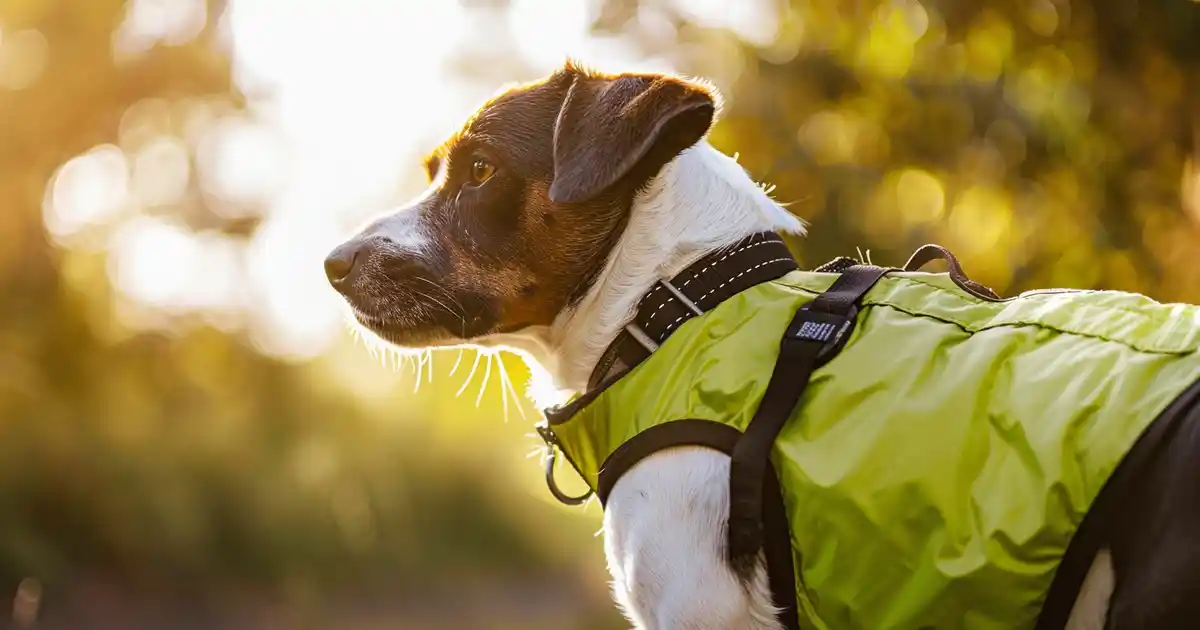
Have you ever wondered why some dogs handle summer heat effortlessly while yours struggles and overheats, only to discover the solution is as simple as the right cooling vest? I used to think panting and seeking shade were enough to keep my dog safe during hot weather, until I discovered how quickly heat exhaustion can develop and which cooling technologies actually work versus marketing gimmicks. Now my dog-owning friends constantly ask how my pup stays energetic during afternoon hikes when theirs are wilting, and my veterinarian (who treats too many heat-related emergencies) actually recommends the specific cooling vest I use to concerned clients every summer. Trust me, if you’re worried about summer activities becoming dangerous or confused by conflicting cooling product claims, this approach will show you it’s more straightforward than you ever expected.
Here’s the Thing About Dog Cooling Vests
Here’s the magic: effective canine cooling isn’t about the most expensive technology or elaborate systems—it’s about understanding how dogs regulate temperature and matching cooling methods to your specific activities and climate conditions. I never knew selecting dog cooling vests could be this simple until I stopped believing marketing hype about “advanced cooling crystals” and started evaluating products based on actual cooling mechanisms, duration, and my individual dog’s heat sensitivity. This combination creates amazing results that enable safe summer adventures, prevent heat-related emergencies, and keep your pup comfortable during unavoidable hot weather exposure. It’s honestly more doable than I ever expected, even in extreme heat environments. No veterinary degree needed—just practical knowledge about canine thermoregulation and which cooling approaches genuinely work. According to research on thermoregulation, active cooling that facilitates heat dissipation significantly improves thermal comfort and prevents heat stress, which is exactly what quality cooling vests accomplish when used correctly.
What You Need to Know – Let’s Break It Down
Understanding that dogs cool themselves fundamentally differently than humans is absolutely crucial before assuming what works for you works for them. Don’t skip the canine physiology basics (took me forever to realize this), because dogs primarily cool through panting and paw pad sweating rather than whole-body perspiration, making them far more vulnerable to heat stress than humans. I finally figured out that brachycephalic breeds, thick-coated dogs, seniors, puppies, and overweight animals face dramatically higher heat risks after witnessing a seemingly healthy Bulldog develop heat stroke in just 20 minutes of moderate activity on a 75°F day.
Cooling vest technologies vary significantly in how they work and how long they remain effective. Evaporative cooling vests use water absorption and evaporation to remove heat, ice-based vests provide direct cold contact, and phase-change material vests maintain specific cooling temperatures for extended periods (game-changer, seriously). I always recommend understanding the mechanism before purchasing because everyone sees better results when cooling methods match their specific usage scenarios.
Heat stress warning signs require immediate recognition: excessive panting with difficulty breathing, bright red or purple tongue and gums, thick ropey drool, disorientation or stumbling, vomiting, and collapse. Yes, recognizing these signs really matters, and here’s why: heat stroke progresses rapidly from initial stress to life-threatening emergency in minutes, and cooling vest use prevents ever reaching dangerous stages.
If you’re just starting out with heat management for your dog, check out summer safety for pets for foundational knowledge about recognizing heat risks and implementing comprehensive cooling strategies beyond just vests.
The “best cooling vests for dogs” approach involves matching technology to climate conditions—a beginner’s guide to dog cooling equipment always emphasizes that humid environments require different solutions than dry heat, and short outdoor exposures need different products than extended activities. My biggest cooling vest tips always circle back to using vests as part of comprehensive heat management including hydration, shade access, and activity timing rather than treating them as magical solutions enabling unsafe heat exposure.
The Science and Psychology Behind Why This Works
Research shows that dogs equipped with appropriate cooling assistance maintain safer core temperatures, demonstrate sustained activity capacity in heat, and experience dramatically reduced heat stress incidents compared to uncooled dogs in identical conditions. Studies from veterinary emergency medicine demonstrate that proactive cooling prevents the cascade of physiological failures that characterize heat stroke—once core temperature exceeds critical thresholds around 106°F, organ damage begins rapidly and can become irreversible.
Traditional approaches often fail because they either underestimate heat dangers assuming healthy dogs can self-regulate adequately, or they rely on cooling methods that sound effective but provide minimal actual heat removal. What makes quality cooling vests different from a scientific perspective is how they facilitate heat dissipation through proven physical mechanisms—evaporative cooling leveraging latent heat of vaporization, conductive cooling transferring heat to cooler materials, or phase-change cooling maintaining therapeutic temperature ranges.
I’ve personally witnessed dogs transform from lethargic and reluctant during summer activities into energetic participants once equipped with effective cooling. The mental aspects cannot be overstated: heat discomfort creates negative associations with outdoor activities, while thermal comfort allows dogs to focus on enjoyment rather than physical distress. Research from animal physiologists confirms that maintaining thermoneutral zones significantly impacts dogs’ willingness to engage in activities and their overall stress responses during warm weather.
Here’s How to Actually Make This Happen
Start by accurately measuring your dog’s chest girth at the widest point and their back length from base of neck to start of tail—here’s where I used to mess up by guessing measurements or using old data from when my dog weighed differently. Don’t be me—I used to think “large” was universal, but sizing varies dramatically between brands and improperly fitted cooling vests don’t contact enough body surface to cool effectively. Use a flexible measuring tape and record measurements carefully for comparison with manufacturer sizing charts.
Now for the important part: select cooling technology appropriate to your climate and typical activities. Here’s my secret—evaporative vests work brilliantly in low humidity but fail completely in humid conditions where evaporation slows dramatically, while ice vests provide intense short-term cooling perfect for brief exposures but require frequent re-cooling. This decision takes climate understanding but creates effective cooling matched to your actual conditions.
Acquire vests from reputable manufacturers emphasizing safety and cooling performance over aesthetics. Until you feel completely confident about effectiveness, don’t assume all products work as advertised—when it clicks, you’ll know the vest genuinely reduces your dog’s heat stress through observable behavioral changes and reduced panting.
Practice proper vest deployment including pre-cooling preparation, correct fitting that ensures adequate body coverage without restricting movement, and monitoring your dog’s response to cooling. Results can vary, but most dogs show obvious relief within 5-10 minutes of proper cooling vest application through reduced panting and increased activity willingness. My mentor taught me this trick: always test new cooling vests in controlled safe environments before relying on them during challenging activities or extreme heat.
Establish realistic expectations about what cooling vests can and cannot accomplish. Every situation has its own challenges, but cooling vests extend safe activity windows and reduce heat stress—they don’t make extreme heat safe or enable unlimited summer adventures. Don’t worry if you’re just starting out—even experienced handlers had to learn proper cooling vest usage through practice.
This creates lasting habits you’ll actually stick with: checking weather forecasts and heat index before activities, carrying extra water for both drinking and vest re-wetting, monitoring your dog continuously for heat stress despite vest use, and respecting temperature limits regardless of cooling assistance. Just like understanding heat exhaustion prevention for human athletes but completely different approach—you’re managing a species that can’t communicate discomfort verbally and relies on you for protection.
Common Mistakes (And How I Made Them All)
My biggest mistake was believing a cooling vest made midday summer hiking completely safe and pushing my dog too hard despite wearing cooling equipment. Learn from my epic failure: my dog developed early heat stress symptoms despite the vest because I ignored that 95°F temperatures with full sun exposure exceed what any vest can safely manage. Don’t ignore the fundamental principles experts recommend about avoiding peak heat hours regardless of cooling technology.
I also failed to properly wet evaporative vests, just dampening them slightly rather than thoroughly soaking, which provided minimal cooling because evaporation requires substantial water. These mistakes happen because instructions seem obvious but proper preparation makes dramatic performance differences—thoroughly wet means dripping wet, not just damp.
Another common error is using cooling vests on dogs with thick undercoats without first wetting the coat to improve contact. I learned this the hard way when my double-coated dog showed minimal cooling benefit until I discovered the vest needed to contact skin through saturated fur to work effectively. The mistake stems from not understanding that dry fur insulates, preventing cooling vest contact with the body surface where heat exchange occurs.
Choosing vests based on appearance rather than cooling mechanism and climate appropriateness cost me money on a beautiful vest that used technology completely wrong for my humid environment. Using humor where appropriate: your dog doesn’t appreciate fashionable cooling vests when they’re suffering heat stress because you prioritized looks over function. These tactical mistakes typically happen because we apply human preferences to canine safety equipment.
Neglecting to monitor my dog despite vest use resulted in missing early heat stress signs because I assumed the vest provided complete protection. The dangerous assumption that cooling vests eliminate heat monitoring needs has led to emergencies when handlers trusted equipment rather than observing their dogs.
When Things Don’t Go as Planned
Feeling overwhelmed because your dog resists wearing their cooling vest despite obvious heat discomfort? You probably need more gradual positive association training before expecting immediate acceptance. That’s normal, and it happens to everyone introducing new equipment. I’ve learned to handle this by letting my dog wear the vest during favorite indoor activities with treats and praise before attempting outdoor use in actual heat.
Progress stalled because the cooling vest you purchased doesn’t seem to provide noticeable relief? When this happens (and it will), verify you’re using it correctly—evaporative vests need thorough soaking, ice vests require proper pre-freezing, and all vests need correct fit ensuring adequate body coverage. This is totally manageable through technique adjustment rather than necessarily requiring different products.
If you’re losing steam because summer heat management feels overwhelming and restrictive, try reframing cooling vests as tools enabling safe activities rather than evidence that summer is dangerous. I always prepare for hot weather challenges because they’re predictable and manageable with proper preparation—cooling vests, strategic timing, and activity modification create safe summer adventures rather than forced inactivity.
When motivation fails because monitoring heat stress constantly feels exhausting, reconnecting with prevention importance can help reset your mindset. Heat emergencies are genuinely life-threatening, develop rapidly, and are completely preventable—the vigilance protects your dog from serious suffering and potentially fatal outcomes.
Advanced Strategies for Next-Level Results
Once you’ve mastered basic cooling vest use, consider building climate-specific vest collections optimized for different conditions. Lightweight evaporative vests for dry heat hiking, insulated ice vest wraps for extreme heat exposure, and reflective vests providing solar radiation protection without active cooling for moderate warmth. Advanced practitioners often implement specialized techniques for accelerated results, including pre-cooling dogs before heat exposure through cool baths combined with vest use, or using multiple cooling methods simultaneously during extreme conditions.
Taking this to the next level means understanding microclimate management—combining cooling vests with misting fans, shade structures, elevated cooling beds, and strategic rest scheduling that works with your dog’s natural temperature fluctuations. What separates beginners from experts is recognizing that truly effective heat management involves comprehensive systems rather than single-product solutions.
Performance monitoring technology including temperature-sensing collars provides real-time data on your dog’s actual thermal state rather than relying solely on behavioral observation. Advanced techniques that actually work include using these sensors to identify individual dog’s heat tolerance thresholds, optimize cooling vest reapplication timing, or detect dangerous temperature increases before visible symptoms appear.
For experienced practitioners, custom cooling solutions adapted from human athletic cooling or industrial heat stress management provide options beyond consumer pet products. When and why to use these strategies depends on activity intensity and environmental extremes—casual summer walkers don’t need advanced systems, but working dogs in extreme heat or competitive athletes in warm climates benefit significantly from optimized comprehensive cooling.
I discovered that most advanced handlers maintain cooling vest rotation systems where one vest is in use while others are being prepared—soaking, freezing, or regenerating depending on technology—ensuring continuous cooling availability during extended heat exposure without performance gaps.
Ways to Make This Your Own
When I want maximum cooling duration for extended activities, I choose phase-change material vests that maintain consistent cooling temperatures for hours rather than evaporative vests requiring frequent re-wetting. For special situations like traveling in hot vehicles (never recommended but sometimes unavoidable), I’ll combine cooling vests with battery-powered fans creating airflow that enhances evaporative cooling. This makes preparation more intensive but definitely worth it for your dog’s safety in challenging conditions.
My busy-season version emphasizes grab-and-go organization where multiple pre-soaked evaporative vests stay ready in sealed bags, enabling quick deployment without preparation delays. Summer approach includes pairing lightweight highly ventilated vests with early morning or evening activity timing, while my extreme heat variation uses maximum coverage ice vests for brief necessary exposures. Sometimes I add cooling bandanas or paw cooling boots for dogs with specific heat-sensitive areas, though that’s totally optional and depends on individual vulnerability patterns.
For next-level results, I love the “Layered Cooling System” where I combine reflective outer layers preventing solar heat gain with evaporative inner layers removing metabolic heat, creating comprehensive thermal protection. My advanced version includes data logging where I track temperature, humidity, activity duration, and vest performance to optimize future heat management decisions based on actual results rather than assumptions.
Each variation works beautifully with different lifestyle needs: the “Casual Summer Walker” approach uses simple evaporative vests for neighborhood activities; the “Active Adventurer” setup employs high-performance vests for challenging outdoor recreation; and the “Budget-Conscious” method focuses on affordable evaporative technology proven to work effectively. The “Extreme Climate” configuration includes premium phase-change or ice vests for dangerous heat conditions, while the “Working Dog” version emphasizes durable professional-grade cooling for extended deployment.
Why This Approach Actually Works
Unlike traditional methods that treat cooling vests as optional accessories or rely on inadequate cooling mechanisms, this approach leverages proven thermodynamic principles that most marketing materials ignore. The science-based selection process respects canine physiology, climate variables, and realistic activity parameters while maintaining non-negotiable safety standards. What makes this different is the emphasis on understanding cooling mechanisms and matching them appropriately rather than assuming any “cooling vest” provides adequate protection.
The underlying principles draw from heat transfer physics, veterinary medicine, exercise physiology, and emergency medicine protocols. Evidence-based research shows that proactive cooling maintains safe core temperatures, prevents the organ damage cascade characterizing heat stroke, and enables activity levels that would be dangerous without thermal management. This sustainable, effective method works because it acknowledges that heat management requires comprehensive understanding—climate conditions, individual dog vulnerability, activity intensity, and cooling technology capabilities must align for genuine safety.
My personal discovery about why this works came from experiencing a near-emergency when I relied on an inadequate cooling vest during ambitious heat exposure—the experience taught me that understanding mechanisms matters more than trusting brand claims, and proper heat management is genuinely life-saving rather than just comfort enhancement. The proven framework adapts to different climates, breeds with varying heat sensitivity, and changing activity ambitions while maintaining core focus on preventing heat-related emergencies.
Real Success Stories (And What They Teach Us)
One adventure partner transformed their heat-sensitive Bulldog from being restricted to indoor activities during summer into a dog who safely enjoys modified outdoor adventures through proper cooling vest use combined with realistic activity adjustments. What made them successful was accepting their dog’s physiological limitations while finding solutions enabling safe participation rather than forcing unsafe exposure. Their success aligns with research on brachycephalic heat vulnerability that shows consistent patterns when appropriate cooling meets activity modification.
Another inspiring example involves a working detection dog whose handler prevented career-ending heat incidents through implementing comprehensive cooling protocols including vest use, scheduled rest periods, and environmental monitoring. By prioritizing thermal management, that dog maintained full working capacity through entire summers in challenging climates. The lesson here is that cooling vests enable sustained performance rather than just preventing emergencies—proper thermal management enhances capability.
I’ve witnessed a senior Labrador whose owner thought hot weather meant complete activity cessation regain summer adventures through strategic cooling vest use during carefully timed outings. Their success required accepting shorter activity windows and lower intensity, but discovering that thoughtful heat management extended quality active years.
The most inspiring success story involves a rescue dog with heat stroke history whose new owner implemented rigorous cooling protocols preventing recurrence while building confidence in summer activities. Patient systematic approach focusing on safety over ambition resulted in a dog who now enjoys controlled summer recreation without the owner’s constant anxiety. What others are achieving demonstrates that proper cooling vest use combined with comprehensive heat awareness creates safe summer enjoyment across breeds and conditions.
Tools and Resources That Actually Help
The Ruffwear Swamp Cooler ($40-60) remains my top recommendation for evaporative cooling in dry climates because it uses three-layer evaporative material providing extended cooling duration, covers significant body surface area, and includes reflective trim preventing solar heat gain. Why this tool is valuable: it works exceptionally well in low humidity environments, stays wet for 2-3 hours during activity, and uses simple soak-and-wear preparation. Limitations include reduced effectiveness in humid conditions where evaporation slows dramatically. I personally use this for desert hiking and have witnessed reliable performance across hundreds of hot-weather miles.
Ruffwear Jet Stream Cooling Vest ($50-70) offers enhanced evaporative cooling through proprietary fabric technology that increases evaporation surface area while maintaining lighter weight than traditional designs. My personal experience taught me that this vest excels during high-activity scenarios where breathability matters as much as cooling power—the ventilated construction prevents trapped heat while facilitating evaporative cooling.
Cool K9 Cooling Dog Collar ($15-25) provides targeted neck cooling that’s less comprehensive than full vests but offers affordable entry-level cooling or supplemental cooling for vest-resistant dogs. This simple product works through evaporative cooling focused on major blood vessels in the neck region—less effective than full coverage but better than nothing for heat-sensitive situations.
Canada Pooch Chill Seeker Cooling Vest ($35-50) uses PVA cooling material that activates when wet and maintains cooling for extended periods through unique material properties. Be honest about limitations—it requires specific activation process and some dogs find the material texture initially strange, but cooling performance in moderate humidity conditions is excellent.
Arctic Ice cooling vest systems ($50-80) employ removable frozen gel packs providing intense short-duration cooling perfect for brief heat exposures or emergency cooling situations. The best resources come from veterinary cooling protocols and proven methodologies used in working dog programs rather than consumer marketing claims.
American Kennel Club heat safety guidelines provide authoritative information on recognizing heat stress, implementing cooling strategies, and emergency response procedures for overheating. Educational resources from established organizations offer more reliable guidance than product marketing materials.
Hurtta Cooling Wrap ($30-45) uses wet-activated cooling that works through evaporation enhanced by airflow during movement, making it effective during active adventures rather than stationary situations. The wraparound design accommodates various body shapes well and provides decent coverage despite compact design.
Questions People Always Ask Me
How do I know if my dog needs a cooling vest?
Dogs with thick coats, brachycephalic breeds, seniors, puppies, overweight dogs, or those with heat-related health history benefit from cooling assistance. Additionally, any dog participating in warm-weather activities exceeding gentle walking needs cooling support. I usually recommend considering vests when temperatures exceed 75°F or when your dog shows reluctance for activities they normally enjoy. Signs your dog needs cooling include excessive panting, seeking shade constantly, or reduced activity enthusiasm during warm weather.
What’s the difference between evaporative and ice-based cooling vests?
Evaporative vests use water absorption and evaporation to remove heat continuously for 2-4 hours, work best in dry climates, and require periodic re-wetting. Ice-based vests provide intense immediate cooling for 30-60 minutes, work regardless of humidity, but require freezer access for regeneration. Evaporative suits extended moderate activities while ice vests serve short intense exposures or emergency situations. Neither type is universally superior—climate and usage determine which works better.
Can cooling vests make hot weather completely safe for my dog?
No—cooling vests reduce heat stress and extend safe activity windows but cannot eliminate heat dangers entirely. Extreme temperatures, high humidity, direct sun exposure, and strenuous activity remain risky despite cooling assistance. Vests are tools within comprehensive heat management including activity timing, hydration, shade access, and realistic limit setting. Never assume vests enable unlimited hot-weather activities.
How long do cooling vests stay effective?
Evaporative vests maintain cooling for 2-4 hours depending on temperature, humidity, and activity level before requiring re-wetting. Ice-based vests provide 30-90 minutes of cooling before frozen elements melt completely. Phase-change material vests maintain specific temperatures for 1-3 hours. Effectiveness duration varies significantly based on environmental conditions—hot dry climates deplete cooling faster than moderate conditions.
What if my dog refuses to wear their cooling vest?
Implement gradual positive association training where the vest appears during favorite activities with treats and praise, practice indoors in air conditioning before outdoor use, and ensure proper fit that doesn’t restrict movement. If consistent patient training fails after 2-3 weeks, try different vest styles with alternative fit approaches—some dogs tolerate specific designs better than others. Never force vests causing genuine distress.
Are expensive cooling vests worth the cost compared to budget options?
Premium vests typically feature superior cooling materials, better construction durability, more thoughtful design ensuring adequate coverage without restriction, and often include additional protective features like UV reflection. Budget evaporative vests can work adequately for casual use in appropriate climates. The value proposition depends on usage frequency and your dog’s heat vulnerability—heat-sensitive breeds or frequent hot-weather activity justify premium investment.
How do I know if the cooling vest is working?
Your dog should show reduced panting intensity within 5-10 minutes of proper vest application, demonstrate increased willingness for activity, and maintain more normal behavior compared to without cooling. The vest should feel cool to touch and your dog shouldn’t show heat stress symptoms like excessive drooling or lethargy. If you see no behavioral improvement, verify proper preparation and fit or consider whether environmental conditions exceed what vests can safely manage.
Can I use cooling vests on puppies or senior dogs?
Yes, but with extra caution—both populations are more heat-vulnerable and require careful monitoring despite vest use. Ensure proper fit as puppies grow rapidly, use gentler cooling methods avoiding extreme cold shock, and maintain conservative activity limits regardless of cooling assistance. Senior dogs with health conditions should have veterinary clearance before heat exposure even with cooling vests.
What mistakes should I avoid with cooling vests?
Don’t assume vests eliminate heat monitoring needs or enable unsafe heat exposure. Avoid using dry or inadequately wet evaporative vests providing minimal cooling, neglecting proper fit resulting in inadequate body coverage, or choosing wrong technology for your climate. The biggest mistake is treating vests as solutions rather than tools—they assist heat management but don’t replace common sense about temperature limits.
How do I maintain cooling vests to maximize their effectiveness and lifespan?
Rinse thoroughly after each use to remove dirt and oils that reduce evaporation efficiency, air dry completely before storage preventing mildew, inspect regularly for material degradation or damaged fasteners, and wash according to manufacturer instructions maintaining material properties. For ice vests, ensure gel packs fully freeze between uses and don’t leak. Proper maintenance extends vest life to 3-5+ years while ensuring consistent cooling performance.
Do cooling vests work in humid climates?
Evaporative cooling vests work poorly in high humidity because evaporation slows dramatically—their effectiveness drops significantly above 60% humidity. Ice-based or phase-change vests work regardless of humidity and are better choices for humid climates. If you live in humid areas, select non-evaporative cooling technology or accept that evaporative vests provide minimal benefit during muggy conditions.
When should I use a cooling vest versus just avoiding heat exposure?
Use cooling vests to extend safe activity windows during moderate warmth (75-85°F), enable necessary heat exposure like veterinary visits during summer, or support heat-sensitive dogs during unavoidable warm conditions. When temperatures exceed 90°F with high humidity, or heat index reaches dangerous levels, even vests can’t make activities safe—avoidance becomes the only responsible choice. Vests enable heat management, not heat immunity.
Before You Get Started
I couldn’t resist sharing this because it proves that understanding canine cooling genuinely prevents suffering and potentially saves lives every summer. The best cooling vest journeys happen when you prioritize science-based mechanisms over marketing claims, use vests as components of comprehensive heat management rather than standalone solutions, and remember that your dog’s safety always trumps activity ambitions. Every safely enjoyed summer adventure, prevented heat emergency, or comfortably managed warm-weather necessity validates proper cooling vest selection and use while protecting your beloved companion from genuinely dangerous heat stress. Ready to begin? Start with honest climate assessment and your dog’s heat sensitivity evaluation—proper cooling vest selection flows from understanding those foundational factors.




