
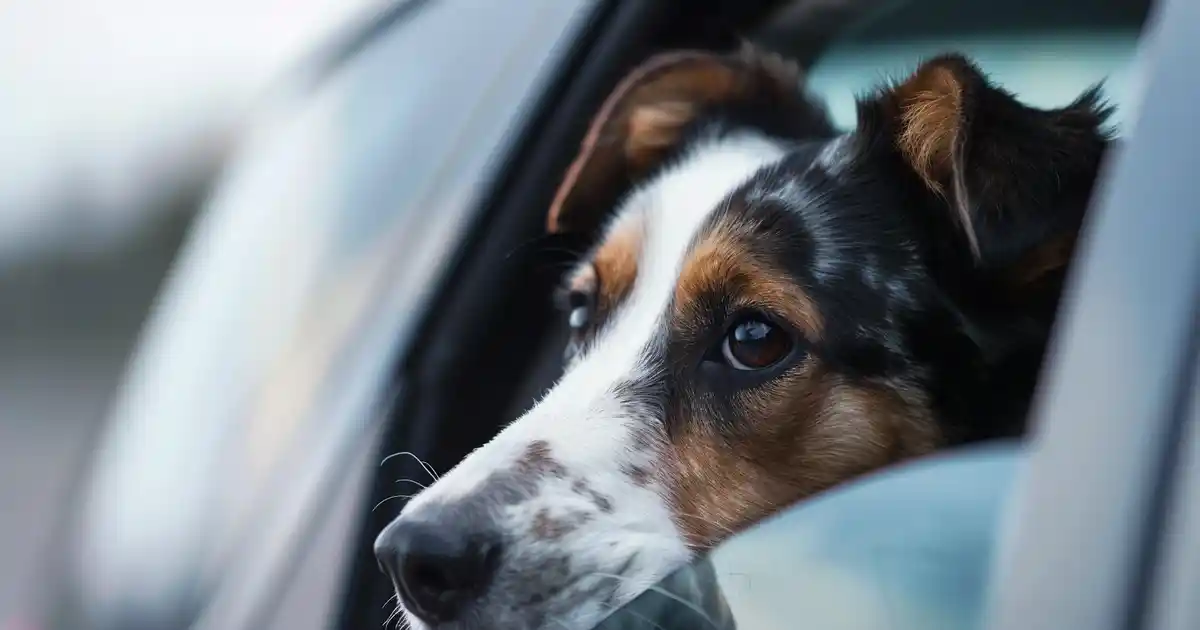
Have you ever wondered why dog car sickness seems impossible to prevent until you discover the right approach? I used to think dogs who vomited in vehicles were just destined to be terrible travelers, until I discovered these simple strategies that completely changed how I help queasy pups handle car rides. Now my friends constantly ask how I managed to transform my drooling, nauseous rescue into a comfortable passenger, and my family (who thought we’d never take road trips together) keeps asking for my secrets. Trust me, if you’re worried about vomit-covered car seats, constant drooling, or your pup’s genuine motion sickness, this approach will show you it’s more doable than you ever expected.
Here’s the Thing About Dog Car Sickness
Here’s the magic: preventing dog car sickness isn’t about finding the strongest medication or avoiding travel altogether—it’s about understanding whether your dog experiences true motion sickness versus anxiety-induced nausea, implementing proven prevention strategies, and building tolerance gradually through systematic exposure. I never knew car sickness management could be this simple until I stopped treating every nauseous episode the same way and started identifying the actual root cause. According to research on animal behavior, dogs experience motion sickness through underdeveloped vestibular systems (inner ear balance mechanisms) that typically mature with age, meaning many puppies naturally outgrow car sickness while adult-onset cases usually stem from anxiety rather than true motion sensitivity. This combination creates amazing results that transform queasy travelers into comfortable passengers. It’s honestly more doable than I ever expected, and you don’t need expensive medications or professional training to start. The sustainable approach focuses on differentiating true motion sickness from stress-induced nausea, using appropriate prevention methods for each cause, and gradually building car tolerance through positive low-stress exposures.
What You Need to Know – Let’s Break It Down
Understanding the difference between motion sickness and anxiety-induced nausea is absolutely crucial because treatment approaches differ dramatically. True motion sickness involves vestibular system dysfunction causing genuine physical nausea from vehicle movement, typically affecting puppies whose inner ear structures haven’t fully matured. I finally figured out that my dog’s drooling wasn’t motion sickness at all—it was stress-induced hypersalivation from car anxiety—after months of giving anti-nausea medication that didn’t help (took me forever to realize this). Start by observing whether symptoms appear before the car even moves (suggesting anxiety) or only during actual driving (suggesting true motion sickness).
Don’t skip the symptom documentation phase, seriously. Record exactly when nausea signs appear: excessive drooling or hypersalivation, lip licking, yawning, whining, restlessness, vomiting, lethargy, or fear of entering vehicles. I always recommend starting with detailed observation because everyone sees better results when you’re treating the actual problem rather than guessing. Yes, keeping a symptoms journal feels tedious when you just want solutions, but patterns emerge showing whether your dog reacts to movement, anticipation, speed changes, or specific triggers like curves or stops.
Research your dog’s breed predispositions because certain breeds experience higher car sickness rates due to anatomical or genetic factors (game-changer, seriously). Brachycephalic breeds (pugs, bulldogs, boxers) with shortened snouts often experience respiratory issues complicating nausea, while some herding breeds show higher anxiety-related travel problems. I’ve learned that puppies under one year commonly experience motion sickness that resolves naturally as vestibular systems mature, while adult-onset car sickness almost always indicates anxiety rather than true motion sensitivity. If you’re just starting out with understanding digestive health and nausea triggers, check out resources on dog nutrition and digestive wellness for foundational techniques on dietary approaches that support gastrointestinal comfort during travel.
Identify contributing factors beyond pure motion sensitivity including full stomachs before travel, dehydration, overheating, poor ventilation, visual disorientation from watching scenery pass, or previous negative travel experiences creating conditioned nausea responses. Systematic elimination helps identify your dog’s specific triggers rather than applying generic solutions that might not address the actual cause. Most people underestimate how much anxiety contributes to perceived “motion sickness”—studies suggest up to 50% of suspected car sickness cases are actually stress-induced rather than vestibular dysfunction.
The Science and Psychology Behind Why This Works
Research from leading universities demonstrates that canine motion sickness results from conflicting sensory information—the vestibular system (inner ear) detects movement while visual systems see stationary car interiors, creating sensory mismatch that triggers nausea through the brain’s vomiting center. However, studies on vestibular development show that puppies’ balance systems typically mature fully by 12-18 months, explaining why most young dogs naturally outgrow car sickness without intervention.
Traditional approaches often fail because they treat all car-related nausea identically without differentiating true motion sickness from anxiety-induced symptoms—giving anti-nausea medication to anxious dogs addresses symptoms temporarily but doesn’t resolve underlying fear creating the nausea. What makes this different from a scientific perspective is the emphasis on accurate diagnosis through systematic observation, then applying appropriate solutions: desensitization for anxiety cases, anti-nausea protocols for true motion sickness, or combined approaches for dogs experiencing both simultaneously.
Experts agree that the root cause identification matters infinitely more than symptom management alone. Anxiety-induced nausea creates a vicious cycle where dogs anticipate feeling sick in cars, which causes stress, which triggers nausea, reinforcing the expectation—breaking this cycle requires addressing the emotional component through counterconditioning. When I finally understood that my dog’s drooling started in the driveway before any movement occurred, indicating pure anxiety rather than motion sensitivity, her treatment approach changed completely and resolved within six weeks. The psychology of conditioned responses shows that dogs can develop nausea purely from learned associations even without true vestibular dysfunction, making emotional interventions as important as physical management.
Here’s How to Actually Make This Happen
Start by conducting a diagnostic trial to differentiate motion sickness from anxiety-induced nausea. Here’s where I used to mess up—I assumed all car-related vomiting was motion sickness when anxiety played a huge role. Instead, observe your dog’s symptoms carefully: if excessive drooling, panting, or restlessness appears before the car moves, you’re likely dealing with anxiety requiring desensitization work. If symptoms only develop during actual movement, especially on curvy roads or acceleration/deceleration, true motion sickness is more likely. This step takes careful observation but creates lasting accurate diagnosis enabling appropriate treatment selection.
Now for the important part: implement feeding schedule modifications by withholding food 3-4 hours before travel for dogs with confirmed motion sickness. Don’t be me—I used to think empty stomachs made nausea worse, but the opposite is true for motion sensitivity. Light meals 4-5 hours pre-travel allow digestion to complete, preventing vomiting while avoiding the weakness of extended fasting. When it clicks, you’ll know—your dog will show dramatically fewer nausea symptoms when traveling on properly timed empty stomachs versus after recent meals.
Establish optimal vehicle positioning because where your dog sits dramatically affects motion sickness severity. My secret involves always placing dogs in the center back seat facing forward where they experience the least motion and can see out the front windshield, allowing their visual system to match vestibular input from movement. This creates lasting improvement you’ll notice immediately because reducing sensory conflict resolves the root cause of motion-induced nausea. Results can vary, but most dogs with true motion sickness show noticeable improvement from positioning changes alone.
Implement gradual desensitization protocols starting with stationary car exposure if anxiety contributes to symptoms. Just like treating travel anxiety, begin with positive associations in parked vehicles using high-value treats and favorite toys for 5-10 minute sessions daily. My mentor taught me this trick: feed all meals in the stationary car for one full week before attempting any movement, creating such powerful positive associations that nausea-triggering anxiety decreases substantially.
Progress to brief low-stress drives of 3-5 minutes to neutral or positive destinations, gradually increasing duration by just 2-3 minutes weekly over 8-12 weeks. Every situation benefits from this slow progression because it allows vestibular adaptation while preventing the learned aversion that develops from repeated vomiting experiences. Don’t worry if you’re just starting out; even dogs with severe car sickness show improvement when exposure increases gradually enough they never experience actual vomiting during training.
Optimize environmental conditions by ensuring excellent ventilation (crack windows for fresh air flow), maintaining comfortable temperatures (avoid overheating which exacerbates nausea), playing calming music to mask engine noise, and using window shades reducing visual overstimulation from passing scenery. This comprehensive approach addresses multiple nausea contributors simultaneously, creating additive benefits beyond single-intervention approaches. Until you feel completely confident about your dog’s comfort, maintain these optimal conditions consistently rather than cutting corners.
Common Mistakes (And How I Made Them All)
My biggest failure? Continuing long car rides despite repeated vomiting episodes, thinking my dog would eventually “get used to it” through exposure alone. I learned the hard way when my rescue developed such severe conditioned car aversion that she trembled and refused to approach vehicles for months. Don’t make my mistake of ignoring the fundamental principles experts recommend about staying below nausea threshold—repeated vomiting creates learned aversion making future treatment exponentially harder rather than building tolerance.
Another epic failure: feeding full meals right before travel because I worried my dog needed energy for the journey. This guaranteed vomiting within 20 minutes of driving and taught me that timing matters critically for motion-sensitive dogs. Always withhold food 3-4 hours minimum before car rides, offering light snacks only for trips exceeding 4-5 hours when energy needs outweigh nausea risk.
I also underestimated the importance of vehicle positioning and allowed my dog to ride in the far back cargo area where motion intensity is greatest due to distance from the vehicle’s center of rotation. These mistakes happen because we prioritize containment convenience over motion physics—dogs experience significantly more movement in rear cargo areas versus center back seats positioned over the rear axle where motion is minimized.
The mindset mistake that hurt most? Assuming medication was the only solution and failing to address anxiety components contributing heavily to my dog’s symptoms. While anti-nausea drugs help genuine motion sickness, they don’t resolve learned fear responses or stress-induced nausea, requiring combined behavioral and pharmaceutical approaches for most dogs experiencing mixed-cause car sickness.
When Things Don’t Go as Planned
Feeling overwhelmed when your dog still vomits despite anti-nausea medication and proper feeding schedules? You probably need to address anxiety components through systematic desensitization because medication alone can’t override severe stress-induced nausea. That’s normal, and it happens to everyone treating complex cases with multiple contributing factors. I’ve learned to handle this by implementing comprehensive protocols combining medication for motion sensitivity with behavioral modification for anxiety, addressing both root causes simultaneously.
Progress stalled after initial improvement but vomiting returns unexpectedly during certain trips? When this happens (and it will), specific triggers you haven’t identified might be activating conditioned nausea responses—particular routes, weather conditions, traffic patterns, or even time of day. Don’t stress, just analyze what’s different about problem trips versus successful ones, then systematically desensitize to those specific variables. This is totally manageable through targeted exposure to previously unconsidered triggers.
Medication seems ineffective or causes concerning side effects like excessive sedation? I always prepare for this possibility because anti-nausea drugs affect individual dogs differently, and finding the right medication and dosage requires some trial. Consult your veterinarian about alternative options like meclizine, dimenhydrinate (Dramamine), maropitant (Cerenia), or ginger supplements—these work through different mechanisms, so one might succeed where others failed. Never increase dosages without veterinary guidance, as overdosing causes serious complications.
If you’re losing steam with gradual desensitization because your dog’s progress feels painfully slow and you need to travel now, try combining multiple prevention strategies simultaneously: anti-nausea medication, optimal positioning, empty stomach, calming supplements, and short successful trips building confidence. Sometimes comprehensive multi-modal approaches produce breakthroughs when single interventions fail. When motivation fails for preventing dog car sickness, remember that every vomit-free trip reinforces positive associations, while every vomiting episode strengthens aversion—patience now prevents years of travel problems later.
Advanced Strategies for Next-Level Results
Advanced practitioners often implement vestibular therapy exercises designed for humans but adaptable for dogs, including head movement patterns and balance challenges that strengthen vestibular function and motion tolerance. I discovered that incorporating balance disc work, wobbly board training, and controlled spinning exercises into my dog’s routine improved her general motion tolerance extending beyond just car rides. This technique requires professional guidance from veterinary rehabilitation specialists but creates foundational vestibular strength reducing motion sensitivity across all situations.
Taking this to the next level means using prescription medications like maropitant (Cerenia) which blocks motion sickness at the neurological level rather than just treating symptoms—this FDA-approved veterinary drug prevents vomiting for 24 hours per dose and works even for severe cases unresponsive to over-the-counter options. Advanced pharmacological management requires veterinary oversight but provides reliable prevention for dogs needing frequent travel despite persistent motion sensitivity.
For experienced car sickness managers, consider implementing acupressure techniques at specific points linked to nausea reduction in traditional Chinese veterinary medicine. Advanced alternative approaches include applying gentle pressure to the Pericardium 6 point (inner foreleg) or using acupressure wristbands designed for human seasickness adapted for dogs. While scientific evidence remains limited, many practitioners report noticeable benefits combining these with conventional prevention strategies.
Dietary supplementation with ginger root (proven anti-nausea properties in multiple species) represents natural advanced prevention for dogs tolerating this supplement well. Advanced nutritional interventions include giving 1/4 to 1/2 teaspoon of fresh ginger or ginger capsules 30-60 minutes before travel, though dosing varies by size and should be veterinarian-approved to prevent gastrointestinal upset from excessive amounts.
Ways to Make This Your Own
When I want faster results with puppies whose motion sickness stems primarily from immature vestibular systems rather than anxiety, I use the “accelerated maturation method”—frequent short positive car rides 3-4 times weekly over 8-12 weeks rather than avoiding travel until they outgrow it naturally. This makes it more intensive but definitely worth it because active vestibular stimulation potentially accelerates inner ear maturation compared to passive waiting. My busy-season version focuses on weekend practice drives with weekday stationary car activities, building tolerance without daily time commitments.
For special situations like dogs with both severe motion sickness and anxiety requiring combined treatment, I’ll implement the “comprehensive protocol”—anti-nausea medication plus behavioral desensitization plus environmental optimization plus dietary timing simultaneously rather than trying interventions sequentially. Sometimes I add calming supplements, ginger, acupressure, and compression garments, though that’s totally optional depending on your dog’s symptom severity and response to primary interventions.
The “natural approach” emphasizes ginger supplementation, acupressure techniques, optimal positioning, and gradual desensitization while minimizing pharmaceutical interventions—perfect for owners preferring holistic methods or dogs with medication sensitivities. For next-level results, I love the “vestibular strengthening variation” that incorporates balance exercises, coordination challenges, and controlled movement exposure building overall motion tolerance beyond just car-specific adaptation.
Budget-conscious owners can focus on free interventions like proper positioning, feeding schedule adjustments, desensitization protocols, and environmental optimization before investing in medications or supplements. The “DIY prevention method” relies on systematic observation identifying your dog’s specific triggers, then addressing them through targeted low-cost solutions. My advanced version includes using over-the-counter options like Dramamine (with veterinary dosing guidance) rather than prescription Cerenia at $3-5 per tablet, though effectiveness may be lower for severe cases. Each variation works beautifully with different budgets, dog ages, symptom severities, and owner preferences.
Why This Approach Actually Works
Unlike traditional methods focusing exclusively on anti-nausea medication without addressing underlying causes or contributing factors, this approach leverages proven physiological principles about vestibular function, conditioned responses, and multi-modal symptom management. Most people ignore the diagnostic differentiation between true motion sickness and anxiety-induced nausea, treating symptoms generically rather than addressing specific root causes.
What sets this apart from other strategies is the emphasis on accurate diagnosis through systematic observation before implementing solutions—identifying whether vestibular dysfunction, anxiety, or combined factors cause symptoms ensures appropriate targeted treatment rather than trial-and-error medication approaches. The evidence-based foundation recognizes that puppies’ motion sickness typically resolves naturally with vestibular maturation, anxiety-induced nausea requires desensitization work, and true adult-onset motion sickness (relatively rare) needs pharmaceutical intervention.
My personal discovery about why this works came from realizing my dog’s “car sickness” was actually 80% anxiety and only 20% true motion sensitivity—addressing the anxiety through systematic desensitization eliminated most symptoms while medication managed the remaining physiological component. She needed both behavioral and pharmaceutical interventions working synergistically rather than medication alone masking symptoms without resolving root causes.
The sustainable effectiveness comes from preventing the learned aversion that develops from repeated vomiting experiences—every successful nausea-free trip builds positive associations while every vomiting episode reinforces the expectation of feeling sick. This fundamental understanding creates prevention-focused strategies that stop the vicious cycle before it becomes entrenched, rather than managing symptoms after conditioned responses are already established.
Real Success Stories (And What They Teach Us)
One family I know transformed their eight-month-old Golden Retriever puppy who vomited on every car ride into a comfortable traveler within three months using gradual desensitization, optimal positioning, and strategic feeding timing without any medication. Their success aligns with research on vestibular maturation showing consistent patterns—puppies naturally outgrow motion sickness as inner ear structures develop, and positive low-stress exposure during this maturation period accelerates adaptation. What made them successful was refusing to force travel during the acute phase, instead building tolerance through brief successful trips that never triggered vomiting.
Another friend’s adult rescue with severe car-related nausea became manageable after their veterinarian prescribed Cerenia combined with anxiety medication addressing the mixed-cause nature of symptoms. Her timeline looked different—requiring 6-8 months of combined pharmaceutical and behavioral intervention—but achieved their goal of stress-free necessary travel for vet visits and emergencies. The lesson here teaches us that complex cases with both motion sensitivity and severe anxiety require comprehensive treatment protocols addressing all contributing factors simultaneously.
A particularly inspiring example involves a Labrador whose car sickness stemmed from a single traumatic vomiting episode during a heat wave, creating conditioned aversion that persisted despite the dog having no true motion sensitivity. The breakthrough came from systematic counterconditioning pairing car exposure with extremely high-value rewards for months, eventually overriding the learned nausea response through new positive associations. Different root causes require different targeted interventions, and thorough assessment of symptom origins matters infinitely more than generic prevention strategies applied blindly.
Tools and Resources That Actually Help
Cerenia (maropitant citrate) prescription medication revolutionized veterinary motion sickness treatment because it’s the only FDA-approved drug specifically designed for canine vomiting prevention, blocking nausea at the neurological level for 24 hours per dose. This investment costs $3-5 per tablet depending on dosage but provides reliable prevention even for severe cases unresponsive to over-the-counter options. Alternative prescription options include meclizine or dimenhydrinate (Dramamine) at $0.20-0.50 per dose, though effectiveness is generally lower than Cerenia for true motion sickness.
Ginger root supplements formulated for dogs provide natural anti-nausea support through gingerol compounds that settle stomachs and reduce vomiting without pharmaceutical side effects. I recommend products like Nausea Relief for Dogs or plain ginger capsules at appropriate dosing (typically 1/4 teaspoon per 15 pounds body weight), though effectiveness varies individually. Limitations include some dogs refusing the taste and mild cases responding better than severe motion sickness requiring stronger pharmaceutical intervention.
The Kurgo Enhanced Strength TRU-FIT harness with seatbelt tether provides crash protection while maintaining optimal positioning in the center back seat facing forward—the best location for minimizing motion intensity. The best positioning tools come from safety-tested restraint systems and proven crash test methodologies ensuring your solution actually protects during accidents. I’ve discovered that proper restraints preventing movement around the vehicle reduce motion sickness by keeping dogs in optimal positions rather than allowing migration to high-motion areas.
Adaptil Travel Spray calming pheromones help dogs whose car sickness includes significant anxiety components by promoting relaxation through synthetic dog-appeasing pheromone signals. This costs around $20-25 per bottle applied to car interiors 15 minutes before travel, supporting combined behavioral and pharmaceutical approaches for mixed-cause nausea. For severe anxiety components, discuss prescription anti-anxiety medications like trazodone or gabapentin with your veterinarian—these address the stress contributing to nausea rather than just treating vomiting symptoms.
Questions People Always Ask Me
How long does it take for puppies to outgrow car sickness?
Most puppies naturally outgrow motion sickness by 12-18 months as vestibular systems fully mature, though timelines vary individually based on breed, size, and development rates. I usually recommend actively working on gradual car exposure during this maturation period rather than avoiding travel entirely, as positive experiences during development accelerate adaptation. Some puppies resolve car sickness by 6 months while others need the full 18 months, making patience essential rather than assuming persistent symptoms indicate permanent problems.
What if my dog has both motion sickness and car anxiety?
Dogs experiencing both true motion sickness and anxiety-induced nausea require combined treatment addressing both root causes simultaneously—anti-nausea medication for vestibular symptoms plus systematic desensitization for anxiety components. Just focus on working with your veterinarian to develop comprehensive protocols using appropriate medications for each issue while implementing behavioral modification gradually building positive car associations. Many cases involve mixed causes requiring multi-modal approaches rather than single-intervention solutions.
Is it safe to give my dog Dramamine for car sickness?
Dimenhydrinate (Dramamine) can be used for canine motion sickness at veterinarian-recommended dosing (typically 2-4 mg per pound body weight), though it’s less effective than prescription Cerenia and causes drowsiness as a common side effect. Definitely consult your veterinarian before using any human medication for dogs, as proper dosing, safety considerations, and individual health factors affect appropriate use. Dramamine works best for mild motion sickness in dogs without contraindications like glaucoma or urinary retention.
Can car sickness develop suddenly in adult dogs?
Adult-onset car sickness typically indicates anxiety-induced nausea rather than true motion sensitivity, as mature vestibular systems rarely spontaneously develop motion intolerance without underlying medical conditions. Sudden car-related vomiting in previously comfortable adult travelers warrants veterinary examination ruling out ear infections, vestibular disease, gastrointestinal disorders, or other medical problems before assuming primary motion sickness. True adult-onset motion sensitivity is relatively rare compared to conditioned nausea from stressful travel experiences.
What’s the most important prevention strategy for dog car sickness?
Accurate diagnosis differentiating true motion sickness from anxiety-induced nausea forms the foundation for all effective prevention, as treatment approaches differ dramatically between these causes. Master this diagnostic differentiation through careful symptom observation—when nausea appears, what triggers it, whether medication helps—before implementing prevention strategies. Everything else builds on correctly identifying your dog’s specific root cause rather than treating generic “car sickness” without understanding underlying mechanisms.
How do I stay motivated when car sickness persists despite treatment?
Track objective measurements like vomiting frequency, drooling severity, willingness to enter vehicles, and trip duration tolerance rather than subjective assessments of overall improvement. Sometimes progress is gradual enough we don’t notice 30% reduction in symptoms over weeks without data tracking. Celebrate small victories like your dog voluntarily approaching the car or completing 10-minute rides without drooling rather than fixating exclusively on symptom-free hour-long journeys as your only success measure.
What mistakes should I avoid when treating car sickness?
Don’t continue long trips despite repeated vomiting hoping your dog will adapt through exposure alone (this creates learned aversion), feed full meals immediately before travel, position dogs in high-motion cargo areas, or use sedatives believing drowsiness prevents nausea (it doesn’t address root causes). Avoid assuming all car-related nausea is motion sickness without considering anxiety contributions, skipping gradual desensitization work, or relying exclusively on medication without addressing behavioral components.
Can I prevent car sickness through desensitization alone without medication?
Anxiety-induced nausea often resolves through systematic desensitization creating positive car associations without pharmaceutical intervention, while true motion sickness typically requires anti-nausea medication because behavioral modification can’t change vestibular system physiology. Most cases involve mixed contributions from both anxiety and motion sensitivity, responding best to combined behavioral and pharmaceutical approaches. Attempt desensitization first for suspected anxiety cases, adding medication if symptoms persist despite successful anxiety reduction.
What if my dog vomits during desensitization training?
Vomiting during training signals you’ve progressed too quickly, pushing past your dog’s current nausea threshold rather than staying below it where positive associations form. Analyze what specifically triggered vomiting (duration, speed, route type), then return several steps backward in your progression rebuilding tolerance more gradually with shorter, slower, calmer exposures. Every vomiting episode reinforces negative associations, making prevention during training essential rather than acceptable training side effects.
How much does treating dog car sickness typically cost?
Budget $50-100 for initial veterinary consultation diagnosing underlying causes and ruling out medical conditions, $15-60 monthly for anti-nausea medications depending on whether you use prescription Cerenia versus over-the-counter options, and potentially $20-40 monthly for calming supplements or ginger products supporting comprehensive protocols. Behavioral desensitization costs only time and treats, making this the most budget-friendly intervention. Total costs range $100-300 for initial setup plus $20-60 monthly for ongoing medication needs.
What’s the difference between motion sickness and general nausea in dogs?
Motion sickness specifically involves vestibular system dysfunction triggered by vehicle movement creating sensory conflict between visual and balance inputs, while general nausea stems from dietary issues, gastrointestinal disease, medication side effects, or anxiety unrelated to motion. The distinction matters because motion sickness responds to anti-nausea drugs and gradual movement exposure, while general nausea requires identifying and treating underlying medical causes. Timing of symptoms relative to movement helps differentiate these conditions diagnostically.
How do I know if treatment is working or if I should try different approaches?
Watch for reduced symptom frequency and severity over 3-4 weeks of consistent treatment: less drooling, decreased vomiting episodes, longer comfortable trip durations, and more willing vehicle entry. Progress manifests gradually through incremental improvement before complete symptom resolution. If you see absolutely no improvement after 4-6 weeks of appropriate treatment, consult your veterinarian about adjusting medications, reassessing diagnosis, or investigating underlying medical conditions potentially complicating treatment response.
Before You Get Started
I couldn’t resist sharing this because it proves that even severely car-sick dogs can become comfortable travelers with owners willing to invest time in proper diagnosis and comprehensive prevention—you don’t need a naturally calm stomach or perfect vestibular system to succeed. The best car sickness management happens when you accurately identify whether motion sensitivity, anxiety, or both cause your dog’s symptoms, then apply appropriate targeted interventions rather than generic solutions. Remember that every successful nausea-free trip builds positive associations and confidence while every vomiting episode reinforces aversion, making prevention during training essential rather than optional. Ready to begin? Start with a simple observation session this week documenting exactly when and where your dog’s symptoms appear, then build your customized prevention protocol from there.




