
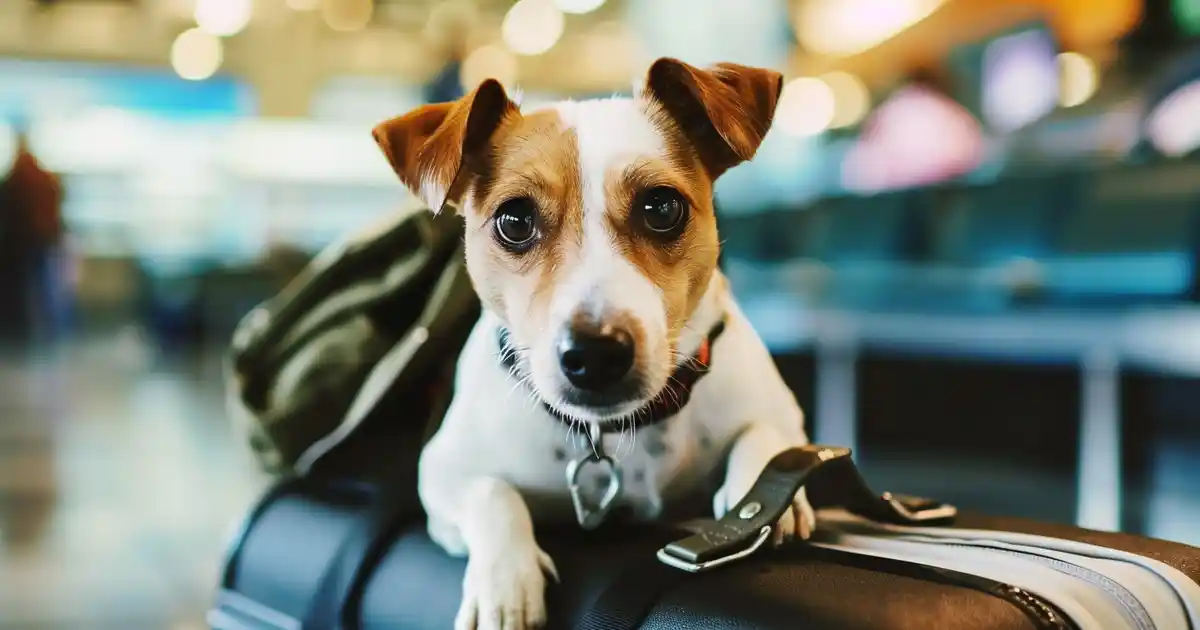
Have you ever wondered why traveling with dogs seems impossible until you discover the right approach? I used to think pet-friendly adventures were only for people with unlimited patience and perfectly trained pooches, until I discovered these simple strategies that completely changed how I explore the world with my furry companion. Now my friends constantly ask how I managed to turn my anxious rescue into a travel buddy, and my family (who thought I was crazy taking a dog on road trips) keeps asking for advice. Trust me, if you’re worried about hotel restrictions, car sickness, or your pup’s anxiety in new places, this approach will show you it’s more doable than you ever expected.
Here’s the Thing About Dog Travel
Here’s the magic: successful dog travel isn’t about having the most obedient dog or the fanciest gear—it’s about preparation, understanding your dog’s needs, and creating positive experiences that build their confidence. I never knew traveling with dogs could be this simple until I stopped overthinking every detail and focused on what actually matters. According to research on animal behavior, dogs thrive on routine and positive reinforcement, which makes them incredibly adaptable travelers when introduced to new experiences gradually. This combination creates amazing results that transform nervous pups into enthusiastic adventurers. It’s honestly more doable than I ever expected, and you don’t need complicated training systems or expensive equipment to start. The sustainable approach focuses on your dog’s comfort and safety while keeping travel stress-free for everyone involved.
What You Need to Know – Let’s Break It Down
Understanding your dog’s travel temperament is absolutely crucial before you book that first trip. Some dogs naturally love car rides and new environments, while others need more gradual exposure and confidence-building. I finally figured out that my dog’s car anxiety wasn’t about motion sickness—it was about unfamiliar experiences—after months of trial and error (took me forever to realize this). Start by assessing your dog’s current comfort level with vehicles, strangers, and new places through short practice runs.
Don’t skip the health preparation phase, seriously. Your vet visit should happen at least two weeks before travel to ensure vaccinations are current, discuss anxiety medications if needed, and get a health certificate for air travel or crossing state lines. I always recommend starting with this step because everyone sees better results when health concerns are addressed upfront. Yes, the paperwork feels excessive, but border crossings and hotels really do check these documents.
Research pet-friendly accommodations thoroughly (game-changer, seriously). Not all “pet-friendly” places are created equal—some charge hefty fees, have weight restrictions, or limit you to ground-floor rooms. I’ve learned to read reviews from other pet owners and always call ahead to confirm policies. If you’re just starting out with planning dog-friendly trips, check out resources on dog nutrition for travelers for foundational techniques on maintaining your pup’s diet routine while away from home.
Pack strategically with essentials that maintain normalcy: their regular food (switching brands causes digestive issues), familiar bedding that smells like home, favorite toys, waste bags, and a portable water bowl. Travel-friendly meal prep works beautifully, but you’ll need to plan portions and keep perishables cool. Most people underestimate how comforting familiar items are for dogs in strange environments.
The Science and Psychology Behind Why This Works
Research from leading universities demonstrates that dogs experience travel stress similarly to humans—unfamiliar environments trigger cortisol release and anxiety responses. However, studies on canine cognition show that dogs are remarkably adaptable when changes happen gradually with positive reinforcement. The key difference between successful and stressful dog travel lies in respecting their biological need for predictability while slowly expanding their comfort zones.
Traditional approaches often fail because they force dogs into overwhelming situations too quickly—throwing an anxious dog into a 10-hour road trip without preparation almost guarantees problems. What makes this different from a scientific perspective is the emphasis on incremental exposure and maintaining core routines (feeding times, potty schedules, play sessions) even in new locations. I’ve personally seen how maintaining just 70% of normal routine dramatically reduces travel anxiety in dogs.
Experts agree that the mental and emotional aspects matter more than physical logistics. Your own stress levels directly affect your dog through emotional contagion—they read your body language and anxiety. When I finally relaxed about travel plans and projected confidence, my dog’s behavior improved immediately. The psychology of lasting change shows that building positive travel associations creates lifelong adventurous companions rather than one-time tolerable trips.
Here’s How to Actually Make This Happen
Start by conditioning your dog to travel gear gradually, even if you’re months away from your trip. Here’s where I used to mess up—I’d pull out the carrier or harness only on travel day, creating negative associations. Instead, leave travel gear out at home, feed treats near it, and let your dog explore it casually for weeks beforehand. This step takes five minutes daily but creates lasting positive associations.
Now for the important part: practice short trips before the big journey. Don’t be me—I used to think my dog would magically handle a 6-hour drive because she was fine going to the park. Begin with 10-minute car rides to fun destinations (dog parks, pet stores, friend’s houses), gradually increasing duration over several weeks. When it clicks, you’ll know—your dog will start showing excitement when you grab the keys instead of hiding.
Establish a pre-travel routine that signals adventure without anxiety. My secret involves the same sequence every time: morning walk, bathroom break, light meal (never travel on a full stomach), and a favorite toy in the car. This creates lasting habits you’ll actually stick with because dogs find comfort in predictability. Results can vary, but most dogs adapt to travel routines within 3-4 consistent trips.
Research your route and identify dog-friendly rest stops every 2-3 hours for bathroom breaks and stretching. Just like long drives with kids, frequent stops prevent restlessness and accidents. My mentor taught me this trick: photograph your dog wearing their collar with your phone number attached before each trip—if they slip away at a rest stop, you have a current photo for search efforts.
Book accommodations strategically by calling ahead (not just booking online) to confirm pet policies, fees, room locations, and nearby walking areas. Every situation has its own challenges—some hotels restrict pets to specific floors or require crating when you leave the room. Don’t worry if you’re just starting out; even experienced travelers encounter surprise pet fees or restrictions. The key is maintaining flexibility and having backup accommodation options researched.
Create a travel kit checklist that includes: vaccination records, medications, first-aid supplies, cleanup materials, comfort items, food and water supplies, and local vet contact information for your destination. This creates a repeatable system you’ll use for every trip, making packing automatic rather than stressful. Until you feel completely confident with your packing system, review the list twice before leaving.
Common Mistakes (And How I Made Them All)
My biggest failure? Skipping the practice trips and assuming my dog would naturally adapt to travel. I learned the hard way during a disastrous 8-hour drive where my anxious pup panted, drooled, and vomited repeatedly. Don’t make my mistake of ignoring the fundamental principles experts recommend about gradual exposure—it creates trauma that takes months to overcome.
Another epic failure: not researching pet policies thoroughly enough. I once arrived at a “pet-friendly” hotel at midnight only to discover they had a 25-pound weight limit and my 40-pound dog wasn’t allowed. Always get confirmation in writing via email before booking, and save those communications on your phone.
I also underestimated the importance of maintaining feeding schedules. Switching meal times or portions causes digestive upset, and cleaning up dog diarrhea in a rental car is nobody’s idea of vacation fun. These mistakes happen because we focus on our convenience rather than our dog’s biological needs.
The mindset mistake that hurt most? Expecting my dog to behave like other people’s travel-ready pets immediately. Every dog has their own timeline for adaptation—comparing your nervous rescue to someone’s naturally confident golden retriever only creates frustration for both of you.
When Things Don’t Go as Planned
Feeling overwhelmed when your dog refuses to get in the car? You probably need more positive reinforcement and shorter practice sessions. That’s normal, and it happens to everyone starting their travel journey. I’ve learned to handle this by bringing high-value treats (chicken, cheese, hot dogs) and making the car the most exciting place to be through patient repetition.
Progress stalled after initial success? When this happens (and it will), your dog might be experiencing genuine fear rather than stubbornness. Don’t stress, just take three steps back in your training progression and rebuild confidence at that easier level. This is totally manageable with consistency.
Motion sickness causing problems despite short trips? I always prepare for this possibility because some dogs genuinely experience nausea from vehicle movement. Consult your vet about anti-nausea medications or calming supplements—there’s no shame in pharmaceutical help for genuine medical issues. Natural remedies like ginger treats work for some dogs but not all.
If you’re losing steam with training because progress feels slow, try changing your practice locations or times of day. Sometimes environmental factors you haven’t considered (traffic noise, time since last meal, energy levels) dramatically affect training success. When motivation fails for traveling with dogs, remember that cognitive behavioral techniques—breaking big goals into tiny achievable steps—can help reset your mindset and rebuild momentum.
Advanced Strategies for Next-Level Results
Advanced practitioners often implement desensitization protocols for specific triggers like airplane sounds, crowds, or unusual surfaces. I discovered that playing recordings of travel-related sounds (engines, announcements, crowds) at low volume during calm home time gradually normalizes these experiences. Increase volume incrementally over weeks until your dog remains relaxed even at realistic levels.
Taking this to the next level means teaching your dog a “settle” command specifically for travel situations—training them to relax in their carrier, on a mat, or in designated spaces regardless of surrounding activity. This advanced technique requires consistent practice but creates a portable calm-down tool you’ll use everywhere from airports to outdoor cafes.
For experienced dog travelers, consider obtaining a canine good citizen certification or therapy dog training. While not required, these credentials sometimes open doors at accommodations with strict pet policies, and the training itself builds confidence and obedience that makes all travel smoother.
Multi-modal travel (combining car, plane, train, or boat) represents the ultimate challenge. Advanced strategies include practicing different transportation types separately before combining them, maintaining consistent routines across all modes, and identifying your dog’s specific stressors in each environment for targeted training.
Ways to Make This Your Own
When I want faster results with naturally confident dogs, I use the “accelerated exposure method”—compressed practice sessions over 2-3 weeks instead of months. This makes it more intensive but definitely worth it for dogs showing minimal anxiety. My busy-season version focuses on weekend road trips rather than extended vacations, building travel skills without major time commitments.
For special situations like air travel, I’ll implement the “carrier comfort intensive”—turning the airline crate into a beloved den through daily feeding, treats, and nap time inside it for a full month before flying. Sometimes I add calming pheromone sprays or anxiety wraps, though that’s totally optional depending on your dog’s needs.
The “parent-friendly approach” emphasizes shorter travel distances and accommodations with fenced yards or easy outdoor access—perfect for families managing kids and dogs simultaneously. For next-level results, I love the “adventure training variation” that includes hiking, swimming, and camping practice to create truly versatile travel companions.
Budget-conscious travelers can focus on road trips and camping instead of hotels, using the “RV ready method” that trains dogs for smaller living spaces. My advanced version includes off-leash reliability training for destinations allowing free roaming, though this requires significant time investment. Each variation works beautifully with different lifestyle needs and timeline constraints.
Why This Approach Actually Works
Unlike traditional methods that focus purely on obedience training, this approach leverages proven psychological principles about stress reduction, positive association building, and respecting species-specific needs. Most people ignore the emotional component of dog travel, treating it as purely a logistics problem rather than an anxiety management challenge.
What sets this apart from other strategies is the emphasis on incremental progress rather than forcing rapid adaptation. The evidence-based foundation recognizes that dogs learn through repetition and positive reinforcement, not through one-time exposure or punishment-based corrections. My personal discovery about why this works came from watching my anxious rescue transform over six months—she needed time, consistency, and success experiences to build genuine confidence rather than mere compliance.
The sustainable effectiveness comes from creating positive emotional associations with travel rather than just teaching travel tolerance. Dogs who learn that car rides lead to exciting adventures, new smells, and quality time with their people become enthusiastic travelers rather than resigned passengers. This fundamental difference in approach creates lasting behavioral change that improves over time instead of requiring constant reinforcement.
Real Success Stories (And What They Teach Us)
One family I know transformed their reactive rescue into a cross-country road trip companion over eight months using gradual exposure and consistent routines. Their success aligns with research on behavior change that shows consistent patterns—small daily practice sessions outperform occasional intensive training marathons. What made them successful was refusing to rush the process despite their eagerness to start traveling.
Another friend’s senior dog with arthritis became a hotel regular through careful selection of ground-floor rooms, portable ramps, and maintaining medication schedules. Her timeline looked different—focusing on comfort over adventure—but achieved their goal of visiting family across several states. The lesson here teaches us that adapting expectations to your specific dog’s needs creates better outcomes than following generic advice.
A particularly inspiring example involves an anxious border collie who wouldn’t enter vehicles initially but now accompanies his owner on work trips regularly. The breakthrough came from associating the car with his favorite activity (fetching tennis balls) rather than forcing entry. Different outcomes require different strategies, and honest assessment of what motivates your individual dog matters more than following rigid protocols.
Tools and Resources That Actually Help
The Sleepypod Clickit Sport harness revolutionized my car travel because it’s actually crash-tested for dog safety—most harnesses aren’t. This investment protects your dog during sudden stops or accidents, though it’s pricier than generic options. Free alternatives include properly secured carriers for smaller dogs or vehicle barriers for larger breeds.
Adaptil calming pheromone spray helped my anxious traveler tremendously during the first few months. I apply it to bedding and carriers about 15 minutes before travel, and while scientific evidence is mixed, my personal experience shows noticeable relaxation. Limitations include individual variation—not every dog responds to pheromones.
The BringFido app and website database makes finding truly pet-friendly hotels, restaurants, and attractions infinitely easier than generic travel sites. The best resources come from authoritative databases and proven methodologies that aggregate real user reviews from pet owners. I’ve discovered amazing dog-friendly beaches and hiking trails through this platform that standard travel guides completely overlook.
Portable collapsible water bowls and spill-proof travel containers maintain hydration without creating messes. These inexpensive items make frequent stops manageable and prevent dehydration during summer travel. For longer trips, cooling mats or vests help regulate body temperature in hot vehicles or destinations.
Questions People Always Ask Me
How long does it take to see results with dog travel training?
Most people need 4-8 weeks of consistent practice before their dogs show comfortable travel behavior, though timelines vary dramatically based on starting anxiety levels and training consistency. I usually recommend starting preparation at least two months before any major trip to build genuine confidence rather than forced tolerance.
What if I don’t have time for extensive practice trips right now?
Absolutely start with tiny exposures—even sitting in the parked car with treats for five minutes daily builds positive associations. Just focus on making every interaction pleasant rather than attempting full journeys. Short frequent practices outperform occasional long sessions for behavior modification.
Is traveling with dogs suitable for complete beginners?
Yes, but start with modest goals like overnight trips within 2-3 hours of home rather than cross-country adventures. Begin your dog travel journey during low-stress periods when you can focus on training without deadline pressure. Build skills gradually through multiple successful shorter trips before attempting complex travel.
Can I adapt this method for my senior dog or puppy?
Definitely—senior dogs often travel better than young ones due to calmer temperaments, though you’ll need more frequent breaks and comfort accommodations for joint issues. Puppies require extra potty stops and shorter sessions but build positive associations quickly. Adjust expectations and pacing to your dog’s life stage and physical capabilities.
What’s the most important thing to focus on first?
Car comfort forms the foundation for all other travel since most journeys start with vehicle transportation. Master short car rides with positive associations before worrying about hotels, planes, or destinations. Everything else builds on this fundamental skill.
How do I stay motivated when progress feels slow?
Track small victories in a journal—noting when your dog voluntarily enters the car or remains calm five minutes longer creates visible progress documentation. Sometimes improvements are gradual enough that we don’t notice them without intentional tracking. Celebrate tiny wins rather than fixating on the end goal.
What mistakes should I avoid when starting dog travel?
Don’t rush exposure timelines, skip health preparations, forget identification tags, or travel on an empty stomach (causes nausea) or full stomach (causes discomfort). Avoid forcing your dog into situations showing genuine terror rather than mild nervousness—that crosses from training into trauma.
Can I combine this with other training approaches I’m already using?
Absolutely, travel training integrates beautifully with obedience work, anxiety management, and socialization efforts. Consistency in training philosophy matters more than specific methods—positive reinforcement approaches complement each other while punishment-based techniques create conflicting messages.
What if I’ve tried similar methods before and failed?
Previous failures usually stem from moving too quickly, inconsistent practice, or not addressing underlying anxiety with appropriate support. Analyze what specifically went wrong, adjust your timeline, and consider whether pharmaceutical anxiety support might help. Past failures provide valuable information about your dog’s specific needs.
How much does implementing this approach typically cost?
Budget $100-300 for initial gear (quality harness, carrier, travel supplies) plus ongoing accommodation fees that vary widely. Many training aspects cost nothing except time and treats. Expensive options exist but aren’t necessary—consistency matters infinitely more than costly equipment.
What’s the difference between this and traditional obedience-focused approaches?
Traditional methods emphasize control and commands while this approach prioritizes emotional comfort and positive associations. The results look similar—well-behaved travel dogs—but the psychological foundation differs significantly. Dogs trained through positive association genuinely enjoy travel rather than simply tolerating it through obedience.
How do I know if I’m making real progress?
Watch for reduced stress signals (less panting, drooling, pacing), increased willingness to approach travel gear voluntarily, and faster settling times in new environments. Progress manifests through emotional regulation improvements before perfect behavior appears. Trust subtle positive changes even when challenges remain.
Before You Get Started
I couldn’t resist sharing this because it proves that ordinary dogs with patient owners become extraordinary travel companions—you don’t need a naturally confident breed or professional training to succeed. The best dog travel journeys happen when you honor your specific dog’s personality, proceed at their pace rather than your desired timeline, and celebrate incremental progress. Remember that every road trip, hotel stay, or outdoor adventure builds confidence for the next journey. Ready to begin? Start with a simple five-minute practice session today and build momentum from there.




