
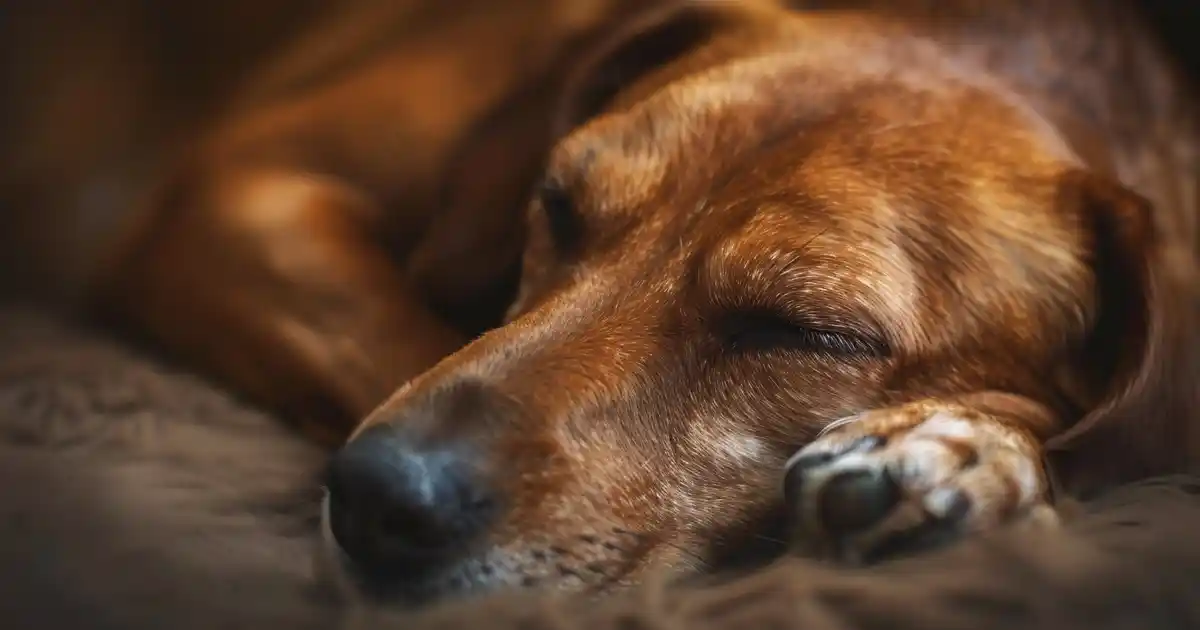
Have you ever wondered why some dog breeds naturally curl up into perfect little furry donuts while they sleep, looking like they’re trying to keep the world’s coziest secret?
I used to think my Shiba Inu Luna was just being extra adorable until I discovered that her curled-up sleeping position is actually hardwired into her breed’s DNA. Now when friends marvel at how their dogs sleep in tight balls even on the warmest days, I get to share the fascinating evolutionary reasons behind this behavior. Here’s the thing I discovered: certain breeds have maintained this ancestral sleeping pattern for thousands of years, and it reveals incredible insights about their origins and instincts. Trust me, if you’re considering adopting one of these breeds or already have a curled-up sleeper, understanding why they do this will deepen your appreciation for their unique characteristics and help you provide better care.
Here’s the Thing About Curled Sleeping Dog Breeds
The magic behind curled sleeping positions lies in evolutionary adaptation and survival instincts that certain breeds have retained more strongly than others. When dogs curl into tight balls with their nose tucked near their tail, they’re instinctively protecting vital organs, conserving body heat, and maintaining a defensive posture that wild canines perfected over millennia. According to research on canine evolution, breeds originating from colder climates or those with stronger wolf-like traits tend to sleep curled up more consistently than their counterparts. It’s honestly more fascinating than most people realize—this sleeping position isn’t just cute, it’s a window into your dog’s ancestral heritage and natural instincts. What makes certain breeds particularly prone to this position is a combination of coat type, body structure, historical working conditions, and geographic origins that created specific adaptations. The secret to understanding your curled sleeper is recognizing that this behavior reflects deeply ingrained survival mechanisms that persist even in the comfort of modern homes.
What You Need to Know – Let’s Break It Down
Understanding which breeds naturally sleep curled up requires looking at their ancestral backgrounds and physical characteristics. Northern and spitz-type breeds are absolutely crucial to recognize here—these dogs evolved in harsh climates where curling up meant survival (took me forever to realize this connection). Don’t skip considering the breed’s original purpose because working dogs from cold regions developed this sleeping style to maintain body heat during outdoor rest periods.
Coat density and type play a huge role in sleeping positions, and I finally figured out after watching Luna for months that double-coated breeds often curl up even when it seems unnecessary because it’s simply their default comfort position. If you’re interested in understanding more about breed-specific behaviors and how to meet your dog’s unique needs, check out my guide to breed characteristics and care requirements for foundational insights into tailoring your approach.
Body size and proportions matter too—compact and medium-sized breeds can curl more comfortably than giant breeds who might struggle with the physics of tucking themselves into tight balls. Yes, primitive breeds and those genetically closer to wolves really do curl up more frequently, and here’s why: they’ve retained more ancestral behaviors that modern breeding hasn’t significantly altered. The breed’s heat retention needs work beautifully with curled positions because creating a smaller surface area reduces heat loss, though you’ll need to watch for overheating in warm climates.
The Science and Psychology Behind Why This Works
Research from canine behaviorists and evolutionary biologists demonstrates that curled sleeping positions represent one of the most ancient and persistent dog behaviors across breeds. Studies on thermoregulation show that dogs who curl into balls can reduce heat loss by up to 25% compared to sprawled positions, which explains why breeds from Arctic and mountainous regions exhibit this behavior so consistently. What makes this different from a scientific perspective is that it’s both a physical adaptation and a psychological comfort mechanism—the position simultaneously protects vulnerable areas and provides a sense of security.
The psychological aspect reveals that even well-socialized, confident dogs from curling breeds will default to this position because it’s genetically programmed rather than learned through experience. I’ve learned through observing multiple breeds that curled sleepers often show different stress responses than sprawlers, with the curled position serving as both a comfort mechanism and a readiness posture. Expert research on breed-specific behavioral traits confirms that selective breeding for specific working conditions has intensified or diminished this natural tendency across different breed groups, making it a reliable indicator of ancestral heritage.
Here’s How to Actually Identify and Appreciate Curled Sleepers
Start by observing your dog’s natural sleeping preferences without forcing any particular position. Here’s where I used to mess up—I worried that Luna’s tight curls meant she was cold or uncomfortable, but this is simply her breed’s natural default. Now for the important part: recognize the difference between comfort curling and stress curling by checking whether your dog’s body is relaxed or tense, because when it clicks, you’ll notice that comfortable curlers have loose muscles and steady breathing.
Provide appropriate sleeping surfaces that accommodate curled positions because round or oval beds work beautifully for these breeds, though some prefer flat surfaces where they can arrange themselves freely. Don’t be me—I used to buy rectangular beds thinking all dogs needed the same shape, but circular bolstered beds became Luna’s absolute favorite once I understood her sleeping style. This step takes just a few minutes of observation but creates lasting comfort you’ll actually see in how readily your dog settles down for naps.
Make sure your home temperature suits your specific breed’s needs because while curled sleepers tolerate cold better, they can overheat in excessively warm environments just like building trust with temperature-sensitive breeds requires monitoring seasonal changes. My mentor taught me this trick: place beds in areas with temperature options so dogs can self-regulate by moving to cooler or warmer spots until they feel completely confident in their environment.
Results can vary, but most curled-sleeping breeds will maintain this position throughout their lives regardless of environmental security, though some may occasionally sprawl when exceptionally hot or deeply relaxed. Address any concerns about whether your dog is comfortable by checking for signs of distress like restlessness, panting, or difficulty settling, because comfortable curlers settle quickly and sleep soundly. This creates lasting understanding you’ll actually use when choosing beds, monitoring health, and appreciating your dog’s unique characteristics. Every situation has its own nuances—puppies might curl less consistently than adults, and senior dogs may adjust positions more frequently due to joint comfort needs.
Common Mistakes (And How I Made Them All)
Don’t make my mistake of assuming a curled position always means a dog is cold or anxious. I spent weeks adjusting Luna’s environment thinking she was uncomfortable, but curled sleeping is simply her breed’s natural preference regardless of temperature or stress level. Another epic failure was buying only large, flat beds assuming all dogs want to stretch out—curled sleepers genuinely prefer cozy, enclosed spaces that support their natural position.
I also used to worry that Luna wasn’t bonded to me because she didn’t sleep belly up like my previous golden retriever, but different breeds show trust and comfort through different sleeping positions (learned that the hard way after consulting with a behaviorist). Ignoring breed-specific needs was another mistake—I applied one-size-fits-all sleeping advice without recognizing that spitz breeds, hounds, and other curlers have distinct requirements. The biggest mistake dog parents make with curled sleepers is trying to “train” them to sleep differently, because you can’t override genetic predisposition and attempting to do so only creates confusion without achieving lasting changes in natural resting behaviors.
When Things Don’t Go as Planned
Feeling concerned because your typically curled sleeper suddenly sprawls constantly? You probably need to check whether temperatures have risen significantly or whether health issues like joint pain are making curling uncomfortable. That’s normal during seasonal transitions, and it happens to everyone as dogs age or environments change. I’ve learned to handle this by monitoring for other behavioral changes that might indicate discomfort rather than just normal variation in sleeping positions, and when this happens (and it will), flexibility in your expectations becomes essential.
Progress stalled in getting your curled-sleeping breed to relax? Don’t stress, just examine whether their sleeping area feels secure enough because even natural curlers need safe spaces to fully relax into their preferred positions. This is totally manageable by creating den-like environments with appropriate bedding that supports their natural sleeping style. When motivation fails to understand your dog’s sleeping preferences, behavioral observation techniques like keeping a simple log of positions throughout the day can help you recognize patterns. If you’re losing steam trying to provide the perfect setup, try focusing on basic comfort elements—appropriate temperature, quiet space, and supportive bedding—rather than overcomplicating things with excessive accessories.
Advanced Strategies for Next-Level Understanding
Taking your knowledge of curled sleeping breeds to the next level involves recognizing subtle variations in how tightly dogs curl based on environmental and emotional factors. Advanced practitioners often implement specialized observation techniques to notice whether the curl is loose (indicating warmth and security) or extremely tight (potentially signaling cold, stress, or illness). I’ve discovered that tracking seasonal variations in how tightly your dog curls provides valuable insights into their temperature preferences and overall comfort throughout the year.
Consider photographing your dog’s sleeping positions across different seasons and situations because patterns emerge that help you optimize their environment more precisely than guesswork allows. Another advanced insight involves recognizing breed-specific curl variations—northern breeds tuck their nose under their tail, while some hound breeds curl less tightly with exposed faces. Expert-level dog parents also understand that changes in typical curling behavior can indicate emerging health issues before other symptoms appear, making position monitoring a valuable wellness tool.
For next-level breed appreciation, research your dog’s specific breed history and working origins to understand why they curl the way they do, which deepens your connection and helps you anticipate their needs more intuitively. Advanced strategies include providing multiple sleeping areas with different temperature zones so your curled sleeper can choose optimal conditions throughout the day rather than settling for one-size-fits-all arrangements.
The 10 Most Adorable Curled Sleeping Dog Breeds
When I want to showcase breeds that epitomize the curled sleeping style, I’ll start with the Shiba Inu—these compact Japanese spitz dogs curl so tightly they literally create perfect circles with their fluffy tails covering their noses. For breeds with ancient heritage, my list includes the Alaskan Malamute, whose powerful bodies curl into surprisingly compact positions despite their large size, proving that this behavior transcends physical constraints when genetics are involved.
The Siberian Husky makes the list because these northern working dogs maintain their Arctic sleeping habits even in temperate climates, often curling up on cool floors during summer rather than seeking soft beds. Sometimes I add the Akita, though their larger size means looser curls compared to smaller spitz breeds, but their commitment to the position remains impressively consistent. Norwegian Elkhounds deserve recognition for their textbook curled sleeping that reflects their Scandinavian mountain origins where conserving heat meant survival during harsh winters.
For next-level adorable factor, I love the Finnish Spitz whose red coat and tightly curled sleeping position create stunning visual moments that make perfect photographs. My advanced version includes the Basenji, Africa’s barkless dog, whose curled sleeping reflects a different evolutionary path than northern breeds yet arrives at the same practical solution for protection and temperature regulation.
The Shiba Inu’s smaller cousin, the Korean Jindo, displays equally impressive curling abilities with fierce loyalty that extends even to defending their chosen sleeping spots. Chow Chows bring their signature fluffy appearance to the curled position, creating almost bear-like sleeping presentations that maximize their already substantial coat’s insulating properties. Finally, the Samoyed rounds out the list—these smiling white dogs curl into cloud-like puffs that seem to defy physics with their volume of fur compressed into tight sleeping balls.
Each variation works beautifully with different lifestyle needs, whether you’re drawn to the compact intensity of Shibas, the working heritage of Huskies, or the ancient dignity of Akitas and Basenjis. Summer approach with these breeds includes ensuring adequate cooling options since their instinct to curl persists even when temperatures don’t require it. My busy-season version focuses on respecting their preferred sleeping arrangements even when household routines shift because these breeds find comfort in consistency.
Why This Sleeping Position Actually Works
Unlike random sleeping habits that vary individually, the curled position leverages proven evolutionary principles that thousands of years of natural selection have reinforced. The reason certain breeds sleep curled more consistently than others is because their ancestral environments created strong selective pressure for this specific adaptation. Evidence-based evolutionary research shows that breeds originating from regions with temperature extremes, predator threats, or harsh sleeping conditions developed and retained curled sleeping as a multifunctional survival strategy.
What makes this different is recognizing that modern breeding has either maintained or reduced this tendency based on whether breeders selected for working traits versus companionship characteristics. The sustainable aspect comes from understanding that you’re witnessing living evolutionary history every time your Husky or Shiba curls up, connecting your modern pet to ancient survival strategies that proved effective enough to persist across millennia of selective pressure and environmental change.
Real Success Stories (And What They Teach Us)
One friend adopted an Alaskan Malamute puppy who naturally curled from day one despite never experiencing cold weather, demonstrating how deeply genetic these behavioral patterns run. Another success story involved a family whose rescue Basenji gradually transitioned from anxious tight curls to relaxed loose curls as she settled into her new home, showing how the same position can reflect different emotional states. What made each person successful was understanding their breed’s natural tendencies rather than trying to impose arbitrary expectations about how dogs “should” sleep.
I’ve seen diverse outcomes where some mixed-breed dogs with spitz heritage curl consistently while purebred retrievers never adopt the position despite identical environments, illustrating genetic influence over learned behavior. The lessons readers can apply include researching breed backgrounds before adoption to set realistic expectations about sleeping styles and space needs. Their success aligns with research on breed-specific behaviors showing that working and primitive breeds maintain ancestral patterns more reliably than heavily modified companion breeds, though individual personality and history create meaningful variations within breed tendencies.
Tools and Resources That Actually Help
Circular or donut-style dog beds perfectly accommodate curled sleepers and I’ve found orthopedic versions particularly valuable for supporting the unique pressure points this position creates on hips and shoulders. Bolstered beds with raised edges give curled sleepers the enclosed feeling they instinctively prefer—I personally use Furhaven and Best Friends by Sheri brands that Luna has thoroughly tested and approved through years of daily use.
Temperature monitoring helps ensure your curled sleeper isn’t overheating in warm months since their instinct may override practical temperature regulation needs. Books like “The Intelligence of Dogs” by Stanley Coren provide deeper insights into breed-specific behaviors including sleeping patterns that help you understand your specific dog’s heritage. Breed-specific resources from parent clubs offer invaluable information about typical behaviors and care needs for curled-sleeping breeds.
The best resources come from authoritative canine research institutions and proven behavioral studies that combine evolutionary biology with practical breed knowledge. Raised cooling beds work beautifully for double-coated curled sleepers during summer because they allow air circulation while still permitting the preferred sleeping position. Cave-style beds or covered options appeal to curled sleepers who want even more security, though I recommend introducing these gradually since some dogs need time adjusting to enclosed spaces despite their natural inclination toward protective positioning.
Questions People Always Ask Me
Why do some dog breeds curl up while sleeping more than others?
Breeds originating from cold climates, those with strong wolf-like genetics, and working dogs from harsh environments evolved to curl tightly as a survival mechanism for heat conservation and protection, while breeds developed primarily as indoor companions in temperate regions lost much of this instinctive behavior through selective breeding for different traits.
Is it normal for curled-sleeping breeds to sleep that way even in warm weather?
Absolutely, because the behavior is genetically programmed rather than purely responsive to temperature, though you should monitor for signs of overheating like excessive panting and provide cooling options since instinct doesn’t always align with optimal comfort in modern heated homes.
What’s the most important thing to provide for curled-sleeping breeds?
Appropriate bed shapes that support their natural position matter most—circular or oval beds with bolstered edges allow these dogs to curl comfortably while feeling secure, which promotes better sleep quality than forcing them to adapt to rectangular beds designed for sprawling sleepers.
How do I know if my dog’s curled position indicates comfort or stress?
Comfortable curlers settle quickly with relaxed muscles and steady breathing, while stressed curlers show tension in their body, take longer to settle, may change positions frequently, or display other anxiety signs like excessive alertness or reluctance to fully relax into sleep.
Can mixed-breed dogs be curled sleepers?
Definitely, especially if they have heritage from spitz, northern, or primitive breeds, though the behavior may be less consistent than in purebreds and can vary based on which genetic influences are strongest in their particular mix.
What mistakes should I avoid with curled-sleeping breeds?
Never assume they’re cold or anxious simply because they curl up, don’t try to train them to sleep differently, avoid buying only flat rectangular beds without testing circular options, and resist comparing their sleeping style to sprawling breeds as if one is superior to the other.
Do curled sleepers show trust differently than belly-up sleepers?
Yes, curled sleepers typically demonstrate trust through proximity, following behavior, relaxed body language during waking hours, and loose comfortable curls rather than defensive tight balls, recognizing that different breeds express security through different physical behaviors.
Will my curled-sleeping breed ever sleep stretched out?
Most will occasionally sprawl when very hot, exceptionally relaxed, or in deep REM sleep, but they’ll default to curling the majority of the time because it’s their genetic preference regardless of environmental security or comfort level.
What if my typically curled sleeper stops curling and sprawls constantly?
This warrants attention because it might indicate joint pain making curling uncomfortable, temperature regulation issues, or other health concerns that have changed their ability or desire to maintain their natural position—schedule a veterinary checkup to rule out underlying problems.
How much space do curled-sleeping breeds need for beds?
Generally less than sprawling breeds despite sometimes being similar sizes, since a tightly curled Husky occupies surprisingly little space compared to a stretched-out Labrador, making appropriately sized circular beds around 30-36 inches diameter suitable for most medium to large curled sleepers.
What’s the difference between curled sleeping in northern breeds versus primitive breeds?
Northern breeds like Huskies typically curl to conserve heat with thick double coats, while primitive breeds like Basenjis curl more for protection and security with thinner coats, though both arrive at similar positions through different evolutionary pressures in their ancestral environments.
How do I know my curled sleeper is making real progress toward comfort in a new home?
Look for transitions from very tight defensive curls to looser relaxed curls, increased willingness to sleep in open areas rather than only hidden spots, and occasional sprawling during particularly relaxed moments that together indicate growing security and comfort.
Before You Get Started
I couldn’t resist sharing this because it proves that our dogs carry living connections to their ancestral past in something as simple as how they sleep. The best journeys toward understanding curled-sleeping breeds happen when we appreciate their unique characteristics rather than expecting all dogs to behave identically, celebrating the evolutionary wisdom encoded in their genes. Ready to begin observing these fascinating patterns? Start by simply watching your curled sleeper settle down for naps and recognize that you’re witnessing thousands of years of evolutionary adaptation playing out in real-time in your living room.




