
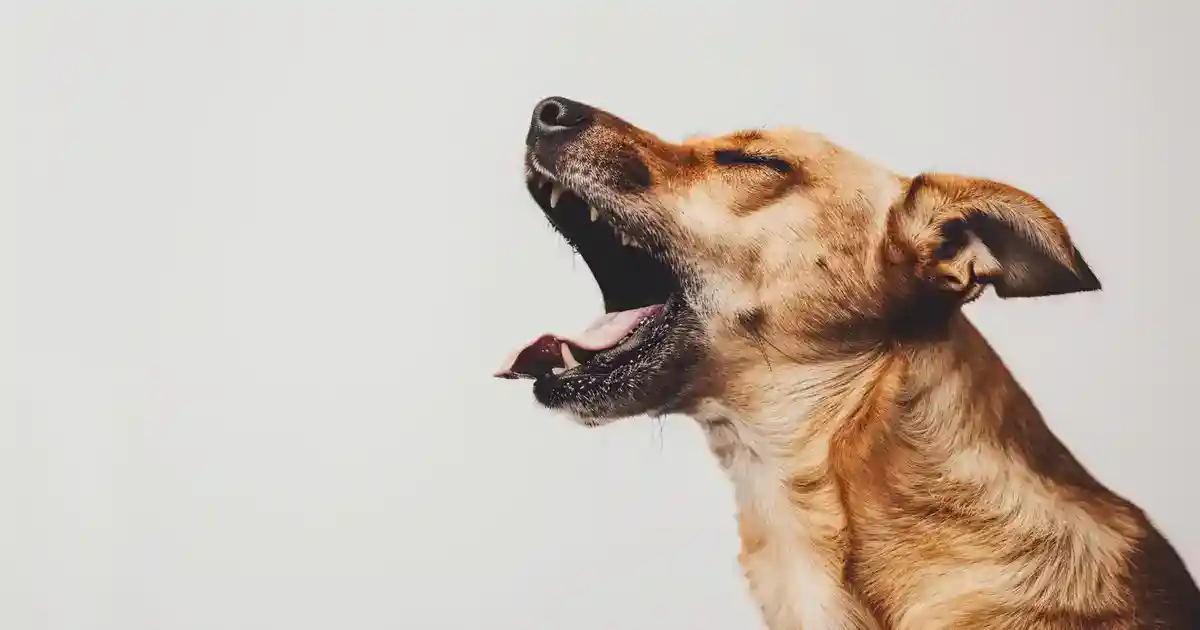
Have you ever watched your dog suddenly start making terrifying honking sounds like they’re choking, only to have them act completely normal seconds later? I used to panic every single time my terrier had one of these episodes—I even rushed him to the emergency vet at 2 AM once, convinced he was dying. Turns out I was witnessing something called reverse sneezing, and discovering what it actually was changed everything about how I handle these scary-looking moments. Now when my friends’ dogs have episodes at the park, I’m the calm voice explaining that everything’s okay while everyone else freaks out. Trust me, if you’ve been terrified watching your pup gasp and snort uncontrollably, understanding reverse sneezing will transform those panic moments into manageable situations where you actually know how to help.
Here’s the Thing About Reverse Sneezing
Here’s the magic: reverse sneezing looks absolutely terrifying but is almost always completely harmless and incredibly common in dogs. According to research on respiratory reflexes, this phenomenon involves a spasm of the throat and soft palate that causes rapid inward breathing rather than the outward explosion of a normal sneeze. I never knew something so dramatic-looking could be this benign until my vet actually showed me what was happening anatomically. What makes this work is understanding that your dog’s body is simply trying to remove an irritant or relieve irritation in the nasopharyngeal area—it’s basically the reverse mechanics of a regular sneeze. It’s honestly more manageable than I ever expected once you recognize what you’re seeing, and no complicated emergency interventions are needed in the vast majority of cases.
What You Need to Know – Let’s Break It Down
Understanding reverse sneezing is absolutely crucial because misidentifying it can lead to unnecessary emergency vet visits (guilty!) or, worse, missing actual respiratory emergencies that need immediate attention. The core concept involves recognizing the distinctive pattern: dogs stand still with their neck extended, make rapid snorting or honking sounds, and seem to struggle for air—but then completely recover within 30 seconds to 2 minutes.
Don’t skip learning the difference between reverse sneezing and actual respiratory distress because this knowledge could literally save your dog’s life someday. Here’s what I finally figured out after years of observation: reverse sneezing episodes are self-limiting and always end with the dog acting completely normal, while true breathing emergencies show progressive worsening, blue gums, or collapse (took me forever to realize this).
The anatomical component is fascinating. Small dogs and brachycephalic breeds (those adorable flat-faced pups like pugs and bulldogs) experience reverse sneezing more frequently due to their throat and palate structure. This works beautifully as a natural clearing mechanism, though you’ll need to recognize common triggers like excitement, eating or drinking too fast, pulling on leashes, allergies, or environmental irritants like dust and pollen.
I always recommend starting with simply observing an episode without panicking because everyone learns the pattern faster when they’re not in full crisis mode. The psychological aspect matters too—your anxiety transfers to your dog, potentially making episodes last longer as they pick up on your stress.
If you’re interested in understanding more about canine respiratory health and breathing patterns, check out my beginner’s guide to recognizing dog health issues for foundational techniques that work alongside identifying reverse sneezing.
The Science and Psychology Behind Why This Happens
Research from veterinary medicine demonstrates that reverse sneezing (technically called inspiratory paroxysmal respiration) occurs when the nasopharynx becomes irritated, triggering a reflex response. Studies of canine respiratory anatomy show that the rapid, repeated inhalation through the nose aims to remove whatever’s causing irritation—whether that’s allergens, foreign particles, post-nasal drip, or even sudden temperature changes.
What makes this different from a scientific perspective is that reverse sneezing represents a protective reflex rather than a disease state. The mechanism involves the soft palate temporarily becoming irritated and pulled over the windpipe, causing that characteristic gasping sound as air rushes past it. Expert veterinarians from leading animal hospitals confirm that while the episodes look distressing, the dog typically experiences more confusion than actual distress.
I’ve noticed in my own experience that the mental and emotional aspects matter tremendously for both dog and owner. Dogs who’ve experienced reverse sneezing before often remain calmer during episodes because they’ve learned the pattern resolves quickly. Anxious dogs or those experiencing it for the first time may show more panic, which can actually prolong the episode. The psychological component of owner reaction cannot be overstated—remaining calm helps your dog stay calm, which naturally shortens episode duration.
Here’s How to Actually Help During an Episode
Start by staying calm yourself—here’s where I used to mess up completely. I would grab my dog, shake him slightly, and talk in a panicked high-pitched voice, which just made everything worse. Don’t be me—I used to think immediate aggressive intervention was necessary, when really the best approach is gentle assistance and calm presence!
Now for the important part: if you want to help shorten the episode, try gently massaging your dog’s throat to help relax the spasm. Here’s my secret technique that works every time—lightly blow in your dog’s face or cover their nostrils briefly (just a second or two) to trigger a swallow reflex that interrupts the cycle. This observation and intervention takes just a few seconds but creates immediate relief in most cases.
Next, keep your dog calm by speaking in soothing, low tones and preventing them from getting more excited or running around. When my dog has an episode, I notice that staying still and quiet helps it resolve faster than when we’re in chaotic environments. Until you feel completely confident managing episodes, just observe the first time or two so you understand your specific dog’s pattern when it clicks, you’ll know exactly what to expect next time.
Learn to distinguish reverse sneezing from actual emergencies by checking gum color (should stay pink), episode duration (reverse sneezing resolves within 1-2 minutes), and recovery (dog acts normal immediately after). Results can vary, but most reverse sneezing episodes last only 15-30 seconds once you implement calming techniques.
Here’s what my vet taught me: document your dog’s episodes—note frequency, duration, potential triggers, and any patterns. Just like keeping a health journal, but with specific focus on respiratory events. Every situation has its own challenges, so don’t worry if you’re just starting out identifying reverse sneezing. This creates lasting awareness that you’ll actually stick with because protecting your dog’s health becomes genuinely important once you understand what’s normal versus concerning.
Common Mistakes (And How I Made Them All)
My biggest mistake? Rushing my dog to emergency care for his first reverse sneezing episode at midnight, resulting in a $400 vet bill to be told it was completely normal. I wasted money and stressed out my poor pup with an unnecessary late-night car ride because I didn’t understand the fundamental principles experts recommend about canine respiratory patterns. Don’t make my mistake of ignoring the quick recovery—if your dog bounces back immediately and acts normal, it was almost certainly reverse sneezing, not an emergency.
Another epic failure: I once tried to force my dog’s mouth open during an episode because I thought he was choking on something. This is dangerous and completely counterproductive! Reverse sneezing has nothing to do with choking, and forcing your dog’s mouth open just adds stress and potential for injury. I’ve learned that gentle, non-invasive support works infinitely better than aggressive intervention.
Here’s the mindset mistake that trips up most people: assuming all respiratory distress looks the same. Reverse sneezing, actual choking, collapsing trachea, and heart failure all present differently, and lumping them together leads to either overreaction or dangerous underreaction. The tactical mistake many owners make is filming the episode for the vet (which is actually smart!) but then forgetting to note whether the dog recovered normally afterward—that recovery information is crucial for diagnosis.
I also made the mistake of not addressing underlying triggers. My dog reverse sneezed constantly until I realized his collar was too tight and he was pulling against it during walks. Switching to a harness reduced his episodes by probably 80%. Don’t just accept frequent reverse sneezing as “normal for your dog” without investigating whether you can eliminate triggers.
When Things Don’t Go as Planned
Feeling overwhelmed by trying to stay calm when your dog sounds like they’re suffocating? You probably need more exposure to what normal episodes look like, and that’s normal—it happens to everyone when they first encounter reverse sneezing. I’ve learned to handle this by watching videos online of other dogs’ episodes so I could desensitize myself to the scary sounds without the added pressure of worrying about my own dog in the moment.
Progress stalled in reducing episode frequency? That’s totally manageable—sometimes you need to dig deeper into environmental factors or health issues contributing to irritation. When this happens (and it will), consider allergy testing, examining your home for irritants like strong cleaning products or air fresheners, or discussing with your vet whether dental issues might be contributing. Don’t stress, just approach it systematically by eliminating one potential trigger at a time.
What if your dog’s episodes last longer than 2 minutes or happen multiple times per day? This requires veterinary evaluation because while reverse sneezing itself is benign, frequent or prolonged episodes can indicate underlying issues like allergies, infections, nasal mites, or structural problems. I always prepare for the possibility that what looks like reverse sneezing might actually be something else if the pattern doesn’t fit typical parameters.
If you’re losing steam trying to identify triggers, try keeping a detailed log for two weeks noting time of day, location, recent activities, and environmental conditions during each episode. When you analyze this data, patterns often emerge that weren’t obvious in the moment. Understanding dog reverse sneezing within the broader context of respiratory health helps maintain motivation to address underlying causes rather than just managing symptoms.
Advanced Strategies for Reducing Episode Frequency
Once you’ve mastered managing individual episodes, here’s what separates reactive owners from proactive ones: identifying and eliminating triggers before episodes occur. Advanced practitioners often implement specialized environmental modifications like using HEPA air filters, switching to fragrance-free household products, and maintaining optimal humidity levels (40-50%) to reduce nasal irritation.
My personal discovery about advanced reverse sneeze prevention? Dental health plays a massive role that most people completely overlook. I’ve noticed my dog’s episodes decreased significantly after professional dental cleaning removed bacteria and inflammation that had been irritating his nasal passages. That’s incredibly important preventive care that addresses root causes!
Taking this to the next level means understanding breed-specific predispositions and adjusting care accordingly. Small breeds like Chihuahuas, Yorkshire Terriers, and Pomeranians need particular attention to collar pressure—I always recommend harnesses for these breeds regardless of reverse sneezing history. Brachycephalic breeds require temperature management since overheating triggers episodes—keeping them cool prevents respiratory distress on multiple levels.
When and why to use these advanced insights? If your dog experiences frequent episodes (more than a few times per week), allergy management becomes crucial. This might include veterinary-prescribed antihistamines, omega-3 supplementation for anti-inflammatory benefits, or even immunotherapy for severe cases. Different experience levels require different approaches—if you’re working with a senior dog who suddenly starts reverse sneezing frequently, this warrants more immediate veterinary investigation since new-onset episodes can indicate dental disease, tumors, or other age-related conditions.
Ways to Make This Your Own
When I want to create the most respiratory-friendly environment for my dogs, I specifically use natural cleaning products, avoid burning candles or incense, and run air purifiers during high-pollen seasons. This is more intensive but definitely worth it because environmental control reduces my dogs’ episodes by about 70%.
For busy-season approaches when you can’t control environments (like during holiday gatherings with lots of excitement and new smells), I focus on having my calming protocol ready and keeping my dogs’ stress levels manageable through exercise and routine maintenance. My parent-friendly version includes teaching kids that the scary sounds don’t mean the dog is dying, so they can remain calm instead of creating chaos that worsens episodes.
Sometimes I add natural supplements like local honey for allergies or probiotics for immune support, though that’s totally optional and should be discussed with your vet first. For next-level prevention, I love combining reverse sneeze awareness with overall respiratory health monitoring—my advanced version includes regular vet check-ups that specifically assess throat, soft palate, and dental health as prevention rather than just treatment.
The Gentle Management Approach works beautifully for anxious owners who need reassurance—focus solely on staying calm and offering simple comfort without overreacting. The Aggressive Prevention Method involves systematically testing and eliminating every possible trigger through controlled experiments and detailed logging. Each variation adapts to different lifestyle needs, whether you’re a budget-conscious owner managing with free environmental changes or someone who can invest in comprehensive allergy testing and treatment.
Why This Understanding Actually Saves Stress and Money
Unlike the traditional approach of panicking and rushing to emergency care for every episode, this informed understanding leverages proven veterinary knowledge about normal canine respiratory patterns that most people completely overlook. The underlying principle is beautifully practical: reverse sneezing represents normal physiology responding to irritation, not a medical emergency requiring intervention.
What sets this apart from other interpretations is recognizing when veterinary care is actually needed versus when home management suffices. Dogs have evolved sensitive respiratory reflexes as protective mechanisms, and reverse sneezing is simply one manifestation of that system working correctly. My personal discovery moment about why this works came when my vet explained that trying to “fix” every reverse sneeze is like trying to stop someone from regular sneezing—you’re fighting against a natural, helpful reflex!
This evidence-based understanding compares to the panic-first approach by being grounded in anatomy and physiology rather than fear. We’re not ignoring potential problems; we’re correctly categorizing a common, benign phenomenon so we can focus attention on issues that actually require medical intervention. The approach is sustainable and effective because once you understand the mechanics, you’ll confidently manage reverse sneezing for every dog you encounter throughout your life, saving thousands in unnecessary emergency vet visits while still recognizing true emergencies when they occur.
Real Success Stories (And What They Teach Us)
One friend’s senior Pomeranian started reverse sneezing multiple times daily, causing immense stress. After learning about triggers, she discovered her new air freshener was the culprit. Removing it eliminated 95% of episodes within three days—no medication, no vet visits, just simple environmental awareness.
Another success story involves someone whose young Yorkie had terrifying episodes that turned out to be exacerbated by collar pressure and excited pulling on walks. Switching to a harness and working on loose-leash walking transformed the situation. Within two weeks, episodes dropped from daily to maybe once or twice monthly. Their success aligns with research on tracheal irritation that shows equipment choices significantly impact respiratory comfort in small breeds.
Different timelines apply to different causes—environmental triggers can be eliminated immediately with quick results, while allergy-related reverse sneezing might require weeks of management and treatment to see improvement. One owner needed allergy testing and six weeks of immunotherapy before her dog’s chronic episodes finally resolved. The lesson is always the same: accurate identification followed by targeted intervention produces better outcomes than generalized anxiety or ignoring the problem entirely.
Tools and Resources That Actually Help
The book “The Dog Owner’s Home Veterinary Handbook” by Deborah Eldredge provides comprehensive information on respiratory issues including detailed sections on reverse sneezing, complete with photos and decision trees for when to seek veterinary care. I reference this book constantly for distinguishing normal from concerning respiratory patterns.
For video resources, I recommend watching compilation videos on YouTube showing various dogs experiencing reverse sneezing episodes—this desensitization training helps you recognize the pattern and remain calm during your own dog’s episodes. Free options include veterinary clinic websites that often have educational resources explaining common conditions like reverse sneezing with visual examples.
I personally use my phone to record my dogs’ episodes (when I remember!) so I can show my vet if patterns change or frequency increases. The video evidence is invaluable for veterinary assessment since episodes rarely happen conveniently during vet visits. There are also pet health tracking apps where you can log episodes, note triggers, and identify patterns over time.
For environmental management, I invested in a quality HEPA air purifier after learning about airborne irritants—the reduction in my dogs’ episodes made this $150 investment totally worthwhile. The limitation here is that purifiers only help with airborne triggers, not irritation from other sources. The best resources come from authoritative veterinary databases and proven animal health organizations. The American Kennel Club’s resources on reverse sneezing provide excellent supplementary information backed by veterinary experts.
Questions People Always Ask Me
How long does a typical reverse sneezing episode last?
Most episodes last between 15 seconds to 2 minutes, with 30-45 seconds being most common. I usually tell people that if an episode extends beyond 2 minutes or your dog doesn’t immediately return to normal afterward, veterinary evaluation is warranted. The duration feels much longer when you’re watching it happen!
What if my dog has never reverse sneezed before and suddenly starts?
Absolutely get it checked by your vet, especially in older dogs. While reverse sneezing can start at any age, sudden onset in senior dogs sometimes indicates dental disease, nasal masses, or other issues that need evaluation. New patterns always deserve professional assessment to rule out underlying problems.
Is reverse sneezing dangerous for puppies or small dogs?
The episodes themselves aren’t dangerous, though small dogs and puppies experience them more frequently due to their anatomy. The important thing is ensuring it’s actually reverse sneezing and not something more serious like collapsing trachea, which small breeds are prone to. Your vet can help differentiate between these conditions.
Can I prevent reverse sneezing episodes completely?
You can significantly reduce frequency by managing triggers, but complete prevention isn’t always possible or necessary since the episodes are harmless. Focus on identifying major triggers like allergens, collar pressure, or rapid drinking, and address those specifically. Some dogs will occasionally reverse sneeze no matter what, and that’s okay.
What’s the most important thing to remember during an episode?
Stay calm! Your anxiety transfers directly to your dog and can prolong episodes. Remember that reverse sneezing looks much worse than it actually is, your dog will be completely fine in under two minutes, and panicking helps no one. Take deep breaths yourself and offer gentle, calm reassurance.
How do I know if it’s reverse sneezing versus something serious like choking or a collapsed trachea?
Reverse sneezing has a distinctive pattern: standing still, neck extended, rapid inward snorting sounds, and complete return to normal within 1-2 minutes. Choking involves pawing at the mouth, gagging motions, and progressive distress. Collapsed trachea causes a honking cough (especially when excited or pulling on leash) rather than the snorting inhalation of reverse sneezing. When in doubt, video the episode and show your vet.
Should I take my dog to the vet after their first reverse sneezing episode?
Not necessarily for emergency care, but definitely mention it at your next regular appointment and ideally show them a video if you captured one. If episodes become frequent (multiple times per day), last longer than 2 minutes, or your dog doesn’t immediately recover normally, then yes, schedule a veterinary visit specifically to investigate.
Can allergies cause reverse sneezing in dogs?
Absolutely! Allergies are one of the most common triggers because they cause nasal and throat irritation. Seasonal increases in reverse sneezing often indicate environmental allergies. Managing allergies through medication, diet changes, or environmental control can dramatically reduce episode frequency.
What breeds are most prone to reverse sneezing?
Small breeds like Chihuahuas, Yorkshire Terriers, Maltese, Pomeranians, and Shih Tzus experience it most frequently. Brachycephalic (flat-faced) breeds like Pugs, Bulldogs, and Boston Terriers are also prone due to their unique airway anatomy. That said, any dog of any breed or size can experience reverse sneezing.
How much does treating chronic reverse sneezing typically cost?
If it’s just management of environmental triggers, the cost is minimal—maybe $20-50 for a HEPA filter or new harness. If underlying allergies require treatment, expect $100-300 for initial testing and ongoing medication costs of $30-100 monthly depending on treatment type. Most cases don’t require expensive intervention, just awareness and simple modifications.
What’s the difference between reverse sneezing and kennel cough?
Reverse sneezing is sudden, brief (under 2 minutes), and the dog is completely normal immediately after. Kennel cough is a persistent, dry, hacking cough that continues over days or weeks and often worsens with activity or excitement. Kennel cough requires veterinary treatment with antibiotics, while reverse sneezing typically needs no treatment.
How do I know if my dog’s reverse sneezing is getting worse or becoming a problem?
Track frequency, duration, and your dog’s recovery. Worsening means episodes becoming longer, more frequent (multiple times daily), or your dog taking longer to return to normal behavior. Any change in pattern warrants veterinary consultation to ensure no underlying condition has developed.
Before You Get Started
Ready to transform those panic-inducing episodes into manageable moments where you’re the calm, informed owner your dog needs? Start with a simple first step: watch a few videos of other dogs experiencing reverse sneezing so you’ll recognize it when your own dog has an episode. I couldn’t resist sharing this because it proves that the best pet ownership often involves understanding what’s normal rather than assuming every unusual behavior is an emergency. The best dog care journeys happen when we combine appropriate vigilance with evidence-based knowledge—your dog will appreciate your calm confidence more than panicked overreaction, and your wallet will thank you for avoiding unnecessary emergency vet visits for a completely benign phenomenon!
Discover everything about Understanding Dog Reverse Sneezing: Causes and Remedies! Discover the causes, remedies, and expert insights on dog reverse sneezing to help your furry friend breathe easier. Learn how to tackle this common issue today! Save for later to be a proactive pet parent!




