
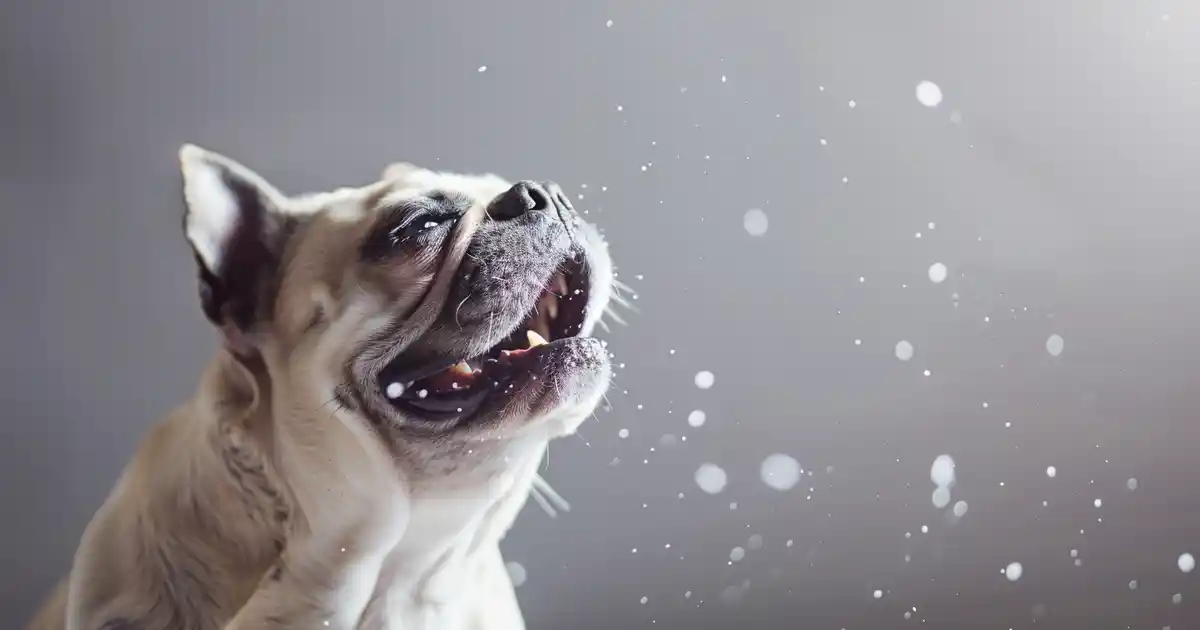
Have you ever wondered why your dog suddenly starts sneezing right in the middle of a playful wrestling match with their best friend? I used to think my golden retriever had the worst timing with allergies—turns out I was completely wrong, and what I discovered changed how I understand canine communication forever. Now when I see dogs at the park doing their happy little sneezes, I can’t help but smile because I know exactly what’s happening. Trust me, if you’ve been worried that something’s wrong when your furry friend starts sneezing during playtime, this explanation will put your mind completely at ease and actually deepen your bond with your dog.
Here’s the Thing About Dog Play Sneezing
Here’s the magic: those adorable mid-play sneezes aren’t about allergies or irritation at all—they’re actually a sophisticated form of canine body language that dogs use to communicate peaceful intentions. According to research on animal behavior, these “play sneezes” serve as social signals that help dogs navigate interactions and prevent misunderstandings. I never knew something so simple could be this powerful until I started watching my own dogs more carefully. What makes this work is that play sneezing creates a universal signal among dogs that says “I’m just playing, no threat here!” It’s honestly more sophisticated than I ever expected—dogs have developed this incredible non-verbal communication system that prevents roughhousing from escalating into actual conflict.
What You Need to Know – Let’s Break It Down
Understanding play sneezing is absolutely crucial because it’s one of the most misunderstood aspects of dog behavior. The core concept involves calming signals—those are the subtle ways dogs communicate their emotional state and intentions to other dogs and humans. Don’t skip learning about these signals because they’ll help you read your dog’s mood in countless situations beyond just playtime.
Here’s what I finally figured out after months of observing dogs at the park: play sneezes are voluntary, not reflexive like regular sneezes. Your dog is choosing to make that sound, which is totally different from when they sneeze because of dust or pollen (took me forever to realize this). The sneeze typically sounds softer and shorter than a genuine respiratory sneeze, and you’ll notice it happens specifically during excited, energetic play sessions.
The psychological component is fascinating too. Dogs use play sneezes to maintain social harmony and show self-handicapping behavior—basically, they’re saying “I could be more intense, but I’m choosing to be gentle with you.” This works beautifully when larger dogs play with smaller ones, though you’ll need to watch for other calming signals like play bows and relaxed body posture to get the full picture. I always recommend starting with observing your own dog’s play style because everyone sees the patterns more clearly once they know what to look for.
If you’re interested in understanding more about canine communication and body language, check out my beginner’s guide to reading dog behavior for foundational techniques that work alongside recognizing play sneezes.
The Science and Psychology Behind Why This Works
Research from animal behaviorists demonstrates that play sneezing functions as what ethologists call a “meta-signal”—essentially, it’s communication about communication. Studies of canine social behavior show that dogs who use play sneezes during rough play sessions experience fewer instances of play escalating into genuine aggression. The sneeze acts as a punctuation mark in the conversation, creating brief pauses that allow both dogs to reset their arousal levels.
What makes this different from a scientific perspective is that play sneezing appears to be a learned behavior that dogs develop through socialization rather than pure instinct. Puppies who spend more time with well-socialized adult dogs tend to incorporate play sneezing into their communication repertoire earlier. I’ve noticed in my own experience that the mental and emotional aspects matter tremendously—anxious dogs or those with limited early socialization sometimes sneeze excessively during play because they’re working overtime to communicate their peaceful intentions. Research published by canine behavior experts confirms that this self-soothing communication strategy helps maintain psychological safety during high-energy interactions.
Here’s How to Actually Make This Happen
Start by becoming a better observer of your dog’s play sessions—here’s where I used to mess up completely. I would interrupt play the moment I heard sneezing because I thought something was wrong, but that actually disrupted my dogs’ natural communication flow. Don’t be me—I used to think any sneeze meant “stop everything,” when really it meant “this is going great, keep playing!”
Now for the important part: watch for the context around the sneeze. Does it happen when play gets particularly energetic? Notice if your dog sneezes and then immediately returns to play with the same enthusiasm. Here’s my secret—if the sneeze is accompanied by a loose, wiggly body, soft eyes, and maybe even a play bow, you’re witnessing textbook happy dog communication. This observation step takes five minutes of focused watching but creates lasting understanding you’ll use forever.
Next, look at how the other dog responds. When my dog sneezes during play, I notice their playmate often mirrors the energy de-escalation with their own calming signal, whether that’s another sneeze, a shake-off, or briefly pausing the action. Until you feel completely confident reading these interactions, just observe without intervening unless you see genuine signs of stress like tucked tails, pinned ears, or attempted escape.
Learn to distinguish play sneezes from regular sneezes by noting frequency and timing. Play sneezes happen in bursts during social interaction, while allergy or irritation sneezes occur randomly regardless of activity. Results can vary, but most dog owners notice the pattern within just a few play sessions once they know what they’re looking for.
Here’s what my mentor taught me: create opportunities for healthy play that encourage this natural communication. Arrange playdates with dogs who have good social skills—just like learning a language, but a completely different approach to socialization. Every situation has its own challenges, so don’t worry if you’re just starting out as a dog owner. This creates lasting habits of observation that you’ll actually stick with because understanding your dog’s communication becomes genuinely fascinating once you start noticing the details.
Common Mistakes (And How I Made Them All)
My biggest mistake? Thinking my dog had chronic allergies and dragging her to the vet three times before realizing these were play sneezes. I wasted time and money because I didn’t understand the fundamental principles experts recommend about canine body language. Don’t make my mistake of ignoring context—a sneeze during solo activities might warrant a vet check, but sneezes specifically during play are almost always communicative.
Another epic failure: I once separated my dogs mid-play because one was sneezing “too much,” completely missing that they were having the most polite, well-moderated play session ever. The sneezing meant everything was going right, not wrong! I’ve learned that interrupting this natural communication can actually make dogs more anxious about playing because you’re removing their ability to self-regulate.
Here’s the mindset mistake that trips up most people: assuming dogs communicate exactly like humans. We don’t sneeze to show we’re friendly, so it seems weird that dogs would. But canine social behavior evolved differently, and accepting that difference is crucial. The tactical mistake many owners make is focusing only on vocalizations like barks and growls while missing silent signals like play sneezes, yawns, and lip licks that carry just as much meaning.
When Things Don’t Go as Planned
Feeling overwhelmed by trying to read all your dog’s signals at once? You probably need more practice just focusing on one behavior at a time, and that’s normal—it happens to everyone when they start learning canine communication. I’ve learned to handle this by choosing one signal (like play sneezing) and really mastering that before adding complexity.
Progress stalled in understanding your dog’s communication? That’s totally manageable—sometimes you need to see different dogs interacting to recognize the full range of how play sneezes manifest. When this happens (and it will), visit a dog park or watch videos of dog play sessions online to expand your reference points. Don’t stress, just give yourself time to develop this observational skill.
What if your dog rarely sneezes during play? This is actually common and doesn’t mean anything’s wrong. Some dogs prefer other calming signals like play bows, taking breaks, or those adorable “panting smiles” they do. I always prepare for individual variation because canine communication, like human communication, is unpredictable and personal to each dog. If you’re losing steam trying to decode every behavior, try focusing on whether your dog seems relaxed and happy overall—that’s the most important indicator. When you understand dog play sneezes within the broader context of body language, motivation to keep learning comes naturally.
Advanced Strategies for Next-Level Results
Once you’ve mastered recognizing basic play sneezes, here’s what separates casual observers from true dog behavior enthusiasts: learning to read sneeze intensity and frequency as indicators of arousal level. Advanced practitioners often implement specialized observation techniques like video recording play sessions and watching in slow motion to catch subtle signals they missed in real time.
My personal discovery about advanced sneeze reading? Pay attention to whether your dog sneezes more with certain play partners. I’ve noticed my younger dog sneezes significantly more when playing with our older, calmer dog—she’s essentially over-communicating her peaceful intentions because she respects his senior status. That’s incredibly sophisticated social awareness!
Taking this to the next level means understanding how play sneezing fits into the complete spectrum of calming signals. Watch for combinations: does your dog sneeze, then do a play bow, then sneeze again? These signal chains reveal even more about their emotional state and communication goals. For accelerated learning results, study different breeds’ play styles—herding dogs often have more intense play that requires more frequent calming signals, while retrievers tend toward gentler play with less dramatic signaling.
When and why to use these advanced insights? If you’re training a new puppy, you can actually encourage appropriate play sneezing by rewarding it when you see it. This reinforces your pup’s natural instinct to use calming signals effectively. Different experience levels require different approaches—if you’re working with a rescue dog who missed early socialization, recognizing and encouraging their attempts at play sneezing helps rebuild their social confidence.
Ways to Make This Your Own
When I want to create the most enriching play environment for my dogs, I specifically arrange playdates with dogs who have excellent communication skills. This is more intensive but definitely worth it because my dogs learn from positive examples and develop their own signal vocabulary more fully.
For busy-season approaches when you can’t supervise extended play sessions, I focus on structured play in shorter bursts where I can actively watch and learn from my dogs’ communication patterns. My parent-friendly version includes teaching kids to recognize play sneezes so they understand when dogs are self-regulating and don’t need human intervention.
Sometimes I add enrichment activities that naturally encourage calming signals, like puzzle toys that require dogs to take mental breaks (though that’s totally optional). For next-level results, I love combining play sneeze observation with learning about other calming signals—my advanced version includes tracking which signals my dogs use most frequently and in what contexts.
The Gentle Observer Approach works beautifully for anxious dog owners who worry about rough play—focus solely on recognizing positive signals like play sneezes to build your confidence that dogs are actually great at self-regulating. The Accelerated Learning Method involves keeping a journal of play behaviors you observe, which creates a reference guide personalized to your specific dogs. Each variation adapts to different lifestyle needs, whether you’re a budget-conscious owner just watching at parks or someone who can invest in professional behavior consultations.
Why This Approach Actually Works
Unlike traditional assumptions that all sneezing indicates physical irritation, this approach leverages proven psychological principles about animal communication that most people completely overlook. The underlying principle is beautifully simple: dogs evolved as social pack animals who needed sophisticated non-violent ways to navigate group dynamics. Play sneezing represents one solution to the evolutionary challenge of maintaining social bonds while engaging in behaviors (like play fighting) that could potentially turn aggressive.
What sets this apart from other interpretations is acknowledging that dogs have agency and intention in their communication. They’re not just reactive creatures responding to stimuli—they’re making deliberate choices about how to signal their emotional state. My personal discovery moment about why this works came when I realized that the dogs who sneezed most during play were actually the most socially skilled, not the most allergen-sensitive like I’d initially thought!
This evidence-based understanding compares to other methods by being grounded in observable behavior rather than anthropomorphizing. We’re not projecting human emotions onto dogs; we’re recognizing their species-specific communication system. The approach is sustainable and effective because once you understand it, you can apply this knowledge across all your interactions with dogs for life.
Real Success Stories (And What They Teach Us)
One friend adopted a rescue dog who was terrified of other dogs due to lack of early socialization. After learning about play sneezes and calming signals, she could finally recognize when her dog was trying to communicate peaceful intentions even though his overall body language still looked tense. Within three months of acknowledging and rewarding these attempts at communication, her dog developed confidence to play with other dogs for the first time in his life.
Another success story involves someone whose two household dogs had frequent spats. Once she learned to recognize play sneezes and other calming signals, she realized the dogs were actually trying to de-escalate situations themselves. By giving them space to communicate naturally instead of immediately intervening, their relationship improved dramatically. Their success aligns with research on behavior modification that shows allowing animals to use natural communication patterns reduces stress more effectively than constant human management.
Different timelines apply to different situations—some dogs show immediate improvement in play quality once owners stop interrupting their natural communication, while others need weeks of confidence-building. The lesson is always the same: trust your dog’s built-in communication system and learn its language rather than imposing human expectations.
Tools and Resources That Actually Help
The book “On Talking Terms with Dogs: Calming Signals” by Turid Rugaas absolutely changed my understanding of canine communication. It’s the definitive guide to recognizing all the subtle ways dogs signal their intentions, with play sneezing as just one important element. I reference this book constantly and recommend it to every dog owner I meet.
For video resources, check out educational content from certified animal behaviorists on platforms like YouTube—search for “dog calming signals” or “canine play behavior.” Free options include simply spending more time at dog parks with a notebook, actively observing different play styles and communication patterns. The limitation here is that without some baseline knowledge, you might misinterpret what you’re seeing.
I personally use slow-motion video recording on my phone (the built-in camera feature works great) to capture my dogs’ play sessions. Playing them back reveals communication signals I completely missed in real time. There are also apps designed for pet owners to track behaviors and learn about dog body language, though honestly, the best resources come from authoritative research databases and proven animal behavior methodology. The American Kennel Club’s resources on dog body language provide excellent supplementary information that complements sneeze-specific knowledge.
Questions People Always Ask Me
How long does it take to learn to recognize play sneezes reliably?
Most people need just one or two focused observation sessions to identify the difference between play sneezes and regular sneezes. I usually recommend starting by just watching during one play session without overthinking it—you’ll notice the pattern naturally once you know what you’re looking for. Within a week of conscious observation, this recognition becomes second nature.
What if my dog never sneezes during play?
Absolutely normal! Just focus on other calming signals like play bows, curve approaches, or the “shake off” gesture dogs do. Not every dog uses every signal, and some breeds are less prone to play sneezing than others. The important thing is recognizing that your dog is communicating somehow.
Is play sneezing suitable as a topic for complete beginners to dog ownership?
Yes, and it’s actually one of the easiest calming signals to recognize, which makes it perfect for beginners! The sound is distinctive and the context (during play) is obvious. Start here before moving on to more subtle signals like lip licking or whale eye.
Can I adapt this observation method for my specific situation with multiple dogs?
Definitely! In multi-dog households, you’ll actually see more play sneezing because dogs use it to manage group dynamics. Watch for which dogs sneeze more around certain pack members—this reveals social hierarchy and relationship dynamics that are fascinating to understand.
What’s the most important thing to focus on first?
Context is everything. Before worrying about interpreting the sneeze itself, just notice when it happens. During play? During greeting? During training? Once you establish the context pattern, meaning becomes obvious. I couldn’t resist sharing this because it proves how accessible dog communication really is once you stop overcomplicating it.
How do I stay motivated when progress feels slow?
Remember that every observation builds your skill, even when you’re uncertain about what you’re seeing. The best dog behavior learning journeys happen when you approach it with curiosity rather than pressure to get everything “right” immediately. Keep it fun—you’re basically learning a new language, and that’s exciting!
What mistakes should I avoid when starting to observe play sneezes?
Don’t interrupt play the moment you hear a sneeze! This is the number one mistake. Also avoid assuming excessive sneezing always means stress—sometimes it just means your dog is being extra polite and communicative. Let play continue as long as both dogs seem willing and engaged.
Can I combine this knowledge with other dog training approaches I’m already using?
Absolutely—understanding play sneezes enhances any training philosophy because it’s about communication, not compliance. Whether you use positive reinforcement, clicker training, or relationship-based approaches, recognizing your dog’s calming signals makes everything more effective.
What if I’ve tried learning dog body language before and felt overwhelmed?
Start smaller this time! Choose one signal (play sneezes) and master just that. Once it clicks, you’ll naturally notice other signals because you’ve trained your observation skills. Don’t try to learn everything at once—that’s where most people burn out.
How much does implementing this observation approach typically cost?
Literally nothing! This is pure observation and learning. The only investment is your attention and maybe a book or online course if you want structured learning. Free resources and park visits work beautifully though.
What’s the difference between this and just assuming all sneezes mean my dog is sick?
The key difference is context-awareness. Medical sneezes happen randomly and often include other symptoms like nasal discharge or lethargy. Play sneezes only happen during social interaction, sound different, and the dog immediately continues playing happily afterward.
How do I know if I’m making real progress in understanding my dog?
You’ll start predicting your dog’s behavior more accurately and feeling less anxious about rough play. When you can watch a vigorous play session and feel confident rather than worried, you’ve made real progress in reading canine communication.
Before You Get Started
Ready to transform how you understand your furry best friend? Start with a simple first step: just watch your dog’s next play session without any agenda except noticing when sneezes happen. I couldn’t resist sharing this because it proves that the best dog communication insights often come from slowing down and really observing rather than constantly intervening. The best dog ownership journeys happen when we learn to trust our dogs’ natural wisdom and sophisticated social skills—they’ve been perfecting this communication system for thousands of years, after all!




