
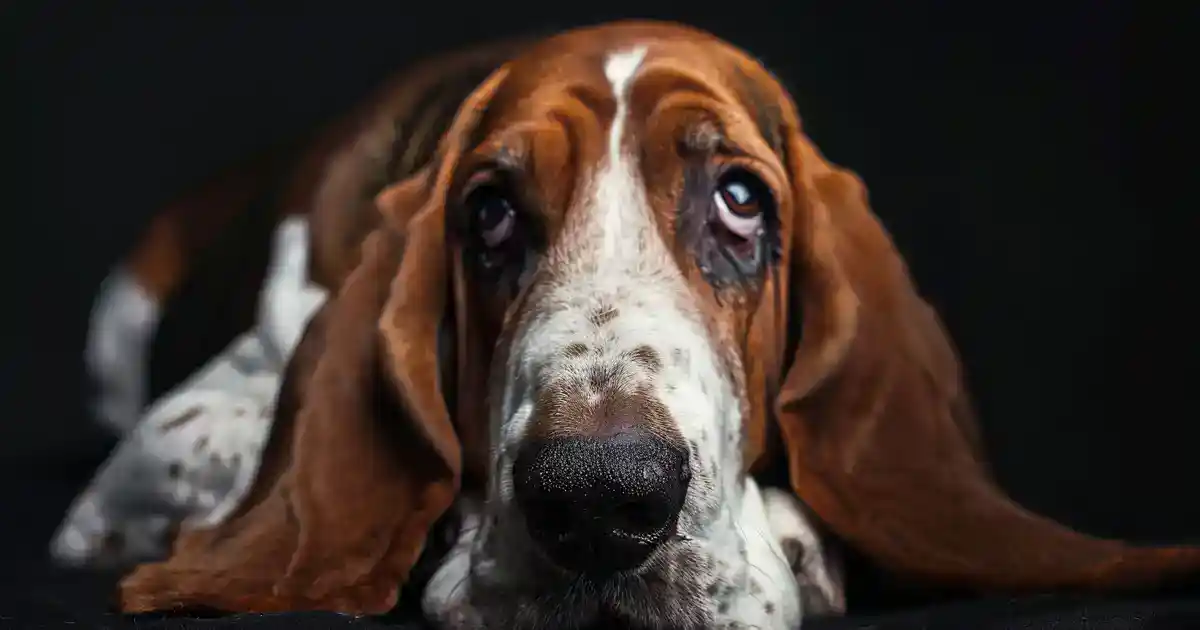
Have you ever wondered why Basset Hound care seems overwhelming until you discover the right approach? I used to think these droopy-eared, long-bodied dogs were just low-maintenance couch companions—until I discovered these crucial strategies that completely changed my perspective. Now my fellow Basset parents constantly ask how I manage ear infections, prevent back problems, and keep my stubborn hound engaged during training, and my family (who thought Bassets were “easy dogs”) keeps asking what made the difference in our care routine. Trust me, if you’re worried about their unique health challenges, notorious stubbornness, or that signature Basset smell, this approach will show you it’s more manageable than you ever expected.
Here’s the Thing About Basset Hound Care
Here’s the magic: Basset Hounds are gentle, affectionate, pack-oriented dogs bred for endurance hunting, combining remarkable scenting ability (second only to Bloodhounds) with a laid-back temperament that makes them wonderful family companions when properly cared for. What makes this care approach effective and achievable is understanding that their distinctive body structure—those long ears, short legs, and elongated spine—creates specific health vulnerabilities that require proactive prevention rather than reactive treatment. According to research on dog breed health predispositions, breeds with exaggerated physical features like Basset Hounds need specialized care addressing their unique anatomical challenges. I never knew caring for a scenthound could be this rewarding when you understand their breed-specific needs and work with their nature instead of fighting their stubbornness. This combination of preventive ear care, weight management, back support, and understanding their hound mentality creates amazing results. It’s honestly more doable than I ever expected—no veterinary degree needed, just consistent attention to the areas that truly matter for this distinctive breed.
What You Need to Know – Let’s Break It Down
Understanding the essential elements of Basset Hound care is absolutely crucial for keeping these low-slung hounds healthy and happy. Don’t skip learning about their physical vulnerabilities—this knowledge prevents the serious health problems that plague this breed.
First, let me talk about ear care essentials. Basset Hounds have extremely long, heavy, floppy ears that drag on the ground during walks, trap moisture, and create perfect environments for bacterial and yeast infections. I finally figured out after my first ear infection vet bill that weekly cleaning is non-negotiable, not optional (game-changer, seriously). Those gorgeous ears are literally infection incubators without proper maintenance.
Weight management cannot be overstated. Bassets are food-motivated, prone to obesity, and carry every extra pound on a back and legs structurally vulnerable to injury. I always recommend treating weight control as a medical necessity, not a cosmetic concern, because everyone sees healthier, more mobile dogs when maintaining ideal body condition—you should easily feel ribs without heavy fat covering.
Back and joint protection is critical with this long-bodied, short-legged breed. Understanding intervertebral disc disease prevention will save you from the devastating spinal injuries that affect Bassets disproportionately (took me forever to realize how vulnerable their backs truly are). Jumping, stairs, obesity, and rough play all increase injury risk exponentially.
The stubborn hound mentality affects every aspect of care and training. Bassets were bred to work independently following scent trails, making decisions without human input. This creates dogs who are affectionate but not particularly obedient—they’ll do what makes sense to them, which often isn’t what you’re asking. Positive reinforcement works, but patience and realistic expectations are essential.
Exercise requirements surprise many owners. Yes, they’re low-energy compared to working breeds, but Bassets need daily walks (30-60 minutes) for physical health and mental stimulation. Their phenomenal noses mean they experience the world through scent, making walks essential enrichment, not just physical exercise.
Drool and odor management comes with the territory. Bassets have loose skin, prominent flews (hanging upper lips), and that distinctive “hound smell” that regular bathing only partially controls. You’ll need strategies for managing drool, cleaning facial folds, and accepting a certain level of doggy odor as part of Basset ownership.
The Science and Psychology Behind Why This Works
Let me dive deeper into what research actually shows about Basset Hound physiology and the psychology of scenthound behavior. The anatomy of Bassets is fascinating—their ear canals are elongated and the heavy ear flaps create warm, moist, poorly ventilated environments where bacteria and yeast thrive. This isn’t poor hygiene; it’s anatomical reality requiring preventive intervention.
Here’s what makes traditional approaches often fail: people treat Bassets like typical dogs without accounting for their unique structure. The long back (technically called chondrodystrophy—disproportionate dwarfism) places abnormal stress on vertebral discs. Research from veterinary orthopedics demonstrates that chondrodystrophic breeds experience intervertebral disc disease at rates 10-12 times higher than normally proportioned breeds. This isn’t paranoia—it’s statistical reality.
The scientific truth is that Basset Hounds’ incredible scenting ability comes from having approximately 220 million scent receptors (humans have 5 million). Their long ears actually serve a function—they sweep scent particles toward the nose while tracking. Understanding this helps you appreciate why your Basset ignores commands when their nose finds something interesting—they’re literally overwhelmed by scent information that humans can’t even detect.
What makes this different from a psychological perspective is recognizing that Bassets aren’t defiant—they’re purpose-bred for independent decision-making. Their “stubbornness” is actually selective breeding for following scent trails without constant handler direction. When you understand this, training frustration transforms into appreciation for their unique mental processing.
The weight component has physiological basis too. Bassets have slower metabolisms than many breeds, meaning they gain weight easily on food amounts appropriate for other similar-sized dogs. Their food motivation (useful for hunting endurance) becomes problematic in pet homes with unlimited food access and minimal exercise.
Here’s How to Actually Make This Happen
Let me walk you through the critical steps with real talk about what actually works.
Step 1: Master Weekly Ear Cleaning
Start by gathering supplies: veterinary-approved ear cleaner (not homemade solutions that alter pH), cotton balls or gauze (never Q-tips which push debris deeper), treats for positive association, and good lighting to see what you’re doing. Here’s where I used to mess up: I’d skip weeks thinking “his ears look fine,” then face a $300 vet visit for infection. Don’t be me!
The cleaning process: lift the ear flap, fill the ear canal with cleaner until it pools, massage the base of the ear for 30 seconds (you’ll hear squishing), allow your dog to shake (this is messy—do it outside or in the bathroom), then wipe visible debris from the outer ear and inner flap with cotton balls. Check for redness, swelling, discharge, or foul odor indicating infection requiring veterinary attention.
Step 2: Implement Strict Weight Management
Now for the important part—weight control prevents catastrophic back injuries and extends lifespan. This step requires daily commitment but creates lasting health benefits. Measure food precisely using a measuring cup (no eyeballing), follow feeding guidelines for ideal weight, not current weight if overweight, limit treats to less than 10% of daily calories, and resist those begging eyes (they’re professional manipulators).
Here’s my secret: use vegetables as training treats and snacks—carrots, green beans, and small pieces of apple provide satisfaction with minimal calories. When you maintain ideal weight consistently, you’ll prevent the intervertebral disc disease, arthritis, and diabetes that plague obese Bassets.
Step 3: Protect That Long Back
Here’s the back protection sequence: install ramps or pet stairs to all furniture your dog uses (eliminating jumping down, which is most dangerous), carry your Basset up and down stairs when possible, discourage jumping up to greet people (train “four on the floor” instead), use proper lifting technique supporting both chest and hindquarters (never lift by midsection), and maintain ideal weight reducing spinal stress.
My mentor taught me this trick: use baby gates to block stair access when you can’t supervise, preventing the impulsive racing up and down that causes injuries. Every Basset has different risk tolerance, but this proactive approach prevents the $5,000-$8,000 back surgeries that devastate families emotionally and financially.
Step 4: Work With Their Hound Mentality, Not Against It
Don’t worry if you’re just starting out with training—Bassets require different approaches than biddable breeds. Use extremely high-value treats (real meat, cheese—not kibble) that override scent distractions, keep training sessions very short (5 minutes maximum—they bore easily), train before meals when hunger increases motivation, celebrate small victories rather than expecting perfect obedience, and accept that recall will never be reliable off-leash near interesting smells.
When you’re committed to realistic expectations, training becomes enjoyable rather than frustrating. Results vary widely—some Bassets surprise with obedience, others remain charmingly stubborn despite consistent training. Both are normal for this breed.
Step 5: Provide Appropriate Exercise and Enrichment
Decide on a sustainable daily exercise routine accounting for weather (Bassets overheat easily), age, and individual fitness level. Plan 30-60 minute daily walks at moderate pace, allow extensive sniffing time (this is their primary enrichment), avoid extreme heat (brachycephalic features make them prone to heat stroke), incorporate scent games and puzzle toys for mental stimulation, and recognize that they’re endurance hunters, not sprinters—steady, moderate activity suits them best.
Just like any exercise program but with completely different intensity than athletic breeds—Bassets need movement, but they’re not jogging partners or agility champions.
Step 6: Establish Grooming and Hygiene Routines
Establish consistent care for all those folds, flews, and wrinkles. Bathe monthly or as needed (more frequent bathing strips natural oils), clean facial folds weekly removing trapped food and moisture, brush weekly removing dead hair and distributing oils, trim nails regularly (overgrown nails worsen already problematic posture), and brush teeth daily or several times weekly (dental disease affects overall health).
Accept that despite excellent hygiene, Bassets have a distinctive odor—it’s breed characteristic, not poor care. Regular grooming minimizes but doesn’t eliminate it completely.
Common Mistakes (And How I Made Them All)
Let me share my biggest Basset care failures so you can avoid them. Don’t make my mistake of thinking ear cleaning could wait “just one more week”—that delay resulted in a severe bilateral ear infection requiring expensive treatment and causing my dog significant discomfort. Weekly cleaning is truly non-negotiable with this breed.
Another epic fail? Allowing my Basset to become overweight because “he looks so sad when he’s hungry.” That extra 15 pounds contributed to a herniated disc requiring surgery, months of recovery, and permanent mobility changes. Weight management isn’t about aesthetics—it’s literally about preventing paralysis.
I also used to get frustrated and raise my voice when my Basset ignored commands, thinking he was being deliberately disobedient. Wrong approach! He was simply following his genetic programming—scent trumps voice commands in the hound brain. I learned to work with this reality rather than fighting it.
The exercise mistake: I’d skip walks on hot days without providing alternative enrichment, leaving my bored Basset to find his own entertainment (usually involving destructive chewing). Mental stimulation through scent games and puzzle toys would have prevented these behavioral issues.
Finally, I used the wrong harness initially—one that pulled on his neck rather than distributing pressure across his chest. For long-backed breeds, harnesses should never put pressure on the spine or neck. Front-clip harnesses designed for Bassets are essential for safe, comfortable walking.
When Things Don’t Go As Planned
Feeling overwhelmed by ear infections despite regular cleaning? You probably need veterinary intervention to break the infection cycle before maintenance cleaning works effectively. That’s normal, and it happens when infections become established before prevention begins.
Problem: Chronic Ear Infections Despite Cleaning
I’ve learned to handle this by recognizing that some Bassets need prescription ear treatments, more frequent cleaning (even twice weekly), dietary changes addressing underlying allergies, or regular veterinary rechecks ensuring proper healing. When infections persist (and they’re stubborn), don’t just keep cleaning ineffectively—get veterinary assessment of whether yeast, bacteria, or allergies require targeted treatment. This is totally manageable with appropriate medical support.
Problem: Weight Loss Resistance
If your Basset won’t lose weight despite portion control, try measuring food even more carefully (owners consistently overestimate portions), counting every treat and table scrap in daily calorie totals, increasing exercise gradually within safe parameters for their backs, ruling out hypothyroidism (common in Bassets and causes weight gain), and consulting veterinary nutritionist for metabolic assessment.
Don’t stress—weight loss is slower in Bassets than many breeds due to their metabolism. Losing 1-2 pounds monthly is appropriate for a 50-60 pound dog, so patience is essential.
Problem: Back Pain or Mobility Changes
When you notice reluctance to jump, difficulty with stairs, hunched posture, vocalization when touched, or hind leg weakness, assume spinal injury until proven otherwise. Immediately restrict movement with strict crate rest, avoid all stairs and jumping, contact your veterinarian urgently (intervertebral disc disease is an emergency), and prepare for potential imaging (X-rays, CT, or MRI) and treatment ranging from conservative management to surgery.
If dealing with chronic back issues despite precautions, explore pain management options, physical therapy/rehabilitation, weight optimization, and environmental modifications reducing stress on the spine.
Problem: Training Frustration and “Stubbornness”
Don’t stress—virtually every Basset owner experiences training frustration! Adjust expectations understanding perfect obedience isn’t realistic for independent hounds, focus on essential commands (come, stay, leave it) rather than extensive trick repertoires, use their nose for engagement through scent work and tracking games, celebrate personality rather than demanding compliance, and consider whether certain behaviors really need changing (does it matter if your Basset doesn’t heel perfectly?).
Advanced Strategies for Next-Level Results
Taking Basset Hound care to the next level means understanding breed-specific health screening and preventive medicine. Advanced Basset owners often pursue genetic health testing for conditions like thrombopathia (bleeding disorder), glaucoma predisposition, and hip dysplasia, ensuring informed breeding decisions and anticipating potential health issues.
For experienced Basset parents, participating in breed-appropriate activities enriches lives tremendously. Bassets excel in tracking tests and scent work trials where their phenomenal noses shine, enjoy participation in pack walks with other scenthounds, and some even compete in (modified, low-jump) agility just for fun. These activities provide mental stimulation while celebrating breed strengths.
Consider advanced ear care including learning to identify early infection signs (head shaking, scratching, odor), keeping emergency ear medication prescribed by your vet for immediate treatment at first symptoms, documenting patterns (seasonal allergies? food-related?), and potentially working with veterinary dermatologist for chronic cases.
Nutritional optimization separates casual owners from dedicated health advocates. Explore omega-3 supplementation for joint health and skin/coat quality, joint supplements (glucosamine, chondroitin) for aging Bassets or those with early arthritis, probiotic supplements supporting digestive health, and consultation with veterinary nutritionists about breed-specific dietary needs.
When you’re ready for expert-level involvement, become a breed mentor helping new Basset owners navigate the learning curve, volunteer with Basset rescue organizations, participate in breed club activities, and advocate for responsible breeding addressing health issues.
Ways to Make This Your Own
When I want extra ear protection during swimming or baths, I place cotton balls in ear canals preventing water entry (removing them immediately after). For special comfort during cold weather, I use sweaters or coats despite their relatively substantial build—short coats offer minimal insulation.
The Multi-Basset Household Approach: This creates wonderful pack dynamics—Bassets are pack hounds who thrive with canine companions. My approach includes synchronizing care routines (ear cleaning day becomes group activity), providing multiple feeding stations preventing resource guarding, ensuring adequate space for everyone (Bassets sprawl), and celebrating their howling harmonies (yes, it’s loud, but it’s also hilarious).
The Active Family Version: Focus on family-friendly activities like leisurely hikes on leash, participation in organized scent work classes, beach walks where they can safely explore, camping trips including your Basset in adventures, and creating obstacle courses using ramps and tunnels (nothing requiring jumping). Sometimes we organize “Basset meetups” with other local owners for socialization.
For Apartment Living: Prioritize multiple daily walks providing adequate enrichment, soundproofing or white noise machines (Bassets can be vocal), indoor scent games for mental stimulation on bad weather days, establishing solid house training with frequent bathroom breaks, and building relationships with neighbors who might encounter your baying hound.
The Senior Basset Approach: My adaptation for aging hounds includes adding more ramps and non-slip surfaces preventing falls, shorter, more frequent walks accommodating reduced stamina, orthopedic bedding supporting aging joints, pain management consultation with your veterinarian, and patience with increasing stubbornness (senior Bassets become even more set in their ways!).
Each variation works beautifully with different family structures and lifestyles. The foundation remains the same: proactive ear care, weight management, back protection, realistic training expectations, and deep appreciation for their gentle, affectionate, occasionally infuriating hound nature.
Why This Approach Actually Works
Unlike generic dog care advice, this approach addresses the specific vulnerabilities created by Basset Hound anatomy and breeding purpose. These dogs aren’t just “medium-sized pets”—they’re purpose-bred scenthounds with exaggerated physical features requiring specialized understanding.
The preventive focus sets this apart: recognizing that ear infections, back injuries, and obesity are predictable breed challenges allows proactive prevention rather than expensive reactive treatment. What makes this different is understanding that with Bassets, an ounce of prevention truly prevents a pound of cure (and thousands in veterinary bills).
Evidence-based breed-specific care shows that Bassets receiving appropriate weight management, ear maintenance, and back protection live significantly longer, healthier lives than those receiving generic dog care. Research demonstrates that obese Bassets have lifespans 2-3 years shorter than ideal-weight Bassets—weight management literally extends life.
The psychological component works because accepting hound mentality reduces human frustration while improving quality of life for both species. Fighting their genetic programming creates stress; working with it creates harmony. Your Basset will never be a Border Collie—accepting this allows you to appreciate them for who they are rather than being disappointed by who they’re not.
This comprehensive approach addresses anatomical vulnerabilities, genetic predispositions, breed-specific behaviors, and preventive health care simultaneously—that’s why it works when generic small-to-medium dog care creates preventable health disasters and training frustration.
Real Success Stories (And What They Teach Us)
One Basset owner told me about implementing strict weight control when her vet warned that her dog’s obesity would likely cause back problems. She faced significant resistance from family members who wanted to “treat” the dog, but she held firm. At age 11, her Basset remained mobile and healthy while friends’ overweight Bassets developed spinal issues requiring surgery or causing paralysis. The lesson? Weight management feels mean in the moment but is the most loving thing you can do long-term.
Another success story involved an owner who committed to weekly ear cleaning despite finding it tedious and time-consuming. Over eight years, her Basset had zero ear infections while other Bassets in their breed club experienced chronic, expensive, painful infections. This demonstrates that boring, consistent maintenance prevents suffering and saves money—prevention works.
I’ve also seen numerous Bassets thrive in homes where owners accepted their hound nature rather than expecting obedience-trial performance. One family stopped fighting their Basset’s sniffing obsession and started participating in tracking tests, discovering their dog’s exceptional talent and creating bonding experiences impossible with traditional obedience training.
The common thread? Commitment to breed-specific care even when inconvenient, realistic expectations about training and behavior, preventive health maintenance, and appreciation for Basset quirks rather than frustration with them. Different dogs have different challenges, but the approach consistently produces healthy, happy hounds across all circumstances.
Tools and Resources That Actually Help
Here are specific care tools I personally use and recommend:
For Ear Care: Veterinary-approved ear cleaning solution (Epi-Otic, TrizUltra, or vet-recommended brands), soft gauze or cotton balls (never Q-tips), headlamp or good lighting for seeing into ears, and treat rewards making the process positive.
For Weight Management: Measuring cups dedicated to dog food (not kitchen cups), food puzzle toys slowing eating and providing enrichment, low-calorie treat options (vegetables, commercial diet treats), and digital scale for tracking weight trends.
For Back Protection: Sturdy pet ramps in multiple sizes for furniture, non-slip stair treads if stairs are unavoidable, properly fitted harnesses distributing pressure across chest (not spine), and supportive orthopedic bedding reducing pressure points.
For Training: High-value treats (real meat, cheese, hot dogs—whatever your Basset finds irresistible), treat pouches for quick access, long leashes (15-30 feet) for controlled sniffing adventures, and realistic expectations plus enormous patience.
For Grooming and Hygiene: Slicker brushes for removing dead coat, dog-safe shampoo for monthly baths, dental care supplies (toothbrush, enzymatic paste), nail clippers or grinder, and baby wipes for quick facial fold cleaning.
The best resources come from breed-specific organizations and experienced Basset owners. The Basset Hound Club of America provides comprehensive health information, breeder referrals, and care resources. Connect with local Basset clubs or online communities—the collective knowledge from experienced owners navigating identical challenges is invaluable.
Questions People Always Ask Me
How long does it take to see results from weight management?
Most Bassets lose 1-2 pounds monthly on appropriate calorie restriction. I usually tell people to commit to 3-6 months for significant weight loss seeing obvious health improvements. Absolutely, slower weight loss is safer for joints and metabolism—crash dieting doesn’t work for dogs any better than humans.
What if I don’t have time for weekly ear cleaning right now?
There’s no shortcut here—ear infections cause pain, hearing loss, and expensive veterinary treatment. Start with even basic cleaning (wipe visible ear with cleaner-dampened cotton ball) if full cleaning feels overwhelming, but work toward proper weekly cleaning immediately. Set a recurring phone alarm as reminder. The time investment is 5-10 minutes weekly versus dealing with infections requiring daily medication and vet visits.
Is Basset Hound care suitable for first-time dog owners?
Mostly yes, but understand the commitment. This guide helps, but be honest about whether you’ll maintain weight control against those begging eyes, clean ears religiously, and accept limited obedience. First-time owners can absolutely succeed with Bassets if they educate themselves and follow breed-specific guidance consistently. Don’t wing it—their health depends on proper care.
Can I adapt this method for my specific living situation?
Definitely. Small homes work fine for these low-energy dogs; apartments are viable with commitment to daily walks; families with kids do wonderfully (Bassets are famously patient with children); and single owners or seniors manage successfully. Adapt exercise timing, space usage, and family involvement while maintaining the core preventive care essentials.
What’s the most important thing to focus on first?
Weight management should be your immediate priority because it affects every other health outcome. An overweight Basset faces exponentially higher risks of back injury, arthritis, diabetes, heart disease, and shortened lifespan. Once weight is controlled, add ear care as your second focus, then back protection.
How do I stay motivated when care feels tedious?
Remember that these unsexy maintenance tasks—ear cleaning, weight monitoring, ramp usage—prevent devastating problems. Look at photos of happy, mobile senior Bassets and remember that’s your goal. Connect with other Basset owners for support and commiseration. Celebrate small victories like clean ear checkups and maintained healthy weight. The payoff is years of quality life with your companion.
What mistakes should I avoid when starting Basset Hound care?
The biggest mistakes are underestimating weight’s impact on health (obesity destroys backs and joints), skipping ear cleaning until infections develop (prevention is infinitely easier than treatment), allowing furniture jumping (protect that back!), expecting high obedience (hounds are independent), and comparing your Basset to biddable breeds (they’re different, not defective).
Can I combine this care with professional grooming and veterinary services?
Absolutely! Professional groomers handle bathing, nail trimming, and thorough coat care (every 6-8 weeks works well). Veterinary care includes annual checkups, dental cleanings, and sick visits. Home care between professional services maintains health—groomers and vets enhance but don’t replace daily/weekly owner maintenance.
What if I’ve had dogs before but never a Basset?
Previous dog experience helps with basics but doesn’t prepare you for breed-specific challenges. Bassets differ dramatically from most breeds in stubbornness, ear vulnerability, back fragility, and odor. Read this guide thoroughly, connect with experienced Basset owners, and approach with fresh mind—your Golden Retriever experience won’t translate directly.
How much does implementing this care approach typically cost?
Initial setup costs $150-300 (ramps, ear supplies, proper harness, grooming tools). Monthly costs average $60-100 (food, ear cleaner, treats, basic supplies). Annual veterinary care runs $300-500 (checkups, dental cleaning). Budget emergency fund ($3,000-5,000) for potential back surgery or chronic health issues. Pet insurance strongly recommended given breed predispositions.
What’s the difference between this and general medium-dog care?
General medium-dog care doesn’t account for extreme ear vulnerability requiring weekly maintenance, severe back fragility requiring environmental modification, dramatic obesity predisposition requiring strict weight control, or independent hound mentality requiring different training approaches. This approach addresses Basset-specific anatomy, genetics, and behavior that generic care ignores.
How do I know if I’m providing proper Basset care?
Look for these markers: clean, odor-free ears at vet checkups, maintained ideal body condition (easily felt ribs, visible waist), no signs of back pain or mobility issues, relatively stable training progress despite stubbornness, overall healthy appearance with shiny coat, and most importantly, a happy, comfortable dog enjoying life. Your vet can assess whether your care approach is working.
Before You Get Started
I couldn’t resist sharing this because it proves that Basset Hound care truly becomes manageable routine when you understand breed-specific needs and commit to prevention—these wonderful, goofy, affectionate hounds bring enormous joy, laughter, and companionship to families who provide appropriate care. The best Basset ownership journeys happen when people educate themselves before bringing their hound home, implement prevention rather than reacting to problems, accept hound personality rather than fighting it, and embrace both the delightful and challenging aspects of this unique breed.
Ready to begin? Start by establishing weekly ear cleaning schedule, committing to strict weight management with measured food portions, installing ramps to furniture, and adjusting expectations about training to realistic hound-appropriate levels. Your Basset’s health, comfort, mobility, and those soulful eyes gazing at you with unconditional love are absolutely worth the dedicated, educated effort!




