
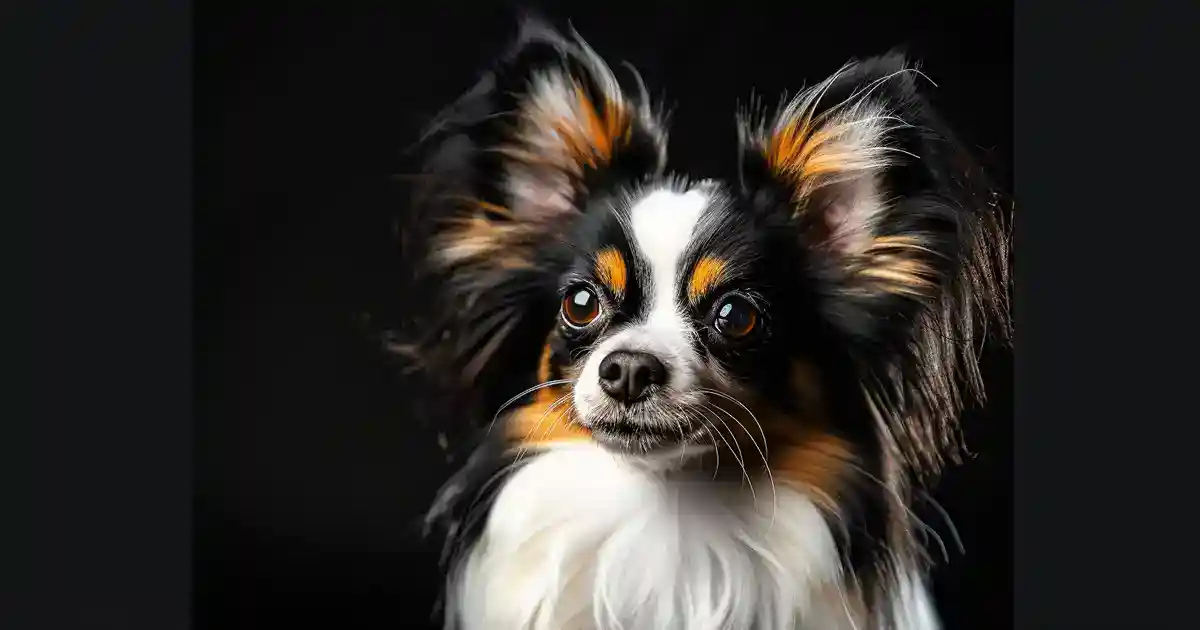
Have you ever wondered why Papillon training seems impossible until you discover the right approach? I used to think these delicate-looking butterfly dogs were too fragile for serious training—until I discovered these simple strategies that completely changed my perspective. Now my fellow Papillon parents constantly ask how I transformed my pup from a yappy, stubborn handful into an obedient companion who masters tricks faster than most breeds, and my family (who thought small dogs couldn’t be trained) keeps asking for my secrets. Trust me, if you’re worried about barking issues, stubbornness, or that “small dog syndrome” reputation, this approach will show you it’s more doable than you ever expected.
Here’s the Thing About Papillon Training
Here’s the magic: Papillons consistently rank among the top ten most intelligent dog breeds, often compared to Border Collies and Poodles in their learning capacity and problem-solving abilities. What makes this training approach effective and achievable is understanding that their intelligence combined with their eager-to-please nature creates the perfect trainable companion when you use the right methods. According to research on canine intelligence, highly intelligent breeds like Papillons learn new commands in fewer than five repetitions and obey first commands 95% of the time or better. I never knew training a toy breed could be this rewarding when you treat them like the capable athletes they truly are. This combination of positive reinforcement, mental stimulation, and consistency creates amazing results. It’s honestly more doable than I ever expected—no complicated techniques needed, just working with their natural intelligence and energy instead of babying them like fragile ornaments.
What You Need to Know – Let’s Break It Down
Understanding the essential elements of Papillon training is absolutely crucial for success with this brilliant breed. Don’t skip learning about their unique characteristics—this knowledge prevents most common training mistakes.
First, let me talk about breed intelligence. Papillons are exceptionally smart, ranking 8th out of 138 breeds in Stanley Coren’s intelligence studies. I finally figured out after months of trial and error that this means they learn quickly but also get bored easily, require consistent rules, and can outsmart inconsistent trainers (game-changer, seriously). Their intelligence is both their greatest asset and biggest challenge.
Energy levels matter tremendously. Despite their small size (8-11 pounds), Papillons have moderate to high energy and need both physical exercise and mental stimulation daily. I always recommend 30-45 minutes of activity plus training sessions because everyone sees better behavior faster when these dogs have proper outlets for their energy and intelligence.
The socialization window is critical. Papillons can develop wariness of strangers and other dogs without early, positive socialization between 3-14 weeks of age. Understanding puppy socialization fundamentals will prevent anxiety and reactivity issues that plague many small breeds (took me forever to realize how important early exposure is).
Small dog syndrome isn’t breed-specific—it’s created by owners who don’t set boundaries. Papillons that jump on people, bark excessively, and act possessive weren’t born that way. They learned these behaviors work because owners thought rules didn’t apply to small dogs. This mentality sabotages training before you even start.
Positive reinforcement works best with this sensitive breed. Harsh corrections damage the trust bond and create anxious, shut-down dogs. Papillons thrive on praise, treats, and play rewards, responding eagerly to trainers who make learning fun and rewarding.
Yes, barking management requires specific strategies. Papillons are naturally alert and can become excessive barkers without training. Their job historically was alerting nobility to visitors, so barking is deeply ingrained. You’ll need consistent training to teach appropriate vs. excessive barking.
The Science and Psychology Behind Why This Works
Let me dive deeper into what research actually shows about training intelligent toy breeds. The psychology of Papillon learning is fascinating—their combination of high intelligence, eagerness to please, and sensitive nature means they respond exceptionally well to reward-based methods while shutting down under harsh treatment.
Here’s what makes traditional approaches often fail: people underestimate these dogs because of their size and delicate appearance, leading to inconsistent rules, inadequate mental stimulation, and permissive behavior that creates behavioral problems. The Papillon’s intelligence means they quickly learn what they can get away with, and their persistence means they’ll keep testing boundaries.
The scientific truth is that intelligent breeds need jobs and mental challenges. Research from canine behaviorists demonstrates that dogs bred for working roles (even companion breeds like Papillons who worked as alert dogs) experience stress and develop behavior problems when understimulated. Their brains need exercise just like their bodies.
What makes this different from a psychological perspective is recognizing that Papillons are athletes in toy-sized packages. They excel in agility, obedience, rally, and even competitive obedience at levels rivaling breeds five times their size. When you train them like capable working dogs rather than fragile decorations, they bloom into confident, obedient, and happy companions.
The bonding aspect matters too. Papillons form intense attachments to their people and genuinely want to make you happy. This trait, combined with their intelligence, means they learn faster when training feels like cooperative problem-solving rather than forced compliance.
Here’s How to Actually Make This Happen
Let me walk you through the critical steps with real talk about what actually works.
Step 1: Start With Foundation Behaviors
Start by establishing yourself as a calm, consistent leader—not through dominance, but through being the source of all good things. Here’s where I used to mess up: I’d give attention, treats, and toys on demand, teaching my Papillon that demanding behavior worked. Don’t be me! Implement “nothing in life is free”—your dog sits before meals, waits at doors, and performs a command before getting attention.
Begin with these core commands: sit, down, stay, come, and leave it. Papillons typically master basic commands in 3-5 repetitions per command when you use high-value treats and enthusiastic praise. Keep initial training sessions short (5-10 minutes) but frequent (3-4 times daily) to maintain focus and enthusiasm.
Step 2: Socialize Early and Continuously
Now for the important part—socialization prevents fear-based reactivity that plagues many small breeds. This step takes consistent effort during the critical 3-14 week period but creates lasting confidence. Expose your Papillon puppy to different people (various ages, genders, appearances), friendly dogs of all sizes, novel environments, various surfaces, and common sounds like vacuums, traffic, and appliances.
Here’s my secret: carry treats everywhere during socialization outings. When your puppy encounters something new, feed treats continuously while they observe, creating positive associations. When it clicks, you’ll know because your Papillon approaches new situations with curiosity rather than fear or aggression.
Step 3: Address Barking Proactively
Here’s the barking management sequence: identify triggers (doorbell, passing dogs, strangers), teach the “quiet” command using positive interruption, reward silence enthusiastically, and redirect to incompatible behaviors like “place” training where your dog goes to a mat and stays.
My mentor taught me this trick: teach “speak” on command first, then “quiet” becomes easier because your dog understands they’re choosing to bark or not bark on cue. Every situation has its own challenges, but this method gives you control over barking rather than fighting a losing battle of constantly yelling “no!”
Step 4: Provide Mental Stimulation Daily
Don’t worry if you’re just starting out—mental exercise is simple to incorporate. Use puzzle toys that dispense treats, practice scent work games (hide treats around the house), teach new tricks regularly, and rotate toys to maintain novelty.
Papillons excel at trick training beyond basic obedience. Teach spin, roll over, play dead, high-five, weave through legs, and jump through hoops. When you’re committed to teaching something new weekly, your Papillon stays mentally sharp and behaviorally balanced. Results can vary, but most Papillons learn simple tricks in 10-15 minutes of practice.
Step 5: Build a Reliable Recall
Recall training creates lasting safety habits you’ll actually need. Start in low-distraction environments, use an excited tone and high-value rewards (real chicken, cheese, not just kibble), practice the command only when you’re certain your dog will respond (build success), and never use “come” for anything negative (baths, nail trims, leaving the park).
Practice recall games like puppy ping-pong (two people taking turns calling the dog back and forth with rewards) and surprise recalls during regular walks with jackpot treats. This creates enthusiastic responses rather than reluctant compliance.
Step 6: Tackle Small Dog Syndrome Head-On
Decide right now: will you treat your Papillon like a capable dog or a perpetual baby? Every time you carry your dog past other dogs instead of working on calm greetings, every time you skip training because “he’s small,” every time you allow behaviors you’d never accept from a larger breed, you’re creating small dog syndrome.
Implement consistent rules: no furniture jumping without permission, no barking demands for attention, no aggressive behavior toward people or dogs (size doesn’t make aggression acceptable), and mandatory impulse control training. Just like any other dog but with a completely different mindset that respects their intelligence and capabilities.
Common Mistakes (And How I Made Them All)
Let me share my biggest training failures so you can avoid them. Don’t make my mistake of inconsistent rules—I’d allow counter-surfing sometimes when I was in a good mood but correct it other times. This confused my Papillon and made training ten times harder because she never knew what was actually allowed.
Another epic fail? Treating training like a chore instead of fun bonding time. My energy was low, I was impatient, and my Papillon picked up on my frustration, becoming stressed and shut down during sessions. Once I shifted to making training playful and rewarding, everything transformed.
I also used to skip socialization because my puppy seemed nervous, thinking I was “protecting” her. Wrong! <avoiding experiences she needed to become confident created a reactive, fearful adult dog who barked at everything. Gentle, positive exposure during the critical period would have prevented years of behavior modification work.
The exercise mistake: I thought toy breeds didn’t need much exercise. My under-exercised Papillon developed destructive behaviors, excessive barking, and hyperactivity. These athletic little dogs need real walks, not just potty breaks.
Finally, I’d give up on training when progress seemed slow, assuming my individual dog “just wasn’t that smart.” The problem wasn’t my dog’s intelligence—it was my inconsistent training, unclear communication, and lack of motivation. When I improved my training skills, my “slow learner” became a trick-performing star.
When Things Don’t Go as Planned
Feeling overwhelmed by your Papillon’s behavior? You probably need to increase mental and physical exercise before expecting training compliance. That’s normal, and it happens to everyone when they underestimate toy breed energy levels.
Problem: Your Papillon Won’t Focus During Training
I’ve learned to handle this by evaluating the environment (too many distractions?), the treats (boring low-value rewards?), and the timing (is your dog tired, overstimulated, or hungry?). When focus fails (and it will), shorten sessions to 3-5 minutes, increase reward value, and train in quieter locations. This is totally manageable with environmental adjustments.
Problem: Excessive Barking Despite Training Efforts
If your “quiet” training isn’t working, try management solutions: identify and remove triggers when possible, provide more exercise (tired dogs bark less), teach incompatible behaviors like holding a toy, and consider whether anxiety or insufficient mental stimulation is the root cause. If you’re losing steam, consult a professional trainer who specializes in small breed behaviors.
Problem: Fear or Aggression Toward Other Dogs
Don’t stress—this often stems from inadequate socialization or negative experiences. Work at a distance where your Papillon can see other dogs without reacting (sub-threshold training), reward calm behavior, and gradually decrease distance over weeks or months. Counter-conditioning changes emotional responses, not just behaviors, so patience is essential.
Problem: House Training Regression
When accidents increase despite previous success, cognitive causes might include medical issues (vet check first!), inconsistent schedules, or insufficient outdoor opportunities. Small bladders need frequent breaks—every 2-3 hours for adults, more often for puppies. Rule out health problems, then return to basics with frequent outdoor trips and enthusiastic rewards for correct elimination.
Advanced Strategies for Next-Level Results
Taking training to the next level means exploring canine sports designed for intelligent breeds. Advanced practitioners often participate in competitive obedience, agility, rally, and trick dog titles—Papillons excel in all these venues despite their small size.
For experienced Papillon parents, off-leash reliability becomes achievable with extensive recall training, teaching boundary respect (invisible fence alternative using marker training), and proofing commands in high-distraction environments. This requires hundreds of successful repetitions but creates impressive freedom and trust.
Consider advanced behavioral chains where your Papillon performs multiple commands in sequence: go to your mat, lie down, wait, then come on release. These complex behaviors showcase their intelligence while providing serious mental stimulation.
Scent work training separates beginners from experts. Teaching your Papillon to identify and alert to specific scents (treats, essential oils, or even missing items) taps into their natural abilities while building confidence and focus. Many Papillons compete successfully in K9 Nose Work despite being surrounded by much larger breeds.
When you’re ready for expert-level training, pattern games build impulse control and focus: “It’s Yer Choice” teaches waiting for permission, “Give Me a Break” builds disengagement skills, and “1-2-3 Walking” creates beautiful loose-leash manners through impulse control rather than corrections.
Ways to Make This Your Own
When I want faster results with basic commands, I use clicker training for precise communication—the click marks the exact behavior I want, followed immediately by treats. For special situations where my Papillon needs extra motivation, I’ll use real meat or cheese instead of commercial treats.
The Busy Professional Approach: This makes training manageable but requires efficiency—incorporate training into daily routines (sit before meals, down-stay while you prepare dinner, recall games in the yard), use puzzle toys and food-dispensing toys for mental stimulation while you work, and schedule two focused 10-minute training sessions daily.
The Competitive Sports Version: My intensive approach includes daily training sessions working toward titles, weekly classes or practice groups, conditioning exercises to keep my athletic Papillon fit for competition, video analysis to improve handling skills, and regular trials or competitions. Sometimes I add specific strengthening exercises, though that’s totally optional unless competing seriously.
For Multi-Dog Households: I love this adaptation—train dogs individually for skill-building, practice impulse control with all dogs present (teaching “wait” while another dog gets attention or treats), rotate one-on-one time to strengthen individual bonds, and teach cooperation skills like taking turns going through doors or recalling individually.
The Therapy Dog Path: Focus on advanced socialization and calm behaviors in stimulating environments, train specific skills like jumping onto laps gently or tolerating handling by strangers, practice relaxation protocols for maintaining composure during visits, and pursue Canine Good Citizen certification followed by therapy dog evaluation.
Each variation works beautifully with different lifestyle needs and interests. The foundation remains the same—consistent positive reinforcement training that respects the Papillon’s intelligence and sensitivity.
Why This Approach Actually Works
Unlike traditional methods that infantilize toy breeds, this approach leverages the Papillon’s remarkable intelligence and trainability. These dogs were bred as companions to European nobility, meaning they’re genetically selected for trainability, adaptability, and social intelligence.
The psychological component sets this apart too: when you treat Papillons as capable athletes, they rise to meet expectations. What makes this different is recognizing that size doesn’t determine capability—these tiny dogs routinely defeat larger breeds in competitive obedience and agility because they’re faster learners and more motivated to work with handlers.
Evidence-based training shows that positive reinforcement creates more reliable, faster learning than correction-based methods. Research demonstrates that dogs trained with rewards show less stress, better problem-solving abilities, and stronger human-dog bonds compared to dogs trained with punishments or corrections.
This comprehensive approach addresses intelligence, energy, sensitivity, and natural drives simultaneously—that’s why it works when permissive “small dog” approaches create behavioral nightmares and harsh methods damage these sensitive souls.
Real Success Stories (And What They Teach Us)
One Papillon owner told me about adopting a 3-year-old rescue with severe barking issues and fear of strangers. Through consistent counter-conditioning, teaching the “quiet” command with generous rewards, and gradual exposure to new people with positive associations, within four months her dog transformed into a confident, well-mannered companion who barked only appropriately. The lesson? Even adult Papillons with established problem behaviors can change with patient, positive training.
Another success story involved a Papillon puppy who seemed impossible to house train. The owner discovered success by setting phone alarms for every two hours, immediately taking the puppy out, and throwing a party with treats and praise for outdoor elimination. Within three weeks, the puppy was reliably signaling when they needed out. This demonstrates that consistency and appropriate expectations (small bladders need frequent breaks!) solve most house training challenges.
I’ve also seen numerous Papillons earn advanced trick dog titles and competitive agility qualifications, often faster than their handlers expected. One owner started teaching tricks “just for fun” and discovered her Papillon learned a new trick every 2-3 days, eventually performing a routine of over 50 different behaviors. The intelligence potential is remarkable when properly channeled.
The common thread? Treating Papillons as intelligent, capable dogs with appropriate expectations for their size, using consistent positive methods, and providing adequate mental and physical stimulation. Different dogs progress at different rates, but the approach consistently produces well-trained, confident companions.
Tools and Resources That Actually Help
Here are specific training tools I personally use and recommend:
For Training Sessions: High-value treats cut into tiny pieces (real chicken, cheese, hot dogs—not just kibble), a treat pouch worn at your waist for quick access, a clicker for precise behavior marking, and a regular 4-6 foot leash (retractable leashes teach pulling).
For Mental Stimulation: Puzzle toys in various difficulty levels (start easy and progress), snuffle mats for scent work and slow feeding, interactive toys like Kong Wobblers that dispense kibble, and trick training props (small hoops, target sticks, mats for place training).
For House Training: Enzymatic cleaner specifically for pet accidents (regular cleaners don’t eliminate the scent that draws dogs back), a designated potty area outside with consistent surface, and for city dwellers, indoor grass patches or pee pads as backup options.
For Socialization: A well-fitted harness (less neck pressure than collars), a portable treat pouch for rewarding brave behavior, and access to puppy socialization classes during the critical period (vet-approved after initial vaccines).
For Management: Baby gates to control access and prevent rehearsal of unwanted behaviors, crates sized appropriately for your Papillon (not too large), and calming aids like frozen Kongs or lick mats for settling practice.
The best resources come from positive reinforcement training programs and force-free training philosophies. Organizations like the Association of Professional Dog Trainers maintain directories of qualified trainers who use modern, science-based methods that work exceptionally well with intelligent, sensitive breeds like Papillons.
Questions People Always Ask Me
How long does it take to see results with Papillon training?
Most people notice significant behavioral improvements within 2-3 weeks of consistent training. I usually recommend committing to 30 days before judging progress. Absolutely, just focus on one behavior at a time—master recall before moving to complex tricks, establish house training before tackling barking issues.
What if I don’t have time for extensive training sessions right now?
Even three 5-minute sessions daily is better than one 30-minute session weekly! Start with short, frequent training incorporated into daily routines. Papillons learn quickly, so brief sessions maintain their enthusiasm without causing burnout or boredom.
Is this training approach suitable for complete beginners?
Completely! This guide is designed for first-time Papillon owners and even first-time dog owners. The most important elements are consistency, patience, and positive attitude. Don’t worry if you make mistakes—dogs are forgiving, and you’ll improve together.
Can I adapt this method for my specific situation?
Definitely. Whether you live in an apartment, have children, work full-time, or have other pets, these principles apply universally. You’ll just adjust timing, environment, and management strategies to fit your lifestyle while maintaining consistent rules and positive methods.
What’s the most important thing to focus on first?
Establishing a consistent routine and teaching basic obedience (sit, down, come) should be your top priority. These foundation behaviors make everything else easier. Once those are solid, add socialization, then tackle breed-specific challenges like barking management.
How do I stay motivated when training feels frustrating?
Remember that Papillons are among the fastest-learning breeds—if progress seems slow, the training method needs adjustment, not the dog. Video your sessions to track progress you might not notice daily, celebrate small wins, join online Papillon communities for support, and remember that training is bonding time, not just behavior modification.
What mistakes should I avoid when starting Papillon training?
The biggest mistakes are inconsistency (different rules from different family members), treating your Papillon like a fragile baby rather than a capable dog, skipping socialization, using harsh corrections with this sensitive breed, and insufficient mental and physical exercise. Small dogs need training just like large dogs!
Can I combine this with professional training classes?
Absolutely! Group classes provide socialization opportunities and professional guidance, while home training builds on those lessons with daily practice. This combination accelerates learning and prevents the common problem of dogs who obey in class but ignore commands at home.
What if I’ve tried training my Papillon before and failed?
Previous failures usually stem from inconsistent application, unclear communication, insufficient motivation (boring treats), or approaching training as a chore rather than fun bonding. This approach addresses those pitfalls. Give it another shot with fresh commitment—many owners succeed when they understand the “why” behind each technique and make training playful.
How much does implementing this training approach typically cost?
Initial tool investment runs $50-150 for treats, clicker, harness, puzzle toys, and management tools. Professional group classes cost $100-200 for 6-8 weeks. Private training costs more ($75-150 per session) but might be necessary for severe behavior issues. The good news? Papillons learn quickly, so you’ll need fewer sessions than slower-learning breeds.
What’s the difference between this and traditional small dog training?
Traditional “small dog training” often involves low expectations, permissive rules, and treating the dog like a perpetual puppy. This approach treats Papillons as the intelligent, capable athletes they are, with appropriate expectations for their abilities while accommodating their small size for safety. The result is a confident, well-trained companion rather than a spoiled, anxious, or reactive dog.
How do I know if I’m training correctly?
Look for these markers: your Papillon responds reliably to basic commands, shows enthusiasm during training sessions, willingly approaches you (not avoiding training), learns new behaviors quickly (within 5-15 repetitions), generalizes behaviors to different locations, and maintains calm confidence in various environments. Your vet or trainer can also assess progress.
Before You Get Started
I couldn’t resist sharing this because it proves that Papillon training truly becomes joyful and rewarding when you respect their intelligence and work with their nature—these brilliant companions thrive on learning and become exceptional obedience partners with proper guidance. The best Papillon training journeys happen when owners embrace their dog’s capabilities, maintain consistency even when life gets busy, and celebrate the remarkable intelligence packed into that tiny, elegant package.
Ready to begin? Start with establishing a consistent daily routine and teaching basic “sit” and “come” commands today using high-value treats and enthusiastic praise, then build momentum by adding one new skill weekly. Your Papillon’s intelligence, eagerness, and lifelong partnership are absolutely worth the dedicated effort!




