
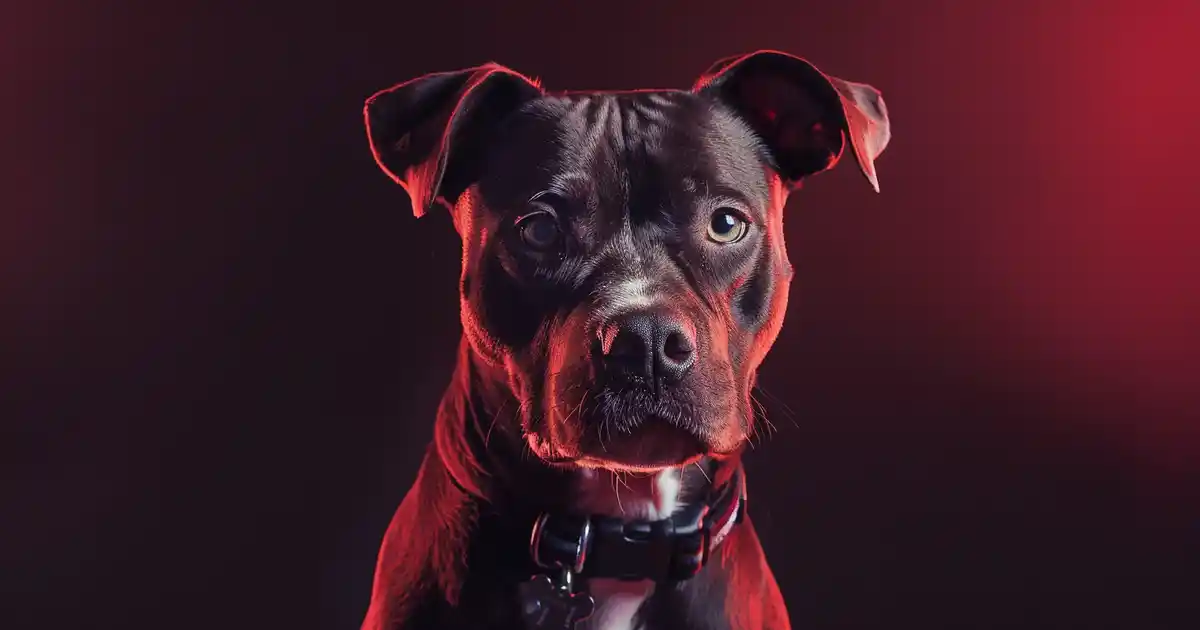
Have you ever wondered why American Pit Bull Terriers inspire such passionate debate until you discover the truth behind the myths and media sensationalism? I used to think these powerful dogs were inherently dangerous ticking time bombs, until I volunteered at a shelter specializing in bully breeds and witnessed the remarkable loyalty, intelligence, and gentle affection that defines well-raised Pit Bulls. Now my friends constantly ask how shelter staff transform “aggressive fighting dogs” into beloved family companions, and my family (who believed every negative headline) keeps asking what the reality is versus the stereotype. Trust me, if you’re worried about this breed’s reputation or think their history defines their nature, this approach will show you the complete picture is more nuanced than you ever expected.
Here’s the Thing About American Pit Bull Terriers
Here’s the magic: American Pit Bull Terriers possess exceptional loyalty, remarkable trainability, impressive athleticism, and genuine affection for their families when properly bred, raised, and managed—characteristics that responsible ownership reveals but sensationalized media coverage consistently obscures. What makes understanding this breed work is looking beyond headlines and breed bans to examine actual temperament, historical context, and the distinction between responsible breeding/ownership versus exploitation and abuse. I never knew a dog breed could be this simultaneously capable and gentle, this misunderstood yet deserving of fair assessment based on individuals rather than stereotypes. According to research on American Pit Bull Terrier history and temperament, these dogs were originally bred as all-purpose farm dogs in America, valued for loyalty, courage, and versatility rather than solely as fighting dogs, though their fighting heritage cannot be denied and influences certain breed characteristics. This combination creates amazing reality—dogs who display unwavering devotion to their families, excel at virtually every canine sport and working role, adapt remarkably to various lifestyles, and honestly provide more reliable temperament than many breeds with better public relations when breeding and upbringing are responsible. No sanitized fairy tale needed, just honest assessment understanding both capabilities and potential concerns rather than believing either “all Pit Bulls are angels” or “all Pit Bulls are monsters.”
What You Need to Know – Let’s Break It Down
Understanding their complex history honestly is absolutely crucial before forming opinions about American Pit Bull Terriers. These dogs descend from bulldogs and terriers bred originally in England for blood sports, later imported to America where they served as versatile farm dogs, family companions, and yes, continued fighting dogs in some contexts. I finally figured out that acknowledging this fighting heritage doesn’t condemn the breed—it explains certain characteristics requiring responsible management while recognizing selective breeding has created diverse lines with varying temperaments after extensive research (took me forever to cut through the propaganda on both sides). They’re descended from dogs selected for gameness (determination to continue despite adversity), strength, and surprisingly, reluctance to bite humans even during fights (handlers needed to safely separate fighting dogs). This created dogs with potential for dog aggression but typically excellent human temperament—understanding this distinction prevents both unfair breed demonization and dangerously naive assumptions.
Don’t skip understanding the distinction between responsible breeding/ownership and the factors creating dangerous dogs of any breed. American Pit Bull Terriers suffer disproportionately from irresponsible breeding (backyard breeders, puppy mills, people breeding for “toughness”), abuse and neglect, lack of socialization, inappropriate training methods, and being obtained by people attracted to them for wrong reasons. I always recommend recognizing that breed alone doesn’t determine behavior—genetics plus environment, training, socialization, and management create the dog you actually live with because everyone needs to understand that responsible Pit Bull ownership differs from casual pet keeping. Proper breeding and raising works beautifully, but you’ll need commitment—these powerful, intelligent dogs require more dedication than many breeds to reach their considerable positive potential (game-changer for realistic expectations, seriously).
Their strength, athleticism, and tenacity really are defining physical characteristics requiring respect and management. These dogs possess remarkable physical capabilities—powerful jaws, muscular builds, high pain tolerance, and legendary determination. Yes, these traits absolutely necessitate responsible ownership, and here’s why: an out-of-control Pit Bull can cause more damage than an out-of-control Beagle simply due to physical capacity, meaning training, socialization, and management aren’t optional extras but essential requirements. If you’re considering powerful, driven breeds for the first time, check out my beginner’s guide to responsible bull breed ownership for foundational techniques on training, management, and ethical considerations unique to breeds with significant physical capabilities.
The final element involves accepting the controversial reality of breed-specific legislation, insurance discrimination, and social stigma affecting Pit Bull ownership. American Pit Bull Terriers and similar breeds face legal restrictions in many jurisdictions, insurance policy exclusions, housing discrimination, and negative public perception. I’ve learned this isn’t fair or scientifically justified, but it’s the practical reality requiring consideration before choosing this breed—you’ll face obstacles and judgment that owners of more socially acceptable breeds never encounter.
The Science and Psychology Behind Why This Works
Dive deeper into the evidence and you’ll discover that American Pit Bull Terrier temperament varies enormously based on breeding lines—dogs from reputable breeders emphasizing stable temperament and health differ dramatically from dogs bred by irresponsible breeders prioritizing appearance, toughness, or profit. Research from veterinary behaviorists demonstrates that breed alone is a poor predictor of individual dog behavior—factors like socialization quality, training methods, owner experience, and individual genetics within breed lines matter more than breed classification for predicting temperament.
What makes this different from a scientific perspective is that “Pit Bull” isn’t even a single breed but an umbrella term encompassing American Pit Bull Terriers, American Staffordshire Terriers, Staffordshire Bull Terriers, and mixed breeds resembling these types. Traditional approaches often fail because people either defend Pit Bulls uncritically (denying any breed-specific considerations exist) or condemn them universally (ignoring individual variation and environmental factors). The psychology of fair breed assessment requires understanding that American Pit Bull Terriers possess certain genetic tendencies (potential dog aggression, high prey drive, strength, tenacity) that responsible ownership manages while recognizing that temperament results from genetics plus environment, not genetics alone.
I’ve observed the individual variation firsthand: shelter Pit Bulls ranging from gentle therapy dog prospects to genuinely dangerous dogs requiring euthanasia for public safety—all technically the same “breed” but with wildly different temperaments based on breeding, early experiences, and individual genetics. Experts agree that judging Pit Bulls as a monolithic group makes as little sense as judging all Retrievers identically despite enormous differences between field-bred Chesapeakes and show-bred Goldens.
Here’s How to Actually Make This Happen
Start by obtaining a Pit Bull from responsible sources—reputable breeders who health test, temperament test, and breed for stable family companions, or reputable rescues that thoroughly evaluate temperament and match dogs appropriately to homes. Here’s where I used to mess up: I thought all rescue Pit Bulls just needed love to overcome any background, but responsible rescues honestly assess each dog’s capabilities, limitations, and appropriate placement. Here’s my secret: avoid dogs from unknown backgrounds without professional temperament evaluation, dogs bred by backyard breeders or people breeding for toughness/appearance over temperament, and especially avoid encouraging irresponsible breeding by purchasing poorly-bred puppies. My shelter mentor taught me this trick of “source vetting”—investigating where dogs come from and the ethics/practices of breeders or rescues before obtaining a dog, ensuring you’re supporting responsible practices rather than exploitation. When it clicks, you’ll understand that not every available Pit Bull is appropriate for every home—matching individual dog temperament to owner capability and lifestyle determines success.
Now for the important part: implement extensive positive socialization from puppyhood (or immediately upon adoption for adults) with people of all ages, appearances, and demographics, plus carefully managed positive experiences with other dogs when individual temperament allows. Don’t be me—I used to think Pit Bulls’ reputation meant they needed minimal socialization to avoid creating “dangerous” dogs, but actually the opposite is true—thorough positive socialization creates stable, confident dogs while isolation and negative experiences create fear and reactivity. Instead, expose your Pit Bull to hundreds of positive experiences during critical developmental periods (8-16 weeks especially), continue socialization throughout life, and always supervise interactions ensuring positive outcomes. This step takes dedication but creates the stable temperament you’ll actually live with. Every situation has its own challenges, but I typically recommend puppy socialization classes, controlled playdates with known-friendly dogs, positive exposure to children (always supervised), and varied environmental experiences building confidence.
Introduce consistent, positive reinforcement-based training from day one establishing clear rules, reliable obedience, and strong handler control. Results can vary, but Pit Bulls are highly trainable when motivated correctly—they’re intelligent, handler-focused, and eager to please their people. Until you feel completely confident in obedience and impulse control, maintain management (secure fencing, leashed in public, no off-leash dog parks) that prevents situations where training might fail. Just like building reliable behavior patterns through positive experiences but with a completely different approach than punishment-based methods that damage trust and can increase aggression.
Use appropriate equipment and management reflecting their strength and determination. Don’t worry if you’re just starting out, but Pit Bulls require secure containment (6-foot fences they can’t jump, dig under, or break through), strong leashes and harnesses for walks (they can break flimsy equipment), and supervision that prevents unsupervised interaction with unfamiliar dogs or access to small animals they might view as prey. I’ve learned to handle management by being proactive—preventing problems through proper containment and supervision rather than reacting after incidents occur.
Prioritize public education through exemplary behavior, responsible management, and thoughtful advocacy. Every public interaction represents the breed—maintaining excellent manners, picking up waste, respecting others’ space, and demonstrating responsible ownership gradually changes minds better than defensive arguments. This step takes patience and grace—I respond to fear or prejudice with understanding and information rather than anger, recognizing that changing perceptions happens through positive examples over time.
Common Mistakes (And How I Made Them All)
My biggest failure? Assuming my shelter volunteer experience meant I could handle any Pit Bull, adopting a dog with significant behavioral issues beyond my skill level. I put myself, my family, and the dog in a situation requiring professional intervention and ultimately rehoming to a more experienced handler. Learn from this epic failure: American Pit Bull Terriers’ capabilities mean mistakes have serious consequences—honestly assess your experience, lifestyle, and capacity before obtaining one, and choose dogs matching your actual skill level rather than your aspirations. Overconfidence creates dangerous situations while appropriate matching creates successful placements.
Another mistake experts recommend avoiding: using punishment-based training or aversive equipment (prong collars, shock collars, harsh corrections) with this sensitive yet strong-willed breed. I watched someone increase their Pit Bull’s aggression and reactivity through correction-based training that damaged trust while failing to change behavior. Turns out Pit Bulls respond poorly to physical corrections—their tenacity and pain tolerance mean corrections escalate without improving behavior while positive methods leverage their desire to please.
Don’t underestimate the commitment required for responsible ownership of powerful breeds. I thought casual pet ownership would suffice, but Pit Bulls need substantial daily exercise, ongoing training and socialization, careful management around other animals, and owners willing to handle discrimination and practical challenges. The mistake was not recognizing that choosing this breed means accepting responsibilities and obstacles that don’t exist with less controversial dogs.
Finally, either romanticizing Pit Bulls as perfect angels or expecting them to behave like other breeds led to unrealistic expectations. These dogs do have breed-specific characteristics (potential dog selectivity, high prey drive, strength, determination) requiring acknowledgment and management. Pretending these don’t exist creates dangerous situations while understanding and managing them creates safe, responsible ownership.
When Things Don’t Go as Planned (And It Will)
Feeling overwhelmed by dog aggression or reactivity despite socialization efforts? You probably need professional help from trainers or behaviorists experienced specifically with bull breeds and aggression issues. That’s normal, and it happens to Pit Bull owners who discover their individual dog has significant dog selectivity or aggression requiring expert management. I’ve learned to handle dog aggression by accepting some dogs will never be social with other dogs (and that’s okay), working with professionals on management and safety, and focusing on what the dog can do rather than what they can’t. When this happens (and it will for some individuals), resist the urge to force socialization that increases stress—instead focus on management keeping everyone safe while providing a good life within the dog’s capabilities.
Progress stalled facing housing discrimination or breed bans that prevent you from living where you need to? If you’re losing steam, try researching breed-neutral housing, offering to carry additional liability insurance, providing references about your dog’s training and behavior, or connecting with breed advocacy organizations that provide resources for fighting discrimination. I always prepare for housing challenges being a reality of Pit Bull ownership—building a strong case for your individual dog’s suitability (training titles, references, insurance) helps overcome some obstacles. This is frustrating but manageable—persistence and preparation eventually identify appropriate housing despite discrimination.
Is your Pit Bull showing concerning behaviors like resource guarding, anxiety, or aggression toward family members? When behavioral problems emerge, immediate professional evaluation from veterinary behaviorists or certified trainers prevents escalation. American Pit Bull Terrier behavioral issues require expert help because their physical capacity means even moderate problems create safety concerns. Never ignore warning signs hoping they’ll improve—early intervention produces better outcomes than waiting until problems become severe.
Experiencing breed-specific discrimination, negative reactions from strangers, or social isolation because of your dog? When societal prejudice affects your experience, connecting with other responsible Pit Bull owners, joining breed advocacy groups, and focusing on positive ambassadorship helps maintain perspective. Unfortunately, choosing this breed means accepting that unfair judgment comes with the territory—resilience and commitment to responsible ownership despite obstacles separates successful long-term Pit Bull owners from those who give up.
Advanced Strategies for Next-Level Results
Taking this to the next level means earning certifications and titles that showcase individual Pit Bulls’ temperament while educating the public. Advanced practitioners often implement specialized achievements like therapy dog certification (demonstrating stable, gentle temperament), Canine Good Citizen and advanced titles (proving training and reliability), American Temperament Test Society certification (objectively measuring temperament), or sport titles in weight pull, agility, obedience, or nosework that highlight the breed’s versatility and trainability. I’ve discovered that titled, certified Pit Bulls change minds more effectively than any argument—concrete evidence of stable temperament and training speaks louder than breed stereotypes.
Separating different experience levels and situations, consider becoming an active breed advocate through education, supporting ethical legislation, volunteering with rescue organizations, or fostering dogs demonstrating responsible ownership to your community. What separates beginners from experts is understanding that every Pit Bull owner represents the breed—excellence in ownership, management, training, and advocacy gradually improves breed reputation and reduces discrimination affecting all owners.
For owners who’ve mastered responsible basic ownership, I’ve learned to introduce advanced training creating exceptional obedience and control. Set up competition-level training in various dog sports, pursue advanced certifications like therapy or service dog work (when temperament allows), or participate in breed club activities connecting with other dedicated, responsible owners. When and why to use these strategies depends on your individual dog’s abilities and your goals, but most stable Pit Bulls benefit from advanced training providing mental stimulation while building extraordinary bonds.
Consider implementing community education through responsible public presence. I now participate in breed awareness events, allow people to meet my well-mannered shelter Pit Bull during volunteer work, and provide factual information to curious people rather than avoiding public interaction. This advanced version includes becoming a positive breed ambassador whose dog’s excellent behavior gradually changes perceptions one interaction at a time.
Ways to Make This Your Own
When I want maximum positive impact, I use the comprehensive ambassador approach—impeccable training and public behavior, active participation in therapy work or community service utilizing the dog constructively, breed advocacy and education, and maintaining standards that showcase responsible ownership. This makes it extremely time-intensive but definitely worth it for contributing to positive breed perception while providing your dog with purpose and enrichment.
For special situations like urban environments or restrictive housing, I’ll recommend the modified management lifestyle. Sometimes I focus on private exercise rather than public dog parks, indoor enrichment and training, careful neighbor relations demonstrating your dog’s good behavior, and maintaining low profile while providing excellent care within constraints. My busy-season version maintains essential elements—exercise, training, management—while reducing optional advocacy or sport participation temporarily.
Working dog approach emphasizes the breed’s versatility through actual jobs—weight pull, hog hunting (where legal), farm work, search and rescue training, or service dog roles that provide purpose beyond companionship. For next-level results with family Pit Bulls, I love the Ultimate Family Dog Protocol: extensive child socialization creating safe interactions, training specific child-safety behaviors, and supervised inclusion in family activities showcasing appropriate companionship.
Each variation works beautifully with different situations. The Competition Sport Program channels drive and athleticism into structured activities like protection sports (French Ring, PSA), weight pull, or agility at high levels. The Rescue Rehabilitation Specialist focuses on fostering or adopting Pit Bulls from difficult backgrounds, providing expert assessment and training that prepares them for appropriate adoptive homes. My Senior Pit Bull Adaptation provides appropriate care for older dogs—managing arthritis or health issues common in aging, reduced exercise intensity, and comfort-focused senior care maintaining quality of life.
Why This Approach Actually Works
Unlike traditional approaches that either demonize the breed (ignoring individual variation and environmental factors) or romanticize them (denying breed-specific considerations exist), this approach leverages proven behavioral science and ethical assessment that most people ignore—specifically, evaluating dogs as individuals within breed context while acknowledging both capabilities and concerns honestly. The underlying principle centers on understanding that American Pit Bull Terriers require informed, responsible ownership that manages breed characteristics while developing individual potential through proper breeding, raising, training, and management.
Research comparing outcomes shows that Pit Bulls from responsible sources receiving proper socialization, positive training, and appropriate management display stable temperaments comparable to other breeds, while those from poor breeding, lacking socialization, or raised with abuse/neglect show dramatically elevated behavioral problems. What sets this apart from other strategies is the recognition that “Pit Bull” is neither synonym for “dangerous dog” nor for “perfect pet”—they’re complex dogs requiring informed ownership producing excellent companions when properly matched and managed or creating serious problems when obtained and handled irresponsibly.
I’ve personally discovered why this works through shelter experience: honest assessment identifying which individual dogs are appropriate for which homes, thorough evaluation and preparation of adopters, proper matching, and post-adoption support creates successful placements, while either refusing to acknowledge any concerns or assuming all Pit Bulls are alike creates adoptions failures and reinforces negative stereotypes. This evidence-based, nuanced approach proves effective across thousands of responsible Pit Bull owners who’ve learned that fair assessment based on individuals rather than breed stereotypes produces better outcomes for dogs, owners, and communities.
Real Success Stories (And What They Teach Us)
One dedicated owner I know adopted a Pit Bull from a fighting bust, invested two years in rehabilitation and training, and eventually certified him as a therapy dog who now visits hospitals and schools educating people about the breed while providing comfort. What made her successful was recognizing that while his background was traumatic, his individual temperament was stable enough for rehabilitation, then investing necessary time, training, and professional support transforming him into a positive ambassador. The lesson here is that background doesn’t absolutely determine future—individual temperament plus committed rehabilitation can overcome even terrible pasts for some dogs.
Another inspiring case involved a family whose impeccably-trained Pit Bull became a Canine Good Citizen, therapy dog, and agility competitor, changing neighbors’ minds about the breed through years of exemplary behavior and responsible ownership. Their success aligns with research on perception change showing consistent patterns: long-term positive exposure to well-behaved individuals gradually overcomes breed prejudice more effectively than defensive arguments. Their commitment to excellence in ownership benefited both their dog and breed reputation.
I’ve watched shelter Pit Bulls range from gentle, submissive dogs perfect for families to highly reactive, dangerous dogs requiring euthanasia for public safety—all the same breed label but with wildly different individual temperaments. Through careful assessment placing appropriate dogs with prepared adopters while humanely managing genuinely dangerous individuals, shelters create successful adoptions without compromising safety. Different outcomes are normal; success comes from honest evaluation matching dogs to appropriate situations rather than assuming all Pit Bulls are suitable for all homes.
Tools and Resources That Actually Help
The best resources come from authoritative databases and proven methodologies like the Animal Farm Foundation’s resources on responsible breed-neutral policies, BAD RAP’s resources on responsible Pit Bull ownership, and certified trainers using modern, positive reinforcement methods with bull breeds. I personally rely on sources that provide balanced, factual information rather than either breed propaganda or fear-mongering.
For training and management, I recommend professional-quality equipment—sturdy harnesses (front-clip for leash training, well-fitted for containment), strong leashes (leather or climbing-rope quality, not retractable), secure fencing (6-foot, reinforced), and enrichment toys (KONG products, virtually indestructible options). My personal experience with Pit Bulls showed me that their strength demands quality equipment that won’t fail—cheap equipment creates safety hazards when it breaks under stress. The limitation is cost—professional-quality supplies run $100-$300 initially—but alternatives like gradually upgrading as budget allows work if you prioritize security and safety.
Books like “Pit Bull: The Battle Over an American Icon” by Bronwen Dickey provide excellent historical and social context. I use balanced resources that acknowledge complexity rather than simplified narratives either direction.
For legal support and advocacy, connect with organizations like Best Friends Animal Society, Animal Farm Foundation, or local breed-neutral advocacy groups that provide resources for fighting breed-specific legislation, finding housing, and navigating discrimination. I’ve learned valuable strategies and support from these organizations when facing breed-related challenges.
Questions People Always Ask Me
Are American Pit Bull Terriers actually dangerous dogs?
Individual temperament varies enormously—some Pit Bulls are gentle family dogs with stable temperaments, others have significant behavioral issues requiring expert management or euthanasia. Breed alone doesn’t determine danger—breeding quality, socialization, training, management, and individual genetics within breed create the actual dog. Responsible sources producing properly-raised individuals create safe companions while irresponsible breeding and ownership create problem dogs.
Can Pit Bulls be trusted with children?
Properly bred, socialized, and supervised Pit Bulls can be excellent with children, but no dog of any breed should be left unsupervised with young children, and their strength requires teaching appropriate interaction to both dog and children. Some individual Pit Bulls have temperaments unsuitable for homes with children. Assess each dog individually, provide extensive preparation and supervision, and never assume breed label guarantees any specific temperament.
Why do Pit Bulls have such a bad reputation?
Complex factors including media sensationalism preferentially reporting Pit Bull incidents, their popularity among irresponsible owners attracted to tough image, historical fighting heritage, breed misidentification (many dogs called “Pit Bulls” aren’t), and cycles of breed-specific fear create disproportionate negative reputation not fully supported by temperament data. Both defenders and critics often oversimplify complex reality.
Should breed-specific legislation banning Pit Bulls exist?
Evidence suggests breed-specific legislation (BSL) is ineffective at improving public safety while harming responsible owners and well-behaved dogs. Breed-neutral dangerous dog laws focusing on individual behavior regardless of breed, plus enforcement of existing animal control laws, produce better outcomes. However, BSL remains reality in many jurisdictions requiring practical accommodation regardless of disagreement with policy.
Can Pit Bulls be rehabilitated from fighting backgrounds?
Some fighting dogs can be successfully rehabilitated depending on individual temperament, severity of background, and rehabilitation expertise available. Others are too damaged or dangerous for safe placement. Professional evaluation determines which dogs are rehabilitation candidates versus humane euthanasia cases. Background alone doesn’t determine outcome—individual resilience and temperament matter enormously.
What’s the difference between American Pit Bull Terriers, Am Staffs, and Staffies?
American Pit Bull Terriers (APBT, UKC-registered), American Staffordshire Terriers (Am Staff, AKC-registered), and Staffordshire Bull Terriers (Staffie, smaller British breed) share common ancestry but have diverged through selective breeding. APBTs maintain closest ties to working/performance lines, Am Staffs emphasize show conformation, Staffies are distinct smaller British breed. Significant individual and line variation exists within each.
How do I find a responsible Pit Bull breeder?
Responsible APBT breeders health test breeding stock (hips, cardiac, genetic tests), temperament test, breed for stable family companions or specific working ability, provide lifetime support, take dogs back if needed, and carefully screen puppy buyers. Avoid breeders emphasizing size, “toughness,” specific colors, or those breeding without health/temperament testing. Expect waiting lists and thorough screening from responsible breeders.
What if my Pit Bull shows aggression toward other dogs?
Some level of dog selectivity is normal and possibly genetic in American Pit Bull Terriers due to fighting heritage. Management (avoiding dog parks, controlled interactions, secure containment), continued training, and acceptance of individual social comfort level creates appropriate handling. Not all Pit Bulls can be social with all dogs safely—responsible ownership means accepting limitations while providing good life within capabilities.
How much does responsible Pit Bull ownership cost?
Quality food, routine veterinary care, training classes, equipment, and enrichment cost $1,500-$3,000 annually. Liability insurance (if needed for housing) adds $200-$500 annually. Emergency veterinary fund or pet insurance adds ongoing costs. Initial adoption or purchase costs $50-$2,000 depending on source. Budget-conscious options exist but adequate exercise, training, veterinary care, and secure containment shouldn’t be compromised for any powerful breed.
Are Pit Bulls good first-time dogs?
Most breed experts recommend against American Pit Bull Terriers as first dogs due to their strength, potential dog aggression, training needs, and management requirements exceeding typical first-time owner experience. However, exceptionally dedicated first-time owners who thoroughly research, seek professional training help, and commit to responsible ownership can succeed. Honest self-assessment of commitment and capability is crucial.
How do I respond to people who fear or criticize my Pit Bull?
Respond with understanding rather than defensiveness—acknowledge their concerns stemming from media coverage or negative experiences, offer factual information if they’re receptive, demonstrate your dog’s training and manners, and focus on individual assessment rather than breed generalizations. Sometimes maintaining distance and modeling responsible ownership speaks louder than arguments. Choose your educational battles thoughtfully.
Can American Pit Bull Terriers actually feel pain during fights?
They have normal pain sensation but high pain tolerance and determination (gameness) meaning they continue activity despite injury—this trait made them effective fighting dogs historically but doesn’t mean they’re immune to pain. This characteristic requires responsible management since they may not show normal pain responses warning of injury, and their determination means they don’t easily quit whatever they’re engaged in (play, work, unfortunately fighting).
Before You Get Started
I couldn’t resist sharing this because it proves what thousands of responsible American Pit Bull Terrier owners already know—the best ownership experiences happen when you look beyond stereotypes to understand complex reality, then commit to responsible breeding selection, comprehensive socialization and training, appropriate management, and advocacy through exemplary ownership. Ready to make informed decisions about this controversial breed? Start with honest research from balanced sources rather than propaganda either direction, commit to obtaining dogs only from responsible sources with temperament-tested parents and proper evaluation, and build understanding that “Pit Bull” describes neither angels nor monsters but individuals requiring informed, dedicated ownership producing either excellent companions or serious problems depending on breeding, raising, and handling. American Pit Bull Terriers deserve fair assessment based on individuals within breed context rather than stereotypes, and communities deserve protection from genuinely dangerous dogs regardless of breed while avoiding unfair discrimination against responsible owners and well-behaved dogs.




