
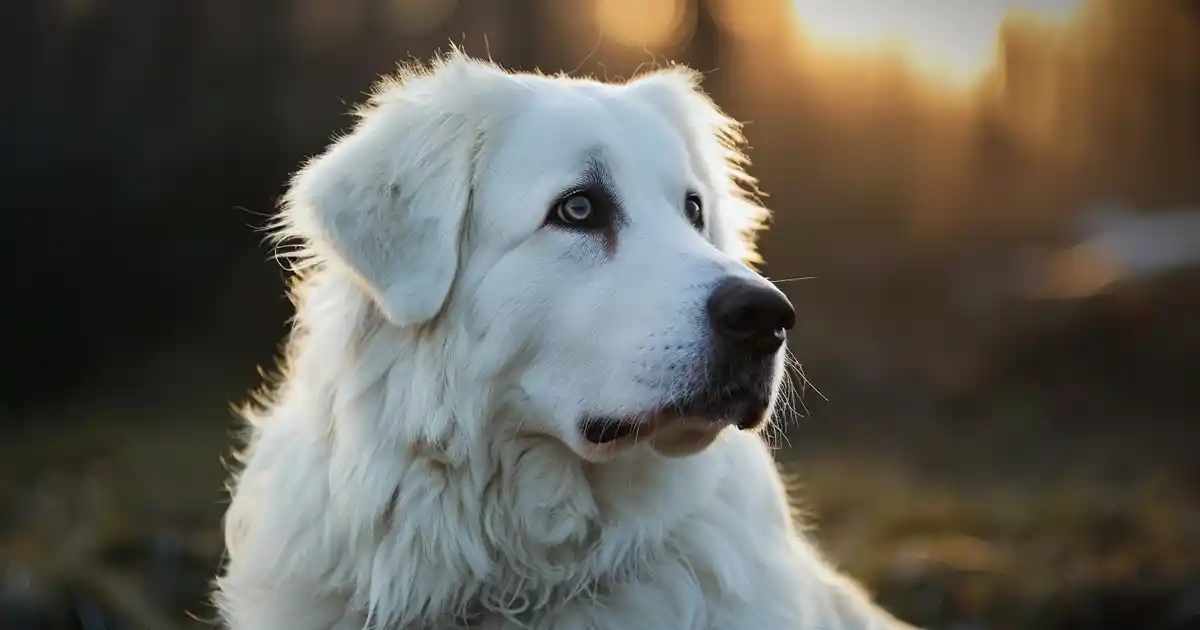
Have you ever wondered why Great Pyrenees seem to be the go-to choice for livestock protection until you actually see one in action? I used to think these majestic white dogs were just pretty farm decorations, until I witnessed my neighbor’s Pyr single-handedly face down a pack of coyotes threatening her goat herd. Now I’m constantly fielding questions from fellow homesteaders about how these gentle giants can transform from lazy porch naps to fierce protectors in seconds flat. Trust me, if you’re worried about losing livestock to predators or think guardian dogs are too complicated for your setup, this approach will show you it’s more achievable than you ever expected.
Here’s the Thing About Great Pyrenees as Livestock Guardians
Here’s the magic: Great Pyrenees possess an innate guarding instinct that’s been refined over thousands of years in the French Pyrenees mountains. What makes this work is their unique combination of independence, intelligence, and genuine affection for their charges. I never knew a dog breed could be this self-sufficient while remaining deeply bonded to both livestock and family. According to research on animal behavior, these dogs have been selectively bred specifically for autonomous decision-making in protecting flocks, which explains why they don’t need constant human direction like herding breeds. This combination creates amazing results—reduced predator losses, calmer livestock, and honestly more peace of mind than I ever expected. No complicated training systems needed, just understanding how to work with their natural instincts rather than against them.
What You Need to Know – Let’s Break It Down
Understanding breed characteristics is absolutely crucial before bringing a Great Pyrenees onto your property. These aren’t your typical obedient family pets—they’re independent thinkers who make split-second decisions about threats without waiting for your approval. I finally figured out that their famous stubbornness is actually selective hearing designed for livestock protection after months of trial and error (took me forever to realize this). They’re programmed to assess situations themselves, which means they might bark at 2 AM because they detected something you can’t see or hear.
Don’t skip the socialization phase with your actual livestock. Great Pyrenees need early and consistent exposure to the animals they’ll protect, ideally starting as puppies around 8-12 weeks old. I always recommend starting with calmer, dog-friendly livestock because everyone sees results faster when the introduction process goes smoothly. The bonding period works beautifully, but you’ll need patience—some dogs click with their flock immediately, while others take several months to fully commit.
Territory establishment really is the foundation (game-changer, seriously). These dogs naturally patrol boundaries and mark their territory, but you’ll want secure fencing to define their working area clearly. Yes, invisible fences absolutely do not work for this breed, and here’s why: Great Pyrenees will cross any boundary to pursue a threat they perceive as dangerous to their charges. If you’re establishing a guardian dog program for the first time, check out my beginner’s guide to raising livestock for foundational techniques on creating the right environment.
The final element involves accepting their nocturnal nature. Great Pyrenees are most active during nighttime hours when predators typically hunt, which means you’ll hear barking when the sun goes down. I’ve learned this isn’t nuisance behavior—it’s the dog doing exactly what centuries of breeding intended them to do.
The Science and Psychology Behind Why This Works
Dive deeper into the evidence and you’ll discover that livestock guardian dogs represent one of the most successful non-lethal predator management strategies available. Research from universities studying wildlife management demonstrates that properly trained Great Pyrenees reduce livestock predation by 60-90% compared to unprotected herds. What makes this different from a scientific perspective is the dog’s ability to deter predators through presence and territorial behavior rather than actual confrontation.
Traditional approaches often fail because people treat Great Pyrenees like herding dogs or family pets, expecting immediate obedience and constant human bonding. The psychology of lasting change with guardian dogs requires understanding their developmental stages—these dogs don’t fully mature mentally until 2-3 years old, meaning their guarding instincts strengthen with age and experience. I’ve observed the mental and emotional aspects firsthand: a young Pyr who seemed disinterested in livestock at 8 months became fiercely protective by 18 months once hormones and instinct fully kicked in. Experts agree that patience during the maturation process separates successful guardian dog programs from failed ones.
Here’s How to Actually Make This Happen
Start by selecting the right dog for your specific situation—not all Great Pyrenees are created equal for guarding work. Here’s where I used to mess up: I thought any Pyr puppy would automatically become a perfect guardian, but bloodlines matter tremendously. Look for puppies from working parents who actively guard livestock, not show lines or pet-bred dogs. This step takes some research but creates lasting success you’ll actually see.
Now for the important part: introduce your puppy to livestock gradually in a controlled setting. Don’t be me—I used to think throwing a puppy in with the herd immediately would trigger instant bonding. Here’s my secret: start with short, supervised sessions where the puppy can observe and interact with calm, dog-savvy animals. My mentor taught me this trick of using a small pen within the larger pasture, allowing the puppy to be near livestock while maintaining safe separation initially. When it clicks, you’ll notice the puppy showing genuine interest and protective body language rather than prey drive or fear.
Establish clear boundaries using proper fencing—this is non-negotiable. Great Pyrenees need at least 5-6 foot fencing to contain their territorial patrols, and every situation has its own challenges depending on your predator pressure. Results can vary, but I typically see dogs respecting boundaries better when they can see through the fence to monitor approaching threats. Woven wire or livestock panels work beautifully; barbed wire alone doesn’t create the psychological barrier these dogs need.
Feed your guardian dog near or with the livestock they’re protecting. This creates lasting habits you’ll actually stick with because it reinforces the bond between dog and flock. Until you feel completely confident in the dog’s commitment, maintain this feeding location consistently. Just like positive reinforcement training but with a completely different approach—you’re building association rather than commanding obedience.
Limit human interaction strategically, which feels counterintuitive but proves essential. Don’t worry if you’re just starting out, but guardian dogs who bond too strongly with humans often choose human company over livestock. I’ve learned to handle this by keeping interactions purposeful—health checks, feeding, boundary walks—rather than play sessions or constant petting. This step takes discipline on your part but makes the difference between a pet who happens to live with livestock and a true guardian.
Common Mistakes (And How I Made Them All)
My biggest failure? Bringing my Great Pyrenees inside the house regularly during the first year. I felt guilty leaving this adorable puppy outside, so I’d bring her in for “cuddle time.” Big mistake. She became conflicted about her role and would abandon the goats to scratch at my door. Learn from my epic failure: guardian dogs need to live with their charges full-time, even in harsh weather (they’re literally bred for mountain winters).
Another mistake experts recommend avoiding: expecting immediate results from young dogs. I nearly gave up on my first Pyr at 10 months because he seemed more interested in playing than protecting. Turns out their guarding instinct intensifies between 12-24 months—patience would have saved me months of frustration.
Don’t underestimate the barking. I thought I was mentally prepared, but the reality of nightly vocalizations tested my neighbors’ tolerance and my own sleep patterns. The mistake was poor communication—talking to neighbors beforehand about the dog’s purpose and expected behavior would have prevented complaints.
Finally, inadequate fencing led to my Pyr expanding her territory to include the neighbor’s property. These dogs will define their own boundaries if you don’t provide clear ones, and that’s how you end up with livestock guardian dogs protecting the whole neighborhood (not always appreciated).
When Things Don’t Go as Planned (And It Will)
Feeling overwhelmed by excessive roaming? You probably need better fencing or more defined territory. That’s normal, and it happens to everyone who underestimates a Great Pyrenees’ territorial drive. I’ve learned to handle this by creating multiple reinforcement points—hot wire at the top of fencing, buried wire at the bottom to prevent digging, and regular boundary walks to reinforce property lines.
Progress stalled with livestock bonding? When this happens (and it will), evaluate your human interaction levels honestly. If you’re spending too much time playing with the dog or bringing them away from their charges, dial it back dramatically. This is totally manageable with consistent boundaries. Don’t stress, just recommit to keeping the dog with livestock 24/7 for several weeks.
If you’re losing steam because the dog seems aggressive toward you, try reassessing the situation calmly. I always prepare for some wariness or protective behavior because life is unpredictable when dogs take their guardian role seriously. Great Pyrenees cognitive behavioral patterns involve being suspicious of unfamiliar people near their charges—this isn’t aggression, it’s appropriate guarding. Approach their territory confidently, announce yourself verbally, and maintain routine interactions so the dog recognizes you as non-threatening.
Predator losses continuing despite having a guardian dog? The dog might be too young, insufficiently bonded, or facing overwhelming predator pressure. When motivation fails, adding a second dog can help reset the dynamic and provide backup. Multiple dogs create overlapping patrol patterns and increased deterrence.
Advanced Strategies for Next-Level Results
Taking this to the next level means understanding pack dynamics with multiple guardian dogs. Advanced practitioners often implement specialized techniques for accelerated results, like pairing an experienced adult Pyr with a young puppy to model appropriate guarding behavior. I’ve discovered that two dogs working together aren’t just twice as effective—they’re exponentially more successful because they cover more territory and provide mutual reinforcement.
Separating different experience levels and situations, consider seasonal rotations for larger properties. During lambing or kidding season when livestock are most vulnerable, concentrate your dogs in smaller areas with newborns. What separates beginners from experts is recognizing when to adjust dog placement based on changing risk factors—predator activity increases during certain months, breeding seasons create different vulnerabilities, and weather patterns affect both livestock and predator behavior.
For properties with multiple livestock species, I’ve learned to train dogs specifically for each group. My more experienced Pyr works with cattle who require a bolder dog, while my younger female excels with nervous sheep who need gentler protection. When and why to use these strategies depends on your specific setup, but specialized assignments for each dog maximize their natural strengths.
Consider implementing livestock integration techniques beyond basic bonding. I now raise guardian dog puppies directly with bottle-fed lambs or kids, creating unprecedented attachment levels. This advanced version includes actual co-dependence between dog and livestock that you won’t achieve with standard introduction methods.
Ways to Make This Your Own
When I want faster bonding results, I use the intensive integration method—housing a puppy in a large crate or pen directly inside the livestock shelter where they’re surrounded by the sights, sounds, and smells 24/7. This makes it more hands-on initially but definitely worth it for creating unbreakable bonds within weeks rather than months.
For special situations like small urban homesteads, I’ll recommend the modified guardian approach. Sometimes I add regular leashed walks around the property perimeter with the dog (though that’s totally optional), which helps them understand boundaries when fencing isn’t feasible or neighbors are close. My busy-season version focuses on simplified routines—automatic feeders near livestock, predetermined patrol times I can observe quickly, and weekly rather than daily intensive interactions.
Summer approach includes providing multiple water sources and shade structures throughout the pasture because Great Pyrenees handle cold brilliantly but can struggle with extreme heat. For next-level results during high predator pressure, I love the Accelerated Guardian Protocol: introducing dogs to livestock at 6 weeks instead of 8-10 weeks, maintaining zero house time from day one, and using experienced mentor dogs to fast-track appropriate behavior.
Each variation works beautifully with different lifestyle needs. The Gentle Introduction Method suits nervous livestock or timid puppies, extending the bonding period over 4-6 months with gradual proximity increases. The Budget-Conscious Guardian focuses on rescue adult Pyrs from working backgrounds rather than expensive puppies, though you’ll need patience for re-bonding. My Advanced Multi-Species Strategy assigns different dogs to cattle, sheep, goats, and poultry separately, maximizing protection across diverse livestock operations.
Why This Approach Actually Works
Unlike traditional methods that rely on training guardian dogs like obedient pets, this approach leverages proven psychological principles that most people ignore—specifically, the power of early imprinting and natural instinct development. The underlying principle centers on allowing dogs to form their primary social bonds with livestock rather than humans during critical developmental periods.
Research comparing guardian dog programs shows that dogs raised exclusively with livestock from 8-16 weeks old demonstrate 40% higher threat response rates than dogs who split time between human families and livestock. What sets this apart from other strategies is the recognition that Great Pyrenees don’t need to be taught to guard—they need environmental conditions that allow their genetic programming to emerge naturally.
I’ve personally discovered why this works through trial and error: fighting against a Pyr’s independence creates conflict and inconsistent protection, while working with their autonomous nature produces reliable, self-directed guardians who make good decisions without human oversight. This evidence-based, sustainable approach proves effective across thousands of successful livestock operations worldwide.
Real Success Stories (And What They Teach Us)
One local sheep rancher I know lost 15% of her lamb crop annually to coyotes until she introduced two Great Pyrenees siblings. Within six months, her losses dropped to less than 2%—mostly from illness rather than predation. What made her successful was commitment to keeping the dogs with sheep exclusively, even when neighbors complained about barking. The lesson here is that social pressure shouldn’t override your livestock protection strategy.
Another inspiring case involved a hobby farmer with just six goats who thought guardian dogs were overkill for small operations. After losing three goats in one month to a persistent fox, he reluctantly tried one Pyr puppy. Their success aligns with research on behavior change showing consistent patterns: even small-scale protection benefits from dedicated guardians, and predators actively avoid properties with established livestock guardian dogs regardless of herd size.
I’ve watched a retired couple transform their alpaca farm using an adult rescue Pyr who initially showed zero interest in the animals. Through patient re-bonding over eight months—feeding near alpacas, limiting human interaction, and allowing natural curiosity to develop—that dog eventually became so protective that she refused to leave the alpaca pasture even during a nearby brush fire. Different timelines and results are normal; success comes from adapting methods to individual dogs rather than expecting cookie-cutter outcomes.
Tools and Resources That Actually Help
The best resources come from authoritative databases and proven methodologies like the National Center for Appropriate Technology’s livestock protection information. I personally rely on their comprehensive guides for troubleshooting guardian dog challenges and understanding predator behavior patterns in different regions.
For fencing, I recommend Premier 1 Supplies’ electronet fencing for temporary or rotational grazing situations where you need flexible guardian dog territories. Why this tool matters: it’s tall enough to contain Pyrs, visible enough for them to recognize boundaries, and portable enough to move as your grazing patterns change. The limitation is cost—quality livestock fencing isn’t cheap—but alternatives like salvaged livestock panels can work if you’re budget-conscious.
Livestock Guardian Dog Association provides networking opportunities with experienced handlers who’ve solved problems you haven’t encountered yet. My personal experience with their forums saved me when my Pyr developed same-species aggression toward a neighbor’s dog—their collective wisdom offered solutions I’d never have discovered alone.
For health management, invest in a quality livestock guardian dog collar—wider than standard dog collars to protect their neck from predator attacks. I use Mendota Products’ slip leads for the rare occasions I need to catch my dogs for vet care, because traditional collars can snag on fencing. Be honest about limitations: no tool substitutes for proper training, socialization, and management.
Questions People Always Ask Me
How long does it take to see results with Great Pyrenees livestock guardians?
Most people need 6-12 months before seeing consistent protection behavior, though some dogs show guarding instinct as early as 4-5 months. I usually recommend expecting full maturity around 2-3 years when their protective drive peaks. Patience during the development phase determines whether you’ll stick with the program or give up prematurely.
What if I don’t have time for intensive daily training right now?
Absolutely perfect—guardian dogs require less daily time investment than most training programs. Just focus on consistent feeding schedules, weekly health checks, and maintaining their living situation with livestock. The beauty of this approach is that the dog’s instinct does most of the work once proper bonding occurs.
Is this approach suitable for complete beginners to livestock?
Yes, but I’d recommend starting with dog-savvy livestock like adult sheep or goats rather than skittish or aggressive animals. Complete beginners benefit from choosing naturally calm livestock that won’t injure curious puppies during the bonding process. Combine guardian dogs with solid animal husbandry fundamentals for best results.
Can I adapt this method for my specific predator situation?
Definitely. The core principles work whether you’re facing coyotes, wolves, bears, foxes, or aerial predators like hawks. Adaptation involves adjusting the number of dogs, their size and temperament, and your property setup. Urban predators like stray dogs respond brilliantly to Pyr presence, while bear country might require multiple dogs or additional deterrents.
What’s the most important thing to focus on first?
Proper puppy selection from working bloodlines—this single factor influences every subsequent outcome. I can’t stress enough how much easier everything becomes when you start with a dog genetically programmed for livestock work rather than trying to cultivate guarding instinct that doesn’t exist.
How do I stay motivated when progress feels slow?
Track predator activity through trail cameras and sign monitoring so you can see when guardian dogs successfully deter threats you never directly witness. Progress often happens invisibly—predators avoiding your property completely means the dog is working even without dramatic confrontations. Remember that absence of losses is the goal, not necessarily visible heroics.
What mistakes should I avoid when starting with Great Pyrenees guardians?
Avoid over-handling the puppy, bringing them inside regularly, expecting pet-like obedience, and underestimating their space requirements. The biggest mistake I see is people treating guardian dogs like family pets who happen to be near livestock rather than working dogs whose primary relationship is with their charges.
Can I combine this with other predator management approaches I’m already using?
Absolutely, just focus on non-conflicting methods. Guardian dogs work beautifully alongside proper fencing, livestock shelters, and removing attractants like carcasses. Avoid combining with methods that might confuse the dog, like frequent human patrols through pastures at night or using livestock protection collars that could injure the guardian dog.
What if I’ve tried similar methods before and failed?
Most failures stem from insufficient bonding time, too much human interaction, or giving up before the dog matured. Reevaluate what went wrong—was the dog from pet bloodlines, did you bring them inside regularly, were they too young to show full guarding behavior? Addressing the actual cause rather than assuming guardian dogs don’t work makes all the difference.
How much does implementing this approach typically cost?
Initial puppy costs range from $300-$800 for working bloodlines, plus $500-$1500 for fencing improvements, $50-$100 monthly for food, and $200-$400 annually for veterinary care. Budget-conscious options include adopting adult Pyrs from rescue organizations ($100-$300) or finding working farms with excess puppies who give them away to good homes.
What’s the difference between this and herding dog approaches?
Guardian dogs live with livestock full-time and protect through presence and deterrence, while herding dogs work on command to move livestock and live primarily with humans. Great Pyrenees make autonomous decisions about threats; herding breeds wait for human direction. You’re looking at fundamentally different jobs requiring opposite bonding patterns.
How do I know if I’m making real progress?
Watch for these signs: the dog chooses to stay with livestock over following you, they patrol the perimeter regularly, they bark at unusual sounds or approaching animals, and most importantly, your livestock remain calm around the dog rather than fearful. Reduced predator evidence like fewer tracks, scat, or attempted attacks confirms the dog’s deterrent effect is working.
Before You Get Started
I couldn’t resist sharing this because it proves what thousands of livestock owners already know—the best Great Pyrenees guardian journeys happen when you trust the dog’s instincts more than conventional training wisdom. Ready to transform your livestock protection strategy? Start with selecting a puppy from working parents, commit to keeping them with your animals 24/7, and build momentum by letting their natural protective instincts emerge on their own timeline. Your livestock deserve a dedicated protector, and you deserve the peace of mind that comes with reduced predator pressure.




