
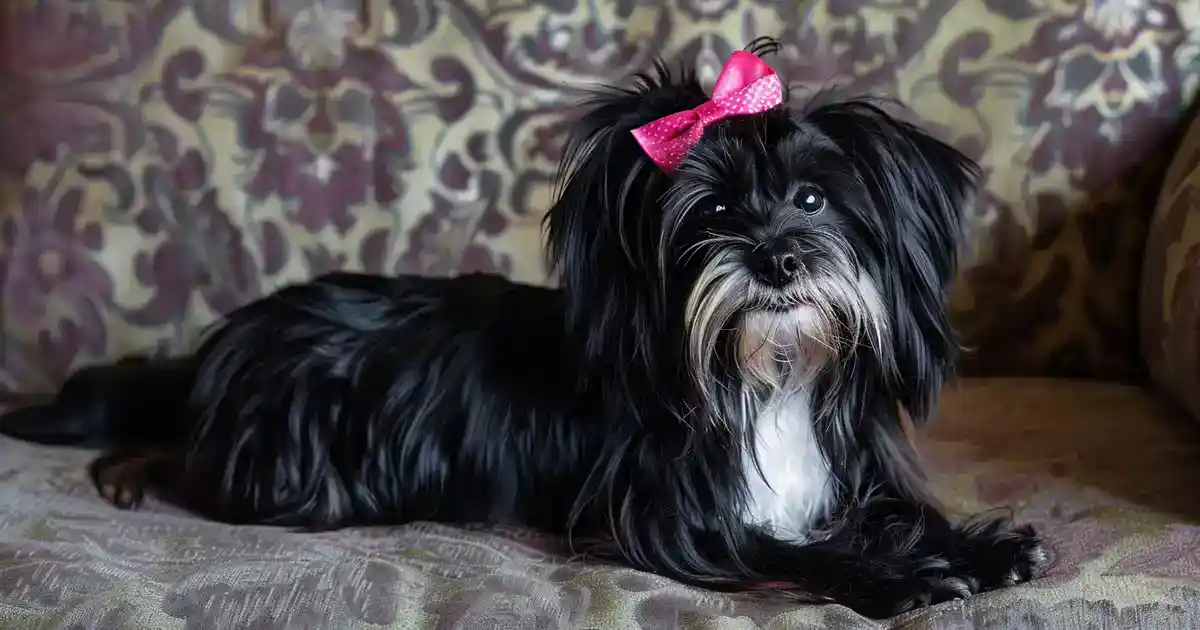
Have you ever admired those gorgeous Havanese dogs with their flowing, silky coats swaying gracefully as they walk and wondered how their owners possibly keep that hair tangle-free and beautiful? I’ll never forget the frustration I felt when my Havanese Luna’s coat went from soft puppy fluff to what seemed like an impossible tangle factory overnight at around 10 months old, and I realized I was completely unprepared for the dramatic coat change this breed experiences. Here’s the thing I discovered after that chaotic transition period and several emergency grooming appointments: maintaining a Havanese’s signature silky coat doesn’t require professional groomer skills or quitting your job to brush full-time, but it does demand understanding their unique single-layer coat texture and the critical puppy-to-adult coat transition that catches most owners completely off-guard. Now my fellow Havanese parents constantly ask how Luna’s coat stays silky and mat-free despite my full-time schedule, and my groomer (who thought she’d see us monthly forever for dematting) actually refers clients to me for maintenance advice since we’ve extended our appointments to every 8-10 weeks. Trust me, if you’re dreading the infamous coat change, battling constant tangles, or feeling overwhelmed by Havanese grooming demands, this approach will show you it’s more manageable than you ever expected.
Here’s the Thing About Havanese Coat Care
Here’s the magic: maintaining a Havanese’s beautiful coat isn’t about achieving show-ring perfection—it’s about understanding that their unique single-layer coat (lacking the typical undercoat most breeds have) creates hair that grows continuously like human hair, tangles easily, and goes through a dramatic texture change during adolescence that transforms maintenance requirements overnight. What makes this work is recognizing that unlike double-coated breeds, Havanese hair mats from the outside in rather than at the skin level, meaning early tangle intervention prevents the serious matting disasters that destroy months of coat growth.
I never knew coat maintenance could be this strategic until I stopped fighting against Luna’s single coat genetics and started working with her natural hair texture through proper products and techniques designed for silky, human-like hair. This combination of regular brushing with the right tools, strategic bathing, leave-in conditioners, and understanding coat phases creates amazing results. It’s honestly more doable than I ever expected—no grooming expertise needed, just knowledge of what makes Havanese coats different from other breeds and adapting your routine accordingly.
What You Need to Know – Let’s Break It Down
Understanding why Havanese coats require specialized care is absolutely crucial, so let me break this down from hard-won experience and conversations with breed experts. Their single-layer coat grows continuously at approximately 1-2 inches per month, eventually reaching floor length if never trimmed—this means you’re managing actively growing hair that never stops, unlike breeds with seasonal coat cycles.
Don’t skip learning about the puppy coat change (took me completely by surprise with Luna). Between 8-14 months, Havanese lose their soft puppy coat while adult coat grows in simultaneously, creating a temporary period where two different hair textures exist together. This transition phase produces the worst tangling and matting many owners ever experience, and it’s when most people give up on long coats and opt for puppy cuts.
I finally figured out that Havanese hair texture varies dramatically between individuals after talking with my breeder—some have silky, fine coats that tangle at the slightest provocation, while others have coarser, cottony coats that mat more slowly but more severely once tangles form. Understanding your specific dog’s texture determines which products and tools work best.
Daily maintenance works beautifully for preventing problems, but you’ll need realistic expectations about time commitment. I always recommend starting with understanding that show coats (floor-length, pristine) require 45-60 minutes daily, modified pet coats (shoulder-length) need 20-30 minutes every other day, and puppy cuts (1-2 inches) require just 10 minutes several times weekly plus professional grooming every 4-6 weeks.
If you’re looking to support your Havanese’s coat health from the inside through nutrition that promotes that silky texture you’re working to maintain externally, check out my guide to small breed nutrition for optimal coat condition for foundational techniques that fuel healthy skin and hair growth.
The Science and Psychology Behind Why This Works
Dive deeper into hair biology and you’ll discover that Havanese coat structure resembles human hair more than typical dog coats—their hair shafts have similar cuticle patterns, grow from individual follicles in continuous cycles, and respond to similar conditioning treatments. Research from veterinary dermatologists demonstrates that single-coated breeds benefit from products designed for human hair more than traditional dog grooming products formulated for double coats with different oil production patterns.
Traditional approaches often fail because owners use techniques designed for double-coated breeds, not understanding that Havanese hair tangles through friction and static rather than dead undercoat accumulation. What makes proper Havanese grooming different from a scientific perspective is that it addresses their specific tangle mechanism—preventing hair-to-hair friction through leave-in conditioners and protective styling rather than removing dead undercoat.
The mental aspect matters tremendously—I’ve learned that Havanese conditioned to enjoy grooming from puppyhood cooperate beautifully through the challenging coat change period, while those who experienced painful dematting develop fear responses that make all future grooming sessions battles. Studies confirm that positive conditioning creates neural pathways associating handling with pleasure, making lifelong maintenance feasible rather than requiring two people and sedation.
Here’s How to Actually Make This Happen
Start by choosing a realistic coat length based on your lifestyle—here’s where I used to mess up completely. I wanted Luna in full show coat because it’s gorgeous, not realizing I didn’t have the time or skill for 60-minute daily grooming sessions.
Step 1: Master the Layer-by-Layer Brushing Technique (Foundation Skill) Learn to brush in sections, working from the ends of the hair toward the body in layers. This step takes practice but prevents breakage and catches tangles early. Don’t be me—I brushed from skin to tip, yanking through tangles and breaking hair. Wrong. With silky coats, you work from tips inward, gently detangling as you go. Until you feel completely confident checking for hidden tangles, focus on high-friction areas: behind ears, under arms, chest, belly, rear legs, and tail.
Step 2: Survive the Puppy Coat Change (Critical Period) Now for the challenging reality: between 8-14 months, increase brushing frequency dramatically—daily minimum, sometimes twice daily during peak shedding. Here’s my secret—I used detangling spray liberally during this period and accepted that Luna looked slightly less perfect while two coat textures grew together. When you maintain vigilance during these few months, you’ll prevent the matting disasters that force complete shave-downs. Results can vary, but most Havanese emerge with beautiful adult coats if properly maintained through this transition.
Step 3: Implement the Proper Bathing and Conditioning Routine My mentor (a Havanese breeder for 15 years) taught me this trick: bathe every 1-2 weeks using quality dog shampoo and conditioner, then apply leave-in conditioner to damp coat. Every situation has its own requirements, but Havanese coats stay cleaner and tangle less when bathed regularly with proper products. This creates the silky, manageable texture you’ll actually sustain because clean, conditioned hair tangles exponentially less than dirty, dry hair.
Step 4: Use Leave-In Conditioner Religiously (Game-Changer) Don’t worry if you’re just starting out with coat products. Leave-in conditioning spray used before every brushing session reduces friction, prevents static, and makes detangling infinitely easier. Avoid brushing dry Havanese coat—it causes breakage and creates more tangles through static electricity.
Step 5: Establish Preventive Maintenance Schedule During normal adult coat phase: brush thoroughly every other day minimum. During coat change: brush daily without exception. Between baths: use detangling spray before brushing. Just like skincare routines adapt to skin changes, adapt grooming frequency to your Havanese’s current coat phase and tangle tendency.
Step 6: Consider Strategic Trimming or Coat Length Management Honestly assess whether you can maintain your desired length. Full coat requires expert dedication. Modified length (shoulder to mid-back) balances beauty with manageability. Puppy cut (1-2 inches all over) minimizes daily maintenance but requires professional grooming monthly. Use realistic assessment of your available time and skill level rather than aspirational goals that lead to matting and shave-downs.
Common Mistakes (And How I Made Them All)
Learn from my epic failures, because I made every Havanese grooming mistake imaginable. My biggest blunder was waiting too long between brushing sessions during Luna’s coat change, thinking I could maintain my previous schedule—within three days her coat had tangled into mats requiring 90 minutes of painful detangling that damaged our grooming relationship.
Don’t make my mistake of bathing matted coat, which tightens tangles into impossible knots. Experts recommend removing all tangles before bathing—wetting tangled Havanese hair creates felting that can’t be brushed out and requires cutting.
Another tactical error: I used a slicker brush designed for double coats, which caught and broke Luna’s fine hair rather than gliding through. The mindset mistake of thinking daily brushing means you’ll never see tangles is dangerous—Havanese hair can tangle between morning and evening brushing, especially during coat change or in humid weather.
I also underestimated the importance of coat products. I tried maintaining Luna’s coat with just water and brushing, not realizing that leave-in conditioner isn’t optional for this breed—it’s essential for preventing the friction-based tangles their silky hair develops. Finally, I initially used human detangling spray containing ingredients that built up on her coat, creating a sticky mess that attracted more dirt and tangles.
When Things Don’t Go as Planned
Feeling overwhelmed when you discover tangles turning into mats or realize you can’t maintain your Havanese’s current coat length? That’s completely normal, and it happens to most owners during coat change. You probably need more support than you think—schedule professional grooming for severe matting (never cut mats yourself close to skin), join Havanese grooming Facebook groups for technique advice, or honestly reassess whether a shorter coat better matches your lifestyle.
I’ve learned to handle grooming challenges by keeping supplies ready: quality detangling spray for daily use, a metal comb for tangle checking, and my groomer’s number for when I’ve let things deteriorate beyond my skill level. When coat condition declines (and it might during life disruptions or coat change), don’t panic—even moderate matting can be addressed through patient work or professional intervention.
If you’re losing steam on daily grooming because life gets chaotic, try the hybrid approach: professional grooming every 4-6 weeks in a shorter, more manageable style with maintenance brushing 2-3 times weekly at home. This is totally manageable when you choose realistic expectations rather than fighting to maintain a length your schedule doesn’t support.
I always prepare for the reality that some Havanese have extremely tangle-prone coats requiring more maintenance than breed averages suggest—fine, silky textures mat faster than coarser coats. Having realistic expectations about your specific dog’s coat genetics prevents frustration when your grooming needs exceed what other owners report.
Advanced Strategies for Next-Level Results
Taking Havanese grooming to the next level means incorporating show-quality techniques like wrapping the coat (sectioning into protective papers between groomings), using silk proteins and specialized conditioners that enhance shine, or learning precision scissoring for that perfect rounded Havanese silhouette. Advanced practitioners often implement specialized techniques like banding (using tiny latex bands to section coat and prevent tangling) or oil treatments for extreme coat conditioning.
I discovered that certain supplements—omega-3 fatty acids, biotin—can improve coat texture and reduce brittleness, making maintenance easier. When I want show-quality results for special occasions, I invest hours in meticulous blow-drying with a technique that creates volume at the roots while maintaining smooth length—the difference is remarkable but requires significant time commitment.
What separates experienced Havanese groomers from beginners is understanding how humidity affects their coat (high humidity creates tangles exponentially faster) and adjusting maintenance accordingly. For accelerated skill development, some owners take private grooming lessons from professional Havanese groomers who teach breed-specific techniques worth far more than generic grooming classes.
Ways to Make This Your Own
When I want comprehensive coat care during show preparation, I follow my “Full Coat Protocol” combining daily brushing with leave-in products, weekly deep conditioning treatments, protective wrapping, and meticulous maintenance. For special situations like summer humidity (tangle nightmare season), I’ll trim Luna slightly shorter to reduce maintenance burden while keeping recognizable Havanese length.
My busy-season version focuses on the non-negotiables: every-other-day brushing with detangling spray, weekly bathing, and monthly professional grooming, while my advanced approach includes show-quality techniques and full-length coat maintenance. Sometimes I add creative grooming elements like topknots with bows or colored banding, though that’s totally optional and really more for fun than function.
For next-level results, I love the “Breed Standard Protocol” that maintains the flowing coat seen in conformation shows through wrapping, daily grooming sessions, and professional finishing work. My budget-conscious variation includes basic quality tools ($100-150 investment), learning to bathe and blow-dry at home, and professional grooming every 8-10 weeks just for trimming and detailed work.
Each variation—whether you’re following the Low-Maintenance Puppy Cut approach or the Show Coat Perfectionist protocol—adapts to your available time, skill level, and aesthetic preferences while keeping your Havanese comfortable and tangle-free.
Why This Approach Actually Works
Unlike generic long-haired dog grooming advice that doesn’t account for Havanese single-coat structure, this specialized framework leverages proven principles specific to continuously growing, silky hair that most people learn only after catastrophic matting during coat change. The combination of proper tools, leave-in products, realistic coat length, and understanding coat phases addresses all aspects of Havanese coat maintenance simultaneously.
What sets this apart from treating them like any other long-coated breed is that it acknowledges their unique tangle mechanism—friction and static rather than dead undercoat accumulation. I discovered through Luna’s grooming journey that working with their hair type creates exponentially better results—the difference between a Havanese who maintains beautiful coat versus one who alternates between freshly groomed and severely matted.
Research on single-coated breeds shows that dogs receiving regular maintenance with appropriate products experience significantly better coat quality and fewer skin issues compared to those groomed with double-coat techniques. This evidence-based, sustainable, effective approach works because it treats Havanese hair like the human-like texture it actually is rather than forcing it into typical dog grooming paradigms.
Real Success Stories (And What They Teach Us)
My neighbor’s seven-year-old Havanese Milo maintains gorgeous shoulder-length coat through religious adherence to every-other-day brushing with leave-in conditioner. His success came from his owner’s commitment to never skipping grooming sessions and choosing a realistic length she could actually maintain given her schedule.
Another friend prevented the coat-change disaster that blindsided her with her first Havanese by preparing for her second Havanese’s transition—she increased grooming frequency preemptively at 8 months and maintained vigilance through the 4-month transition period, emerging with minimal drama. What made each person successful was different—Milo’s owner had the discipline for consistent maintenance, while the second owner had the wisdom learned from previous experience.
The most inspiring transformation involved a rescue Havanese named Bella who arrived completely matted requiring a complete shave-down to 1/4 inch all over. Through patient coat regrowth, proper maintenance from day one, and learning correct technique, Bella’s coat grew into a beautiful modified length within 14 months. Her adopter’s commitment to doing it right from the start made all the difference.
Their success aligns with research on grooming conditioning that shows consistent patterns—Havanese groomed positively and regularly from puppyhood develop cooperative attitudes making lifelong maintenance feasible, while those experiencing painful grooming develop fear requiring behavioral rehabilitation.
Tools and Resources That Actually Help
Pin Brush or Slicker Brush (Soft): I use a quality pin brush ($15-30) or very soft slicker specifically for silky coats. Hard slickers designed for double coats damage Havanese hair—you need gentler tools that glide rather than grip.
Metal Comb (Essential): A greyhound-style metal comb ($10-15) with both wide and narrow teeth checks your work—if it passes through to skin easily, you’ve brushed thoroughly. Catching on tangles indicates areas needing more attention.
Leave-In Conditioner/Detangling Spray: The single most important product ($15-25 per bottle)—I use The Stuff or Isle of Dogs detangler before every brushing session. This transforms maintenance from hair-breaking frustration to smooth gliding.
Quality Dog Shampoo and Conditioner: Products formulated for silky coats ($20-40 per bottle) maintain texture without buildup. I’ve tried cheap alternatives—they either strip coat creating dryness or leave residue attracting dirt.
Blow Dryer: A human dryer on cool/low or dedicated pet dryer ($50-200) enables proper drying that prevents the musty smell and tangles air-drying creates in long Havanese coats.
Educational Resources: Havanese breed club grooming guides and YouTube channels from professional Havanese groomers provide the best research and proven methodologies for breed-specific coat care techniques.
Questions People Always Ask Me
How often should I groom my Havanese to prevent matting?
Most people need every-other-day thorough brushing minimum for coats longer than 2 inches, daily during coat change period (8-14 months). I usually recommend new owners start with shorter coats requiring less intensive maintenance, then graduate to longer styles once skills develop. Professional grooming every 4-8 weeks handles bathing and trimming.
What if I can’t maintain a long coat on my Havanese?
Absolutely valid—choose a shorter puppy cut (1-2 inches) requiring professional grooming monthly plus minimal home brushing 2-3 times weekly. You can keep them comfortable and cute in short styles needing just 10 minutes of maintenance several times weekly. I know many Havanese owners who happily maintain puppy cuts year-round.
Is the puppy coat change really that difficult?
Yes, for most Havanese it’s genuinely the most challenging grooming period you’ll experience. Start preparing at 7-8 months by increasing brushing frequency and using leave-in products liberally. The 3-4 month transition requires maximum grooming effort, but once through it, adult coat is typically easier to maintain than the transitional mix of textures.
Can I use human hair products on my Havanese?
Some work well (human detangling spray, leave-in conditioner), while others should be avoided (shampoo has wrong pH for dog skin). Just use quality products formulated for dogs or confirmed safe by breed experts. Many Havanese groomers successfully use diluted human conditioners, but always research before trying.
What’s the most important grooming skill to master first?
Proper brushing technique using layer-by-layer method from ends toward body, hands down. If you only learn one skill, learn to brush without breaking hair while removing all tangles. Perfect brushing prevents 90% of grooming problems and makes everything else easier.
How do I stay motivated when daily grooming feels overwhelming?
I remind myself that 20 minutes of proper brushing every other day prevents the 4-hour emergency dematting sessions I experienced before establishing routines. Also, grooming becomes bonding time—I enjoy the quiet connection with Luna while watching TV. The routine becomes automatic within weeks.
What mistakes should I avoid when starting Havanese grooming?
Don’t attempt maintaining a coat length beyond your realistic time commitment—this creates matting requiring shave-downs. I always recommend new owners start with moderate length (mid-back to shoulders) and only attempt full coat after mastering technique on shorter length. Trying to maintain show coat immediately creates frustration and usually failure.
Should I shave my Havanese in summer for heat relief?
Havanese can be trimmed shorter for comfort, but complete shaving isn’t necessary—their single coat doesn’t trap heat like double coats. Just trim to a comfortable puppy cut (1-2 inches) that maintains some insulation while reducing bulk. Their coat actually provides some sun protection.
What if my Havanese hates being groomed?
That happens from previous painful experiences or poor conditioning. What matters is rebuilding trust through very short, positive sessions with high-value treats, addressing only small areas initially. Many Havanese who fight grooming can be reconditioned through patience and making sessions pleasant rather than battles.
How much does proper Havanese grooming cost over their lifetime?
Initial tool investment runs $100-200 for quality brushes, comb, dryer, and products. Professional grooming costs $50-80+ per session—multiply by 6-12 sessions yearly (depending on coat length) for 12-16 years. Lifetime grooming costs can reach $5,000-12,000. Home grooming reduces this dramatically, though time investment is substantial.
What’s the difference between grooming a Havanese versus other long-haired breeds?
Havanese have single-layer coats that tangle through friction rather than dead undercoat accumulation, require different products and techniques than double-coated breeds, and experience dramatic coat change that other breeds don’t. This systematic approach addresses their specific coat structure—silky, continuously growing, human-like hair requiring human-hair-style maintenance rather than typical dog grooming.
How do I know if I’m grooming my Havanese properly?
Your Havanese should have no tangles anywhere (metal comb glides through entire coat easily), silky texture that moves freely, clean skin when you part hair, and comfortable tolerance of grooming sessions. Most importantly, you should be maintaining your chosen coat length without progressive matting requiring increasingly drastic cuts.
Before You Get Started
I couldn’t resist sharing this because it proves that maintaining a beautiful Havanese coat doesn’t require surrendering to expensive professional grooming forever or accepting that your dog must live in a puppy cut despite your love of their flowing hair. The best grooming journeys happen when you choose realistic coat lengths matching your available time and commit to proper technique using appropriate products. Start with one fundamental change today—maybe investing in quality leave-in conditioner and learning layer-by-layer brushing, or honestly reassessing whether your current coat length matches your realistic maintenance capacity—and build momentum from there. Your Havanese’s comfort, coat health, and that silky beauty you fell in love with depend on the grooming foundation you establish now. Trust me, when you’re enjoying a beautifully maintained companion who doesn’t require monthly emergency dematting appointments while saving thousands in grooming costs over their lifetime, future you will be incredibly grateful you invested time in learning proper Havanese coat care from the start.




