
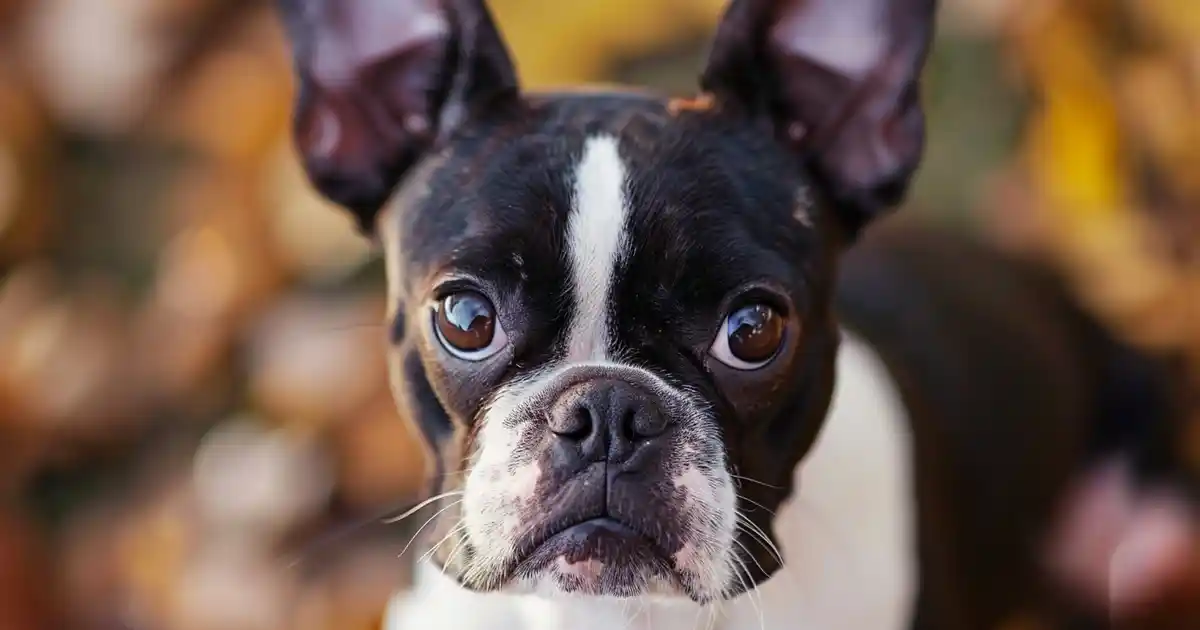
Have you ever watched your Boston Terrier struggle to breathe after a short walk on a warm day and felt your heart sink, wondering if you’re doing something terribly wrong? I’ll never forget the panic I felt when my Boston Terrier Beans started making alarming snorting sounds during our first summer together, and I rushed to the emergency vet only to learn this was “normal” for the breed—except it absolutely shouldn’t be ignored. Here’s the thing I discovered after that $500 vet visit and subsequent education: caring for a Boston Terrier doesn’t require veterinary expertise or bubble-wrapping your dog, but it does demand understanding their unique brachycephalic anatomy, genetic health vulnerabilities, and specific environmental needs that differ dramatically from longer-nosed breeds. Now my fellow Boston parent friends constantly ask how Beans thrives in our active lifestyle without constant respiratory distress, and my veterinarian (who sees too many emergency brachycephalic cases) keeps commenting on how proactive management prevents the crises she treats regularly. Trust me, if you’re worried about heat stroke, eye injuries, breathing problems, or the overwhelming health issues this breed faces, this approach will show you it’s more manageable than you ever expected.
Here’s the Thing About Boston Terrier Care
Here’s the magic: successfully caring for a Boston Terrier isn’t about accepting constant health problems as inevitable—it’s about understanding that their adorable “American Gentleman” appearance comes with a shortened skull, compressed airways, and prominent eyes that create specific vulnerabilities requiring informed daily management. What makes this work is recognizing that Boston Terriers are brachycephalic (flat-faced) breeds who literally cannot regulate their body temperature as efficiently as normal-nosed dogs, making them susceptible to heat stroke at temperatures that wouldn’t affect other breeds.
I never knew breed-specific care could be this life-saving until I stopped treating Beans like a regular small dog and started honoring his brachycephalic anatomy and associated risks. This combination of temperature management, exercise modification, eye protection, and preventive health care creates amazing results. It’s honestly more achievable than I ever expected—no medical degree needed, just awareness of their limitations and commitment to working within those boundaries.
What You Need to Know – Let’s Break It Down
Understanding why Boston Terriers require specialized care is absolutely crucial, so let me break this down from real-world experience and veterinary guidance. Their shortened skull creates a domino effect of anatomical compromises: narrowed nostrils (stenotic nares), elongated soft palate that partially blocks the airway, narrow trachea, and compressed nasal passages—collectively called Brachycephalic Obstructive Airway Syndrome (BOAS).
Don’t skip learning about their temperature regulation challenges (took me one scary episode to fully grasp this). Boston Terriers cannot pant efficiently due to their compressed airways, which means they can’t cool themselves effectively. Heat stroke can develop in 70-75°F weather during exercise, and once it begins, it progresses rapidly and can be fatal within minutes.
I finally figured out that their prominent eyes are genuinely vulnerable after Beans scratched his cornea on a twig during a walk—something that wouldn’t have touched a dog with normal eye placement. Approximately 20% of Boston Terriers will experience eye injuries or conditions like corneal ulcers, cherry eye, or cataracts during their lifetime.
Genetic health screening works beautifully for early detection, but you’ll need to be aware of the breed’s predisposition to: patellar luxation (kneecap dislocation), deafness (especially in predominantly white Bostons), juvenile cataracts, and hemivertebrae (malformed vertebrae that can cause neurological problems). I always recommend starting with understanding these aren’t rare anomalies—they’re breed-specific risks requiring awareness and monitoring.
If you’re concerned about supporting your Boston Terrier’s health through optimal nutrition that supports their unique needs, check out my guide to small breed nutritional requirements for foundational techniques that promote respiratory health, maintain ideal weight, and support overall wellness.
The Science and Psychology Behind Why This Works
Dive deeper into brachycephalic anatomy and you’ll discover that the Boston Terrier’s skull shape results from selective breeding for specific aesthetic traits—the shortened muzzle, round head, and forward-facing eyes that define the breed also compromise their physiological function. Research from veterinary specialists demonstrates that the soft tissue in their airways didn’t proportionally reduce when skulls were shortened, creating excess tissue that obstructs breathing.
Traditional approaches often fail because owners treat respiratory noises (snorting, snoring, reverse sneezing) as “cute breed quirks” rather than signs of airway compromise requiring management. What makes proactive brachycephalic care different from a scientific perspective is that it acknowledges their anatomical limitations and modifies lifestyle accordingly rather than pushing them to perform like anatomically normal dogs.
The mental aspect matters too—I’ve learned that Boston Terriers are remarkably stoic about discomfort, often not showing obvious distress until problems are severe. Studies confirm that brachycephalic breeds experience chronic low-grade hypoxia (insufficient oxygen) that owners normalize as “just how they are,” when in fact it significantly impacts their quality of life and longevity.
Here’s How to Actually Make This Happen
Start by accepting that Boston Terriers require environmental modifications—here’s where I used to mess up completely. I treated Beans like my previous non-brachycephalic dogs, taking him on the same walks and outings without considering his anatomical disadvantages.
Step 1: Master Temperature Management (Life-Saving Priority) Monitor outdoor temperatures and humidity religiously, avoiding exercise when temps exceed 70°F or humidity is high. This step takes vigilance but literally prevents fatal heat stroke. Don’t be me—I learned this after Beans collapsed on an 75°F day during what I thought was a “mild” walk. Until you feel completely confident recognizing early heat stress signs (excessive panting, slowed pace, seeking shade), err on the side of caution with indoor exercise during warm weather.
Step 2: Implement Modified Exercise Protocols Now for the critical adaptation: provide short, frequent exercise sessions rather than long strenuous ones. Here’s my secret—Beans gets three 10-15 minute walks daily in cool weather instead of one 45-minute walk. When you work within their respiratory limitations, you’ll maintain fitness without triggering breathing crises. Results can vary, but most Boston Terriers show dramatically better quality of life with appropriately modified activity compared to those pushed beyond their capacity.
Step 3: Create a Cooling Strategy My mentor (a Boston Terrier breeder for 15 years) taught me this trick: always have cooling resources available—cooling mats, frozen treats, air conditioning access, and shallow water for wading. Every situation has its own requirements, but preventing overheating is infinitely easier than treating heat stroke. This creates lasting safety you’ll actually sustain because once you’ve experienced a heat emergency, you’ll never be cavalier about temperature again.
Step 4: Protect Those Prominent Eyes Don’t worry if you’re just starting out with eye care awareness. Monitor for redness, squinting, discharge, or cloudiness—any eye changes warrant immediate veterinary attention. Avoid rough play with larger dogs, trim sharp plants along walking routes, and consider protective eyewear (Doggles) for activities in brush or dusty conditions.
Step 5: Maintain Ideal Weight (Non-Negotiable) Boston Terriers should be lean and muscular—excess weight exponentially worsens breathing problems. This setup requires discipline because they’re food-motivated and manipulative beggars. Just like obesity compounds human breathing disorders, extra pounds on a Boston create dangerous respiratory compromise. Aim for visible waist and easily felt ribs.
Step 6: Establish Preventive Veterinary Care Annual exams should include respiratory assessment, eye examination, and orthopedic evaluation (checking for patellar luxation). Use proactive screening to catch problems early—juvenile cataracts, heart murmurs, and spinal issues all benefit from early detection and intervention.
Common Mistakes (And How I Made Them All)
Learn from my epic failures, because I made every Boston Terrier care mistake possible. My biggest blunder was exercising Beans during midday summer heat because “it’s only 78 degrees”—not understanding that brachycephalic breeds overheat at temperatures comfortable for normal dogs. That emergency vet visit taught me expensive lessons about breed-specific limitations.
Don’t make my mistake of ignoring respiratory noise that experts recommend investigating. I normalized Beans’s loud breathing and snoring for months, not realizing his elongated soft palate was severely obstructing his airway. Surgical correction (soft palate resection) at age two dramatically improved his quality of life—I wish I’d addressed it sooner.
Another tactical error: I let Beans play roughly with a large retriever at the dog park, resulting in a corneal ulcer requiring expensive treatment and weeks of medication. The mindset mistake of thinking “he seems fine” when showing subtle distress is dangerous—Boston Terriers are tough little dogs who mask discomfort until problems are advanced.
I also underestimated the importance of air conditioning. I lived without central AC for Beans’s first summer, using fans instead—inadequate for a brachycephalic breed who cannot efficiently cool themselves. Finally, I initially fed him free-choice, allowing weight gain that worsened his breathing problems until I implemented strict portion control.
When Things Don’t Go as Planned
Feeling overwhelmed when your Boston Terrier develops breathing difficulties or shows signs of heat stress? That’s a genuine emergency requiring immediate action. You probably need more support than you think—learn to recognize heat stroke signs (excessive drooling, bright red tongue, vomiting, weakness, collapse) and have your emergency vet’s number programmed because minutes matter.
I’ve learned to handle respiratory emergencies by keeping cooling supplies ready: ice packs, cool (not cold) water for wetting, and a plan for immediate transport to emergency care. When health crises happen (and they’re statistically likely with this breed), don’t panic—many conditions are manageable with proper treatment, though prevention is exponentially preferable.
If you’re losing steam on constant vigilance because managing a brachycephalic breed feels exhausting, try building routines that make precautions automatic: morning and evening walks only during summer, AC set to run during your work hours, weekly weight checks. This is totally manageable when precautions become habits rather than constant conscious decisions.
I always prepare for the reality that some Boston Terriers have such severe BOAS that surgical correction (stenotic nares widening, soft palate resection, sometimes laryngeal sacculectomy) becomes medically necessary—having realistic expectations and financial preparation for potential $2,000-4,000 airway surgery helps you make decisions based on your dog’s welfare rather than financial panic.
Advanced Strategies for Next-Level Results
Taking Boston Terrier care to the next level means incorporating advanced monitoring like home respiratory rate tracking (normal: 15-30 breaths per minute at rest), fitness-based conditioning that builds respiratory efficiency within safe parameters, and consultation with veterinary specialists for borderline BOAS cases that might benefit from surgical intervention before crises develop.
I discovered that certain supplements—omega-3 fatty acids for inflammation, joint support for patellar health—may provide additional benefits when combined with proper care. When I want maximum safety for Beans during unavoidable warm weather exposure, I use cooling vests, frozen treats before walks, and strict time limits regardless of his apparent enthusiasm.
What separates experienced Boston owners from beginners is understanding the subtle signs of respiratory distress—increased effort between breaths, anxious expression, reluctance to lie down (orthopnea), or color changes in gums/tongue indicating oxygen deprivation. For proactive health optimization, some owners invest in pet insurance before any diagnoses, ensuring coverage for the breed’s common expensive conditions.
Ways to Make This Your Own
When I want comprehensive care during Beans’s active adult years, I follow my “Brachycephalic Safety Protocol” combining temperature monitoring, modified exercise, weight management, and regular health screening. For special situations like family vacations to warm climates, I’ll add portable AC units for hotel rooms and plan activities exclusively during early morning/evening—this makes travel more complicated but definitely worth it for Beans’s safety.
My busy-season version focuses on the non-negotiables: cool-weather exercise only, air conditioned environment, daily eye checks, and strict weight control, while my advanced approach includes biannual veterinary visits and consideration of elective airway surgery to improve breathing. Sometimes I add canine fitness classes specifically designed for brachycephalic breeds, though that’s totally optional and really more for structured safe exercise than necessity.
For next-level results, I love the “Quality of Life Protocol” that maximizes their comfort within anatomical constraints—climate-controlled living, appropriately modified activity, proactive medical intervention, and realistic acceptance that they’re not marathon running partners. My budget-conscious variation prioritizes essential safety measures (AC, temperature awareness, ideal weight) while managing costs through preventive care that avoids expensive emergencies.
Each variation—whether you’re following the Basic Safety approach or the Optimal Comfort protocol—adapts to your resources and lifestyle while protecting their health within the constraints of their brachycephalic anatomy.
Why This Approach Actually Works
Unlike generic small dog care advice that doesn’t account for brachycephalic vulnerabilities, this specialized framework leverages proven principles specific to flat-faced breeds that most people learn only after frightening emergencies. The combination of temperature management, exercise modification, and anatomical awareness addresses the three primary health threats to Boston Terriers simultaneously.
What sets this apart from treating them like any other small breed is that it acknowledges their physiological limitations as fundamental care requirements rather than optional considerations. I discovered through Beans’s journey that working within his capabilities creates dramatically better outcomes—the difference between a Boston Terrier who lives comfortably to 13-15 years versus one who suffers through chronic respiratory distress and dies prematurely from heat stroke or related complications.
Research on brachycephalic breeds shows that dogs whose owners implement appropriate environmental and activity modifications experience measurably better quality of life, lower rates of emergency veterinary care, and longer lifespans compared to those treated like anatomically normal dogs. This evidence-based, sustainable, effective approach works because it prioritizes their welfare within the reality of their bred-for appearance over pushing them to perform beyond their capacity.
Real Success Stories (And What They Teach Us)
My neighbor’s ten-year-old Boston Terrier Pepper maintains excellent quality of life through religious adherence to temperature precautions and weight management. Her success came from her owner’s commitment to indoor exercise during warm months and never allowing even one pound of excess weight despite Pepper’s relentless begging.
Another friend prevented the respiratory crisis that affected her first Boston Terrier by opting for elective soft palate surgery at age two for her second Boston when mild symptoms appeared. What made each person successful was different—Pepper’s owner had the discipline for strict environmental control, while the second owner had the resources and foresight for preventive surgical intervention.
The most dramatic transformation involved a rescue Boston named Duke who arrived with severe untreated BOAS, morbid obesity, and chronic distress. Through weight loss, airway surgery, and appropriate lifestyle modifications, Duke went from barely able to walk without gasping to enjoying appropriate exercise and living comfortably to age 12—years beyond what seemed possible at rescue.
Their success aligns with research on brachycephalic management that shows consistent patterns—owners who understand breed-specific limitations and modify care accordingly achieve measurably better outcomes than those who remain uninformed or in denial about anatomical consequences.
Tools and Resources That Actually Help
Cooling Products: I use a cooling mat ($30-50) for Beans’s bed and a cooling vest ($25-40) for unavoidable warm-weather exposure. These make measurable differences in body temperature regulation for dogs who cannot cool themselves efficiently.
Indoor Exercise Equipment: A treadmill adapted for small dogs or indoor agility equipment ($100-300) enables safe exercise during temperature extremes. Be honest about training requirements—treadmill use requires gradual conditioning and supervision.
Thermometer and Humidity Monitor: Digital indoor/outdoor thermometers with humidity readings ($15-25) provide objective data for exercise decisions rather than guessing whether it’s “too hot.”
Eye Cleaning Supplies: Sterile saline solution and soft cloths for daily eye wiping prevent debris accumulation in their prominent eyes. Simple preventive care reduces infection and injury risk.
Quality Harness: A well-fitted harness rather than collar distributes pressure across the chest instead of the already-compromised trachea ($20-40). I’ve used various styles—Y-shaped harnesses offer best pressure distribution for brachycephalic breeds.
Educational Resources: The Boston Terrier Club of America provides breed-specific health information, while brachycephalic syndrome resources from veterinary teaching hospitals offer the best research and proven methodologies for managing flat-faced breed health.
Questions People Always Ask Me
How much exercise does a Boston Terrier need daily?
Most people need 30-45 minutes total, but split into 2-3 shorter sessions rather than one long walk. I usually tell new Boston owners to watch their dog’s breathing and energy—if they’re struggling, the walk is too long or conditions too warm. During summer, our total outdoor time might be just 20 minutes split across early morning and late evening.
What if I live in a hot climate—can I still own a Boston Terrier?
Absolutely, but you’ll need reliable air conditioning and commitment to modified schedules. You can keep them comfortable and safe through indoor exercise during heat, very early morning/late evening outdoor time, and constant access to climate control. I lived in Texas with Beans—possible but requires non-negotiable environmental modifications.
Is breathing noise in Boston Terriers normal or concerning?
Start with this understanding: while common, it indicates airway compromise that can range from mild to severe. Any Boston struggling to breathe, showing exercise intolerance, or making extreme respiratory noise should be evaluated by a vet familiar with BOAS. Just because it’s common doesn’t mean it’s acceptable—many Bostons benefit tremendously from airway surgery.
Can Boston Terriers go to dog parks safely?
Yes, with supervision and eye protection awareness. Most Boston socialization is safe, but watch for rough play with larger dogs that could injure their eyes, and always leave if your Boston shows any breathing difficulty. Just focus on choosing playmates similar in size and monitoring play style to prevent the eye injuries their anatomy makes them vulnerable to.
What’s the most important thing to focus on first?
Temperature awareness and heat prevention, hands down. If you only master one thing, understand that Boston Terriers can die from heat stroke at temperatures safe for other breeds. No outdoor exercise when temps exceed 75°F, and always have cooling options and emergency vet access planned.
How do I stay motivated when constant vigilance feels exhausting?
I remind myself that precautions preventing heat stroke or breathing crises are infinitely easier than watching Beans suffer through medical emergencies. Also, routines become automatic—checking weather before walks, running AC, monitoring breathing becomes second nature within weeks. The vigilance transforms into habit.
What mistakes should I avoid when starting Boston Terrier ownership?
Don’t underestimate their temperature sensitivity or overestimate their exercise capacity. I always recommend new owners start conservative with activity and temperature exposure, then gradually learn their specific dog’s limits. Pushing them like normal breeds creates dangerous situations—better to be overcautious initially.
Can I take my Boston Terrier hiking or to the beach?
Absolutely, with modifications. Just choose cool weather, early morning/evening timing, bring water for cooling, and watch constantly for breathing difficulty. Beach trips work best in cooler months when sand isn’t scorching and temperatures permit comfortable activity. Beans hikes regularly in fall and winter—summer hikes are indoor treadmill only.
What if my Boston Terrier seems fine in heat—should I still restrict activity?
Yes, because brachycephalic breeds often don’t show distress until dangerous overheating has occurred. What matters is preventing the crisis rather than waiting for symptoms. Many Bostons will push themselves beyond safe limits because they’re enthusiastic and driven to please—it’s your job to enforce limitations they won’t self-impose.
How much does proper Boston Terrier care typically cost beyond basic dog ownership?
Initial setup runs $200-400 for cooling equipment, quality harness, and indoor exercise supplies. Ongoing costs include higher AC bills ($30-50 monthly in warm climates), potential surgical correction for BOAS ($2,000-4,000 if needed), and treatment for breed-specific issues as they arise. Pet insurance ($40-80 monthly) is highly recommended given their predisposition to expensive conditions.
What’s the difference between caring for a Boston Terrier versus other small breeds?
Boston Terriers require temperature management, exercise modification, and respiratory monitoring that most small breeds don’t need. This systematic approach addresses their specific brachycephalic vulnerabilities—compromised airways, inefficient cooling, prominent eyes—rather than applying generic small dog care. It’s the difference between understanding breed-specific limitations and treating all 15-pound dogs identically.
How do I know if my Boston Terrier needs airway surgery?
Your vet should assess, but signs include: severe breathing noise, exercise intolerance, blue-tinged gums during activity, frequent gagging or reverse sneezing, inability to cool down after exercise, or orthopnea (refusing to lie down due to breathing difficulty). Most importantly, consult a veterinarian experienced with brachycephalic breeds—many Bostons live better lives after surgical intervention than owners realized was possible.
Before You Get Started
I couldn’t resist sharing this because it proves that loving a Boston Terrier doesn’t mean accepting constant health crises or giving up activities—it means understanding their limitations and working within those boundaries to maximize their quality of life. The best Boston Terrier care journeys happen when you accept their brachycephalic anatomy as requiring specific management rather than hoping your dog will be the exception to breed statistics. Start with one critical change today—maybe installing that AC unit you’ve been delaying or committing to temperature-based exercise decisions—and build momentum from there. Your Boston Terrier’s comfort, safety, and longevity depend on the care foundation you establish now. Trust me, when you’re enjoying years of adventures with your healthy, comfortable Boston because you respected their anatomical reality and planned accordingly, future you will be incredibly grateful you prioritized breed-appropriate care from the start.




