
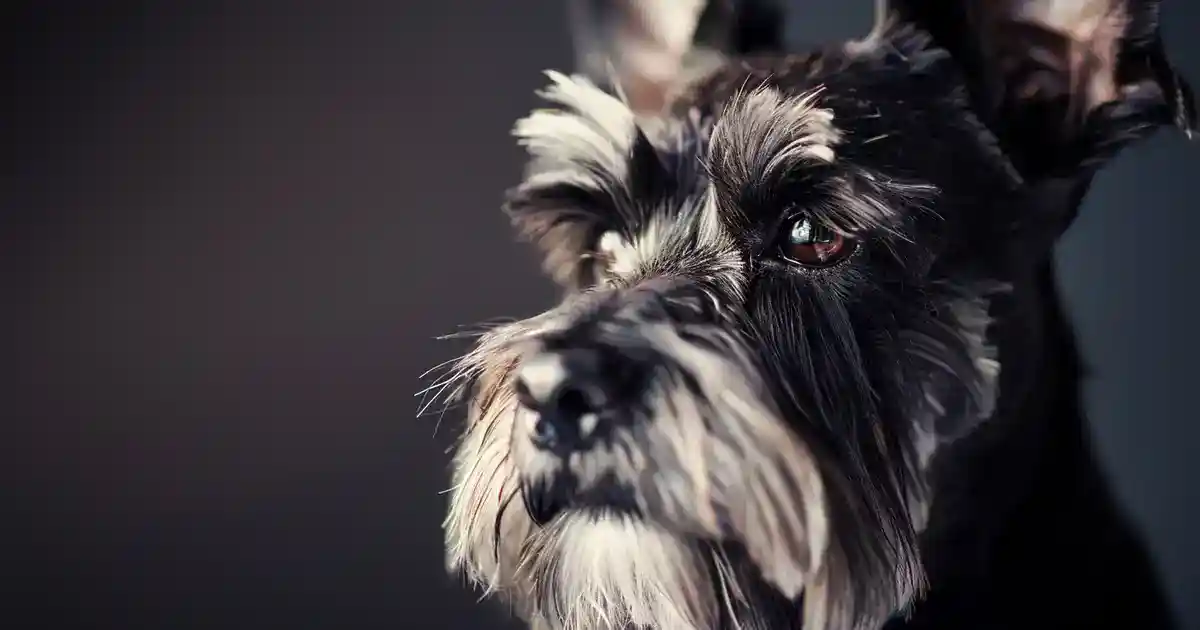
Have you ever looked at those perfectly groomed Miniature Schnauzers at the dog park—with their distinctive beards, bushy eyebrows, and crisp lines—and wondered how their owners afford professional grooming every six weeks? I’ll never forget the sticker shock when I picked up my Miniature Schnauzer Pepper from her first professional grooming appointment: $85 for something I’d need to repeat monthly for the next 12-15 years. Here’s the thing I discovered after that expensive wake-up call: mastering Miniature Schnauzer grooming at home doesn’t require professional training or thousands in equipment, just understanding their unique double coat and learning a few essential techniques. Now my fellow schnauzer parents constantly ask how Pepper always looks freshly groomed, and my groomer (who thought she’d lost a regular customer) actually refers clients to me for maintenance tips between appointments. Trust me, if you’re dreading the lifetime grooming costs or feeling intimidated by those intricate schnauzer cuts, this approach will show you it’s more achievable than you ever expected.
Here’s the Thing About Miniature Schnauzer Grooming
Here’s the magic: maintaining a Miniature Schnauzer’s signature look isn’t about replicating show dog perfection—it’s about understanding that their wiry double coat requires specific care that prevents matting, skin problems, and that “scruffy street dog” appearance many pet owners accidentally create. What makes this work is recognizing that schnauzers have a unique coat texture combining a soft undercoat with harsh outer guard hairs, which means they don’t shed traditionally but require regular grooming to remove dead hair and prevent painful mats.
I never knew coat maintenance could be this manageable until I stopped fighting against their terrier coat genetics and started working with their natural texture. This combination of regular brushing, strategic clipping or hand-stripping, and proper technique creates amazing results. It’s honestly more doable than I ever expected—no grooming school diploma needed, just consistent maintenance that keeps your schnauzer comfortable, healthy, and looking sharp.
What You Need to Know – Let’s Break It Down
Understanding why Miniature Schnauzers need specialized grooming is absolutely crucial, so let me break this down in practical terms. Their double coat doesn’t shed like most breeds—instead, dead hair stays trapped in the coat, creating mats if not removed through brushing or grooming. This isn’t just cosmetic; matted coats pull on skin, trap moisture, and create painful hot spots.
Don’t skip learning about the difference between clipping and hand-stripping (took me forever to understand this). Hand-stripping removes dead outer coat by hand, maintaining the harsh wiry texture and vibrant color that defines the breed. Clipping with electric clippers is faster and easier but softens coat texture over time and can fade color. Most pet owners clip; show dogs are hand-stripped.
I finally figured out that schnauzer grooming has specific terminology after talking with my first groomer. The “schnauzer cut” features short body hair (typically 1/2 to 1 inch), longer furnishings (leg hair), a distinctive beard and eyebrows, and a neatly trimmed head. Skirt length, ear shape, and body length vary based on owner preference, but the foundational elements remain consistent.
Ear care works beautifully for prevention, but you’ll need to be vigilant—schnauzers grow hair inside their ear canals that must be plucked regularly to prevent infections. I always recommend starting with an understanding of their grooming cycle because everyone sees better results when they establish consistent routines rather than emergency grooming sessions when mats become unmanageable.
If you’re concerned about maintaining your schnauzer’s overall health alongside grooming, check out my guide to small breed nutritional needs for foundational techniques that support healthy skin and coat from the inside out.
The Science and Psychology Behind Why This Works
Dive deeper into coat biology and you’ll discover that Miniature Schnauzer coat texture results from selective breeding for specific guard hair characteristics that protected working terriers from harsh weather and vermin bites. Research from veterinary dermatologists demonstrates that proper grooming maintains skin health by removing dead hair that otherwise traps oil, debris, and moisture against the skin, creating ideal conditions for bacterial and yeast infections.
Traditional approaches often fail because owners either over-groom (causing clipper burn and skin irritation) or under-groom (allowing mats that require painful removal). What makes regular maintenance different from a scientific perspective is that it works with the natural hair growth cycle—schnauzer coats grow continuously and need removal at predictable intervals to prevent problems.
The mental aspect matters too—I’ve learned that grooming sessions provide valuable bonding time and health check opportunities. Studies confirm that dogs groomed regularly from puppyhood tolerate handling better throughout life, making veterinary exams and medical care significantly easier. The confidence that comes from looking well-maintained also affects how people interact with your dog, which influences their socialization experiences.
Here’s How to Actually Make This Happen
Start by investing in proper tools—here’s where I used to mess up completely. I tried using human clippers and scissors from the drugstore, not realizing professional-grade equipment makes the difference between frustration and success.
Step 1: Establish a Brushing Routine (Non-Negotiable) Brush your schnauzer thoroughly 2-3 times weekly using a slicker brush and metal comb. This step takes 10-15 minutes but prevents the mats that make grooming sessions torturous. Don’t be me—I used to brush only before grooming appointments. Wrong. Regular brushing is THE foundation of schnauzer coat care. Until you feel completely confident checking for mats, focus on common problem areas: behind ears, under arms, belly, and rear leg furnishings.
Step 2: Master the Bath and Blow-Dry Process Now for the critical foundation: bathe every 4-6 weeks using dog-specific shampoo, then thoroughly blow-dry while brushing. Here’s my secret—never let a schnauzer air dry, as damp undercoat creates matting and skin issues. When you blow-dry while brushing in sections, you’ll straighten the coat and identify any mats requiring attention. Results can vary, but a properly dried schnauzer coat is infinitely easier to clip or strip.
Step 3: Learn Basic Clipping Technique My mentor (a professional groomer who took pity on me) taught me this trick: always clip with the grain (direction of hair growth) on the body, using a #7 or #5 blade for typical pet trims. Every situation has its own challenges—some schnauzers have sensitive skin—but the basic principle remains consistent. This creates the short body coat that defines the schnauzer silhouette. Practice on the back and sides before attempting delicate areas like the head and face.
Step 4: Perfect the Furnishings and Beard Don’t worry if you’re just starting out with scissor work. The leg furnishings and beard require thinning shears and straight shears to blend and shape. Comb the hair downward and trim to desired length, creating a cylindrical shape on legs. For the beard, comb forward and trim to preference—some owners like long dramatic beards, others prefer neat and tidy.
Step 5: Tackle the Head and Face The head requires precision—use a #10 blade or scissors to create a clean look on top of the head, leaving the distinctive bushy eyebrows. This setup takes practice but makes a tremendous difference in achieving that signature schnauzer expression. Just like a good haircut frames a face, proper head grooming showcases their alert, intelligent expression.
Step 6: Maintain Ears, Nails, and Teeth Pluck ear hair monthly using hemostats or fingers, trim nails every 2-3 weeks, and brush teeth several times weekly. Use the minimum grooming needed to maintain health, balancing thoroughness with your dog’s tolerance. These often-overlooked details separate well-maintained schnauzers from poorly groomed ones.
Common Mistakes (And How I Made Them All)
Learn from my epic failures, because I’ve definitely made every schnauzer grooming mistake possible. My biggest blunder was waiting too long between grooming sessions, allowing Pepper’s coat to mat so badly that I had to shave her down to the skin—ruining months of coat conditioning and leaving her embarrassingly naked.
Don’t make my mistake of ignoring mat prevention that experts recommend prioritizing. I focused on the visible outer coat while neglecting the undercoat, creating hidden mats at the skin level that caused painful hot spots. The clipper burn I gave Pepper by going over the same area repeatedly taught me that one pass with sharp blades beats multiple passes with dull ones.
Another tactical error: I bathed her before removing mats, which tightened them into impossible knots requiring professional intervention. The mindset mistake of thinking I could achieve show-quality results immediately is dangerous—grooming skills develop over months, and unrealistic expectations lead to frustration and giving up.
I also underestimated the importance of blade maintenance. Dull clipper blades pull hair instead of cutting cleanly, causing discomfort that makes dogs hate grooming. Finally, I attempted intricate head work before mastering basic body clipping—learn to walk before you run.
When Things Don’t Go as Planned
Feeling overwhelmed when you accidentally create an uneven haircut or nick your schnauzer’s skin? That’s completely normal, and it happens to everyone learning grooming. You probably need more support than you think—watch YouTube tutorials from professional groomers, join Miniature Schnauzer grooming groups on social media, or schedule one professional grooming session where you watch and ask questions.
I’ve learned to handle grooming mishaps by keeping supplies ready: styptic powder for minor nicks, detangling spray for unexpected mats discovered mid-groom, and my groomer’s number for when I’ve created a disaster beyond my skill level to fix. When mistakes happen (and they will), don’t panic—hair grows back, usually within 4-6 weeks.
If you’re losing steam on home grooming because it feels tedious and your results look amateur, try the hybrid approach: professional grooming every 8-12 weeks with maintenance trimming and brushing at home. This is totally manageable when you remember that even imperfect home grooming saves hundreds of dollars annually compared to monthly professional appointments.
I always prepare for the reality that some schnauzers hate grooming—Pepper tolerates it but doesn’t love it. Having high-value treats, patience, and willingness to break sessions into multiple shorter periods makes the process feasible rather than a wrestling match.
Advanced Strategies for Next-Level Results
Taking schnauzer grooming to the next level means learning hand-stripping technique for maintaining that harsh, wiry coat texture and vibrant color that clipping eventually diminishes. Advanced practitioners often implement specialized techniques like carding (removing undercoat with a stripping knife) and rolling the coat (continuously stripping small sections so the dog always looks groomed).
I discovered that chalk powder helps achieve better grip when hand-stripping, making it easier to grasp and remove dead hairs. When I want show-quality results for Pepper during special occasions, I invest hours in meticulous hand-stripping rather than quick clipping—the texture difference is remarkable but requires significant time commitment.
What separates experienced schnauzer groomers from beginners is understanding coat growth patterns and how to use different blade lengths to create dimension and proper silhouette. For accelerated skill development, some owners take one-on-one lessons from professional groomers who teach breed-specific techniques in personalized sessions worth far more than generic grooming classes.
Ways to Make This Your Own
When I want comprehensive grooming during show season (yes, I’ve dabbled in conformation), I follow my “Show Dog Protocol” combining hand-stripping, precise furnishing shaping, and meticulous finishing. For special situations like summer heat, I’ll clip Pepper shorter than usual—this makes maintenance easier but definitely changes her appearance temporarily.
My busy-season version focuses on the non-negotiables: brushing 3x weekly, bath and sanitary trim monthly, and nail maintenance, while my advanced approach includes hand-stripping the body and carefully sculpted furnishings. Sometimes I add creative grooming elements like colored bows or bandanas, though that’s totally optional and really more for fun than necessity.
For next-level results, I love the “Competitive Edge Protocol” that maintains show-quality coat year-round through rolling and never clipping. My budget-conscious variation includes basic clipping equipment ($150-200 investment) and professional grooming twice yearly for difficult areas, which works beautifully with different financial situations.
Each variation—whether you’re following the Minimal Maintenance approach or the Show Dog Perfectionist protocol—adapts to your available time, skill level, and aesthetic preferences while keeping your schnauzer comfortable and healthy.
Why This Approach Actually Works
Unlike generic dog grooming advice that applies one method across all breeds, this specialized framework leverages proven principles specific to wire-haired terrier coats that most people ignore until matting creates problems. The combination of regular brushing, systematic clipping or stripping, and proper bathing technique addresses all three aspects of schnauzer coat maintenance simultaneously.
What sets this apart from occasional professional grooming many owners rely on exclusively is that it treats coat care as ongoing maintenance rather than periodic crisis intervention. I discovered through Pepper’s grooming journey that consistent home care creates exponentially better coat quality—the difference between a schnauzer who always looks sharp versus one who alternates between freshly groomed and disheveled.
Research on dog coat biology shows that breeds with continuously growing hair experience significantly better skin health when groomed regularly compared to sporadic attention. This evidence-based, sustainable, effective approach works because it prevents the matting, skin infections, and discomfort that result from neglecting the unique needs of the schnauzer’s double coat.
Real Success Stories (And What They Teach Us)
My neighbor’s seven-year-old schnauzer Max went from matted mess requiring multiple shave-downs yearly to maintaining beautiful coat texture through consistent home grooming. His success came from his owner’s commitment to brushing every other day without exception and monthly clipping sessions that prevented mat formation.
Another friend saved over $800 annually by learning basic grooming for her two schnauzers, investing in quality equipment that paid for itself within three months. What made each person successful was different—Max’s owner had the discipline for religious brushing, while my friend had the patience for learning clipping technique through trial and error.
The most inspiring story comes from a local schnauzer rescue volunteer who rehabilitates severely matted dogs surrendered by overwhelmed owners. Through patient grooming and coat conditioning, dogs arrive looking like homeless street terriers and leave adoption-ready with beautiful coats. Their success aligns with research on grooming and welfare that shows consistent patterns—dogs receiving regular grooming live more comfortably and develop fewer skin problems than neglected dogs.
Tools and Resources That Actually Help
Quality Clippers: I use the Andis Excel 5-Speed clippers ($180) because they provide enough power for schnauzer coat without overheating during longer sessions. Cheaper clippers struggle with dense double coats and die within months.
Essential Blades: A #10 blade for sanitary areas and close work, #7 or #5F for body work depending on desired length ($15-25 each). Be honest about maintenance—blades need professional sharpening every 3-4 full grooms for optimal performance.
Slicker Brush and Metal Comb: The Chris Christensen slicker brush ($30) and a quality metal comb ($12) are non-negotiable for mat prevention and coat preparation. I’ve tried cheaper options—they break or bend within weeks.
Grooming Table: A folding grooming table with arm ($80-150) transforms grooming from back-breaking to manageable. The elevated secure surface makes detailed work exponentially easier.
Thinning Shears and Straight Shears: Quality scissors ($40-80 for the pair) make blending and finishing achievable for amateurs. Blunt scissors create choppy, obvious cuts.
Educational Resources: Miniature Schnauzer grooming DVDs and YouTube channels from breed specialists provide visual learning superior to written instructions. The best techniques and proven methodologies come from professional groomers who specialize in terrier breeds and understand wire coat maintenance.
Questions People Always Ask Me
How long does it take to groom a Miniature Schnauzer at home?
Most people need 2-3 hours for a complete grooming session when starting out, though this drops to 90 minutes with experience. I usually recommend new groomers break their first attempts into multiple sessions—body one day, head and legs another—to prevent exhaustion and mistakes from rushing.
What if I don’t have space for grooming equipment right now?
Absolutely valid concern—start with the essentials: slicker brush, metal comb, and nail clippers ($40 total investment). You can maintain coat health through brushing alone while saving for clippers. I lived with professional grooming every 10-12 weeks supplemented by home brushing for six months before investing in equipment.
Is home grooming suitable for schnauzer puppies?
Start immediately, even at 8-10 weeks old. Your puppy’s coat won’t need full grooming yet, but building tolerance through gentle brushing and mock grooming sessions makes adult grooming exponentially easier. The habits you establish in puppyhood determine whether you have a cooperative adult or a dog who fights every grooming session.
Can I adapt this method if my schnauzer already hates grooming?
Yes, but rebuild trust gradually through counter-conditioning—pair grooming tools with treats, work in very short sessions (even 30 seconds initially), and never force cooperation through restraint. Most grooming aversion stems from previous painful experiences like mat removal or clipper burn. Just focus on making grooming pleasant again, even if progress takes months.
What’s the most important thing to focus on first?
Brushing, hands down. If you only do one thing, brush thoroughly and consistently. Brushing prevents the mats that make all other grooming difficult or impossible. A well-brushed schnauzer with an imperfect haircut looks better than a professionally clipped but matted dog.
How do I stay motivated when grooming feels like too much work?
I remind myself that 90 minutes monthly saves $1,000+ annually in professional grooming costs—that’s a vacation fund or emergency vet savings. Also, grooming becomes faster and easier with practice. My first session took four hours; now I complete full grooms in under 90 minutes while achieving better results.
What mistakes should I avoid when starting home grooming?
Don’t attempt a complete makeover your first session—start with body clipping and have a professional do the intricate head work until you’ve developed skills. I always recommend buying quality equipment from the start; cheap tools make learning unnecessarily difficult and frustrating.
Can I combine professional and home grooming?
Absolutely—this hybrid approach works beautifully. Many owners have professionals groom every 8-12 weeks while maintaining the cut at home with touch-ups and brushing. Just communicate with your groomer so they understand you’re learning and can provide tips specific to your dog’s coat.
What if I’ve tried home grooming before and the results looked terrible?
That happens because grooming skills develop over time—nobody’s first attempt looks professional. What matters is that each session improves. Watch tutorials, join online grooming communities for feedback, and remember that even uneven haircuts are temporary. Pepper looked ridiculous after my first attempts, but her coat grew back and I improved.
How much does implementing this approach typically cost?
Initial investment runs $300-500 for quality clippers, blades, scissors, brushes, grooming table, and supplies. This pays for itself within 4-6 professional grooming appointments. Ongoing costs include blade sharpening ($15-20 every few months) and replacement products, maybe $50-100 annually. Compare that to $85+ monthly professional grooming ($1,000+ yearly), and home grooming saves substantially.
What’s the difference between this and just keeping my schnauzer’s coat short?
Short all-over cuts are easier to maintain but eliminate the distinctive schnauzer appearance—the furnishings, beard, and eyebrows that define the breed. This systematic approach maintains breed characteristics while managing coat health. It’s the difference between a generic terrier look and a recognizable schnauzer silhouette.
How do I know if I’m grooming properly?
Your schnauzer should have no mats, clean skin visible when you part the coat, comfortable movement without hair restricting joints, and the basic schnauzer silhouette even if details aren’t perfect. Most importantly, they should tolerate grooming calmly. If your dog dreads grooming sessions, reassess your technique and patience levels.
Before You Get Started
I couldn’t resist sharing this because it proves that maintaining a Miniature Schnauzer’s signature look doesn’t require surrendering to expensive professional grooming for their entire 12-15 year lifespan. The best grooming journeys happen when you accept that learning takes time and imperfect attempts are part of developing skills. Start with one manageable change today—maybe committing to brushing three times weekly or watching a grooming tutorial—and build momentum from there. Your schnauzer’s comfort, coat health, and your financial savings depend on the grooming foundation you establish now. Trust me, when you’re admiring your beautifully groomed schnauzer while calculating the thousands you’ve saved over the years, future you will be incredibly grateful you invested time in learning this essential skill.




