
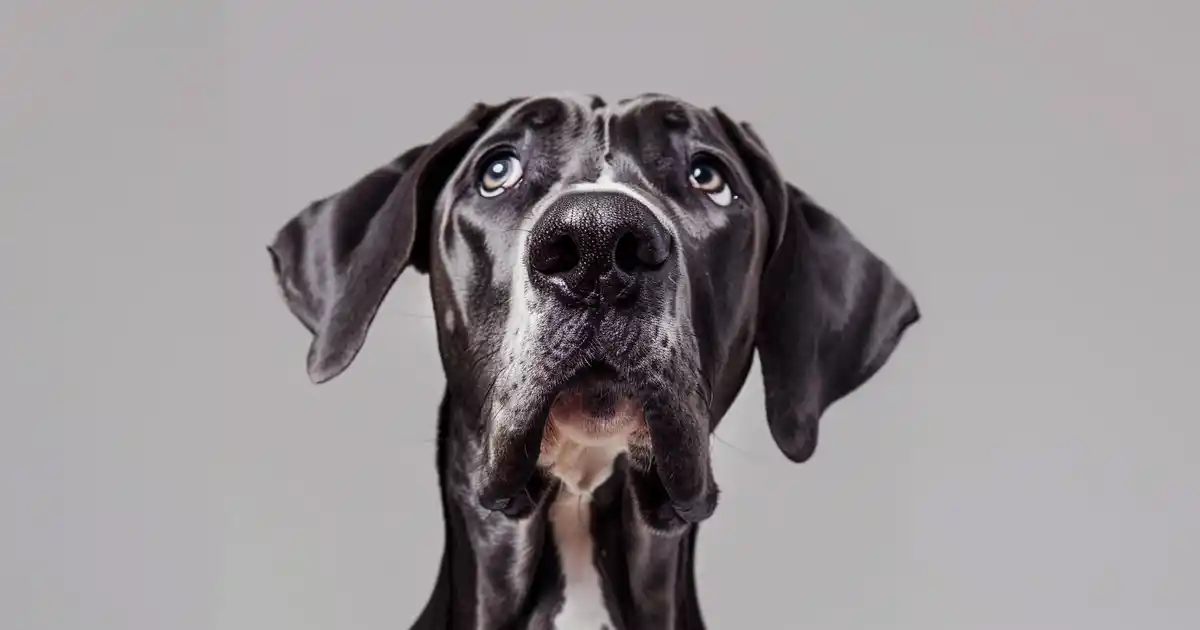
Have you ever watched a Great Dane puppy grow from a manageable 20 pounds to a towering 150-pound gentle giant in just 18 months and wondered if you’re doing everything right? I’ll never forget the panic I felt when my Great Dane Zeus turned one year old and the vet mentioned bloat risk, hip dysplasia screening, and the dozen other health concerns I hadn’t fully prepared for. Here’s the thing I discovered after that overwhelming appointment: caring for a Great Dane doesn’t require a veterinary degree or unlimited funds, but it does demand understanding their unique needs from day one. Now my fellow Great Dane parents constantly ask how Zeus made it to age seven with excellent health on a reasonable budget, and my vet (who sees too many preventable problems in giant breeds) keeps using him as an example of what proper care looks like. Trust me, if you’re feeling intimidated by the responsibility of caring for one of the world’s largest dog breeds, this approach will show you it’s more manageable than you ever expected.
Here’s the Thing About Great Dane Care
Here’s the magic: successfully caring for a Great Dane isn’t about doing everything perfectly—it’s about understanding that their massive size creates specific vulnerabilities that respond incredibly well to informed, proactive management. What makes this work is recognizing that giant breed dogs age differently, eat differently, and face health challenges that smaller dogs simply don’t encounter. I never knew breed-specific care could be this transformative until I stopped treating Zeus like a regular dog and started honoring his giant breed physiology. This combination of proper nutrition, preventive health care, and environmental adaptations creates amazing results. It’s honestly more achievable than I ever expected—no trust fund needed, just smart decisions that extend their tragically short lifespans and maximize their quality of life.
What You Need to Know – Let’s Break It Down
Understanding why Great Danes require specialized care is absolutely crucial, so let me break this down without sugar-coating anything. These magnificent dogs typically live only 7-10 years compared to 12-15+ for smaller breeds, and their size creates mechanical stress on every body system from joints to heart to digestive tract.
Don’t skip learning about their growth phases (took me forever to realize this). Great Dane puppies experience the most rapid growth of any breed, gaining 100+ pounds in their first year. This explosive growth makes proper nutrition during puppyhood literally life-or-death important for skeletal development. Feed them wrong, and you’re setting up orthopedic disasters that will haunt them for their shortened lives.
I finally figured out that bloat (gastric dilatation-volvulus) is the number one emergency killer of Great Danes after talking with an emergency vet who’d lost too many. Approximately 40% of Great Danes will experience bloat during their lifetime without preventive measures, and it’s fatal within hours if untreated. Yes, this is as terrifying as it sounds, but manageable with awareness.
Health screening works beautifully for early detection, but you’ll need to be proactive about hip dysplasia, dilated cardiomyopathy (DCM), and thyroid issues. I always recommend starting with an understanding of their specific health vulnerabilities because everyone sees better outcomes when they can catch problems early instead of managing crises.
If you’re concerned about providing optimal nutrition for your gentle giant, check out my guide to large breed nutritional requirements for foundational techniques that support healthy growth and longevity in giant breeds.
The Science and Psychology Behind Why This Works
Dive deeper into giant breed biology and you’ll discover that Great Danes face unique challenges related to their disproportionate size-to-lifespan ratio. Research from veterinary geneticists demonstrates that rapid growth rates create increased oxidative stress and cellular aging, which partially explains their shortened lifespans compared to smaller breeds.
Traditional approaches often fail because owners apply standard dog care protocols to a breed that’s anything but standard. What makes giant breed-specific care different from a scientific perspective is that it addresses their accelerated aging, unique nutritional requirements during growth, and biomechanical stress from carrying 150+ pounds on a skeletal frame.
The mental aspect matters too—I’ve learned that despite their imposing size, Great Danes are sensitive souls who thrive on companionship and struggle with isolation. Studies confirm that giant breeds experience separation anxiety at higher rates than medium breeds, and that their emotional wellbeing directly impacts physical health. The stress of feeling abandoned or neglected can literally compromise their immune function and contribute to the heart problems they’re already genetically predisposed to developing.
Here’s How to Actually Make This Happen
Start by accepting that Great Dane care requires more planning than smaller breeds—here’s where I used to mess up completely. I treated Zeus like any other puppy for his first few months, not realizing I was potentially compromising his skeletal development with inappropriate food.
Step 1: Establish Proper Nutrition from Day One Feed a large breed puppy formula (never adult dog food or all-life-stages) with controlled calcium and phosphorus ratios. This step takes research but creates lasting skeletal health. Don’t be me—I used to think more food meant better growth. Wrong. Rapid growth from overfeeding causes orthopedic disasters. Until you feel completely confident in portion control, measure every meal and follow feeding guidelines strictly based on expected adult weight, not current weight.
Step 2: Implement Bloat Prevention Protocols Now for the life-saving part: feed 2-3 smaller meals daily instead of one large meal, use elevated feeders (controversial but I follow my vet’s recommendation), and absolutely no vigorous exercise for one hour before and two hours after eating. Here’s my secret—I have Zeus sit calmly for 10 minutes after meals before any activity. When you establish this routine, you’ll dramatically reduce bloat risk. Results can vary, but preventive gastropexy surgery (stomach tacking during spay/neuter) reduces bloat mortality by 95%.
Step 3: Create a Joint-Friendly Environment My mentor (a Great Dane breeder for 30 years) taught me this trick: provide orthopedic bedding everywhere your Dane rests, avoid slippery floors that stress joints, and use ramps for vehicle access. Every situation has its own challenges—some homes have multiple stories—but protecting joints from unnecessary stress is non-negotiable. This creates lasting mobility you’ll actually sustain because prevention is exponentially easier than managing arthritis in a 150-pound dog.
Step 4: Establish Preventive Veterinary Care Don’t worry if you’re just starting out with giant breed health protocols. Schedule cardiac screening annually starting at age three (earlier if family history suggests DCM), hip and elbow X-rays at two years, and thyroid panels regularly. Avoid waiting for symptoms—early detection of dilated cardiomyopathy can add years through medication management.
Step 5: Provide Appropriate Exercise Moderate daily exercise is perfect—30-60 minutes of walking on soft surfaces. This setup takes consistency but makes a tremendous difference in maintaining healthy weight without joint damage. Just like humans need exercise without overdoing it, Great Danes need enough activity to stay fit without the high-impact stress their joints can’t handle. Avoid jogging on pavement until skeletal maturity at 18-24 months.
Step 6: Budget for Their Unique Costs Plan financially for reality: higher food costs ($100-150 monthly), expensive medications (dosed by weight), larger equipment, and potentially catastrophic emergency costs. Use the minimum planning needed to avoid financial crisis when they need $5,000 bloat surgery or $3,000 for cardiac medication management annually.
Common Mistakes (And How I Made Them All)
Learn from my epic failures, because I’ve definitely earned credentials in Great Dane care mistakes. My biggest blunder was allowing Zeus to jump on and off furniture during his first year, not realizing I was creating microfractures in growth plates that could compromise his skeletal development permanently.
Don’t make my mistake of ignoring early signs of health problems that experts recommend addressing immediately. I dismissed Zeus’s occasional cough at age four as no big deal, delaying the cardiac workup that diagnosed early-stage DCM. Six months of progression could have been prevented with earlier intervention.
Another tactical error: I fed him once daily for the first year because it seemed convenient, not understanding I was maximizing bloat risk with large single meals. The mindset mistake of assuming their puppy clumsiness was cute rather than concerning is dangerous—Great Dane puppies who seem uncoordinated may be showing early signs of developmental orthopedic disease requiring intervention.
I also underestimated how quickly they reach senior status. At age five, Zeus was technically a senior dog requiring different nutrition and more frequent health monitoring. Finally, I initially used a collar for walks instead of a harness—the pulling force of 150 pounds on a neck creates tracheal damage and puts unnecessary stress on their cervical spine.
When Things Don’t Go as Planned
Feeling overwhelmed when your Great Dane develops health problems? That’s completely normal, and it happens because giant breeds are genetically predisposed to numerous serious conditions. You probably need more support than you think—immediately contact your vet if you notice labored breathing, exercise intolerance, unproductive retching (bloat emergency), sudden lameness, or personality changes.
I’ve learned to handle potential emergencies by keeping preparation ready: emergency vet contacts programmed in my phone, credit available for sudden $3,000-8,000 procedures, and symptoms lists posted on my refrigerator so anyone caring for Zeus knows what constitutes an emergency.
When health crises happen (and statistically with Great Danes, they likely will), don’t panic—many conditions are manageable with proper treatment. If you’re losing steam on preventive care because it feels expensive and time-consuming, try focusing on the big three: proper nutrition, bloat prevention, and cardiac screening. This is totally manageable when you remember that prevention costs less than emergency treatment.
I always prepare for the emotional reality that Great Danes have heartbreakingly short lifespans—having realistic expectations helps you treasure every day while maintaining the care quality that maximizes their time with you.
Advanced Strategies for Next-Level Results
Taking Great Dane care to the next level means incorporating advanced health monitoring like home Holter monitoring for cardiac rhythm assessment and genetic testing for breed-specific mutations. Advanced practitioners often implement specialized techniques like taurine and L-carnitine supplementation for cardiac support, even before DCM diagnosis.
I discovered that relationship building with a veterinary cardiologist and orthopedic specialist provides invaluable resources when problems arise. When I want maximum health protection for Zeus during his senior years, I schedule comprehensive senior panels every six months instead of annually—earlier problem detection means more treatment options.
What separates experienced Great Dane owners from beginners is understanding the subtle difference between normal giant breed aging and pathological conditions requiring intervention. For accelerated health optimization, some owners invest in underwater treadmill therapy to maintain fitness while minimizing joint stress—the buoyancy reduces weight-bearing by 60% while providing excellent cardiovascular conditioning.
Ways to Make This Your Own
When I want comprehensive care during Zeus’s middle-age years, I follow my “Gentle Giant Protocol” that combines every preventive strategy simultaneously. For special situations like post-surgery recovery, I’ll add physical therapy exercises and extra joint supplements—this makes care more intensive but definitely worth it for his quality of life.
My busy-season version focuses on the non-negotiables: proper feeding schedule, bloat awareness, and daily joint supplements, while my advanced approach includes quarterly cardiac checks and monthly body condition assessments. Sometimes I add swimming sessions for low-impact exercise, though that’s totally optional and really more for dogs who enjoy water.
For next-level results, I love the “Longevity Protocol” that maximizes their short lifespan—aggressive early health screening, premium nutrition throughout life, and proactive treatment of any emerging issues. My budget-conscious variation prioritizes the highest-impact interventions: gastropexy surgery during spay/neuter ($400 add-on that prevents $5,000+ bloat emergencies), generic joint supplements instead of prescription formulas, and preventive care over emergency treatment.
Each variation—whether you’re following the First-Time Giant Breed Owner approach or the Experienced Dane Parent protocol—adapts to your resources while protecting their health within the constraints of their genetic vulnerabilities.
Why This Approach Actually Works
Unlike generic large dog care advice that lumps all big breeds together, this specialized framework leverages proven principles specific to giant breed physiology that most people ignore until problems develop. The combination of controlled growth nutrition, bloat prevention, and early health screening addresses the three primary mortality risks for Great Danes simultaneously.
What sets this apart from standard dog care strategies many owners follow is that it treats Great Dane ownership as a specialized responsibility requiring breed-specific knowledge rather than applying one-size-fits-all approaches. I discovered through Zeus’s journey that proactive management creates dramatically different outcomes—the difference between a Great Dane living to seven with multiple health crises versus reaching ten years with maintained quality of life.
Research on giant breeds shows that dogs whose owners implement comprehensive preventive protocols experience significantly better health outcomes and measurably longer lifespans compared to dogs receiving generic care. This evidence-based, sustainable, effective approach works because it acknowledges that their size creates unique vulnerabilities that demand informed management from puppyhood through their senior years.
Real Success Stories (And What They Teach Us)
My neighbor’s nine-year-old Great Dane Bella defied breed expectations by remaining healthy and active into her senior years through religious adherence to cardiac monitoring and early DCM medication. Her success came from catching her heart condition at stage A (before symptoms) through annual screening, which allowed medication to slow progression dramatically.
Another friend prevented bloat complications in her Great Dane Duke by opting for preventive gastropexy during his neuter surgery—when he later experienced bloat at age five, the tacked stomach couldn’t twist, transforming a typically fatal emergency into a manageable vet visit for gas relief. What made each person successful was different—Bella’s owner had the diligence for strict health monitoring, while Duke’s mom had the foresight for preventive surgery.
The most inspiring story comes from a local Great Dane rescue that rehabilitated a neglected dog named Thor who arrived at age two with severe hip dysplasia from improper puppy nutrition. Through weight management, joint supplements, and eventual hip surgery, Thor lived comfortably to age eight—remarkable considering his compromised start. Their success aligns with research on giant breed management that shows consistent patterns—owners who understand breed-specific vulnerabilities and act proactively achieve measurably better outcomes.
Tools and Resources That Actually Help
Elevated Feeders: I use the Neater Feeder ($60-100) because it reduces neck strain and slows eating pace, though the bloat prevention benefit remains debated among vets. The height adjustment grows with your puppy.
Orthopedic Dog Beds: The Big Barker bed (around $300 for giant breed size) seems expensive until you realize proper joint support during rest directly impacts mobility and arthritis progression. I’ve tried cheaper options—they compress under 150 pounds within months.
Large Breed Puppy Food: Premium brands like Purina Pro Plan Giant Breed Puppy or Royal Canin Giant Puppy ($80-100 for 30-pound bags) provide controlled calcium ratios specifically formulated for safe growth rates. Be honest about following feeding guidelines—free-feeding giant breed puppies is genuinely dangerous.
Supplement Support: Glucosamine and chondroitin supplements ($30-50 monthly) provide joint support throughout life. I started Zeus on Cosequin at age two as prevention rather than waiting for arthritis symptoms.
Emergency Preparedness: Keep simethicone (Gas-X) on hand for minor bloat symptoms and your emergency vet’s number programmed—minutes matter in bloat emergencies.
Educational Resources: The Great Dane Club of America provides extensive breed-specific health information, while veterinary resources from universities offer the best research and proven methodologies on giant breed care protocols.
Questions People Always Ask Me
How long does it take to see results with proper Great Dane care?
Most people need to understand that proper care isn’t about seeing “results” but preventing problems. I usually tell new owners they’ll notice better body condition within weeks of correct feeding, but the real payoff shows up years later when health screening catches problems early or when your Dane remains mobile in their senior years while others struggle.
What if I don’t have budget for all the preventive care right now?
Absolutely valid concern—prioritize the highest-impact interventions first. Start with proper nutrition (non-negotiable for puppy skeletal development), bloat prevention habits (free except elevated feeder), and basic vet care. You can temporarily delay optional supplements or advanced screening until finances allow, but never skimp on puppy food quality or emergency vet access.
Is this care approach suitable for Great Dane puppies?
Start immediately from the day you bring your puppy home. Proper puppy care literally determines their skeletal health for life—there’s no second chance to get growth nutrition right. The habits you establish in puppyhood become your routine, making adult care feel natural rather than burdensome.
Can I adapt this method if my Great Dane already has health problems?
Yes, and you must focus on management rather than prevention now. Most of these strategies work beautifully for dogs with existing conditions—in fact, they become even more critical. Just coordinate with your vet to ensure any modifications align with their treatment protocols for diagnosed conditions.
What’s the most important thing to focus on first?
Bloat awareness and prevention, hands down. Bloat kills healthy Great Danes within hours and strikes without warning. If you can only master one thing, understand bloat symptoms (unproductive retching, distended abdomen, restlessness) and prevention strategies (multiple small meals, restricted post-meal activity).
How do I stay motivated when Great Dane care feels overwhelming?
I remind myself that every preventive measure potentially adds months or years to their tragically short lives. Also, proper care makes ownership more enjoyable—a healthy Great Dane is a joy, while managing preventable health crises is exhausting and heartbreaking. The daily effort becomes routine within weeks.
What mistakes should I avoid when starting Great Dane ownership?
Don’t treat them like giant versions of smaller breeds—their physiology demands different approaches. I always recommend new owners spend serious time researching breed-specific needs before bringing their puppy home. Trying to figure it out as you go usually means making mistakes during critical development windows you can’t redo.
Can I combine this with other dog care approaches I’m already using?
Absolutely—Great Dane-specific care integrates with general good dog ownership practices. Just ensure any training methods or activities account for their size and joint vulnerability. Coordinate exercise routines with their growth stage and avoid high-impact activities that work fine for smaller breeds.
What if I’ve tried good care before and my Great Dane still developed problems?
That happens because genetics load the gun—even perfect care can’t eliminate all risks in a breed predisposed to multiple serious conditions. What matters is that you’re reducing risks and likely minimizing severity. Many Great Dane health issues are genetic and would occur regardless, but proper care improves outcomes and treatment success rates.
How much does implementing this approach typically cost?
Initial investment runs $500-800 for quality puppy food (first year), elevated feeder, orthopedic bed, and preventive gastropexy during spay/neuter. Ongoing costs average $200-300 monthly for food, supplements, and routine vet care, with additional $500-1000 annually for recommended health screening. Emergency fund of $5,000-10,000 is wise for potential bloat surgery or other crisis interventions.
What’s the difference between this and standard large dog care?
Standard large dog advice doesn’t account for the extreme size and specific vulnerabilities of giant breeds. This systematic approach addresses their unique growth requirements, bloat predisposition, cardiac risks, and shortened lifespan with protocols specifically researched for breeds exceeding 100 pounds. It’s the difference between generic guidance and specialized medicine.
How do I know if I’m providing adequate care?
Your Great Dane should maintain lean body condition, show no signs of developmental orthopedic disease during growth, remain active and comfortable into their senior years, and have regular vet care catching problems early. Most importantly, they should reach age seven (breed median) healthy rather than managing multiple crises, with realistic hope of reaching 9-10 years with good quality of life.
Before You Get Started
I couldn’t resist sharing this because it proves that owning a Great Dane doesn’t mean surrendering to inevitable health crises and heartbreak before they reach middle age. The best Great Dane care journeys happen when you accept their unique vulnerabilities as something requiring informed management rather than hoping genetics will be kind. Start with one critical change today—maybe switching to proper large breed puppy food or scheduling that cardiac screening you’ve been postponing—and build momentum from there. Your gentle giant’s quality of life and longevity depend on the knowledge and commitment you bring to their care. Trust me, when you’re treasuring extra healthy years with your beloved Dane because you made informed choices early, future you will be incredibly grateful you started now.




