
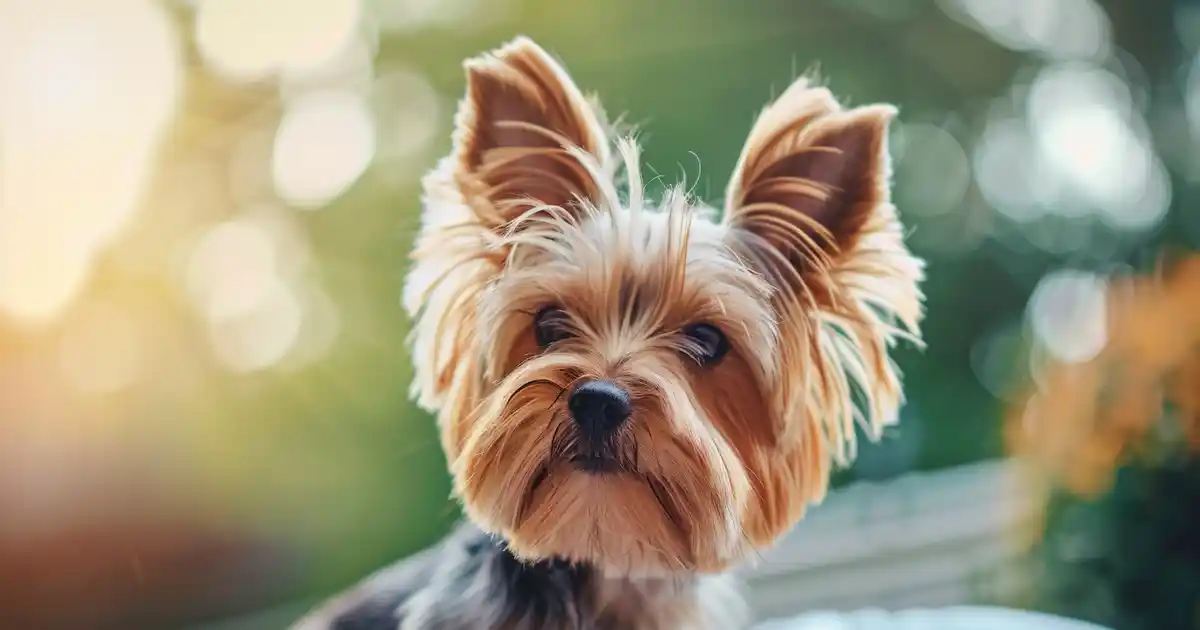
Have you ever wondered why Yorkshire Terrier grooming seems so complicated until you discover the specific techniques that transform their hair from tangled mess to flowing silk?
I used to think maintaining my Yorkie’s signature coat required either professional groomer expertise or settling for a simple puppy cut avoiding all the maintenance, until I discovered that understanding the unique characteristics of Yorkie hair and implementing proven daily routines creates absolutely stunning results that rival salon work. Now my Yorkshire Terrier’s coat flows like silk with that characteristic steel-blue and tan coloring everyone admires, and other Yorkie parents constantly ask how I achieve show-quality appearance without weekly groomer appointments costing a fortune. Trust me, if you’re overwhelmed by the constant brushing requirements, frustrated by mats that appear overnight despite your efforts, and confused by conflicting advice about maintaining versus cutting their coat (I’ve been there crying over scissor disasters), this approach will show you that excellent Yorkshire Terrier grooming is far more achievable than those intimidating show dog photos suggest. The secret isn’t spending hours daily on coat care or having professional training—it’s understanding what makes Yorkie hair unique from typical dog fur, using the right tools and products designed specifically for their silky texture, establishing sustainable daily routines that actually prevent problems rather than constantly fighting mats, and knowing which aspects absolutely require professional expertise versus what you can master at home with proper guidance and practice.
Here’s the Thing About Yorkshire Terrier Grooming
Here’s the magic: Yorkshire Terriers have single-layer, continuously growing hair that’s remarkably similar to human hair rather than typical dog fur, which means their grooming needs are completely different from most breeds but also incredibly rewarding when approached correctly. What makes this knowledge so powerful is understanding that Yorkie hair doesn’t shed naturally like fur—dead hair remains in the coat creating mats unless removed through daily brushing, but this same characteristic makes them hypoallergenic and creates that gorgeous flowing coat when properly maintained. I never knew grooming could produce such dramatic results until I stopped treating my Yorkie’s coat like typical dog fur and started using techniques borrowed from human hair care adapted for canine needs. This combination of daily brushing with proper technique, strategic bathing and conditioning, careful attention to coat health from nutrition, and either professional grooming or learned trimming skills creates incredible results without the overwhelming time commitment that Yorkie grooming reputation suggests. According to research on dog coat genetics and structure, Yorkshire Terriers’ distinctive silky coat results from specific genetic traits producing fine-textured, continuously-growing hair lacking the typical undercoat, which creates both their hypoallergenic qualities and their intensive grooming requirements. It’s honestly more manageable than the breed’s high-maintenance reputation suggests—no cosmetology degree needed, just educated understanding of what Yorkie hair needs and practical techniques that work in real life with normal schedules, reasonable budgets, and varying skill levels from complete beginners to experienced home groomers.
What You Need to Know – Let’s Break It Down
Understanding Yorkshire Terrier hair structure is absolutely crucial because their coat is literally fine, silky hair like humans have, not the coarser fur that most dogs grow, which fundamentally changes grooming requirements and techniques (took me forever to realize this). Yorkie hair grows continuously without natural shedding cycles, and I finally figured out that this means dead hair stays trapped in the coat forming mats within days unless removed through proper brushing after watching how quickly my puppy’s fluffy coat transformed into tangled felt when I traveled and missed grooming for just three days. Don’t skip learning about coat stages—Yorkie puppies have soft, fluffy puppy coat that transitions to adult silky texture around 6-18 months, with this transition period requiring extra vigilance as the changing texture mats more easily than either puppy or mature coat. If you’re concerned about overall Yorkshire Terrier health supporting gorgeous coat growth, check out my guide to nutrition for healthy skin and coat for foundational strategies ensuring your grooming efforts start with optimal coat health growing from within through proper nutrition.
Tool selection and product choice matter tremendously because using wrong equipment or products designed for typical dog fur produces terrible results with Yorkie hair texture. Here’s what surprised me: human hair care products often work better than dog products for Yorkies because their hair structure is so similar—quality detangling sprays, leave-in conditioners, and smoothing serums designed for fine human hair can be game-changers for maintaining silky Yorkie coats. Mental preparation about investing in proper tools prevents so much frustration from trying to groom with inadequate brushes, dull scissors, or wrong products that make proper grooming nearly impossible regardless of technique.
Maintenance frequency requires daily commitment because Yorkshire Terrier coats mat quickly when brushing lapses—this isn’t optional for show coats, and even short puppy cuts need regular brushing preventing mats in ear furnishings, tail, and leg feathering. Regular professional grooming every 4-6 weeks maintains style and manages areas difficult for home groomers (feet, face, sanitary areas), while daily home maintenance between appointments keeps coats healthy and prevents the severe matting that requires shaving and starting over.
Styling decisions significantly impact maintenance requirements because full-length show coats require exponentially more daily care than shorter pet trims, with various options between these extremes allowing customization based on your time commitment and aesthetic preferences. [Strategic grooming approaches] work beautifully for Yorkshire Terriers, but you’ll need to understand that there’s no such thing as a “low-maintenance Yorkie coat”—only choices between levels of high maintenance depending on length and style you choose.
The Science and Psychology Behind Why This Works
Yorkshire Terriers respond remarkably well to systematic grooming because their hair structure, while requiring intensive care, follows predictable patterns that respond to specific techniques. Research from leading universities demonstrates that proper grooming isn’t just cosmetic for Yorkies but essential for skin health, temperature regulation, and preventing painful matting that can pull skin, trap moisture causing infections, and restrict movement, showing that grooming is fundamental healthcare rather than optional beautification. These dogs were originally bred as ratters in Yorkshire mills, where their small size and lack of shedding made them ideal—this working heritage means they’re surprisingly sturdy little dogs despite their delicate appearance, though their coat requires the intensive care that came with being refined into companion dogs.
What makes Yorkshire Terriers different from a scientific perspective is their hair’s fine texture and continuous growth without undercoat—this creates the silky appearance everyone loves but means grooming is genuinely non-optional for their wellbeing. Understanding this physiological reality transforms vague grooming guilt into concrete understanding of why daily maintenance matters so much.
Traditional approaches often fail because they either underestimate the commitment required treating Yorkies like lower-maintenance small breeds, or they assume only professionals can possibly manage Yorkie grooming properly. The psychological aspect matters tremendously—viewing grooming as bonding time while accepting it requires real daily commitment makes consistency achievable, while either denial about grooming needs or perfectionistic demands for show-quality results from every session creates stress and burnout. I’ve watched balanced approaches create beautifully groomed Yorkies and satisfied owners, while both neglect and obsessive perfectionism produce poor outcomes for different reasons.
Here’s How to Actually Make This Happen
Start by assembling proper grooming tools before attempting any coat maintenance—consistency matters more than expensive professional equipment here. Here’s where I used to mess up: I’d try grooming with whatever small-dog brush I found at pet stores, then feel frustrated when it didn’t penetrate my Yorkie’s coat or removed only surface tangles. Now I invest in tools specifically designed for fine, silky hair knowing they transform grooming from frustrating struggle to manageable routine, which my Yorkie’s gorgeous coat proves was essential. Essential tools include: pin brush with polished tips for daily brushing, fine-toothed metal comb for detailed work and mat detection, slicker brush for smoothing, quality scissors for trimming (straight, curved, and thinning), electric clippers with various blade lengths if doing full cuts at home, spray bottle with detangling solution, high-velocity dryer or quality blow dryer with concentrator nozzle, and grooming table or sturdy elevated surface.
Now for the important part: implementing proper daily brushing technique that actually prevents mats rather than just smoothing the surface. Mist coat lightly with detangling spray (never brush completely dry Yorkie hair as this causes breakage), section the hair working in layers from skin outward, use pin brush gently working through each section completely, follow with metal comb to verify you’ve removed all tangles reaching the skin, and pay special attention to high-mat areas (behind ears, under armpits, around collar area, between back legs). This step takes 10-20 minutes daily depending on coat length but creates lasting mat prevention that makes grooming manageable rather than constantly fighting established felting. Don’t be me—I used to brush just the surface layer thinking I was maintaining the coat, then discovered solid mats underneath the pretty exterior requiring either painful removal or shaving those areas.
Here’s my secret for bath time that produces that signature silky finish: always brush completely before bathing because water transforms any tangles into concrete-hard mats that must be cut out. Use quality dog shampoo designed for silky coats or even high-quality human shampoo for fine hair, work gently through coat avoiding circular motions that tangle hair, rinse thoroughly until water runs completely clear with absolutely no product residue, apply quality conditioner or leave-in treatment, rinse again if using rinse-out conditioner. My mentor taught me that proper conditioning makes the difference between dull, tangled coat and that flowing silky texture everyone admires—most home groomers under-condition thinking they’re done when significant conditioning benefit remains. Every dog has unique needs—some Yorkies have naturally silkier texture requiring minimal product while others need intensive conditioning achieving that classic appearance.
Drying technique determines whether your grooming produces professional results or frizzy disaster. Never allow Yorkshire Terriers to air dry—this creates terrible texture, encourages matting, and allows skin issues to develop in damp coat. Use high-velocity dryer or quality blow dryer with concentrator attachment, work in sections brushing while drying to straighten and smooth hair, dry completely to skin throughout entire coat, and finish by brushing through dried coat with pin brush creating that polished look. When proper drying clicks, you’ll know—your Yorkie’s coat will lay smooth and silky rather than puffing up frizzy or developing that kinked texture from improper drying.
Professional grooming appointments every 4-6 weeks maintain proper style and address areas most home groomers struggle with—feet, face, ears, and sanitary areas require precision work that’s difficult without experience and proper equipment. Frequency depends on chosen style (shorter cuts need more frequent refreshing maintaining shape), your home maintenance quality (excellent daily care extends time between professional grooms), and budget considerations. Don’t worry if monthly appointments strain your budget; 6-week intervals work fine with diligent home maintenance between visits. Results can vary, but most Yorkie owners find 6-week professional grooming combined with daily home care provides good balance between cost and coat quality.
Ear care requires special attention because Yorkies’ hair grows inside ear canals and must be regularly removed preventing infections—many groomers pluck ear hair while others trim carefully with blunt-tip scissors. Clean ears weekly with appropriate ear cleaner on cotton ball, never inserting anything into ear canal, and watch for signs of infection (redness, odor, excessive scratching) requiring veterinary attention. Consistent ear maintenance prevents the painful infections that plague inadequately cared-for Yorkie ears.
Common Mistakes (And How I Made Them All)
My biggest mistake was attempting to maintain full-length show coat without realistic assessment of my time commitment and grooming skill level, creating constant stress and a matted dog requiring shave-down restarting the whole process. I thought I could manage long coat with occasional brushing—instead I learned that show-length Yorkie coats require 30-60 minutes daily maintenance that I simply couldn’t sustain. Learn from my epic failures: choose coat length matching your realistic time commitment and skill level rather than attempting length you can’t properly maintain—shorter styles can be absolutely beautiful and far better than poorly maintained long coat.
I also bathed my Yorkie weekly thinking frequent bathing kept her coat cleaner and healthier, not understanding that over-bathing strips natural oils creating dry, brittle hair that tangles more easily and loses that silky texture. Now I bathe every 2-3 weeks using quality conditioning products, and my Yorkie’s coat is healthier and easier to manage. Don’t make my mistake of ignoring fundamental principles experts recommend about bathing frequency—quality products and proper technique matter more than bathing frequency for maintaining gorgeous Yorkie coats.
Another massive mistake was using human hair elastics and accessories not designed for fine dog hair, causing breakage and creating thin, damaged areas where topknots or bows were secured. Specialized latex bands designed for dog topknots prevent breakage while holding hair securely—this simple change saved my Yorkie’s topknot area from permanent damage.
I underestimated how quickly puppy coat transition creates matting challenges, maintaining my easy puppy brushing routine when my Yorkie hit 9 months and suddenly had terrible mats everywhere despite “doing the same thing I always did.” Puppy coat transition (roughly 6-18 months depending on individual) requires dramatically increased brushing frequency and vigilance—what worked fine at 5 months is completely inadequate at 10 months when coats are changing texture.
Finally, I attempted complicated grooming cuts from online tutorials without understanding fundamentals or practicing on less visible areas first, creating uneven disasters requiring expensive professional correction. Starting with simple sanitary trims and gradually learning basic tidying techniques produces better results than attempting full grooming makeovers without proper skills or practice.
When Things Don’t Go as Planned (And They Will)
Discovering severe mats despite regular brushing attempts? You probably aren’t brushing deeply enough to skin or missing high-risk areas where mats form first. That’s frustrating, and it happens to everyone learning proper Yorkie coat maintenance. I’ve learned to handle this by using detangling spray and working patiently from mat edges inward with slicker brush and metal comb, though severe felting may require professional removal or shaving affected areas—attempting to force through serious mats causes pain and breaks trust making future grooming difficult.
Grooming takes way longer than expected creating impossible daily burden? Don’t stress, just evaluate whether your chosen coat length is realistic for your actual available time and skill level. Absolutely nothing wrong with shorter, easier-to-maintain styles—many pet Yorkies look adorable in practical cuts requiring far less daily maintenance than long coats. This is totally manageable once you accept that coat length is a choice based on lifestyle rather than moral imperative.
If you’re losing motivation because grooming feels like endless work consuming all your free time, try reassessing your coat length goal or finding more efficient techniques and better tools. I always prepare for grooming fatigue because maintaining Yorkie coats is genuinely demanding—some periods I can’t sustain daily full brushing, so I keep coat shorter during busy life seasons accepting that gorgeous flowing coat requires time I don’t always have. The goal isn’t perfect grooming at all costs; it’s finding sustainable balance between coat appearance and realistic maintenance capacity.
Accidental cuts or clipper burns will occasionally occur even with careful technique. When this happens, proper first aid includes cleaning wounds with appropriate solution, applying antibiotic ointment if recommended by vet, and monitoring for infection—serious injuries require veterinary attention. Prevention through going slowly, using sharp blades that don’t pull or heat up, and knowing your limits about what to attempt at home prevents most grooming injuries.
When motivation fails, cognitive behavioral techniques can help reset your mindset. Remember that grooming isn’t just cosmetic—it’s essential healthcare preventing painful mats, skin problems, and mobility restrictions from felted coats. Every grooming session maintains your Yorkie’s comfort and health while strengthening your bond. Some days are harder than others—that’s completely normal and doesn’t mean you’re failing at Yorkie ownership.
Advanced Strategies for Next-Level Results
Advanced practitioners often implement specialized techniques producing show-quality results at home. Once you’ve mastered fundamental maintenance, consider learning specific show grooming skills—wrapping coat in papers protecting length from environmental damage, specialized conditioning treatments enhancing texture and shine, advanced trimming techniques creating precise breed-standard appearance. Show grooming represents ultimate commitment requiring extensive equipment, products, knowledge, and time investment.
Professional-grade equipment upgrades create better results once technique justifies the investment. High-end clippers with powerful motors and extensive blade options, professional shears (straights, curves, thinners, chunkers), commercial-quality dryers with variable speed and heat, and hydraulic grooming tables produce results approaching professional salon quality. When to upgrade depends on commitment level—occasional home groomers manage fine with basic tools, while owners grooming regularly or multiple dogs benefit from professional equipment.
Advanced coat care includes oil treatments, silk wraps, and intensive conditioning protocols used by show competitors. Specialized products like coat oils, protein treatments, and deep conditioning masks enhance coat quality beyond basic shampoo and conditioner when applied correctly—wrong application creates greasy, limp coat rather than enhanced texture.
Color enhancement techniques address coat color changes some Yorkies experience—specialized shampoos intensify blue and tan coloring, while careful sun protection prevents fading. Understanding proper ratio of blue to tan coloring and how grooming affects color distribution creates breed-standard appearance rather than random color placement.
What separates basic maintenance from advanced grooming is understanding that every cut, every product application, every brushstroke affects coat health and appearance—advanced groomers consider how today’s grooming decisions impact coat condition months later, planning growth and maintenance strategically rather than just addressing immediate appearance.
Ways to Make This Your Own
When I want optimal results approaching show quality, I’ll implement comprehensive protocols including twice-daily brushing with proper line-brushing technique, weekly baths with premium products, professional grooming every 4 weeks maintaining perfect style, coat treatments enhancing texture and health, and meticulous attention to every detail from topknot placement to nail length. This makes maintenance extremely intensive but definitely worth it when you want that head-turning Yorkie appearance that wins compliments everywhere.
For special situations like showing, therapy work, or photography sessions, I’ll adapt grooming while maintaining health fundamentals. Show preparation requires intensive daily work for weeks before events—conditioning treatments, coat wrapping, daily detail work creating absolutely perfect appearance. My busy-season version focuses on keeping coat clean and mat-free with shorter, easier style even if less elaborate than preferred look during less hectic periods.
Sometimes I add creative grooming elements like colored bows, rhinestone accessories, or even temporary pet-safe color, though that’s totally optional fun rather than necessary care. This might include elaborate topknots, seasonal accessories, or decorative clips for special occasions. For next-level results, I love gradually extending coat length over time—patiently growing gorgeous flowing coat requires sustained excellent maintenance but creates that classic Yorkshire Terrier appearance that defines the breed.
Each variation works beautifully with different needs:
Show Coat Maintenance: For competitive exhibition—full length coat, daily wrapping, intensive conditioning, breed-standard grooming, professional handling often, extraordinary time investment.
Long Pet Coat: For committed owners wanting length—floor-length or mid-length coat, daily thorough brushing, regular conditioning, professional grooming maintaining style, requires significant daily time.
Moderate Length Style: For practical beauty—shoulder-length or slightly shorter, manageable daily maintenance, 6-8 week professional grooming, good balance between appearance and realistic care.
Short Puppy Cut: For busy owners or active dogs—short all-over cut, minimal daily brushing, frequent professional grooming maintaining clip, focuses on health over traditional appearance.
Senior Dog Adaptation: For older Yorkies—shorter comfortable style, gentle handling accommodating arthritis or sensitivity, focus on comfort over appearance, modified routine respecting physical limitations.
Why This Approach Actually Works
Unlike approaches that either overwhelm owners with perfectionistic demands impossible to sustain or suggest Yorkie grooming is easier than reality minimizing genuine commitment required, this method leverages proven principles about fine-textured, continuously-growing hair that professional groomers use daily. The breed’s predictable coat characteristics mean systematic approaches targeting known needs prevent problems that reactive grooming can’t solve after they’ve developed.
What sets this apart from other strategies is recognizing that Yorkshire Terrier grooming exists on spectrum—show-quality presentation isn’t required for healthy, comfortable pets, but some minimum standard of daily care is genuinely necessary preventing painful matting and skin problems. This explains why some Yorkies look like cover models while others have constantly matted, shaved coats—the difference is usually owner commitment and technique rather than individual dog’s coat quality.
The science behind this method comes from understanding hair structure, growth patterns, and mat formation mechanisms. When you use proper line-brushing technique reaching skin, you’re mechanically removing dead hair that would otherwise tangle with growing hair creating mats—this isn’t cosmetic, it’s preventing progressive felting that eventually requires shaving and causes genuine discomfort.
Evidence-based approaches consistently show that frequent, shorter grooming sessions produce better results with less stress than occasional marathon sessions attempting to correct neglect. For breeds requiring intensive grooming like Yorkshire Terriers, this isn’t just more pleasant—it’s the difference between sustainable maintenance and constant crisis management fighting severe matting.
This sustainable approach prevents the overwhelm and expense that grooming neglect creates. By incorporating daily maintenance into routines and preventing problems proactively, you’re making Yorkie ownership enjoyable rather than constant struggle with coat disasters and astronomical grooming bills from emergency dematting sessions.
Real Success Stories (And What They Teach Us)
One owner I know committed to daily 15-minute brushing from puppyhood despite busy career and active lifestyle. At age 5, her Yorkie maintains beautiful mid-length coat with professional grooming every 6 weeks—the unwavering consistency from day one created both gorgeous coat and positive grooming associations making maintenance pleasant rather than battle. What made her successful was treating daily grooming as non-negotiable like feeding rather than optional task to skip when busy.
Another family inherited a rescue Yorkie with severe matting requiring complete shave-down. They committed to learning proper grooming, invested in quality tools and professional instruction, and gradually grew the coat back while maintaining it impeccably. Within 18 months, that dog went from pathetic shaved rescue to stunning Yorkie with flowing coat—their success came from starting fresh with proper education rather than repeating inadequate maintenance that created original problem.
A retiree with time for intensive grooming maintains her Yorkie in full show coat despite never competing, simply enjoying the classic breed appearance. Her daily 45-minute grooming routine, weekly baths, and meticulous conditioning create coat that rivals professional handlers’ work—what she teaches us is that gorgeous long Yorkie coats are achievable for committed owners willing to invest the substantial time required.
A busy professional with limited time keeps her Yorkie in practical short puppy cut that requires minimal daily maintenance while still looking adorable and well-groomed. Strategic acceptance that long coat didn’t match her lifestyle created sustainable solution where her dog is healthy, comfortable, and cute without overwhelming her schedule. What she teaches is that choosing appropriate style for your life is responsible ownership rather than settling.
Their success aligns with research on grooming compliance showing consistent patterns: realistic expectations, appropriate style for lifestyle, quality tools and products, proper technique, and consistent daily maintenance create well-groomed dogs and satisfied owners across various coat lengths and commitment levels.
Tools and Resources That Actually Help
Quality pin brushes designed for fine, silky hair make enormous differences in daily maintenance effectiveness. I personally use Chris Christensen oval pin brush with polished tips that glide through Yorkie hair without snagging—the specific pin spacing and polishing prevents breakage while penetrating coat effectively. These brushes cost $30-50 but last years and work dramatically better than generic pet store brushes that barely touch Yorkie coat depth.
Fine-toothed metal combs verify your brushing reached skin and catch any remaining tangles pin brushes miss. Greyhound-style combs with combination of wider and closer-spaced teeth allow thorough checking throughout coat. Quality metal combs ($8-15) are lifetime purchases that don’t degrade like plastic alternatives.
Detangling sprays formulated for dogs or even quality human leave-in conditioners protect hair during brushing while making mat removal easier. Never brush completely dry Yorkie hair—light moisture prevents breakage and makes brushing far easier. Products range $10-25 and last months with daily use.
Professional grooming scissors require investment but produce dramatically better results than cheap alternatives. Quality shears ($50-200 depending on type) stay sharp longer, cut cleanly rather than crushing hair, and feel balanced in hand making precision work manageable. Starting with one good pair of straight scissors serves most home grooming needs before expanding collection.
The best resources come from Yorkshire Terrier breed organizations and proven grooming education specific to toy breeds with silky coats. The Yorkshire Terrier Club of America provides grooming guidance, while books like “The Yorkshire Terrier” by Joan Gordon and Janet Bennett offer detailed grooming instruction. Professional grooming seminars and online courses teach techniques through visual demonstration clearer than written instructions alone.
Grooming tables with adjustable arms and non-slip surfaces create proper working height and secure positioning making grooming safer and less physically demanding. Portable tables ($60-150) work well for home groomers, while professional hydraulic tables ($300-800) offer height adjustment and superior stability for serious home groomers managing multiple dogs or regular complete grooms.
Questions People Always Ask Me
How long does it take to properly groom a Yorkshire Terrier at home?
Daily maintenance brushing takes 10-30 minutes depending on coat length and condition. Full bath and brush-out requires 2-3 hours including drying time. Complete haircut adds another 1-3 hours for beginners, less as you develop speed and skill. I usually recommend starting with just maintenance between professional cuts rather than attempting everything initially. The timeline decreases with practice—what takes 3 hours initially might take 90 minutes once you’ve developed efficient routine and your Yorkie has positive associations making them cooperative.
What if I don’t have time for daily Yorkshire Terrier grooming?
Honestly, reconsider whether Yorkshire Terrier is the right breed for your lifestyle—daily grooming isn’t optional, it’s fundamental requirement for preventing painful matting and maintaining coat health. Some alternatives include keeping coat very short requiring only 5-10 minutes daily maintenance, using professional grooming more frequently (every 3-4 weeks maintaining short style), or considering lower-maintenance small breeds. Absolutely, keeping coat at manageable length makes daily care faster, but some minimum attention is genuinely required for responsible Yorkie ownership.
Can I learn to do complete Yorkie haircuts at home?
Yes, but it requires significant time investment learning proper technique, quality equipment, and patient practice starting with simple trims before attempting full cuts. Most people successfully learn face, feet, and sanitary trims relatively quickly, while achieving even, professional-looking full body cuts requires months of practice. Taking grooming classes, watching professional tutorials, and practicing on patient dogs builds skills gradually. Don’t expect salon results immediately—developing competence takes time and repeated practice accepting imperfect results during learning.
How often do Yorkshire Terriers need professional grooming?
Most pet Yorkies need professional grooming every 4-8 weeks depending on coat length and quality of home maintenance between appointments. Shorter cuts require more frequent refreshing (every 4-6 weeks) maintaining shape, while longer styles with excellent daily home care can go 6-8 weeks between professional visits. Skipping or stretching appointments creates coats that become severely matted requiring expensive emergency dematting or shaving shorter than desired due to neglect.
What’s the most important grooming task for Yorkshire Terrier health?
Daily brushing preventing mats creates the single greatest impact on physical comfort and skin health. Mats pull skin painfully, trap moisture causing infections, and restrict movement when severe—consistent brushing prevents all these problems while requiring just 10-30 minutes daily depending on coat length. If I could only do one grooming task, thorough daily brushing would be it because mat prevention affects wellbeing more than any other grooming element including bathing or trimming.
How do I prevent my Yorkie’s coat from matting?
Brush daily using proper technique reaching all the way to skin, pay special attention to high-friction areas (behind ears, under armpits, collar area, between legs), keep coat at manageable length for your maintenance commitment, always brush before bathing, and use detangling spray making brushing easier and preventing breakage. Consistency prevents mats exponentially better than intensive grooming after neglect—10 minutes daily prevents problems that hours of later work can’t fix once serious felting has formed.
What mistakes should I avoid when grooming my Yorkshire Terrier at home?
Don’t skip daily brushing thinking you’ll catch up later—mats form quickly and can’t be brushed out once established. Avoid bathing before brushing thoroughly as water permanently tightens tangles into concrete-hard mats. Don’t use inadequate tools or cheap equipment making proper grooming impossible regardless of technique. Never cut mats out with scissors close to skin as this risks cutting skin and creates uneven coat. Finally, don’t attempt complicated cuts without proper training and practice—start simple and build skills gradually rather than creating disasters requiring professional correction.
Can Yorkshire Terriers be kept in short coats?
Absolutely—many pet Yorkies wear shorter puppy cuts that look adorable while requiring far less daily maintenance than traditional long coats. Short styles still need daily brushing preventing mats in furnishings (longer hair on legs, ears, tail) but overall maintenance is dramatically reduced. There’s absolutely nothing wrong with practical short cuts—they’re often better choice than poorly maintained long coats creating discomfort and requiring shaving due to severe matting.
What if my Yorkie hates being groomed?
Start positive conditioning gradually using treats, praise, and very short sessions building tolerance slowly. Never force grooming creating negative associations that worsen over time and can escalate to biting. Some Yorkies need professional trainer helping address grooming anxiety, while others simply require patient desensitization working at their pace. Beginning grooming conditioning as early as possible (puppyhood ideally) prevents anxiety development, though adult dogs can learn to tolerate and even enjoy grooming with patient positive reinforcement.
How much does DIY Yorkshire Terrier grooming save compared to professional grooming?
Initial tool investment costs $150-400 for quality basic equipment, with professional clipper systems adding another $150-300 if doing full cuts. Professional grooming costs $40-80+ per appointment depending on location and services. Grooming every 6 weeks costs $350-700+ annually, while DIY grooming saves most of this after initial equipment investment is recouped (typically within 1-2 years for one dog). However, time investment is substantial—consider whether money savings justify time commitment and learning curve required.
What’s the difference between pet grooming and show grooming for Yorkies?
Pet grooming prioritizes health, comfort, and manageable maintenance with styles ranging from short practical cuts to moderate length based on owner preference and commitment. Show grooming requires floor-length coat in specific proportions, perfect texture and color, daily wrapping and conditioning, and breed-standard styling adhering to Yorkshire Terrier Club standards. Pet Yorkies don’t need show grooming complexity—clean, healthy, attractive coat in any length you can properly maintain is perfectly appropriate for happy, healthy companions.
How do I find a good professional Yorkshire Terrier groomer?
Ask for recommendations from Yorkie breeders, veterinarians, and other Yorkie owners in your area who have well-groomed dogs. Visit grooming facilities observing cleanliness, dog handling, and groomer interaction with small dogs specifically. Discuss your preferences, ask about their Yorkie grooming experience and approach to matting, and observe how they handle your dog during appointments. Good groomers communicate clearly about coat condition, educate owners about home maintenance, handle small dogs gently but confidently, and produce consistent quality results. Don’t hesitate to change groomers if you’re unsatisfied—finding the right fit matters for both results and your Yorkie’s emotional wellbeing.
Before You Get Started
I couldn’t resist sharing this because it proves that Yorkshire Terrier grooming creates incredibly rewarding relationships when approached with realistic expectations, proper education, and commitment to the daily maintenance this breed genuinely requires. The best Yorkshire Terrier grooming journeys happen when owners accept that these dogs need significant grooming investment—and decide that their personality, portable size, hypoallergenic coat, and that gorgeous flowing appearance when properly maintained make the commitment absolutely worthwhile. Your Yorkshire Terrier doesn’t need perfect show-ring presentation or professional groomer expertise from you—they need consistent daily maintenance preventing mats, regular bathing keeping skin and coat healthy, and either professional grooming or your developing skills maintaining manageable length and tidy appearance. Start with fundamentals, choose coat length matching your realistic time availability, and trust that the beautiful, comfortable, well-groomed companion you’re creating justifies every minute of grooming time invested. Every Yorkshire Terrier deserves an owner who understands that their gorgeous coat is high-maintenance by design requiring daily attention—sounds like that’s exactly the educated, committed owner you’re becoming through learning proper care techniques that keep your Yorkie looking and feeling their absolute best.




