
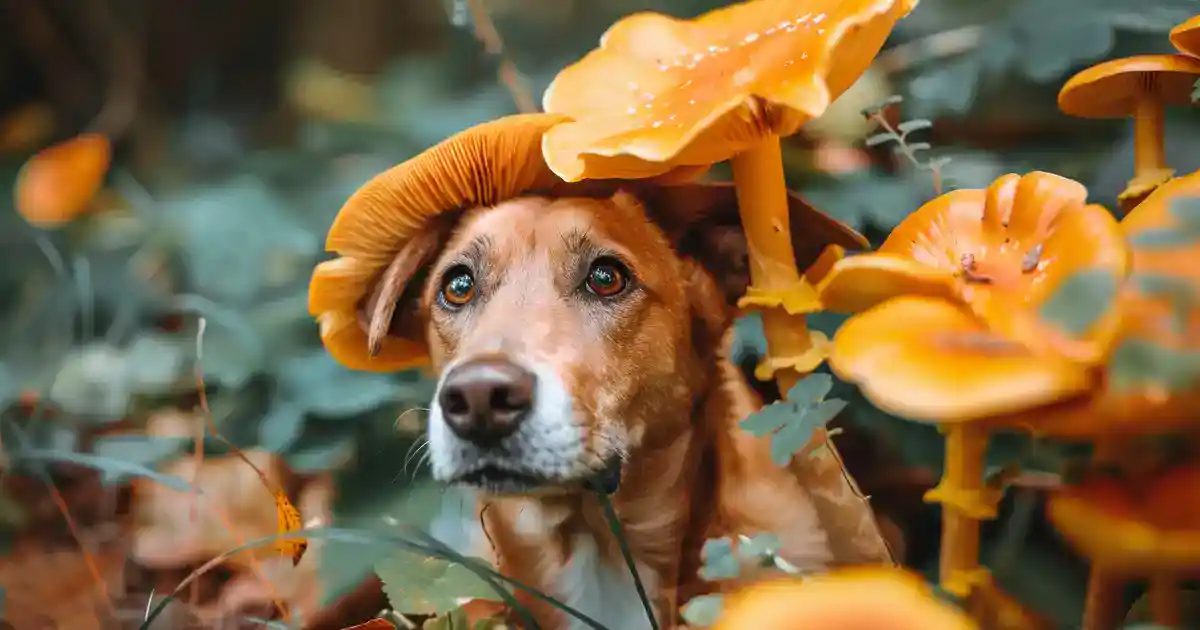
Have you ever been on a walk with your dog and suddenly panicked when they sniffed or grabbed a mushroom growing in your yard, wondering if that single moment could turn into a life-threatening emergency? I used to think all mushrooms were either completely safe or uniformly deadly until a veterinary toxicologist explained the terrifyingly complex world of mushroom toxicity, and everything changed. Now when I see any fungi in my yard or on trails, I know exactly which warning signs indicate danger and how to respond if my dogs show interest, and friends with scary near-miss stories constantly ask how I distinguish between harmless mushrooms and the deadly varieties that kill dogs every year. Trust me, if you’re worried about your dog’s mushroom exposure or confused about whether store-bought mushrooms are safe while wild ones are dangerous, understanding the critical differences between mushroom types will show you there’s a spectrum from perfectly safe to instantly fatal—and knowing where each type falls on that spectrum could literally save your dog’s life.
Here’s the Thing About Mushrooms and Dogs
Here’s the reality behind why mushrooms create such urgent concern among veterinarians: while culinary mushrooms from grocery stores are generally safe for dogs in small amounts when cooked plain, wild mushrooms include species so toxic that consuming even tiny portions causes liver failure, kidney damage, neurological symptoms, or death within hours, and identifying toxic species reliably requires expert mycological knowledge that most dog owners don’t possess. Unlike straightforward toxic foods where all varieties are dangerous (like chocolate or grapes), mushrooms range from nutritionally beneficial to immediately lethal depending on the specific species involved.
What makes this topic so critical is that toxic mushroom species often grow in residential yards, parks, and hiking trails where dogs encounter them regularly, and some of the deadliest varieties—like Amanita phalloides (Death Cap) or Amanita virosa (Destroying Angel)—look similar to edible species to untrained observers, creating misidentification risks with fatal consequences. I never knew something seemingly innocent growing in my own backyard could kill my dog within 24-48 hours until I researched mycotoxicology and discovered the horrifying statistics about mushroom poisoning deaths.
It’s honestly more dangerous than most pet parents ever realize—no margin for error exists with certain toxic species. According to research on mushroom toxicity, toxic mushrooms cause thousands of human and pet poisonings annually, with Amanita species alone responsible for over 90% of fatal mushroom poisonings worldwide, and dogs face particular risks due to their ground-level foraging behavior and tendency to eat items without discrimination.
What You Need to Know – Let’s Break It Down
Understanding the critical distinctions between safe and deadly mushrooms is absolutely crucial for every dog owner. Store-bought culinary mushrooms—white button mushrooms, cremini, portobello, shiitake—are non-toxic to dogs and can be offered in small amounts when cooked plain without seasonings, garlic, onions, butter, or oils. Don’t skip learning about toxic wild mushroom identification (took me forever to realize this): assuming you can distinguish safe from deadly wild mushrooms without expert mycological training is the mistake that kills dogs every year.
I finally figured out the critical safety rule after consulting veterinary toxicologists—treat ALL wild mushrooms as potentially deadly and prevent your dog from accessing any fungi growing outdoors, regardless of appearance. The general prevention strategy works most effectively: regularly inspect your yard for mushroom growth (especially after rain), remove any mushrooms immediately before dogs access the area, avoid areas with visible mushroom growth during walks, and train strong “leave it” commands that prevent your dog from investigating or consuming items during outdoor activities.
The most dangerous mushroom categories for dogs include (game-changer, seriously understanding these can save your dog’s life): Amanita species (Death Cap, Destroying Angel, Fly Agaric) causing delayed liver and kidney failure with 50%+ fatality rates even with aggressive treatment; Galerina species (Deadly Galerina) containing the same deadly amatoxins as Amanita mushrooms; Gyromitra species (False Morels) causing gastrointestinal distress and potential liver damage; Inocybe and Clitocybe species containing muscarine causing rapid-onset symptoms including salivation, tearing, urination, defecation, and potentially life-threatening effects; and Agaricus species (certain types) and other mushrooms causing gastrointestinal upset.
The timing of symptoms reveals toxin type: rapid onset (within 15 minutes to 6 hours) indicates muscarine, psilocybin, or gastrointestinal irritants with better prognoses if treated promptly, while delayed onset (6-24 hours after consumption) suggests amatoxins causing severe liver and kidney damage—these delayed-onset toxins are most deadly because the lag creates false security before symptoms appear, and by the time dogs show illness, organ damage is already extensive.
I always emphasize photographing any mushrooms in your environment for veterinary identification purposes because everyone discovers too late that describing mushrooms verbally doesn’t provide the visual details veterinarians and mycologists need for accurate identification. Yes, mushroom poisoning is survivable and here’s why rapid response matters: early decontamination before toxin absorption, aggressive supportive care, and specific antidotes or treatments for identified toxin types dramatically improve survival odds, but delayed treatment after organ damage progresses often proves fatal despite heroic veterinary efforts.
If you’re concerned about outdoor hazards beyond mushrooms, check out my complete guide to backyard dangers for dogs for comprehensive strategies identifying and managing toxic plants, harmful insects, and environmental threats that jeopardize your dog’s safety during outdoor time.
The Science and Psychology Behind Why This Works
Dive deeper into the evidence and you’ll discover why veterinary toxicologists consider wild mushroom ingestion one of the most serious poisoning emergencies. Research from veterinary toxicology programs demonstrates that amatoxins—the compounds in deadly Amanita and Galerina species—work by inhibiting RNA polymerase II, essentially shutting down protein synthesis in rapidly dividing cells like those in the liver, kidneys, and gastrointestinal tract. Studies show that as little as 0.1 mg/kg of amatoxins (present in just half a mushroom cap of Death Cap) can be lethal to dogs, and no specific antidote exists—treatment is purely supportive while the body attempts to metabolize and eliminate the toxin.
What makes amatoxin poisoning different from most toxicities from a scientific perspective is the delayed symptom onset creating a “honeymoon period”—dogs may seem fine for 6-12 hours while toxins silently destroy liver cells, then suddenly deteriorate rapidly as liver failure progresses. This explains why traditional approaches of “wait and see” prove fatal with mushroom poisonings—by the time symptoms appear with amatoxins, the damage may be irreversible even with intensive veterinary care including dialysis and liver transplant considerations.
The muscarine in Inocybe and Clitocybe species works differently—these compounds overstimulate the parasympathetic nervous system, causing the characteristic “SLUDGE” symptoms (Salivation, Lacrimation, Urination, Defecation, Gastrointestinal upset, Emesis) plus potentially dangerous bradycardia (slow heart rate) and respiratory difficulties. Share what veterinary emergency professionals observe: muscarine poisonings create dramatic, rapid symptoms that are frightening but generally have better prognoses than delayed-onset amatoxin cases because the immediate symptoms prompt quick veterinary intervention before extensive organ damage occurs.
The psychological aspects matter for prevention: many owners don’t realize that dogs investigate and consume items by scent and taste-testing without the discriminatory judgment humans apply to food choices. Studies confirm that dogs evolved as scavengers willing to sample various items to assess edibility, meaning they’ll readily eat mushrooms that smell interesting or appear food-like regardless of toxicity. Understanding this behavioral tendency helps owners recognize that training and environmental management represent the only reliable prevention methods—you cannot trust dogs to avoid toxic mushrooms instinctively.
Here’s How to Actually Make This Happen
Start by conducting a thorough yard inspection, especially after rainfall when mushrooms fruit most prolifically—here’s where I used to mess up, thinking occasional checks were sufficient without realizing how quickly mushrooms can appear and mature (sometimes overnight). Create a systematic approach: walk your entire property every 2-3 days during mushroom season (typically spring and fall, though this varies by region and climate), inspect shaded areas, under trees, near decaying organic matter, and anywhere moisture accumulates, and photograph any mushrooms you find before removing them.
Now for the important removal and disposal process: Don’t be me—I initially just pulled mushrooms and tossed them aside, not understanding that spores and remaining tissue could produce more growth or remain accessible to dogs. The proper removal involves: wearing gloves to protect yourself from potential toxins, removing the entire mushroom including underground portions, placing mushrooms in sealed plastic bags for disposal in exterior trash containers dogs cannot access, and treating the soil with antifungal products if mushrooms repeatedly appear in the same locations (though this provides limited effectiveness as spores are pervasive in soil).
Once you’ve secured your immediate environment, here’s the training component that creates lasting safety: teach and consistently reinforce “leave it” commands that prevent your dog from investigating or consuming anything during walks or outdoor time. Until you feel completely confident in your dog’s obedience and impulse control, maintain leash control in areas where mushrooms might be present, use basket muzzles during high-risk activities like hiking in unfamiliar areas if your dog has strong scavenging tendencies, and never allow off-leash activity in unmaintained areas during mushroom seasons.
For the emergency response protocol that every dog owner needs, create and rehearse: Keep veterinary emergency contact numbers (your regular vet, nearest emergency veterinary hospital, and ASPCA Animal Poison Control: 888-426-4435) immediately accessible in your phone and written on your refrigerator. If you witness or suspect mushroom consumption, do not wait for symptoms—call immediately and head to the emergency vet while following phone guidance, bring samples of the mushroom if safely available (photograph growing mushrooms, bring vomited material if present), and note the exact time of suspected consumption since treatment timing dramatically affects outcomes.
Results of aggressive prevention and rapid response protocols vary based on mushroom species and treatment timing, but early intervention provides the only chance of survival with deadly species. My mentor in veterinary toxicology taught me this critical principle: with amatoxin mushrooms, the first 24 hours determine whether your dog lives or dies—waiting for symptoms means waiting until liver damage is likely irreversible, so suspected exposure requires immediate emergency veterinary care regardless of whether your dog appears symptomatic.
Don’t worry if this seems overwhelming—the core message is simple: prevent all wild mushroom access through environmental management and training, and respond to any suspected exposure as a life-threatening emergency requiring immediate veterinary care. The lasting safety protocol is maintaining vigilance about your dog’s environment and never becoming complacent about mushroom risks.
Common Mistakes (And How I Made Them All)
Let me share my biggest mistakes so you don’t repeat them. I once saw my dog sniff a mushroom but didn’t think she’d actually eaten any, so I didn’t call the vet—huge, potentially fatal mistake. Don’t make my error of assuming that if you didn’t witness consumption, it didn’t happen. Dogs are quick and sneaky, and the consequences of assuming safety versus seeking veterinary evaluation are dramatically different. With mushroom toxicity, erring on the side of caution by calling your vet prevents tragedies that waiting creates.
Another epic failure? I tried identifying mushrooms myself using internet photos and apps, deciding they were “probably safe” species before removing them from my yard. Learn from my dangerous experience: mushroom identification requires expert knowledge—subtle variations between deadly and edible species aren’t reliably distinguished through photos or apps, and misidentification can kill. Mycologists train for years to identify mushrooms accurately. Never assume you can distinguish safe from toxic species, and treat all wild mushrooms as potentially deadly.
I also made the error of thinking that because mushrooms in my yard looked identical to ones that had been there previously without problems, they must be safe. These assumptions are deadly because different mushroom species can appear similar, and what grew last week might not be the same species as what’s growing today—fungi diversity in any location can be substantial. Never become complacent about mushroom identification or assume consistency.
Being vulnerable here: I initially believed that dogs would instinctively avoid toxic mushrooms because wild canids evolved alongside these fungi. Why do these mistakes happen? Usually because we anthropomorphize dogs and assume they possess knowledge or instincts they don’t actually have. The lesson? Dogs evolved as opportunistic scavengers willing to taste-test items, not as discriminating foragers avoiding toxins—they depend entirely on us for protection from environmental hazards they cannot identify.
When Things Don’t Go as Planned
Feeling panicked because you just saw your dog eat or mouth a wild mushroom? Call your veterinarian or emergency veterinary hospital immediately—this is always appropriate even if you’re uncertain whether consumption actually occurred. Time matters critically with mushroom toxicity. While on the phone or en route to the vet, do not induce vomiting at home unless specifically instructed by a veterinary professional—certain toxins can cause additional damage during vomiting, and medical professionals can induce vomiting more safely and effectively if indicated.
Noticing symptoms like vomiting, diarrhea, abdominal pain, lethargy, jaundice (yellowing of gums, eyes, or skin), tremors, seizures, excessive salivation, disorientation, or collapse after potential mushroom exposure? This represents a life-threatening emergency requiring immediate transport to an emergency veterinary facility—call ahead so they can prepare for your arrival, but don’t delay transport to make the call. I’ve learned that with toxicological emergencies, every minute counts, and what owners sometimes dismiss as “mild” symptoms can indicate severe poisoning in progress.
When you arrive at the vet, provide all available information: exactly when you believe consumption occurred, how much might have been consumed, photos of the mushrooms if available, any symptoms observed and when they began, and whether your dog has received any treatments or interventions before arrival. Don’t stress about not having complete information—veterinarians can work with limited details, and partial information is better than delaying treatment to gather more data.
If cost concerns create hesitation about seeking emergency care, understand that many emergency veterinary hospitals offer payment plans, accept care credit, or work with clients on financial options—the cost of treating mushroom poisoning can range from hundreds to several thousand dollars depending on species and severity, but delaying treatment until symptoms become severe typically increases both costs and mortality. When financial limitations exist, communicate openly with veterinary staff who may have resources or alternatives available.
Advanced Strategies for Next-Level Results
Taking mushroom safety to the most comprehensive level means implementing multiple overlapping prevention layers that dramatically reduce exposure risks. Experienced dog owners in mushroom-prone areas often use combination strategies: professional yard services that include fungicide treatments and organic matter removal reducing mushroom growth environments, landscape modifications like improving drainage in areas where mushrooms repeatedly appear, and strategic ground cover changes replacing mulch or organic materials that support fungal growth.
Here’s what I’ve discovered through researching optimal prevention: creating “safe zones” where your dog spends most outdoor time—using pea gravel, pavers, or other non-organic ground covers that don’t support mushroom growth—provides areas where you can confidently allow your dog freedom without constant mushroom vigilance. When you have larger properties or areas you can’t fully control, designating specific safe zones and restricting dogs to these areas during high mushroom seasons balances safety with outdoor access.
What separates reactive management from proactive environmental control is understanding regional mushroom patterns—working with local mycologists or extension services to identify which toxic species are prevalent in your specific area, when they typically fruit, and what conditions favor their growth. Advanced property owners use this information to time intensive management efforts during highest-risk periods and remain vigilantly watchful when dangerous species are most likely to appear.
For dogs with particularly strong scavenging behaviors or those recovering from previous poisoning incidents where prevention failed, some owners work with veterinary behaviorists and certified trainers to implement intensive counter-conditioning protocols specifically targeting mushroom avoidance—teaching dogs to actively alert and move away from mushrooms rather than just passively obeying “leave it” commands. These sophisticated training approaches require professional guidance but create additional safety layers beyond owner vigilance alone.
Ways to Make This Your Own
When I want maximum yard safety during peak mushroom season without constant manual inspection, I use the “Rapid Response Removal” system—conducting daily yard checks during my morning coffee, removing any overnight mushroom growth before dogs access the yard, and maintaining this routine throughout spring and fall when fungal fruiting peaks. This approach works beautifully for creating safe outdoor access without constant anxiety.
For households that want to allow dogs access to store-bought culinary mushrooms occasionally as healthy treats, my “Controlled Introduction Protocol” involves offering only plainly cooked (steamed or boiled) store-bought mushrooms in small amounts as treats, never allowing dogs to associate wild mushrooms with food, and maintaining strict “leave it” responses to all outdoor fungi regardless of culinary mushroom familiarity. This prevents generalization where dogs might approach wild mushrooms as potentially edible.
My practical version for typical dog owners focuses on “Zero Tolerance, Zero Risk”—treating all wild mushrooms as deadly, implementing immediate removal protocols, avoiding areas with visible mushroom growth during walks, and maintaining strong basic obedience that allows outdoor control. This eliminates nuance and decision-making: all wild mushrooms are dangerous, period, creating a simple, unambiguous safety rule.
For high-risk situations like living in heavily wooded areas or regions with known deadly species prevalence, I love the “Layered Defense System”—combining environmental management (removing mushrooms), physical barriers (fencing off high-growth areas during peak season), training (strong “leave it” commands), and supervision (never allowing unsupervised outdoor access during mushroom season). This comprehensive approach creates redundancy where even if one safety layer fails, others prevent exposure.
The “Photographic Database Method” involves photographing every mushroom species you find in your environment, organizing photos by location and season, and sharing with your veterinarian during wellness visits to identify which species grow in your area and their relative danger levels. Budget-conscious versions include joining local mycological societies (often free or low-cost) that provide identification services and education specific to your region. Each variation works beautifully for different living situations, property sizes, and risk tolerances while maintaining the core principle: preventing all wild mushroom consumption through vigilant management.
Why This Approach Actually Works
Unlike casual attitudes toward mushrooms that dismiss them as minor concerns or assume all mushrooms are equally dangerous, evidence-based risk assessment recognizes that certain species represent extreme threats requiring absolute prevention while others cause only mild gastrointestinal upset—but that distinguishing between these categories reliably requires expertise beyond typical owner capabilities, making complete wild mushroom avoidance the only responsible approach. The science behind mycotoxicology involves understanding that mushroom toxins evolved as defensive compounds protecting fungi from predation, and these substances often target mammalian cellular processes in ways that cause organ failure and death.
What makes the comprehensive prevention approach different from reactive responses or optimistic assumptions is its foundation in veterinary toxicology data showing that mushroom poisoning cases have significant mortality rates even with aggressive treatment, that no antidotes exist for the deadliest toxins, and that prevention is infinitely preferable to treatment since treatment success depends on factors often beyond control (time of consumption discovery, specific species involved, individual dog response, treatment timing). The approach leverages proven principles that casual dog owners often ignore—specifically, that seconds of inattention can result in consumption of lethal doses, that symptoms don’t reliably appear until organ damage is advanced with the deadliest species, and that identification by non-experts is dangerously unreliable.
My personal discovery moment about why this works came when I researched case reports of mushroom poisoning deaths and realized that most involved dogs in supervised yards or on walks with attentive owners—these weren’t neglect situations but normal circumstances where momentary inattention allowed consumption. Evidence-based mushroom safety recognizes that even careful owners cannot prevent what they don’t anticipate, making environmental control and consistent training essential rather than optional. This proven, scientifically grounded approach respects the reality that we cannot monitor our dogs every single second and must instead create environments and training that protect them when our attention lapses briefly.
Real Success Stories (And What They Teach Us)
One of the most dramatic cases shared by a veterinary toxicologist I know involved a Labrador Retriever who consumed Death Cap mushrooms in the owner’s yard. The owner witnessed consumption, immediately called the emergency vet, and arrived within 30 minutes for decontamination. Because treatment began before toxin absorption, with aggressive activated charcoal administration, IV fluids, and liver protectants over multiple days of hospitalization, the dog survived without permanent organ damage. What made this successful was immediate recognition of danger, rapid veterinary contact without waiting for symptoms, and aggressive early intervention before the amatoxins could destroy liver tissue. The lesson here? Minutes matter with mushroom poisoning—the owner’s quick decisive action saved their dog’s life.
Another example involves a property owner who implemented systematic yard mushroom removal after a close call where their dog showed interest in what turned out to be Amanita virosa (Destroying Angel). They committed to twice-daily yard inspections during mushroom season and hired a landscaping service to improve drainage in chronically damp areas. No mushroom poisoning occurred over subsequent years despite living in a region with significant deadly mushroom prevalence. This story teaches us that vigilant environmental management prevents tragedies before they happen—investment in prevention provides infinitely better outcomes than reactive treatment.
I’ve also encountered heartbreaking cases where dogs died despite veterinary treatment because owners assumed the mushrooms in their familiar yard were harmless, waited to see if symptoms developed, and sought treatment only after symptoms appeared—by which time liver damage was catastrophic and irreversible. These tragic outcomes demonstrate the critical importance of treating all wild mushroom exposure as emergencies regardless of whether consumption occurred in familiar environments or symptoms are present.
The success stories align with veterinary toxicology data showing that survival rates for amatoxin poisoning drop dramatically when treatment begins more than 8-12 hours after consumption—early intervention (ideally within 1-2 hours) provides 90%+ survival, while delayed treatment (after 24+ hours or symptom onset) carries 50%+ mortality despite aggressive care. Understanding these statistics motivates appropriate urgency and prevents the deadly “wait and see” approach.
Tools and Resources That Actually Help
The most valuable resource I’ve discovered is establishing relationships with emergency veterinary services before emergencies occur—knowing where the nearest 24-hour emergency animal hospital is located, having contact information programmed into your phone, and understanding their protocols reduces critical response time during actual emergencies. Many emergency vets offer facility tours where you can familiarize yourself with location and parking during non-emergency times.
For mushroom identification when needed (though remember: always treat wild mushrooms as dangerous regardless of identification attempts), connecting with local mycological societies provides access to genuine experts who can identify species from photos. Many regions have university extension offices with mycologists who offer identification services. Apps like “iNaturalist” allow photo uploads that community experts review, though never trust app-based identification alone for safety decisions.
The ASPCA Animal Poison Control Center (888-426-4435) and Pet Poison Helpline (855-764-7661) provide 24/7 expert toxicology consultation—having these numbers accessible allows immediate expert guidance about whether veterinary visits are necessary and what emergency first aid might be appropriate during transport. These services charge consultation fees ($75-85 typically) but provide specialized toxicology expertise that general emergency vets may appreciate during complex cases.
For environmental management, professional mycological surveys of your property identify species present and their toxicity levels, helping you understand specific risks. Landscape services offering organic matter management, drainage improvement, and targeted fungicide applications (when appropriate and safe for pets) reduce mushroom growth. The best prevention tool remains education—learning which toxic species are prevalent in your specific region through local extension services, mycological societies, or veterinary resources helps you recognize highest-risk times and situations requiring extra vigilance.
Books like “Mushrooms of North America” by Roger Phillips provide comprehensive photo references, though again, identification for safety purposes should always be done by experts rather than through book comparisons. Online resources from veterinary toxicology programs at major universities provide free, science-based information about mushroom toxicity, symptoms, and treatment protocols that help owners understand risks and appropriate responses.
Questions People Always Ask Me
Are store-bought mushrooms safe for dogs to eat?
Store-bought culinary mushrooms (white button, cremini, portobello, shiitake, oyster mushrooms) are non-toxic to dogs and can be offered in small amounts when cooked plain—steamed or boiled without butter, oil, garlic, onions, or seasonings. While not toxic, mushrooms aren’t nutritionally necessary for dogs and should only be occasional treats in small quantities (a few small pieces). Never feed raw mushrooms as they’re harder to digest. Most importantly, feeding store-bought mushrooms to dogs doesn’t create dangerous associations with wild mushrooms—maintain strict “leave it” training for all outdoor fungi regardless of culinary mushroom familiarity.
How can I tell if a mushroom in my yard is poisonous?
You cannot reliably identify toxic mushrooms without expert mycological training—this is the critical mistake that kills dogs. Toxic and edible species often look remarkably similar to untrained observers, and identification requires expertise beyond internet research or apps. The only safe approach: treat ALL wild mushrooms as potentially deadly, remove them immediately, and never allow your dog access. If you want identification for your own knowledge, photograph mushrooms and consult local mycologists or extension services, but always assume danger for your dog’s safety regardless of identification results.
What should I do immediately if my dog eats a wild mushroom?
Call your veterinarian or emergency animal hospital immediately—do not wait for symptoms to appear. While calling or en route, do not induce vomiting at home unless specifically instructed by veterinary professionals. If possible, photograph the mushroom, collect samples in a paper bag (wearing gloves), or bring vomited material containing mushroom pieces for identification. Note the exact time of consumption. Transport your dog to the emergency vet immediately following phone guidance. With mushroom poisoning, minutes can determine survival—treat all wild mushroom consumption as life-threatening emergencies requiring immediate professional care.
What are the symptoms of mushroom poisoning in dogs?
Symptoms vary dramatically based on mushroom species and toxins involved. Rapid-onset symptoms (15 minutes to 6 hours) include excessive salivation, vomiting, diarrhea, abdominal pain, tremors, seizures, disorientation, and collapse—these indicate muscarine, psilocybin, or gastrointestinal irritants. Delayed-onset symptoms (6-24+ hours) are most dangerous: initial vomiting and diarrhea followed by a deceptive recovery period, then sudden severe deterioration with jaundice, neurological symptoms, bloody diarrhea, and collapse indicating liver and kidney failure from amatoxins. Any symptoms after potential mushroom exposure require emergency veterinary care—don’t wait to see if they worsen.
Can dogs die from eating mushrooms?
Yes, certain mushroom species are highly lethal to dogs. Amanita species (Death Cap, Destroying Angel) kill 50%+ of dogs who consume them even with aggressive treatment. Just half a mushroom cap of Death Cap contains enough amatoxins to kill a medium-sized dog. Galerina species contain identical deadly toxins. Other mushrooms cause severe illness and can be fatal without treatment. Because reliably identifying deadly species is impossible for non-experts and symptoms often don’t appear until organ damage is severe, all wild mushroom consumption should be treated as potentially fatal, requiring immediate emergency veterinary care.
How long after eating a poisonous mushroom will symptoms appear?
This depends entirely on the mushroom species. Muscarine-containing mushrooms (Inocybe, Clitocybe species) cause symptoms within 15-30 minutes—drooling, vomiting, diarrhea, constricted pupils. Psilocybin mushrooms cause symptoms within 30 minutes to 2 hours—disorientation, dilated pupils, agitation. The deadliest amatoxin-containing mushrooms (Amanita, Galerina) show initial gastrointestinal symptoms 6-24 hours after consumption, then a deceptive “recovery” period before severe liver failure symptoms appear 2-3 days later. This delayed onset is extremely dangerous because owners assume safety during the symptom-free period while organ damage progresses silently. Never wait for symptoms—seek immediate care after any wild mushroom consumption.
Are there any wild mushrooms that are safe for dogs?
While some wild mushroom species are technically non-toxic, you should never allow dogs to eat any wild mushrooms for several critical reasons: reliable identification requires expert mycological training beyond typical owner capabilities, deadly and edible species often look similar, and allowing dogs to eat certain wild mushrooms teaches them that outdoor fungi are food, which could lead to deadly species consumption in different locations. The risk-benefit calculation is clear: no benefit from wild mushroom consumption (they provide no necessary nutrition) versus potentially fatal risks from misidentification or future consumption of toxic species. Always treat all wild mushrooms as dangerous.
Can veterinarians save dogs who eat poisonous mushrooms?
Survival depends on multiple factors: the specific mushroom species and toxins involved, the amount consumed relative to the dog’s size, how quickly treatment begins after consumption, and the individual dog’s response to treatment. Dogs treated within 1-2 hours of consuming amatoxin mushrooms before significant toxin absorption have 90%+ survival rates with aggressive decontamination and supportive care. Dogs presenting after symptoms develop from amatoxin poisoning (meaning treatment begins 12-24+ hours after consumption) have 50%+ mortality despite intensive veterinary efforts including dialysis. Early intervention provides the only realistic survival chance with deadly species—minutes literally determine outcomes.
How much does it cost to treat mushroom poisoning in dogs?
Treatment costs vary dramatically based on mushroom species, severity, and treatment duration. Initial emergency visit and decontamination might cost $500-1,000. Amatoxin poisoning requiring multi-day hospitalization with intensive supportive care, IV fluids, liver protectants, monitoring, and potentially dialysis can cost $3,000-10,000+. Many emergency hospitals offer payment plans or accept CareCredit. Pet insurance typically covers poisoning treatment if your dog is already insured. While costs are significant, the alternative to treatment with deadly species is death—prevention through environmental management and training is infinitely more affordable and preferable to treating poisoning emergencies.
Should I remove all mushrooms from my yard immediately?
Yes, absolutely. Remove all mushrooms from your yard as soon as they appear, ideally before your dog accesses those areas. Check your entire property every 2-3 days during mushroom season (spring and fall typically, though this varies by region). Remove the entire mushroom including underground portions, place in sealed plastic bags, and dispose in exterior trash containers dogs cannot access. Wear gloves during removal to protect yourself from potential toxins. Some property owners use targeted fungicides in areas where mushrooms repeatedly appear, though effectiveness is limited. Environmental management combined with training creates the safest approach.
Can mushrooms growing in my yard from previous years suddenly become more toxic?
Mushroom species change constantly in any environment—what grew last year or last week may not be the same species growing today. Different toxic species can appear at different times and under different conditions. Additionally, mushrooms from the same species can vary in toxin concentration based on growing conditions, age, and environmental factors. Never assume that because mushrooms in a familiar location caused no problems previously, current mushrooms are safe. This false sense of security leads to dangerous complacency. Always treat every mushroom as potentially deadly regardless of its appearance or location, even in areas you’ve monitored for years.
What’s the most poisonous mushroom for dogs?
Amanita phalloides (Death Cap) is considered the deadliest mushroom for both dogs and humans, responsible for 90%+ of fatal mushroom poisonings worldwide. Just half a mushroom cap contains enough amatoxins to kill a medium-sized dog, causing irreversible liver and kidney failure. Amanita virosa (Destroying Angel) and Amanita bisporigera contain identical toxins with equal lethality. Galerina marginata (Deadly Galerina) also contains amatoxins. These species look relatively nondescript—not colorful or obviously dangerous—and often grow in residential areas. No antidote exists for amatoxins, and symptoms don’t appear until organ damage is advanced, making prevention through absolute avoidance the only reliable protection.
Before You Get Started
I couldn’t resist sharing this comprehensive guide because mushroom poisoning kills beloved family dogs every year in preventable tragedies where owners simply didn’t understand the extreme danger certain species pose or didn’t recognize that the innocent-looking fungi in their own yards could be deadly—our dogs depend entirely on us to protect them from environmental hazards they cannot identify or avoid instinctively. The best approach to mushroom safety happens when you commit to treating all wild mushrooms as potentially fatal regardless of appearance or location, implement systematic removal protocols in areas you control, maintain strong “leave it” training that prevents consumption during walks, and respond to any suspected wild mushroom exposure as an immediate life-threatening emergency requiring urgent veterinary care even before symptoms appear. Ready to protect your dog from this hidden backyard danger? Start by conducting a thorough yard inspection today removing any visible mushrooms, scheduling environmental improvements if needed for chronically damp areas where fungi thrive, and making emergency veterinary contact information immediately accessible in your phone—these simple first steps build the foundation of vigilance that could literally save your dog’s life when seconds of inattention might otherwise lead to consuming that single Death Cap mushroom growing unnoticed beside the tree where your dog loves to play.




