
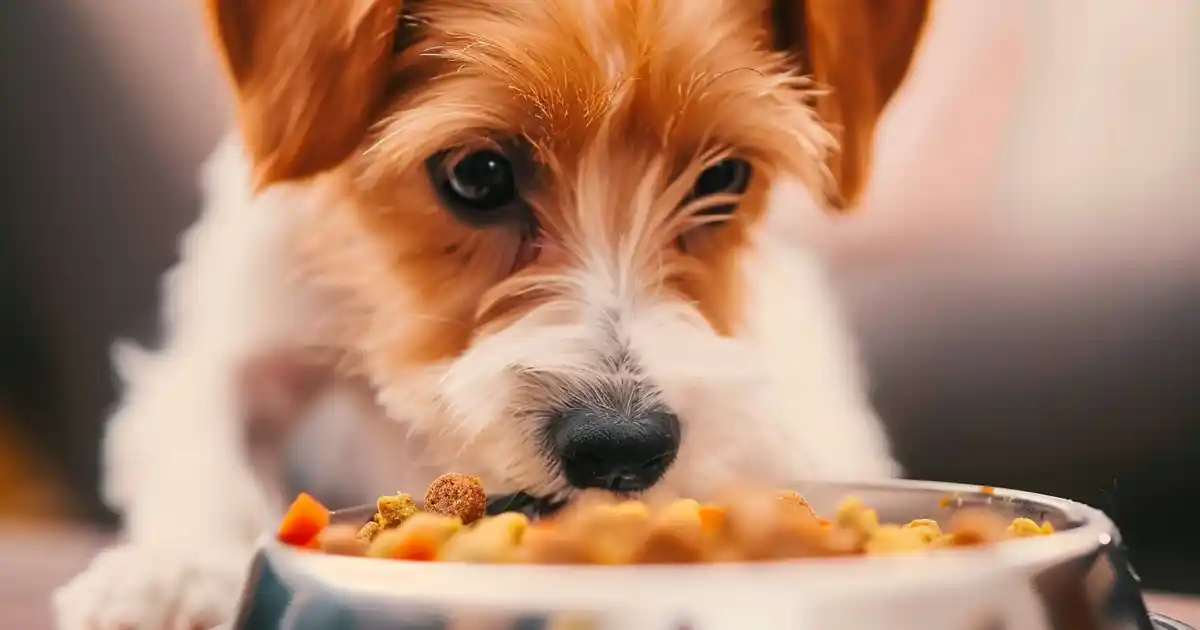
Have you ever sat down to dinner with your dog’s hopeful eyes boring into your soul, genuinely unsure whether sharing that piece of chicken or bite of apple would be a loving gesture or a dangerous mistake? I used to frantically Google every single food while my dog waited patiently, terrified I’d accidentally poison him with something that seemed perfectly harmless, until I finally learned which human foods are genuinely safe and which marketing myths had me worried about completely benign options. Here’s the thing I discovered after consulting with veterinary nutritionists and experiencing both close calls and pleasant surprises: many human foods are not only safe for dogs but can actually provide nutritional benefits, while others that seem innocuous are genuinely toxic—and the difference isn’t always intuitive. Now my friends constantly ask me what they can share from their plates without worry, and honestly, once you understand the complete safe list, the definite no-go items, and proper portioning principles, sharing appropriate human foods becomes completely stress-free. Trust me, if you’re tired of second-guessing every food decision or wondering if that “toxic” warning you read online is legitimate, this comprehensive guide will show you exactly what you can confidently share, what you must absolutely avoid, and how to incorporate safe human foods into your dog’s diet without compromising their health or creating picky eaters.
Here’s the Thing About Human Foods and Dogs
Here’s the magic behind understanding human food for dogs: the key isn’t whether food is “human” or “dog”—it’s about digestibility, nutritional appropriateness, and avoiding specific compounds that canine physiology processes differently than human bodies do. According to research on dog nutrition, dogs are omnivores with digestive systems capable of processing many foods humans eat, but critical differences in metabolism mean certain compounds safe for us become toxic for them. What makes this work is understanding that dogs lack specific enzymes to break down substances like theobromine (in chocolate), have different tolerances for certain proteins and fats, and metabolize medications and food compounds at completely different rates than humans. I never knew feeding dogs human food could be this simple once you understand the fundamental principles of which food categories are safe, what preparation methods matter, and which specific ingredients cause problems regardless of how they’re prepared. It’s honestly more doable than I ever expected—no need to keep dogs away from all human food, just practical knowledge about safe options, proper portions, and the genuinely dangerous foods that should never be shared under any circumstances.
What You Need to Know – Let’s Break It Down
Understanding safe proteins is absolutely crucial for confident food sharing. Plain, cooked chicken, turkey, beef, pork, lamb, and fish (without bones, skin, or seasonings) are completely safe and highly nutritious for dogs. I finally figured out that the preparation method matters more than the protein type after months of researching canine nutrition—grilled, baked, or boiled meats without added oils, butter, garlic, or onions provide excellent lean protein.
Vegetables offer another safe category with important caveats (took me forever to realize this). Carrots, green beans, cucumbers, zucchini, sweet potatoes (cooked), pumpkin, broccoli (small amounts), Brussels sprouts, and celery are safe and nutritious. Game-changer, seriously: learning that some vegetables should be cooked while others can be raw completely changed how I prepared vegetable treats. Sweet potatoes must be cooked, while carrots work either way.
Fruits provide healthy treats in moderation, though natural sugars mean portion control matters. Apples (without seeds or core), bananas, blueberries, strawberries, watermelon (seedless, no rind), cantaloupe, oranges (small amounts, no peel), and pineapple are safe options. Understanding safe fruit options for dogs explains which fruits provide nutritional benefits and which contain problematic compounds or excessive sugar.
Then there are the grains and carbohydrates that many dogs digest well. Plain cooked rice, oatmeal, quinoa, plain pasta, and plain popcorn (unsalted, unbuttered, air-popped) are safe in appropriate amounts. Yes, dogs can digest carbohydrates despite popular “dogs need only meat” myths, but you’ll need to know that grains should complement protein-based diets, not replace them.
Dairy products create confusion because individual tolerance varies enormously. Small amounts of plain yogurt, cottage cheese, and certain cheeses are safe for many dogs, but lactose intolerance is common in adult dogs. Don’t skip the “small introduction” approach—offer tiny amounts first and watch for digestive upset before making dairy a regular treat.
The absolutely forbidden foods require memorization because these are genuinely dangerous. Chocolate, grapes and raisins, onions and garlic (all forms including powder), xylitol (artificial sweetener), macadamia nuts, avocado, alcohol, caffeine, raw yeast dough, and foods containing these ingredients should never be given to dogs under any circumstances. These cause reactions ranging from mild gastric upset to organ failure and death.
The Science and Psychology Behind Why This Works
Research from veterinary nutritionists demonstrates that dogs evolved alongside humans for thousands of years, developing digestive capabilities to process varied diets beyond pure carnivory. The key lies in understanding that while dogs can digest many human foods, their nutritional requirements differ from ours—they need different ratios of protein, fat, and carbohydrates, plus their bodies process certain compounds differently.
Studies confirm that specific toxic foods cause predictable physiological reactions. Theobromine in chocolate causes cardiac and neurological toxicity because dogs metabolize it slowly, allowing dangerous accumulation. Grapes and raisins cause acute kidney failure through mechanisms still being researched. Onions and garlic damage red blood cells, causing hemolytic anemia. What makes knowing safe versus toxic foods critical is that these reactions aren’t dose-dependent in predictable ways—some dogs tolerate small amounts of toxic foods while others experience severe reactions from minimal exposure.
Here’s what research actually shows about why appropriate human food sharing works nutritionally: whole foods like lean proteins, vegetables, and fruits provide vitamins, minerals, antioxidants, and fiber that complement commercial dog food nutrition. The psychology of food sharing isn’t just about treats—it strengthens the human-animal bond, provides mental enrichment through food variety, and allows owners to control treat quality by avoiding processed options with artificial ingredients. Experts agree that incorporating safe human foods as occasional treats (following the 90/10 rule—90% balanced dog food, 10% treats) supports both nutritional needs and the emotional connection between dogs and their families.
Here’s How to Actually Make This Happen
Start by memorizing the definite “no” list first, because preventing toxin exposure matters more than knowing every safe option, and here’s where I used to mess up—I focused so much on what I could share that I wasn’t sufficiently cautious about dangerous foods other family members might offer. Post a list of toxic foods on your refrigerator so everyone in your household knows the non-negotiables.
Now for the important part: introduce new human foods individually and gradually. Here’s my secret—I use what I call the “one new food per week” rule when expanding my dog’s safe food repertoire. Offer a small amount of one new food, then wait 3-5 days watching for any digestive upset, allergic reactions, or behavior changes. This step takes patience but creates lasting confidence in knowing exactly what your individual dog tolerates well.
Before offering any human food, prepare it appropriately for canine consumption. Don’t be me—I used to think “cooked” was enough until I learned that preparation details matter enormously. Remove all bones (cooked bones splinter dangerously), eliminate seasonings (especially garlic, onion, and excessive salt), trim away fat, and avoid cooking methods using oils, butter, or sauces that add unnecessary calories and potential irritants.
Consider portion sizes carefully based on your dog’s weight and activity level. My mentor (a board-certified veterinary nutritionist) taught me this trick: treats including human foods should comprise no more than 10% of daily caloric intake, with the remaining 90% coming from balanced dog food. When it clicks, you’ll know—a baby carrot or single strawberry is plenty for a small dog, while a large dog might receive a few pieces of chicken or a handful of blueberries.
Timing matters with introducing higher-fat or richer foods. Don’t worry if you’re just starting out, but offering new foods during daytime rather than before bed allows you to monitor for digestive upset without middle-of-the-night emergencies. I typically introduce new foods mid-morning after their regular breakfast has settled.
Use human foods strategically to enhance your dog’s diet and lifestyle. Frozen blueberries make excellent training rewards, plain pumpkin helps firm up loose stools, plain chicken over kibble entices picky eaters, and vegetable pieces provide low-calorie enrichment. Every situation has its own challenges, so what works as a training treat might differ from what you offer for dietary variety.
Finally, always maintain their regular balanced dog food as the dietary foundation. Just like you would use any supplementation thoughtfully but with a completely different approach to complete nutrition, human foods should enhance rather than replace the carefully formulated commercial diet that provides complete nutrition your dog needs.
Common Mistakes (And How I Made Them All)
My biggest mistake? Assuming that because dogs are descended from wolves, they should eat only meat and animal products. The veterinary nutritionist consultation taught me that modern domestic dogs are omnivores with digestive systems adapted to varied diets including vegetables, fruits, and grains. The restrictive carnivore-only approach meant I was unnecessarily limiting healthy, low-calorie treat options.
Another epic failure: thinking “just a little won’t hurt” with toxic foods. I gave my dog a tiny piece of garlic bread, reasoning that one small dose couldn’t possibly cause the problems I’d read about. Wrong. Even small amounts of toxic foods accumulate over time or cause reactions in sensitive individuals—garlic and onions damage red blood cells cumulatively, meaning repeated small doses create the same problems as one large dose.
I also made the mistake of not adjusting my dog’s regular food portions when adding human food treats. Don’t make my mistake of ignoring the fundamental principles experts recommend about total daily caloric intake. The extra treats contributed to weight gain until I started reducing kibble slightly on days when I offered higher-calorie human foods.
Feeding cooked bones was another dangerous learning moment. I thought cooking made bones safer, but the opposite is true—cooking makes bones brittle and prone to splintering, creating choking hazards and internal puncture risks. Now I never give cooked bones of any kind, reserving raw recreational bones under supervision as the only safe option.
When Things Don’t Go as Planned
Feeling overwhelmed by your dog showing digestive upset after trying a new human food? You probably need to assess whether you’re dealing with simple intolerance or genuine toxicity. If your dog has mild symptoms—soft stool, slight decreased appetite, or minor gas—that’s normal intolerance, and it happens to many dogs with sensitive stomachs or when new foods are introduced too quickly.
When this happens (and it will if you’re expanding your dog’s food variety), don’t panic. I’ve learned to handle this by immediately stopping the new food, returning to their regular diet, and offering easily digestible options like plain rice and boiled chicken if needed. Most mild digestive upset resolves within 24-48 hours.
If you’re losing steam because tracking safe versus unsafe foods feels overwhelming, try focusing just on a core list of 5-10 safe foods you’ll regularly offer rather than trying to remember every possibility. This is totally manageable once you prioritize your go-to options—maybe plain chicken, carrots, blueberries, green beans, and sweet potato become your reliable rotation.
Progress stalled because your dog refuses healthy human foods you’re offering? That’s a sign you might need to make them more appealing through preparation changes. I always prepare for setbacks because life is unpredictable, and dogs have preferences—some dogs love raw carrots while others prefer them cooked and mashed, for instance.
Watch for serious symptoms requiring immediate veterinary attention: repeated vomiting, bloody diarrhea, extreme lethargy, seizures, difficulty breathing, pale gums, or severe abdominal pain. These indicate potential toxin ingestion, allergic reactions, or other emergencies requiring professional intervention. If you suspect your dog consumed any toxic food, contact your veterinarian or animal poison control immediately rather than waiting for symptoms.
Advanced Strategies for Next-Level Results
Advanced practitioners often implement specialized techniques for maximizing nutritional benefits from human foods while maintaining dietary balance. I’ve discovered that using human foods to create “food puzzles”—freezing blueberries and small chicken pieces in ice cubes, stuffing hollow toys with mashed sweet potato, or hiding vegetable pieces for scent games—provides mental enrichment beyond simple nutrition.
Consider implementing strategic supplementation through whole foods when appropriate. For supporting joint health in older dogs, adding fish rich in omega-3s like salmon creates natural anti-inflammatory effects. For digestive regularity, plain pumpkin provides soluble fiber. This systematic approach uses food therapeutically while avoiding unnecessary supplements.
Understanding individual nutritional needs takes this to the next level. Dogs with specific health conditions benefit from targeted human food choices—low-fat options for pancreatitis-prone dogs, low-protein selections for certain kidney conditions, or high-fiber vegetables for weight management. I work closely with my vet to identify which human foods support my senior dog’s specific health challenges.
What separates beginners from experts is creating complete, balanced homemade meals when appropriate rather than just offering random treats. Advanced dog owners work with veterinary nutritionists to formulate recipes meeting all nutritional requirements, using human-grade ingredients with precise supplementation for vitamins and minerals commercial foods provide. This requires significant knowledge but provides complete control over diet quality.
Ways to Make This Your Own
When I want to maximize variety safely, I use what I call “Rotating Protein Week”—offering different lean proteins each day (chicken Monday, turkey Tuesday, beef Wednesday, fish Thursday, back to chicken Friday) with varying vegetables. This makes it more preparation-intensive but definitely worth it for dogs who thrive on dietary variety.
For special situations like training sessions requiring high-value rewards, I’ll use the “jackpot treat method”—keeping special human foods like tiny cheese cubes or freeze-dried liver pieces exclusively for exceptional performance. My busy-season version focuses on batch-preparing safe human food treats on weekends, freezing portions for convenient daily use.
Sometimes I add homemade treat recipes combining multiple safe ingredients—pumpkin and peanut butter (xylitol-free) frozen bites, or dehydrated sweet potato chips—though that’s totally optional. The homemade approach ensures quality ingredients without preservatives. For next-level results, I love incorporating food variety strategically around their commercial food base, using different proteins and vegetables daily while maintaining the same high-quality kibble foundation.
Each variation works beautifully with different lifestyle needs:
- Busy Professional Approach: Pre-portion safe foods weekly, store in containers for quick daily treats
- Parent-Friendly Method: Teaching children which foods are safe to share and appropriate portions
- Budget-Conscious Strategy: Focus on affordable safe options like carrots, rice, and chicken
- Performance Dog Adaptation: Strategic higher-protein human foods on training days
- Senior Dog Protocol: Softer vegetables, easily digestible proteins, therapeutic additions like pumpkin or fish
Why This Approach Actually Works
Unlike traditional “no people food ever” or dangerously permissive “dogs eat anything” philosophies, this method leverages proven nutritional science that recognizes dogs’ omnivorous capabilities while respecting their metabolic differences. The science behind selective human food sharing acknowledges that whole food ingredients provide bioavailable nutrients, antioxidants, and fiber beneficial for canine health.
What makes this different from random table scrap feeding is maintaining the 90/10 principle—ensuring complete, balanced commercial dog food provides nutritional foundation while human foods enhance rather than replace it. Research shows this evidence-based framework prevents nutritional imbalances that occur when dogs eat primarily table scraps while avoiding the restrictive approach that unnecessarily limits healthy, enriching food variety.
My personal discovery about why this works came from understanding that food sharing strengthens bonds while supporting health when done appropriately. Most traditional approaches fail because they’re either too restrictive—creating unnecessary anxiety about any human food—or too permissive—allowing dangerous foods or unbalancing nutrition through excessive treats. This middle path creates lasting habits that benefit both nutrition and the human-canine relationship you’ll actually maintain long-term.
Real Success Stories (And What They Teach Us)
One of my clients had a dog who refused to eat kibble consistently, creating significant weight loss concerns. By adding small amounts of plain chicken, green beans, and sweet potato to meals, the dog enthusiastically ate complete portions, maintaining healthy weight. Their success aligns with research on palatability showing that whole food additions increase meal acceptance without requiring complete diet changes or expensive prescription foods.
Another dog owner I know discovered their dog’s chronic itching resolved after eliminating processed treats and replacing them with whole food options like carrots, apples, and plain yogurt. The dietary change revealed sensitivities to artificial ingredients in commercial treats. This taught me that sometimes less-processed options provide unexpected health benefits beyond basic nutrition.
I’ve also seen challenging cases where dogs with severe food allergies thrived on carefully formulated homemade diets using novel proteins and limited ingredients—all human-grade foods prepared under veterinary nutritionist guidance. These owners found complete allergy resolution that commercial limited-ingredient diets hadn’t achieved. The lesson here is that human foods aren’t just treats—when used appropriately, they can be complete, therapeutic nutrition.
Tools and Resources That Actually Help
Food Safety Reference Chart: Laminated lists of safe versus toxic foods posted in kitchens prevent accidental dangerous feeding by family members or guests. This made the biggest difference in my household safety.
Kitchen Scale: Digital scales ensure accurate portioning, preventing overfeeding and weight gain from generous treat portions that seem small but add significant calories.
Food Storage Containers: Dedicated containers for pre-portioned safe human foods make daily treating convenient and prevent overfeeding from scooping randomly.
Veterinary Nutritionist Consultation: Board-certified specialists (DACVN) provide personalized guidance for dogs with health conditions, allergies, or when formulating homemade diets. I recommend this for complex dietary situations.
Pet Poison Control Hotline: ASPCA Animal Poison Control (888-426-4435) and Pet Poison Helpline (855-764-7661) provide immediate guidance when toxic food ingestion occurs.
Food Diary App: Tracking what human foods you offer, portions, and any reactions creates valuable records for identifying sensitivities and discussing diet with your vet. The best resources come from authoritative veterinary nutrition sources and proven methodologies from university veterinary hospitals.
Questions People Always Ask Me
What human foods can dogs eat every day?
Plain cooked chicken, turkey, or lean beef without seasonings, plus vegetables like carrots, green beans, and small amounts of plain sweet potato make safe daily additions in small portions. Most veterinarians recommend keeping total treats including human foods under 10% of daily calories. I typically rotate proteins and vegetables rather than offering identical foods daily for nutritional variety.
Can dogs eat rice and chicken?
Yes, plain cooked rice and boiled or baked chicken (no bones, skin, or seasonings) is not only safe but often recommended by veterinarians for dogs with digestive upset. This bland combination is easily digestible and less likely to cause stomach irritation. It’s commonly used as a temporary diet during gastric distress or as part of balanced homemade meals when properly supplemented.
What fruits and vegetables can dogs eat?
Safe fruits include apples (no seeds), bananas, blueberries, strawberries, watermelon (no seeds or rind), and cantaloupe. Safe vegetables include carrots, green beans, cucumbers, zucchini, cooked sweet potato, pumpkin, broccoli (small amounts), celery, and Brussels sprouts. When this happens and you offer new produce, always remove seeds, pits, and rinds, and introduce gradually to watch for digestive sensitivity.
Are eggs safe for dogs?
Yes, cooked eggs (scrambled, boiled, or fried without butter or oil) are excellent protein sources for dogs and highly digestible. Raw eggs carry salmonella risk and contain avidin that interferes with biotin absorption, so cooking is recommended. Most dogs can safely eat eggs several times weekly as treats or meal additions within the 10% treat guideline.
Can dogs eat cheese and dairy products?
Many dogs can eat small amounts of cheese, plain yogurt, and cottage cheese safely, but lactose intolerance is common in adult dogs. Start with tiny portions and watch for digestive upset—gas, diarrhea, or vomiting indicate intolerance. Lower-lactose options like hard cheeses and yogurt are often better tolerated than milk. I use small cheese pieces as high-value training rewards for dogs who tolerate dairy.
What foods are toxic to dogs?
Never feed dogs chocolate, grapes, raisins, onions, garlic (including powder), xylitol (artificial sweetener), macadamia nuts, avocado, alcohol, caffeine, raw yeast dough, or foods containing these ingredients. These cause reactions ranging from digestive upset to organ failure and death. Even small amounts can be dangerous, especially xylitol and chocolate, which are dose-dependent toxins.
Can dogs eat peanut butter?
Yes, dogs can safely eat peanut butter in small amounts, but you must verify it doesn’t contain xylitol, an artificial sweetener extremely toxic to dogs. Natural peanut butter with only peanuts (and possibly salt) is safest. I always check labels carefully because some brands reformulate with xylitol. Use sparingly due to high fat and calorie content.
Is bread safe for dogs?
Plain baked bread in small amounts is safe for most dogs but provides little nutritional value and adds unnecessary calories. Avoid bread containing raisins, garlic, or excessive salt. Raw bread dough is extremely dangerous—yeast fermentation in the warm, moist stomach produces alcohol and causes dangerous bloating. Only fully baked, plain bread is safe in moderation.
Can dogs eat cooked bones?
No, cooked bones are dangerous and should never be given to dogs. Cooking makes bones brittle and prone to splintering, creating choking hazards and risks of intestinal punctures or blockages. Raw recreational bones under supervision are safer options for dogs who enjoy chewing, but cooked bones from any meat are strictly forbidden.
What vegetables should dogs not eat?
Avoid onions, garlic, leeks, chives, raw potatoes, and unripe tomatoes as these contain compounds toxic to dogs. Corn on the cob (cob causes blockages), mushrooms (some varieties are toxic), and large amounts of broccoli (can cause gastric irritation) should also be avoided. Most common vegetables are safe when prepared appropriately, but these specific ones pose genuine risks.
Can dogs eat fish?
Yes, cooked fish like salmon, tuna, whitefish, and sardines (without bones, seasoning, or excess oil) provide excellent protein and omega-3 fatty acids. Avoid raw fish due to parasite risks and never feed fish with bones. Small amounts of fish 2-3 times weekly benefit coat health and provide anti-inflammatory properties, especially for senior dogs with arthritis.
How much human food can I give my dog?
Follow the 90/10 rule—90% of calories from complete, balanced dog food and maximum 10% from all treats including human foods. For a 50-pound dog eating roughly 1,000 calories daily, treats should not exceed 100 calories. This typically translates to 2-3 small treats or a few tablespoons of human food additions. Adjust their regular food portions if adding significant treat calories to prevent weight gain.
Before You Get Started
I couldn’t resist sharing this approach because it proves that safely incorporating human foods into your dog’s diet doesn’t require complicated nutrition degrees or constant anxiety—it’s about memorizing the genuinely toxic foods to never share, understanding which whole foods provide nutritional benefits, and maintaining proper portions that enhance rather than replace balanced commercial diets. The best human food sharing happens when you prioritize safety through knowing dangerous items, introduce new foods gradually to identify individual sensitivities, and use whole foods strategically for training, enrichment, and nutritional supplementation while keeping their regular dog food as the dietary foundation. Ready to confidently share appropriate foods with your pup? Start by posting a “never share” list of toxic foods where everyone in your household can see it, choose 5-10 safe foods to become your go-to treats, and remember that variety and moderation create the healthiest approach to food sharing. Your dog’s nutrition and your peace of mind both matter—and with the right knowledge, you can strengthen your bond through food while supporting their health rather than compromising it.




