
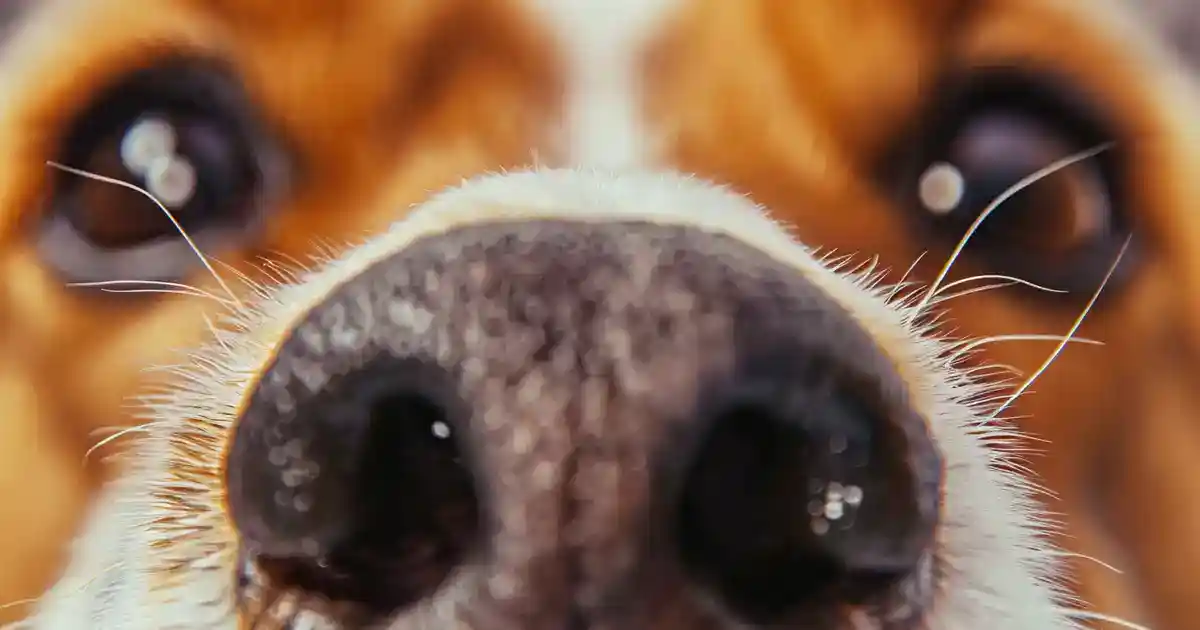
Have you ever wondered why your dog’s nose feels perpetually wet and cold when they nuzzle you, and whether that wetness actually means something about their health?
I’ll never forget the morning I woke up to my Labrador’s ice-cold, soaking wet nose pressed against my face—it got me thinking about why dog noses are always so wet, whether a dry nose means illness, and what purpose all that moisture serves. Here’s the thing I discovered after researching canine anatomy, consulting veterinarians, and diving into animal physiology studies: dogs’ noses are wet for multiple fascinating scientific reasons involving scent detection, temperature regulation, and natural secretions, but the real game-changer is understanding that nose wetness varies normally throughout the day and a dry nose doesn’t automatically signal health problems. Now my fellow dog owners constantly ask whether they should worry about their dog’s nose being too wet or too dry, and my veterinarian (who hears this concern weekly) keeps explaining that nose moisture is just one small indicator among many when assessing canine health. Trust me, if you’re confused about what’s normal, worried about a dry nose, or just curious about the biology behind that wet snout, this comprehensive guide will show you the fascinating reasons behind nose wetness, when to actually worry, and what your dog’s nose can and can’t tell you about their health—it’s more interesting and nuanced than you ever expected.
Here’s the Thing About Wet Dog Noses
The secret to understanding canine nose wetness is recognizing that multiple biological mechanisms work together—mucus-producing glands in the nasal cavity keep surfaces moist for scent molecule capture, tear ducts drain into the nose adding moisture, dogs lick their noses frequently to transfer scent particles and keep the surface wet, and environmental moisture from sniffing damp surfaces or digging in dirt contributes to that characteristic wetness. What makes wet noses particularly important for dogs is their role in enhancing olfactory capabilities—moisture on the nose surface helps capture and dissolve scent molecules, dramatically improving dogs’ already extraordinary sense of smell which is 10,000 to 100,000 times more sensitive than humans’. I never knew noses could be this sophisticated until I learned that the wet nose surface works like a scent collection system, gathering odor molecules from the air and bringing them to olfactory receptors, while also providing information about wind direction through evaporative cooling on different parts of the nose. This combination of anatomical structures, behavioral habits, and environmental factors creates that cold, wet nose we associate with healthy dogs. It’s honestly more complex than I ever expected, and nose wetness represents normal canine physiology rather than random moisture. According to research on canine olfaction, understanding how dogs’ sense of smell works helps explain numerous anatomical adaptations including the wet nose that optimizes their primary sensory system and provides information about their environment that humans cannot access.
What You Need to Know – Let’s Break It Down
Understanding the multiple factors contributing to nose wetness is absolutely crucial—we’re talking about mucus secretion, nasal gland function, licking behavior, tear drainage, and environmental moisture all working together. Don’t skip learning about these mechanisms because appreciating normal variation helps identify when changes actually matter (took me forever to realize this).
Mucus glands naturally keep noses moist which works beautifully for scent detection—special glands inside the nasal cavity continuously produce thin mucus that keeps surfaces wet, captures airborne scent particles, and dissolves odor molecules for better detection. I finally figured out that this isn’t excess moisture needing to be dried off but rather functional wetness serving essential purposes.
Licking is a deliberate behavior—seriously game-changing to understand dogs aren’t randomly licking their noses but actively maintaining optimal moisture. Dogs lick their noses hundreds of times daily, transferring scent particles from nose to mouth where additional sensory organs (the vomeronasal organ) analyze chemical information. I always find this fascinating because what looks like a simple habit actually represents sophisticated sensory processing.
Tear ducts drain into the nose adding moisture through normal tear production. Yes, this anatomical connection means tears don’t just overflow from eyes but drain internally into nasal passages, contributing to nose wetness. Here’s why this matters: blocked tear ducts can cause excessive eye discharge instead of normal nasal moisture contribution.
Temperature regulation involves the nose though not as primary function—evaporation from the wet nose surface provides minor cooling, and dogs lack sweat glands over most of their body, so any evaporative cooling helps. Most people need to understand that panting is dogs’ main temperature regulation mechanism, but nose moisture contributes slightly. If you’re curious about normal versus abnormal nose conditions in dogs, check out my guide to canine health indicators for foundational information on interpreting physical symptoms and when various changes warrant veterinary attention.
The Science and Psychology Behind Why This Works
The wet dog nose represents evolutionary optimization for scent-based navigation and information gathering—dogs rely on olfaction as their primary sense (unlike humans who prioritize vision), and moisture significantly enhances molecular detection capabilities. Research from leading comparative anatomy departments demonstrates that scent molecules dissolve in the thin mucus layer on dogs’ noses, allowing chemical receptors to analyze composition more effectively than if particles remained airborne and dry. What makes this different from a scientific perspective is that the wet surface actually captures passing scent molecules that dry surfaces would miss, while directional information from differential evaporation rates across the nose surface helps dogs determine wind direction and track scent trails more accurately.
The behavioral aspect matters because dogs actively maintain nose wetness through frequent licking—this isn’t nervous behavior but functional maintenance of their primary sensory organ. I’ve learned that understanding licking as purposeful rather than meaningless habit helps owners appreciate how much information dogs gather through their noses. Traditional concerns about dry noses indicating illness often fail because they don’t account for normal variation—dogs’ noses dry during sleep (less licking, different position), after exertion (focused on panting), or in certain weather conditions, then return to wetness during active periods. Experts at veterinary teaching hospitals confirm that while extreme dryness combined with other symptoms may indicate issues, nose moisture alone tells you very little about overall health status.
Here’s How to Actually Interpret Nose Wetness
Start by establishing your individual dog’s normal baseline—here’s where I used to mess up by comparing my dog to generalized descriptions rather than tracking her specific patterns (individual variation is huge). Observe your dog’s nose throughout typical days to understand their normal wetness level, which varies by breed, age, activity, and environment.
Recognize normal variation throughout the day: Don’t be me—I used to panic when my dog’s nose was dry after naps, not realizing this is completely normal. During sleep, dogs lick their noses less frequently, and resting position affects moisture retention. This observation takes zero effort but creates realistic expectations about normal fluctuation. When your dog is awake and active, nose wetness typically returns within minutes through resumed licking.
Assess wetness in context with other health indicators: Now for the important part—here’s my secret from veterinarians: never evaluate nose condition in isolation. Combine nose assessment with energy level, appetite, behavior, temperature (taken rectally, not via nose), and other physical signs. When evaluating health, a wet nose with lethargy and loss of appetite still warrants concern, while a temporarily dry nose in an otherwise energetic, eating, playful dog rarely indicates problems.
Understand breed and environmental factors: Just like recognizing that different breeds have different characteristics, nose wetness varies. Brachycephalic breeds (Pugs, Bulldogs) sometimes have drier noses due to facial structure affecting licking ability. Results can vary, but dogs in arid climates, heated homes during winter, or after sun exposure often show temporarily drier noses without health implications. My mentor (a veterinary dermatologist) taught me this reality: environmental factors affect nose moisture as much as health status in many cases.
Identify concerning changes: Every situation has its own context, but certain nose changes warrant attention. Don’t worry if you’re just learning to assess noses—obvious problems are usually obvious. Cracked, crusty, or bleeding noses; color changes (very pale, blue-tinged, or inflamed red); discharge that’s thick, colored, or foul-smelling; or dryness accompanied by systemic illness signs all require veterinary evaluation.
Monitor for consistency and persistence: This creates informed decision-making rather than panic over temporary changes. Watch whether dryness persists despite water availability and rest, whether cracks develop or worsen, and whether the dog seems uncomfortable about their nose (rubbing, pawing, avoiding touch).
Common Mistakes (And How I Made Them All)
My biggest failure was assuming my dog’s dry nose during winter meant she was sick, when actually low humidity in our heated home was drying everyone’s mucus membranes, including hers. I learned the hard way after an unnecessary vet visit that environmental factors cause most temporary nose dryness. Don’t make my mistake of ignoring the fundamental principle experts recommend: assess nose condition alongside behavior, appetite, and energy rather than treating it as an independent health indicator.
Another epic failure? Using petroleum jelly on my dog’s “too dry” nose without veterinary guidance because I thought I was helping. Never, ever apply products to your dog’s nose without professional advice—dogs lick their noses constantly, ingesting whatever you apply, and some products can cause digestive upset or interfere with normal sensory function. The proper approach is addressing underlying causes rather than treating symptoms cosmetically.
I also made the mistake of panicking about my senior dog’s increasingly dry nose, when normal aging reduces gland secretion and licking frequency in some older dogs without indicating disease. Age-related changes happen gradually and often don’t require intervention if other health parameters remain normal.
Underestimating the importance of hydration was perhaps my most easily corrected error—I didn’t realize that mild dehydration shows up in mucus membrane dryness, including the nose, before becoming obvious through other symptoms. You must ensure constant access to fresh water and monitor intake, especially during hot weather or after exercise.
When Things Don’t Go as Planned
Feeling overwhelmed when your dog’s nose seems persistently dry despite good health otherwise? You probably just have a dog with naturally less wet nose or environmental factors affecting moisture. That’s normal, and it happens because individual variation in gland secretion and licking behavior creates different baseline nose conditions across dogs.
Progress stalled and your dog’s dry, cracked nose isn’t improving with home care? I’ve learned to handle this by seeking veterinary evaluation for underlying causes—autoimmune conditions, allergies, nutritional deficiencies, or breed-specific issues may require professional diagnosis and treatment. When this happens (and persistent problems develop), topical treatments or systemic medications prescribed by vets address root causes rather than just symptoms.
If you’re losing steam worrying about every nose fluctuation, try focusing on overall wellness instead of fixating on single indicators. This is totally manageable when you step back and assess the whole dog—is she eating well? Playing normally? Sleeping comfortably? If yes, the nose condition probably isn’t concerning. I always remind myself that dogs survived millennia before humans obsessed over nose moisture.
Some dogs develop medical conditions affecting nose health—discoid lupus erythematosus, pemphigus, nasal solar dermatitis, or fungal infections can all change nose appearance and texture. Don’t stress, just contact your veterinarian if you notice concerning changes. They can diagnose specific conditions and prescribe appropriate treatments ranging from topical medications to systemic therapies.
When motivation fails and you’re tempted to apply random products to “fix” a dry nose, remember that normal variation doesn’t need fixing, and actual problems require veterinary diagnosis—focus on your dog’s overall health rather than cosmetic nose perfection.
Advanced Strategies for Next-Level Nose Care
Advanced dog owners often implement comprehensive environmental monitoring, using humidifiers during dry seasons, limiting sun exposure for dogs with pink or light-colored noses prone to sunburn, and ensuring constant water access to support mucus membrane health. Here’s my personal discovery about taking nose care to the next level: photographing your dog’s nose monthly in consistent lighting creates visual documentation that reveals gradual changes ordinary observation misses—helpful for senior dogs or breeds prone to nasal conditions.
Consider breed-specific awareness if you own dogs prone to nose issues—Collies and related breeds can develop collie nose (nasal solar dermatitis), certain breeds are predisposed to autoimmune conditions affecting nose tissue, and brachycephalic breeds often have structural challenges affecting nose moisture. This sophisticated approach addresses prevention through informed vigilance rather than reactive treatment after problems develop.
For dogs with chronically dry noses verified as benign by veterinarians, I’ve learned that veterinary-approved nose balms (not human products) can provide comfort without interfering with sensory function. When and why to use this strategy: any time dryness causes visible cracking or discomfort but underlying health screening reveals no disease requiring medical treatment.
Professional-grade veterinary dermatology consultations provide definitive diagnosis when nose conditions persist or worsen—skin biopsies, fungal cultures, and autoimmune panels identify specific causes that general practitioners might miss. What separates basic owners from dedicated advocates is understanding that persistent abnormalities deserve specialist evaluation rather than continued guessing or home remedies.
Ways to Make This Your Own
When I want maximum health monitoring for my senior dog, I use the Comprehensive Wellness Method: weekly nose inspections alongside body condition scoring, dental checks, and mobility assessment to catch any developing issues early. This makes the approach more systematic but definitely worth it for aging dogs where early detection matters.
For special situations like dogs with autoimmune conditions affecting the nose, I’ll use the Medical Management Protocol featuring prescribed topical treatments, sun avoidance strategies, and regular veterinary rechecks monitoring for disease progression. My veterinarian designed this version for dogs requiring ongoing nose condition management.
The Natural Maintenance Approach emphasizes supporting normal nose health through adequate hydration, appropriate humidity levels (40-50% indoor humidity), protection from extreme sun exposure, and balanced nutrition supporting mucus membrane health. Sometimes I add omega-3 supplements which support skin and mucus membrane integrity, though that’s totally optional and works best under veterinary guidance.
My prevention-focused version emphasizes the Environmental Optimization Strategy—maintaining comfortable home humidity year-round, providing shaded rest areas outdoors, and ensuring multiple water stations encourage adequate hydration. For next-level results, I love the Baseline Documentation System where I photograph my dog’s nose quarterly to track any subtle changes that might indicate developing conditions before they become obvious.
Each variation works beautifully with different dog ages, health statuses, and owner vigilance levels while achieving the same ultimate goal: maintaining healthy noses while recognizing when professional evaluation is warranted.
Why Understanding This Actually Matters
Unlike obsessing over single indicators that vary normally, this comprehensive approach leverages proven biological knowledge that most people ignore. The thorough strategy works because understanding normal nose function, variation patterns, and true warning signs prevents both unnecessary panic over benign changes and dangerous dismissal of genuine problems.
What makes this different is combining the fascinating biology (moisture enhances scent detection, serves temperature regulation, results from multiple anatomical systems) with practical health assessment skills that responsible owners need. I discovered through experience that pet owners who understand what noses normally do and how to recognize actual problems make better decisions than those following old wives’ tales about “cold wet nose equals healthy dog.”
The evidence-based foundation relies on veterinary medicine research showing that no single physical characteristic reliably indicates overall health—comprehensive assessment of multiple parameters (behavior, appetite, energy, temperature, mucus membranes, elimination) provides accurate health pictures while isolated signs like nose wetness can mislead. This realistic approach creates informed pet ownership rather than superstitious worry over minor variations.
Real Success Stories (And What They Teach Us)
One dog owner noticed her Collie’s nose becoming progressively drier and developing crusty lesions—rather than applying home remedies, she sought veterinary evaluation and received a diagnosis of discoid lupus erythematosus. Early treatment with immunosuppressive medications and sun avoidance prevented progression to severe scarring. What made this person successful was recognizing that persistent abnormal changes warrant professional assessment rather than home management attempts.
A rescue organization I worked with stopped using “cold wet nose” as a health screening criterion after realizing healthy dogs showed huge variation while some sick dogs maintained wet noses. They achieved more accurate health assessments by implementing comprehensive examinations evaluating multiple body systems rather than relying on single indicators. The lesson? Outdated assessment methods miss important signs while creating false reassurance or unnecessary concern.
Another dog owner discovered her senior dog’s increasingly dry nose resulted from mild dehydration due to reluctance to walk to water bowls (arthritis pain). Once she placed multiple water stations throughout the house eliminating painful trips, hydration improved and nose moisture normalized. Their success shows how addressing underlying causes (in this case, mobility limitations) resolves symptoms more effectively than treating symptoms directly.
Different experiences are normal. Some dogs maintain wet noses constantly, others show more variation, and a few have naturally drier noses without health implications. Honesty about individual differences helps owners avoid inappropriate comparisons that generate worry when their dog differs from generalized descriptions.
Tools and Resources That Actually Help
Indoor humidity monitors help maintain optimal moisture levels (40-50% relative humidity) that support respiratory and mucus membrane health in dogs and humans alike. I personally use simple digital hygrometers ($10-20) because monitoring helps me know when to run humidifiers during dry winter months.
Veterinary-approved nose balms provide safe moisture for dogs with chronically dry noses verified as benign by veterinarians. Why these are valuable: they’re formulated for ingestion safety since dogs lick their noses constantly. Products like Snout Soother or veterinary-recommended alternatives work better than human lip balms that may contain harmful ingredients. Limitations? They treat symptoms rather than underlying causes, so veterinary evaluation should precede use.
Quality water bowls and fountains encourage adequate hydration supporting overall mucus membrane health. My personal experience shows some dogs drink more from fountains providing moving water, potentially improving hydration status that benefits noses along with other body systems.
Sun protection for vulnerable noses like pet-safe sunscreen prevents solar damage in dogs with pink or light-colored noses spending time outdoors. The best resources come from authoritative veterinary dermatology associations and proven methodologies for protecting exposed skin from UV damage that can cause dryness, cracking, and even cancer.
Documentation tools like smartphone photos create visual timelines showing nose changes over weeks or months—helpful for communicating with veterinarians about gradual changes difficult to describe verbally.
Questions People Always Ask Me
Why are dogs’ noses wet?
Dogs’ noses stay wet through combination of mucus gland secretion, frequent licking behavior, tear duct drainage, and environmental moisture from sniffing. I’ve learned this wetness serves important functions—enhancing scent detection by capturing odor molecules and providing minor temperature regulation through evaporation. The key is understanding wetness represents normal, functional physiology rather than excess moisture needing correction.
Does a dry nose mean my dog is sick?
Not necessarily—nose dryness alone doesn’t indicate illness, especially if temporary or occurring during sleep, after sun exposure, or in low humidity environments. I usually recommend assessing overall health (energy, appetite, behavior) rather than fixating on nose condition. Dry nose combined with lethargy, loss of appetite, or other symptoms warrants veterinary evaluation, but isolated dryness in an otherwise healthy dog rarely concerns veterinarians.
Should a dog’s nose be wet all the time?
No, normal variation occurs throughout the day—noses often dry during sleep, after exercise (when panting takes priority), or in certain environmental conditions, then return to wetness during active periods with resumed licking. Just focus on recognizing your individual dog’s normal patterns rather than expecting constant wetness. You don’t need perfect wetness 24/7—variation is completely normal.
What does it mean if my dog’s nose is very wet?
Excessive wetness accompanied by nasal discharge (especially if colored, thick, or foul-smelling) may indicate respiratory infection, allergies, or other conditions requiring veterinary evaluation. Normal wetness from mucus and licking looks clear and thin; abnormal discharge appears different in consistency and often accompanies other symptoms like sneezing or difficulty breathing.
Can I put something on my dog’s dry nose?
Only use veterinary-approved products specifically formulated for dogs—never apply petroleum jelly, human lip balm, or random moisturizers without veterinary guidance. Dogs lick their noses constantly, ingesting whatever you apply. Professional products account for ingestion safety while addressing dryness appropriately.
Why is my dog’s nose wet and cold?
Wetness comes from mucus secretion and licking, while coolness results from evaporative cooling as moisture evaporates from the surface—similar to how sweat cools your skin. I’ve learned the “cold” sensation also reflects that nose temperature stays slightly below core body temperature due to surface position and airflow exposure. This combination creates that characteristic cold, wet nose feeling.
Do puppies’ noses stay as wet as adult dogs?
Puppies often have very wet noses due to enthusiastic, frequent licking and active mucus gland function. As dogs mature, individual variation emerges—some maintain very wet noses throughout life while others develop moderately dry baseline conditions that remain healthy. The observation period through puppyhood into adulthood reveals your specific dog’s normal range.
What causes cracked or crusty noses in dogs?
Multiple conditions can cause abnormal nose texture: autoimmune diseases (discoid lupus, pemphigus), allergies, sunburn (especially in light-colored noses), nutritional deficiencies, fungal infections, or breed-specific conditions. Previous home remedy attempts often delay proper diagnosis. This comprehensive concern requires veterinary evaluation for accurate diagnosis and appropriate treatment rather than guessing.
Does nose color matter for health?
Nose color itself (black, brown, pink) relates to genetics and pigmentation rather than health, though color changes can indicate issues—very pale may suggest anemia, blue-tinged indicates oxygen deficiency, and loss of pigmentation can accompany autoimmune conditions. Focus on monitoring for changes from your dog’s normal color rather than comparing to other dogs.
How can I tell if my dog’s nose problem is serious?
Look for these concerning signs warranting veterinary evaluation: persistent dryness with cracking or bleeding, color changes, thick or colored discharge, behavioral changes suggesting discomfort, nose sensitivity to touch, or any symptoms accompanied by systemic illness signs (lethargy, appetite loss, fever). Temporary dryness in an otherwise healthy dog rarely requires emergency care.
Are certain breeds prone to dry noses?
Brachycephalic breeds (Pugs, Bulldogs, Boston Terriers) sometimes have drier noses due to facial structure affecting licking ability. Breeds with light-colored or pink noses (Collies, Australian Shepherds, some Huskies) face higher risks of solar dermatitis causing dryness. While I appreciate wanting breed-specific guidance, individual variation within breeds remains significant—assess your individual dog rather than assuming breed guarantees specific characteristics.
How often should dogs lick their noses?
Dogs lick their noses hundreds of times daily during waking hours—this frequent licking maintains moisture, transfers scent particles to sensory organs, and represents normal behavior rather than excessive grooming. Most owners don’t consciously count licking frequency, but if you notice dramatic changes (suddenly excessive licking or complete cessation), mention it during veterinary visits as potential indicators of underlying issues.
Before You Get Started
I couldn’t resist sharing this fascinating information because it proves that understanding normal biology transforms random observations into informed health monitoring—what seems like mysterious wetness actually represents sophisticated evolutionary adaptations optimizing dogs’ primary sensory system. The best nose-health journeys happen when you combine biological understanding with practical assessment skills, creating sustainable approaches that recognize normal variation while identifying genuine problems requiring attention. Ready to become an informed observer of your dog’s nose? Start with establishing your individual dog’s normal baseline through regular observation in various conditions, learn to distinguish temporary environmental effects from persistent abnormalities, and build confidence in comprehensive health assessment rather than fixating on single indicators. Your more informed, less anxious future as a dog owner begins with that first decision to understand the fascinating “why” behind that cold, wet nose rather than accepting myths about what it supposedly indicates.




