
Opening
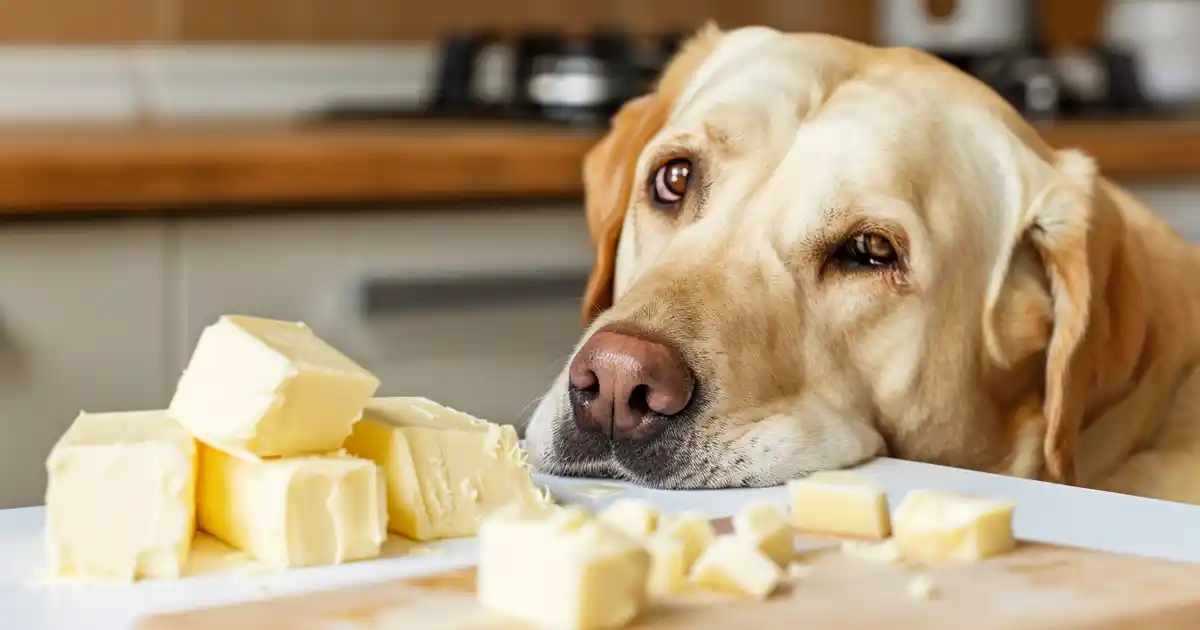
Have you ever watched your dog stare at you with those irresistible puppy eyes while you’re spreading butter on your morning toast, wondering if just a tiny taste would really hurt? I used to sneak my golden retriever little bits of everything from my plate until one expensive vet visit changed my perspective completely. Now my fellow dog parents constantly ask me about which human foods are actually safe, and butter comes up way more often than you’d think. Trust me, if you’re worried about whether that pat of butter your pup just licked off the counter is dangerous, this guide will show you exactly what you need to know without the guilt or confusion.
Here’s the Thing About Butter and Dogs
Here’s the magic behind understanding butter’s impact on your furry friend: it’s not about whether butter is toxic (spoiler: it’s not poisonous), but rather how your dog’s digestive system handles high-fat dairy products differently than ours. The secret to keeping your pup healthy is knowing that what seems harmless to us can create uncomfortable or even serious issues for them. I never knew fat content could be this crucial until I spent hours researching canine nutrition and speaking with veterinarians. This combination of understanding fat tolerance and portion control creates amazing results for maintaining your dog’s health. It’s honestly more important than I ever expected, and no complicated systems needed—just awareness of how butter affects dogs specifically. According to research on animal nutrition, dogs process fats differently than humans, which makes certain foods more problematic for our four-legged companions.
What You Need to Know – Let’s Break It Down
Understanding fat content is absolutely crucial when considering any dairy product for your dog. Butter is essentially concentrated milk fat—about 80% fat content—which is significantly higher than most foods dogs naturally consume. Don’t skip this part because it explains why even small amounts can cause problems. I finally figured out that a dog’s pancreas works overtime processing high-fat foods after watching my friend’s Labrador develop pancreatitis from too many fatty treats (took me forever to realize this connection).
The lactose factor matters more than most people think. While butter contains less lactose than milk, many dogs are lactose intolerant to varying degrees. Some pups handle small amounts fine, while others experience immediate digestive upset. Butter works for occasional tiny tastes in some dogs, but you’ll need to monitor your individual pet’s reaction carefully.
Your dog’s size and breed play a huge role in tolerance levels. A Great Dane might handle a small butter exposure better than a Chihuahua simply due to body mass and metabolic differences. I always recommend starting with the assumption that less is more because everyone sees better health outcomes with conservative approaches.
The preparation method changes everything (game-changer, seriously). Salted butter adds unnecessary sodium to the equation, while flavored butters might contain garlic, onions, or other ingredients that are genuinely toxic to dogs. If you’re exploring safe treat options for your pup, check out my beginner’s guide to dog-friendly human foods for foundational knowledge about what’s actually safe to share.
The Science and Psychology Behind Why This Matters
Research from veterinary nutritionists demonstrates that high-fat diets significantly increase the risk of pancreatitis in dogs, a painful and potentially life-threatening condition. The canine pancreas produces enzymes to break down fats, but excessive fat intake overwhelms this system, causing inflammation and digestive distress. Studies confirm that even a single high-fat meal can trigger acute pancreatitis in susceptible dogs, particularly in breeds predisposed to the condition like Miniature Schnauzers, Cocker Spaniels, and Yorkshire Terriers.
What makes butter particularly problematic from a behavioral perspective is how it reinforces begging behavior. Dogs learn incredibly quickly that those pleading eyes result in tasty rewards, creating a psychological pattern that’s difficult to break. I’ve learned through experience that the temporary joy of sharing human food creates long-term training challenges and potential health risks that far outweigh that momentary happiness.
Experts agree that consistency in feeding practices creates better health outcomes and clearer boundaries for our pets. When we occasionally slip dogs butter or other fatty foods, we’re not just risking their physical health—we’re also confusing their understanding of appropriate food sources and reinforcing behaviors that make mealtimes stressful for everyone.
Here’s How to Actually Handle the Butter Question
Start by asking yourself why you’re considering giving your dog butter in the first place. Here’s where I used to mess up—I thought sharing food was showing love, when really I was just projecting my own food relationships onto my pet. Dogs don’t need butter for nutrition, taste variety, or bonding. They’re perfectly content with dog-appropriate treats that don’t carry health risks.
Now for the important part: if your dog accidentally consumes butter (because let’s be real, these sneaky creatures are opportunistic), here’s my secret for monitoring the situation. Watch for signs of digestive upset over the next 12-24 hours: vomiting, diarrhea, lethargy, loss of appetite, or abdominal pain. Small amounts typically just cause mild stomach upset, but larger quantities warrant a veterinary call. When it clicks, you’ll know the difference between “my dog seems a bit off” and “this requires medical attention.”
Create healthier alternatives that satisfy your urge to share. This step takes five minutes but creates lasting change in your relationship with your dog around food. Keep a container of dog-safe treats near where you eat, so when those puppy eyes start working their magic, you have an appropriate option ready. Results can vary, but this simple boundary-setting technique works consistently.
Educate everyone in your household about the rules. My mentor (my veterinarian) taught me this trick: post a list on the refrigerator of foods dogs absolutely shouldn’t have, with butter firmly in the “avoid” category. Every household has its own challenges with different family members having varying levels of awareness, so visual reminders help maintain consistency.
Address the root cause of begging behavior rather than just managing symptoms. Don’t worry if you’re just starting out with training—teaching dogs to settle during human mealtimes creates lasting habits you’ll actually stick with. This means feeding your dog before you eat, establishing a “place” command where they wait during meals, and never feeding from your plate or the table, just like positive reinforcement training but with complete consistency around food boundaries.
Common Mistakes (And How I Made Them All)
Don’t make my mistake of thinking “just this once” won’t matter. I used to give my first dog tiny tastes of everything, assuming small amounts were harmless. That occasional indulgence became expected, turning mealtimes into negotiation sessions. More seriously, it established patterns where my dog actively sought human food, leading to counter-surfing and garbage-raiding behaviors that took months to correct.
The “my dog has eaten butter before and was fine” rationalization is dangerous. Just because your pup tolerated butter once doesn’t mean they always will. Pancreatitis risk accumulates with repeated high-fat exposures, and previous tolerance doesn’t guarantee future safety. I’ve learned that preventive care beats reactive veterinary bills every single time.
Assuming all dogs are the same is another trap I fell into early on. My neighbor’s dog might handle dairy perfectly while yours experiences immediate digestive distress. Breed predispositions, individual sensitivities, age, and overall health status all influence how dogs process fatty foods. Experts recommend treating each dog as an individual with unique nutritional needs rather than applying blanket rules based on other pets’ experiences.
The biggest mistake? Not reading ingredient lists on “butter” products. Margarine, butter spreads, and flavored butters often contain xylitol (extremely toxic to dogs), garlic powder, onion powder, or other dangerous additives. That seemingly innocent “light butter” might actually pose greater risks than plain butter due to artificial sweeteners added for flavor.
When Things Don’t Go as Planned
Feeling worried because your dog just ate a stick of butter off the counter? You probably need to call your veterinarian, especially if your dog is small, elderly, or has a history of pancreatitis. That’s completely normal, and it happens to even the most vigilant pet owners—dogs are incredibly sneaky and opportunistic when motivated by delicious smells.
I’ve learned to handle butter theft incidents by immediately assessing the amount consumed relative to my dog’s size. When this happens (and it will if you have a food-motivated pup), stay calm and gather information: How much butter? Was it salted or flavored? How long ago did they eat it? This information helps your vet determine appropriate next steps, which might range from “monitor at home” to “bring them in immediately.”
Don’t stress if you’ve been occasionally giving your dog tiny butter tastes and just learned it’s problematic—just stop now. This is totally manageable by transitioning to appropriate dog treats and implementing better boundaries. If you’re losing motivation to maintain strict food rules, try remembering that veterinary bills for pancreatitis treatment often exceed thousands of dollars, not to mention your dog’s suffering. When dealing with can dogs eat butter concerns after an accidental ingestion, prevention becomes your best strategy moving forward.
Advanced Strategies for Managing Food-Motivated Dogs
Advanced dog owners often implement specialized environmental management techniques for preventing butter and other food thefts. This means storing butter in containers your dog can’t access, keeping counters completely clear, and using baby gates to restrict kitchen access during food preparation. I’ve discovered that physical barriers work far better than relying solely on training, especially with highly food-motivated breeds like Beagles, Labradors, and Basset Hounds.
Training a rock-solid “leave it” command creates another layer of protection. This advanced cue teaches dogs to ignore even highly tempting items on command, which proves invaluable when butter accidentally drops on the floor or sits within reach. The key is practicing with increasingly tempting items until your dog reliably responds even to their favorite foods.
For dogs with severe food obsession, consider puzzle feeders and enrichment activities that satisfy their foraging instincts appropriately. These mental stimulation tools redirect that intense food motivation into healthy channels, reducing the desperation that drives counter-surfing and food theft. My advanced version includes rotating different puzzle types to maintain interest and challenge.
Understanding your individual dog’s trigger times helps prevent incidents. Some dogs become particularly bold during meal preparation, while others strike when you’re distracted or leaving the kitchen. Identifying these patterns allows you to implement targeted prevention strategies during high-risk moments.
Ways to Make This Your Own
When I want to share something special with my dog during family meals, I keep a container of high-value dog treats handy—small training treats, freeze-dried meat, or special dog biscuits that feel like participating without the health risks. For special occasions like holidays, I’ll prepare dog-safe “celebration plates” with appropriate foods: plain cooked sweet potato, green beans, small pieces of lean meat, and dog-safe fruits. This makes everyone feel included without compromising health, though that definitely requires advance planning.
My busy-season version focuses on simplicity: one designated treat type that’s always acceptable, stored in an obvious location where all family members can access it. Sometimes I add variety with different protein sources, though that’s totally optional and depends on your dog’s preferences and sensitivities.
For next-level results during training periods, I love implementing “work for food” protocols where dogs earn every treat through commands or tricks. My advanced version includes teaching incompatible behaviors—like going to a mat when humans are eating—that physically prevent begging while creating positive associations with appropriate behavior.
Each variation works beautifully with different lifestyle needs: the budget-conscious approach uses small pieces of regular kibble as treats; the parent-friendly method involves teaching children the “only dog food for dogs” rule with zero exceptions; the busy professional strategy relies on automated treat dispensers timed to distract during typical meal periods.
Why This Approach Actually Works
Unlike traditional methods of occasionally sharing human food “in moderation,” this approach leverages proven behavioral principles that create clear, consistent boundaries. Most people ignore the fact that dogs don’t experience food the way we do—they’re not missing out on culinary experiences by avoiding butter. They simply want whatever smells good and appears rewarding, without any nutritional need or genuine appreciation for butter’s taste profile.
The science behind preventing high-fat foods like butter is straightforward: you’re protecting the pancreas from inflammatory responses while establishing behavioral patterns that reduce begging and food theft. Evidence-based veterinary medicine consistently shows that dogs fed exclusively dog-appropriate diets experience fewer digestive issues, maintain healthier weights, and develop fewer behavior problems around food.
What sets this apart from the “everything in moderation” philosophy is the recognition that dogs don’t benefit from dietary variety the way humans do. Their digestive systems thrive on consistency, and their happiness comes from routine, mental stimulation, physical exercise, and bonding—not from sharing our buttered toast. This sustainable, effective approach creates lasting positive outcomes for both pet health and household harmony.
Real Success Stories (And What They Teach Us)
One client I advised had a Cocker Spaniel with recurring pancreatitis episodes that cost thousands in veterinary care. After implementing strict no-human-food policies (including butter, which the dog had been receiving regularly in small amounts), the episodes completely stopped. Their success aligns with research on behavior change showing that clear, consistent rules work better than subjective “moderation” approaches that leave room for interpretation.
Another dog owner struggled with an extremely food-motivated rescue Labrador who constantly counter-surfed and stole food. By combining environmental management (securing all food sources), training (solid “leave it” and “place” commands), and providing appropriate mental stimulation, the stealing behavior reduced by about 90% within three months. What made them successful was consistency across all family members and the willingness to change their own habits around food storage.
A family with young children learned to establish “only dog food for dogs” as an unbreakable household rule after their Miniature Schnauzer developed severe digestive issues from various table scraps, including butter. Teaching their kids that “people food makes dogs sick” created buy-in from even the youngest family members. The different timelines for behavior change varied—the dog adjusted within weeks, but establishing the family habit took about two months of conscious effort.
Tools and Resources That Actually Help
My personal toolkit for managing dog nutrition includes several resources I genuinely use. The ASPCA Poison Control app helps identify toxic foods quickly when questions arise, though it requires a fee for consultation. I keep a printed list of toxic foods (including the reasoning behind avoiding high-fat items) posted inside my kitchen cabinet where anyone feeding my dogs can reference it.
For behavioral management, I rely on high-value training treats stored in multiple locations—near my dining table, in the kitchen, and by the back door. My favorites are single-ingredient freeze-dried proteins because they’re shelf-stable, highly motivating, and nutritionally appropriate. Both free and budget-friendly options exist: baby carrots, small pieces of apple, or portioned regular kibble work perfectly well for many dogs.
The best resources come from veterinary nutrition databases and proven professional guidelines rather than anecdotal advice from well-meaning but uninformed sources. I honestly recommend consulting with a veterinary nutritionist if you have specific concerns about your dog’s diet or struggle with food-related behavioral issues. Their expertise creates customized solutions that generic advice can’t match.
Books like “Dog Food Logic” by Linda Case provide excellent background on canine nutrition science without overwhelming technical jargon. For training resources, Zak George’s videos offer clear demonstrations of teaching boundaries around food, though I supplement these with advice from my own positive reinforcement trainer who understands my specific dog’s personality.
Questions People Always Ask Me
Can dogs eat butter in small amounts safely?
While tiny amounts of plain butter typically won’t cause immediate toxicity, I usually recommend avoiding it entirely because the risks outweigh any benefits. Most dogs handle a small accidental exposure without serious issues, but repeated consumption increases pancreatitis risk and establishes problematic begging behaviors. Absolutely focus on dog-specific treats instead—there’s simply no good reason to include butter in your dog’s diet when healthier options exist.
How much butter is dangerous for dogs?
This depends entirely on your dog’s size, breed, age, and individual sensitivity. For a small dog under 20 pounds, even a tablespoon could cause significant digestive upset. Larger dogs might tolerate slightly more, but I’ve seen Labradors develop pancreatitis from less than a quarter cup. The safest amount is none, because you’re never risking digestive inflammation or behavioral issues when you avoid butter completely.
What should I do if my dog ate butter?
Monitor them closely for the next 24 hours for signs of distress: vomiting, diarrhea, lethargy, abdominal pain, or loss of appetite. If they consumed a large amount relative to their size, or if they’re a breed predisposed to pancreatitis, contact your veterinarian immediately. Most people find that small accidental exposures result in mild stomach upset that resolves on its own, but better safe than facing a pancreatitis emergency.
Is butter toxic to dogs like chocolate or grapes?
No, butter isn’t toxic in the same way chocolate, grapes, or xylitol are. It won’t cause the acute poisoning response those foods trigger. However, butter creates different health risks through its extremely high fat content, which can inflame the pancreas and cause serious digestive issues. Think of it as harmful through different mechanisms rather than directly toxic.
Can puppies have butter?
Definitely not—puppies have even more sensitive digestive systems than adult dogs and are establishing eating habits that last a lifetime. Introducing high-fat human foods during this critical development period creates problematic expectations and increases health risks. Stick to puppy-appropriate foods and treats that support healthy growth without digestive stress.
What are better alternatives to butter for dogs?
Instead of butter, try small pieces of cooked lean meat (chicken, turkey), dog-safe vegetables (carrots, green beans), or fruits like apple slices or blueberries. High-quality commercial dog treats formulated by veterinary nutritionists provide appropriate rewards without health risks. I always keep freeze-dried single-ingredient treats on hand because dogs find them just as exciting as human food without any downsides.
Does it matter if the butter is salted or unsalted?
Yes! Salted butter adds unnecessary sodium that dogs don’t need and can contribute to dehydration or, in extreme cases, sodium ion poisoning. Unsalted butter eliminates this concern but still carries all the high-fat content risks. Neither version is recommended, but if your dog accidentally consumed butter, unsalted is marginally less problematic than salted.
Can butter cause pancreatitis in dogs?
Absolutely, and this is the most serious concern. High-fat foods like butter are a leading trigger for both acute and chronic pancreatitis in dogs. This painful, potentially life-threatening condition causes inflammation of the pancreas and requires veterinary treatment. Some dogs are particularly susceptible due to breed predisposition or previous pancreatic issues, making butter especially dangerous for them.
What symptoms indicate my dog is having problems after eating butter?
Watch for vomiting, diarrhea (sometimes with unusual color or consistency), hunched posture indicating abdominal pain, loss of appetite, lethargy, or restlessness. Pancreatitis symptoms specifically include repeated vomiting, obvious abdominal discomfort, fever, and reluctance to eat. If you notice multiple symptoms or they persist beyond a few hours, contact your veterinarian rather than waiting to see if they improve.
Are there any health benefits to giving dogs butter?
None whatsoever. Dogs don’t require butter for nutrition—they get necessary fats from properly formulated dog food. Unlike humans who might use butter as a cooking ingredient or flavor enhancer, dogs have no dietary need for it. Any perceived benefit (like making medication more palatable) can be achieved with safer alternatives like peanut butter (xylitol-free), cheese in tiny amounts, or pill pockets designed for dogs.
How do I stop my dog from begging for butter and other human foods?
Consistency is absolutely key. Never feed from your plate or the table, period. Feed your dog their meals before you eat so they’re not hungry during your mealtimes. Teach a “place” command where they settle on a mat or bed during meal preparation and eating. Reward calm behavior away from the table with appropriate treats. Every family member must follow the same rules, because one person breaking the pattern undermines everyone’s efforts.
Can I use butter to help give my dog medication?
While some people do this, I strongly recommend safer alternatives like pill pockets, small amounts of xylitol-free peanut butter, cream cheese, or specially designed medication treats. These options are formulated considering dogs’ nutritional needs and won’t carry the high-fat risks that butter does, especially important if your dog needs long-term medication requiring daily pill administration.
Before You Get Started
I couldn’t resist sharing this comprehensive guide because it proves that keeping your dog healthy doesn’t mean being perfect—it means making informed choices that protect their wellbeing while maintaining the joyful bond you share. The best dog care journeys happen when we set our pets up for success by understanding their unique nutritional needs and respecting the differences between human and canine digestion. Ready to create better boundaries around human food? Start by securing that butter dish and stocking up on dog-appropriate treats—your pup’s pancreas will thank you, and you’ll sleep better knowing you’re making choices that support their long-term health and happiness.




