
Have you ever watched your dog stare longingly at your summer fruit bowl and wondered if sharing a juicy nectarine would be safe? I used to panic every time my golden retriever snatched fruit off the counter, frantically googling whether I needed to rush to the emergency vet. After years of researching canine nutrition and consulting with veterinarians, I’ve learned exactly which fruits are safe and how to share them properly. Now my friends constantly ask me which summer treats they can safely give their pups, and I’m sharing everything I’ve discovered about nectarines and dog safety. Trust me, if you’re worried about making the wrong choice with your furry friend’s diet, this guide will give you the confidence to make smart decisions.
Here’s the Thing About Dogs and Nectarines
Here’s the magic: nectarines are actually safe for dogs when prepared correctly, and they offer some genuinely beneficial nutrients your pup will love. The secret to success is understanding which parts are safe and which parts are absolutely off-limits. I never knew stone fruits could be this simple to share with dogs until I learned the fundamental rule—flesh yes, pit absolutely no. According to research on canine nutrition, fresh fruits can provide valuable vitamins and fiber that support your dog’s overall health. This combination creates amazing results when you follow proper preparation methods. It’s honestly more doable than most pet parents expect, and no complicated systems needed—just remove that pit, watch portion sizes, and you’re good to go.
What You Need to Know – Let’s Break It Down
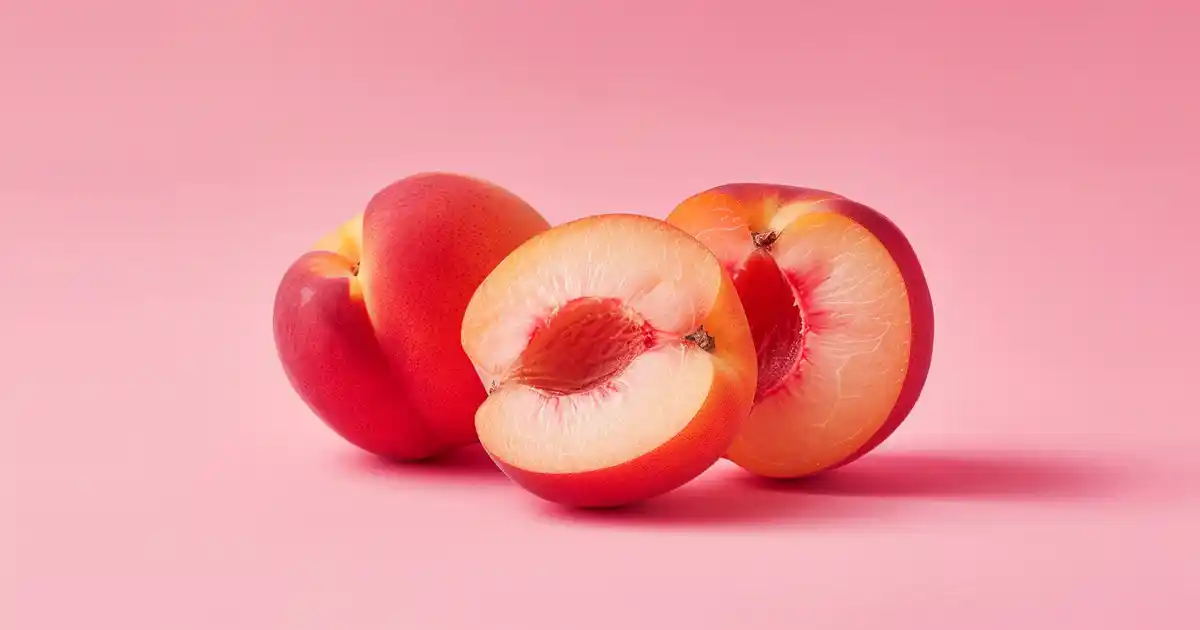
Understanding the anatomy of a nectarine is absolutely crucial before you share one with your dog. The sweet, fuzzy-free flesh contains vitamins A and C, plus dietary fiber that supports digestive health. Don’t skip the preparation step—it took me forever to realize this, but that pit contains cyanogenic compounds that are toxic to dogs (game-changer, seriously).
The flesh itself works beautifully for occasional treats, but you’ll need to keep portions appropriate for your dog’s size. I always recommend starting with small amounts because everyone sees results faster when introducing new foods gradually. A few small chunks are perfect for testing tolerance.
Yes, the natural sugars in nectarines really are safe in moderation, and here’s why: dogs can metabolize fruit sugars, but too much can lead to stomach upset or contribute to weight gain over time. If you’re looking for more guidance on safe fruit options and portion control, check out my beginner’s guide to healthy dog treats and snacks for foundational techniques on expanding your pup’s diet safely.
The Science and Psychology Behind Why This Works
Research from leading veterinary nutritionists demonstrates that dogs are omnivores who can benefit from carefully selected fruits in their diet. The vitamins and antioxidants in nectarine flesh support immune function, skin health, and cellular repair. Studies confirm that the fiber content aids digestive regularity, which is especially helpful for dogs with occasional constipation.
What makes nectarines different from a scientific perspective is their lower acidity compared to citrus fruits, making them gentler on canine digestive systems. Experts agree that the key is moderation—fruit should comprise no more than 10% of your dog’s daily caloric intake. The mental and emotional aspects matter too; sharing healthy treats strengthens your bond and provides enrichment, which veterinary behaviorists recognize as important for your dog’s overall wellbeing.
Here’s How to Actually Make This Happen
Start by selecting a ripe but firm nectarine—overripe fruit can cause digestive issues, and here’s where I used to mess up by thinking softer was always better. Wash the fruit thoroughly to remove any pesticide residue, because even trace amounts can irritate sensitive canine stomachs.
Now for the important part: cut the nectarine in half and remove that pit completely. Don’t be me—I used to think leaving a little flesh around the pit was fine, but that pit is genuinely dangerous. The cyanide compounds can cause serious poisoning, and the hard pit itself is a choking hazard that can also cause intestinal blockage.
Here’s my secret: I slice the flesh into small, bite-sized pieces appropriate for my dog’s size. For small dogs, think thumbnail-size chunks; for large dogs, you can go a bit bigger but nothing they could choke on. This step takes five minutes but creates lasting safety and enjoyment.
Start with just one or two small pieces the first time you offer nectarine. Results can vary, but most dogs tolerate it beautifully within 24 hours. Watch for any signs of stomach upset like vomiting, diarrhea, or excessive gas. When it clicks and your dog enjoys it without issues, you’ll know you can occasionally include nectarines in their treat rotation.
My mentor (a veterinary nutritionist) taught me this trick: freeze small nectarine chunks for a refreshing summer treat that lasts longer and provides cooling relief on hot days. Every situation has its own challenges, like some dogs preferring certain textures, so don’t worry if you’re just starting out with fruit treats—you’ll quickly learn your dog’s preferences.
This creates lasting habits you’ll actually stick with, just like building any healthy routine but with a completely different approach than processed store-bought treats.
Common Mistakes (And How I Made Them All)
My biggest mistake? Leaving the skin on thinking it added extra fiber. While nectarine skin isn’t toxic, it can be difficult for some dogs to digest and may contain more pesticide residue than the flesh. Learn from my epic failure and peel it if your dog has a sensitive stomach.
I also ignored the fundamental principle experts recommend: portion control. I got excited watching my dog enjoy nectarines and gave way too much at once, resulting in a not-so-fun digestive episode. These mistakes happen because we want to make our dogs happy, but moderation is genuinely crucial.
Another common error is giving nectarines to dogs with diabetes or weight issues without consulting a vet first. The natural sugars, while healthier than processed treats, still impact blood sugar levels. Why does this mistake happen? We forget that even healthy foods need to fit within our dog’s specific dietary requirements.
When Things Don’t Go as Planned
Feeling like your dog isn’t interested in nectarines? That’s totally normal, and it happens to everyone—not all dogs like fruit, and that’s perfectly fine. You probably just need to find other healthy treat options that match their preferences better.
Progress stalled because your dog had diarrhea after eating nectarine? Don’t stress, just discontinue giving it and stick to their regular diet. I’ve learned to handle this by introducing new foods even more slowly, sometimes mixing tiny amounts with their regular meals first. When this happens (and it will with some dogs), it simply means their system doesn’t tolerate that particular fruit well.
If you’re losing steam because preparation feels tedious, try prepping several servings at once and storing them in the freezer in individual portions. This is totally manageable when you batch-prepare. I always prepare for setbacks because life is unpredictable—some weeks I forget to buy fresh fruit, so having frozen portions means my dog still gets occasional healthy treats.
Advanced Strategies for Next-Level Results
Advanced dog owners often implement specialized techniques like creating frozen nectarine “pupsicles” by blending nectarine flesh with plain yogurt (if your dog tolerates dairy) or coconut water, then freezing in ice cube trays. I’ve discovered this works brilliantly for training rewards during hot summer months.
When and why should you use these strategies? If you’re working on training goals, small frozen nectarine chunks provide high-value rewards without the calories of cheese or meat treats. This separates beginners from expert pet parents who understand that fruit-based rewards can be just as motivating while supporting overall health.
For dogs who need dental health support, slightly frozen nectarine chunks provide a satisfying chewing experience that can help clean teeth naturally. Experienced practitioners recognize that texture variety in treats keeps dogs mentally engaged and prevents treat boredom.
Ways to Make This Your Own
When I want faster acceptance from picky dogs, I’ll mix tiny nectarine pieces with a small amount of peanut butter (xylitol-free always). This makes it more intensive preparation-wise but definitely worth it for hesitant eaters.
For special situations like training sessions, I’ll create my Training-Boost Nectarine Bites: quarter-inch cubes that can be given rapidly without interrupting training flow. Sometimes I add a sprinkle of cinnamon, though that’s totally optional and not necessary for every dog.
My Busy-Season Version focuses on prep-ahead efficiency: wash, pit, slice, and freeze nectarines in single-serving bags on Sunday, so weekday treating takes zero time. For next-level results during hot weather, I love my Cooling Summer Mix: nectarine chunks frozen with fresh mint leaves (dog-safe) in ice cubes.
Each variation works beautifully with different lifestyle needs, whether you’re a busy professional who needs grab-and-go options or a parent-friendly approach where kids can safely help prepare dog treats.
Why This Approach Actually Works
Unlike traditional commercial treats loaded with artificial ingredients and preservatives, fresh nectarines leverage proven nutritional principles that veterinarians support. This approach is evidence-based because you’re providing whole-food nutrition that dogs would naturally encounter if eating varied diets.
What sets fresh fruit treats apart from conventional dog snacks is the absence of unnecessary additives and the presence of naturally occurring nutrients in bioavailable forms. The sustainable aspect matters too—you’re likely already buying nectarines for your family, so sharing appropriately prepared portions reduces waste while diversifying your dog’s diet.
My personal discovery about why this works came from noticing how much more energetic and interested my dog became when I introduced fruit variety alongside his regular meals. The effective combination of vitamins, fiber, and hydration (nectarines are about 88% water) supports multiple aspects of health simultaneously.
Real Success Stories (And What They Teach Us)
One of my friends with a senior Labrador started giving small nectarine pieces as an alternative to calorie-dense biscuits. Within six months of switching to fruit-based treats combined with other dietary improvements, her dog lost five pounds and showed increased energy levels. What made her successful was consistency and portion awareness—she tracked treats as part of total daily intake.
Another success story involves a rescue dog with food sensitivities who couldn’t tolerate most commercial treats. Their owner discovered that frozen nectarine chunks were one of the few treats that didn’t trigger digestive issues. The lesson here: sometimes simple, whole-food options work better than specialized “sensitive stomach” products.
I’ve also seen families with multiple dogs create treat hierarchies, using high-value nectarine pieces for training the more food-motivated dog while finding that their picky eater preferred other fruits. The diversity of outcomes teaches us that every dog is unique, and timelines for acceptance vary—some dogs love nectarines immediately, while others need several exposures before accepting them.
Tools and Resources That Actually Help
The tools I personally use make nectarine preparation safer and faster. A quality vegetable peeler removes skin efficiently if your dog needs it peeled. A cherry pitter technically works for small nectarines, though I usually just use a sharp knife and cutting board.
Silicone ice cube trays are invaluable for creating perfectly portioned frozen treats—I use ones with small compartments for my medium-sized dog. For storage, freezer-safe containers or resealable bags labeled with dates keep prepared nectarine chunks fresh for up to three months.
The best resources come from authoritative veterinary databases that list comprehensive information about safe and toxic foods for dogs. I also recommend the ASPCA’s Animal Poison Control resources for emergency situations and verification of food safety. Be honest about limitations: while these resources are excellent, they’re not substitutes for consulting your personal veterinarian about your specific dog’s dietary needs.
Questions People Always Ask Me
How long does it take to see health benefits from feeding nectarines to my dog?
Most people notice improved coat shine and energy within 4-6 weeks of adding varied fruits like nectarines to their dog’s diet, though individual results vary based on overall nutrition and health status. I usually recommend thinking of fruit as supplementary nutrition rather than expecting dramatic standalone benefits.
What if I don’t have time to prepare fresh nectarines right now?
Absolutely fine—frozen is just as nutritious! Just focus on removing the pit before freezing, and you can grab pre-prepped portions whenever convenient. Many grocery stores also sell frozen peach or nectarine chunks (check they’re unsweetened and pit-free).
Is feeding nectarines to dogs suitable for complete beginners?
Yes, this approach works beautifully for new dog owners because it’s straightforward—remove pit, cut small, start with tiny amounts. You don’t need special knowledge beyond basic food safety.
Can I adapt this method for my specific dog’s situation?
Definitely, just adjust portion sizes based on your dog’s weight and activity level. Small dogs need thumbnail-sized pieces while large breeds can handle larger chunks. If your dog has health conditions like diabetes, check with your vet about appropriate fruit amounts.
What’s the most important thing to focus on first?
Start by mastering pit removal and proper portion control. Everything else is secondary to these two safety fundamentals that prevent choking, toxicity, and digestive upset.
How do I stay motivated when my dog seems uninterested in nectarines?
Don’t stress if your dog isn’t interested—not all dogs like fruit, and that’s completely normal. Try different preparations (frozen versus fresh) or simply explore other healthy treat options that match their preferences better.
What mistakes should I avoid when starting to feed nectarines to dogs?
Never give the pit, skin (if your dog has sensitivities), or excessive amounts. Avoid giving nectarines to diabetic dogs without vet approval, and don’t assume all stone fruits are equally safe—stick with what you know works.
Can I combine nectarines with other fruits I’m already feeding my dog?
Yes, creating fruit variety keeps things interesting! Just ensure combined fruit treats still stay within that 10% of daily calories rule. Blueberries, watermelon (seedless), and apples (no seeds) pair well with nectarines.
What if I’ve tried giving fruit to my dog before and it caused stomach upset?
That might mean your dog has a sensitive digestive system. Try even smaller amounts, or consider that some dogs simply don’t tolerate fruit well. Cooked vegetables might be better alternatives for sensitive tummies.
How much does implementing this approach typically cost?
Practically nothing extra if you already buy nectarines for yourself! A single nectarine provides multiple treat portions for most dogs, making this one of the most budget-friendly healthy treat options available.
What’s the difference between feeding nectarines and feeding peaches to dogs?
They’re nearly identical nutritionally—the main difference is nectarines have smooth skin while peaches are fuzzy. Both are safe when properly prepared (pitted, appropriate portions), so choose based on availability and price.
How do I know if my dog is having a bad reaction to nectarines?
Watch for vomiting, diarrhea, excessive gas, or behavioral changes within 24 hours of feeding. If you see these signs, discontinue immediately and contact your vet if symptoms persist or worsen.
Before You Get Started
I couldn’t resist sharing this guide because it proves that healthy treating doesn’t have to be complicated or expensive. The best journeys toward improved canine nutrition happen when you start small, stay consistent, and pay attention to your individual dog’s responses. Remember, nectarines are just one option in the wonderful world of dog-safe fruits—the key is finding what works for your unique pup. Ready to begin? Start with a simple first step: buy one ripe nectarine, remove that pit carefully, and offer your dog a small piece while watching their reaction. That’s all you need to do today to begin expanding your dog’s healthy treat options!




