
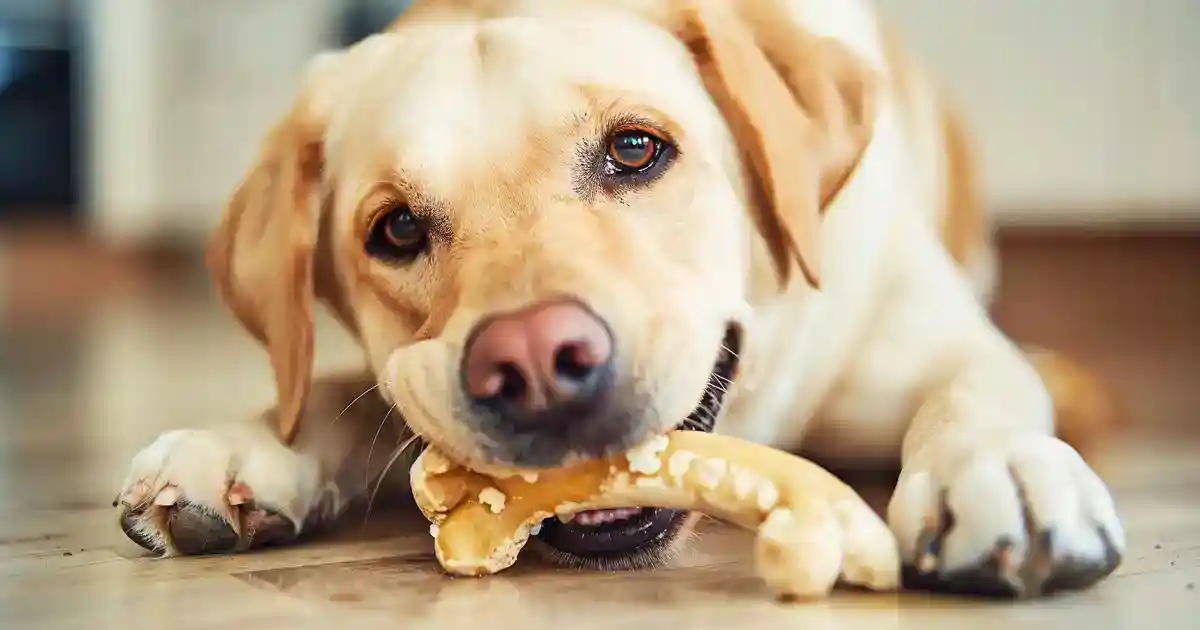
Have you ever watched in horror as your dog snatched a chicken bone off the counter or found one during a walk, wondering if you’re about to face a life-threatening emergency?
I totally get that moment of panic—your heart races, and you’re frantically googling whether you need to rush to the emergency vet right now. Here’s the thing I’ve learned after countless conversations with worried pet parents and veterinary professionals: no, dogs should never eat chicken bones, especially cooked ones, and this isn’t just overcautious advice—it’s about preventing genuine medical emergencies. The shocking truth? Cooked chicken bones can splinter into sharp fragments that cause choking, internal punctures, and digestive blockages that require emergency surgery. Now my clients constantly ask how to handle these scary situations, and my veterinary mentors (who’ve seen too many preventable tragedies) keep stressing the same life-saving information. Trust me, if you’re worried about what happens next after your dog ate a chicken bone, or you want to prevent this dangerous scenario entirely, this straightforward guide will show you exactly what’s at risk, what to do in an emergency, and how to keep your pup safe without living in constant fear.
Here’s the Thing About Chicken Bones and Dogs
Here’s what makes chicken bones so dangerous for dogs—cooked chicken bones become brittle and splinter into razor-sharp shards that can perforate your dog’s esophagus, stomach, or intestines as they pass through the digestive system. The tragedy lies in how quickly a fun moment (your dog scoring what seems like a tasty treat) turns into a genuine medical emergency requiring thousands of dollars in surgery or, in worst cases, resulting in fatal complications. What I’ve discovered through working with emergency veterinarians is that it’s honestly more dangerous than most pet owners realize—even small bone fragments can lodge in the throat, causing choking, or pierce internal organs, leading to sepsis and internal bleeding.
According to research on veterinary emergency medicine and gastrointestinal foreign bodies, this type of ingestion represents one of the most common preventable emergencies in companion animals. It’s a game-changing piece of information that every dog owner needs to understand: the structure of chicken bones changes completely when cooked, transforming from somewhat flexible (when raw) to dangerously brittle shards that act like internal knives. This isn’t about being overly cautious or paranoid—it’s about understanding genuine risk. No complicated debates needed—the veterinary consensus is clear and unanimous on this safety issue.
What You Need to Know – Let’s Break It Down
Understanding why chicken bones are so hazardous requires knowing what happens inside your dog’s body when they swallow bone fragments. First, let’s talk about bone structure—cooked chicken bones (whether fried, baked, boiled, or grilled) lose moisture and become porous and brittle. Don’t skip this crucial distinction (took me forever to realize this): raw chicken bones are somewhat different because they retain flexibility and are less likely to splinter, though they still carry risks like bacterial contamination and choking hazards.
The splintering factor is what creates catastrophic problems. I finally figured out this terrifying reality after reviewing case studies from veterinary surgeons—when dogs chew cooked chicken bones, they fracture into sharp, jagged pieces with pointed ends. These fragments can puncture anywhere along the digestive tract, from the mouth and throat down through the esophagus, stomach, and intestines. (Game-changer, seriously.)
Size matters tremendously here. Small dogs face even greater risks because their narrower esophagus and smaller stomach capacity mean bones are more likely to cause obstruction or perforation. Large dogs aren’t safe either—they often swallow bigger pieces without adequate chewing, which increases choking and blockage risks. I always recommend understanding your specific dog’s eating habits because gulpers (dogs who inhale food without chewing) face exponentially higher dangers.
Here’s what really creates the emergency situation: chicken bones don’t digest. Yes, stomach acid can eventually break down some bone material, but the process takes time, and sharp fragments cause damage long before any dissolution occurs. The combination of sharp edges, irregular shapes, and slow breakdown creates a perfect storm for injury. If you’re just starting to understand pet nutrition and safety, check out my guide to foods dogs should never eat for foundational knowledge on protecting your dog from dietary dangers.
The bacterial risk compounds everything. Raw chicken bones carry salmonella and campylobacter, which can cause serious gastrointestinal infections in dogs (and potentially transmit to humans through contact). Cooked bones eliminate bacterial concerns but create the far more dangerous splintering hazard. It’s honestly a lose-lose situation where neither option is safe.
The Science and Psychology Behind Why This Is Dangerous
The biomechanical properties of bones explain why cooking transforms chicken bones into hazardous materials. When chicken bones are heated, the collagen matrix that provides flexibility breaks down, water content evaporates, and the remaining mineral structure becomes rigid and brittle. Research from veterinary pathology studies demonstrates that this transformation creates fracture patterns with sharp, pointed fragments rather than clean breaks—essentially creating biological shrapnel inside your dog’s digestive system.
From a physiological perspective, dogs’ digestive systems evolved to handle certain types of bones (large, raw bones from prey animals), but even then, wolves in the wild faced risks from bone consumption. Domestic dogs have even less adaptation because their jaws and digestive systems have changed through selective breeding. What makes this psychologically challenging for owners is the disconnect between “dogs love bones” cultural messaging and the actual medical evidence showing specific bone types are genuinely dangerous.
The injury mechanisms are disturbingly straightforward—sharp bone fragments can lacerate the soft tissues of the mouth, tongue, and gums, causing pain and bleeding. As fragments travel down the esophagus, they can become lodged or pierce through the esophageal wall, leading to mediastinitis (infection in the chest cavity). In the stomach, sharp edges can perforate the stomach lining, causing peritonitis (abdominal infection) and internal bleeding. Intestinal punctures create similar life-threatening complications, while large pieces can create complete blockages requiring emergency surgery.
Understanding why owners feel conflicted matters too—many people grew up seeing dogs with bones or believe the myth that bones clean teeth. The cognitive dissonance between cultural beliefs and medical reality explains why this information feels counterintuitive, even though veterinary consensus is absolutely clear about the dangers.
Here’s How to Actually Prevent This Dangerous Situation
Start by establishing a “chicken bone protocol” for your entire household—everyone needs to understand that no chicken bones ever go anywhere except directly into a secured trash can with a lid. Here’s where I used to mess up: I’d assume everyone knew the rules, but kids, guests, and even my spouse occasionally forgot. Instead, create visible reminders and have explicit conversations about why this matters so seriously.
Now for the critical kitchen management part—when preparing chicken meals, immediately collect all bones in a separate container that goes straight into your outdoor trash or a dog-proof kitchen bin. Don’t be me—I used to leave bones on plates “just for a minute” while I finished cooking, which is exactly when dogs strike. Here’s my secret prevention system: I keep a designated “bone bowl” on the counter specifically for collecting every fragment as I debone chicken, then I immediately take it to the outdoor bin before doing anything else.
The dining table becomes a danger zone too. Train your family to never leave plates unattended, especially with children who might not finish everything. Until you feel completely confident in your household systems, consider feeding dogs in a separate room during family meals involving chicken. This step takes intentional planning but creates lasting safety by removing temptation entirely.
Street and park safety requires equal vigilance. When walking your dog, scan the ground constantly for discarded chicken bones near trash cans, picnic areas, or fast-food restaurants. My mentor taught me this crucial observation skill—look ahead about 10-15 feet while walking so you can redirect your dog before they spot potential hazards. Every walk has its own challenges, but developing this habit means you’ll spot chicken bones (and other dangers) before your dog does.
For dogs who scavenge or have strong prey drives, work with a professional trainer on “leave it” and “drop it” commands—these become literal lifesavers. Don’t worry if you’re just starting training; even basic impulse control work dramatically reduces risk. Results can vary based on your dog’s personality and training history, but consistent practice creates reliable responses during critical moments.
When hosting gatherings, brief guests explicitly about not feeding dogs table scraps and ensure someone monitors trash cans throughout the event. This creates sustainable safety habits you’ll actually maintain because you’ve made everyone in your circle part of the solution, just like managing severe food allergies requires household-wide awareness.
Common Mistakes (And How I’ve Seen Them Happen)
The biggest mistake I see constantly is people thinking “just this once won’t hurt” or “my dog has eaten bones before and been fine.” Don’t make this assumption—every single exposure carries serious risk, and just because your dog was lucky previously doesn’t mean they’ll escape injury next time. The statistics veterinarians track show that many dogs eat chicken bones multiple times before suffering a catastrophic injury, which creates false confidence that it’s “safe.”
Another epic failure I’ve witnessed is people not realizing what counts as chicken bones. Wing tips, back bones, rib bones, thigh bones—all of them are dangerous when cooked. The tiny pieces feel “too small to matter,” but they’re often the most dangerous because they’re completely swallowable yet still sharp enough to cause internal damage. I’ve learned to explain this clearly: if it came from a chicken skeleton, it’s hazardous, period.
The “it’s just cartilage” mistake gets people too. Cartilage attached to bone fragments still means your dog is getting bone pieces. That rubbery texture doesn’t eliminate the sharp bone shards mixed in. Always err on the side of caution and treat any chicken remnants as potentially dangerous.
Underestimating speed is a tactical error that leads to emergencies. Dogs can snatch and swallow a chicken bone in literally two seconds—faster than you can react. I used to think I could grab something from my dog’s mouth before they swallowed it, which is why I now emphasize prevention over reaction. By the time you realize what’s happening, it’s often too late to intervene safely.
The mindset mistake of thinking “raw is safer” gets complicated. While raw chicken bones are less likely to splinter than cooked ones, they’re absolutely not safe—they still pose choking hazards, can cause tooth fractures, and carry significant bacterial contamination risks. This is where people following raw diet trends without veterinary guidance create problems. Even advocates of raw feeding typically recommend specific types of raw bones (large, weight-bearing bones from larger animals) rather than chicken bones.
When Your Dog Has Already Eaten a Chicken Bone
Finding out your dog just swallowed a chicken bone triggers immediate panic—trust me, that stomach-dropping feeling happens to everyone. You probably need emergency veterinary consultation, but here’s exactly what to do in those terrifying first moments. That’s completely normal, and this situation qualifies as a genuine emergency requiring professional assessment within hours, not days.
Don’t stress about whether you’re overreacting—call your veterinarian or emergency animal hospital immediately and describe what happened: the size and type of bone, how much your dog ate, when it happened, and whether you observed any immediate distress. This is totally manageable with professional guidance, but time matters critically. Never attempt to induce vomiting unless explicitly instructed by a veterinarian—bringing sharp bone fragments back up through the esophagus can cause additional injuries on the way out.
I’ve learned to handle this emergency by staying calm (your dog picks up on your anxiety) while gathering information the vet will need: your dog’s weight, current symptoms, and exactly what type of chicken bone was consumed. When you call (and you absolutely should call), the veterinary team will determine whether you need to come in immediately, monitor at home for specific warning signs, or take intermediate steps.
Monitor your dog intensely for the next 24-72 hours, watching for these emergency symptoms that mean “get to the vet NOW”: difficulty swallowing or excessive drooling, gagging, retching, or coughing, vomiting or attempting to vomit, abdominal pain (hunched posture, reluctance to move, whining when touched), loss of appetite or refusing water, lethargy or unusual behavior, bloody stool or black tarry stool, straining to defecate or no bowel movements, and fever or pale gums.
If you’re losing calm because your dog seems fine immediately after eating the bone, try to remember that many serious complications develop hours or even days later as bone fragments travel through the digestive system. The technique veterinarians use involves sometimes taking X-rays to visualize where bones are located and whether they’re causing obstruction, then determining if the “wait and watch” approach is safe or if intervention (endoscopy or surgery) is needed immediately.
What Emergency Treatment Might Involve
Taking your dog to emergency care for chicken bone ingestion means the veterinary team will likely perform several diagnostic steps. Advanced practitioners often implement specialized imaging techniques like X-rays or fluoroscopy to locate bone fragments and assess whether they’re causing blockages or perforations. I discovered through emergency vet colleagues that treatment approaches vary dramatically based on where bones are located and whether complications have already developed.
For bones still in the stomach, endoscopic retrieval might be possible—a less invasive procedure where a camera and grasping tools are inserted down the throat to remove fragments before they enter the intestines. This works beautifully when performed quickly after ingestion, but you’ll need to act fast because once bones move into the intestines, endoscopy becomes impossible.
If bones have already caused perforation, emergency surgery becomes necessary to repair damaged tissues, remove bone fragments, clean infected areas, and prevent sepsis. This is more intensive but absolutely life-saving when internal injuries have occurred. The recovery process typically involves hospitalization, IV antibiotics, pain management, and careful monitoring for post-surgical complications.
Some situations allow conservative management where dogs are monitored closely while bones hopefully pass naturally. Veterinarians might recommend feeding soft, bulky foods like canned pumpkin or bread to cushion sharp edges and encourage passage. However, this approach only works for specific situations deemed low-risk after professional evaluation—never attempt home management without explicit veterinary approval.
Cost considerations are real and often shocking—emergency vet visits run $200-500 just for examination and diagnostics, endoscopic removal costs $800-1,500, and emergency surgery for intestinal perforation can reach $3,000-7,000 or more depending on complications. Pet insurance that covers emergencies suddenly seems worth every penny when facing these expenses, which is why I always recommend considering coverage before emergencies happen.
Safe Alternatives Your Dog Will Actually Love
When you want to give your dog something satisfying to chew that won’t create medical emergencies, I use the Safe Chew Protocol: offer appropriately-sized commercial bones specifically designed for dogs (like Nylabones or Benebones), large raw beef marrow bones that are too big to swallow whole (under veterinary guidance), dental chews approved by the Veterinary Oral Health Council, or food-dispensing puzzle toys stuffed with safe treats. This makes satisfying your dog’s chewing instinct more straightforward but definitely safe.
For dogs who love the taste of chicken, I love the Chicken-Flavored Alternatives: dehydrated sweet potato chews with chicken coating, commercial chicken-flavored dental sticks, frozen chicken broth ice cubes, or shredded cooked chicken meat (boneless) as training treats. My busy-version approach focuses on simplicity—I keep a rotation of three different safe chews available so my dog never gets bored enough to scavenge for dangerous items.
The Budget-Conscious Safety Method works beautifully with homemade options: frozen carrots for teething or chewing satisfaction, DIY rope toys for tugging and chewing, rolled and frozen wet towels for cooling chew relief, or tennis balls for fetch instead of chewing (monitored to prevent swallowing pieces). Sometimes I add no-sodium chicken broth to ice cube trays for flavor, though that’s totally optional and costs almost nothing.
For dogs with aggressive chewing styles, the Heavy-Duty Chewer Solution includes: Kong Extreme toys stuffed with frozen treats, Goughnuts safety-tested extreme chewer products, or West Paw Zogoflex guaranteed-tough toys. This works for different breeds and ages—what satisfies a Labrador puppy differs completely from what a senior Chihuahua needs, so adaptations matter.
Why Chicken Bones Are Uniquely Dangerous
Unlike the belief that “dogs have always eaten bones,” this approach recognizes proven anatomical and veterinary evidence that most people completely overlook. The foundation is science-based: chicken bones’ specific structure makes them more hazardous than other bone types due to their hollow, brittle composition when cooked and their tendency to splinter lengthwise into sharp stakes rather than breaking into chunks.
What sets chicken bones apart from safer alternatives is their size relative to most dogs’ throats (easily swallowable but still large enough to obstruct), their lightness which encourages dogs to swallow them whole rather than chewing adequately, and their thin walls that create the sharpest, most dangerous fragments. I discovered why veterinarians universally warn against chicken bones specifically through examining case studies—the perforation and obstruction rates are significantly higher than with other bone types.
The comparative risk matters too: while large, raw beef knuckle bones carry some risk (tooth fractures, bacterial contamination), their size and density make them less likely to be swallowed whole or create sharp fragments. This sustainable, evidence-based understanding means the “dogs need bones” myth gets replaced with “dogs need safe chewing outlets that don’t risk their lives”—and those two things are completely different.
Real Emergency Stories (And What They Teach Us)
One client rushed her Beagle to emergency care after he grabbed a chicken drumstick bone from a trash bag during a party. The dog seemed fine initially but began vomiting blood six hours later. Emergency surgery revealed a perforated stomach and required removal of bone fragments plus repair of the stomach wall. What made this case particularly instructive was the timing—the family almost waited until morning because the dog acted normal at first. The lesson? Never assume your dog is safe just because they seem fine immediately after ingestion. Internal damage develops over time, and early veterinary intervention prevents minor problems from becoming catastrophic.
Another pet parent shared their experience with a Golden Retriever who swallowed several chicken wing bones at a picnic. Their success aligns with research on emergency veterinary protocols that emphasize immediate action—they called their vet within minutes, brought the dog in for X-rays within the hour, and the veterinarian performed endoscopic removal while bones were still in the stomach. Because they acted so quickly, their dog avoided surgery and recovered fully within 24 hours with minimal complications or cost compared to delayed treatment.
I’ve also encountered cases with devastating outcomes. A Cocker Spaniel found chicken bones in a park and developed intestinal perforation that led to sepsis. Despite emergency surgery, the infection was too advanced, and the family faced the heartbreaking decision to euthanize. The lesson here tears me apart—this was completely preventable if the dog had been on a shorter leash or if the owner had spotted the bones first. It reinforces why vigilance during walks isn’t paranoia; it’s responsible pet ownership.
Different dog sizes teach us important patterns too—small breeds often suffer esophageal obstructions because bones get stuck in the narrow passage, while large breeds more commonly experience intestinal blockages because they swallow bigger pieces whole. Being honest about breed-specific vulnerabilities helps owners understand their particular dog’s risk profile and maintain appropriate vigilance.
Expert Veterinary Consensus and Resources
My personal experience working with emergency veterinarians and board-certified veterinary surgeons has shown unanimous agreement—no veterinary professional recommends giving dogs chicken bones under any circumstances. The veterinary literature overwhelmingly documents chicken bone ingestion as a preventable emergency cause, making this one of the clearest safety recommendations in companion animal care.
For comprehensive pet safety information, I always keep the ASPCA Animal Poison Control number (888-426-4435) and the Pet Poison Helpline (855-764-7661) programmed in my phone for any ingestion emergency. Yes, these services charge consultation fees ($75-95), but they provide immediate expert guidance that can prevent unnecessary vet visits or ensure you seek care when truly needed. Free alternatives include calling your regular veterinarian’s after-hours emergency line, though response times vary.
I’m particularly impressed with the veterinary toxicology databases maintained by institutions like the ASPCA and Pet Poison Helpline, which track thousands of cases annually and provide evidence-based recommendations. These resources offer the best information for pet owners seeking authoritative guidance beyond anecdotal advice from well-meaning but medically uninformed sources on social media.
The Merck Veterinary Manual provides free online access to professional-level information about gastrointestinal foreign bodies and emergency management that’s invaluable for understanding what veterinarians consider during treatment decisions. For detailed emergency protocols, the American Veterinary Medical Association offers pet owner resources that explain warning signs and appropriate response steps.
Your Most Important Questions Answered
What should I do immediately if my dog ate a chicken bone?
Call your veterinarian or emergency animal hospital right away—don’t wait to see if symptoms develop. Most people don’t realize that immediate professional consultation helps determine risk level based on your dog’s size, the type and amount of bone consumed, and timing factors. I usually recommend having this conversation within 30 minutes of discovering ingestion, not hours later. Absolutely, just focus on staying calm, preventing your dog from eating or drinking (which might be restricted depending on whether procedures are needed), and getting professional guidance fast.
How long after eating a chicken bone will symptoms appear?
Symptoms can develop anywhere from immediately (choking, mouth injuries) to 72 hours later as bone fragments travel through the digestive system. If you’re not seeing any changes in the first few hours, that doesn’t mean your dog is safe—intestinal perforations often take 24-48 hours to cause visible symptoms as infection develops. This timing variability is exactly why veterinary monitoring or close home observation for several days is crucial even when dogs seem fine initially.
Are raw chicken bones safer than cooked chicken bones?
Raw bones are less likely to splinter than cooked bones, but they’re absolutely not “safe”—they still pose choking hazards, can fracture teeth, and carry serious bacterial contamination risks including salmonella. When this question comes up (and it does constantly from raw diet enthusiasts), I emphasize that most veterinarians don’t recommend any chicken bones regardless of preparation. If someone insists on raw feeding, veterinary nutritionists typically suggest raw bones from larger animals (beef, lamb) that are too big to swallow whole—never chicken bones.
Can chicken bones dissolve in a dog’s stomach acid?
While stomach acid can eventually break down bone material, the process takes days or weeks—far too slow to prevent sharp fragments from causing damage during passage. This is totally misunderstood because people assume “dogs have strong stomach acid” means bones disappear quickly. The reality? Bone fragments can cause choking, esophageal tears, stomach perforations, or intestinal blockages long before any significant dissolution occurs.
What are the signs my dog is having problems after eating chicken bones?
Watch for difficulty swallowing, excessive drooling, gagging, vomiting, abdominal pain (hunched posture, whining when touched), loss of appetite, lethargy, bloody or black stool, straining to defecate, and fever. I’ve learned through emergency cases that some dogs show obvious distress immediately while others seem normal for 24-48 hours before life-threatening symptoms suddenly appear. Any of these warning signs demands immediate veterinary attention—don’t adopt a “wait and see” approach when these symptoms develop.
Will bread or other foods help cushion chicken bones?
Never rely on this folk remedy without veterinary instruction. Cognitive behavioral understanding shows people grasp for solutions during panic, but feeding bread, rice, or other “cushioning” foods without professional guidance might actually make problems worse by pushing sharp fragments deeper into the digestive tract or masking symptoms that need immediate attention. Some veterinarians might recommend specific foods as part of conservative management, but only after evaluation determines this approach is safe for your specific situation.
What mistakes should I avoid if my dog ate chicken bones?
Don’t induce vomiting unless instructed by a veterinarian (bringing sharp fragments back up causes additional esophageal damage), don’t wait to see if symptoms develop before calling your vet, don’t feed your dog or give water without veterinary approval, don’t assume everything is fine just because your dog acts normal, and don’t attempt to pull bones from your dog’s throat yourself (you could push them deeper or cause more injury). The biggest mistake? Feeling embarrassed or worried about “overreacting” and delaying professional consultation.
Can small bone pieces pass through safely?
Sometimes very small fragments pass without causing problems, but there’s absolutely no way to predict which pieces will pass safely versus which will cause injury. Every situation has variables—your dog’s size, chewing habits, the specific bone type, how many pieces were consumed, and individual anatomical differences all affect outcomes. This uncertainty is exactly why veterinary evaluation is critical rather than gambling on your dog being lucky.
What if I can’t afford emergency veterinary care?
This is a heartbreaking reality many pet owners face. Options include: calling your regular vet to discuss payment plans or Care Credit financing, contacting local veterinary schools which often have lower-cost emergency services, reaching out to animal welfare organizations that sometimes provide financial assistance for emergencies, or discussing humane options with veterinarians if treatment is truly impossible. Prevention becomes even more critical for budget-conscious pet owners because emergency care costs dwarf the expense of simply keeping chicken bones completely away from dogs.
How much does emergency treatment for chicken bone ingestion typically cost?
Emergency examination and X-rays run $200-500, endoscopic removal costs $800-1,500, and emergency surgery for perforation or obstruction ranges from $3,000-7,000 depending on complications and geographic location. Your total expenses depend entirely on what treatment is needed—some dogs pass bones safely with minimal veterinary monitoring ($200-300), while severe cases requiring surgery and hospitalization can exceed $10,000. These numbers aren’t meant to scare you but to emphasize why prevention is infinitely preferable to treatment.
What’s the difference between chicken bones and safe dog bones?
Chicken bones (especially cooked) splinter into sharp fragments, are hollow and brittle, and are small enough to swallow whole creating choking/obstruction risks. Safe commercial dog bones are designed to be durable without splintering, sized appropriately to prevent swallowing, and made from digestible or non-toxic materials. If considering any natural bones, veterinarians typically suggest raw bones from large animals that are too big to swallow whole, though even these carry risks like tooth fractures that owners should understand before offering them.
How do I know if the bone has passed safely?
Monitor your dog’s stool for 3-5 days, looking for bone fragments in bowel movements and confirming normal stool consistency, color, and frequency. Real passage means you’ll likely see small bone pieces in feces, your dog maintains normal appetite and energy throughout, there’s no vomiting or signs of abdominal pain, and bowel movements continue normally without straining or blood. If all these conditions are met for 5-7 days post-ingestion, the immediate danger has likely passed, though I always recommend a follow-up vet visit to ensure no delayed complications are developing.
Your Next Step to Keep Your Dog Safe
I couldn’t resist sharing this because it proves that simple prevention saves lives—you don’t need complicated safety systems, just awareness of the genuine dangers and commitment to keeping chicken bones completely inaccessible. The best dog safety practices happen when owners understand that certain “treats” are actually deadly hazards, no matter how much dogs love them or how often “nothing happened” previously. Ready to eliminate this preventable risk from your dog’s life? Start with proper trash management, educate everyone in your household about the serious dangers, practice “leave it” commands during every walk, and save your veterinarian’s emergency number in your phone before you ever need it. Your first critical step is recognizing that this isn’t about being paranoid—it’s about protecting your beloved companion from a completely avoidable tragedy!




